Handheld vs. Overhead RFID Debate: The Final Countdown For More Exact Inventory Counts
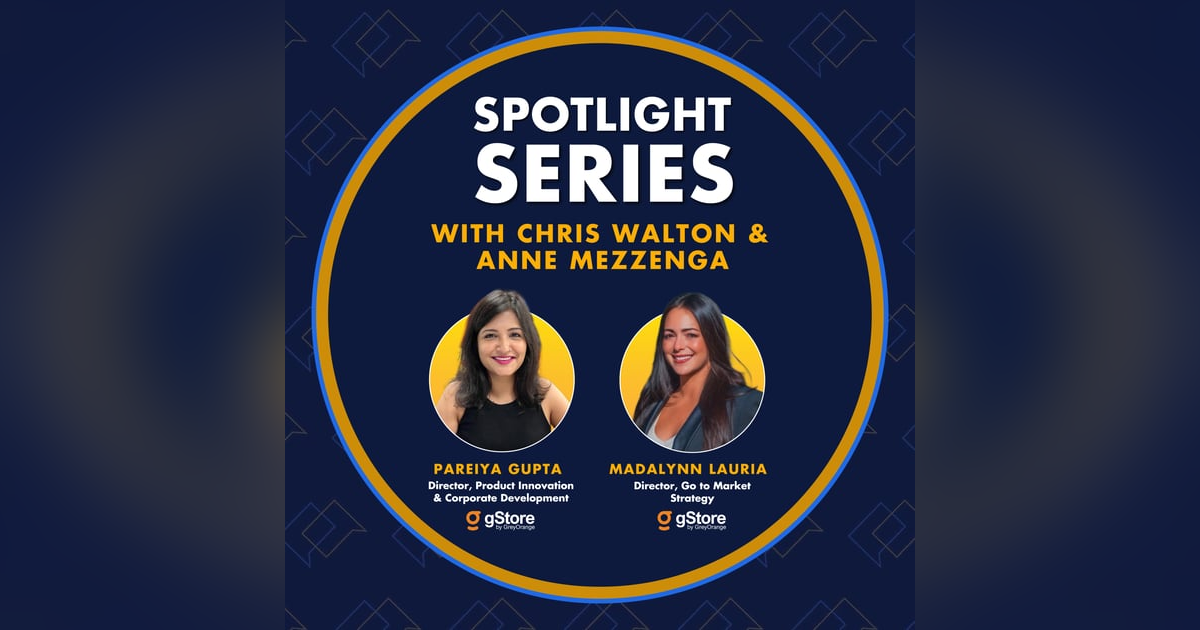


Specialty retailers keep asking us: handheld scanners or overhead readers? So we settled it the only way we know how: with a knockdown, dragout debate between two RFID experts.
In this Retail Technology Spotlight, Anne Mezzenga moderates as Madalynn Lauria (Team Handheld) and Pareiya Gupta (Team Overhead) from GreyOrange make their cases for the best RFID solution. From proving ROI on a tight budget to cutting inventory counts from hours to minutes, this conversation tackles the real questions retailers are wrestling with as they decide how to track inventory in 2026.
The verdict? It's not as simple as picking a side. Whether you're testing RFID for the first time or scaling across hundreds of stores, the right answer depends on your velocity, your budget, and what you're actually trying to solve. But one thing's clear: manual counts and mystery stockrooms aren't going to cut it anymore.
Key Topics covered:
• How to test RFID with minimal budget and staff
• Cutting inventory counts from hours to under 20 minutes
• Why some retailers are going hybrid (overhead + handheld)
• Real-time shrink visibility and where product actually disappears
• Tracking TikTok trends and moving inventory between stores in hours
• The smart fitting room problem nobody talks about
Music by hooksounds.com
*Sponsored Content*
#RFID #retailtech #inventorymanagement #omnitalk #retailinnovation #smartretail #retailpodcast #omnichannelretail #retailoperations #supplychain
This podcast uses the following third-party services for analysis:
Podcorn - https://podcorn.com/privacy
00:00 - Untitled
00:08 - Introduction to the Omni Talk Retail Podcast
01:19 - Introduction to RFID Technologies in Retail
12:27 - Understanding RFID Implementation in Retail
21:01 - RFID Technology in Retail: Addressing Inventory Challenges
28:32 - The Role of Real-Time Inventory Tracking
Foreign.
Speaker BHello.
Speaker BThis Retail Technology Spotlight series is brought to you by the Omni Talk Retail Podcast Network.
Speaker BRanked in the top 10% of all podcasts globally and currently ranked in the top 100 of all business podcasts on Apple Podcasts.
Speaker BThe Omni Talk Retail Podcast network is the network that we hope makes you feel a little smarter, but most importantly, a little happier each week too.
Speaker BAnd this podcast is just one of the many great podcasts you can find from us here at Amitok Retail alongside our Retail Daily minute, which brings you a curated selection of the most important retail headlines every morning and our signature podcast, the Retail Fast five that breaks down each week.
Speaker BThe top five headlines making waves in the world of Omni Channel retailing and comes your way every Wednesday afternoon.
Speaker BI'm Anne Mazinga.
Speaker BI'm your host for today's session and this Spotlight series.
Speaker BOmni Talk fans, it's going to be a little different than most.
Speaker BWe have put a couple of our store tour videos out recently showing the value of RFID in specialty apparel stores like H and M and Fabletics.
Speaker BAnd we have been flooded with questions asking, which is better?
Speaker BCan I do handheld readers?
Speaker BCan I do overhead readers?
Speaker BDo I do both?
Speaker BWhat do I do?
Speaker BHelp me out.
Speaker BSo today we thought we'd take the opportunity to get this settled once and for all in a knockdown drag out debate with our two experts for first, Madeline Lauria, the director of go to market strategy at Gray Orange, who will be representing Team Handheld Scanner, and Patti Agupta, the director of product innovation and corporate development for Gray Orange, who will be representing Team Overhead readers.
Speaker BWelcome to you both.
Speaker BPatia, you and I met in London a few months ago and this was before all of the hubbub started around the Fabletics video.
Speaker BI'm excited to have you back on or on for the first time here.
Speaker BWelcome to the show.
Speaker BHow are you doing today?
Speaker CI'm great and I'm really excited for this.
Speaker BYes.
Speaker BAre you feeling like, did you practice your like, did you do push ups or anything to get ready for this for representing Team Overhead Reader?
Speaker CYeah, I looked myself in the middle and I said I got to shine.
Speaker BDid you have like some, some music where you like I got to play my like pump up, pump it up track?
Speaker CAbsolutely.
Speaker CI'm anyway into dancing.
Speaker CI had a lot fun doing some dancing around to get some rhythm on.
Speaker BOh my gosh, this is going to be so perfect.
Speaker BMeline, welcome to you.
Speaker BThis is your first time on Omni Talk as well.
Speaker BAre you, what was your, what was your like game day prep for team handheld scanner.
Speaker AYeah, and it's pretty simple.
Speaker AStart my morning like I do every morning with a coffee and just some handheld dumbbells.
Speaker CI love it.
Speaker BFor those listening, she's got a handheld prop and she is doing legitimate dumbbell lifts right now.
Speaker BIt' just curls curls all day with that handheld scanner.
Speaker BWell, you two are clearly both ready for this.
Speaker BBefore we dive into the debate, I'd love for our listeners to get a little bit more information about each of your backgrounds.
Speaker BPatia, I'm going to start with you and if you don't mind giving our listeners a quick overview on what Gray Orange does for those who might be meeting Gray Orange for the first time.
Speaker CAbsolutely.
Speaker CThank you Ann for having me here.
Speaker CGray Orange has been in the industry for 12 plus years.
Speaker CWe've dominated the warehousing world where we've almost touched every node in the retail and supply chain world.
Speaker CA few years ago we pivoted into the retail store space where we realized that there was a huge parallel between what Gray Orange does in the warehouses and what is needed for retail stores.
Speaker CAnd the retail stores eventually have the exact same thing.
Speaker CThey have inventory, they have associates, they have.
Speaker CThe only thing that is really different is store associates.
Speaker CRight, right.
Speaker CAnd that's exactly what G Store majorly focuses on.
Speaker CAnd that's a little bit about grayorange in G Store.
Speaker BAnd what's your role there?
Speaker BTell us a little bit about what you oversee.
Speaker CI'm Director Product Innovation and cop dev at grioorange.
Speaker CI'm one of the co creators of G Store and I've spent the last eight years in the retail industry.
Speaker CI absolutely love retail chaos and my job is to make it behave.
Speaker CI'm spiritually hovering over like an overhead reader in the little aisles of the stores.
Speaker CSo yes, let's say that I love things automated.
Speaker BI love the casual flex.
Speaker BLike I'm a co creator of G Store of the G Store platform which is a pretty major thing.
Speaker BPerea.
Speaker BSo I'm excited to have you on and I'm very excited why you chose Team Overhead.
Speaker BSo Madeline, let's go to you next.
Speaker BTell us a little bit about your background and what you oversee at Gray Orange.
Speaker AGlad to be here with Pareo.
Speaker AThey are fighting superhero and seeing what they've been working on in the overhead space.
Speaker ABut my background is in the handheld solutions and really understanding that that layer of data that goes between your stores and your devices and how to make the most of it and build ROI a little bit easier.
Speaker AMy role is in go to market strategy, because this is a complex story.
Speaker ASo telling that story to you guys here today and within the greater organization has been a real honor.
Speaker ABut I am team handhelds.
Speaker AI'm here for the scrappy guy.
Speaker AAnd let's see who wins.
Speaker BNow, one question I want to add in here for those who are not familiar.
Speaker BDo you mind giving us a quick overview, each of you, of kind of what the overhead reader does?
Speaker BLet's go to you first, just so that, like, set the stage for an overhead reader is and what kind of store it could go in, just so that they understand the context of what we'll be talking about today.
Speaker CAbsolutely, absolutely.
Speaker CThanks, Ann.
Speaker CI think it's a great question.
Speaker COverheads have been more recent in the market with respect to deployments.
Speaker CThey've existed for a very, very long time.
Speaker CThese are small antenna devices that go get embedded in the ceiling of your store, right?
Speaker CIt's literally like an immobile robot, but on your ceiling.
Speaker CRight.
Speaker CWhat it's doing is it's always on.
Speaker CIt's always reading exactly what inventory you have on your shop floor, what you have in the back store.
Speaker CAnd it just doesn't only give you back and front.
Speaker CIt also gives you down to a zone level, down to an exact location level.
Speaker CSo you precisely get like a Google map for your store inventory, right?
Speaker CYou exactly know where your products are.
Speaker CSo you get count accuracy, which you also get with handheld.
Speaker CRight along with that, you get location precision, and that becomes a game changer.
Speaker CAnd then all the other processes in the store get enabled and empowered by this data source.
Speaker CThat's sort of what the overhead world looks like.
Speaker BMadeline, tell us a little bit about how handheld readers are being used in stores today.
Speaker ASo for all of the retailers that might have just heard that amazing pitch which sign me up, but there's complexity there.
Speaker AThere's.
Speaker AThere's necessary integrations.
Speaker AThere's pieces of data that we need to be able to get the most value out of these overhead readers.
Speaker ASo when you think about a handheld, you really only need to start with, what do you think is in your store?
Speaker AWhat does it look like?
Speaker AGive me, you know, the product attributes.
Speaker AAnd with just that minimum information, we can do a count each week.
Speaker AWe can see that accuracy skyrockets to 98% even within just the first count.
Speaker ASo when you're thinking about building ROI or convincing your CFO if this is a worthwhile investment, if we should even talk about overhead readers, this is a really easy way to prove it to them.
Speaker BWell, Madeline, let's Let's go to you first.
Speaker BLet's hear some opening statements from make the case for Team Handheld.
Speaker AIt's pretty easy, Anne.
Speaker AI mean when you're thinking about RFID and you want to get started, what's the easiest thing you can do?
Speaker APick up your own device, put on your own labels and just start counting and see what you see.
Speaker BSure, sure.
Speaker ASo if it were up to me, that usually starts with a handhelds because they are a lighter lift.
Speaker ABut I'll tell more about that when we get to some of the the more hard hitting questions.
Speaker BOkay, okay.
Speaker BShe's going to save it for later.
Speaker BShe, she's all like ready to go.
Speaker BShe's going to save, she's got some nuggets she's going to drop later.
Speaker BPray.
Speaker BLet's, let's hear your opening statement for the overhead readers.
Speaker CYeah but before that.
Speaker CManual effort for 2026 is absolutely a bold choice.
Speaker CMadeleine.
Speaker BThe bows are already getting thrown.
Speaker BI love it.
Speaker BI love it.
Speaker CSo okay, now let me just lift the conversation literally.
Speaker COverhead RFID means continuous tracking, no efforts, no miss scans, no oops, I forgot the stockroom moment.
Speaker CWith overheads, the moment a product moves, the system knows about it.
Speaker CIt's like giving your store a central nervous system.
Speaker COverhead gives you real time location, shrink visibility, automated replenishment signals and you just don't have to lift a finger for it.
Speaker CRight?
Speaker BRight.
Speaker CIt's visibility without dependency.
Speaker AAh, but how many people have to lift that finger before no one has to lift that finger.
Speaker BPriya, what's your response to that?
Speaker CSee, handheld scanners only tell you when the product was last scanned.
Speaker CRight.
Speaker CThat's the only information.
Speaker CThe only thing that you get to know is when was the item last scanned and last seen.
Speaker CRight.
Speaker CAnd the analytics with it is absolutely very bare minimum.
Speaker COverhead gives you analytics like never before.
Speaker CYou get movement patterns, you get dwell time, you even get to know about misplaced items and insights that handhelds can never give you alone.
Speaker BI think that the best way for us to be able to get deep into these topics is to start the debate and I'm going to be asking you a series of questions.
Speaker BSome of these are questions that we got from our audience when they saw some of the videos at H M store in SoHo in New York or the Fabletics store in La Jolla, California.
Speaker BSo I'm going to throw these out to you and then I'm going to let the two of you debate these.
Speaker BSo let's start with question number one.
Speaker BI'm a specialty apparel retailer.
Speaker BI Want to test rfid, but I have minimal budget and staff.
Speaker BWhat should I do?
Speaker BPerea, we're going to give you this first chance to answer.
Speaker BLet's hear what you have to say.
Speaker CMy honest recommendation is why do you have to decide at the start?
Speaker CWhy don't you give both a shot?
Speaker CRight.
Speaker CPick one store, do an overhead install, pick another store, do a handheld try.
Speaker CRight.
Speaker CAnd then just compare the results of the two as you, you'll get the results so quickly that it's going to be super simple for you to take a final decision.
Speaker CRight.
Speaker CWe saw this exact journey with Fabletics.
Speaker CThey started off super convinced that they wanted to do all handheld stores, but started realizing that, let's just give this a try.
Speaker CAnd then they finally decided when they saw the sales uplift, they finally decided they're going to do 10% overhead stores.
Speaker CAnd as they started rolling out, they started realizing the value of it and boom, within a year they had all overhead stores deployed.
Speaker C100% stores on overhead readers.
Speaker CRight.
Speaker CBecause all the stores self funded themselves with the sales uptick that they saw as the, as the months progressed.
Speaker CRight.
Speaker CThat's the, that's the beauty of a system like that.
Speaker BInteresting.
Speaker BI didn't know that you could do that.
Speaker BSo that makes sense.
Speaker BSo you're saying, Perea, that you should, you, you can.
Speaker BEven as a specialty retailer with, you know, a hundred or so stores or fewer, you could do a side by side test to see what's going on.
Speaker BOne handheld, one overhead.
Speaker BAnd that would be your recommendation?
Speaker CAbsolutely.
Speaker CAnd that's the power of the right technology.
Speaker CWhen your inventory is accurate and it's actionable, the ROI funds itself through the top line growth that you will see.
Speaker BExcellent, Madeline.
Speaker BI mean this one almost at first I thought that we were making the case for handheld because Fabletics decided to go all handheld, but what's your response?
Speaker BHow do you, it's, it's your floor now to, to debate what Podia just said.
Speaker ADo you feel convinced yet, Ann?
Speaker BI mean, hey, I'm just, I'm just the moderator of this debate.
Speaker BI am not.
Speaker BI do not choose sides until the end.
Speaker BWe'll let the audience be the judge.
Speaker AGood answer, good answer.
Speaker AI think that I'm going to take this back even before that conversation happens where we're discussing what kind of hardware to implement.
Speaker AAnd the first conversation is always, is RFID investment going to be the thing that solves this challenge that I have?
Speaker AAnd I think getting to the root of what that challenge is is the first step.
Speaker AAnd we like Pariah said we can't talk hardware until we really understand what are the goals of the store.
Speaker AIf you don't know what they are, then you should be aware of all of the benefits that RFID can bring to you.
Speaker AWhat we usually and traditionally start with is, I think I have something.
Speaker AI'm not sure.
Speaker AMy customers aren't sure.
Speaker AI don't know if I can sell it.
Speaker ABut then all of a sudden it pops up at the end of the season.
Speaker AAnd so inventory accuracy is the root of so many of the beginning foundational challenges that RFID can solve.
Speaker ASo if just testing for that is your goal, we have a really lightweight, easy way to do it with handhelds.
Speaker ABut if you're trying to see the full breadth of what is available with rfid, well, then it's a two way street.
Speaker ANow we need to talk about what kind of data you can share with us, and then we can talk about all of the different hardware and sensor equipment that can share data on top of that to add even more value.
Speaker BGot it?
Speaker BYeah.
Speaker BBecause this is.
Speaker BThis gets back to what I remember the Fabletics team telling me is like, you know, product doesn't sell from the back room.
Speaker BSo if it's, you know, deep within a box in the back.
Speaker BAnd that's when she was using their store manager was using the handheld scanner to kind of go through and go through all the boxes to get that accuracy level, that, that makes sense to me now is that, you know, otherwise that stuff just gets found, you know, three months after the season is over and it's not salable at that point in time.
Speaker BAll right, I want to move on to next.
Speaker BThe next question number two is my store's inventory count takes multiple staff members and several hours.
Speaker BWhat solution is best for that?
Speaker BMadeline, I'm going to you first on this one.
Speaker BI remember working those late nights in retail overnight with cold pizza.
Speaker BOne cold pizza sitting out for all of our.
Speaker BAll of our staff and the gig workers that were coming in to help us do the inventory behind us.
Speaker BPlease tell me, how do I shorten that time to do my inventory?
Speaker BWhich solution would be best coming from retail?
Speaker AI remember those nights.
Speaker AAnd Ann, you remember you take a bite of pizza.
Speaker ADid I count two mediums and you're starting over?
Speaker BYes.
Speaker BOh, awful nightmares.
Speaker BThe stuff of nightmares.
Speaker AYeah.
Speaker ASo human error causes a lot of these discrepancies we talk about with accuracy.
Speaker AAnd an annual PI is traditionally the solve that we use to get our inventory back to what reality is within the store.
Speaker ANow, any of the Retailers that I've ever spoken to that are watching this might be laughing because labor is a hot topic for me.
Speaker AI feel that RFID allows you to reallocate your labor.
Speaker AAnd so now you're spending time on more of the things that matter as opposed to fixing and trying to circumnavigate a process to find a product that is really antiquated.
Speaker ASo I would say that with a handheld solution, for example, auditors are fine with us using that for physical inventories and are getting approved.
Speaker ASo you can replace that with rfid.
Speaker AIt will be more accurate.
Speaker AWill it involve less manual time of counting products over the entire project?
Speaker AThat's where I'm not sure that handhelds will really take the bait.
Speaker BOkay.
Speaker BAnd that makes sense because that is consistent kind of with what we saw at the Fabletics store when we were there.
Speaker BThey had a combination of overhead and the handheld scanners.
Speaker BSo that when I saw that inventory count being done in 18 minutes, I was blown away.
Speaker BI could not believe how quickly that was done with one person.
Speaker BSo I think that's.
Speaker BThat's a great set or great context.
Speaker BI think, Madeline, for us to understand that it's not just the RFID readers alone, probably.
Speaker BOkay, next question.
Speaker BWe're going to.
Speaker BI'm a retailer with a large variety of SKU types.
Speaker BNot everything is RFID tagged.
Speaker BNow, I have a hunch, but I'm going to go to you for the answer on this one because something tells me that maybe OVERHEAD is going to take the lead here.
Speaker BSorry, Madeline.
Speaker CYeah, I think that's exactly why the platform matters a lot more than your tagging strategy.
Speaker CRight.
Speaker BOkay.
Speaker BExplain that a little bit.
Speaker CYeah, I mean, if you think about a strong platform or a strong system, it shouldn't matter how the data is coming in.
Speaker CYou have overhead readers, you're getting a continuous stream of data, you have handled readers, you're getting just in time data feed, you have no rfid, you have barcodes, you're getting again a just in time, but more like a harder scanner method.
Speaker CLet's say you don't even have barcodes.
Speaker CYou're living in age old technology days.
Speaker CYou're just doing manual count.
Speaker CAt the end of the day, the system needs an inventory data feed.
Speaker CThat feed could be coming in any form.
Speaker CWhat will be different and different inventory systems is the frequency of the data feed that you will be getting.
Speaker CIn an OVERHEAD system, you will be getting a continuous data feed in a high end or a barcode system or a manual system, you will be getting just in Time or as you scan data feed.
Speaker CAt the end of the day, what matters is the data frequency.
Speaker BRight.
Speaker CIn reality, most of the retailers have a hybrid setup, right.
Speaker CThey'll have most of their inventory, let's say RFID tagged, some of it might not be tagged.
Speaker CAnd that's the reality because not every item is ready for RFID tagging yet.
Speaker CYou have jewelry, you have liquids and whatnot, which cannot be RFID tagged at this point in time.
Speaker CAnd hence the platform has to be able to consume all of this.
Speaker CSo the data feed absolutely doesn't matter.
Speaker CThe platform has to normalize it, reconcile it, and still give you a trusted count and location across the store.
Speaker CRight.
Speaker CAnd that's how pragmatically rollout rfid.
Speaker BGot it.
Speaker BOkay.
Speaker BSo if I'm hearing your argument correctly, it's really about the overhead readers being able to give visibility to everything's place in the store, having that on an ongoing basis, and then being able to kind of fill in the gaps for some of those items that can't be RFID tagged just yet, which is pretty common.
Speaker BI mean, I think that's, that's one of the biggest challenges that when I've taken people, you know, through the H and M store in soho that are, you know, big box retailers, specialty retailers, is that, you know, only some of the items are currently RFID tagged.
Speaker BAnd they're still, they want that solution.
Speaker BIt's still effective.
Speaker BIt's just how do I get visibility as much as possible into the variety of options or a variety of products that are moving around in my stores?
Speaker AI wanted to add too, because I think that one of the benefits that you have with a handheld solution is you can isolate products.
Speaker ASo in a store format that has a large variety and maybe not fully RFID tagged, well, then let's just capitalize on the gold that's sitting within your store.
Speaker ALet's make sure that we can isolate and count those RFID items and reduce human error and counting for those products.
Speaker ASo I think again, if you're hoping to count that whole store, this hybrid model is something that you need to find a partner that can support.
Speaker ABut if you're also just looking to prove that business case, you know, that's my favorite roi, then let's just focus on that, that part of the product in stores that are tact and see if we can make a business case there.
Speaker BInteresting.
Speaker BSo it's not just about what there's still a value, even if just a fraction of the products can be RFID tagged and counted, which Makes sense.
Speaker BI mean, especially when you get down to like the lab aspect of it too.
Speaker BIt's like, okay, you, if, if you can consolidate even sections of the store, it still cuts down on the time.
Speaker BYeah.
Speaker AA lot of retailers think it's all or nothing, but I think that maybe that's not the future.
Speaker CYeah.
Speaker CIn fact, Walmart also just started with like tagging fashion, apparel, clothes.
Speaker BRight.
Speaker CAnd.
Speaker CAnd slowly transitioned into all the other sections of the store.
Speaker CAnd they are still tagging a lot part of their inventory.
Speaker CRight.
Speaker CAnd that's exactly how retailers should be thinking.
Speaker CThey have to start somewhere.
Speaker CAnd the most important thing is the fast moving aspect of yours.
Speaker CWhatever drives the most business for you or your high, you know, ticket items, I think that's what deserves tagging earlier than the rest of them.
Speaker AI agree with you on that one, Para.
Speaker BAll right, let's go on to the next question.
Speaker BIn stores with high shrinkage, how can RFID help my team identify and prevent stock loss while ensuring products are available for customers?
Speaker BMadeline, we're going to you first on this one.
Speaker AI have an interesting answer for this one because I think it doesn't actually matter if you need a handheld or an overhead or what type of sensor for this use case brings us back to the intelligence layer and making sure that if we know what's in your store, whether you use barcode or RFID or Bluetooth even, and we know what's selling well, then it's a simple math problem to figure out, okay, well, what's not here and what hasn't sold and what other layers of data that exist within the store can I use to try to identify the root cause?
Speaker AThe root cause is going to see lasting shrink reduction across the.
Speaker BOkay, and Priya, do you see different versions of this with the overhead scanners or like.
Speaker BBecause that's something that I've heard from a lot of the retailers that we've talked to who have deployed the overhead scanners as well, is that, you know, shrink is a huge.
Speaker BThe data that they have about the products, knowing where they are is highly valuable.
Speaker BTell us your perspective there from the overhead from team Overhead reader.
Speaker CAbsolutely.
Speaker CI think one thing that I'll add to Madeline's answer is if you think about overhead, if a product without a transaction or without being accounted for is leaving the store, a handheld until you do a scan, you'll not be able to identify it in an overhead environment.
Speaker CYou will definitely be able to identify it.
Speaker CYou will not only know what items left the store, you will also know where were they last seen and what time were they last seen in the store?
Speaker CNow that data is powerful because you get a heat map of loss loss immediately.
Speaker CYou literally get a heat map of exactly where your items are leaving the store.
Speaker CIn some of the retailers, again, I'm not going to name them, but in some of the retailers they've literally seen some specific inventory leaving from the backstory at a very particular time in the day and they actually linked it back to where the root cause was.
Speaker CNow that's an interesting case study that overhead also unlocks.
Speaker CYou don't necessarily need loss prevention readers at your exits all the time.
Speaker CIf you just need analytics of loss prevention, overhead partially already solves for it.
Speaker BGot it.
Speaker BThat's really, really interesting.
Speaker BI hadn't thought about like all the cases.
Speaker BI mean, I think we think about entry and exit, but yeah, the back room, that, that is an area that becomes a black hole for a lot of retailers.
Speaker BAbsolutely.
Speaker BAll right, let's go on to the next question.
Speaker BWe'll keep it moving along here.
Speaker BNext question from the retailers.
Speaker BI get new arrivals every few days.
Speaker BCan RFID help me quickly know what's on the floor versus what's in the back room?
Speaker BI think I know the answer to this one.
Speaker BPerea, let's go to you first.
Speaker CThis is exactly where the biggest differentiation between overhead and handheld sort of comes out, right?
Speaker CBecause handheld of course will let you know the difference between what's in the front and what's in the back.
Speaker CSo does overhead.
Speaker CThe difference is you get down to the zone level, you get down to the point or location level or XY coordinate or whatever you want to call it.
Speaker CRight?
Speaker CSo you exactly know down to the location level, exactly where every item is without scanning and without waiting.
Speaker CAnd that's exactly the most powerful part.
Speaker COne additional thing that this also unlocks is you also get to know how fast your new arrived inventory is making it to the shop floor.
Speaker CAre you taking six hours to make it available for sale or are you taking a couple of hours and making it available for sale?
Speaker CBecause every unexposed item is loss of sale in a way, especially for your new arrivals.
Speaker CYou can also figure out how your exposure and the time of exposure, how it is converting into a top line impact.
Speaker CBecause if a store is taking a day to expose the new arrived inventory, whereas another store, which is absolutely doing it in near real time, using the right technology and the right triggers and the right alerts from the system, you can absolutely measure the translation into sale with the exposure rate.
Speaker CRight.
Speaker CThat's Sort of where the power comes with handheld.
Speaker COf course, it's a, it's a different game.
Speaker CMadeline, maybe why don't you add that.
Speaker AYeah, yeah, it is a different game.
Speaker AYou're right, Praya.
Speaker AAnd I think that the game there is focusing on what are those key metrics that you care about?
Speaker ADo we need to know how long it was sitting there for?
Speaker ADo we need to know exactly what corner of the store it went and moved?
Speaker ASo, so I, I, I question it myself.
Speaker AAnd what's the, the minimum data that we need to be able to prove a business case that this helps with receiving, for example?
Speaker AAnd is there additional analytics that we get without having to ask a store associate to make sure that they got all of the boxes?
Speaker AI think I'm debating against myself now, and I didn't mean to do that.
Speaker BOh, no, Madeline, that's not how this works.
Speaker CTheme.
Speaker COverhead.
Speaker CNo, but I think if I were to be a devil's advocate for myself again, I think there is a huge benefit of bringing the two together.
Speaker CAnd we'll talk about it as we progress in the conversation.
Speaker CRight.
Speaker CThere is no this way or that.
Speaker CIt's actually both coming together because that's where the ROI sort of starts to play in.
Speaker CWe'll talk about it.
Speaker BThat's one thing that's becoming kind of a resounding theme right now is that you really have to look at what your MVP case is, what are you trying to solve for, and then apply the right technology to each of those, those cases.
Speaker BAnd that might be.
Speaker BThat might be overhead.
Speaker BThat might be handheld.
Speaker BThat might be a little bit of both.
Speaker BMadeline, weigh in on that before we go to the next question.
Speaker AYeah, I'd be very curious to learn who that question came from, because if it's someone who's trying to convince their supply chain friends that this could be a worthwhile joint investment, then sure, maybe we can start with that handheld use case.
Speaker ABut if supply chain teams and IT teams, ops teams are all working together on such a project and they all want to benefit from this data, well, then we're at.
Speaker AWe have a different starting point, and that's really exciting.
Speaker BAll right, well, let's go.
Speaker BWe have two more questions.
Speaker BThis one I hear quite often, so I'm very curious to get your perspective on this, especially you, Madeleine.
Speaker BThis one is my associates already have a lot of apps and devices.
Speaker BI want to minimize the number of devices that they have to interact with on a daily basis.
Speaker BSo what should I do?
Speaker BHandheld or overhead?
Speaker AMadeline, I get this question a lot as well.
Speaker AAnd so I think that the interesting part and starting point for this conversation is if you have many apps and many devices, you're capturing a lot of great valuable information.
Speaker AHow can we then make it more valuable?
Speaker AAnd I definitely think RFID tracking, every movement and data point within your store operations has the ability to be that one single app.
Speaker AI think that that is a journey and that is a phased approach.
Speaker ASo if we can just start with knowing what is in your store, what is leaving and selling, that's where we start.
Speaker ALet's replace all of those apps.
Speaker AThat's Omni Channel, maybe even a little bit.
Speaker ABut when we start to talk about the financial systems.
Speaker AAbsolutely can replace those as well.
Speaker ABut we need to make sure that we have a plan that the entire organization's on board with and we can help with that.
Speaker BAnd that starts with inventory tracking, I'm guessing, right?
Speaker BPariah?
Speaker CAbsolutely.
Speaker CAbsolutely.
Speaker CThat's exactly where it starts.
Speaker BNow, Pariah, you mentioned something earlier about overhead readers and the real time nature of this, which I think is another thing that we saw at the H and M store in soho.
Speaker BTrends are changing quickly and by store.
Speaker BThis retailer said I need quick visibility into the product that I can send to a neighboring store or product that I can put on display fast to catch a TikTok trend.
Speaker BSometimes I'm really glad that I'm not working in the stores and this would be one where trying to track TikTok trends and make sure that I have product on the floor to match those in a matter of hours would be so stressful.
Speaker BParea, I'm going to give this this first debate question to you.
Speaker BTell us how you would approach this question from our retailer friend.
Speaker CI think this is exactly where the fun part of intelligence begins, right?
Speaker CYou sort of get signals of performance of inventory not only at a store level but at a store network level.
Speaker CRight.
Speaker CSo something buzzing is happening in New York, right.
Speaker CAnd if you are able to understand that that is let's say Tyler's concert, that's happening in New York and everybody is going crazy over, let's say Sequence Top and all the stores want to put in Sequence Top as the top shelf item.
Speaker CYou should be able to build that inside and give that recommendation to the stores just in real time, not just at a particular store level because that is getting some demand for sequence tops but across the network of stores in that region so that they can all benefit of it.
Speaker CAnd they are not reacting but they are responding to the the need of the hour.
Speaker CRight.
Speaker COne another interesting data that is very, very useful.
Speaker CAnd a lot of retailers are demanding for is store network, movement of inventory, intelligent movement of inventory.
Speaker CRight.
Speaker CSo let's say Tyler's concert.
Speaker CLet's continue that story.
Speaker CYou had that concert.
Speaker CYou need sequence stop in the New York area and, you know, stores in the nearby, let's say Philadelphia and other regions also have, you know, those sequence stops, and you're running out of them in the New York stores.
Speaker CNow, the system should be intelligently able to understand that those sequence stops are fast movers in the New York City region and are slow movers in the Philadelphia region.
Speaker CAnd that recommendation to move or do a store to store transfer within the next four hours to move the, you know, slow movers from one region to the fast mover of the other region and make them available for sale, Boom.
Speaker CYou're not just impacting the top line for one store.
Speaker CYou're impacting the top line for your store network.
Speaker CAnd that's where the central teams become the most excited about a system like, you know, the right platform of choice.
Speaker CBasically.
Speaker BYeah.
Speaker BYou guys are bringing back so many memories of sitting on hold, calling every neighboring store when I worked at J.
Speaker BCrew in New York and calling, like, the Connecticut store, calling the New Jersey stores, calling all these stores, trying to just get through to somebody during the holiday season to see if they could hold an item that was in very high demand, like the sequin tops that you're talking about.
Speaker BPriya.
Speaker BAll right, Madeline, come in with a rebuttal.
Speaker AI actually have a story.
Speaker AI was in New York this past week just shopping around some of our retailer friends, flagship stores, and they have a lot of interactive technology in these stores, one of which was a mirror to give me some suggestions about what would look good on me or what's a new latest trend.
Speaker AAnd that usually works for retailers to get that first lift and provide that almost marketing aspect.
Speaker ABut I was very disappointed when I went to find that shirt and it didn't exist in the store in my mind.
Speaker AWhy?
Speaker AWhy do we suggest it if we know we don't have it?
Speaker ABut then I realized that that link is broken.
Speaker AAnd I think that that's going to be the big shift we see in 26.
Speaker BOh, my gosh.
Speaker BI sure hope that's the case.
Speaker CThat's a very powerful example that Madeline pointed out.
Speaker CWe realized that this two years back when we started off the G store journey, like three, four years back.
Speaker CThe first thing we were also honestly trying to understand what is more important in the market, what is less important stuff like that we were working with overhead readers, we were working with smart fitting room technologies, and we were sort of taking our bets.
Speaker CWe were doing some stores with overhead in some stores because the retailer really wanted that.
Speaker CI just want to do the smart fitting room technology here.
Speaker CI don't want to do anything else.
Speaker CThey chose to do the smart fitting room technology even before they put the overheads, even though we sort of did make them try to understand that it's sort of the platform has to come together because otherwise you'll be showing stuff on the smart mirror which doesn't exist in the store or you accurately can't find it, or the person in the fitting room is waiting three to four minutes for you to go find it, and you're just standing there waiting that the associate is going to go grab it for me.
Speaker CRight.
Speaker CAnd it's frustrating.
Speaker CThe retailer realized it super, super soon, and then they ended up putting overheads in those test stores.
Speaker CSo I absolutely resonate.
Speaker CWe realized this two years back and we've made that a conscious choice.
Speaker CEven though retailers ask for it, we never give it.
Speaker CWe say, you know, you have to start with the right choice first.
Speaker BRight.
Speaker CEven if it is handled.
Speaker BI'm going to give each of you the opportunity to make your closing statements.
Speaker BMadeline, I'm going to go to you first for this.
Speaker BMake your final case for the handheld reader, if you would.
Speaker AListen, I think that the handheld reader is tried and true.
Speaker AIt's been there for you throughout all of the years.
Speaker AIt has changed very small amounts in those years.
Speaker AAnd you know, why?
Speaker AWhy change a good thing?
Speaker AWe can prove ROI together.
Speaker AWe can start out in rfid.
Speaker ALet's dip our toes in the handheld is your friend.
Speaker BOkay, Going with the tried and true old standby, old reliable handheld reader.
Speaker BParea, make your final remarks about the overhead readers, if you would, instead of.
Speaker CMaking a remark on from an overhead perspective, I will say smart store is the choice.
Speaker CRight.
Speaker CIt's not this way or that.
Speaker CI really feel hybrid is the choice.
Speaker CIf you think about real retailers, right.
Speaker CWho are sort of trying to get the buck for their, you know, return for their buck for them.
Speaker CIf I have high velocity stores, I'd rather put overhead.
Speaker CIf I have slightly slower velocity stores, I'd maybe put handheld.
Speaker CIf I have extremely big stores, Right.
Speaker CFashion umbrellas, as we call them.
Speaker CRight.
Speaker CIf I have stores of that kind, I would maybe put a hybrid within the store environment itself.
Speaker CI would put high velocity areas with overhead and maybe slower velocity areas with handheld.
Speaker CI don't think there is this way or that.
Speaker CThe technology has to evolve.
Speaker CIt has to combine.
Speaker COf course overhead will give you and I can vouch for it, it will give you a better uptake in your top line.
Speaker CThere is no debate about that.
Speaker CBut if you want a cost effective ready to go immediate, you know, place to start, just go with handheld.
Speaker BThis has been the most civilized debate I have ever been a part of, so I will thank both of you.
Speaker BI feel like you just really gave our listeners so much to consider and think about.
Speaker BAnd thank you for taking our listener questions on these very two important options when it comes to inventory tracking in your stores.
Speaker BGreat job to both of you.
Speaker BI'm certain that we will have people that may want to probe further ask you more questions after listening to this.
Speaker BWhat's the best way for them to get in touch with you?
Speaker BAnd will you be out at NRF Parea?
Speaker BIf you don't mind giving us that information, that'd be great.
Speaker CIf you're going to be at an RF, Madeline and I both will be at booth 3974.
Speaker CWe're going to be super excited to see you there.
Speaker CIf you want to understand what's happening now with the retailers, if you are tagged, you are not tagged.
Speaker CYou are in your handheld journey.
Speaker CYou're still anticipating.
Speaker CDo I even need rfid?
Speaker CAll of it.
Speaker CA combination of Madeline and myself with both handheld and overhead expertise is going to be an absolutely treasure hunt conversation.
Speaker CSo feel free to join us at the booth.
Speaker BExcellent.
Speaker BAnd definitely go check out the Fabletics store in New York and the H&M Soho store.
Speaker BBoth have G store deployed in them.
Speaker BI've seen them both and I cannot recommend enough.
Speaker BThat's one of one of the top stores on my store tour hit list for New York right now.
Speaker BSo make sure to see both of those while you're out there.
Speaker BThat wraps us up for this very first Spotlight series debate.
Speaker BThanks again to both Madeline and Parea for joining us today and sharing all of their knowledge and information.
Speaker BAnd on behalf of all of us here at Omnitok, be careful out there.
Speaker AThanks, Ann.
Speaker ABack to handheld dumbbells.


