Why Your Hormones Are Secretly Sabotaging Your Health | Not Alone with Melissa-Sue
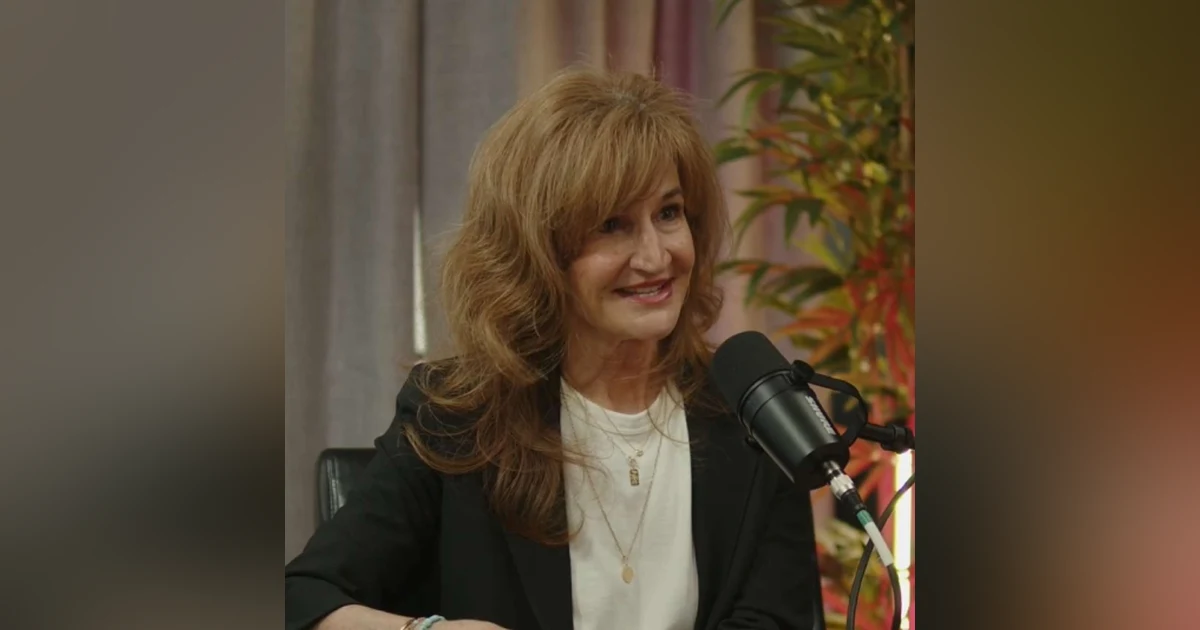


In this powerful episode of Not Alone with Melissa-Sue Methven, naturopathic doctor and women’s wellness expert Dr. Kriss Wallace shares the eye-opening truth about hormone imbalance, gut health, stress, and why so many women feel “off” even when they’re doing all the right things. Melissa and Dr. Wallace cover everything from perimenopause and heavy periods to anxiety, adrenal fatigue, thyroid function, and the misunderstood world of GLP-1 medications like Ozempic. This conversation is packed with natural remedies, hormone-balancing tips, and empowering solutions that go far beyond the quick fixes of conventional medicine.
💡 Whether you’re 16 or 60, struggling with mood swings, low energy, gut issues, or stubborn weight — this episode will shift your perspective and give you real, actionable steps to start healing your body from the inside out.
This isn’t just about hormones. It’s about reclaiming your energy, your peace, and your power. 🙌
🎧 Tune in, take notes, and share with a woman who needs this today. You are not alone.
🔗 Follow Dr. Kriss Wallace:
Instagram: @krisswallace
Website: drkrissnaturalmedicine.com
Podcast: Get Personal with Dr. Kriss Subscribe & Follow Melissa-Sue Methven for more inspiration & healing:
Instagram: / melissa_gratitude
Facebook: / tremblaymel
TikTok: / melissa_gratitude
✨ About the Host & Ways to Work Together
Melissa-Sue Methven hosts Not Alone with Melissa-Sue Methven, and is an author, speaker, and breathwork facilitator guiding emotional, nervous-system, and spiritual healing. She uses storytelling, expert conversations, and lived experience to help people reconnect with their body, release stored emotions, and return to wholeness.
Available for:
- Speaking engagements & keynotes
- Breathwork & nervous system workshops
- Podcast guest features & collaborations
- Faith-based, wellness, and integrative health events
🔗 Inquiries: Breathwork Coach & Speaker | Mélissa-Sue Methven | Phoenix, AZ
📘 The Truth Behind the Smiles explores grief, emotional suppression, faith, and the journey back to self.
📕 Amazon: https://amzn.to/4mSAcEt
🎧 Audible: https://www.audible.com/pd/B0DG5ZZN5C
🌱 Coming Soon: The Gut God Connection & Gut God Blueprint Coaching Program, focused on gut health, nervous system regulation, emotional healing, and faith-aligned living.
✨ Join the waitlist: Melissa Methven
🎧 Subscribe to Not Alone, share episodes, and leave a review.
You are not alone 🤍
Well, welcome to Not Alone with Melissa Sue Methvin. Today I have a very special guest, Dr. Chris Wallace, who is a naturopath. She's also a yoga instructor, and she hosts a wonderful women's retreat. And uh happen to be uh a friend. We work out together at bar three, and one day I thought, I need to have her as a guest on my podcast because I have so many women ask me kind of my protocol with my own health journey with hormones and uh stress, cortisol, gut health. And I thought, since that's your platform and this is what you do a lot, I so I'm really looking forward to sharing kind of your protocol, your regimen, and your wisdom with women that are listening.
SPEAKER_02My favorite thing to do. So I'm super happy to be here.
SPEAKER_00Well, thank you. Well, I feel I'd love there's so many topics that I want to dive into, but just um I think the first one I'd like into is just your protocol for women's hormones. You know, that's such a big, it's so confusing. You know, there's so much information now. Perimenopause and menopause, or even I I think of my daughter, she's 11, and she's starting now, you know, all the hormones and just even some information regarding those age points to their 20s, things to be aware, yeah, you know, of so then you are prepped stages and seasons of life, you know. Yeah, I love to do that.
SPEAKER_02I mean, hormones for men and women are really our vitality. They're a vital part of our whole endocrine system. And they are affected by our environment, they are affected by stress, they're affected by what we eat, they're affected by our gut, our digestive system. Um so they can go up and down throughout our lifespan. Um, starting at the very beginning, like you were saying, your daughter is 11. Um, unfortunately, a lot of young girls are having their first periods, their menstruation, their menstrual cycles are starting at the age of eight or nine, which is too early, probably. Um, and the reason that's happening is we see estrogens and um estrogenic things in our environment, uh plastics or our foods that have been contaminated, if you will, by the environment. Um, and so that creates more estrogens in our bodies. As soon as we have too much estrogen, not enough progesterone to counterbalance that, we will build a uterine lining and then we will have a shedding and we have a period. Those young girls are not fertile, um, they're typically not ovulating, um, but they've got so many extra hormones in their body, it's almost like their pituitary gland thinks, oh, it's time we should be doing something about this. So that's kind of what happens in the beginning with them. Um, as they move forward into their teens, and I've worked with all these age groups that we're talking about, women and men, but in particular women, um, they move into their teens and now they're very active, right? They're an active teenager, probably not eating very well. Um, and they're also very um hopefully active. And I do and have worked with a lot of young women between the ages of, let's say, 14 and 17, and all of a sudden their periods are just a mess. And or they're not having one, or they're having too many, or what's happening? That's typically um, again, the stress in their life. Um, it's because they're super active, not eating well, um, and their thyroid gets dysregulated. And when your thyroid gets dregulated, so do your hormones. So we work really hard to just kind of balance out their system. A lot of them become iron deficient because they're not eating so well, because they're missing some of the nutrients uh that's very important for the for the thyroid to be working well, which is iron. And um, now the body's just kind of not working so fantastically, and they're missing a period. So I get those girls, usually they just need more nutrient nutrients. Their nutrition's just kind of shocks. Like more nutrient-dense food. Yes, right. Exactly. Nutrient-dense food. I mean, something as basic as water, and even young girls giving them adrenal support in the form of herbs, ashwagandha, rhodiola, cordyceps, whatever it might be, working with a naturopath or a functional medicine doctor to kind of figure out which hormone or which um adrenal support would be best for them. Because anytime at any age when you're under stress and your adrenals are gonna need some help, if you're not helping out those adrenals with a little extra cortisol, your adrenal glands are going straight for progesterone because progesterone can help them work better. And as soon as your progesterone comes to the rescue of the adrenals, it's no longer there to balance your estrogen. And now those cycles just become completely dysregulated, either too long, too heavy. Um, and when I say too long of cycles, I mean a long time between day one and day one. So instead of a 28 to 30 day cycle, you end up with a 40-day or 50-day cycle. That's not the way it's supposed to be. And then once you have one, it's like miserable, right? Lots of cramping, yeah, lots of pain, lots of mood changes, um, lots of lots of heavy bleeding. And then that leads more to your iron deficiencies. It's just like so that's the estrogen dominance. Yes, that's the estrogen dominance.
SPEAKER_00We have uh dealt with that.
SPEAKER_02Yeah, yeah. And transitioning forward into, I mean, I don't mean to skip the 20s, but there's the fertile times in there. But um, just to skip forward when you say I've dealt with that, that's a very common perimenopause thing in a very common, you know, 35 to 45, even pre-perimenopause time. Uh it's a very common occurrence. Just because we are we're under so much stress, we're so busy.
SPEAKER_00Yeah, we're so busy. I had a little one, you know. And I think when I specifically remember it is I had an 18-month-old, I just had Mateus, he's a baby. My husband is also dealing with depression and addiction, and it was a very um stressful time. Yeah, and uh, that's where I remember starting to have symptoms, and a lot of it started. I I remember was the gut. Yeah. Like I had a lot of acid reflux. But my period, I remember going to see my gynecologist actually, because I was already visiting her because I just had my baby and whatnot. My periods were so heavy, so so heavy and long, like you said, and I I didn't have a lot of cramping, but the heaviness really was like the alarming. Yeah. And I was like, this is not normal. It's not, yeah.
SPEAKER_02It's not normal, it's not desirable, it's not good for your body, and it's a sign. If you have a heavy, very heavy bleed or a very long cycle, you are estrogen dominant, you are progesterone deficient 85% of the time. And it's not hard to fix. And unfortunately, in the conventional medical world, the first thing that a gynecologist or even a primary care will do is put you on a birth control pill. And there's probably, well, there is a time and a place for for that sort of an intervention, but this is not it. This is not the place. Um, and it's not the place probably when there's a when it's a 14-year-old or somebody that's not totally.
SPEAKER_00Okay, or that. Talk about your gut. No, and your reflex. And oh my god. And then I was like, I said, no. But you know, I've always been more on the natural past. And for me, that didn't resonate with me, so I didn't go that route, kept on just getting really curious, you know, and asking questions.
SPEAKER_02Well, and the gut, in your gut, you have estrogen and serotonin receptors that are in your gut. Estrogen being what we're talking about in the female hormones, and serotonin being a very important neurotransmitter when it comes to anxiety and calming the system down. And they actually share receptor sites in the gut. So your gut is responsible for keeping away anxiety or calming you down, and also helping you regulate estrogen. And estrogen regulates the gut, and so does serotonin. They work all together. So your mood and your hormones and your gut health, wow, they are very much.
SPEAKER_00I I've heard that. I heard it was like 80% of serotonin is made in the gut, is what I keep hearing. And actually, that makes sense because I remember I talked to a lot of my friends too, leading up to your period when the you know, extroverts, and we're like, oh, like don't talk to me, I'm on edge, you know, and you just know that seven days, and this is so common conversation with some of my friends, and we're wondering what's going on. So it's so nice to know, oh, okay, you're having the serotonin dominance, and then not enough the serotonin being created in the gut.
SPEAKER_02And so yeah, you get that estrogen dominance the week before your period in some women that have that dysregulation because you don't have enough progesterone. So that's why most of the time we will give you progesterone, and that's all we need to help modulate that mood and even the inflammation and the in the you know, your cramping and your bloating and all the things. If we just give you a little bit more progesterone, it will pull that estrogen down and you won't have the PMS that you're having right now.
SPEAKER_00So now if there's because some people are really kind of tiptoeing around maybe going that route, taking progesterone or any hormone replacement, is there a natural, you know, if way that they can go about it if they don't want to? Or, you know, for me, I'm always like, well, I ask question, get educated, listen to some podcasts, read some books about it, and maybe uh see the benefits of it. But uh, if you have some women that are not willing to take the progesterone, is there another protocol you have for them?
SPEAKER_02Well, first of all, progesterone, bioidentical progesterone is natural, right? It's what your body makes. So we're just giving your body what it makes and it's not making enough of it. So but that being said, in a way, it's kind of a band-aid. Because in a way, you are where you are because of other things that happened, right? So you might be at the point of having a long cycle, long cycle and also heavy periods because you were under so much so much suppression too of emotion. Yes, all those things. So is there a natural way? Yeah, it is. There's a natural way, and that is through figuring out the source of your stress, finding ways to help calm the stress, whether that be sound bath, yoga, breathing, I don't know, whatever your method is, counseling, working through what it is where you and why you're there, and looking at the gut, right? Are you eating too much sugar? Is there too much processed food going on in your diet? Do you have enough fiber? You know, are you willing to look at that piece as well, the gut? Are you exercising? Are you finding a way to um balance your life with exercise? So it are natural things you can do. Yeah, there are. Are they hard? Yes, they are. And so sometimes in my practice, I well, I always tell people what those reasons, what that, what that is. You know, yes, we need to calm the stress, we need to change the diet. But at the same time, I need to get you out of pain and I need to help you right away. And so the easy answer, and still natural, is how about I give you a little progesterone to get you there? And then we're gonna work on those other things too. Um, sometimes you just need a little bit of relief, and then it starts that really good healing ball going.
SPEAKER_00I I love that because I have noticed, because obviously that all plays a big role in your mental health as well. Because when I've noticed where if I'm not taking any of those things to kind of regulate, there's um more fear, it seems like, more of a depression, and it really plays a big role in your mental health because you're not building that serotonin, there's no harmony and whatnot. And uh the inflammation was a big one for me.
SPEAKER_02Okay, yeah. And talking about the mental health and those and those two hormones and sp specifically right now, um, progesterone's all about calming down your body and your brain. It is a very calming hormone. Uh, most women, when they are pregnant, if if a woman is pregnant at some point in her life, if you could go back to that for just a minute, depending on what else is going on in your life, typically you find that you're just kind of you can be very calm. Like progesterone numbers are very high in pregnancy in order to sustain the pregnancy. So progesterone means pro-life, progestation. And it makes your uterus nice and fluffy and homey for the baby to live, for the fetus to live and grow. And it also makes you calm and keeps everything in perspective for you so that you can grow that life. It's pretty amazing. So when it's low, and now you have this high estrogen up here, you don't feel calm and you can't sleep. So that's why insomnia is the number one thing that brings perimenopausal most most often insomnia and anxiety are the number one things that bring perimenopausal women into my practice because estrogen dominance can be very restless feeling and very puffy and and just like an out-of-control type feeling. And progesterone balances that out.
SPEAKER_00Absolutely. Yeah, I saw a huge shift introducing progesterone and I, you know, very open about I'm on NP thyroid and everyone should, you know, be on their own thing. You know, I'm not a doctor and whatnot, but this is what works for me. Yeah. Was balancing, finding that balance and working with someone that's you know knowledgeable. But also for me, doing my own research. So tell me when someone comes into your office and they're what's your protocol? Did you get them to do obviously blood work and did you do gut tests? Like, do you have questions for a stress-related one, mental health?
SPEAKER_02Yeah. So what's unique about naturopathic doctors in most places, in most states, and in the most most of the way we practice is that our very first appointment is an hour and a half. Like we block a decent amount of time out for you because we have to get to know you. We need to know you top to bottom, inside and out. Um, because our body is operates together as one unit. So I have to know everything about you. When we even ask questions like, were you a vaginal birth? Did your mom have you vaginally? Or because it affects your gut health. Yes. We we go that far back.
SPEAKER_00This is so important because we learned that with my kids. Yes. The kids were, well, Sophia was an emergency C-section. I wanted a whole water birth. I wanted everything. I had a midwife and that, and she had a different plan. And so, and because I had them so close together, the doctor's like, well, just in case we should have Matina C-section. And and but now nobody had talked about the microbiome or you know, the that they wouldn't be getting, you know, through that. And uh, and even the importance of my own gut biome while I'm creating this baby. Yeah, yeah. Yeah.
SPEAKER_02So yeah, that's one of your main, I mean not main questions, but it is that gives you an idea of how far back we go. Obviously, it's you know, what brought you here today? Um, and kind of breaking that down, we give you um, we give all of our patients a pretty long checklist that's pretty hormone-dominated, but again, everything is related back to to your hormones or your endocrine system, or or really everything is just it's just all related. So, um, how's your sleep? What's your stress? I mean, literally, this is on our intake form, you know, what about your digestion? What about your um whole female health history, obviously? Um, your exercise, what's your diet? Uh, what do you do for a living? Are do you are you in a relationship? How many kids do you have? You know, is there a history of um alcohol or drug abuse or any kind of abuse? Uh is, you know, do you use alcohol? Do you drink how much water do you drink? I mean, it's all it's all the things. And then, you know, when was the last time you were at an eye exam? What about a dermatologist? When was the last time you had a pap smear or a mammogram? I mean, we literally list out everything EKG, ultrasound for your thyroid, like have you done any of this? Um, is it necessary? Uh, have you, what medications are you on? What supplements are you on? We just need to know everything. Because all of those things affect your health. And we need to know it all. Yeah, get the big big picture for it. And so once we get to know you and know why you're coming in, obviously then we run pretty extensive labs. And in our office, we will run most of our labs through just a regular um lab company because you know, we don't take insurance. You're gonna pay to see me out of pocket. But if I can make, if I can ease that financial burden a little bit by at least sending your labs into a lab that your insurance is gonna pay for, we do that. And we can get a lot of information just from standardized um lab companies. And because if as long as you ask for the right, you know, so when we're breaking down thyroid, we're not just asking for a TSH, right? We're gonna have TSH and T4 total and free T4 and free T3 and all the things. So we can get that from a lab course in our class. It's no no big deal. I can get all the hormones from that, I can get all the sugar, I can get all the liver, I can get everything from that. Um, sometimes, if it's appropriate, we will do specialized labs. Um, but they are cash pay. If we're moving through your treatment and it's like, well, I can't get to the bottom of this gut thing. Like, if I give you kind of my protocol, like, what are you eating? And maybe we should get you some enzymes. So many people come into me, oh yeah, I had my gallbladder removed in years ago, five years ago. Okay. Um, and are you taking enzymes? No. Really? I know. Because that's what your gallbladder does. No wonder you feel terrible.
SPEAKER_00I have heard that I have actually a nephew who just he's 21, just had uh brain surgery. Oh wow. Uh and I asked him, I said, okay, what was your protocol of post-surgery, major surgery? Uh, it's only been five weeks and he's doing fantastic. And he, there was nothing about nutrition, nothing about certain. I was like, oh my goodness. Uh, you know, this is so important for recovery. So I I hear that a lot. Yeah, yeah.
SPEAKER_02It's just not part of mainstream medicine at this point. Because again, a lot of those things are still seen as optional, as add-ons. And and honestly, a lot of our um traditional medical providers are not even trained in anything other than if this then that. They're called algorithms. You know, if there's a virus, then you give an antiviral. If there's a bacteria, you give an antibacterial. Done. You know. So um I guess maybe we can't blame them completely. No, yeah, no, no, not at all. Yeah, but you know, and there is a time and a place for pharmaceuticals, and I use them in my practice. I definitely do. I use antifungals, I use certain antibacterials, I use them antivirals for things maybe that you wouldn't think of, but I do use them, you know. So anyway, you get your labs done and then you come back in. We go through those labs, and that second appointment's at least 45 minutes. It's gonna be the first time in your life you've ever probably learned about labs in this way because we'll take you through each and every one of those things, and then we just kind of, you know, start the process and start taking apart. It's like I love my job. I'm like a medical detective, yes, and it's super fun. Um, I love that part of it. And I love all the different modalities that we have. You know, we we not only have nutrients in the form of food that we can talk about and the food of sub and the and then in the form of supplements we can talk about, but we have things like homeopathy that just seems very woo-woo, but I'll promise you it works. And in a certain case, it's amazing. So you just have to, you know, we have a lot of things we can do.
SPEAKER_00Yeah. No, I love that because I've always seen a natural bath since I was 20 and very much into preventative health and yeah, and uh and trying to, you know, educate my other friends about, you know, my journey. So that's why I thought it'd be so important to have your knowledge. And I'd love to, you know, learn more about the GLP ones because I think what's in the media is very confusing and coming from a naturopath. I want to know how you use it for your patient, like what you're seeing result-wise.
SPEAKER_02Yeah, so um three years ago in so almost three, almost exactly three years ago, I had a patient come to me asking about it. She was one of the ones that not aren't even on the market anymore, I'm not quite sure. But she asked me about using it, and I'm like, okay, I need to figure out more about what this is, first of all. Um, and I did, and a glucon like um peptide is a peptide that we make. It's in our system. You make it, I make up, make it, we have receptor sites in our gut for it. And I'm like, okay, it's a peptide. And we love peptides.
SPEAKER_01Peptides.
SPEAKER_02Peptides are little pieces of protein. So they're things that we already have in our body and we already make them, so we can just enhance them by giving you some. So that's good. I agree. But when I went to look for the peptide for her, the GLP one she was asking for, it was gonna be a thousand dollars. I'm like, no, no, no, no, we're not doing that a month. That's just not smart. We can figure this out. So that led us down, us, and I mean that with other women in my practice, led me and them down to the path of what is the GLP one. So at that point, um, semaglutide, which is the quote, is the generic for Ozempic, was on the market. And um, so we went and we did more further research into that and find out that it is again a peptide naturally occurring. Now we have triceptide, rituotide is the newer one coming out. Um what they do is they go in when you take them via injection. Now there are oral applications and drop applications, but probably the more effective is going to still be the injectable form once a week. Um, when it is injected into your body, it slows down digestion. And for many people with gut issues, you're like, oh no, no, no, no, motility, it's all about motility, and it is all about motility, the way the body moves your your food through your body like a BOA constrictor, if you will. That's what's what your ingestants look like. Um, and that's what they should be doing. But it slows it down. But the reason it slows it down is though it can give your pancreas some time to release insulin, and it actually helps your cells listen to the insulin more. So your cells um need insulin as a carrier to bring glucose sugar to it. And when you are bombarding your body with too much sugar over the years, um, or if you have some sort of dysregulation, the cells are just like, no thanks. Like, I'm over this. I don't need any more of this. I am you are dead to me, insulin. I don't see you anymore. And then as soon as we start building up more fatty tissue in our visceral fat in the middle, then our body will take our sugar and deposit it right into that fat because it will accept it. Um, and then your cells don't have the sugar it needs, the glucose that it needs, and now you grow and grow and grow the fat in the visc in the visceral fat. So when you take a GLP1, it sits in the receptor sites, slows down motility, now the insulin gets to the cell, the cells become more receptive, and the glucose gets to the cell. People feel more energy because now the cells are getting more glucose, and the glucose is not being uh deposited into the cells, the fat cells in the in the in the center of your body. In addition, your liver is not releasing more sugars, it calms down. So there's a very good indication that the GLP ones reduce liver enzymes. So it takes the load off the liver, which is helpful. And then finally, it sends a signal to the brain that we have satiation. In other words, we're satisfied, we're full. That can be a double-edged sword because now some people aren't eating enough and we deal with that. But for others, especially in terms of addictive addiction and addictive behaviors, it is affecting the dopamine receptors. It is actually going there and sitting in those dopamine receptors and saying, you know what? We're good. We don't need anything else. We don't need alcohol. We boot need we don't need cigarettes. I've had a couple patients in my practice stop drinking alcohol that were more most likely addicted to alcohol. Um, I've had many quit smoking, which is a big deal. Oh, yeah. And in addition to losing weight, now we've really increased your health, your health outlook. So um it also will decrease inflammation, and we see that it decreases inflammation in the brain and throughout the body. So they are there is a myriad of applications for the GLP ones. Obviously, weight loss is what everybody wants. But the other one is lipid reduction, your cholesterol reduction. I don't like statins, I don't really prescribe them. There are many side effects, but there's also some negativity associated with high lipids, high cholesterol numbers if they're really high or your LDLs are really high, or if you have a family, if you have a history of uh of a heart attack in your past, you need to keep those numbers a little lower. Well, how about we just use a GLP1? Now we have lower blood sugar, we have lower lipids, we have lower inflammation, and we probably have a lower body weight, especially visceral fat.
SPEAKER_00Okay.
SPEAKER_02I'm having a hard time finding anything wrong with the GLP1.
SPEAKER_00That's good. I was hearing that a lot at the health optimization health optimization summit that I went to in Austin. Yeah. They talked a lot about it. But beforehand, I did have kind of, oh, this is not right. But I was just getting what's on social media or whatnot, you know. But uh now that I'm more educated about it as to what it really does, I I was like, oh, now I'm intrigued, you know? And and I think this could help so many people. I know so so many women complain, like, oh, that you work out five days a week, you know, eat really well. Yeah. And they're still not losing, you know. So I'm always like, oh, you probably should see it, you know, naturopath, functional mass, really get the labs, your stress, you know, it all plays a role. And um, and like you said, the explanation of what's going on where, you know, it just keeps the glucose and it or you know, insulin resistance becomes uh plays a role. So I could see that being a big benefit to a lot of people.
SPEAKER_02I have such a hard time because I'll have patients come in my office perimenopausally, or even just into menopause, and these are healthy women. These are women like you. They are they eat well, they exercise, they are very health conscious, they are doing all the right things, and they'll they're like, you know what? I have five to ten pounds, 15 pounds around my middle. There is just nothing I can do about this. I am doing all the things. And the reason they can't is because as you become perimenopausal and menopausal and the estrogen depletes, now you don't have your metabolizer. Estrogen is very important for metabolizing body fat. Estrogen is stored in your body fat. And as soon as your body thinks it's losing estrogen, it's like, oh no, no, we need to store the fat. Let's store the fat. If we store the fat, we're gonna have more estrogen because your body is very smart. So you are storing more fat now because your body thinks it's gonna lose all its estrogen, which it is going to because the ovaries aren't gonna work anymore. So it's storing fat. You become a very good fat storer. Now, in most cases, we don't want to be a good fat storer because we can replace your estrogen. So when we replace your estrogen, it does help with some of that visceral fat and body fat in general. But you know what? We can only replace it so far. We can only do so much. We do it and it helps, but it's not the whole story. So being able to use the GLP ones to, in addition to hormone replacement and now really get you back to your state of optimal health is so rewarding for me because I want you to be rewarded for all the good things you're doing, you know? And I want you to have a long, healthy life, an optimal life, not just an existence.
SPEAKER_00Yeah, not just be okay, well, this is what we have to go through parentopause, and there's nothing to do about it. No, now there's enough uh out there that we can go through those stages and feel good and comfortable. And so, and tell me about your own protocol. Like, what do you do on a daily basis for uh stress management and your you know your morning routine? You know, I'm always curious to what what are people doing for their morning routine and your daily supplements? Like, what's does that look like for you?
SPEAKER_02Well, I am the guinea pig in our office, and I've always been um I've always been my own guinea pig, like you just said that you were. Yes. Um, I've been interested in health since probably I was a senior in high school, maybe even before that. Um, I love always loved being active, um, but I wasn't a sports person, I was more like a cheerleader person. But it works out well in my career now because I'm just like an ongoing cheerleader. But um, but at that point, I I always wanted to be healthy. I was always interested in health. Uh, and so I found aerobics, of course, because that was the 80s, uh, the year I graduated from high school, which was a very, very long time ago. And I was certified to teach aerobics in 1988. And so I have never looked back. I've always been an instructor that whole time. And so to me, exercise was first and foremost. And it still is. Nutrition kind of took a back seat, probably as a young person, just because young people don't eat well. And in the 80s, we ate so many, it was all about carbs. I've seen all the trends too. So in 1989, um, I started my first career as a health educator, and of course, then I'm living and eat breathing and eating and sleeping my career, right? I could live my career, which was nice. Um, so I feel like throughout my life, I've always been pretty healthy, um, never doing much processed foods, and my poor kids, it was we never do did very much fast food, and they're all pretty much into health. Um, but now, so as I progressed through my hormone journeys, I have four kids, I had four babies. Um, it it wasn't too bad because I was always making those food choices. I was always exercising and trying to do the very best for my health, but I was never a big supplement taker, never. Okay, um, because I didn't understand them. And one of the reasons as a I was a health educator for many, many years, I went to medical school when I was 45. So prior to that, I was a health educator and a group fitness instructor, and I'm like, just eat healthy and exercise. You're gonna be fine. And for the most part, that's kind of true. Yeah, but it's hard to do all those things, like we were talking about earlier. So um, once I went to medical school, I was really into finding out like what's the chemistry behind these supplements? Why would we take this over that? Who needs this over that? That was honestly one of the driving forces to get me to go to naturopathic medical school. I'm like, what's the deal with supplements and who needs them and why? So um I did start taking more supplements later. And personally, menopause to me wasn't really until I was at least 54, uh, which is later, and that probably a little bit has to do with my health and my habits. Uh, but stress relieving was always about yoga and breath work and my master's degrees in health psychology. So I pretty much figured out the mind-body thing at an early age. Um, but now I replace my estrogen and my test and my testosterone with bioidentical pellets. So I use pellets on myself and in a lot of my patients. Um, they're bioidentical. I I replace my progesterone at night in a capsule. I also use NP thyroid, which is, I explain it as a quote bioidentical uh thyroid replacement, but it's glandular, which means it's coming from a pig and it's coming from that thyroid directly, replacing your thyroid in the same way that your thyroid produces its own hormone. So I use that. Um, and during the day, my hormone replacement or my other nutrients kind of are. Well, let's see, what do I need? I believe in glutathione as a detox, so I do take a lot of glutathione. Um, I do supplement my hair because hair for any postmenopausal woman is a is a is a thing.
SPEAKER_01Yes.
SPEAKER_02Uh, and I go back and forth on those replacements. Neutrophil's a really big one. I've played with minoxidil. I'm not gonna lie, I think it works for some women, but not everybody. Um and other than that, I do use um, let's see, this morning when I took my supplements, I took my glutathione. Um, nicotinamide is another big one in terms of anti-aging these days and your skin. I did take my collagen this morning, but I don't do it every morning. Uh I would say I'm in and out. Um, and I did take Dhist this morning, which is a natural antihistamine. I was feeling a little allergy-ish, so I took that. But every morning I do my workouts, I'm a morning workout person.
SPEAKER_00Yeah, yeah, me too.
SPEAKER_02Yeah, I have to get that in in the morning, or my day is just not the same. Yeah, the same way. So and my evenings are a wind down time.
SPEAKER_00Yeah, that's just how I do it. Oh, I love, I love hearing your journey. And now there's uh so many. I have some friends like uh I want to ask, you know, P C O and P C O S. P C O S, sorry, and then um I can't gonna say it properly. Okay. Andy andtimatriosis. Uh oh, endometriosis. Yes, endometriosis. I can't pronounce it properly. Uh just what are your thoughts and your belief of what's going on? You know, I know I have mine from what I've digging in, and it all seems, you know, even a dental hygienist, I noticed the aura biome, gut biome, but they're all so correlated. So I'm just curious to what your point of view is for that.
SPEAKER_02PCOS and endometriosis are both estrogen-dominant conditions. These are both conditions where for some reason either you are taking in too much estrogen through your food or your environment, um, or you are not detoxing your estrogens, and that's genetic. That's something that your body is just not getting rid of the extra estrogen.
SPEAKER_00So the toxic load is so hard. The toxic load is a part of that. And I've actually been looking not to interrupt you, but I it hits something I it's been coming up a lot is that not only is your own toxic load, but you it's passed down generations. Yes, epigenetics. Epigenetics. Yes.
SPEAKER_02Yes, epigenetics. So and it is interesting because even in my personal history, I can I can look back and see a mom who had a hysterectomy at 40, which they all did back in the day. Hysterectomy because she had fibroids. So they took both the uterus and the ovaries, which was ridiculous. At least leave the ovaries so they can do some work. So now you leave a woman without any hormones from the age 40 on. That's like terrible. Um, but they took the uterus because of the fibroid. Um, my own sister had fibroid issues. So, what does that mean? That means that there is a likelihood that that we are not detoxing. My mom didn't detox estrogens very well, sister not doing it, probably not, although I never had some of those conditions. Uh, but it it is passed down, and now I do have a daughter with, I would say, a PCOS type condition that we treat. Um, so it does and it amplifies a little every time. So, you how do you break the cycle by before of procreation, before fertility, she, for instance, my daughter, would need to get these things under control and use supplementation and foods and exercise to try to just shift it just slightly. If she just slightly shifts some, now she can't shift her genetics, but she can shift the way her body is seeing her genetics and the way her body's operating to the point where, you know, a couple generations down, maybe we could change that, that way estrogen's being.
SPEAKER_00I've heard that. Like even if they they knew they want to have kids like three months prior, start prepping the gut, the toxic low detoxification and um really having a healthy environment for the baby.
SPEAKER_02And there are naturopaths uh in Arizona and across the country that that's their specialty. They they work in fertility and they work in the prep work for uh before you get pregnant, both with men and women. Yeah. Um I have not necessarily specialized in that, although I've had patients that are like, okay, now we want to get pregnant. I'm like, okay, well, let's do it. Um, and we'll take care of that. And I've had patients that couldn't get pregnant, and we've I've worked with them most of all the time. It's just generally they need more progesterone every time. But um, there are naturopaths that specifically work in that in that particular area.
SPEAKER_00Oh, that's fantastic. Well, thank you. I like I have to look at my list because I had a long list of things that I really wanted to talk about. Uh, you know, for uh birth control and IUDs, you know, because this, you know, is gonna be obviously a topic with my daughter, right? As and for so many. So, but I also know how birth control can just wreak havoc in your gut and your hormones. So, what are you teaching girls nowadays about birth control to be aware or IUDs as well? If they're gonna be taking it out, then what? Yeah, you know, what's the process protocol after that, you know?
SPEAKER_02Well, I mean, starting, let's I want to start backwards. Backwards means I want to start with the 50-year-old that comes into me still on birth control. That is a crime, a hundred percent a crime. There's that that woman is not fertile. I mean, there is a 0.005% she is, and really not even that. Um, she's been on birth control probably her whole life, and her uninformed physician probably just said, Oh, just stay on that, it'll keep your hormones, and you know, you'll be fine, you won't have any symptoms. And I'm like, No, no, no, no, that is not healthy because it is not bioidentical. These are not bioidentical hormones. When you take a birth control pill, it's it is a chemical, a pharmaceutical, that sits in your receptor sites, your hormone receptor sites, and pretends that you're pregnant. So a 25-year-old that's taking oral birth control is basically feeling estrogen deficient. So that 25-year-old is m feels menopausal.
SPEAKER_03Oh wow.
SPEAKER_02That's why they're all anxious. Okay. And that's why they can't sleep. Because it's it's their their hormones, they've suppressed ovulation so that no pregnant, so no eggs are fertilized, which is the point of it all. But the rest of her body is suffering. And that's why young women too, a lot of times they'll have things that love they'll break bones, they'll have shin splints, they'll have, you know, injuries in their lower leg, um, things like that, because their bones are not getting the nutrients either. Um, so that's that's a problem. The same with IUD. When I have women over the age of 45 coming in still on IUDs, I'm like, get that out. Just take it out. You are feeling terrible because, first of all, that needs to come out. And I had a woman who was going to be seen for lymphoma. She was going to an oncologist because her white blood cells were so high, she had been through the ringer for the last 18 months. She came in to see me. I'm like, yeah, girl, that is scary. Those white blood cells do not look good. I don't know, but let's try A and B and and by and do some. Um Epstein Bar was high, cytomegalavirus was high. Anyway, long story. I said, and also you have an IUD. Get that out. You know what? If you've got, if your body is not happy, it's going to be creating this reaction because the elevation of white blood cells happened about the time of the IUD being placed. I am not kidding you. We did a million things, plus she got the IUD out, and I just saw her yesterday, and all her parameters are normal. Really? Every single thing. And she was this close to spinal tap, looking, you know, doing all the research that would be necessary if you were looking at a lymphoma. Oh wow. Which is a blood cancer. Anyway, um, so that's that's the backward piece. The front piece is what do you do with, you know, a sexually active 17-year-old? What do you do with a sexually active 25-year-old? It's rough out there. Um, you obviously barrier methods are desirable because they protect against sexually transmitted diseases. And and I'm talking condoms, I'm saying the nice words for condom, which is barrier method. Um, and I will say if he's not condom worthy and you don't have time to put that on, then you probably shouldn't be sleeping with him anyway. If you can't talk about it, then don't do it. You know, I'm pretty open with my patients. Like, you know, if if you can't have a conversation about birth control, then you definitely shouldn't be having sex with them.
SPEAKER_01Yeah.
SPEAKER_02You know, this is not okay. Um, but and why is it your job anyway? Like, why do you have to go out and ruin your endocrine system and take it that pill every morning and not know how it's going to affect you? Why is it your responsibility? Why can't he do something? At least go to the store and buy some condoms. I like that. So I mean, I know, but I realize that their um their perhaps their effectiveness might not be as high as a birthmark pill, but if it's used properly, it is. Secondly, I have patients, young women in my practice now, that are wearing their aura rings. I don't have mine on right now, but they wear their aura rings. They that connect to their phone and aura ring and um natural cycles, which is an app, Connect. Um, I think the aura ring might be connecting with the iPhone apps, but I'm not sure. It will 100% map your cycle and tell you when you're ovulating. I mean, back in the day I used natural family planning. I didn't use an app. I had an app anyway, you know, I would just put it all in. I just had to take my temperature. I had to do it the old-fashioned way. And I had to know when I was fertile and when I wasn't fertile. And now there's so many ways to figure that out. And if you have a partner that's not willing to to deal with your aura ring, your temperature, your fertility, your phone, and all the things, why, why, why is your partner? So, I mean, there's a lot of things to discuss around that. Um, IUDs usually will not be used in women. Um, Until they're at least 25 old, a little over. It can be painful in a cervix that's never had a baby. So that's something to consider. Although the the smaller IUDs, they are using them. Um and I mean my two daughters, I know both my two daughters are well, they're over, well, 23 and 29. And so obviously uh there's sexual activity there, and neither of them, no, they haven't used any of the oral birth controls at this point. Um, I just think you just need to have a more open conversation. You need to be willing to use other things.
SPEAKER_00Parents, you know, be informed of what these will do to them in the long run. So I'm so glad that you're addressing that because I know so many friends, yeah, they were prescribed because oh, heavy pre periods. Oh, and that's a no. In a no way, right? Never.
SPEAKER_02I mean, this yeah, okay. So, you know, preventing pregnancy and sexual activity, that's different than I'm just gonna give you birth control because you have to.
SPEAKER_00I've had it even for like people say, oh, acne. I don't think. And I'm like, oh no, but let's get to the root cause why you are getting the acne. What's going on, you know? So yeah, I'm so glad that hopefully some listeners, you know, this kind of aha moment, like, oh, I, you know, and I have so many that try their birth that are like, fine, I need just just do birth and real pill.
SPEAKER_02I'm like, okay, let's do it then. Like, you know, I'll support you. And then we have to try two or three or four different pills to get it to the point where they can actually feel okay on it. It's it's just you're really, you are really, really messing with your body chemistry.
SPEAKER_00Okay, that is so good to know. I, okay, I have a few more. I kind of asked around some women here. Uh, you know, I let's see here. I uh so what are some natural approaches for managing anxiety and depression for for women that you find, you know?
SPEAKER_02I well that's a loaded question. Yes. Because sometimes you have to find the source. Obviously, where is it coming from? You know, is it coming from what's going on in your life? Is it coming, is it coming from um something that's out of your control? Is it coming from your hormones? Is it is it something where you were quote fine when you were 30 and now you're 38 or 40 and you're not fine? Um, is it coming from the fact that you're not sleeping? Is it where is it coming from? You know, so that's the fine to treat the cause piece of me. You know, that's the detective part of what we do. Um let's say the answer to all those questions are um no, it's not new. It's kind of always been around. Okay. And my hormones are optimized. Okay, we're taking care of that. Um, and let's say um my adrenal glands are also optimized. So I'm taking those things, okay. Um, I'm exercising. Okay, that's good. I'm eating right. So we we have all our boxes are checked, and then what do we do? So, you know, naturally there are herbs that certainly and there are nutrients that help with mental health. One of the biggest nutrients is 5 HTP.
SPEAKER_00Okay, yes. I actually I would take that every now. And my kids are not gonna be able to do that. Yes, kids can take 5 HTP.
SPEAKER_02Yeah. Um, so 5 HTTP um helps your body make serotonin. And remember, we talked about serotonin is the anti-anxiety neurotransmitter. And guess what serotonin then becomes? Melatonin. So a lot of times when we're not sleep, when we're anxious, the reason we're not sleeping is because we can't make serotonin. We can't use any serotonin because we don't have enough to make our melatonin. Taking straight melatonin helps with sleep, but can't doesn't go backwards, unfortunately. Um so 5 HTP helps make serotonin. There's other uh amino acids like L-theanine and L-3N8. These um amino acids are very calming, and a lot of people do very well on them. Those are that's kind of a go-to for me. Um there's uh herbs or another, well, there's another very important neurotransmitter, GABA. So GABA and glutamate, they are on a teeter-totter in your brain. Uh, when one is up, the other is down. So, too much glutamate, your brain will be too active. And patients with seizures and things like that are over way over glutamate brain. Um, sometimes attention deficit, ADD, those kinds of things we treat with GABA. Why? Because that brings the glutamate down and then the GABA rises up. GABA is the breaks.
SPEAKER_01Okay.
SPEAKER_02Glutamate's the gas, GABA is the brakes.
SPEAKER_01Okay.
SPEAKER_02So for many patients, just giving you GABA, I have a supplement called GABA Ease that I live and die by. Um, GABA will calm down the brain.
SPEAKER_00Will that help like the cortisol spikes that you get sometimes at night?
SPEAKER_02Time you know, those two 2-3 a.m. wake up. Right. There is a supplement called supplement called cortisol manager that I use for that, though. Um, I think there might be some GABA in cortisol manager, um, but there's also um L-theanine, I believe, and also um Ashwagonda, I think, is in that too. But yes, that it does calm the brain at night. I I prescribe GABA, GABA Ease or Cortisol Manager at night all the time for that. Um, but herb-wise, calming you down, magnolia is very calming. Um, and that's in a lot of formulas for calming people down. Magnolia is uh and all of the adrenal support, Oshwagonda is very, it can be calming. Um, but there's you know, chamomile, lavender, and it depends on the patient. It depends on you. Um, some people do really well on something like Gabba Gabbaese, but some people do something on a different uh formula that I have uh called Catechola calm because that calms down the adrenaline. They're having an adrenaline issue, they're not having a glutamate issue. So it's kind of like we have to again still be a decent personalized too. We have to figure out what else, what's going on and depression's different than anxiety. Remember, depression's different. Um, St. John's wart's been around forever, and St. John's wart is um an herb that is in many, many natural antidepressant um supplements, if you will. And it's pretty strong. Like there's patients that are on other forms of pharmaceuticals for antidepression that we can't give them St. John's wart because it's additive. And that's the same with baby 5 HTP. If you're already on an SSRI, like a Prozac, well butrin, or not well butrin, but if you're on like a ProZac or Lexapro or Lexapro, any of those, you sh may or may not take 5 HTP. You need to talk to a provider about that because you could seriously cause an issue because 5 HTP is that strong for your body.
SPEAKER_00Okay. Oh, that's so good. I find that so fascinating. Um, you know, you touched a point on um people with uh attention deficit and whatnot. Do you work with a lot of either children, adults that have ADHD or autism? Because I've noticed with neurodivergent, you know, my daughter has ADHD, my son's probably on the spectrum of autism. No one's really, you you just know, right? Yeah, you just mom just knows, and I've noticed that nutrition is really key in their gut health for their symptoms. And so I'm just curious as to yeah, if you've worked with with someone, what really helps nutrition-wise for people that are neurodivergent ADHD or autistic, because I think that for them it's a dopamine, right? They're not producing the dopamine as well.
SPEAKER_02Yes, for some of them, or sometimes it's too much. I've actually tested patients. So, yeah, the answer to that question is yes. In my early career, I worked with a lot of kids. Um, a lot of kids, a lot of teens. Um, and that absolutely lent me into or led me into the ADD spectrum world. Um, we did a lot of testing, um, urine testing. There was a couple companies I used a lot of their work. Um, and we would look at all the neurotransmitters, and we would also look at fungal overgrowth, bacterial overgrowth in the gut, um, and come at it from all those angles. Um, some of them needed GABA, but some had too much GABA. Their brain was too relaxed. Sometimes there's too much relaxation in the brain, and sometimes there's not enough relaxation in the brain. We have to figure out which one it is. That's why some kids do better on uh caffeine to help them focus. Right. Um, but some just go out of control on caffeine. So, and that just kind of gives you an idea. You know, we either need to stimulate them or decrease their stimulation. I see. So we had to figure that out. But gut-wise, nine times out of ten, those children had a gut that was dysregulated, and you were talking about the C-section versus, you know, so it starts sometimes when they're young, but we're able to replace the gut flora. A lot of times there's a fungal yeast overgrowth, so we kill that and then we repopulate and we heal the gut. Um, but many times magnesium works well, really well for those kids. Um, and also uh we talked about the L-then and the L-theanine's a big one. But finally, what about detox? Most of those kids do really well on NAC or glutathione because one of the reasons they may be there in the first place is they were never able to detox some of the toxins that might have come in, like you mentioned mercury from the immunizations or uh just from the environment. If your child did not does not have those detox mechanisms, um they're just gonna it's just gonna build up. So giving them NAC, a lot of good studies on NAC. And NAC is the precursor to glutathione.
SPEAKER_00To glutathione, yeah. So you can just give them that. Yeah. Okay.
SPEAKER_02So we've done that. Um, yeah, the gut, the detox, all the things. And I've got, I have one, I had a patient, she was my patient as an adult, an adult, and she finally asked me one day, she called me, she's like in tears, she's like, My two and a half year old just got diagnosed with autism. I'm like, your two-year-old did? Like, that's a little early. Okay. She goes, and I don't even see it, I don't understand it. Um, I'm like, okay, well, let's test him. So fast forward, I think he might be seven now. We've been working with him that long and adjusting his gut, adjusting his diet. We did food sensitivity on him, they've been really good with it. All the things he is in a neurotypical class now. He's able to focus. All the things. I've heard that.
SPEAKER_00I've heard crazy. I mean, I've noticed that my you know, my kids are on my science project. Right. Uh, even uh, so Mateus was very much colicky. He was my second C-section, and you know, I didn't know at the time I was changing everything I was eating from for the breast milk to be, you know, soap pure and good, but he was still having uh digestion issues. Uh, but I never linked it to, you know, his toxic load and who knows after vaccination. But now that I have all the test results for him, he was high in mercury parasites, uh high in candida as well. So we're just kind of which is yeast. Yeah, which is yeast, and why the sugar craving. Yeah, that's why behavioral. And also he was um so I'm a dental hygienist, and I noticed that even though when he was little, like two, three, even though he'd sleep the full, you know, 10 hours, he'd feel droggy the rest of the day. So then I realized that he was a mouth breather. And so we got I got into learning the healthy star where they wear these appliances and really learn to breathe through the nose. Yeah. And because uh the founder of Healthy Start, his grandson was uh diagnosed with ADHD and was going to put on, you know, medication, and there's no judging on that. Yeah, but he was like wanted to ask more questions and realized it was a sleep issue, why he wasn't concentrating and all that. He was a mouth breather, and how he wasn't getting the right oxygen to his mouth. And that was also correlating to all these other symptoms that look like you know, ADHD or autism and and changing the diet. I know for Mateus now we're doing you know, gluten-free and dairy-free as much as we can. This has become extremely challenging, the the school, you know, school treats that they get or going to sporting events and birthdays, but now I bring I bring a cooler, sometimes sporting events and replacement where I've done buybacks. So I I think and it seems more and more prevalent now that there's kids with ADHD and autistic and whatnot. So and parents are so lost to what to do, what's the best, you know? We always try and do our best we can with the knowledge that's out there. So I love that you provide that care as well.
SPEAKER_02And yeah, there's a book called Finely Focused. Um Dr. Green something. Yeah, we can all find it and put it in the show notes. Yeah, but but finely focused is a really good one that kind of is written by a physician that I use a lot of his tests, and um we you it has protocols in there that are g generic enough, you know, that would tell you try this or that or whatever, and and supplements, and just it's a good resource for a lot of parents.
SPEAKER_00I've had some um parents say that their kids have an ADHD and they have seizures, you know, they'll have often seizures. What what is causing these seizures that you have you've uh you know seen that as well?
SPEAKER_02It's probably the glutamate. They probably just need GABA um and they probably need more fat in their diet. I see because fat calms the brain down. Um they're probably a little high in sugar and carbs and all the things that kids really want, um, and gets worse, you know, if they have dysregulated um gut. But um it's just an overstimulation. The brain is just firing too much.
SPEAKER_00Yeah. We had even a brain, we went to Dr. Amon's clinic in Mateo. Just because there was I couldn't piece it all together. Now it's becoming clear. Right. But and that's it, it was inflammation in the amygdala, yeah, is what they saw. And um, so you know, they they had prescribed a couple medication, but you know, I'd like to prefer to try another route first and make some changes as hard as they are. I mean, to for a nine-year-old to be like, okay, we're gonna do gluten-free now and dare-free. And but the more that I educate them, the more as to the why and why we don't do in my house no dyes, no seed oils, things like that. But that now they understand a bit more the whys. Of course, my daughters will be like, oh, roll our eyes sometimes. Oh mom, you know.
SPEAKER_02Well, I think too, a lot of the kids eventually they realize they feel better on those food choices. And even if it's kind of subconscious, they realize, oh, I kind of felt better at school today, or school went well, or you know, I felt good about that. And then the eventually they're gonna connect it. Yeah, actually that's self-awareness, right?
SPEAKER_00Actually, I've seen that with my kids because all of a sudden they'll say, Oh, whatever, mom, you know, and eat. I was like, okay, go ahead. That's your choice. You do you. Yeah, and then my daughter would be like, Oh, I have a headache and I had a headache and I had this, and or I'm so sluggish. I'm like, well, have you seen what your nutrition has been today? Yeah. You know, how are you gonna get energy and the proper energy, the lasting energy? So that self-awareness is kind of that lesson alone. So instead of pushing it so much, I'm like, oh, let them figure it out. Even um, we do a lot of like cold plunge, red light therapy, things like that. And one time they wanted to do a five-day challenge, and that's self-awareness of how they felt afterwards was uh such a great lesson. You know, for me, it's just giving them that self-awareness to listen their body, even for you know, people listening today and they're getting all this information to be so overwhelming. Where do I start? Right. And that's why having someone, a doctor like you, the preventive, to guide them along, because it can be overwhelming, but also listen to what your body's telling you. You're always getting these little whispers.
SPEAKER_02Yes, yes, you know, your body is your dashboard, it's like in your car. Yeah, so I feel like symptoms are a dashboard.
SPEAKER_00Yes, something isn't right, something is not right. You know, I and uh keep getting curious, keep asking questions, keep there's so much information out there now as far as you know, podcasts. But I'm a big believer in finding a naturopath or functional medicine. Yes, you know, that's uh because they're gonna dig deeper. Yeah.
SPEAKER_02And you are your best, your own best health advocate, always. And no physician should discount what you've looked into, what you've read, what you've heard. I mean, it may not be right for you, it might whatever, but they should listen to you and help you work through it. Yes.
SPEAKER_00Oh, I feel like we can talk forever because I really wanted to go into like uh preventative cancer treatments like uh blue methylene. I've started to, you know, go into methylene blue. Yes. And then but I I yeah, I don't know if you kind of help people with the cancer alongside their cancer journeys and I actually don't treat cancer.
SPEAKER_02Um that's I leave that to those docs. There's actually a certification um in oncology for naturopaths uh because it is such a specialized field, and um I don't necessarily treat that. Um but of course everything we do every day is to prevent that, right? And to prevent the oxidation of our cells. So, you know, typically you do have little cancer cells flying, you know, hanging out in there, but you know, every day we have the opportunity to detox, detox basically, and detox is taking care of those cells that have been oxidized.
SPEAKER_00Okay, that's true.
unknownYeah.
SPEAKER_00So now how can people find you? Because I feel you're a wealth of wisdom, and everyone should go. You know, so how can they find you? I know you're local here in Arizona.
SPEAKER_02I am local in Arizona. We're um my practices desert wellness center in Tempe, Arizona. Um, my website is Dr. Chris Natural Medicine. Um, and you know, I run the retreats. You can come to a retreat. You have one in September. I do have one in September, which is in northern Arizona. It's a lot of fun. Um and in that retreat, we wind down, we chill out, we do some yoga, we do sound bath, uh, we talk a lot about the mind-body connection, your hormones, your nutrition. Um, and we also go to a little winery. So, you know, it's all very balanced. And the food is um 100% organic and locally grown, and the chefs are amazing. So that is a really amazing experience. But for the day-to-day, my office is in Tempe, and um, you can look up my website, get personal with Dr. Chris's my podcast, and we'll probably replay this too, and maybe even take it apart and do it a couple times because we can easily do more than that.
SPEAKER_00Yeah, I feel like I know I listened to a couple of your podcasts, so much information. So definitely go follow Dr. Chris to the comments.
SPEAKER_02And my Instagram is a big big educational tool for me too, and that's easy just to add Chris Wallace.
SPEAKER_00Okay, I love your post. Well, thank you for being here today. Uh I think there's such important information that everybody uh needs to learn and get more curious.
SPEAKER_02Well, I am it's a pleasure to meet you, and you're doing good things too. Yeah, thank you. Very good.
SPEAKER_00Thank you.