Transforming Trauma: kara Kalin's Expertise in EMDR and Performance Coaching.
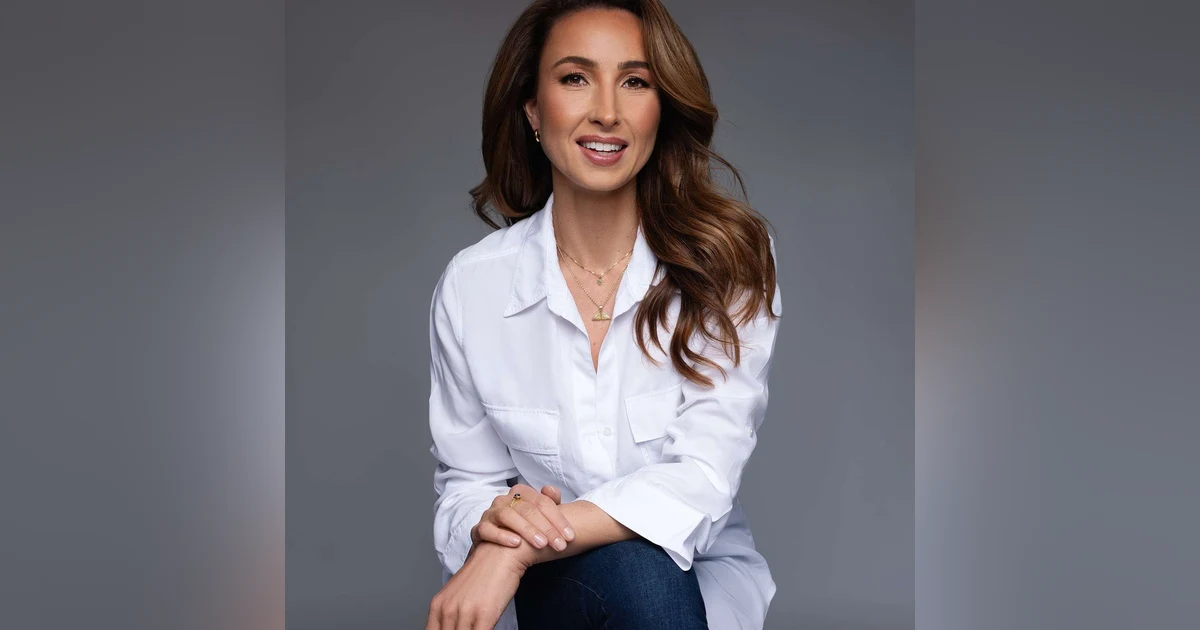
Summary In this conversation, Melissa Methven and Kara Kalin discuss the transformative power of EMDR therapy, Kara's journey from being a national level athlete to a mental health professional, and the importance of addressing trauma in a supportive environment. They explore personal experiences, the impact of trauma on performance, and the need for a shift in how mental health support is approached, particularly in high-pressure environments like sports. In this conversation, Kara and Melis...


Summary
In this conversation, Melissa Methven and Kara Kalin discuss the transformative power of EMDR therapy, Kara's journey from being a national level athlete to a mental health professional, and the importance of addressing trauma in a supportive environment. They explore personal experiences, the impact of trauma on performance, and the need for a shift in how mental health support is approached, particularly in high-pressure environments like sports. In this conversation, Kara and Melissa delve into the significance of EMDR therapy, particularly in group settings, and the urgent need for timely trauma treatment. They discuss the creation of a virtual platform aimed at providing trauma care, addressing the stigma surrounding mental health in high-performance environments, and the challenges faced in traditional hospital settings. The dialogue also explores the importance of building supportive communities, navigating personal and professional life as a single parent, and the healing power of water and self-connection. Ultimately, they emphasize the necessity of understanding and processing trauma to foster healthier relationships and personal growth. In this conversation, Melissa Methven and Kara discuss the profound journey of healing after loss, emphasizing the importance of self-care, especially for mothers. They explore the impact of grief on children and the necessity for parents to prioritize their own mental health to foster a healthy environment for their kids. The dialogue also touches on personal healing strategies, the power of intuition, and the significance of community support. They share resources for mental health and express excitement about future collaborations aimed at helping others navigate their healing journeys.
Kara Kalin
A Registered Clinical Counsellor (BCACC), a Certified EMDR Therapist (EMDRIA), and a Mental Performance Specialist, Kara is well-respected for her extensive work integrating mental health support with high performance.
With her roots as a national-level athlete and a coach for the Canadian National Team, Kara has spent over two decades at the intersection of high performance and psychological resilience.
Kara's distinctive approach marries her deep understanding of mental fortitude with the transformative power of EMDR therapy. Her extensive training and experience in EMDR have not only solidified her reputation as a leader in mental wellness but also fueled her commitment to pioneering its application beyond traditional settings.
Recognizing the need for fast, accessible mental health support, Kara created Shift Change—an online platform designed to help people process stress and trauma quickly, without the need for verbal discussion. By bringing research-backed, non-verbal EMDR techniques online, Shift Change allows people to reset and move forward—no matter what challenges their day brings.
Website - https://www.shiftchange.life/
Link to try a Free session ( Enter FIRSTFREE) - https://www.shiftchange.life/book-now
✨ About the Host & Ways to Work Together
Melissa-Sue Methven hosts Not Alone with Melissa-Sue Methven, and is an author, speaker, and breathwork facilitator guiding emotional, nervous-system, and spiritual healing. She uses storytelling, expert conversations, and lived experience to help people reconnect with their body, release stored emotions, and return to wholeness.
Available for:
- Speaking engagements & keynotes
- Breathwork & nervous system workshops
- Podcast guest features & collaborations
- Faith-based, wellness, and integrative health events
🔗 Inquiries: Breathwork Coach & Speaker | Mélissa-Sue Methven | Phoenix, AZ
📘 The Truth Behind the Smiles explores grief, emotional suppression, faith, and the journey back to self.
📕 Amazon: https://amzn.to/4mSAcEt
🎧 Audible: https://www.audible.com/pd/B0DG5ZZN5C
🌱 Coming Soon: The Gut God Connection & Gut God Blueprint Coaching Program, focused on gut health, nervous system regulation, emotional healing, and faith-aligned living.
✨ Join the waitlist: Melissa Methven
🎧 Subscribe to Not Alone, share episodes, and leave a review.
You are not alone 🤍
Welcome to Not Alone with Melissa Mathman, a safe haven where we embrace our truth and break the silence surrounding our struggles. Here, we believe in the power of sharing our stories, fostering a loving community filled with hope, tools, and resources for healing. Together, we'll explore the journeys of those who have faced adversity, offering insights and support to ensure no one suffers alone. Join us as we shine a light on the path to healing. One authentic conversation at a time. Welcome! Today I have a very special guest and also a friend, a fellow Canadian. Her name is Kara Kalen. She is the Shift Change founder and leader in mental health, registered clinician counselor, EMDR certified, a registered clinician counselor, a certified EMDR therapist, and a mental performance specialist. Kara is well respected for her extensive work integrating mental health support with high performance. With her roots as a national level athlete and a coach for the Canadian national team, Kara has spent over two decades at the intersection of high performance and psychological resilience. She and I met through a good friend of mine in Vancouver, British Columbia, because I lived there, grew up there, and she had come to Arizona when I first moved here, and that's how we connected. And I knew right away when I connected with Kara that we aligned on so much, just energetically and who you are, your belief. And also, actually, when my husband passed, that is actually when the first time we connected was Natalie gave me your contact saying, I need to start doing EMDR. And we connected. And I have so many people asking me about EMDR, have so many questions about it. And I know a lot of people that that was truly what helped them through trauma, PTSD, a lot of different things. So can you share a little bit about your journey from being a national level athlete to becoming a mental health professional?
SPEAKER_01Yeah, well, thanks for having me.
SPEAKER_00Yes.
SPEAKER_01You know, the journey really started where I learned that in order to be tough in the world, that you had to just push through. And as an athlete, I was taught that pain was relevant, you know, that emotions were really just a distraction. And success meant sacrifice. And I embraced that mindset so much so that when I became a coach for the Canadian national team, I also instilled those values in my athletes. And on paper, my life looked incredible. You know, I was leading high-performance programs, I was coaching internationally, and I was sitting at the top and peak of my career. But beneath the surface, I was holding so much weight. And when my father was diagnosed with cancer, we never talked about it. We never processed it. And I was only 13 years old when that happened. And so he had convinced us and convinced himself that he wasn't going to die. And so when he did, we were all alone to be with it. And so instead of, you know, back then being in those moments and processing those emotions, I just buried it and did what I'd always been, what I'd always been taught, which was to just keep performing. You know, and so by 2018, I wasn't just coaching, I was also working in private practice. I was leading initiatives in our province. I was raising two babies under the age of three, and I just never stopped. I was on this treadmill of life that just was about proving and achieving and doing more. And every morning I woke up with anxiety and dread for the day ahead, but I didn't know how to stop because stopping felt like failure, it felt like weakness. And at the end of 2018, I finally decided to walk away from sport. I knew that in order to keep myself in that space, it meant that I was going to sacrifice a lot more than I already had. And so, you know, the titles, the accolades, the constant doing, I had no idea who I was going to be in the world without all of that. And so in 2019, I had hired a succession plan. They had taken over, and I thought, this is great. My life is free from all of this burden. But then I got pregnant with twins, and that was the universe saying, stop. I was so sick, I could barely function. And like a month before I gave birth, the world shut down. So I had four kids under the age of five, and everything I had used to cope no longer worked. And so I did what I'd always done. You know, I could feel the dark cloud of postpartum entering. And instead of resting and being with it, I just enrolled in another course because I needed to continue to keep achieving and doing things. And that's when I took my EMDR training. And so I had done EMDR after my dad had passed with the suggestion of somebody. And so EMDR had been the thing that I had constantly used to get through hard moments, but we had never done any childhood stuff. And so when I went into my EMDR training, I walked into a practice session with my partner, and I had this really simple question, which was why am I so defensive with this one person? And within minutes of tapping, which we would tap like this with your eyes closed, I was taken back to an 11-year-old version of myself experiencing a sport trauma that I hadn't thought about in years. And that's where the belief of not good enough was planted. And so EMDR didn't just shift sort of my understanding, it changed everything. It was the moment where I saw how I was showing up in the world based off that trauma. And so 20 years of proving and performing and achieving, it just all flashed before me. And that was the breaking point for me. And so I engaged in some pretty serious DMPR therapy myself that actually went back to childhood. And that was the beginning of a two-year journey into rediscovering like who am I in the world if I'm not doing all these things. And in that process, I had this moment where I thought to myself, like, if people actually understood what they were holding unconsciously, because it's all unconscious, you know, the brain holds these old memories. Would they just be holding it? And I knew that when I looked in my daughter's eyes, they were still, you know, babies. And I knew that what I had learned to hold, I wasn't going to pass on to them. And so sometimes people talk about being disruptors in your family system. That's what I had to do. I had to like unlearn all of these ways of being in the world because you know, my mom and my grandmother, they were women in the world who held everything. You know, they never put it down, they just continued to hold more and hold more and hold more. And the women that I aspired to be like also were holding everything. So there was no for me to look at as someone who wasn't doing all the holding. And so, yeah, everything changed after that moment. And so in that process, is sort of where the shift change business was was first initially kind of conceived, and then later birth.
SPEAKER_00And birth. And can you explain a little bit what EMDR is? Because I have a lot of people ask me what that is, and and you're the best to explain it, and and how you provide that, you know, in person or virtual, what that might look like.
SPEAKER_01Yeah, so EMDR stands for eye movement, desensitization and reprocessing. And the best way to describe it is it's a reset for the brain. So it helps move stuck trauma from the right side. So our brain is divided in two hemispheres. The right side of our brain is where emotions, sensations, our experiences from events are stored. And the left hemisphere is where logic lives, where everything, you know, makes sense and where we can make sense of the world. And so when we experience stressors and trauma, it gets stuck and imprinted in the right side of the brain. And what's fascinating, and what I learned in my journey, was that you can't outthink it and you can't outtalk it. So imagine being somebody who spent two decades in sport learning how to try and push people through hard moments, how I tried to push through hard moments. And when I learned that you can't outthink it, I was like, what the heck are we doing then? Like, I'm actually not teaching people how to do things in the best possible way. And all of a sudden, my mind is evil. And so what happens is that when we reprocess these moments, we take stuck memories from the right side and we plug it into the left side, which is the side that helps us make sense. So on my website, I love the eagle, and the eagle, because the eagle is the high flying bird, and it moves out, you can see the whole picture. But when you're stuck in trauma, all you see is this, and so your world view is very small and narrow. And so, in order to be able to see the landscape, you have to help your brain process the things that are stuck.
SPEAKER_00Yeah, I can really relate to that where your whole world where you focus on that trauma, and it can't it replays and replays, and you can't see anything else, the joy, the happiness, all the you know, all of that. And it's just paralyzing for so many, for so many years. You know, I have a cousin that it's been, I think, 20 years now, and she's definitely it's that trauma is still there. So, and to allow repattering. So, is it kind of changing the patterns or your brain and the patterns that you have over time?
SPEAKER_01Yeah, so what happens is that, well, I think first the the definition of trauma that I love to share the most is the definition by Peter R. Because when we think about trauma, and this has been sort of part of my work and how to help people understand what is trauma. Because we think trauma are big events, we think that they're wars, we think that they're big catastrophic things. You know, we can conceptualize trauma is those things. But in my journey of doing the training, the quote by Peter that says, trauma is not what happens to us, but it's what happens inside of us in the absence of an empathetic witness. Now, if you think about what I described about growing up in sport, I like to kind of say there's this suppression culture. It's not just in sport, actually, it's actually worldwide. And suppression culture is all about pretending something didn't happen. So when you grow up in suppression culture, you're not being witnessed for your pain. You're being told you're fine, you're being told you're strong, you can get through it, pick yourself up by your bootstraps, keep going. We know how to handle this, you know, like these kinds of conversations. So we don't have witnessing, we don't have spaceholders that gather and sit with us in that, right? Our brain instantly goes into how do I survive and what do I need to do next.
SPEAKER_00It's so true because I talk about suppression because I noticed it so much myself from a young age, being taught that, and how it showed up with chronic illness for myself. And and just because you you you that's what you're taught, that you just don't talk about it because you feel like you're a burden, you're gonna be a burden to everybody else. And you keep everything in. So when my husband passed, I knew that that was no more. Like we have to talk, we have to use my voice, gotta share, and then stop that generational line as well for my children. So I yeah, I love that you shared that. So, can you could discuss a specific success story from your practice that illustrates the impact of EMDR therapy?
SPEAKER_01Yeah, I mean, when you asked me that, there's I was trying to think of one because there's there's really so many. You know, my favorite ones when it comes to sport are the stories where an athlete has been physically injured. And I like to use this because people don't think this is a big deal, so that's why I want to use this. When an athlete is physically injured, it's a trauma. Their body experiences the trauma. So whether they've broken a collarbone or they've broken a leg or they've broken a wrist or even a finger. And so when athletes get sent to me that are high performing, lots of times what happens is that they will rehab their injury and their body will be physically and mechanically better, but the brain is still holding the trauma from that physical injury experience. And so when I have athletes come to me and they're afraid to get back into doing what they're sportive, they're afraid to break another bone, they're afraid to get back on their, you know, whether it's back onto the pitch or back onto their bike or, you know, back into the game, because the brain is wired for survival. And so if it holds a memory that that place that you're going into was dangerous because injury happened, then every time you think about getting back on your bike or going back on the pitch, your brain is going, danger, danger, danger, don't do it, don't do it. So even though you're physically well, your brain can't it can't be in line. So when I reprocess physical injuries for athletes, then they're able to get back into their sport. And when they couldn't even get to the line, not only are they getting back to the line, but they're like finishing in the top. And so that is the most exciting part of it because I'm not trying to convince them they're fine. I'm not trying to tell them it's gonna be okay. And when I talk about my 11-year-old sport trauma, I had dove into the water at a at my first national competition, and I swallowed water and I started choking underwater. I was a synchronized swimmer. So you start choking underwater, and I came up and started coughing and and you know, vomiting. And because the routine was already happening, I found a way to get back into the routine and keep going, which I felt really proud of. I was 11 years old. Like, I was like, oh my gosh, this thing happened, but I figured out how to get back in. But after the thing was done, my coach screamed at me in front of everybody on the pool deck. So, like the speed swimmers, the divers, my whole club, other coaches. And back in the 90s, listen, coaching was all about shame. Shame based was like all about motivation back then. And so that experience was traumatic and it created a fear of holding my breath. And so my mom actually hired a sports psychologist to work with me on being able to do that. Now I worked with this incredible man by the name of Hap Davis. He used to work with the Calgary Flames, he still works with this incredible human, and he spent months putting heart rate monitors on me. We'd go to the YMCAI swim labs, he teached me how to bring my heart rate down. He taught me all of these tools to help me overcome the fear, but it never cleared the trauma. And so, what happened is as I got older and as the routines got harder and required us to be underwater longer, that fear of holding my breath was so paralyzing that I quit because I was like, I can't hold my breath. Because what would happen is that the music would start and I'd go underwater and I could feel the same physical sensations as what happened when I was choking. And you cannot think it. And so that experience for me was like, holy crap, if if I had known about EMDR back then, if someone had just helped my brain understand that like that happened and it desensitized how my body felt in that moment, I would have been able to get back into the water and swing again, just like all these athletes that I work with have been able to do. But that didn't happen for me. And I get that it was part of my journey, and I'm meant to be the person in the world that like advocates for this thing now. Yes. But man, I think like what difference would that have made for me in my life, you know?
SPEAKER_00Right, for all those years, absolutely. And so let's discuss now that you've created the shift change and how does it differ from traditional mental health support systems?
SPEAKER_01Yeah, so I started to do EMDR primarily in my practice, and while I was going through my own journey of healing, I was given this vision of group work. And because I had left sport, I actually was super comfy in my one-to-one stuff. I was like, this is this feels really good for me. And I got shown this vision. I was like, I don't want to do that, like that's so big, and I just left that world and no, and and the universe was like, sorry, girl, like you're you're doing this thing. And so what happened is very I mean, I guess it's synchronistic now, but I had put this program out into the world called Power of the Drag Pump. And so once I had children and saw them in sport and were in the bleachers listening to parents talk to their kids, I was like horrified.
SPEAKER_00Yes. Oh my gosh, I hear it too. I am horrified for these poor kids out there. I mean, they're eight years old, and the parents, I'm like, oh my gosh, like the shame thing. Like, I hear it all the time.
SPEAKER_01And so my body was having physical reactions in these spaces because now I understand the brain. I understand how the body's absorbed. I'm watching these little brains experience all the shame. And I went, oh my gosh, I create this business, I put it out into the world, and I get some contracts to build resiliency with people in the workplace. And as I go into these contracts, what I learn is that it's not about building resiliency with these people, they're being vicariously traumatized. And so I knew that EMDR one-to-one was gonna help with those people, but now there's more people. And so then I discover that there's this group protocol with EMDR. So I go and get trained in all the group protocols you can get trained in because I've got this contract, and I'm like, I want to help all these people that are being vicariously traumatized in the best way that I can. And so as I go through that training, Dr. Nacho Ahiro, he's from Mexico when he does a lot of work in the United States after mass shootings, he gathers people into gymnasiums and he reprocesses that trauma immediately. Oh, wow. So what I learned for his research was that you have 90 days to process trauma before it gets imprinted into the brain.
SPEAKER_00Wow, I never knew that.
SPEAKER_01Wow, right?
SPEAKER_00Wow, 90 days.
SPEAKER_01And if you treat people within 90 days, the chances of it integrating into chronic anxiety or PTSD significantly decrease. It's something like 50%.
SPEAKER_00Wow. I never knew that.
SPEAKER_01Yeah. Okay. So then I get trained in these protocols, and I'm sitting with it at home, and I'm thinking, nobody is doing that here. And these people are doing it in the world as humanitarians, like they give of their time, and that's amazing. And this goes back to helpers in mental health who are like experience burnout and all these things. And why are our helpers in the world not charging for their time when brain surgeons are being paid for theirs? These people are helping clear traumas, like there's this incongruence around that. And I understand that there's people that want to give and do this kind of work, and it's super admirable. But for a lot of people who work in mental health, they get paid very little and they give and give and give and give and give. And so I thought, okay, I'm gonna bring this protocol to the world. I'm gonna create a virtual platform to do that. Because as I started to see the big beasts like Talus Health and different people offering virtual care, they were still sending people out into the field to treat trauma. And, anyways, there's lots of things that were not like. Like, didn't really make sense to me about that. And so I created the platform. And, you know, when I joined Mose, you know, when Luz connected with me, and then met John at that time. And so I came to John and I said, look, I have this vision, I've learned all these techniques. I really think this is a really powerful thing that I can do in the world. But I was overwhelmed with where to start. Because if you think about trauma, there's not any of us that are immune to it. Whether you go into school settings, whether you go into sport settings, whether you go into healthcare, like everybody's experiencing it, and especially with our exposure on social media, we can be vicariously traumatized by watching the news. Yes. Right? So like nobody's not impacted. And so John and I sat together and sort of created the plan on and how we were going to roll that out. And so in July, I launched it for the first time. I offered it for free in exchange for testimonials. And we initially had thought we would start with, you know, healthcare settings and frontline first responders. But then people who had experienced problems with fertility started showing up. Women who had had earth traumas started showing up. People who were impacted by suicide were showing up. And so then, like, all of this started to come in. And I was like, oh my gosh, like this was the thing that I started with. Like, how do I do this? So the platforms created, and how I was taught the protocol was to do it on Zoom. Now, because a lot of the high-performing clients that I work with and a lot of my pro athletes, I was like, Isn't this amazing? We're gonna do this group protocol, and like after your sport, you can come in and we can tap. And they're all like, I'm not coming, Kara. And what they're like, I don't want anyone to see me. I was like, What? But it's so powerful and so amazing. They're like, No, I'm not coming. And so one of my clients actually was like, Why don't you figure out how to do it anonymously? And I was like, ah. So then that began this process of like, how do I do that? And as I started to think about it more, I thought, you know what? Those people in high-performing spaces, the men who have also been a part of suppression culture that don't want to show weakness, that are firefighters and our policemen and all, like, they don't live in a culture that that honors, you know, emotions. And so I thought, I offer it in this way, will more people come? And the answer is yes. And so it's not about reducing stigma, it's about creating safe places where people feel like they can come, where they can put it down and not be judged in that process.
SPEAKER_00Yeah, that's a huge that's so needed, especially for, like you said, the police force and environment. I know mental health and what they see on a daily, you know, it's so traumatic. And then they go home and they don't probably want to share because it's so traumatic. So they don't have a safe place. And ultimately, that's why I also wanted to start this podcast is a safe place that people can share and their story or listen to it on their own time and not feel alone in that process, but also given the tools, you know. They can reach out to you for EMDR and and all the resources, actually. And just I had a mom uh on yesterday and she was talking about her postpartum psychosis, and she said her what helped the most was EMDR. But she was sent to a hospital, and the hospital treatments nobody gave her that option.
SPEAKER_01Well, and the wild thing about postpartum psychosis is that so many of those systems are ill equipped to handle that, that the experience of those women coming into the hospital is another trauma. And that's the kind of thing that really like fires in my body because what happens is then the woman who's in so much distress is made to feel like there's no help because the people who are there don't know how to be with it. And so this protocol, the the first one, so there's three different levels, it's called a step approach. And so, what the World Health Organization endorses this, and so step one is to treat people with what we call the assist. And so the assist can be done in one hour, and it's non-verbal, so there's no talking, and I just guide you in processing whatever experience you had. Now, if we use this woman with who had postpartum psychosis, it's most likely that something that happened in her birth triggered an old trauma that then like created a lot of flooding in her system. And if she met with this first-level assist to help her body stabilize in that psychosis moment, she would have been out immediately.
SPEAKER_00Yes, actually, she said it was a past childhood trauma. And she said she was put in this hospital and it was all addicts, and that was so traumatic, the treatments that she had there, and she was put on this antidepressant that actually made her even more suicidal. Anyways, I love that you mentioned that that going to that hospital setting also is gonna be traumatic.
SPEAKER_01And that's what I think people don't realize is that when we have this belief that our systems are where safety is. Like if we can't help our people, well, we just go to a hospital and they're gonna help us. But the hospital doesn't know how to baby trauma because as Gabora Mate talks about, like not very many doctors and practitioners are trained in trauma care. And so our systems are only taught in this like prescription, you know, CBT way. And so when people are experiencing trauma symptoms, they're just you know ushered out or re-traumized within the system. And so often I have people come to me after being in a hospital, whether they're taken into a psychoard over the weekend or whatever it may be, and they're so traumatized in just that experience that it takes me some time to be able to stabilize and treat the shock from that before I can even treat the trauma of what got them in there in the first place. That's wild to me.
SPEAKER_00That is, that is. Yeah, I've heard that, and even I met with a clinician that works at the Hope Institute here for suicide ideation, and she says, Yeah, this is why this new clinic is there, because it's a safe environment. They have all of these somatic treatments, and because most of the time, if they are sent to the hospital, they'll be discouraged.
SPEAKER_01Yes, not only discouraged, but what they get taught is that the people who are supposed to keep me safe can't. And if they can't keep me safe, that hopelessness that I already felt before I went there, skyrocket. Because now if they can't help me, no one can help me. And so then what happens when we're in that place of overwhelm, the brain just goes well then.
SPEAKER_00Yeah, that was the last resort.
SPEAKER_01That's it.
SPEAKER_00Yeah, yeah. I'm so glad you mentioned that. And what have been some of the biggest challenges you face while launching Shift Change?
SPEAKER_01Honestly, I think because I have like stepped into the calling for my life, people ask me this question a lot, and there hasn't been a lot of challenge. Okay. Because people hear me talk about it and they go, Oh my gosh, I can see how that would be helpful, or I can see how we need that, or I can see how we can implement that. And I think that part of the journey has just been getting myself into places where I can educate people about it. And as soon as I speak about it, doors open, you know? And so part of it is just how do I help bring this thing called EMVR into the world in a big way? But if you haven't heard about it, you kind of think it's a voodoo. So I feel like I've been passed as like this bridge person that is helping people see that it's not just for people who are, you know, severely depressed or like really struggling. It's like actually every person can benefit from this modality because we're all impact. And so once I can do that and talk about how, and I think that's part of why my private practice, I've had so many different types of people come, is that I've been able to see that there's not one person I haven't helped with it, you know. Yeah, so it's not this narrow lens, it's like actually there's this big thing, yeah.
SPEAKER_00Everyone can benefit from it.
SPEAKER_01But I do think that like when we're coming into systems, the people in the systems at the top who grew up in suppression culture, who didn't have anyone show them a different way other than to suppress, it's hard when you have this fixed mindset around how something's supposed to be. And so sometimes when you have those people at the top of those systems, when you introduce something new, there's resistance that happens there, you know? And so you have to sort of trust that there's gonna be this team of people that are gonna come and help me bring change. And I was I was worried about that at the beginning, but when I launched it in July, I did it with an intention. And how I launched it in the world was like this I'm calling for anyone who wants to be a part of my coalition to bring change into the world. And if you feel like you impacted and you didn't have what you need in those moments, come join me. And so, what's happened is that people have gathered, the universe has brought incredible humans who are in systems who see how the way that we've been doing things is not working and really causing a lot of suffering. And so, like, I feel like I've got this incredible movement that's happening with me that I just put the call out and it's not answered.
SPEAKER_00I love that. Have you ever heard of Dr. Casey Means? No, no, and Callie Means, I read her book, Good Energy, and she was an ENT in a system. So was her mom. And but she got out of the system because she was saying, I can't treat my patients the way the system is. So she wrote a book all about it, and actually her twin brother, Callie Means, he's more a big advocate for big pharma and making big changes, and and so they're sounding the alarm on the system and how it's not working and how we have to make some changes. So I highly recommend reading reading her book, Good Energy, because I think you'll really align with her philosophy and what she's trying to change as well.
SPEAKER_01And I think that that's perfect because when I was in the sports system, I'm being traumatized in the sport system, even though I wanted change to happen in there, and I every day was trying to find a way to fix it and make it better. What I realized now as I sit here is that I couldn't have changed it when I was traumatized by it. You know, I had to come out, I had to do the necessary healing to be able to go, okay, those aren't bad things. They've been impacted by the trauma in the system too, and you can't see what you can't see. So me trying to like force people to see something that they just can't, it's not gonna work. But if I can treat people after they've had traumatic experiences, that fundamentally will change the cult the culture eventually. Because if you think about treating mass amounts of people, if we're treating trauma in a in a big way, then those people are coming back into systems differently. Right?
SPEAKER_00And so eventually that impact is going to be the ripple effect from their healing, right? So how do you work with kids? Like, I'd be curious. I'm like, oh gosh, I wish I did that not within the 90 days with me and my family, you know. So do you work typically with younger children?
SPEAKER_01Yeah, and you know, there's not anyone I say no to because I got trained in doing stuff with children for my kids. Once I learned about all this stuff, I thought, well, oh my gosh, you know, my kids are gonna experience hard things. And when they do, like I want to help them process that. And so I did training with children. But one thing to note is that even if you don't intervene immediately, there's still different protocols that you can use to process trauma. And you know, the step two and the step three of the approach is then going in, and all it means is it it requires more time. So if you don't process within the 90 days, it's okay, but it just requires more time and essentially more money because you you gotta, you know, that time kind of adds up. And so there's still there's still all sorts of ways to process old stuff for anyone.
SPEAKER_00For anyone. Oh, well, thank you for sharing. And I know you are also building all this this business for yourself, but you are also a single mom of four. And I know you went through a divorce not that long ago, right? And so, how do you manage the demands of your personal and professional life?
SPEAKER_01Yeah. Well, you know, as I was saying to you before, I think one of the things that I learned in my journey was that one, when I started to see the patterns that I was my brain kept pulling me into different spaces. So, for example, I was I was the person in my family that fixed everything. That was my hat in my family system, and I did the emotional work for everybody around me. And once I retired that hat and said I'm no longer gonna be that person, I started to see that so many of my relationships were connected with me being the helper. And so that meant that if I was gonna retire that role over here, then I had to retire that role in all the other spaces. Because what I learned was that unless you're in relationships with people where there's reciprocity and not like reciprocity in like you've cooked me dinner, so I'm gonna cook you dinner next. Not that, but reciprocity and energy. So do I come into the space with this human and when I leave, do I feel energized? Do I feel filled up? Do I feel inspired? And if the answer is no, if every time I come here, I'm drained and sucked dry, it doesn't feel good for me.
SPEAKER_00I just love that you mentioned that because I'm always saying that that I'm so affected by people's energy and being drained. I said, be careful. Even for my kids, you I say, be careful who you're always hanging out with, you know, that really affect their mood because they have so much light.
SPEAKER_01Well, and I think that the hardest part of that is when you realize that, then you have to make some top decisions, and that means that relationships end, friendships end, identity for me ended. And so I think that people had this idea of who they thought I was in the world, and because when I decided to, you know, end my marriage and to do what was next, there was so much judgment, and I had to learn to just listen inward, you know, not focus on what people thought or what they said about me. And there was a lot, right? Because I think people were shocked because I was performing at all times and never let people into my life. I never asked for help. If I would have asked for help, I would have felt weak and uncapable. And so I think that what's different now is that I really manage my energy. I check in every day about it. And my priority is maintaining that space for me that feels good. And I always ask myself, do I feel good coming into this space or do I not? And if I don't, I just get harsher about it. Like I just I don't guilt myself into re-entering.
SPEAKER_00So I'm I'm curious to what practices do you do daily? Like, are you more of like a journal person or meditation, prayer? Like, what's what keeps you in alignment?
SPEAKER_01I've I have developed a lot of things. So when I do work to release things, I go to the water, I bring my drum, and I have different sorts of ceremonial practices where I release to the water. The water is what makes me like really connects me to the earth. It really grounds me. And so sometimes I will write letters, sometimes I will bring something to burn, and then I release it. Every morning I start with sitting at my altar and I light a candle and I just sit in quiet, like I I put on a song that connects me inward, and I see what comes, you know. I think the biggest thing of I've learned to trust myself and to hear my own intuition and guidance, and I don't doubt it. Like now it's so strong. And so if I get a feeling or a sense that something's not right for me, I don't try and convince myself anymore that it should be right. I just go, it's not right. And I think now that I've I've had to, I've made so many hard decisions that now I'm just in the practice of it, like I don't even have to think about it anymore. But in saying that, there's a lot of grief that comes when relationships and friendships and identities end. And so being with the grief of that and trying to move that through my body, I have an incredible, like my osteopath, she's an incredible human that helps me from a cellular level move grief through my body. You know, I have an amazing naturopath that also does that same thing. So it's like in my personal journey, I've built this team of people around me that as I release and as I surrender and let go of things, and the grief comes, that processing, like I'm supported in different kinds of ways. And I think I also am sort of hold the people who can be real witnessers and spaceholders for me and hold those people really dear. But I don't, there's not a lot. There's like two people or three people that are your people that are really there with you. And for two years there wasn't any, you know, and I got really comfy with learning to be with myself, to be in nature. And once I got comfy with myself, then different goals started to enter my world.
SPEAKER_00Yeah, and the right people, right? Like you could attract the people that are meant to be with you, but you needed that stillness, that space to go within first.
SPEAKER_01And people that are also wanting to grow, you know, and I think that for me, my pattern was the person who could see that things, there's chaos happening in people's lives because I this is what I do for a living, and then I want to help people with the chaos of their lives, and it would pull me in. I was trying not to do that, but then I keep entering into other people's chaos. And so when the universe brings you people that are really deep committed to their own growth, that space opens up this like beautiful container of like not just witnessing, but like they're gonna hold a mirror and like, hey, you know, like asking some deep questions. And I think it's only now in my 40s to have would talk with you about Jessica. You know, Jessica's one of these people in my life that like has a similar story, but so much of her own journey is so growth-oriented that we can hold space for each other and hold a mirror very compassionately, but also just kind of go, Oh, let's just check that thought. Yeah, you know, let's just kind of check that for each other. And as we develop this beautiful relationship, I said to her, like, wouldn't it be amazing? And these are the kind of relationships other people could have. You know, it wasn't one where you like gather and complain about all the things that aren't happening in your life and and join in, you know, substance use and all those kind of things, where you entered into a space where someone helps regulate your nervous system and Holds a mirror, allows you to just be who you are, and then you move out of it.
SPEAKER_00It's amazing. It is amazing. It is amazing. I feel I've had like a similar shift, you know, once I moved to Arizona and needing a lot of space to myself, like almost wanted to withdraw and finding that clarity to go within. And now my team here, I've like, I feel like everyone that I've aligned, even with you know, Kira and some of the authors, and there's we're just in that space of growth and like-minded individuals, we're all doing a similar thing. Like I wake up, my healing corner is right there, sacred corner. I literally, I just pop out of bed, I put a cozy blanket on it, light my candle, and I sit in my meditation, breath work, prayer, and I do that for almost 15-20 minutes. You know, I'm pretty consistent with that. But I, you know, in the sauna, red light, coal and the water, you mentioned water. For me, going cold plunging at Reconnect here has been such a healing place where I would, that's what I would do. Every time I'd go into the water, I'd release something there, and then I'd call for guidance or whatnot. But water has been very um releasing. And I could tell for my daughter, water is very, very, very healing for her as well and releasing, and especially in the ocean and and and time in nature. I could tell that for with them.
SPEAKER_01You know the thing about water that's so powerful and a self-practice that I learned in those moments where I was with myself was I found this woman who's Rebecca Campbell, and she's a mystic and a healer and all the things, and she has this beautiful sanctuary where you can listen to different meditations. But she has this meditation called the Arms of the Mother. And I would get into my bath, light a candle, and I would listen to this soul journey, and she would guide you through feeling held by the mother, the great mother. And I would just cry and cry and cry. But there's something about the holding of water that is so healing because oftentimes in moments where we feel alone, we want someone to be with us. We're all wired for connection. And so that sometimes people don't want to be alone because it's so terrifying. And that was something for me where I learned how to hold myself in this bath of water and listening to this guidance. And once I got that, it's like anytime I feel like I really need to be held and I need to hold that for myself, like that's where I go. And so I never have this thought like, oh, I wish that I had someone else in my life, or I wish someone was holding me, or I wish. No, it's like I know how to hold me, and that's how I do it. And so when I met her in November, I went on a retreat into Spain, and I told her, I said, Your meditations changed my life. Like I love being in the presence of myself, and it sounds really wild. Yeah.
SPEAKER_00But but isn't that so important, especially as people go through divorce andor are single, and all of a sudden, you know, they'll either go on a dating spree because it's so hard to be alone, but ultimately to truly attract who is divinely meant for you, you need to kind of be comfortable being alone and kind of know where who you are and what you need and work on your old past patterns.
SPEAKER_01Well, and this is the part that I knew as being a therapist that if I jumped back out into the world, I was going to recreate the patterns that I already had. They're hardwired patterns, right? Like I've been in the helping role since as long as I can remember. And so getting clear about attachment, getting clear about what your patterns are, and learning how to self-soothe and be with yourself in these moments. Now you're you're right. You're gonna come into the world and you're gonna attract a different kind of person. And I think that so often what happens is that when people go through separation, that feeling of being alone can feel so intense that we just think that we need to go find someone to make that feel better. But the truth is we get into relationships and that still lives inside of us, whether there's somebody with us or not. And so I think now I'm at a place where my peace feels so good for me that like anything that comes into my life is gonna have to be pretty dang good. Right? Yeah, having this at like everything, because it's it's it's a magical place to be in. Yes, and also it allows me to be more present with my kids. It doesn't mean I'm not open to somebody coming in, but it just means that I feel fulfilled right now in my life. Yeah. And so if anything comes in, it's just gonna be the like cherry.
SPEAKER_00Yeah, yeah, exactly. The cherry on top, exactly. But you've you yeah, I love the way you described that because I felt like that's kind of what I went through. I was stayed single for two years past Scott's death, and I was at a place where I had done a lot of work and I was at peace and I was okay being alone. I was a, you know, I just had written my book. I, you know, good place with my kids, and I'd done a lot of different therapy and things were moving along. But that is when, you know, this man came into my life, and it was interesting because then it was just like, oh, yeah, the icing on the cake. It's it wasn't a a need. I was comfortable with it, but it's been so wonderful, and it's exactly the companion that I was looking for, but I had to be at that place, you know.
SPEAKER_02Yeah, I love that.
SPEAKER_00Yeah. Oh, I just love this conversation. Okay, so what advice would you give to mothers who are starting over after a significant life change such as divorce? I think we kind of touched base a little bit, but is there, you know, I know you mentioned you know, some maybe time for themselves. Like, what would you say?
SPEAKER_01I always have that image of like, and I think Oprah said it where we put the life mask on us first. And so when you're a mother, you know, these babies come into our world and everything shifts from like what our needs are into what their needs are. And not that we don't want to ensure that our children's needs are being met, but I truly believe that unless we are well, our children cannot be well. And so even when I shared you know how much judgment was coming at me, how many things were coming at me in my transition, fundamentally I knew from all the reasons is that divorce actually only traumatizes children if there's conflict. And the separation, yes, is a hard thing. But if my children can grow up seeing healthy mom, that's what they're gonna remember. They're gonna remember that. And so I just held on to that. Like I just hold on to I want my kids to see me sad, and I want them to see me what I'm gonna do with my grief. You know, when hard things happen, my kids come with me to the water, they light medicine with me, we bring flowers, we offer it to the water, they see me perform ceremony with my grief. Wow.
SPEAKER_00That's beautiful.
SPEAKER_01Nobody did that for me. And so trauma for a kid only is there when the situation doesn't make sense for them. And so if I'm putting on this face that like everything's fine, but they're feeling that I'm not fine, kids have an intuitive sense that creates confusion. And this is what I think I want all single parents to know is that when we try and put on the mask for our kids, and because we think, oh, I don't want them to see how I'm feeling, we're actually creating trauma because what they feel and what they see are incongruent. And so there's lots of moments where my kids were really struggling, and you know, in the beginning days, and I would just sit with them and and we would just cry together, you know, and we didn't stay in it forever, but I wasn't afraid to enter into that with them. And the thing is that once we attend to that, kids move through it. It's like this quick, yeah, yeah, you know, and so I think that's the most important thing is that when we are well, they will be well too.
SPEAKER_00I agree. I couldn't agree with that more. And I had a gentleman at the hospital tell me the very same thing. I was frantic to look for a counselor for my kids, and he says, No, you need one first, and they will mimic you and you're grieving, and that was the best advice.
SPEAKER_01And can I I remember you telling me that, and I I think that man was like an angel for, he really was.
SPEAKER_00I want to find him one day. He was had flown in from Honolulu because my husband passed in Maui, and he was the organ donor specialist. So when Scott passed, you know, they're like, well, we can do organ donor, and he just was there talking to me through the process, but he was also my lifeline. He's like, here's my number. I could text them at any time of the night. And sometimes I would. It was three, four o'clock in the morning because I couldn't sleep, and he he was, he was an angel.
SPEAKER_01And you know why I think that advice is so important is because when parents dump their kids into therapy, the kid then develops this internalized belief that there's something wrong with me. And so when I work with kids, I also say to the parents, look, I can help your kids process what they've been holding. But if every day they come home into a home where the parent is not stable, that child is not going to be able to be stable either because the parent is responsible for holding that space. And so this is the thing that happens is that people just think, oh, well, my kids can get therapy and in they go, and the parents don't do their own work. Well, again, incongruence, right? And if the parent doesn't have the mentalization of what's happening, the child's ultimately not going to be benefited from it. So that advice was incredible advice. And, you know, I've always said this to you I have so much admiration for your willingness to jump in and do that. Because, you know, thinking about what it was like for me as a young girl going through what I went through, I I wish that would have been my story with growing up. You know, I look at you and I just think it's incredible, and I have so much admiration.
SPEAKER_00Thank you. Thank you. Thank you. And it was, you know, all the community and the hell and the little the angels, you know, just guiding me along the way. But thank you, thank you for saying that. Uh truly touched me. Can you share some personal strategies that helped you heal and maintain mental health? I think we kind of like touch base on that. But do you want to add anything else to that?
SPEAKER_01Or I mean, I did a lot of my own EMDR. That was the basis of the work that I did for myself. And then I started to like integrate breath work into that. I see someone one-to-one. You know, going into group spaces were very tricky for me because I've been traumatized in group spaces. So I didn't feel safe to be in in group spaces. And so I, you know, found someone who has been incredible in that. I mean, breath work is you enter a portal into another world. Yes. Oh, yeah. The healing is deep when you enter into that space. You know, I've been very lucky to be met a person who was an Ascapio, an indigenous healer, and been, you know, taken into different ceremonies and sweat ceremonies. And so it's sort of been like a journey into all different types of spaces. I had a mentor who, you know, she was a shaman, and she was the first person actually to show me how to be with my grief. And she, you know, just passed away this last year. That was a huge loss because but when what was wild is that when she did this old thought that I used to have, like, oh no, I can't handle this right now. I can't have like that. And when she passed, that thought came first. It it was like, oh no, not now. I can't. And then immediately the next thought was she taught me how to be with this. And so I just went into the practice of what she showed me, which was you know, going in the water and releasing it, sitting there as long as I needed to until until it was moving through me. And and so, you know, I feel really thankful that there's been all these different sort of experiences that I've had, but it was kind of my own journey and like where I was being guided to next. Yeah. And so I guess that's what I would say is that everyone's journey is different. And the beautiful thing about EMDR is that as you reprocess old patterns, lots of people will say that they get really connected with their intuition. Lots of people have different spiritual experiences in EMDR sessions. And, you know, in one of my own sessions, my great-grandmother came to me in a session. And it was so powerful because she was showing me how she was taking some of this trauma out of my body. It was powerful.
SPEAKER_00Wow, very powerful.
SPEAKER_01So, you know, that has been a beautiful thing to witness other people having those kinds of experiences. But I think the more we can let our intuition guide us into what we need next, if we can tap into that and find it and listen to it, then the journey for everyone is going to be different.
SPEAKER_00I always say that I said because I'm so guided intuitively now, and that's my my compass. But yeah, ultimately is guiding people to back to that and how to listen to it as well. Breath work was a big one for me as well, as far as healing. That's why I am a practitioner, and I do find people prefer one-on-one. It's a safe place, and because you know, a lot of people can process so many emotions in a group setting. I've been in group settings, you know, and it could be anger, sadness, and whatnot. And I'm comfortable with it now, but I do find for people one-on-one, they truly feel like they can feel safe.
SPEAKER_01Yeah. Well, and that goes back to the shift change assist sessions that are virtual, because when they're anonymous and people can't see each other, but there's still group energy. That's where there's so much power because we don't have to see people, but if we know that we're in a room with 10 other people who are struggling just like us, it creates this shared sense of witnessing, even though we're not watching. And so that's been sort of one of the powerful things, as you just said, and as I had mentioned, like I had never been safe in great settings, I would have never shown my emotions back when I was in high performance world either. And so being able to come into a space where we can impact people, but they feel that safety as if they're one-to-one, it's it's so powerful.
SPEAKER_00Yeah, very powerful. I love all this share. Can't wait to share this episode with everyone. So, what are resources you would recommend for listeners who want to learn more about mental health support?
SPEAKER_01Yeah, well, you know, I'm an EMDR human, so you know, the best place to look for people in your area is Mdrea.org, is one of the places where you can find people in your area. With ShiftChan, we operate worldwide. And so we have people that attend sessions in our group spaces from all over the world, which is incredible. And you just have to pop on. And what's your website again? So it's www.shiftchange.life.
SPEAKER_00Okay. Perfect. And how can people find you? You're on social media and yeah, same.
SPEAKER_01Instagram is kara Kalen.shiftchange, and LinkedIn is, I believe it's just Kara Kalen.
SPEAKER_00Okay. I love that. And you're located, you're in Vancouver, British Columbia. But like you said, you can be worldwide. Yeah. Yeah. I am so honored to have you on here, Kara, and I'm excited to call you a friend, and I have no doubt that we'll be collaborating at another time and love to share what you continue to grow.
SPEAKER_02Thank you.
SPEAKER_00Thank you, bye. Okay. Yeah, my pleasure. Bye. Thank you for joining me on this episode of Not Alone with Melissa Mathpin. Your time and attention mean the world to me. Remember, you are never alone in your journey. There is a community filled with support and love, ready to embrace you. I see you and you matter. Until next time, may you find peace and strength in the connections we share. Take care and be kind to yourself.