Men's Mental Health: Breaking the Silence With Glen Lovelace "The WingMan Method".
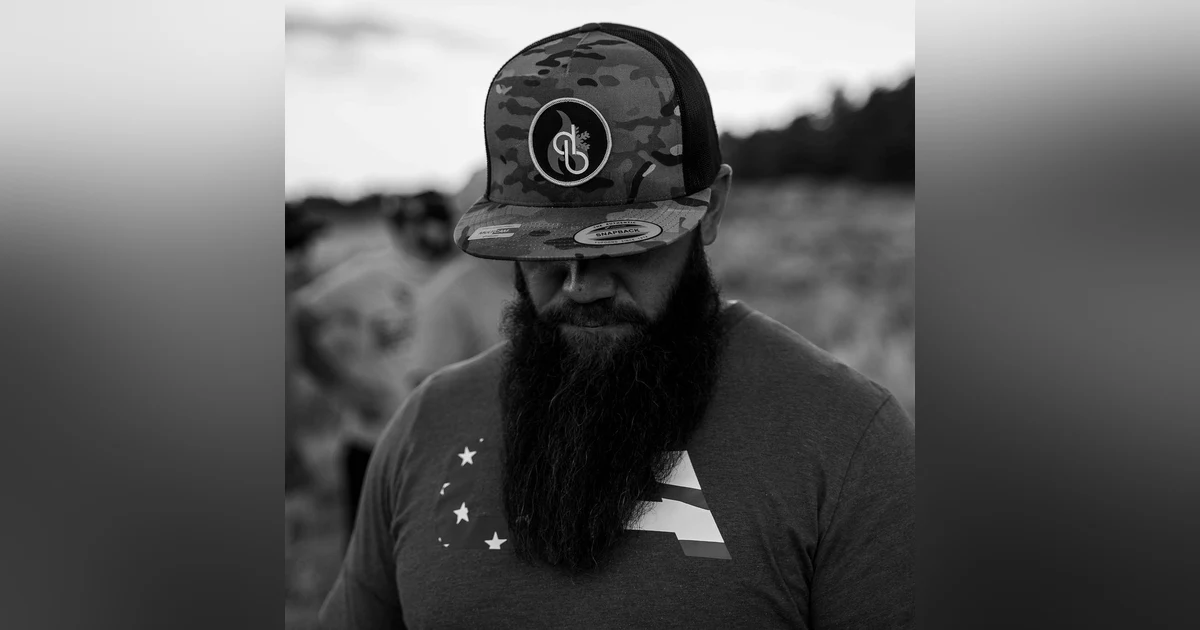
____________________________________ Glenn Lovelace - Podcast Bio Glenn is a performance coach for men. He’s been married to Amber since 2004 and they have 5 boys and 2 girls. His marriage has challenged him more than anything else but it has also forged him into the man he’s become. Glenn’s story bounces from failures, quits to more failures much like most men. He found himself in a dark corner in 2013 on Christmas Eves. He was ready to “be done”. He survived himself but was determi...


____________________________________
Glenn Lovelace - Podcast Bio
Glenn is a performance coach for men.
He’s been married to Amber since 2004 and they have 5 boys and 2 girls. His marriage has challenged him more than anything else but it has also forged him into the man he’s become.
Glenn’s story bounces from failures, quits to more failures much like most men. He found himself in a dark corner in 2013 on Christmas Eves. He was ready to “be done”. He survived himself but was determined to keep this a secret to his grave.
He turned back to the one thing he could control - himself. The gym became an essential part of his daily recipe and in 2017 he went up against 60,000 and he won $100,000 transforming. In an interview after the contest Glenn shared his story, including his secret about near suicide…
Glenn lives by daily simple processes that create lasting value and happiness. He preaches “progress creates happiness” and “your goal is my goal”.
He currently coaches men for his business and has helped men overcome the mind to create ultimate control over emotions helping men feel it all and still move towards their goal. His unique process looks a lot like the movie “Hitch” except we’re chasing change and goals. His process has been branded as “The Wingman Method”. Since 2008 he’s had nearly 4,000 one on one clients…
Glenn is all in on helping others reach their goals…
You can find him in the following places:
Podcast - The One Day One Life Podcast
Website - GlennLovelace.com
Instagram - @itsyourwingman
If you're a gal who would like your husband to become more open to coaching feel free to text "gals only" to Glenn at 385.269.8011
If you'd like to hear a podcast dedicated to your questions, situation or ideas feel free to text the same number and make your request.
*********************************
Melissa-Sue Methven
Author of the book "The Truth Behind The Smiles
Amazon for book 📕
If you could please leave a review that would br the biggest gift! 🎁 Thank you!
https://www.amazon.com/dp/1961098571
Audible
https://www.audible.com/pd/B0DG5ZZN5C?source_code=ASSORAP0511160006&share_location=pdp
Breahtwork Facilitator, Speaker and Dental Hygienist
Website
www.melissagratitude.life
@melissa_gratitude
YouTube
@melissa_gratitude
✨ About the Host & Ways to Work Together
Melissa-Sue Methven hosts Not Alone with Melissa-Sue Methven, and is an author, speaker, and breathwork facilitator guiding emotional, nervous-system, and spiritual healing. She uses storytelling, expert conversations, and lived experience to help people reconnect with their body, release stored emotions, and return to wholeness.
Available for:
- Speaking engagements & keynotes
- Breathwork & nervous system workshops
- Podcast guest features & collaborations
- Faith-based, wellness, and integrative health events
🔗 Inquiries: Breathwork Coach & Speaker | Mélissa-Sue Methven | Phoenix, AZ
📘 The Truth Behind the Smiles explores grief, emotional suppression, faith, and the journey back to self.
📕 Amazon: https://amzn.to/4mSAcEt
🎧 Audible: https://www.audible.com/pd/B0DG5ZZN5C
🌱 Coming Soon: The Gut God Connection & Gut God Blueprint Coaching Program, focused on gut health, nervous system regulation, emotional healing, and faith-aligned living.
✨ Join the waitlist: Melissa Methven
🎧 Subscribe to Not Alone, share episodes, and leave a review.
You are not alone 🤍
Welcome to Not Alone with Melissa Methfin, a safe haven where we embrace our truth and break the silence surrounding our struggles. Here, we believe in the power of sharing our stories, fostering a loving community filled with hope, tools, and resources for healing. Together, we'll explore the journeys of those who have faced adversity, offering insights and support to ensure no one suffers alone. Join us as we shine a light on the path to healing. One authentic conversation at a time. Today I'm honored to have a special guest and fellow author, Glenn Lovelace. He is also a life coach for men called the Wingman Method. And today I'm just honored to have you on here because, you know, I met you actually once I started writing my book. You were on the Joy Publishing meetings. And right away I think you really connected with my story and especially kind of my husband, what he has gone through, and you were a big supporter with me writing my book, editing, and you you made me feel really welcome into the group. You know, it was all very new and to sharing. And so I just have to say thank you.
SPEAKER_00No, it's pretty impressive to write a book and finish it. I think a lot of people would like to, and then you get into it and it's harder than you think. So kudos to you for finishing. It's amazing.
SPEAKER_03Yeah, thank you. I couldn't have done it without you know, everyone in JOA, the support team, you know, the weekly meetings to keep me going. Because you're right, once I hit the editing portion, it was like, oh, that was daunting to reread it, re word by word, sentence by sentence. That took a lot of, you know, support. So I would love to dive right in as to, you know, your your own personal journey with mental health and what got you to be a men's coach, which I think I it's so needed in in our lifetime now. I for men to be completely open in talking about their struggles and how they got out, I think a lot of men resonate with will resonate with your story.
SPEAKER_00Yeah, no, for sure. It's on both sides, men and women, they need help with facing challenges. We're all doing things we've never done before. And so any type of therapy, coaching, personal development, it's all leading to progress. So it's tricky to do life right now. There's lots of lots of noise coming at us.
SPEAKER_03Yes, absolutely. So you mentioned having several rock bottom moments in your life with health, finances, and relationships. Can you share what that journey was like and how you reached the turning point where you decided to transform your life?
SPEAKER_00Yeah, absolutely. I think everybody has challenges in their life that make it feel like a rock bottom situation. And so it's it's kind of an interesting phrase, and I think we use it because we can all identify with maybe what that feels like, where it feels like we don't know what we're doing, and the walls are coming in on us, and it just feels like 10 steps backward with everything you try to do. And so the amazing part about life is with these rock bottoms, it's kind of a breaking point where what we were doing is no longer working, and these can come at us with situations based on our own actions as well as the impact of what others' choices are on our life. And then we've got economic and all the community stuff and other natural disasters. But one thing is for certain, all of us as humans are going to experience different challenges. And so when it comes to my own challenges, it was very defeating as a young man facing them, and now it feels like, oh, this is what we're doing. It it's easier to get into acceptance and kind of see that, hey, this is what I am going through. And as I kind of choose to face it and look at it differently, it kind of is a way to empower myself to make progress with it. And one of the things that's kind of cool, I don't know if I've ever shown you this. Actually, I probably did in our book classes. So apologies about the interruption, but Kintsugi, have you have you heard of Kitsugi before, Melissa?
SPEAKER_03I have, yeah, but can you explain it?
SPEAKER_00Yeah, so for me, I was laying in bed two summers ago trying to stay alive. I had a really bad mountain bike accident, and I almost died twice from it, and I was feeling very broken as a man. And I had heard of Kintsugi, and I was on Google Images, and this this picture really, this print really spoke to me. And as I started looking at it, I realized that I was in a very broken state. And when I put things back together, similar to this Japanese form of art, the art takes on more value based on the number of fractures it has, and it is stronger, which is so fascinating to me when I look at men and women who have gone through challenges that have broken them or put them on their backs or made them feel like they're at rock bottom. And it's like, hey, if we look at this differently as we overcome it, it really does make us more valuable as humans to ourselves, to our community, to our families, to others. And as we go through it, we become much stronger. So I could talk about different areas of my life when I felt rock bottom and what that was like.
SPEAKER_03Yeah, I'd love for you to share. You know, my of course, you know, not alone with Melissa is just that safe place where somebody can kind of really connect to your rock bottom, but see where you're at now. So I I if you're comfortable talking about, you know, I I know you've shared in meetings with me, you know, but your story about you know, your your close call with suicide and where you were at in your life at that point.
SPEAKER_00Yeah, so it was December, Christmas Eve of 2013, and I was at a point in my life where I had, let's see, I had two kids, and I just found out my third child was my first daughter. And we were in Arizona, and I was working three jobs at the time, partially because a few years earlier we had left our the keys to our house on the counter, is kind of how I illustrate it. But we got ourselves in a unique situation with a contractor, he wasn't very honest with us, and my family, Amber and I, and three other families ended up in this same like legal situation. And I could share details about that, but we were taken advantage of, and we tried suing the guy for about three, almost four years, and just eventually we ran out of money trying to get justice and to make things right. So we moved out and we moved into a really cool neighborhood. It was just a little outside of our budget, and I was starting to kind of build the savings back up again, and then I lost my job, my primary source of income for what would have been a whole year, and I didn't know. But I was about 10 months into that experience, and what really made my life tricky at the time was I was trying to change my wife. So here I am, like what, 31 years old. I wasn't where I thought I should be or could be. I was really trying to force results in my life through what I was capable of, which was working really hard. And then I felt like I was taken advantage of by someone who knew the housing game better than I did, and then I lost my job, and then here I am constantly feeling like I'm trying to change my marriage, and I felt like my wife was trying to change me or that I was inadequate, but nonetheless, the victim part of my my reaction and response to her was I just couldn't make her happy, no matter what I tried doing. Everything I tried was leading to more arguments or continued arguments, and and I just had a bad frame of mind around relationships, being married, and this disgruntlement of figuring life out together. And I tried everything I could to try to get her to change, and what I was trying to get her to change was to not yell and to not feel angry. And to me, any of that stuff was just completely out of line and inappropriate, but then I wasn't looking at my own behaviors, my own response to any of this. And so I'm trying to paint this picture of what was going on in my life, but it was Christmas Eve, I was in Arizona, and we probably had an argument, honestly, about sex. Like I probab and I can't remember exactly, but it was really easy for me to feel like rejection or to feel unloved. And I made it mean all these things just if my wife was sincerely just tired. And I obviously had my own issues, and I ended up leaving the house. We were at her mom's house for Christmas, and I was like, you know what? I'm just gonna drive home, and it was like a nine, 10-hour drive to get home, and I was like, Well, that's dumb. I'm just gonna have to come back, and then that's gonna ruin my kids' Christmas morning. And so I ended up just sitting out in the desert in Arizona, and it was a really dark Christmas Eve, meaning there wasn't a lot of light, well, not a lot of moon or anything like that. And I was just sitting on the side of the road, angry, sad, mad, frustrated. And it wasn't just my wife and our relationship and and how we did life together. It was all these other things that kind of put added pressure on me. And it's funny looking back now that 30 was harder to turn 30 than it was 40. And I was just so frustrated. And I looked over and I concealed carry, so I have a pistol on me most of the time. And I looked over and my pistol was there on the center console, and I just had this overwhelming rush of like weird sense of power. And I'm uh I'm kind of an adrenaline junkie. I ride motorcycles, mountain bikes, dirt bikes, Harleys, anything I can do to kind of feel like I'm being dangerous. And it wasn't necessarily like that, and it wasn't necessarily this dark demonic feel either. It just felt like power, is is how I would describe it. And I I picked up my gun and I had this thought, just finish it, be done. And we could go into thoughts and where I think they come from and how to entertain those and how we choose our thoughts, even though we have tens of thousands, 60,000 thoughts a day, it would be interesting to go that way. But I had this thought, and it as I replayed in my head, it definitely wasn't mine. However, it felt powerful and it felt like I could really change something in that situation. It was a couple years later, and I'll come back to the story, but it was a couple years later, after I'd really done a lot of thought work, like, how did I get to this place? How did I get here? And you know when you like you find something that's your truth, and it just hits you like in the side of the face, it hits you in the heart, it's kind of like a throat punch, but it's it's true, and you just can't deny it. Yes, yeah, and and what I discovered my truth was is that I wanted to hurt my wife by hurting myself. And it was just really awful that that was my truth, but it's something I've always been willing to talk about because I feel like sharing what it was my secret at the time and sharing the dark parts of it just gives a lot of space for other people to have messed up thoughts and messed up reactions where we're like normal people wouldn't think this way, yeah. And to kind of create some space to have some compassion on so other people can have compassion on themselves, because when I say that out loud, every time I say it and share it, I'm like, oh man, that is a that's a pretty dark, messed up place to be. So I'm sitting there and I'm feeling totally empowered and a little bit out of control, too, where I was kind of taken over. I mean, if if I'm sharing even more, more than I normally share, it's just it was definitely a powerful but dark entity. Right.
SPEAKER_03So do you like if yeah, like it do you feel like it wasn't part of you? There was something stronger there telling you to do these things.
SPEAKER_00Yeah, and I I feel and know that there were there was a sense of energy there that was encouraging me to do it. And it was almost like a jeering and a jabbing, and holy shit, this guy's gonna do it. Like I can't believe this guy's really gonna do it. He's gonna do it, yeah, yeah, yeah. It was like hyenas. It was like hyenas energetically, and they were jeering and jabbing, and it felt like they were getting some type of charge off of my dark spot.
SPEAKER_03Your dark spot.
SPEAKER_00So I'm I'm literally just holding my gun, and it's within contact range, and I took a breath, and I had this thought like, what is happening? It was almost like I got in the situation and didn't even know I was getting in this situation, nor planning it, and it just happened so fast, and I thought of the relief I would have, but then I also thought of my kids, and so a lot of people I've talked to when they find themselves in tough spots, you know, for some reason for a lot of people, it's not necessarily the thought of their spouse or their parents that brings them into this courageous spot where they start to change the direction, it's actually their kids. And so for those that have kids and have been in a tough spot, I think you can relate where it's like I would do anything to try to help relieve their suffering or to be there for them or to be their hero. And my kids absolutely saved the thought of my kids definitely saved my life because I had this thought like Glenn, if you quit on life, how is this going to impact them and how they show up to their challenges, or as we're talking, rock bottoms, or these breaking points. And it's like that thought alone scared me. Like, how would how would I feel if my dad gave up? And this shouldn't be used against those who have experienced suicide or whose whose kids do have a parent. It it doesn't mean anything about you as kids, if you're listening, that hey, your your dad gave up on you, or anything like that. I'm not trying to project anything onto others, but for me in that moment, that's what helped me stall just long enough where I felt like that 10-second window interrupted the total trajectory of where I was headed. And I went home that night.
SPEAKER_03But you were having those thoughts and just kind of, yeah, completely.
SPEAKER_00Yeah, and I I went home just saying, Hey, you know, Melissa, this is gonna be my secret forever. Like, I am so ashamed and disappointed that I even got to that spot. I'm just never gonna tell anybody about it, which leads to other problems, as you can imagine. Yes, um, but I didn't tell anybody about it until 2017, so it took about four to five years for me to finally share it, and it came out by accident, which is kind of crazy.
SPEAKER_03So and who did you share it with the first time?
SPEAKER_00So, what's crazy is so I leave and I'm like, you know what? I have lost myself in this relationship because I'm trying to make a woman happy, and I just don't know how to do it. And you know, fast forward 10 plus years now, and I'm like, my wife's happiness is not even my job. Like, her anger is not necessarily a problem, it's just her having these emotions. And of course, I want to try to relieve my wife so she doesn't have to experience anger, but I'm also not in charge of her happiness, and that's a whole nother conversation to have. And but I left that night, like I lost myself. I've said yes too much, I've taken the path of least resistance, I've been trying to appease my wife, which is not very honest. I wasn't inside of integrity with myself nor with her if I'm not sharing how I really feel or what I really think. But that was so foreign to me to share my feelings. Like I didn't even know what I was feeling, let alone did I have the vocabulary or the capacity or the willingness to refuel my feelings while I shared them with her.
SPEAKER_03Yeah, this is not something you were taught from a young boy. Was that ever something like if you think back of a young boy, were you how were you taught about feelings? Like if you did have big feelings, like how was that handled?
SPEAKER_00It it's so interesting, and I love this conversation because Tony Robbins says we have to thank our parents for good or for bad for everything because they taught us. So his mom used to put dish soap in his mouth and do some pretty awful things, but he's grateful for his mom because she showed him and taught him what not to do. So I grew up in a very loving family. My parents are still married, they taught me the value of hard work and spirituality and how to be connected to myself. And this is also something I try to proceed with a little bit of caution because we can easily blame our parents and our childhood for things and not find the things to be grateful for. But from my childlike perspective, I was raised in a house where it was, it felt like do as you're told, and talking back was disrespectful, and so it became take this path of least resistance where you just take the punishment, you take the fall, you put in your time with the consequences, whatever those might be. And there wasn't, from my perspective, a space to share what I was thinking, what I was feeling. And again, I was totally inadequate as a kid to do that. But that being said, I wasn't necessarily trained or guided or asked questions or given a space where my child self was safe to share. And so I went from a great childhood, I didn't know what was wrong until later on. Like that was just my norm. And then I go into this marriage with these certain set of skill sets or lack thereof, and then 10 years later, I'm in the situation where I'm completely inadequate.
SPEAKER_03So did you find that your wife is also having a hard time sharing her emotions as well?
SPEAKER_00No, she is anxious to share her emotions and her thoughts and her energy. And so you kind of have this very anxious personality type. With a total avoidant personality type. I'm frustrating her, she's frustrating me. And that's leading to us constantly missing each other. Where it's like, what the heck is going on? And I'm judging her for her anger and her emotions, and she's judging me for my lack of emotions. And then I just get flooded with emotions because of her emotions, and then I don't know how to express myself. And so what do we do when we get flooded? We just avoid the wall goes up. We're literally flooded with emotions, so we can't even tap into what we are feeling because there's 10 feelings just washed out over us, and we can't even connect to ourselves anymore. Does that make sense?
SPEAKER_03Yeah, oh that makes complete sense. I hear that a lot with some of my friends, you know, husbands of where they're you know they they shut down, you know, because they're not quite sure how to share where they're at and and that suppression and avoidance. And so yeah, no, I think I definitely can't.
SPEAKER_00And that's common because yeah, and that's so common with men and women. But if we're talking about men in a relationship with a dynamic woman who's in touch with her emotions and is is communicative and has transformed herself and is willing to share, and then she wants that connection with her husband, wants to know what he's thinking and feeling. But it's it's not a blame on the wife. The wife gets blamed a lot for not being safe for the husband emotionally to share his feelings. And I think there might be a little bit of truth to that, but really, if a man feels safe inside of himself, he doesn't care who and what and when he shares his feelings with who and when. He just shares them because he's in control, he's at home, he's comfortable with the discomfort of his own emotions, and if he wants to share them, he will, whether he feels safe by other people or not. So as men, we need to get comfortable with our own feelings and they're uncomfortable. So it's tricky, and then we have to get comfortable with our wife's discomfort because when you share your truth, she's not always going to like it, she's not always going to receive that in a in an open, loving, motherly way. And it's like, dude, she's not here to be your mommy, like she's literally, you know, figuratively a warrior with you trying to figure this out. And one of the biggest changes, and I can come back to how my story came out, but one of the biggest changes in my relationship came because I started going to the gym. I'm like, I need a place where I have total control of the results, of the outcome. And I got really, really, really good at the gym. And what I soon discovered years later was that fighting, if I fought fairly, and my wife did too, was a gym workout for my marriage. So I go to the gym to break things, I go to the gym to tear my body down, I go to the gym to expand myself and the muscles and the body and whatever your goals are, right? And so I made a bridge to my relationship and I started viewing fighting as the same thing. I was like, hey, if we fight right, if we fight fair, if we fight by a set of rules and we take ownership, this difficult conversation is actually very amazing for relationships. It's literally like I needed a gym bag to go into that confrontation where I could be confident that the pain I was going to feel was actually going to be building me up and building my wife up and building the relationship. And the thought that changed everything, Melissa, was instead of viewing my wife's anger and her fighting me as disrespectful, I viewed it that she was fighting for us. Now, now my wife really was fighting for us. She wasn't playing all these other games that couples can play. She was already fighting pretty fair. Now, we've since adopted some rules and guidelines on how to fight, which gives us like precedents and boundaries on hey, you're being a little bit critical right now, or at least I feel criticized. And then we can break each talking point down into whether we're being defensive, critical, in contempt, and playing all these games, or if we're really battling over what needs to be battled over. So I started looking at my wife instead of disrespecting me, she was fighting for us. And like the gun incident, it gave me just enough of a window where I could breathe a little bit, and then I could start making a request like, hey, if you can calm down just a little bit, then I can hang in there with you. I can see that you really care about this. Or, hey, if you can settle in just a little bit, I want to stay. But if not, then I'm gonna remove myself and I'll be back in like 20 minutes. Or it just gave me a whole new room of ways to handle this. Yeah, it's setting this very tricky situation. Exactly. Yeah, exactly.
SPEAKER_03Yeah, you were trying to show up for her, but also having these boundaries. And I think that's that's huge. That was something big for me to work on. I had no boundaries and learning how to do that and communicate that. And I agree with you that conflict could be such a foundation of growth, right? But oftentimes we don't know how to handle conflict.
SPEAKER_00Yeah, we make it mean that we're just not a good couple, we make it mean that our spouse is all these things, and we get in trouble when we make meanings of things that might not be serving us or might not be true. Now, there are people in like super abusive relationships, right? And so trying to look at abuse as oh, he's just fighting for me, or oh, she's just fighting for us, like there's a really fine line between abuse and then just showing anger. Does that make sense?
SPEAKER_03Oh, yeah, yes.
SPEAKER_00Like our actions and our behaviors from anger, they really do matter. And so if you're in a relationship where it's not a healthy fight, it's it's really hard to distinguish, and that's where each individual's couple and marriage need to try to just take their situation as an isolated incidents and start making progress with it if that's what they choose to do. And so so if I can go back to that story real quick, my my shameful I'm never gonna tell anybody secret came out when in 2017 I did an online fitness contest with bodybuilding.com.
SPEAKER_03Oh wow, love that.
SPEAKER_00Yeah, and out of 60,000 people, they picked me as the winner.
SPEAKER_03Wow.
SPEAKER_00And so they showed up with the surprise check. It was a hundred thousand dollars.
SPEAKER_03Oh my goodness, that's amazing. What what was the like what did you have to do? Like lose a certain amount or what what it was. Wow, look at that.
SPEAKER_00So I should frame this thing. I keep saying Yeah, you should $100,000. Get one of those every year would be nice, right?
SPEAKER_03So what did you have to do lose a certain amount of weight or get really fit in a certain amount of time?
SPEAKER_00What was the uh Yeah, the contest was 12 weeks long and it was just all based on your before and afters. And I had studied the previous like four or five years winners, and they did more than just work out and show their pictures, like they got involved in the community and they helped other people, and they just really shared their story authentically, and so I shared mine. And after I won, they flew me up to Boise, which is where their headquarters is out of, and they were we were partying, doing workouts, meeting tons of athletes. I traveled to a few like fitness expos with a bunch of the athletes, and I mean when you go to the gym and you're wrapped up in it, supplements and swag and shirts and bags and athletes and all that stuff, it's just so fun. So so fun.
SPEAKER_03Yeah, I can imagine.
SPEAKER_00Yeah, and so they invited me to do a like little six, eight-minute interview, and they called their TV series The Spark. And so they did a Spark series on my story, and as I was being interviewed, I can't remember, I wish I could remember the question they asked me, but it was kind of like like probably something similar to how you started the podcast out with like, what's the hardest thing you've ever been through? And I just shared it. Wow, like it just came out of me that I had had this, yeah, that I had had this dark night, I'd never shared it before, and I left the interview all pretty shameful, pretty disappointed, but more so worried about how it would feel down the road now that people might know my story if they shared it, and of course they would. Like, this is a real person having real experiences, and that's what makes these stories on Spark so inspiring. But what's really cool is I went outside and it was a sunny day, and the leaves were kind of rustling in the breeze, and I'm leaning against the building just trying to catch my breath of just what happened, and I had the sun just like hit me through the leaves, and I I had this thought like, man, I'm so worried about the disappointment that I'll bring on my family name and how my family will react and be disappointed that I got to this this really sticky dark spot. And I had this thought, I was like, you know, if this helps one man just be courageous to know that, hey, wanting to get your way out of a bad situation and considering, you know, suicide as dark as it might be, is this might be a lot more normal than you think. And if this helps one guy just realize that that one night or multiple experiences with this isn't the end, and that you can really do something crazy with your life, then like any shame or disappointment that I would have felt from this is totally worth it. And I had, you know, I don't know if I'd say hundreds, but dozens and dozens of men that year just be like, dude, your story. I've been in that spot. Like, I'm so grateful you're here, so grateful you were courageous enough to share. I haven't ever told anybody. And it kind of became part of what became my coaching of hey, everybody or most people have a secret. And if you can just share your secret with one or two people, or in my case, tens and tens of thousands of people on YouTube, then you you you claim power over what was once bringing you a lot of shame, and you just own it, and you just own it and move through it, and now I'm outside in Idaho and Boise, Idaho, and for the first time in like four years, even though nobody knew, I felt like the world was like shouldering my secret.
unknownOh, wow.
SPEAKER_00Like I wasn't carrying it alone, even though nobody knew, but because I had heard myself say it or something, it was like yeah, the big release.
SPEAKER_03So you felt that, right?
SPEAKER_00Yeah, I felt it, and then the sun and the leaves and all that stuff just connected me with God, and I was like, it's gonna be all right. It's totally gonna be okay.
SPEAKER_03Wow, wow, I love that. So that opened up that door to coaching other men that was feeling that way, and is and then that gave you that purpose, right?
SPEAKER_00Absolutely, for sure.
SPEAKER_03To keep sharing, to keep sharing. I know you call it the wingman method, and I love, love, love the name. I love that. And I I'd love for you to share a little bit about that too, but I know hasn't been easy for you as well, with you know, your recent bike accident and then being chronic pain, because you've you already had established your your coaching, and I know you've been you know writing your book. How have you been feeling now? Like I know you were in a lot of pain. You had a neck brace and everything.
SPEAKER_00I had a mini breakthrough like two weeks ago. And if anyone's like stuck in this, I can't and I won't energy, um, consider finding an event just to be exposed to energy, different people, different information. But I went to this event and I took a few clients with me, and my goal was really just to network and show my clients a good time and kind of stimulate them. And of course, I'm always working on myself, but it wasn't like a huge priority or a huge intention. But I went to this event, it was just a one-day event, and this guy's talking about getting stuck in negative energy. And we could go into there's like a whole Hertz of what vibration, and it gives it a number of what energy levels you're at and where you live, and how to, you know, I call it climbing the ladder out of these lower energies.
SPEAKER_03And so do you try to stay at a different energy level now? Because you know you had described that that low energy attracted these thoughts that weren't even you, right? Because you were in that yeah, and and I personally can still resonate that because I in in in all my therapy sessions that I had with my psychologist, I said I felt something. I felt this dark energy with my husband. Like there's even sometimes I'd be like, Oh, I should probably go lay down beside him. But it was like God was like, no, don't go there. There was something there that I can feel. And I I couldn't, you know, until now I dove into more learning about energies and entities or whatever people want to, you know, call it. It's real, right? It's a real thing.
SPEAKER_00It's very real.
SPEAKER_03Yeah.
SPEAKER_00Yeah. So it's it's important to maybe cover a few like really quick stats that'll kind of give this context and I'll I'll come back through to your question. But they say we have about 60,000 thoughts per day. Have you heard something like that, probably? Yes, maybe more, maybe less. And they say that 70, 80, 90 percent of those thoughts are actually negative, which is so crazy. Like we have a lot of negativity coming at us, and this isn't without considering entities and spirituality. This is just normal human brain. This is how we view the world, and then on top of that, they say 95% of our thoughts are a repeat from yesterday. So some of these lower vibration energies start with like shame and guilt. Up the ladder is like apathy and depression, and there's fear and anger and pride, and a whole bunch of these lower vibrating frequencies. And what happens is based on our thoughts and our behaviors, we create patterns as humans around how we respond to different things in our life. Like I had a client years ago, he was waking up with a lot of avoidance to his business, and as we dove into it, he had this pattern thought of, I wonder what's gonna go wrong today, which had him avoiding his business. And I was literally traveling with him one day, and we hit a red light, and he said, word for word, see, I knew this day was gonna be bad.
SPEAKER_02Oh, wow.
SPEAKER_00And I was like, Whoa, bro. And then later on down the road, we got cut off or something, and then he got a phone call from an employee, and it seemed like one of his service trucks broke down, and then he got a few calls from contractors, and it was just like these are everyday situations that a business owner goes through, but he created a pattern of what he was looking for, of all the things that were going wrong from his business. So, coming back to all these thoughts, all these responses, they create energy in our body, and from that energy and that emotion, we take actions, and then we're very habitual and patterned in how we respond to life. And so if we're normal humans who avoid pain and seek pleasure, and then try to get really efficient at how we avoid pain and seek pleasure, we end up getting stagnant and stuck, and then when we get stagnant and stuck, we have this like cloud on us of negative energy, right? So I'm at this event, I wasn't expecting some like breakthrough deal, but I have this tons of pain. I I broke my neck in three places, I've broken my back a couple times, I completely destroyed my left arm, broke a bunch of ribs, had a pulmonary embolism. This is all just from one accident. And before this, I'd had over 20 surgeries. Like when I say I like to have fun, I like to have fun at the expense of my body and my health sometimes. But I I've been feeling pretty stuck because my body only has so much capacity. And then this guy, I'm trying to remember his name, anyway, not important, but he said, you'll know, he said, the number one way you'll know that you're living in an energy field that's negative is you compare yourself. And I was like, huh. And I sat there and I was like, you know, I've done enough work over the years where I really don't envy or covet or compare myself to other men. There's other men that are faster, stronger, have a bigger, thicker wallet than I do, whatever. And I don't really compare myself, and so I was sitting with it, and I raised my hand and I said, you know what? I I think my brain is very sneaky, but I'm comparing myself to what I used to be able to do. I'm comparing myself to myself, and so it's like this negative energy is stuck on me because I'm comparing my body, my mind, my finances, my marriage, my sexuality, like me, me as a father, like everything has been reset and broken, and I'm constantly comparing myself. Oh, see, I can't even pick up my cup. Oh, I can't even open my car door without my armor. Like, I can't do this, I can't do this. And I had created this negative space, and I've been working through it, and I've been very aware of it. But this is where the breakthrough came. He said, Glenn, you gotta stop comparing yourself to before the accident, and you gotta start looking at all the things you can do now, now that you're back and fighting. And he's like, he's like, what was one of the first things you could do that was a really big deal? And I got emotional and I said, dude, the first hard thing I ever did after my accident was take a shower by myself. And it took like four months to take a shower by myself, and I did it and I was done for the day. Like I was so exhausted from getting myself to the shower and doing that, and then getting back. It was all I could do to get dressed. It was crazy. And so now I look at what I'm doing now. I'm I just got on my mountain bike for the first time a few weeks ago. I'm doing all kinds of things with my kids. It's not the same, but we can experience this progress. And so talking about these challenges and coaching, I started coaching in 2008, which is crazy to think. So I've had close to 4,000 one-on-one clients now, since then. And I started with online business, so I was teaching eBay, Amazon, Shopify, stores online, kind of before it was as big as it is now, and I did that for 10 years. In 2017, I won that fitness contest, and then I had hundreds and hundreds of messages, so I started doing health and fitness coaching, and then in 2019, I went through a program called the Life Coach School with Brooke Castillo, and I got into that community and realized it was like 99% women. And I got certified through that program, and in 2020, I quit my three jobs. I was running Fire and EMS. I was working at UPS on the preload shift from like 2 a.m. to 8 a.m. Oh wow, and then I had my full time coaching business. And then I had my health business on the side. And so it was just still 2013 all the way to like 2020, I was still working two, three, four jobs trying to force results through what I knew how to do, which was work. And then I got into life coaching and I do a lot of business coaching, marriage coaching, addictions, health and wellness, all the things. So it's been an interesting yeah.
SPEAKER_03Yeah. Just well, I think your story is so powerful. And like you said, people could really resonate and see those tools. I love that you said don't. I think we do that a lot where we compare ourselves to our past self, and then we're so hard on ourselves, especially as we get older and whatnot. And I feel that, and now I know you work with couples too. I'm like, well, I bet a lot of couples do that. They're like, oh, we were like this before, or this is how it was, you know. But of course, it's gonna be a built-up of resentment or things or life, you know, and and purpose and goals changed. So yeah, they kind of think back, oh, this is how we were when we were 20.
SPEAKER_00Yeah, it's it's been interesting to my wife's has a salon, so she's had hundreds of women through our salon and house over 20 years. And then I'm in a community or a couple of communities that are all women, and I kind of discovered a unique problem to women who were creating results in their life through change, like therapy, coaching, personal development. And I started realizing that men were still on the couch emotionally, they were just staying where they were comfortable, and then going to like JOA events and other events, you see probably a lot of gals who are like supercharged and they're running into the storms and the discomfort of life, and they're doing their work, and then some of their men are on board and some of them are not, and these men kind of get left behind a little bit, and so the wife could resent the husband for staying comfortable and not coming along, or the husband could resent the wife for going out and living this full life and feel left behind, and there's kind of all these weird dynamics being played out, and so yeah, just that shift of of women or men starting to pursue personal development, and that can create a lot of people.
SPEAKER_03It's so needed. Like, how do you feel? Like, I know for you know, just talk my personal story. My husband was never open to go and see help, any therapists, counselors, anything. It was like, oh, well, we'll just read a book. And I think it was a bit of his upbringing that there was scared, you know, treatments back then were not what they are now. But I mean, most men probably just come reach out to you and they're ready. But if if how do you how would you tell a wife that's really trying to get her husband he needs some help to work on himself?
SPEAKER_00She knows that, but how can you if there is there any tips communication-wise or oh absolutely so the situation is you're a gal, you're married, and you've done some work, you've experienced some progress, and you you're loving life, even if life is still hard, and you're just wishing and hoping your husband would do a little bit with you. That's kind of what you're saying, right?
SPEAKER_03Yes, yeah.
SPEAKER_00And then you're also relating to yourself when, hey, when you brought up making progress as a couple to your own husband, he was very avoidant and was willing to do stuff, but just kind of dabble with like a book or something, right?
SPEAKER_03Yeah, and well, he would never own that he was addicted, you know. That was never something that he was addicted to opioids, you know. He's like, Well, that's not me, and I'm fully under control. So seeing his truth was a even he would take because he had a really chronic back issues, and he talked very openly to people what he was on for nerve damage and whatnot. He's like, Oh, this one is for nerve damage. It's an antidepressant as well, but I'm not depressed, you know. So it was a lot not owning kind of what was truly going on. But I think just the message for the significant other that is growing and would like their husband to come along. Yeah, to come along, yeah.
SPEAKER_00So a really fun analogy, and I'll share what my tips are, is is if you're in a marriage like this, and we could say spouse if we want her to like talk to male listeners whose wife seemingly is on the couch, but it's it's almost like for the sake of this conversation, women are progressing in life, and I like to envision them as they're out in open water, they're like deep-sea fishing, diving, they're swimming with dolphins and with sharks. Like it's a little bit fun and it's a little bit scary, but they feel this passion for life, and they're very excited and feeling adventurous, even if it's just emotionally and spiritually, and all the things. And they look around for their husband, and he's not in the boat, he's not in the water, like he's a hundred feet offshore in the sand, just comfortable. Does that make sense?
SPEAKER_03Yeah, I like that visual, yeah.
SPEAKER_00And and it just resonates with me with a lot of people I talk to because it's like men who don't need therapy, I found they're already their biggest best advocate. They already think they're doing so good. So I don't know if they're comparing themselves to their dad, if they're comparing themselves to other men or the average man, if they're comparing themselves with friends or with themselves 20 years ago. But it's kind of like, what's a porn problem? Like I asked a couple this once, and the husband's like, Well, if I look at porn once a week, that's pretty good. Like, that's not really a problem. And for her, she's like, if you look at porn ever, like if you looked at porn in the last year, that's a problem for me. And so they were completely missing each other on what a problem is, and so men are very good at advocating for themselves and being proud of what they have done that is good, and then seemingly ignoring the stuff that's not a problem yet. Work.
SPEAKER_03I'm glad you brought that you know, situation because I know that's you know, women bring that up, and yeah, they're not okay, not even for with once a week. So how do you approach that, you know?
SPEAKER_00Well, and and and it all comes back to communication and really diving into how important words matter and making sure we put a definition to what's a what's a pain pill problem? Like, is it once you've been using it for two months or three months or a year? Like, when does this become a problem? Same with pornography or any other thing that's the gym could be a problem. I used to go to the gym twice a day. You know what I mean?
SPEAKER_02Yeah, yeah.
SPEAKER_00And and there's some underlying things that we could get into tonight or another time of why we overuse things that are good or bad. We're we're coping, we're numbing, we're drifting, we're buffering, we're avoiding our emotions when we seek or pursue something in exchange for facing what's really there. And we I can go into that. But coming back to what a wife can do or what a spouse can do, the number one thing I believe a spouse can do is inspire your spouse by the results you're getting from therapy, from coaching, or personal development. So leading by example and really changing. So, so like when I talk to these gals, I'm like, okay, you're changing in your physique and your health, you're changing in how you mother, you're changing how you do business or your careers. But how are you changing in the marriage? And a lot of times gals can't really say that they've specifically intentionally gone into the situation from that lens. And if they'll do that, now they can almost like start treating the symptoms and the situations that they're running into with a lot of intention. So I used to hate it when coaches would say one person can change the dynamic of the marriage because I wanted both people to change. But think about this. So you have two married people, and one person starts changing how they show up to an argument, they start changing how they show up to being offended or angry, they start getting curious about their reactions and their spouse's reactions, they start asking different questions, they start changing their behaviors. It's literally impossible for that relationship not to change. Now, we all want that relationship to change to benefit us, to make our life better, or to make more sense, or to get easier, or more logical, or more emotional. Like, I don't really know. But the other person still has their choice on how they engage with you as the spouse who's changing. So you'll find that some spouses will actually get worse before it gets better. They don't know how to show up to that new situation of how this the wife is showing up to that argument. And so they'll try all these weird games before finally they're like, oh, this is really her. Or, oh, this is change that's permanent, or oh, she's really not going to do X, Y, or Z anymore just to make my life easier, better, harder, whatever the words are. And then almost like some acceptance comes in. Now, I've seen a lot of couples get divorced when one spouse is changing and the other one doesn't come along because that distance just gets so wide, that void just gets so big, right?
SPEAKER_03Yes.
SPEAKER_00And and it's it's unique to everyone's situation and everyone's circumstance. But what I would say is number one is inspire your spouse by the changes you're getting and take ownership for your feelings, take ownership for your behaviors, start apologizing, start making changes, and if you can do that consistently, you can build trust within yourself and within your spouse that hey, this this person's changing, and it's and they're changing for the better. And that's either gonna make them inspired to come along, or it's gonna inspire them to get off the bus, so to speak. So a quick analogy is like with employees and owners and managers. I'll be like, hey, let's come up with some core values, let's come up with job expectations and job roles, let's educate and train your employees on these expectations, let's hold them accountable to it. And when people see that you're seriously committed, they either rise up or they get off the bus. And we want them to rise up, but we also want them to get off the bus from an employee standpoint if they're not going to do what we're paying them to do. I realize with a marriage, it's a little more sensitive than that. You have a life together, you have kids together, you might have a community or a business or a faith together. So it's a little more complicated, but it's kind of the same thing. Step two is share. So what I'm thinking is you ask permission from your spouse, hey, I'd love to make some progress with you. Can I listen to a podcast or a book? And if I think it's applicable to us in helping us argue less and have more sex, like that's a key phrase for men. Like, I don't know any man who doesn't want to argue less and have more sex. And I realize that's totally surface level. No, but it's true, it's the truth. It's it is, and it's it's it's pretty shallow, but if we can make progress with that little puddle that's there, really, I would argue it's the opposite. If you can argue fairly, the intimacy gets better and better and better because you're doing life together. And so ask for permission. Hey, can I share can I listen to and share a podcast with you? And can we talk about it? So you create an event, whether it's a book, a podcast, or an event, or yoga, or breath work, but invite him into your your circle to try to have an experience with him. Does that make sense?
SPEAKER_03Yeah, like a connection, something that'll connect you guys working on yeah on yeah, okay, I like that.
SPEAKER_00And and connect it to something he's already aware of. So if if he likes going to the gym, just be like, hey, this is gonna be a workout for our relationship. But workouts feel good, right? And let's I like that. Let's figure out how to connect with him. Does that make sense?
SPEAKER_02And what he'll already associate with his comfort with nice, yeah.
SPEAKER_00Yeah. Um, another one is I have a podcast that I share with gals. It's called What Your Wife Really Wants and Why.
SPEAKER_02It's a good title.
SPEAKER_00It's really playful and fun. It's a couple years old. It it kind of references Mel Gibson's What Women Want movie. You remember that movie?
SPEAKER_03I do, yeah.
SPEAKER_00Kind of an outdated movie, I'm sure, for our day and age. But but anything to entertain our spouse and get them to open up, especially if we're talking about the men, it's like, hey, your wife might be saying it this way, but this is what she means. This is what she wants, this is what she desires. And the dangerous thing for these guys is if they ignore this long enough, then the relationship just becomes very dead, very stagnant, very stuck.
SPEAKER_03Yeah, disconnected. And of course, if you're not connected and there's no depth, you know, there's not gonna be any physical, you're not gonna want to have sex, really, to be honest. Right. And if there's such a disconnect. And so this is all very, I mean, I love what you mentioned and resonated. You know, it makes me think back, oh, where my relationship, my marriage, and I I really hoped, you know, people are gonna listen to this and and even how can they work with you? Because it sounds like you work with men, women, marriage, you know, it's all about changing your perspective and your story alone. You've been there, you've been, you know, at a point where you didn't want to be around anymore with chronic pain as well, and you're still, you know, raising your family and you're with your wife still. So there's a lot of wisdom. And so, how can people find you?
SPEAKER_00Yeah. The easiest place is glenlovelace.com. They can read a little bit about the program and coaching. They can even schedule a free call from there. It's kind of geared more towards men, obviously. Um, I have worked with I don't even know how many gals where their main goal is just to help their husband get more open to coaching.
SPEAKER_03Yeah. So if that's great, actually, now that you say that, I wish I would have found you, right? Because I somebody, I you know, I remember going to see a therapist and talking to her about my husband's struggles and oh, what can I bring home, right? How can I communicate? What do I need to do? But coming from, I don't know, from you and your experience, I think that could be really powerful for a wife that feels stuck and doesn't know what else to do because that's truly what I felt.
SPEAKER_00Yeah. I I think a lot of women start feeling like the mom, they feel like their husband's mother trying to protect his emotions or nurture him through it. And a lot of gals feel like their husband's coach, and their coach doesn't want their wife to be their coach or therapist. And so you're picking up a role that your husband might not ever want from you, and that's totally okay. But if you keep picking it up and trying to put it on him, the wedge will grow deeper and deeper, and his heels will stick in. Some men aren't that way, some men are very open and receptive to what their wife is advocating and fighting for, and you know, it's just so different for every relationship. So another thought on my list is it's gotta be on his timing. So, how do you nurture this thing along, but not have it take 10 years? And that's something I talk about on my podcast, so people can go to the One Day One Life podcast. If gals want to message me, I call it going behind enemy lines. It's kind of funny. I love movies and all the stuff, but gals can text me or message me and say, Hey, I would really love a podcast. Here's my struggle and situation, and I'll covertly create a podcast around the content and how I would present it, and I'll I'll mansplain some of the principles and opportunities. And then the wife can be like, Hey, I found this podcast, like I really want to listen to this one together, and then that can be a good segue where it's like, I'm not talking directly to him, it's neutral and general enough that it's not like if your name's Jared, and then this one's for you. You know, I don't do anything like that, but we could if you want to, right? Yeah, but yeah, I think there's a lot of opportunities for gals to put in some requests that have consequences. And if gals want to call me and do a quick call on how to do that based on their situation, I can guide you on hey, we can make him uncomfortable in a good way. We can make him uncomfortable and even just get in the water a little bit. And what what these gals will find is that their husband, if he if and when he becomes open to it, he'll actually be really, really good at expressing himself. Once he can get a little bit of a victory and he can see how it feels and how that resonance is in his body, and how he's actually can be confident, not only at work or in the boardroom or at the gym, but he can be confident in his emotions. What's really crazy is when men turn the corner and now they look forward to uncomfortable conversations at work, and we start leveraging that discomfort of emotion and producing positive actions, and they end up writing these really audacious wild checks and these crazy business deals because they're no longer avoiding the confrontation, they're just confidently and calmly moving through one little thing at a time, and that same procedure works in marriage and in our own heads and emotions. So I took I took advantage of that question and answered a little bit more, but I love it. It's so good.
SPEAKER_03I mean, I feel I could talk to you for another good hour. I feel you're very knowledgeable of you. I love the way you explain it, and I hope you know it's gonna get in the ears of men, some men out there that needed this message or you know, vibes, anybody really. It's been such an honor to have you on, and maybe maybe we'll have to do it again.
SPEAKER_00Yes, when uh when the book is done, let's do it again, and then I'm gonna be like, here's the thing, or it's coming out. What's the title?
SPEAKER_03What's the title? You want to share the title?
SPEAKER_00The title is Heal the Boy, Forge the Man. Beautiful. So it's very much about doing our intrinsic work and figuring out what these emotions are, how they feel, and then basically reclaiming ourselves. And I I would call it this would be like true masculinity in its desired form based on our day and age. And and we've got to heal as men and get comfortable with our emotions.
SPEAKER_02Absolutely.
SPEAKER_00And there's some connections I can make on the next time we meet that will resonate with guys and feeling dangerous and manly and all this Jordan Peterson, you know, psychotherapist stuff. But a lot of this is just putting the language in and helping guys get a couple victories.
SPEAKER_03How powerful would that be? Especially, yeah, especially as young men. You know, I just think of young men before they get married, before they go in there, you know. And so they're not bringing all that in to marriage, and likewise for women, you know, because we go in and a lot of times we find our significant other, you know. I met Scott, I was 23, you know, and he was so young. And it's just we both were so not connected with who we were, and had to do so much more work. So if we could get our our youth started young to do that.
SPEAKER_00Yeah, I I relate that to the Pardon Step Brothers where they get the night vision goggles, and they're these 40-year-old dudes who are living with mom and dad still, and they discover night vision goggles, and they're both just like, where have these been our whole lives? And I always think about that with coaching and personal development and relationship tools and communication. I'm like, man, if only we had these things when we were 20, 25, how much of a difference it could make. But if one person is doing the work, it can have a huge impact. And if two people are doing life by these tools and rules, it it's amazing what you can get through as a as a couple. It's pretty amazing.
SPEAKER_03Yeah, I love that, Glenn. Oh, so powerful, and I can't wait until we have to do another one with your book, and we'll see you on JOA meetings.
SPEAKER_00All right, sounds good.
SPEAKER_03Thank you for joining me on this episode of Not Alone with Melissa Methpin. Your time and attention mean the world to me. Remember, you are never alone in your journey. There is a community filled with support and love, ready to embrace you. I see you and you matter. Until next time, may you find peace and strength in the connections we share. Take care and be kind to yourself.