"I Got Cancer—And I Chose to Live Anyway" – Melissa June
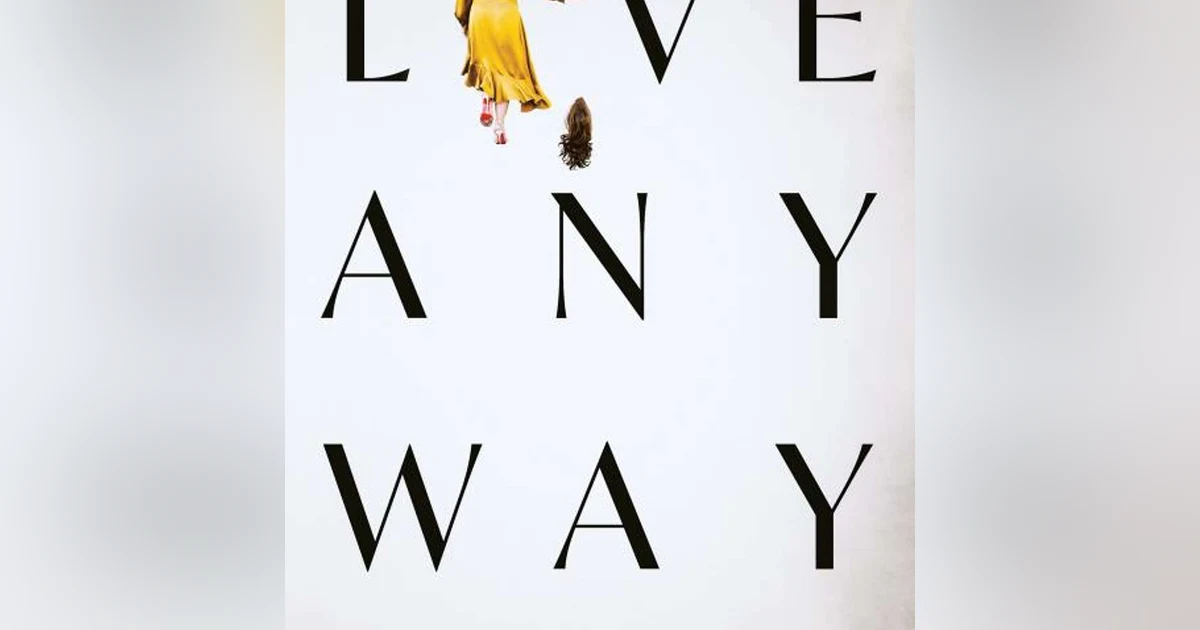


A cancer survival story that will move your soul. Turning life’s obstacles into miracles of strength and hope.
In this deeply inspiring episode of Not Alone, host Melissa-Sue Methven sits down with breast cancer survivor and author Melissa June. After facing a devastating diagnosis, Melissa didn’t just survive—she transformed. With fierce determination and faith, she wrote Live Anyway, a powerful book about choosing purpose, beauty, and love in the face of unthinkable adversity.
You’ll hear how Melissa reframed fear, found meaning in the chaos, and became a light for others walking dark paths. This episode is a heart-opening journey of courage, healing, and the reminder that no matter how broken life feels—there is still so much to live for.
💗 For anyone battling their own storm, this is a must-listen. You are not alone.
Guest: Melissa June, M.Ed. – Bio
Melissa June is a dynamic breast cancer survivor, women’s coach, motivational speaker, and patient advocate whose mission is to empower women to thrive—not just survive—after cancer. After her own diagnosis, Melissa transformed hardship into purpose by writing Live Anyway: A Survivor’s Guide to Life After Diagnosis, blending her personal journey with actionable advice, journal prompts, and tools to help others embrace their new normal while cultivating joy and resilience.
As the founder of the Live Anyway movement—a vibrant community rooted in inspiration and transformation—she leads restorative retreats, partners with podcasts, and offers one-on-one coaching to help survivors rediscover purpose, build supportive connections, and create meaningful new chapters . Melissa holds a master’s degree in education, and along with her contagious energy and heartfelt wisdom, she’s committed to guiding women worldwide through healing, growth, and empowerment
Melissa‑Sue Methven’s official website—where you can explore her Not Alone podcast, learn about her coaching, breathwork sessions, and more—is:
https://www.melissagratitude.life
If you could please leave a review that would br the biggest gift! 
Thank you!
✨ About the Host & Ways to Work Together
Melissa-Sue Methven hosts Not Alone with Melissa-Sue Methven, and is an author, speaker, and breathwork facilitator guiding emotional, nervous-system, and spiritual healing. She uses storytelling, expert conversations, and lived experience to help people reconnect with their body, release stored emotions, and return to wholeness.
Available for:
- Speaking engagements & keynotes
- Breathwork & nervous system workshops
- Podcast guest features & collaborations
- Faith-based, wellness, and integrative health events
🔗 Inquiries: Breathwork Coach & Speaker | Mélissa-Sue Methven | Phoenix, AZ
📘 The Truth Behind the Smiles explores grief, emotional suppression, faith, and the journey back to self.
📕 Amazon: https://amzn.to/4mSAcEt
🎧 Audible: https://www.audible.com/pd/B0DG5ZZN5C
🌱 Coming Soon: The Gut God Connection & Gut God Blueprint Coaching Program, focused on gut health, nervous system regulation, emotional healing, and faith-aligned living.
✨ Join the waitlist: Melissa Methven
🎧 Subscribe to Not Alone, share episodes, and leave a review.
You are not alone 🤍
I started really fantasizing about dying. I'm like, how could it be that I spent a whole year and all this time and energy and effort on trying to live to suddenly want to die? People think that when you're depressed, it's a constant state of suffering, but there are elations. And when you're elated, it's hard to make sense of them. The last thing I want to do is call my ex-husband to tell him I want to die. Like for him to take my kids away from me. And thankfully he didn't be a few.
SPEAKER_01Today I have a very special guest. We clicked right away the minute I met you. I just knew I needed to know this woman, and this is why I'm here right now having you on my show. I was on a podcast and you were behind the cameras, and you're like, oh, I'm an author. I wrote a book too. And we exchanged books. But once I looked at your book and it said uh Live Anyway by Melissa June, and you're a cancer survivor. And I have a dear friend going through that right now. And I know my as a young woman, I was 20 years old. My aunt, I saw my aunt die of brand cancer and leaving her her children were two and five at the time. And the pain and the trauma and what she endured. I'm just always so I it just feels so hard when I know somebody has gone through the same thing. And I love that you're here today to share your story to provide hope for others or are getting a diagnosis right now, today. And it's shattering their lives.
SPEAKER_02Yeah.
SPEAKER_01So welcome, Melissa June. I just kind of dove right in that thank you.
SPEAKER_00There's so much there, and it just immediately brings me to tears. And that is such affirmation that we're in exactly the right spot at the right time. And I felt the same way connecting with you. You know, listening to your story is so inspiring for so many reasons, but for no other reason, the just the rawness, the authenticity is is palpable. And I think the more more of us are just honest about the struggle and the suffering, the more we can create space for other women to not suffer so direly, you know, and so silently. And it's it's a silent uh struggle. And I think, you know, in so many ways, cancer really was such a gift because it really gave me a perspective shift where I was able to see myself and my life outside of myself. And that shifted my perspective on everything forever. And it really changed um my trajectory from something that I thought I was supposed to be to really a lifelong quest of unearthing and unfolding who I was really born to become.
SPEAKER_01So who were you before you had cancer?
SPEAKER_00Uh I was very driven. I was a perfectionist, type A, very motivated, um, very just just this really like I I needed to prove to myself that I was worthy of this life that I just didn't experience as a child. And so I had created the life I had always wanted, the family I had always wanted, I had all the things that I had ever dreamed of, the house, the cars, the marriage, the friends, the, you know, I on paper, I had everything I ever wanted. But it the problem was is that I had to be so perfect to fit into this perfect life. And when I started not, uh, when I when I lost the capacity to perform, when I lost the capacity to keep up with the expectations that I had literally created for myself, I found myself in a full identity crisis. It was who am I outside of who I am for others or what I do for others? What is my value outside of my capacity to perform for other people? And and truly it that rawness that that really shook me to my core because I started to feel like my life wasn't valuable, that my when when I couldn't do what I was doing, when I was disappointing people, that I I really felt like I wanted to crawl into a hole. And and so I think that you know my life was so beautiful before, but my perspective of living within it in a real authentic way was sort of absent. And that's really what's um what was shifted.
SPEAKER_01Was shifted now the way that you had to be so, you know, the type A and everything had to be perfect. Does that come back to when you were a childhood? Is there, you know, a lot of times I see that with people, they they couldn't get that from one parent. Yeah, you know, that approval, or that um they keep looking out outside of themselves to to that validation.
SPEAKER_00Totally. I mean, there's so many different levels and layers, right? Where as children, I, you know, we we learn to manage other people's emotions. We learn, you know, what keeps us safe and together, what keep what what allows us to be accepted, that sense of belonging. You know, what I learned is that from such a young age, I really craved that sisterhood and that sense of belonging because I didn't have a close relationship with my sisters from a very young age. And I didn't have a sense of belonging in my early childhood at school or in my family. I'd always sort of felt like I was different and um like I didn't really fit in. And so I worked really hard to create uh identities that allowed me to fit in. And in a lot of that was just sort of um instinctual. I think it's just survival to want to belong to a group. And so the problem with that is that you have to keep up with all of that. And and when you realize the hardest part for me when I realized that my life wasn't my life anymore, was you know, I was like, this is everything I ever wanted. How ungrateful for me to not love my life. And but it wasn't about gratitude, it was about authenticity, it was about that rawness. And I couldn't be real or raw in every aspect of my life because I had created identities around, you know, who I was with. You know, and not that it was fake, it was just there were certain parts of me that was channeled in different groups. And, you know, it was after my diagnosis that I started to just replay my funeral over and over in my head. Oh wow. And I couldn't get like I couldn't get it out of my mind. And I was imagining the people and the the environment and the stories, and I kept thinking, what a fraud I am. Like everybody at my funeral would know a different part of me. And while those parts of me were genuinely parts of me, very few people knew all of me. And I thought, I'm tired of wearing all of these hats. I am tired of all of these personas. I am tired of trying so hard to fit in, proving my value. Like I'm over it. And I just, it's like I quit. And um, and I and then all my relationships shifted because when you change the rules of engagement in your different groups of um of friendships, you know, they don't know that side of you, and they might not like that side of you, or they might not be aligned with that side of you. Yeah. So there was a massive-probably a lot, like you've changed, and you're like, yeah. I I do, I get a whole lot of that. And I get a whole lot of like, was that even real? It was. All of that is is me. But that's the difference, is that my work friends knew the professional male. My husband knew his wife, my kids knew their mom, right? My girlfriends from high school knew that girl. Yeah, you know, they all knew different parts of me, but because I didn't like allow all of me to be expressed all the time, it it just started, it really started to weigh on me. So, what year was it that you had your cancer diagnosis? Uh the end of 2021. So I was diagnosed uh the week of Thanksgiving in 2021. And what brought you to go get diagnosed? Were you getting symptoms? Like what was leading up to thank you for asking that because I do feel like so. I found a lump and it was in my far left side, really closer to my armpit. Okay. And um, it was the size of a pea, and it felt like a skin tack on the inside of my skin. No pain. Um, but as soon as I felt it, it was like, oh, this is cancer.
SPEAKER_01Really?
SPEAKER_00I knew immediately, and I worked tirelessly for two days to get in for an emergency mammogram to get testing. And an angel on earth took me at a five o'clock appointment on a Tuesday before Thanksgiving. And I just I when I we saw the blood flow and she couldn't confirm it right away, but I just knew I could see in the look in her eyes. And I said, What am I gonna do? And and she said, 'Do you know any surgeons?' I said, I don't know anybody. I just moved to the area, and she said, Listen, we're gonna send these tests off. Um, I'll make some calls to a few people that I know in the area, and when the results come back positive, we'll be able to hit the ground running. So she didn't tell me that it was cancer, but she told me without telling me. And so I had that week of waiting for the biopsy to come back and all of the imaging. And sure enough, the Monday after Thanksgiving, um, she called me in the middle of a I was in the middle of an executive meeting on a Zoom.
SPEAKER_02Oh wow.
SPEAKER_00And I'll never forget the call comes through and my heart just sank. I shut my laptop and that was it. Uh and did he say what stage of cancer you were at? Yeah, they didn't know immediately. There's more tests that had to come out, but within a week I learned it was stage two, triple negative breast cancer. So the same cancer that my aunt passed away from actually just a couple years before my diagnosis. Oh wow. And so um I was negative for the Baraka gene, um, but uh still it doesn't run in my family. My aunt right now, my mom's sister is the one who passed away um right before my diagnosis, and my dad's sister currently is battling breast cancer.
SPEAKER_01There's a lot of breast cancer in my family as well, and I had done the gene test and it was negative, but always definitely being very proactive about getting tested like MRIs, and I actually had a cyst as well, and uh I think it was 2020 September, and that's how I came to Arizona for surgery, and um yeah, it's it's just very scary and alarming. But I'd love to, you know, we had talked before about there were signs even before. Now that you can go back, yeah. Little whispers, right? Because that's kind of what I say. Don't wait till the whisters whispers are really screaming at you. Like, what are some little signs prior to that uh diagnosis that you can look back at now?
SPEAKER_00I was incessantly obsessed with my career and with like just again, like I said, proving myself in in the world that I was worthy enough, that I was smart enough, that I was good enough, that I was fast enough, that I was busy enough, that I was all these things. I was just ignoring the fact that I wasn't taking care of myself. You know, there were so many avoidant behaviors that I started to participate in that were me just avoiding my emotions. I'd always said that I wasn't a crier. Turns out I am an incredibly sensitive human. And I had just never in my whole life allowed myself to be sensitive. You know, I was shamed as a very young child on being overly sensitive. And so I learned that my response to that was to not be that and to be tough and to be strong and to not be a crier and don't be a sissy and all those things that I had just sort of shut it out. And when I started to experience these insecurities and really the the um, it was so in my face, I was avoiding it. And so it was through the avoidant behaviors that I learned where I was struggling, like over shopping when I just needed to feel valuable, right? Or drinking too much because I just didn't want to, I wanted to suppress the emotions. You know, taking drugs in order to like create excitement in my life, you know, cheating in order to feel seen and heard and and attended to. And so all of these ways that I was sabotaging my life because I just wasn't willing to see what was really happening beneath the surface, which was that I was suffering and I was struggling, and I was so insecure with who I really was for the fear that other people would figure out who I was and I wouldn't be worth their love.
SPEAKER_01And wouldn't have that commute, you know, that community beside you that you always yearn for.
SPEAKER_00Exactly. So you're repressed and repressed and repressed and repressed and repressed, and then overcompensated and overcompensated and overcompensated and high achievement and accolades, and really in my career, because that's what gave me the attention and the validation that I craved so deeply. Uh, but what I realized that wasn't sustainable. So, you know, even when I was diagnosed with cancer, I went to two conferences with my drain still attached after my mastectomy.
SPEAKER_02Wow.
SPEAKER_00I was in, I was in leadership meetings, I was traveling all over for conferences. I was uh right after my third round of chemo, I was in LA at a leadership meeting, and I was flying to Vegas for a conference right after when I got a sore neck. And the sore neck turned out to be a very life-threatening blood clot. I was put into an emergency surgery to have my port removed, tested positive for COVID, and found myself in a week-long lockdown, total isolation in a hospital room and with no one to face other than myself in the mirror. Like I am literally killing myself in order to A, avoid what's wrong. Yeah, you it's almost like you didn't want to see it. You also didn't want to see it. And I didn't want to see it, and I got chills all over with you saying that. I didn't want to see it because I had everything I ever wanted. What was wrong with me? What was wrong with me was that it it it wasn't me, and I didn't have to do all that and be all that in order for me to be worth something. And and I just I didn't know a way out.
SPEAKER_01So they God forced you to be alone with yourself. So you you have COVID during COVID time, and now you you had a blood clot, almost had a stroke, and you said you were one week by yourself pretty much, right?
SPEAKER_00Yeah, after my third round of chemo. And I that's when I learned how to meditate. And that was me going on YouTube, finding guided meditations to literally kill time because I was going nuts. Because there's nothing like you know, one day of shopping in the in the hospital on Sky Mall. That turns out that's still a thing. And and and it just everything I tried to watch TV. I've never been a TV watcher, I've never been a movie watcher. I struggled with that just as much. It was meditation. And when I I did guided meditations pretty much all day on and off, and I was a changed woman by the time I checked out. I got home the next day. I woke up super sick, like just nauseous and really, really sick, right before my fourth round of chemo. There was a race congregating outside of my building, and I remembered, oh, I was feeling sorry for myself. Like I remember when I used to do marathons and triathlons, and that race day vibration is just so exciting and fun and vibrant. And so I put on my tennis shoes and I go downstairs and I think I'm just gonna walk around the crowd a little bit to, you know, um to soak up some of that race day energy. And right when I got down there, the race started. So I started jogging a little bit with them and uh just to kind of feel it again. And that chemo brain is a real thing. I woke up and it was mile nine, and then I was trying to figure out like, how long is this race? Is mile nine more than 5K? You know, you I couldn't compute, my brain just wasn't operating on all cylinders. And long story short, I I completed a half marathon that morning. And I go into my doctor the next day for my fourth round of chemo, and he's like, So how are you? You know, he hasn't seen me since the hospitalization and the clot. And I'm like, Well, I ran a half marathon yesterday, like on accident. And he's like, What? That's crazy. And it was crazy. But you know what I learned in that week was a crash course on energy, on meditation, on just being with myself. I mean, there's something about I ran 13 miles without AirPods or music or anything, just in my own head. My body and my mind and my soul was desperate from that connection. So what I experienced in the hospital really allowed me to connect with myself and to source and to the universe and to my purpose and just sit in my own emotions. And then that race again, just that connection with my body. And it was just instead of saying, Oh, I'm sick, I shouldn't do this, you know.
SPEAKER_01But you're you're like, you didn't even think about it. Yeah, you feel great. So I'm just gonna go, okay, one mile. You're probably like, well, I feel good. So you didn't have ego coming in and say, Well, I shouldn't be doing this. I should, you know, I feel great and you love the energy.
SPEAKER_00And yeah, and it shows like that's how powerful the energy that you surround yourself is. Oh, yes. You know, that and and that's that I couldn't unsee that. If I could feel like crap, I mean, really feel terrible. And then an hour later I'm running a half marathon after not running for a year, and after three surgeries and three rounds of chemo, how is that even possible? It's possible when you just open yourself up to receive the energy that's good for you. That feels right.
SPEAKER_01I know that's why I love Dr. Do you know Dr. Joe Dispenza, like some of his meditations, and in his book too. I mean, that's why he says we can heal our bodies with the mind and the proper uh, you know, meditations, and we really get into our mind. So I try to be very proactive as well. What am I keeping my thoughts? What I listen to. I never watch these TV, like news, like people that sit in front of no judgment, but you know, it's toxic, yeah, right? Yeah, that negativity, what you're feeding your brain all the time.
SPEAKER_00And social media. Yes, yes. I mean, I notice a visceral difference in myself after I'm doom scrolling for an hour. Yes. I'm like, oh, all of a sudden I'm depressed, I'm anxious, I'm a little annoyed and irritable. You know, and for what? Right? Like, because subconsciously you put yourself into this comparison mechanism. Subconsciously, you're putting yourself into this hyper-stimulated state that's not even real. Yeah, you know, and and so that connection that's not authentic, it's not reciprocal.
SPEAKER_01That's why our youth are struggling now, right? Because that's what they're on most of the time as well.
SPEAKER_00Totally. Yeah. Totally. I mean, the filters, you know, all of it. All of it. There, and there's so much that even going through uh chemo, when I was about to start chemo, I went to my esthetician and had her load me up with Botox and filler, thinking I wasn't gonna be able to do it for you know eight months. And, you know, that was what I was most worried about is oh gosh, everybody's gonna see how old I look, you know, my wrinkles and all these imperfections. And I feel like I went into cancer so conscious of that, and I came out like, no, this is me. I am 41 and my body is so strong and so fierce, and it's fought so hard for me scars and wrinkles and extra skin and all of it, right? And I want to love into every part of me in a deeper, truer way because of that, you know, and and as a result, I feel like my body looks better than it did when I was 25. Not because I'm training harder, but because I'm loving it harder.
SPEAKER_01Yeah, that's so true. You can see that when people really do exude that confidence, but that true confidence, you know, of their body. They're feeling comfortable in their body. And I I felt that with you too. You know, you're so beautiful, but you have this light about you too. It's your energy. And uh I I'd love for you to talk about kind of as you're going through treatments. I love how you explained, you know, you were given, I think you said 15 different kinds of medication and how you're looking at them. I'd love for you to tell that story because it was so beautifully said.
SPEAKER_00Yeah, so I kept a meticulous journal of my medications because my chemo brain hit me so hard in the very beginning. And I remember I was counting out all of the pills because I couldn't remember if I took one of them or not. And I thought if I don't take Take that pill. If I didn't take it, like is something gonna go wrong with the chemo? And if I did take it, can I take another one? Or is that gonna hurt me also? And I remember trying to keep up with all these different medications and keeping up with, and it was so overwhelming. And so when I went back to the doctor, I was like, do I have to take all of these? Or in what instance can I take too many of them? What is the risk here? You know, what are they for? And I really made them break down what each pill was, what they did, why I had to take it, when I had to take it, and then I took notes about that. And that is when the aha moment hit. Like, I don't have to take all of these. Like, if I'm not feeling this way, I don't need to take that. And then I also learned the massive benefits of working with cannabis throughout my treatment. Um, I was so lucky that I went to a dispensary and the gal that helped me, uh, her mom had cancer. So she was very familiar with the types of chemo I was on and the different strands that could help offset the side effects from that particular chemo.
SPEAKER_01Yeah, you had mentioned like sativa for one of them, and another one was Indica.
SPEAKER_00Yeah. So in my first chemo, it was the red devil, and that's the one that causes all of the brain fog and the confusion and um the nausea and the loss of appetite. So working with different strands that allowed me to um have more mental clarity. I mean, normally satiba would give me anxiety, but under that type of chemo, it actually gave me mental clarity. So it really was magic to work with this medicine in a way that helped me offset the um side effects without creating more side effects. So, and you know, granted, I I did get the blood clot, um, but even working with the blood clot was a was a big difference, um, working with natural medicine versus um pharmaceuticals. So there's so many uh ways that I I wish that more people understood the medical benefits of cannabis because it shifted the narrative entirely on how we look at pharmaceuticals as the answer instead of looking to the earth and and and also not even just uh medicine in terms of cannabis, but also our emotional healing and our mental health and how to work with movement and yoga and how that allowed me to tap into my body and really um improve my circulation.
SPEAKER_01Yeah, release like trauma, probably too, right? They say even with yoga and the movement and whatnot, and that, yes, you're right. I I love that you're sharing that because I think they should it needs to be a blending, right? A blending. I'm not against pharmaceuticals and it saves lives, but I'm also there's a blend. There should be more of a blend of using alternative um education as well, or uh more naturopathic alongside your cancer journey. So I love that you're sharing that. Is there anything else that you use that was more of a natural sign? Um cancer journey.
SPEAKER_00Like honestly, so many things. Psilocybin and mushrooms was a massive part of my healing towards the end of chemo, but particularly in the year following. You know, there was so much emotional trauma and mental health. Um such a uh like a it was so heavy on my heart and on my mind, the thought of constantly living in my own mortality that I didn't realize how that uh how that was affecting me. So working with mushrooms, working with cannabis, um, working with even the plant tobacco in um and um hape.
SPEAKER_01Yeah, yeah, yeah.
SPEAKER_00I mean, I I really explored so many different modalities. And you know, uh right now you hear all this woo-woo talk. Like, this isn't woo-woo. No, these are ancient practices of ancient medicine practiced by ancient civilizations who were simply not allowed to practice these medicines anymore, and they became taboo. These things work, plant medicine works, and and it's not even about a high. In fact, many of them don't even create a high, so to speak.
SPEAKER_01Yeah, the microdosing, you know, you still could, you know, be do your day-to-day, be mom, be work, you know, it's just microdosing, but it's gonna give you that serotonin or whatever your body it requires, but it's not gonna take away or give you more side effects or be addictive, you know.
SPEAKER_00Right. That's the other thing too, is the the the not addictive aspect of it. I'll tell you what was addictive was alcohol.
unknownRight?
SPEAKER_00I'll tell you what was addictive was shopping. Like that was a that was that was so unhealthy for me. And it was uh it was really just perpetuating the trajectory of my own suffering. And so working with um, you know, working with mushrooms particularly really did allow me to heal. It created the space for me to heal and the sensation of what that healing feels like, so that even without the mushrooms, and maybe even especially without the mushrooms, I could then access that level of consciousness just through breath work, yes, just through meditation, you know, and so really mushrooms I think helped me learn how to meditate better because when I started meditating in the hospital, it was all guided. And then there was sort of a graduation into you know more frequency meditation and sound healing and all of that. Really, again, one door opened another door.
SPEAKER_01But it sounds like you've been curious all along and asking questions, and that's how you know that's right.
SPEAKER_00And then we're doing that, then the alignment happens, right? When I'm when I meet more and more people that are developing businesses and products and therapies and sessions and retreats that that really do practice these different modalities, then I get to learn more about that, right? And sometimes it can be overwhelming, right? When the world of natural health can just feel so like far off and and unattainable or unapproachable, or where do I even go to find this thing or that?
SPEAKER_02Yeah, yeah.
SPEAKER_00So that's what I love about you know, women like you that are starting and creating platforms like this where more people can tune in and figure out, you know, what it is that sounds interesting to them and what resonates, and then just start playing with it.
SPEAKER_01Yeah, I always say that just start getting curious, you know, asking questions and really ask the question, why am I taking this? You know, do I have to? I I love that. And being open to yeah, plant medicine, you know, and seeing how that might open up a different door for you. Ever since I saw my aunt, you know, I was 20 years old and I see her at the hospital, her last days, and what chemo, you know, had had done to her body and then leave, you know, dying by her breast cancer battle. And it really got me to look at alternative. I looked um for what are what is out there for alternative treatments? I saw there was clinics in Europe, uh, some in Mexico, where you come in and the first thing that they do is actually change your nutrition. And that's one thing that I don't like when you go in a hospital. What are they feeding the cancer patients? Crap. Right? Like what what were you given?
SPEAKER_00Oh, literally crap. Like pasta and you know, canned sauces and applesauces, probably jello.
SPEAKER_01Loaded with sugar, red dye, right kind of jello. I'm sure that's where I'm like the system is not working for these cancer patients because number one, you need to change your nutrition, right? And give them the best nutrient-dense food so they can battle, they can win this battle, right?
SPEAKER_00Right. I mean, there's so many levels and layers to that. I I was super healthy before I was diagnosed, and I didn't realize how much my super healthy was still not that healthy. I downloaded the Yucca app. Yes, and for the viewers out there, it's the Y-U-K-A. This app changed my life. I scanned everything in my kitchen and I threw away over half of my kitchen. And of what I threw away, over half of that were ingredients directly tied to breast cancer. The texturizing agents, you know, that I and this it I was appalled. Even of which that I threw away, so much of it advertising as healthy foods.
SPEAKER_01Yes, organic. Like I remember noticing, oh my, oh, I'm buying organic uh almond milk. Well, no, canola oil was like in there, all the seed oils. I'm like, I had to I use that same app and I started, you know, I thought it was really healthy too, but there's even you have to dig so deep. And even my daughter today, uh, we we went out for lunch and she wants to buy this just chocolate bar. I'm just teaching my kids to read all their labels, and I say, Fine, you can pick something that has no seed oils or dyes. Sure, great, great.
SPEAKER_00It's gotta pass the yucca app. We talk about that a lot. So the kids carry the my phone around the grocery store and they scan. So I have the kids at Sprouts, shout out Sprouts for those amazing little um carts. I have the kids have their own cart, they pick out their own breakfast and lunch, together in my cart, we pick out dinner, and everything has to pass the yucca app. I love that. And it sounds like it's so like, you know, strict, but it's really not. It took two or three trips to the grocery store doing that before the kids can actually assess now on their own what's healthy and what's not, and they're assessing everywhere we go. You know, ranch was a big one. There's so hard to find ranch that doesn't have toxic ingredients in it. And so learning that, my kids now are very conscious of when they go to a restaurant not ordering ranch, even though it's delicious. But there's a reason why it's not sold in most of the world.
SPEAKER_01It's awful. It is awful. I know I love it. My son now, he's nine years old, we'll go to a restaurant. He's like, Does that have any dyes in there? And he won't take it. I mean, he's he's taking that on very well for himself, but also it my daughter today, she was like, so frustrating. She's like, Well, that's frustrating. It looks kind of healthy. And then she turns, I'm like, does it have any the colors? And she's reading the yellow, the red. She's like, that is so frustrating. I said, Yeah, that is why there's some people right now really trying to work that that is banned. Like it's banned in Europe and in Australia, but why here, right? You know, so I'm a big advocate for anyone trying to change that for us. Amen.
SPEAKER_00Good for you, good for us, and through our kids, because we can, I call it poking holes in the boat, right? We are just creating a moment of inquiry. Is this really good for me? Do I really want this? Do I really need this? You know, just analyzing and asking those questions. I was also an avid overeater, a very emotional eater. Again, another one of those avoidant behaviors that when I'm now conscious of why am I craving this food? Where is it that I'm needing to love myself more right now in order to not need that food to fulfill a certain piece of me that feels empty right now or void? And just learning to get curious with your own body as you're feeling instead of shame, right? Like shame for drinking and shame for eating and shame for shopping or debt or shame, shame, shame. No, give yourself a little grace. Our bodies and our minds and our souls are only reacting to what they've been experiencing. So the more that we can poke holes in the boat and create just more consciousness around what we're doing and why we're doing it.
SPEAKER_01Self-awareness.
SPEAKER_00Yeah, and and self-awareness with so much grace that it's not about, again, not back. I'm very quick to go back to the performative aspect of things. You know, what point of me is trying to perform because I feel like it's what I'm supposed to do in order to be good enough or, you know, valued high enough. And what part is really um, you know, fueling and and feeding my soul.
SPEAKER_01Yeah, yes, me too. I bet trying to find that balance still, you know. And I do feel that self-awareness and not sitting in that shame, like you mentioned, is so important because that's the lowest frequency. Yeah, right. Shame and fear, and I'm always teaching my kids like it's okay to feel that, but don't sit there. That's right. And then just okay, why my you know, it's okay, you overate or you some, you know, but all but just recognize why what were you feeling then? What kind of void? And just that self-awareness, be like, okay, be more conscious of it. You know, I'm feeling this way, so now you're self-aware when it comes up and you could change that pattern, you know, absolutely where it's coming from.
SPEAKER_00I think about, you know, I've seen that whole um sort of like tier of you know emotions and responses and levels of consciousness and it from that fear and shame and guilt to, you know, acceptance to you know, enlightenment. And I remember thinking that enlightenment was this constant state of being. And when I learned that it's really just about getting as many tools in your toolbox as possible, so that when you experience the moment of shame, or when you're feeling guilty, or when you're feeling fearful, or you have the capacity to evolve out of that emotion and that you don't find yourself stuck in the muck of it all, which also is a very isolating place to be. It's like living in your own narcissism, like you're shaming yourself into isolation, and that only perpetuates the problem.
SPEAKER_01Because you said after your treatments, you you had suicide ideation for a long time.
SPEAKER_00For a long time. For a long time. I really, and I feel like as soon as you get into that depth, because you had lost your job, right?
SPEAKER_01Yeah, and then you said survivors kind of like remote. Survivor's guilt guilt is what you had said. Yeah.
SPEAKER_00Yeah, so I finished chemo in June of uh 22. I got a divorce in September and I lost my job in December. And by January, I was on my own, I had no money, I had no friends, I had no life outside of my home, and I was in complete isolation, and I started really fantasizing about dying. I'm like, how could it be that I spent a whole year and all this time and energy and effort on trying to live to suddenly want to die? And I couldn't, I couldn't answer that question. And I felt guilty even having that thought. How could a mother of three want to die? Like, how could that be a thing? And it was again that shame. I was shaming my own emotional response to the trauma that I just experienced. And I remember getting super high and putting myself to bed. I hid my keys from myself, and I was like, I'm not gonna leave this bed until I want to live. And it was like a daze. And I was like, all I could do was breathe. I had no idea even what breath work was, but that was such a divine intervention. I learned how to do breath work fighting for my own life.
SPEAKER_01Breath work has been such a pivotal part of my healing, so I love that you're saying that.
SPEAKER_00And I didn't know I intuitively, instinctually, I learned what box breathing was. I I'd never been taught that. I mean, literally all I could do was lay in bed and breathe. And for days, it was three or four days, and I was disrupted by I had a girlfriend who randomly called out of the blue, and she's like, Are you okay? And I said, I am not okay. And she said, Is it money pain or is it heartbreak? And I said, It's money pain. And I was so ashamed. I had no money, I didn't know what to do with it, I didn't know how to make it, I didn't know how to earn it, I didn't know how to value myself outside of my job because I had a salary before. I didn't know how to price myself. I was so just floundering. And and floundering is an is an overstatement. I was drowning. And she said, Um, I'd rather sh teach you how to find the water, basically, like lead a horse to water. Right? And and she said, I've got a really amazing project coming up. I'd love for you to be a part of it. Um, I was in event production for a long time, and she was teaching a course on self-value. Shout out Sue Bryce, who literally saved my life with this opportunity. Yeah. And she gave me what I needed more than anything, which was an opportunity to really exercise my strengths and my powers and my passions all in one project. And that project led to another project that led to another project that allowed me to really build up a whole new career. And it gave me the perspective I needed on myself, which was that I was capable, I was valuable, I was worthy, and that I could support my kids.
SPEAKER_01That's a powerful story. I mean, that's self-awareness, and then you really had to be to find that for yourself. And but she gave you that outlet too. I love that she was that angel that messaged you that day.
SPEAKER_00Yeah, and she was, she became my mentor.
SPEAKER_01Oh wow.
SPEAKER_00You know, that friendship that turns into a mentorship in a moment where you are literally on your last breath is I like I will never, ever miss an opportunity to make somebody's day, to give somebody an opportunity, to share somebody, you know, to give somebody their flowers, to be an advocate for someone, to be a champion for someone. I will never ever overlook that opportunity in my life ever because I know how life-saving that can be. And you never know when people are struggling. Yeah. You know, my highs were so high and my lows were so low. Because that's the other thing about depression is people think that when you're depressed, it's a constant state of suffering. But there are elations. And when you're elated, it's hard to make sense of them.
SPEAKER_01Yes, that's that was my husband. That was my husband. And that's why it was so confusing. Yeah, and it's not fake. So functional. Like he was so functional, hi, laughing, and you know, just being the dentist that he could, but the highs and lows confused me.
SPEAKER_00And it confused him too, I'm sure. Because there was a moment where I was, and I'm just getting chills thinking about this because I know it's my purpose to share this experience now. But I remember literally being at the cusp of committing suicide. And I called my ex-husband and I told him, I am not well. And his first response was so cruel because he didn't know. He thought, how could that be real? It was so real. And when I finally convinced him, I think he eventually felt it. Like, this is not the call I want to make. The last thing I want to do is call my ex-husband to tell him I want to die. Like for him to take my kids away from me. And thankfully he didn't. Thankfully, he knew actually the answer that I needed was my children. He stayed on the phone with me. He was present with me. Even in his own suffering and resentment toward me for causing our divorce. It was this really painful exchange, but it was that moment that also contributed to saving my life. Because I needed someone to know that I needed help before I died. And when you are in that moment, you're hoping it passes. And then you're also worried about if that moment passes, then will they know that that was real? There's this juxtaposition living in that moment that you don't know whether to ask for help because then you don't know if are they gonna admit you somewhere? Are they gonna, what are they gonna do to me? You know, are they gonna take my kids because now I'm unstable? Like all of these other fears. It's like you just don't know the answer. And all I really needed was somebody to hold me and tell me I was going to be okay. And through those lonely nights, I had to learn how to hold myself and tell myself it was gonna be okay. And that was another famous Sue quote. She goes, What do you need him to say? What do you need me to say? You go and put yourself in front of that mirror and you tell yourself exactly what you need to hear. And and that was it. It was this consciousness shift. I literally went into the mirror and I felt silly and I felt stupid, and I screamed at myself, begging myself to love myself.
SPEAKER_01And and slowly every day it just shifted, shifted by these affirmations, like saying the self-love and not sitting in that shame. And when you were sharing that story, I couldn't help but think of my husband, how he had tried to call a few people the night before were on that day, on that day too. But he was so he was vague, probably like you said, kind of seeking for something. Yeah, yeah.
SPEAKER_00You're in such a depth. And and truly, that my spiritual connection that I had developed over the course of being sick almost gave me permission to crave and fantasize about living in that euphoric state all the time. Like maybe life is just too hard. Maybe if I died and I my soul can just belong in heaven. I can just be at peace. I crave that. Because the thought of peace on earth felt so far. And that was again, if if the listen if anyone listening is is hearing this and resonating in it, you just know that those affirmations, those meditations, that the the visualizations that you can create in those meditations, when you start to give yourself permission to dream again of becoming something else, of being something else, of feeling that peace, the more and more you fuel and and really lean into that, every day it does get easier. Maybe not in sequence. It might not be linear. You might get better and then feel like you drop again. And that's okay. You just keep sticking with it. That's the commitment. That's the showing up. And the more you show up to the work, the more you commit to your own just emotional and mental health, the more you commit to connecting with yourself and your soul and and who you are and what feels just joyful for you, the better you get, and the more healing that happens. And it's that playful nature, too, that I'd really like to invite others to really engage in to just go out on a bike ride.
SPEAKER_01That's my favorite.
SPEAKER_00Go ride a scooter, go walk and play in the water. Watch what kids are doing and then do it. I remember watching my daughter and her girlfriend having a sleepover, she's nine years old. They set up a picnic outside, right? For no reason. And I thought, why don't I do that? So I just started joining in and just started copying what my kids were doing, even if it felt silly or stupid at first, you know, or so elementary. Those are the things that really allowed me to connect with my inner child that allowed me to find joy again. Because that's it. It's those little snippets of joy that then start to creep in that that give you that elated sensation that allow you to crave more of it. That becomes you want it again intoxicating. Yes. That playfulness and that, you know, joyfulness of be creative and sit in that.
SPEAKER_01Remember what you liked when you were young. What was it? You know, what was that little hobby? And maybe start that again. Yeah. Was it painting? Was it dancing? Right. You know, for me, is dancing ever since everything. I was like, oh, I want to dance.
SPEAKER_00Oh my gosh, you know, totally. You know, you and I have talked about we're gonna do Paula's class for my birthday this week, which I'm so excited that you're gonna try it. And I'll tell you, Paula, and I've told Paula this, um, who teaches a Heels class, and the Heels embodiment is it's sexy and it's fun and it's playful, and it also is very awakening. So it will trigger a lot of things inside of you. For me, it triggered my memory loss. I still am struggling and rebuilding my memory from chemo and learning the sequence of the dance. But then allowing yourself to feel into it. So if you forget a certain movement, it's okay. Just reconnect with the next one, right? That it's all about your own practice. It's not about perfectionism, it's not about performance.
SPEAKER_01It's really just about connecting with the playful, sensual, fun, feminine, which is so important because I think I'm drawing to it, because you had mentioned a point how we pride ourselves in being so strong and we can do it all on our own. That was me, you know, and there was some like, oh, pride about it, hiding all my emotions. I've also had learned from a young age not to cry, hide those emotions. And I I and so for me to step into that feminine because I have so much of my masculine, so that's why I've been drawn to like more of like the dancing and going to the heel class with you for your birthday. I need that. Yeah, you know, to step into the city. We all need that.
SPEAKER_00It is it even men. I do a booty class at my yoga studio, and men are in that class all the time, and it's just shaking it out of you. Like, just play, you know, and and let's not take ourselves so seriously. I've I've always only connected with my sexuality through sex. I never even considered the concept of connecting to my sexuality outside of my connection to another. That is so liberating. Just that awareness around owning my sexuality and my sensuality with myself without it needing to be of service to another.
SPEAKER_01Yes.
SPEAKER_00Is so powerful.
SPEAKER_01I've heard that. I've heard that. And I've had a few friends too. They're like, oh yeah, doing the pole dancing, but it's a lot of it for them. Yeah. You know, they're all that's all healing as well, and that empowerment and feeling that self-love and feeling that worth and yeah.
SPEAKER_00You know, it's it brings me to my, I remember going through chemo, I I didn't get one of those fancy wigs. I went online to just a cheap website and I got like 40 wigs. And they were all different, you know, pink and purple and blonde and brown and black and short and curly and bangs and all different looks. And I had my favorites. I actually talk about it a lot in the book. These different personas really did allow me to channel something inside of me that felt really fun and exciting. My first wig was Destiny, and she was this purple, funky, fun, but could still be kind of preppy look. And she really gave me permission to stand out, you know, to not have to fit in, to really be bold, you know. And then I had another one, Zoe Zaffron De Chanel, and she was a really short blonde Bob, and she kind of actually she's inspired my look now with the blonde. And she was just bossy. I walked into a room and people paid attention to me. And I I remember I only allowed people to talk business to me when I wore Zoe out. It was she was a persona. I think she was an international businesswoman or something. Anyway, all of these different characters allowed me to channel something deep inside of me that that were all parts of me that I had, but because they didn't fit into this identity, I just didn't really give space to. But with all the wigs, it channeled all parts of me. And it was it was so powerful. And after going through treatment, really like reinviting those different characters to live in me all the time. Yeah, you know, and to express and so liberating in some ways, be like it's it's a massively liberating, and just to know that we have the mental capacity to shift our mindset at any moment, given the awareness around what we need. You know, I remember when I was really struggling with my bills and not sure what to do and trying to um fund my nonprofit at the same time as starting a business, which by the way, who starts a business and a nonprofit at the same time with no money? I it's like not the best thing to do. But I started Ubering to raise money for my nonprofit in order to create some flow so I could offer services so that I can then get sponsorship, right? I had to, I'm like, how am I gonna bring money into the nonprofit? So I started driving for Uber. And I remember I leased an SUV and I was really struggling with the day of it was a Saturday. I wanted to be hanging out with my kids, and now I was getting in the car to go drive for 12 hours. It was like I was so frustrated and feeling down on myself and questioning whether or not this was the right thing to do. And I just had this epiphany. I thought, this feels like a job for Dolly. So I went into my box of wigs and I grabbed Dolly out and I put her on, and she was fun. She's everything that you would think she was, you know, big, bold, blonde, fun, playful. And I wore Dolly on my first day as a driver in Uber. Oh my gosh, I love it. It was incredible. I mean, I made like $1,200 that day, even though Uber took like half of it. Uh, it was like $600 that day I made out of thin air channeling Dolly, driving around my neighbors, you know, exploring new places, having amazing conversation, all of these things that was so beautiful. Again, the consciousness shift that happened right before I got in the car was Dolly, was a wig.
SPEAKER_01Wow.
SPEAKER_00Yeah. And so the more you connect again, like we talked about with the with the med with plant medicine, uh, the you know, with breath, with meditation, with breath work.
SPEAKER_01Yeah, within. Yeah.
SPEAKER_00Again, these are all just tools, right? Like as soon as you learn that you don't have to sit in the suffering, you don't have to sit in the fear, you don't have to let it debilitate you. You do have the capacity to change your mind and to change your emotion and let it fall away, and you don't have to explain it, and you can just flow with it.
SPEAKER_01Now I I want to go now shopping for the wigs. Honestly, you should. That'd be really fun. Honestly, I mean, like more women should more than in Halloween. I go all out Halloween. Like Halloween, I have all the wigs. I do have those, but be more on a regular basis. Actually, I do have a friend in Alaska. Her bridal shower was where everyone came in with a wig, and I remember buying one, it was a black bob, but it had rainbow bangs. I was just so different because my hair is actually really big and curly, so it's completely different, but it was fun, you know? And uh yeah, I think we do need to do that more often. Yes, it's like in a red wig on Wednesday.
SPEAKER_00Truly, it's the play. It's a play. It's that like I did a retreat with a bunch of women a few months ago where I I invited them all to this beautiful home, and we did, you know, breath work and we did yoga, and and then I had a wardrobe that was there, and a stylist that was there, and a photographer, and we just went into the closet and played dress up. And then the photographer took all these incredible photos. Shout out Mitzi Starkweather, whose whole um she's also a survivor, whose whole mission in her photography is called As I Am. And it's unedited, no fancy lighting, nothing crazy. The photos that came out of this retreat were absolutely incredible. And it wasn't fancy lighting, and it wasn't anything other than we played. So the energy was so big. You know, we read our auras, and then we had the most incredible speakers that came and taught workshops on, you know, how to build healthy habits, uh, you know, while we're looking in the mirror, positive self-talk. You know, how do we channel what how we want to feel? It's uh that concept of when you what do I want to wear, right? How do you want to feel? Instead of asking yourself, what do I want to wear? Ask yourself, how do I want to feel?
SPEAKER_01Yes. And let that guide. I love that you say that because when I pack, I always overpack, but I'm like, I don't know how I'm gonna feel. That's what's kind of what I always say. Exactly. And that's it. And to let yourself change your mind. Yes, yeah, yeah, it's beautiful. Wow, that is so empowering for a woman to have that. So now I want to see what what does it look like for Melissa June, you know, in the next five, 10 years? Like, where do you see yourself?
SPEAKER_00Oh, I love that question. I am loving being in the production world, um, being a creative director, really helping others like zone in on their mission and their uh vision, and then helping them strategize how to get it done. You know, my career was all in marketing and in branding. And now I feel like I'm really using a lot of those same principles, but with connecting with other women in business and and helping them explore what do they want that to look like. And then so much of it is in, you know, renewal and regeneration. You know, my women's network is called the Burkana Network because it's all around renewal and regeneration and people that are committing their lives and their businesses to helping and supporting other um other women and in mental, physical, emotional health. And so, yeah, that's that's where I'm at now. I'm loving the interaction and the connection, and I'm loving the amplification. I mean, literally getting more women in front of the camera and in front of the mic so that we can really do what we do best, which is influence and inspire and connect and collaborate.
SPEAKER_01Yeah, collaborate and help uh each other rise. That's how it takes community to do all on your own is tiring. That's right. And of course, that self-critic or that resistance come in. So you're gonna need that support, the the women that will want to see you rise. That's right. And that's why I feel lucky that I have uh, you know, a wonderful support system when it comes to women, and now I have you, you know, and we have each other, and even here, the ladies that come in here for your podcast are so incredible.
SPEAKER_00And I've just really loved connecting with them. And you know, my next book is called Reinvented, and it's all about the path to reinvention and that you can actually build and create a life that's ever evolving so that you don't have to do what I did, you don't have to burn it all to the ground in order to start new. If you build it in a way that's constantly evolving, that allows you to constantly check in with who you are and what you want and that alignment. And so my goal is to show or show other women how to do that, other individuals how to do that. Um, it's it's just so powerful and liberating.
SPEAKER_01Yeah, because you have hard-earned wisdom and you don't want anybody else to have to go through what you did to thrive.
SPEAKER_00That's right. Don't wait until you get diagnosed with cancer to start paying attention to what you need. Yes, amen.
SPEAKER_01That's kind of what my message, too, is like don't don't wait. Those little whispers, listen to them now. You know, chill. Yeah, me too. I got goosebumps. I know. Thank you for having me. Yes, thank you so much. So, how can they find you?
SPEAKER_00Um, I am on all socials on MelJune.com. Um, so M-E-L-J-U-N-E-D-O-T-C-O-M, and then um everything that I'm doing, all my events, my retreats, uh, my book, um, all on Mel June.com.
SPEAKER_01Okay, well, it was an honor and a pleasure, and I'm sure this won't be the last time. Amen.
SPEAKER_00Thank you.
SPEAKER_01Thank you.