Burned Out & Breaking Down: How Dr. Brett Gilbert Took His Life Back | Melissa’s "Not Alone"
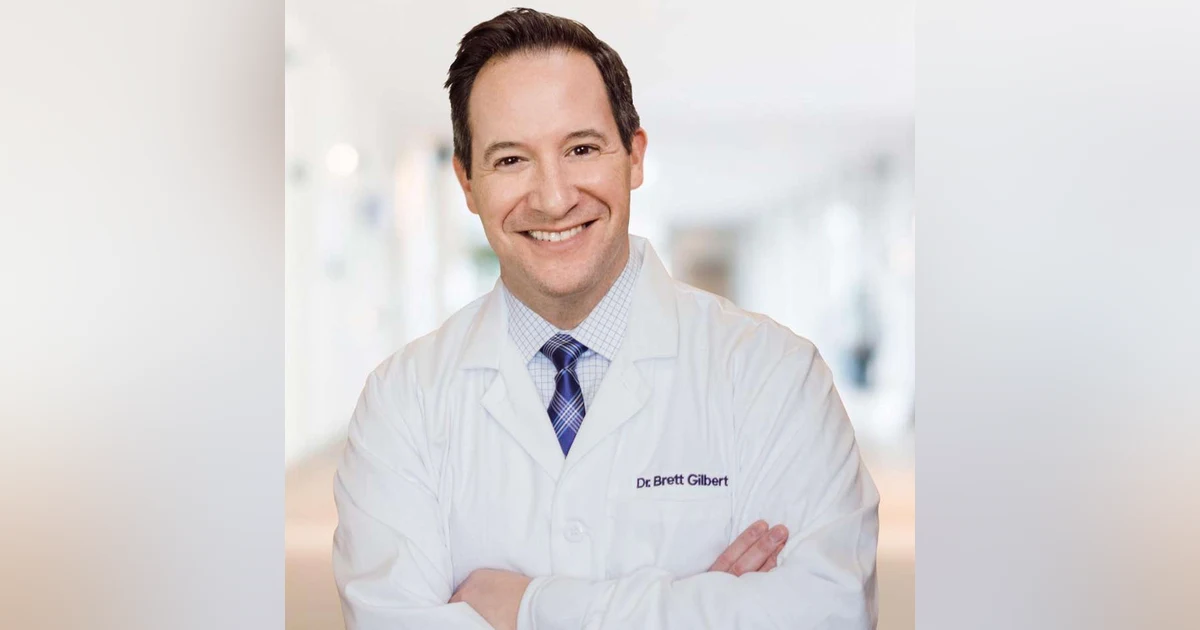


In this deeply honest episode of Melissa’s Not Alone, award-winning endodontist Dr. Brett E. Gilbert opens up like never before—sharing the mental health battles that nearly ended his career, shattered his identity, and drained the joy from his life.
Guided by host Melissa-Sue Methven, this raw conversation peels back the layers of what it means to “look successful” while quietly breaking down inside. Dr. Gilbert reflects on the hidden signs of burnout, the crushing weight of perfectionism, and the powerful moment he knew something had to change.
Dr. Brett E. Gilbert, DDS, is a board-certified endodontist, emotional intelligence evangelist, and professor at the University of Illinois at Chicago. He’s a Diplomate of the American Board of Endodontics, founder of Access Endo Impact Academy, and host of the On The Cusp podcast. His mission? To blend dental precision with soul-centered growth, elevate minds, and mentor the next generation of impact-makers.
Whether you're in the dental field or simply carrying the quiet burden of high expectations, this episode is a reminder:
You are not alone—and you don’t have to stay stuck.
Dr. Brett Gilbert:
Facebook: https://www.facebook.com/drbrettgilbert
Youtube: https://www.youtube.com/c/drbrettgilbert
Instagram: https://www.instagram.com/drbrettgilbert
📩 Share this with someone who needs it.
🔔 Subscribe for more transformative conversations on healing, identity, and purpose.
✨ About the Host & Ways to Work Together
Melissa-Sue Methven hosts Not Alone with Melissa-Sue Methven, and is an author, speaker, and breathwork facilitator guiding emotional, nervous-system, and spiritual healing. She uses storytelling, expert conversations, and lived experience to help people reconnect with their body, release stored emotions, and return to wholeness.
Available for:
- Speaking engagements & keynotes
- Breathwork & nervous system workshops
- Podcast guest features & collaborations
- Faith-based, wellness, and integrative health events
🔗 Inquiries: Breathwork Coach & Speaker | Mélissa-Sue Methven | Phoenix, AZ
📘 The Truth Behind the Smiles explores grief, emotional suppression, faith, and the journey back to self.
📕 Amazon: https://amzn.to/4mSAcEt
🎧 Audible: https://www.audible.com/pd/B0DG5ZZN5C
🌱 Coming Soon: The Gut God Connection & Gut God Blueprint Coaching Program, focused on gut health, nervous system regulation, emotional healing, and faith-aligned living.
✨ Join the waitlist: Melissa Methven
🎧 Subscribe to Not Alone, share episodes, and leave a review.
You are not alone 🤍
Welcome to the Not Alone with Melissa Sue Methane. Today I have a very special guest, Dr. Brett Gilbert, which is so dear to my heart, has become a friend now. And he is a clinician. He is also an educator. He is also a motivator in dentistry. I was had the pleasure to be on his podcast on the cusp in September, I believe, September, October of last year. And I've he's just been a big supporter of my journey of growth along the way and a big supporter of my book and my message. So here he is today. And I want to share his message and his story because I think it'll make an impact in the dental community.
SPEAKER_01Awesome. Thank you so much. I'm so grateful to be here. And yes, a big fan of all the great work you're doing. Loved your book. Loved having you on the podcast, learning more about your story. And just, you know, just honestly, Melissa, watching you live your life at this point and the way that you're documenting it. It's truly an inspiration. And I'm just really excited to chat with you and to help anyone out there because I think we all go through struggles in life. We all go through triumphs, you know, but the world is really our inner world, you know, the world inside of your own skin is the one part of this world we can control. And I think that the more that we can learn about how to, you know, cultivate the proper environment for ourselves, that's really the key to feeling great every day. And it seems like with all of what you're doing, you're really able to do that. And I really admire it.
SPEAKER_00Yes, thank you. I love that you mentioned that because our environment and going within, I've really had to do that throughout my healing. And I know you have as well, you know, and how important to cultivate that healthy environment. And I have to work at it on a constant basis. And sometimes I kind of pivot a little bit. I'm like, oh, I need to come back in alignment and become in harmony. So I would just love to share a little bit about your story because I know, you know, you had a time in your life as a dentist that it was so overwhelming and close to burnout. So I'd love to kind of share that journey, but also how you stepped into healing and the grieving and finding that uh how how you came along to do that process to where you're at now.
SPEAKER_01Yeah. Um, so I think burnout, you know, it has a lot of different definitions, but really, I think it's really an individual thing. I think we all experience our own version of burnout because the factors and all of the circumstances that, you know, kind of weigh you down ultimately lead you there. But dentistry is ripe for burnout because it's it's a profession where you're always giving. You know, you're giving to literally everyone. And most of the time, we don't give back to ourselves. We don't invest in ourselves. And that was me. So my burnout, my first like where I was like, oh my gosh, like I'm burnt out. In fact, I started to Google the symptoms of burnout. And be when I got to B-U-R, I realized before I even got a result that I was burnt out. And so I was 43 years old. I had been in practice already for 15 years. And I just really had this moment where I was actually, you can appreciate it as a speaker, Melissa. But I was on the stage and I was giving a lecture to like 1,500 other endodontists, and it was a big moment. And I performed really well, but I had made a big mistake on one of my slides. And it was sort of an egregious error. And when I stepped off the stage, immediately I didn't get the uh reaction or faces that I had expected. It was clear that I had upset the Apple cart with my mistake. It was pretty glaring. And that immediately like forced me to kind of look at myself because I thought to myself, how did I make such a big mistake? Like I had gone through the presentation so many times, but I'd started to just recognize how hard I had been grinding and for how long. You know, so one of the things about being a dentist is the financial stresses of it are real. You know, so if you're out there and you're like, hey, I want to do a little bit better for my family, then maybe what my office can provide. Maybe you're looking at more opportunities, whether it's lecturing or teaching or all these different things. And I had been pushing myself so hard for so long, but what I had been doing really is just pouring my cup empty. And I never refilled it. I didn't even know what that looked like. We don't learn about it in. You know, I think we climb this mountain of becoming a doctor or dentist. And sometimes you get there and you're like, no, like, is this it? Like, is this this is the whole thing? And you're looking for more fulfillment. And sometimes teaching can bring that, or you know, lecturing or, you know, whatever your project might be. And so I was trying to diversify. The problem is, is as I diversified, I was spreading myself really thin. And I just didn't have the knowledge or the practices to rejuvenate, to refill, to refuel. And so I just literally had this vision of like pouring my cup, and there was literally no more drops for anyone, including myself. And so that was the beginning of my recognition that I couldn't sustainably continue to live the way that I was living. And that led me, you know how the universe is, Melissa, it just, you know, the right person just kind of pops out of the door at the right time. And one of my childhood friends took me by the hand. I always had this vision of him sort of taking my hand. And he had done some intensive emotional intelligence training, and it had created incredible shifts in his life. And he sort of led me by the hand into emotional intelligence training. And as you mentioned about the healing process and all of the work, right? The work that we can all do to help ourselves, I dove headfirst in and I did some intentional and intensive workshops in emotional intelligence. And immediately I started to recognize how much trauma I was carrying, you know, how much shame I was carrying from my childhood, things that I would never have been able to see otherwise. And I started to strip the bandages off. And through that process, I found just an incredible amount of healing. And by, you know, they say with trauma, it's almost like a shard of glass that's buried in your chest, right? So every time you kind of like allow life to kind of come at and through you, it has to work around your trauma to go through you. And then you know something triggers, it could be a thought, it could be something someone says, it could be something that happens that reminds you, and all of a sudden that shard of glass cuts you all over again. So if we don't address, feel, scratch at, dig in to get the trauma to come out, which it will evaporate in some ways, then we just sit with it and it impacts everything that we do. And I was carrying a lot of those pieces of glass. So my healing process was really going deeper, really looking at like what had caused me pain, what I was holding on to in terms of resentment, maybe some traumatic memories and things like that. And amazingly, as that trauma lifts out of you, it creates space. And you can fill that space with whatever you choose to, whether it's joy, creativity, you know, more love, um, service, whatever that is. And that was kind of my process. It was the emotional intelligence training that opened the door for me to heal and really find the version of myself that A is what I believe to be the most authentic version, and B, to be the version of myself that has the opportunity to really um live up to or, you know, exercise the full potential that I was born with to be on this earth and contribute to others. And so um, it's been a powerful journey and I would recommend for anyone, but especially clinicians, you know, look into it. Melissa, we just started a program called Heal Thyself, which is specifically emotional intelligence training for clinicians, because this had such a yeah, it had such a profound effect on my life that I wanted to create an outlet because I had there, no one talks about this in dental school, no one talked about this in my residency. You basically just get out and you grind, and that's all you know. And with this education, with this training, with this healing, then all of a sudden the world started to open up to me. The relationships I had got stronger, my ability to manifest and create. You know, this podcast that you see behind me, this program I'm describing, some of the other online education programs that I offer are all products of me doing this healing work. And I see much the same in what you're doing. And that's what I'm so grateful to see. You know, it's like seeing that you're you're doing your breath, you're you're contributing to others, you're doing retreats, you wrote a beautiful book, you're you're you are so openly speaking your testimony on what was like that moment, like is like the worst fear anyone could ever have happened to your family. And how do you respond? Right? Many would just react, but see, you responded and you did that in a way in which you could cultivate this beautiful life for yourself and your kids. And so I'm just so, so, so grateful for you and so grateful to have you in my life.
SPEAKER_00Oh my gosh, likewise, thank you. And I love that you're saying that because that's what I say. I had to really go within and and heal all the parts of myself, like go back to I'm two years old, that five years old Melissa. What is she holding on? These patterns that keep showing up because I'm like, well, what? Because I I I revisited to okay, what went wrong? And what Scott, where was he at too? And just the understanding. And a lot of the times, you know, you feel like you're spiraling and there's something off, but a lot of times people think, oh, I need to change this. But a lot of times you have to pause and go within and heal those parts of you because so you're not, so you could be more in a harmony and alignment, your life path. You know, a lot of us are sometimes we want more clarity, but you can't have clarity until you truly kind of declutter and make room, like you said, right? I've had to really, I always find myself so clear when I am, you know, not drinking alcohol, I'm doing my breath work, I'm in prayer, I am uh meditating, I'm also sitting in stillness and writing, you know, I write out the emotions and and then it just draws in more clarity as to my old past patterns, you know, I don't get so confused. Oh, is this the old five-year-old Melissa making these decisions? Or is because that keeps her safe? Or is it um is it uh more God, the sole purpose, you know, because I feel like I keep getting these whispers, these guidance. I live my life very much, you know, guided. And to stay in alignment, I have to make sure everything, even my gut biome, oral biome, all of that is in alignment. Uh, so it doesn't cause any clutter. So I love that you have this program as well to guide people in because I feel that this is not talked about in dental school or in dentistry, and it's very much needed because you guys give and give, give so much. I'm much a believer of energy exchange. And, you know, even as a dental hygienist, you know, you you've got people's heads right here, your solar plexus, and you're taken on their fear. There's so much fear in dentistry. And I feel dentists, they they are such, they will, you know, they want to hold that for their patients. But if you go home and have no way to express what just happened, I know so many times we'd be in dental office and people are angry and screaming at you and they're mad. Or I'd have, you know, patients go, oh, dentists, all they want is your money, you know. You know, they're just mad because they're scared, you know, it hurts and they don't understand what's going on in the mouth. And luckily now we have the big visuals, we could show them a bit more and have an understanding. But I truly feel that if we can help the dentist to be in harmony and whole in our body, they can treat their patients better and show up better for their patients and their family at home. Me being a wife of a dentist, too. It was, I get it. You know, you go to work and you give and give and give so much. And then when you get home, you have nothing else to give to your beautiful children, your wife. And I understood that, but it's still hard. Still hard to never have that partner there. They have nothing to give. So it's crucial to teach, you know, uh anyone in the health industry, you know, where you give so much of yourself these tools that you're creating, which I love. And I know for me, that's breath work. You know, I started with Dr. Delphine creating these uh uh dental retreats where we allow them to fully give back to themselves the self-love, the space to go within and see their sole purpose. I know so many dentists too, sometimes they feel a little bit stuck, kind of like what you said. There's something else calling them and they can't feel why. Like they've got the beautiful practice. Like I know my husband's got great practice, everything's going well. We got the house, we've, you know, a wife and two kids, but there's still something, something that wasn't right and inspiring, and a lot for him to was going back to those um those those traumas, those past wounds, you know. And I wish I would have known the extent of I know now for what's out there for healing modalities, because this would have been so life-saving for him, you know, to to do some of the work that we've done, you know. Uh, so I'd love uh to hear what do you do on a daily basis now to stay in harmony or in how how do you feel? You try, do you treat, do you find that you treat your patients differently now, knowing what you know and that you're so much more in harmony?
SPEAKER_01Yeah. Oh, yeah, you can't. Okay, sorry. I I it flipped the screen. So um, yeah, so a couple things uh just to reflect before I jump into that. You know, one of the things I think about, like in reading your book and and you know, being on the podcast, and I listened to you on Mike Deluxe's podcast, you know, the concept of when you're the doctor, it's sometimes like you feel almost like you're either not entitled to, or it's maybe going to impact your reputation or something if you seek help, right? Whether it's therapy or whatever. So the concept that I've sort of developed with my partners, I've got two incredible partners, Chris Hawker and Dr. Julie Wilkes, um, in Heal Thyself is exactly what the title says. Well, you are already a powerful healer. I know from the book Scott was a powerful healer. He knew how to manage people, he made people laugh. When he was in the office, he was a superstar, right? But outside of the office, the struggles would catch up. And so the concept is if we are already healers that are powerfully healing everyone else, what if we turn that healing power to ourselves? And so that's where the heal thyself, it's hopefully um uh a smoother barrier of entry is to think to yourself, well, I'm going this program, I can heal myself, but I don't need anyone else to heal me, kind of thing. And so that's where all of the things, the breath work, the emotional intelligence, we really look at it as like resilience training, right? How do you become more resilient to the challenges and the pressures? Because to your point, Melissa, to me, one of the greatest saviors of this work that I've done and what I hope to help others with is exactly what you said. You're dog tired at the end of the day, you've absorbed so much energy, you have given so much. But how can you shift, whether it's breath, whether it's meditation, whether it's music, whether it's dancing, whether it's just moving about and just getting your energy shifted, how can you walk in that door and not miss out on these precious moments we have with our kids when they're kids, right? When these precious moments we have with our partner, when we still have a partner that loves us, et cetera. You know, when we're all healthy. Like these are all the things that I think life is about, these opportunities to be with and be with the people that you love. And it's sad for me that most clinicians come home too tired to even take part in it. And so that's where I'm really excited about the opportunity to offer this type of programming. But to answer your question, how does it translate? Is I believe that when a healthy human being that is investing in themselves, you know, the practices I use, I wake up in the morning, the first thing I do is sit on a cushion, I do breath work. Um, Melissa gave me this beautiful, beautiful drum that I'll beat, I'll beat the drum. I do uh some type of cardio, I'll do yoga, um, I'll do meditation, I'll journal. And then I always finish my shower ice cold. That's kind of my me too.
SPEAKER_00We have the same similar mornings.
SPEAKER_01I love it. I love it. So so I do all that before I take a shower, you know, before I get dressed to go to work. So now here I am walking into the operatory at 8 a.m. And I believe that a clinician that is investing in themselves, filling their cup, right? That time I described, and that that's my time. That's time that's devoted to me. I don't address my kids or my wife at that time. That's for me. And now I walk into the operator and I'm a human being that's feeling really good and ready to serve and heal others. But unfortunately, most of us, and myself before this transition in my life, it's more carrying in the burdens, carrying in the stress, carrying in the dread of the day, almost like you're carrying around these heavy suitcases. So that doctor walks into the operatory. And in my opinion, there is no way they can render the same level of care as the doctor that walks in healthy and at least working on themselves. Because in order to, like you said, take in that energy, you know, feel and have empathy toward your patient, keep an open mind. I mean, you know, even as a hygienist, you could be in someone's mouth and something gets hairy really quick, and you feel that pang of adrenaline and fear. And did I mess up? Did I hurt someone? You know, all of these things. And that's where the resilience comes in. You have to be able to take a breath, clear your head, move forward, stay on track, positive affirmations, everything is okay. And these are all skills that we have to first learn, but also practice. And so that's really where I'm at right now is sort of trying to be the bridge between the precision of dentistry and science and cutting-edge technology and bridging into the soul and the self and growth and being able to truly enjoy this journey of life. Because as you know better than anyone, just like that, it can end. And the reality is, is I want to squeeze the juice out of every day. And what I've come to realize, and what we've realized as we've run this Heal Thyself program, is when the doctors cycle through it, the biggest takeaway is I remember what's important to me. What's important to me are those people living in my house with me. And I want to make sure that I can be the best dad, mom, sister, brother, son, daughter, whatever it looks like, friend, because those relationships are the legacy. The rest of it is sort of just life in action.
SPEAKER_00That's so beautiful. I love that. And so, so true. Cause I still remember telling Scott, I said, you know, because I could tell he's so overwhelmed. I said, I, you know, want my husband back. I want a father for the kids. And I said, I let's downsize, you know, all these things didn't matter. You know, sell the practice. Let's become, you can become an associate, let's downsize the house. Like, because I'd rather you be healthy, start taking care, have more time to take care of yourself, you know, because that is truly what matters most. It's not all the things, the fancy, shiny things. It's it's us, our, our family, our connections, you know, and um our health. So that's always. And do you find, you know, I'm pivoting now, but I you've made a point where dentists, we are they're very much perfectionists, right? And I remember Scott very, very much so being a perfectionist, the most beautiful crowns and all the things. And and in one patient, you know, getting mad at you or changing that energy can change, shift so much, you know, can really trickle through your day. You know, he could see 30, 40 patients that day, but that one he'll remember, right? So learning even those tools on your day, like even like a minute to take that breath, a certain, you know, to calm your nervous system or or cut that line of whatever that person projected to you to be able to release it then. So you can continue on with the rest of your day not holding on to that, you know. So I I feel like a lot of dentists are perfectionists, and that's the hard part where they can have a hard time moving on, you know? Yeah. And and and it just spirals in their head, like, oh, I should have done that differently, or that didn't go the way I wanted to. And uh they that sit in that shame or that fear, or you know, if the patient goes home and a lot of pain, they call, you know, you just kind of take all that on. So I am so excited for the program that you're doing. And I hope that a lot of the dentists listening. And actually, I'm speaking at a dental retreat next uh in Utah next week. And I'm hoping I'm gonna tell them to listen to this podcast. And hopefully, I I know, actually, not hopefully, I know many will join that program and it will change their lives.
SPEAKER_01Yeah, and that's you know, that's an extension of what my podcast is about. You know, you see the tooth here and everything, and of course I'm a dentist, but this podcast is about the human being inside the scrubs, inside the white coat. This is about how you can find your own version of fulfillment in life because what happens a lot, Melissa, and contributes to a lot of the suicide rates and the depression, anxiety that we all read about is we work so hard and in this generation spend so much money on the education. And it's sort of like you're climbing this mountain and you figure that when you get to the top after all this work and you plant that flag, that life is gonna be blissful. But what happens oftentimes is that we find that it oftentimes the top of this mountain feels a little bit empty. And so, what I want to reiterate and what the podcast is about is the fact that this doesn't have to be your only mountain. And what we found is through the podcast, which is you know, listening to stories. I do a number of solo episodes, but stories, journeys, how others have navigated all of the things we're talking about. Some have chosen just to leave the profession. And oftentimes that can lead to something beautiful. Other times, maybe you realize maybe I didn't really need to leave. Maybe I needed to shift my mindset or my practices so that I was healthier. Um, but I want to just speak real quickly, Melissa, on what you were talking about with perfectionism. Because I recently did an episode that is I call the imperfect cocktail, which is the dentist's perfectionism and then coupled with their own self-judgment. So just to your point, you know, I do 12 amazing root canals, but if one of them had one little thing wrong with it, that's what I go home with. How is that right? Right. And so what I what I want to encourage dentists to consider, first of all, perfectionism is a disease. There's no question, I suffer from it, I battle it every single day. But when we couple it with our own self-judgment, we trap ourselves in constant misery. And so the idea is to give more grace to yourself. You are again a human being inside the scrubs, inside the office, holding the handpiece. And you have to recognize that being human is just that. It's going to have moments where you aren't perfect. And in fact, you're never going to be perfect. So I like to think of it like this instead of using perfectionism as the goal or the baseline, let's just flop flip that out with uh excellence. We can all be in excellence every day because excellence can be your effort, it can be your attitude, it can be the way you respond, it can be how resilient you are. It doesn't necessarily mean that your crown prep and your margin was perfect or the root canal was perfect. So I want to encourage clinicians, you know, in order for us to sustain ourselves and continue to be healthy and serve, we have to accept that mistakes, errors are going to happen. But that can still be acceptable in the terms of being excellent. If we have perfectionism as the only goal, we will constantly fail. And so I just want to encourage that flip because I think mindset more than anything else will either make or break your pleasant or miserable day as a clinician. It's really all in between your ears.
SPEAKER_00Yeah, that's I love this reflection because I also think back to when we'd have associates come in, you know, new students, new grads, and they were so hard on themselves, you know, how long they would take to do a crown or if they do mistakes and they wouldn't know. And Scott was always so great to take him on and mentor them. But but the I think new grads could be really hard on themselves, you know, they want to be perfect right away, right after school, because I spent all this time in school, I should be perfect now, you know, but it doesn't work that way, you know, it takes time to perfect it, and you have to give yourself grace. So I think um even till even though Scott was really good at things, sometimes, yeah, the root canals didn't work out, you know, there was something else. And and and that was that was always really hard. You know, you'd take it to heart and be like trying really figure it out. And uh, so I love that you addressed that. You know, another podcast I just listened to yours, I really loved, was about the digital break. That and when it was your birthday, right? Your 50th birthday celebration, you took a digital break and you recommended a book. What was it called again? I forget.
SPEAKER_01It's called How to Calm Your Mind by Chris Bailey.
SPEAKER_00Okay, I need to read that.
SPEAKER_01Yeah, it's phenomenal.
SPEAKER_00Point because I, you know, as I'm I have to wrote my book, my publisher's like, you got to put yourself out there, go on social media and this, you know, get it uncomfortable. And but it takes so much time. And I realized it took away some of the time for what's really more important as far as um uh the breath work, uh, me really, you know, the working, family, all this stuff. But I thought, oh, I need to put in that time. So now I've realized that I'm my time is more worth doing, you know, what I my purpose is right now, you know, with the aligning people to their soul purpose and decluttering. I've been really felt called to talk a lot about the oral biome and gut biome relation to chronic illness, you know, as a dental hygienist, you know, I'd see the long list of medications people are on and seeing the symptoms and and how the getting to the root cause is is really important. Actually, I I'm gonna be working with a biological dentist here in Arizona and really diving into getting more to the root cause. But also I've I like taking breaks from social media too, you know, because those were the dopamine hits, right? And I you talked about that on your last podcast. And I was like, oh, I've been feeling that a lot to just remove myself. Like when I went to Maui, it took my kids, and I felt it was our three-year anniversary since we lost Scott. And I felt called to do an ash ceremony back to where he passed in Maui. And then I completely felt like detaching myself. Okay, did turn off my phone. Sometimes I'd leave my phone in a hotel room, uh, turn it off airplane mode, and how good I felt, you know, how good to be just solely present with my family, my children. They need me. They still, you know, very much co-regulate with me. They're still grieving, they're still going through a lot. You know, they're doing well, but still it's an ongoing thing and uh with grief. Now, uh so I've realized I need to, you know, take breaks. So I love that you touched base on that. As much as this is how we reach so many. I mean, without me, this platform, I would have never met you. I would have never met Dr. Deluc, you know, I I Delph Dr. Delphine, you know, I wouldn't have made these connections, but it's finding again that balance, right? And I think life is all about balance, finding balance.
SPEAKER_01Yeah, yeah. So this was hit me really powerfully because I had decided to do the detox on vacation. I knew I had 10 days, and uh I actually picked up the book in the airport. I it was just sort of like an intuitive, I just had this sense that I would find the right book. And it was exactly what I needed because it really described how, you know, in this age of digital interaction and the dopamine that we're getting, the hits from, you know, seeing a text message or seeing that you have a new follower or you know, getting an email, or you know, how many times sometimes I check my email like 10 times in an hour. Why? Why am I doing that? I'm seeking the dopamine hit. And so, but what I learned, which was really powerful, is our brains have a dopaminergic system, but they also have a here and now system. So the dopaminergic is functioned by dopamine. In the moment, it feels really good. You come home from a busy day at your clinic, you're already had a stressful day, and you just want to relax. So you get on your phone, and in the moment, the scrolling and the dopamine makes you feel good. But collectively, over time, it's actually a source of chronic stress. So instead of relaxing, you're actually pouring on more stress, which is pushing you further and further toward burnout. And the worst part, Melissa, is as you feed that dopamine system, it actually suppresses the here and now system. This system is serotonin, oxytocin. This is your natural calm. So you're feeding the dopamine, suppressing your calm. And we wonder why we're all so agitated and stressed out all the time. So, in the process of, like you said, putting the phone away, literally out of sight, out of mind. Now, all of a sudden, as the dopamine hits come down, the serotonin and the oxytocin start to rise back up. And I've been able to, not as successfully as a total detox, but I've been able to be more balanced, as you said, and I have a greater sense of my own natural calm. So I highly recommend, especially on those really busy clinical days where you're stressed out, come home and put your phone away. 25 years ago, no dentist was picking up their phone and getting all this chronic stress from dopamine. So put it away. Spend time outside, take a walk, move, shake, run, work out, be with your family, cuddle with your loved one, do whatever is what is analog, right? Living more analog instead of digital. Writing. I found like sometimes when I feel stressed now, I just think about writing. Like I think about what I would write in my journal right now, and just that sensation of touching the page with the pen and being in the analog in the present is actually super supportive. So thanks for mentioning that. It was a powerful thing for me. And the book was like the perfect companion at the time. So if you're interested in this, you're like, you know, man, I am really like so much more stressed out now than I used to be. It's probably the dopamine that's pushing you over the top.
SPEAKER_00Yeah, I needed to hear that. When I listened to it, it really hit home because I noticed that shift when I went to Hawaii and needed that break. And I also, now that you talk about it with Scott, that was the first thing he would do. And he'd lay there for hours, hours, you know, in front of his phone, either it was, you know, answering emails from the lawyers and because he was uh in a lawsuit and and it was just strolling, you know, strolling and strolling. And it just, like you said, um the serotonin, you know, I just came back from a health optimization summit, and that was a big talk as the gut Dr. Stephen Gundry, he said 80% of serotonin is made in the gut. And so if you're not allowing that to pile up and get to your gut brain, uh, you know, you won't feel the natural serotonin and you'll keep wanting those little dopamine hits, like you mentioned. So being really careful how much time you're spending on social media is hard, you know, because when it's your part of your job and your career and marketing, but now I've actually decided too, I'm gonna hire somebody else to kind of take care of that because it takes away from what it's truly important right now. You know, I've got another book coming, I'll be writing in June. Oh, that's exciting. Yes, it's uh it's in it. And the minute I like this happened when I wrote my last book because writing is so healing. Like I say, to write out your day, that's like releasing. That's another way to express, just like breath work is. And so the minute I said yes to writing another book, now I'm getting kind of messages as to what that looks like. And it's a lot bigger than I thought. And I need to really concentrate in sitting in starting journaling what is coming through. And uh, I need to remove myself more than the social media, like still be present, but I can hire someone to kind of take care of that so I can concentrate on what I know is more important at this point, finding more balance. Uh, because it was taking away from kind of my direction a little, you know.
SPEAKER_01And in this world, we can't put it down, but we can create boundaries around it. And that's what I found has been the most helpful is just creating some boundaries. But most especially when you have a really stressful day, is don't kid yourself into thinking that the numbing that you're getting off of the dopamine is helping you because it's not. And that would be to me the one of the most important times to remember I'm putting my phone away because I'm stressed out as I'm walking in the door. And an hour later, you're gonna feel better. And that's, you know, it's not just the serotonin, but the oxytocin, which is that neurotransmitter of connection. So the oxytocin, when you're spending time with your kids or your partner or friend or your neighbor, whatever. But being in the analog world instead of everything, you know, it kills me. I see my girls, they're just, oh my gosh, they're just, I mean, glued to the phone, or sometimes they have a phone and a tablet and a computer going at the same time. And look, this is the world that they've grown up in. But I can't help but think about the detrimental effects, even though I can't convince them to put them down and I'm not gonna force them to. But at the same time, as you know, the kids learn from us, they're watching. And so the more we can demonstrate, that's probably more powerful than you should do this, is more I'm doing this, I'm not talking about it. I know you're gonna notice, and I'm hoping it's gonna rub off.
SPEAKER_00Well, isn't that the way for anybody? You could just be that example, start walking, doing the work, and then instead of saying, Hey, you need to do this work, hey, you need to do this, just start doing it and people will start noticing your shifts. Like for me, my new thing is I don't sleep with my phone in my room. I leave it in the kitchen now, and that's my thing. So then I'm not, oh, I can't fall asleep. I'm just gonna pick up my phone. No, after a certain time, it's gone. It's in the kitchen, you know, and um that's kind of my new routine. And I don't even look at it right away in the morning. I'll do all my routines that we talked about. And then then I'll like, okay, I check in because I realize it's so overwhelming of everything I need to get done. And uh yeah, so I think it's just those little, those little changes, those little tweaks make over all the difference.
SPEAKER_01Absolutely. Yeah. I mean, and and you're doing a great job in in speaking about this and and helping others see it. And of course, you know, even just your reflection back about Scott with his phone, you know, that's powerful because the the one thing that you've done beautifully in honoring him is using his story as a way to resonate with others that are probably on a similar track, you know, and that's that's something that I think about a lot too, because, you know, the the testimony that you've put out with your book and the podcast and everything you're doing, you know, it gives me reason to start to be creative. Well, how can I help my colleagues? You know, where do we get them where it hits them with the most resonance? And this is one area, you know, uh emotional intelligence training is another, just better practices and ultimately having more resources. And I will say this things have gotten so much better in even being able to talk about this in a dental setting. You know, when I do my lectures, uh, you know, it's always on endodontics, but there's always personal growth sprinkled in. There's always going to be a meditation in my lectures. Like there's always gonna be this opportunity to talk about. We all want to be an excellent clinician, but you can't be like a robot and go without ever like stopping for a breath. But that breath is so powerful that it might just be all that you need to keep going. So just remembering, I always like like to use cues, I always say to dentists, how many times do you wash your hands in a day? Well, remember that every time you wash your hands, take a few deep breaths, right? It's just an easy way to connect one thing with the other. Because as Delphine says so beautifully, and she was on my podcast, you know, it's it's hygiene, energetic hygiene, just as important as flossing your teeth. And you can think about that as you're washing your hands, you're using your breath to clean and wash your energy at the same time.
SPEAKER_00Wow, that I love that. That's fantastic that you're teaching people that and getting on stage. And because I do think, are you also seeing a shift like in dental school? Like, are they, or I know you know, you're speaking and they're doing that at different conferences, but is it is is it getting into dental school at this point?
SPEAKER_01Not really. No, I I love more opportunities to be in the dental schools, but where we do have the opportunity is is you know, the learning and sharing on social media. So, you know, that's another reason why, you know, I'm kind of created this um this account where I talk as much about personal growth as I do about endodonics. And the hope is is more people are gonna know me from endodonics and come to learn that. But I, you know, if you want to be a great clinician, like I said, it's it your mindset is gonna control most of it. So you have to recognize that uh investing in your own wellness, investing in your own inner peace is gonna translate into being a better clinician. Not only that, but you have the opportunity interacting with so many people through the day where you can actually leave this little bit. You know, some people take a little piece of your energy too. We absorb our patient's energy, they're absorbing ours. And my goal is if a patient leaves my practice and they've taken just a little spark of positivity away from me, that may translate into their workspace, into their house. So everybody's a ripple. That's it. The ripple attacks. That's it. So it when, especially on days when you're feeling down, just remember like what a beautiful job and and responsibility we have as clinicians and healers is that it's not just the X's and O's, it's not just the clinical treatment, it's the experience that a patient has in your presence that can be just as powerful. Because we all know our physical body can be fixed, it heals, it's beautiful, but it's that emotional body, it's that spiritual body that we're probably just not giving enough to. If we do, it all starts to merge together and we start to feel good, we start to um love living our lives because as we talked about, it's short, you never know when it's gonna end. And boy, don't you want to have like the best experience you can this time around.
SPEAKER_00Yes, yeah, absolutely. Live a very fulfilled, like allow more love in and happiness and joy. And I think people want that, right? A lot of people say they want more peace, more calm, but how to seek that is actually investing in themselves, that self-love and digging deeper. It's not so much getting busier, a lot of times is actually getting more still, you know, and going within. And so I I yeah, this has been so fantastic. Everything that you've shared, this is uh is beautiful. I love the work that you're doing and uh what an honor. And I know I'll follow your journey and I know you're impacting, you're creating this ripple effect in the industry that we really need. Uh, and I'm continuing to be a big part of that too. I know uh that's kind of my calling to change, to bring more hope and light in the dental industry. And because then the dentists can um can treat their patients more in alignment as well, you know, the patients will benefit from that if the dentist is in alignment. And uh so it just has that ripple effect, you know, especially that in the mouth we see is such a root cause of chronic illness, as we all know. And that if we can help the patient control these chronic illnesses that keep showing up in their mouth and have the right uh dentist to do so, that's in alignment, then it just um brings them more joy and happiness and alignment all around them. So I just want to say thank you so much for being on here today. Taking the time out of your busy day and and maybe share how people can find you and follow you. I don't know, listen to you on your podcast on the cusp.
SPEAKER_01Yeah. Yeah. Well, for so my website, drbrettgilbert.com, is sort of a jump pad to all the things that I'm working on. Again, the podcast on the cusp. And you can find our heal thyself program at tailwindtrainings.com, which we can link up in the show notes. Um, you know, if you have any questions, you can always, you know, DM me on Instagram. I'm at dr Brett Gilbert. So DR Brett Gilbert, uh, you can find me anywhere. I'm the same, um, you know, across all the platforms. But Melissa, real quick, if I could, I just want to share a quick story about you and about, you know, the type of person that you are. So um, Melissa and my really dear soul sister, Delphine, uh, they've connected and Delphine is a sound healer. And, you know, I know that Melissa, you know, you're super into breath work and sound healing. And my mom passed away just a couple of months ago. And, you know, obviously, if anyone's been through it, you understand. Obviously, we all have had experience with grief and loss. And I'm putting all my practices in, trying to, you know, keep the vibes high, even though I'm really feeling a lot of grief. And then all of a sudden, I get this package in the mail. And I I had no idea what it was. It was from Melissa, and I opened it up and it was this most beautiful Buffalo drum. I meant to have it here with me during the podcast, but it's down by my seat where I do my breathing. And I I just want to express, number one, how much it meant to me that you thought of me. But on top of that, you know, when I beat this drum and you feel the frequency and the vibration, it actually hits me in the chest and the face and the head and the ears. And I want to express that this sound energy has actually been so incredibly healing for me. And it's something that I really look forward to. And so again, just thinking about living in the analog, you know, sometimes putting the phone down, you know, picking up something like a little drum or something else that, you know, can help bring you into the present moment is so important in our healing journey. And that was something that Melissa just, I don't know, what made you think to send that to me?
SPEAKER_00Just felt called. I saw your grief. I can feel it. And I know, I know grief, we we all go through it, and and grief happens because we're ready for that next growth period and we need to sit in it. And the best way to sit in it, you know, a drum goes to the heart, and your heart was broken. So drumming is to the heart. And I know for my kids, that's what they go for. They love my drum. And actually, I bought them, we haven't done it yet, but their own drum and they'll paint it, whatever they want to paint, and they'll become their own drum. And I know, I didn't just know, yeah, the frequencies and how healing that is. I just felt called. It was, you know, I just follow my intuition. I was actually with Dr. Delphine and Sedona, and and I said, I need to go stop at a store here, the music store. And I go in there with Dr. Um uh Preya. She's the whole tooth dentist from Dallas. I said, I need to go into this store. I need to find this dentist, a drum. And I saw this beautiful drum that was purple and blue, and I was like, that's calling me. This is the one.
SPEAKER_01And my favorite colors, like it was so divine. So I just wanted to acknowledge you, Melissa. Number one, for being so thoughtful and for even having the ability to act on your intuition, and then just to say how grateful I am, because not only did I appreciate the gesture, but the actual drum has become such a big part of my daily healing. And I literally just can't thank you enough. I feel honestly emotional just talking about it. But it was just so beautiful. And thank you, thank you, thank you. I I just cannot express to you how much it's meant to me.
SPEAKER_00Oh, my uh, my pleasure, my pleasure, and it's such an honor. And uh one day I'll have to you know meet you in person. I know you're in Chicago and I love Chicago.
SPEAKER_01Yeah, but we we come to Arizona a lot. So the next time I'm in Arizona, we'll for sure get together with Delphine and I got a whole crew out there for us to get together with.
SPEAKER_00We could do breath work. Delphine will do her sound healing, and oh yeah, it'll be great. Sounds great so much, and I'll put everything in the show notes uh so everyone can find you.
SPEAKER_01Awesome, thank you, and good luck with all your endeavors. Super proud of you.
SPEAKER_00I appreciate it, that means a lot. Thank you.