Beyond Talk Therapy: Psychedelic-Assisted Therapy and the Future of Healing with Kristy Crabtree.
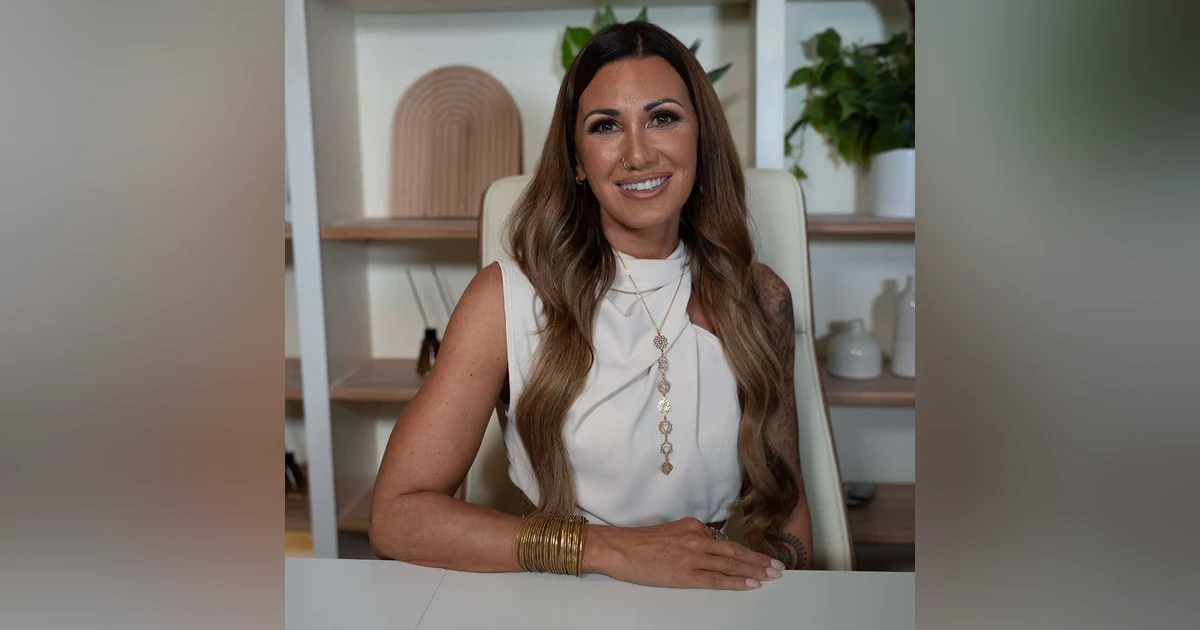


Kristy Crabtree, LPC, has been a licensed counselor since 2009, but she quickly recognized that traditional talk therapy alone wasn’t enough to create lasting change for her clients. Driven by a passion for deeper healing, she expanded her approach, integrating cutting-edge trauma treatments, consciousness work, and holistic modalities that bridge psychology and spirituality.
Kristy is a thought leader in the field of psychedelic-assisted therapy and trauma healing, dedicated to helping individuals unlock their innate potential. Her work is rooted in a whole-person approach, addressing the mind, body, and spirit for transformative growth.
She is also the author of Sacred Revolution: The Codes to Unleashing Your Spiritual Technology and Healing the World, set to release on Amazon in June 2025.
Summary
In this conversation, Melissa-Sue Methven and Kristy Crabtree delve into the importance of setting boundaries, the impact of past life experiences on current behaviors, and the journey of self-discovery and healing. They discuss the significance of surrendering to spiritual guidance, navigating fear in decision-making, and the effects of unhealed trauma on relationships. The dialogue emphasizes the power of manifestation through signs and synchronicities, and the potential for healing and growth within relationships. In this conversation, Kristy Crabtree and Melissa-Sue Methven explore themes of self-honor, generational trauma, energy flow, skepticism towards spiritual experiences, supporting loved ones with addiction, the potential of plant medicine for healing, and the integration of profound spiritual experiences into everyday life. They share personal stories and insights, emphasizing the importance of authenticity, healing, and the transformative power of spiritual practices.
Instagram @Kristy_sacred_revolution
Website: sacred-revolution.com
Chapters
00:00 Exploring Boundaries and Healing Trauma
02:56 Understanding Past Life Influences
05:52 The Journey of Self-Discovery and Rebirth
08:58 Surrendering to Spiritual Guidance
11:49 Navigating Fear and Clarity in Decision-Making
14:58 The Impact of Unhealed Trauma on Relationships
18:13 Manifesting Change Through Signs and Synchronicities
20:58 Healing Through Relationships and Soul Contracts
30:11 Honoring Yourself and Co-Creating Fate
32:19 Generational Trauma and Healing
35:07 Understanding Energy Flow and Blockages
39:39 Skepticism and Spiritual Experiences
42:26 Supporting Loved Ones with Addiction
48:22 Exploring Plant Medicine for Healing
56:56 Integrating Spiritual Experiences into Daily Life
✨ About the Host & Ways to Work Together
Melissa-Sue Methven hosts Not Alone with Melissa-Sue Methven, and is an author, speaker, and breathwork facilitator guiding emotional, nervous-system, and spiritual healing. She uses storytelling, expert conversations, and lived experience to help people reconnect with their body, release stored emotions, and return to wholeness.
Available for:
- Speaking engagements & keynotes
- Breathwork & nervous system workshops
- Podcast guest features & collaborations
- Faith-based, wellness, and integrative health events
🔗 Inquiries: Breathwork Coach & Speaker | Mélissa-Sue Methven | Phoenix, AZ
📘 The Truth Behind the Smiles explores grief, emotional suppression, faith, and the journey back to self.
📕 Amazon: https://amzn.to/4mSAcEt
🎧 Audible: https://www.audible.com/pd/B0DG5ZZN5C
🌱 Coming Soon: The Gut God Connection & Gut God Blueprint Coaching Program, focused on gut health, nervous system regulation, emotional healing, and faith-aligned living.
✨ Join the waitlist: Melissa Methven
🎧 Subscribe to Not Alone, share episodes, and leave a review.
You are not alone 🤍
Welcome to Not Alone with Melissa Methman, a safe haven where we embrace our truth and break the silence surrounding our struggles. Here, we believe in the power of sharing our stories, fostering a loving community filled with hope, tools, and resources for healing. Together, we'll explore the journeys of those who have faced adversity, offering insights and support to ensure no one suffers alone. Join us as we shine a light on the path to healing. One authentic conversation at a time. Christy Crabtree is trailblazing in her field of mental health and founder and clinical director of Inner Light Counseling. With a striving practice that employs over 40 counselors and generates millions in revenue, Christy has dedicated her career to transforming lives through innovative therapeutic approaches. Since beginning her journey as a therapist in 2009, she has recognized the limitations of traditional talk therapy and has passionately explored new modalities to unlock deeper healing. Christy is also the author of the groundbreaking book coming out soon, Sacred Revolution: The Codes to Unleash Your Spiritual Technology and Create the New Earth, where she shares her insights on spirituality and personal transformation. In this episode, we'll dive into her philosophy on why talk therapy alone may not suffice and explore how we can embrace a more holistic approach to mental health. Join us as we uncover the wisdom of and vision of Christy Crabtree. So welcome. Thank you. What a sweet introduction. Thank you so much. Oh, good question.
SPEAKER_01Gosh, so this has been such a parallel process for me. I remember being a new therapist, and you know, you kind of just learn the basics like cognitive behavioral and those kinds of things. And I remember, you know, walking into session for the first time and at some point feeling like, you know what? There's this common denominator with my clients, and I don't care what their diagnosis is, it all stems from trauma. So I'm like, okay, trauma therapy is where it's out. I'm gonna get some practices under my belt, evidence-based practices like EMDR and internal family systems therapy and hypnosis. Because I was like, I want to access like deep states, the subconscious mind, the body, right? Where the trauma is stored. And I recognized very quickly as I was learning these modalities, I was I was building my confidence and I was being more effective with clients as I started to integrate, you know, more somatically based therapies. But I was also doing my own counseling at the time because every good counselor should be self-aware and do their own work. Because if you don't do your own work, would as a therapist, you burn yourself out. Because it's not how much you work that burns you out, it's what are you taking on as a result of somebody else's trauma landing on your unhealed parts. And I became very aware that I was burning out, and I became very aware that it wasn't about my clients, it was about me. So I was doing these trainings, trying to figure it out, and I was also in counseling myself, and I was so frustrated with myself because I kept feeling like there's gotta be more, there's gotta be more. I feel like I've gone to the bottom of it, I've processed all the big traumas, but why do I not feel whole? I, you know, and so I was kind of on a search for myself. And so it wasn't until I learned hypnosis that I started seeing, oh, this doesn't just span into this life, there's past lives that are now involved. I slipped into one of those on accident for the first time. I'll never forget that experience and started seeing that my clients could go there too, and realizing that this lifetime is just a blip of a much broader picture. And that still didn't get me to the root of my trauma. And it wasn't until I tried psychedelic psychotherapy that I realized I had repressed memories. And what was so fascinating to me was the reason they were repressed. It wasn't because I was afraid to remember or didn't want to remember, it was because I was so young. And when you're little, you don't have a narrative running through your brain like you do as an adult. You're much more right brain oriented, the left brain isn't constantly creating narratives. You're just you're open and you're aware and you're experiencing as awareness. And so when you have a trauma that you don't necessarily understand and you can't make sense out of it, and you don't have the language to describe it, it kind of just stores in your body as sensations of fear, of terror, of panic. And it was the medicine that helped me see oh, that those feelings that I thought were just free-floating panic or fear were actually connected to an experience. And I had to almost be in that state of just pure awareness without my mind's narrative clouding it. It's it's like a state-induced remembering where I could remember and I didn't want to believe that it was true, not because I didn't want to think it didn't happen to me, but because I didn't want to think that the person who did it was capable of doing that. Because that changed my worldview and and that made me part of a club I didn't want to exist in.
SPEAKER_00Yeah.
SPEAKER_01So yeah, that was a really long-winded explanation.
SPEAKER_00Oh, I love how you say that because I I can relate to that as if I thought back, I don't have a lot of childhood memories, you know, before five or before six. But I think, like you said, you kind of block those out. You don't want to see them. So for you, plant medicine help you to kind of see it so you can kind of move through it, you know, and yeah, and on the other side of remembering is absolute freedom.
SPEAKER_01And I didn't know that, you know, but we don't intentionally block memories out. What happens is sometimes the trauma we go through is so incredibly overwhelming and it rocks our worldview, right? Like all of a sudden, our world becomes so unsafe. But it when we're little, God gave us this protective mechanism of no, your parents sustain you, your parents give you life, your parents put the roof over your head and the food in your mouth. So keep that connection at all costs, betray yourself first so that you can eat, so that you can survive, so that you get in less trouble. And so it's just this built-in defense. And when we start to understand that and really reduce the shame around, oh, I chose to forget or I blocked it out because that can feel so shameful sometimes. And it's like, no, that's not a God-given defense mechanism. And what's so beautiful is our God-given remembering mechanism is that when there's fertile soil, like a flower, I almost picture a flower because it's got like layers upon layers of petals. And those petals won't, they they like hold on tight until you give it the right soil and the right amount of sunlight and the right amount of rain or water, and then they open and they expose the most beautiful bloom. And when we've had a lifetime of early childhood trauma, our parts or our petals hold on real tight to protect us. And when the conditions are right as we get older and we have safe relationships and safe families and safe community partners and you know, people who love and support us, it's like we open up in bloom, and then that deep, deep-rooted trauma can be witnessed and seen, but not until we're safe.
SPEAKER_00Oh, that's so beautiful. I love that picture that you paint. So, which plant medicine that you, if you don't mind sharing, that you see more of an impact with some of your patients?
SPEAKER_01So, you know, right now, just because of the the laws in the United States, there was a war on drugs, you know, that started with Ronald Reagan. And unfortunately, most of these plant medicines became illegal at that time. And that's still the case for most of them. And so as a licensed counselor, I can only work with what's legal, and right now that's ketamine. However, in Denver, Colorado, in Oregon, you can work with psilocybin and sometimes DMT. In Mexico, you can use different things in South America. There's ayahuasca or Central America, but personally, I can't, I can only work with clients with ketamine. Now, my own healing journey, I've gone to those places where psilocybin is legal, and I've done my own work with them, and I found that to be an amazing plant teacher. That was the plant teacher for me that helped me recall the repressed memories. And truly, I really think that that was the biggest catalyst to my own personal.
SPEAKER_00And when you say repressed memories, are you even talking about past lives as well and from generations that our bodies could remember those?
SPEAKER_01Actually, yes. So I did have a lot of past life memories, although those weren't the ones that were burdening me. It was a memory, you know, of sexual abuse from when I was an infant and toddler that was really the catalyst to, you know, my own healing. However, what was really interesting is like one thing that did come up during plant medicine was a generational trauma where I was shown that, you know, what led to this person abusing me was that his father had some deviant behaviors and some trauma that traumatized him. And so then it's that those burdens just kind of got passed down. So I was actually not only just shown what happened to me, I was shown on a much broader picture. Like there's compassion available for your abuser too, but it stops with you, right? Like you're the one appointed to do the healing and to release this burden for generations.
SPEAKER_00Yeah, almost like that allowed you to almost have this more of instead of that big weight and resentment and anger, is more that compassion and the forgiveness of some, you know. Forgiveness with boundaries, like boundaries, yeah.
SPEAKER_01I see you, I see the broader picture, yeah, but you can't sit at the table anymore.
SPEAKER_00Yeah, yeah.
SPEAKER_01I love that I need to be okay.
SPEAKER_00Boundaries. I love that you mentioned boundaries. You can forgive, but with boundaries, you know, and more for you to not hold that weight and you can kind of move on and whatnot. But for me, boundaries was something I've never had in my relationships, and even sometimes my children and using my voice. So that's something I've had to work on, and how it provides more freedom and that peace that you need in your life. So I really like that you you've mentioned that. And I've been so curious about hypnotherapy. So I love that you mentioned that. One of my favorite books is called Many Lives, Many Masters. Have you read it? Yeah.
SPEAKER_01Well, I trained with Brian Weiss in Pasadena like in 2012. He was my first teacher. Wow. My first experience of my own first past life memory. I love him dearly. That book changed my life.
SPEAKER_00Yeah, I read that one. I passed it on to other people, but I really, really uh love that book and it really shows how, yeah, past life and what certain patterns in your life can keep showing up, and it could be a past life thing. Like, for example, for me too, I'd be curious to some of these modalities for myself because when I was in vitro, my mom was pregnant. I I had a twin, a twin, supposedly a twin brother. But my mom got in a really bad car accident when she was seven months pregnant. And that impact at the hospital, I said, Oh, you're gonna lose this children. And she she she thought she only had one. Um, my mom's like, oh no, I'm not losing this child. But I know she ended up when she delivered me, saw that there was a twin, there was another baby, but he passed because of that trauma. So I know probably that in vitro trauma is is something that I will need to kind of work through as well and still kind of stuck in in my body somehow.
SPEAKER_01Oh, absolutely. And you can I've regressed people back to in utero traumas because you know, I mean, and that's a big trauma. Bonding and being with a twin as an infant in utero and having that closeness and that connection to then have that be gone, that's real. I mean, so there probably is some work to be done around there. And it'd be interesting just to even be able to start identifying what are the beliefs that maybe you picked up as a result of that loss that early on. But not only that, because you know, we have this connection to the placenta in utero. And so all of that fluid, right, is being passed between you and mom and water, which were you know, what 90 something percent made of water, it's transferred, you know, through that blood, to that in vitro cord blood. And so as that's going on, all of mom's hormones and emotions are being transferred from her to you, and so her beliefs, her fears, her concerns, her trauma, right?
SPEAKER_00Sometimes can track I know she was going through a lot of trauma, you know, physical abuse and anxiety and things like that. So those I know from talking to others that has shown up for that child, you know, in that moment. And I could think of that even of my own children. I know once Mateus was born, my son, secondborn, Scott was already quite into the you know, depression and medications as far as opioid addiction, and he did not connect with Mateus when he was born. I remember that there was just not that bond. And Mateus was colicky for almost four months, and I know there was almost this cry, you know, for for his dad, and that still shows up till this day, you know, that abandonment, that shame or guilt and love and in and not feeling enough, you know. Yes, and so I do recognize all that. So I love that you share all that. I want to ask some questions regarding your book as well, because I'm really fascinated and cannot read the full book as it'll come out soon. When do you anticipate to for it to come out? Right now, the editor, we're anticipating June, so pretty soon. Okay, I am so excited. So her book is gonna be called Sacred Revolution: The Codes to Unleash Your Spiritual Technology and Create the New Earth. So, what I have here is what does it mean to dye the old self before being reborn into a more authentic version of yourself?
SPEAKER_01Absolutely. So, so much of my book was from what I learned during like my own psychedelic or meditative or spiritual experiences. And I started to notice these patterns. So my book has four sections to it. The first one is just know yourself. Who are we? So often we think we know who we are, but our patterns are so deeply unconscious that we actually don't because we repress or suppress so much of who we actually are because of our traumas. So when I say know yourself, I don't just mean know yourself. I mean what are the unconscious parts. And Carl Jung has a quote that I think sums that up. Until we make the unconscious conscious, it rules our life and we call it fate. So we have to know what's hiding behind the curtain, right? Like the Wizard of Oz. We've got to rip that back and go, okay, what's really under there? The thing that that stone that I'm so afraid to turn over and look at, that's knowing yourself. But then once you know yourself and you see those patterns, it's not parts of you that we want to die because we want to actually heal them and incorporate them so you feel more whole because trauma fractures us. It's the beliefs associated. It's the lies that we start to believe about ourselves and the world, right? When we're young and we have trauma and we start to see, like, oh, the world is really unsafe, or maybe we start to believe that I'm bad or you know, I'm unlovable. We start to assimilate those beliefs and project them out onto the world and onto God sometimes, even. Maybe, maybe God is unsafe. Maybe, maybe God doesn't love me because I'm so unworthy. This stuff goes so deep. So we have to recognize what are those beliefs so that we can kill those beliefs. And then we kill the beliefs, and the scariest part happens, which is well, without that, who am I? And we have to be so accountable to that. Like, well, if I'm not blaming my childhood, that means I've got to be accountable for all my responsibilities, all my failures, all my wins. Like, I can't blame that on my past anymore. And people love to hang on to the old beliefs because they can blame it on things and they could be a victim in their lives. But when we are in that in-between, rebirthing ourselves, it's like this invitation into the womb again. It's dark in there, and we don't know what's on the other side of that. And this is the space where we really cultivate our faith because we have to trust. I know I need to let this go, but I don't know what's next. And we just want to grip and we want to hang on so bad. And so this is that spiritual process of surrender. The body knows what to do when you're giving birth, it takes on something of its own. There's a life force energy that's coursing through your body when you give birth as a mother, and the body just knows what to do. We don't control that. And it's like when we rebirth ourselves again and again and again in this lifetime, it's the same process. There's a process that's happening, it's out of our control. We can cling on, and that's gonna be really painful, or we could surrender and allow it, and that's gonna cause a lot less pain. And lastly, the fourth part of my book is you know yourself as creator. When you're not a victim to anything anymore, and you know that everything in your life has happened for you, and there's purpose in the pain, you you're not a victim, you become the creator, and you get to co-create and co-design the life that you want to create with God. And that's when you start to know who you really are, how powerful you truly are as a creator. And when you align your will with God's will, all the doors just start to open up, right? And you get to live this life beyond your wildest dreams. So that's really that's kind of the four sections of this book.
SPEAKER_00I love that. I love the way you explain it, and because it I really can resonate to everything that you're saying because I'm living that. I feel like I'm living that once I removed that veil and just shed all my truth in my book. Yeah, it just opened up this new rebirth. That's what I always said. I said it once I did that, it's like I have a new chance at life. I'm a whole new person because I was able to see all of me, all the good, the bad, and I take accountability for all the decisions, you know, where I'm at right now and how I'm you say talk about co-creating with God. I feel that's where I completely surrender. You know, God will tell me to do crazy things sometimes, like start a podcast, and I'm like, what? Okay, talk about in front of a whole bunch of people, write a book. And I'm all like, Me? I'm like, who am I? But then but then I do kind of surrender and jump into it, and then I realize, wow, it lights me up. I get so excited and I really love it, and I don't get tired doing it, even though you know you could spend these 14-hour days filming our episodes, you know, but it was so much fun, and I just keep surrendering. So I I'd love to allow others to truly surrender. It's hard. I do see it hard to surrender. I find like for me, it was so hard to see my truth, even though there were some people that would come in to my life and kind of plant that truth. It's like I wasn't allowing myself to want to see it. So, how do you approach that with some, you know, friends or patients, you know, where you're giving them guidance, but they almost have to come to their own clarity, right? We do.
SPEAKER_01I mean, it's oh gosh, there's these dialectics in life where it's like truly we are alone, like at the end of the day, right? Like the responsibility is all on our shoulders, but we're also so loved and so surrounded and so guided. And God puts the right people and situations and opportunities into our paths, and we get to choose those things. We can accept them or reject them. But what I like to look at when people are are feeling just kind of stuck or having a hard time surrendering is going to the part of them that has the fear and asking the right questions, like really getting to know that part. Like, okay, the part of you that holds the fear, where do you feel that in your body? I use internal family systems therapy, so that's kind of what this is. You know, a lot of times I say, Well, I feel it in my chest. Okay, what are you afraid would happen if you made that decision, if you left that relationship, if you started your own business? And like, well, you know, I'm afraid that there's not a better partner out there for me, even though I know he's abusive or I know, you know, he he is demeaning sometimes. Like, I just what if there's nothing better? Right. So it's like looking at these belief systems and then and then asking the next question, which is, hmm, okay, how old were you the first time you believed that you can't have good things? Because usually it's not about the relationship, it's not about the job, it's about, you know, when you were four years old and like maybe you couldn't have the good thing because you didn't get good enough grades and you picked up this programming or this message that you have to. Earn and deserve good things, or or you shouldn't have them, or whatever, right? Like we all have, but it but it always goes back and predates, and it's these things that we picked up in early childhood, and we have to sit with those parts and we have to update them and let them know, like, oh my gosh, you know, so often we have these five-year-olds running our show and making decisions about our lives out of like their fear-based paradigms. And we have to update these young parts of us and let them know, like, oh my gosh, yeah, you still think you're five, and you're just still trying to protect me from rejection, but I don't need you to protect me anymore. In fact, you should have never had to do that. And we get to do these do-overs and we get to update them and release them from having to carry all this responsibility that should have never been theirs in the first place.
SPEAKER_00I love that. That sounds like very powerful. What you call it family, what is it?
SPEAKER_01It's called internal family systems.
SPEAKER_00Okay, I really like that. It sounds a little bit like parts work. Yeah, okay. And because that was that visual, yeah. You kind of I remember looking back to me, uh you let's say I'm five years old, and then it was like that 30-year-old woman and kind of embracing her, talking to her, seeing what she needs, but also kind of if I was ready, letting it go. And for me, I always like water, so just kind of releasing whatever you were doing IFS, that's exactly it. Okay, oh, isn't it? Okay, great. It is so it sounds like it. Yeah, I didn't, yeah. It was it was so powerful at first when I remember starting it, and and I still remember actually moved here and I was like, oh, that's quite the investment. You know, I had paid it, was remember quoted for ten thousand dollars. And I was like, oh my gosh, wow, I've never didn't know therapy would be you know this much. And how can anybody afford this? And but then I just did it and it was the best investment, you know. I always say, people, you'll you pray on it, find a way, take out you mean you are the best investment, you know, to put in because that was such powerful work to get me to where I'm at now. I'm I'll never be done, you know. I'm always so curious, you know. I and I can't wait to work with you.
SPEAKER_01And I don't think we're ever done, right? Like my hope for everybody is that we never stop getting being curious towards ourselves or like learning more.
SPEAKER_00I mean, I feel I can't read fast enough, so I listen to like four audibles at this, you know, here and there, and because I just crave it and I find it really fascinating, just for me and my own family as well. So I'd like to also ask you how do you suggest people navigate the limited space between their old identity and the new one that they're stepping into?
SPEAKER_01Right. So that is tough. I mean, honestly, it's a spiritual process, right? So it's like um two things are happening at once. There's surrender, but then there's like the new that's approaching and not quite there yet. And for me, in my own personal journey, it was for me, God communicates in the language of signs and synchronicities. And so it was asking to be guided, asking to be shown the next step, asking for validation that walking away from this aspect is the right decision to make, and starting this one is also the right decision to make, and trusting those signs and synchronicities that would come in. And my book was even an example of that. So I'll give you like a concrete example because you were such a catalyst, like five puts people on your path, and you were one of them. So it was so crazy. I I had the wildest summer with all these transformative spiritual experiences. I'd always known I'd write a book someday. It was just intuitively something I knew, but I always said it's just whatever needs to happen hasn't happened yet. Well, the yet happened, and I had all I had a book in my heart and on my mind. And I told God, okay, I see you. Now, if you want me to write this book, I said, first of all, I don't know how. I'm watching my friend going through this process of trying to get a literary agent, and it's like taking all our time and it looks like an actual nightmare, and pitching it to different publishing companies and which one, and they want me to change this and edit that. And I'm like, I don't want any of that. I want it to be authentic and real, and I don't have time to find a literary agency. I just told God, I was like, listen, if I'm supposed to write a book, it can't be for like three people. I'm not gonna take the time out of my life to write it so like my mom can just read it or something. Like, that's dumb. But I was just like, I need you to help me. Like, I need you to show me how to find the right publisher who's aligned in my values, who who can allow me to be authentic. And then I surrendered it, I put it down and I stopped searching and I stopped trying. And I said, it was kind of almost snarky. I was like, Fine God, you want me to do it? You figure it out. It was like a challenge. And 10 days later, I'm walking my dogs, and my husband like texted me, and I'm like, why is he texting me? Well, I'm walking the dogs. And I look and he's like, Hey, look, this lady Kira from Joan of Arc Publishing is gonna be in town for for like what she's like a neighbor, this girl Melissa. She's like having this book launch party, but she's like, not only that, she's she's gonna help people write the books the way she helped Melissa write this book, which is on an island, and you can write it in five days. So he's like, you don't even need to take like, you know, I was thinking about taking a three-month sabbatical to go write this book or six-month sabbatical. He's like, you don't need to take sabbatical, like you can do it in five days and take a vacation. And then we can like go meet her at Melissa's book launch and just see if it feels right.
SPEAKER_00And I was like, whoa, okay, I love that. I never knew the force, the story of how I know I met you in my book launch and I had to even know who you were. And I was like, oh, this is exciting. Like somebody that's not my neighbor or my friend, you know, coming to my book launch, and oh my gosh, I love this story. Yes.
SPEAKER_01So you were like one of those people because I had reached out to Kira like the very next day, and she was like, Yes, I'll be at Melissa's book launch. Like, come join me, come meet me, like let's talk, you know, about the island. And Jeremy was there from Reconnect, and he was like, I'm gonna be at the island, and I like bonded with Jeremy immediately, and I was like, This just feels right. And so, so then you know, just again trusting those signs and synchronicities because I didn't know if I was supposed to write a book, I I was very uncertain about that. And I asked God to show me and he did.
SPEAKER_00Yeah, so yeah, I always say to people like, you gotta ask, and you almost have to be kind of clear, right? What do you find with your specific and clear?
SPEAKER_01I I always get this image of like my life guides, you know, who I kind of view as my spiritual team, and my stepdad is included in that. I feel like my angels are included in that, my loved ones and probably guides that I don't, I don't know. I've seen some that present in ways that I'm like, what are you? But whatever. So, but I just kind of see them up there twiddling their thumbs, like, you gonna ask? Like, I can't intervene unless you ask me, and they're like, Oh yeah, yeah, I'd like some help with this, please.
SPEAKER_00Don't you find it's so powerful. And when you do get an answer like that, like, do you just get so excited? You're like, wow, you we know there's God, you know there's our guides and our angel, but when it's so clear with a message and an answer, I'm impressed every single time. Actually, right before Christmas this year, I had asked a question as well, and I had thrown out there, I'm like, oh, I just want to see a hummingbird, you know, that would be my sign, you know, that this this answer to this question. And literally, I'm walking back from the gym from my house, and I'm on the phone, and this hummingbird comes straight dead on in front of my face, right here, and it stops me in my track, and it flies right in front and it goes a little bit to my side view, but stays there. I wish I had it filmed. I mean, I was just like on the phone going, oh my goodness, I just couldn't believe it. I'm being, I was like, well, I better be careful what I ask.
SPEAKER_01It's true though, but we do, and I mean, that's why going back to that Carl You quote, if you don't allow the unconscious to become conscious, that's the place you manifest from. You man, right? Because your thoughts, your desires, like kind of going back to what you said. Well, well, some people really struggle to make changes because they're holding on to these old beliefs. So it's those old beliefs and old paradigms, and they're like, why do these same situations keep showing up in my life again and again and again? Well, because you haven't overcome them. They're all they're trying to do, even the darkness. When we when we encounter dark situations again and again and again, that darkness is trying to shatter that old belief system so that you can surrender it, so that you can then evolve into that place where you're now consciously creating with the divine. And I have been shown through plant medicine that everything in nature is sentient and that it communicates with us, and that that everything is a part of God and nothing separate. So when you say, God, I want to see a hummingbird, you are you are in communion with all of nature, which is God, and and we can absolutely do that. I've asked stars to fall to let me know the answers, and I have literally asked questions and just seen shooting stars almost as quicker than I can blink my eye. And it blows like signs come with a visceral feeling. You can see a hummingbird in the tree and like be like, oh, I don't think that's my sign, because I mean, first of all, that one's so clear, but it comes with a feeling in your body, and so it's signs aren't just like, oh, is that my sign? It's like it feels to me, it almost feels like a lifting off of or like a coldness sometimes or goosebumps, but like your because your DNA is constantly in communication with the field or the divine, your cells respond to what's happening in your environment. And so you have to look at what's that cellular response as this sign comes in.
SPEAKER_00Oh, yeah, the cellular response. Sometimes, yeah, I will ask a question and I'll feel it full body cellular, like it's a big yes, you know, or or a no or whatnot. But yeah, I can I can relate to that.
SPEAKER_01But we can't see it when we're in trauma because we dissociate, and dissociate means living outside of your body because your body holds so much fear and pain that we don't want to be in there, so we can't hear our guidance very clearly when we have trauma because we're dissociated, so we don't get that that answer clearly in our bodies. We have to clean that out.
SPEAKER_00Well, for me, you know, as I was grieving with Scott, sometimes I was asking for him to guide me or come communicate with me, but I'm also I I couldn't. And it's so funny because he would go to other people that I barely know, and then they're like, I don't know how you're gonna take this, but Scott came to me, has a message for you. I'm like, Well, why isn't he coming to me or my mom or you know, but I think I that makes sense about the trauma. I was still in that fight and flight, and a lot of trauma that I had to kind of process through. So, how does unhealed trauma manifest in our relationships and daily lives, or even maybe in our health, overall chronic health?
SPEAKER_01Absolutely. So I'll start with the health part because whenever we have stress in our body or we experience a trauma, if it's too big for us to process in that moment, or if our environment's too unsafe to process it in, because maybe our partner's not safe, or we have, you know, we're we're in the middle of a job change and it's just overwhelming, it stores in our cell is a neuropeptide, which is like a tiny little piece of inflammation that sticks to the cell in the part of the body that we associate our trauma with. So I see a lot of women come down with like thyroid issues because they can't speak their truth, or men happened to me. That was me. Yeah, that happened to me. Men with heart concerns, right? Because they hold so much here and they create this wall of like, I don't really want to let anybody in because it's not safe for a boy to be vulnerable and feel. So they end up with these heart conditions and you know, the butterflies we get in our stomach, and all those different things. And so repression is at the root of so many diseases, so many, especially inflammatory diseases, chronic illness that doctors, you know, don't understand very well. And so it definitely stores in the body that way. And the other part of your question, what was the other part of your question?
SPEAKER_00Yeah, the other part was, you know, sometimes it unhealed trauma, let's say from childhood. And then, you know, for us, we were in relationships in our early 20s, how that just kind of shows up in our relationships as well. Oh, absolutely, and and and us choosing that partner as well.
SPEAKER_01Yes. So it kind of goes along the lines of, you know, the darkness comes in to show us the light. So I believe that our souls come in with a contract of like, okay, Christy, I want you're gonna learn these lessons this time. And God will give you all these opportunities in the form of relationships, people, and experiences so that you can learn them, overcome them, recognize them, heal those parts of yourself, and then then you can move on from that and you can have a different experience. And so when we have these unhealed patterns, they're largely unconscious. And part of the process of making them conscious is meeting them experientially again and again throughout relationships. So, I mean, you know, we can look back at our relationships, be like, my goodness, like why is every man I dated an addict? You know, I can say that. I could say every man I've dated has been an addict, even if I didn't know it, even if it was hidden, or even if he wasn't in the beginning of the relationship, it ended up that way. I was like, oh, finally, I'm not with somebody who's addicted. Turns out eventually that did happen. And so I had to be so accountable and say, what is it in me that is attracting in like a magnet these experiences? Because they are. There's like a magnetic draw that you feel to people. And oh my gosh. So here's another one of this is actually, I talk about this in my book, is through a meditation, I saw that the heart has this electromagnetic field around it and it emanates. And that's why people love horses so much because their electromagnetic fields of their heart are so big that he has all the love and all the comfort. And ours as humans are so- My daughter loves horses, she's really hot. So I'm like, oh wow. It's probably so healing to her heart's electromagnetic field. And so what I saw, what God showed me was like when you have a trauma when you're young, it's like it leaves a blip in your electromagnetic field of your heart, like in your regularity, almost like a sound wave, right? And so you're drawn to somebody like a magnet. There's that chemistry, and you're like, oh, there's chemistry here. Well, it's because he's got the thing that you're trying to work through. He has the opposite. I mean, why do empats always, you know, bring in the narcissist? Like, right? Why do why do codependents always draw in the addict? And so God's like, okay, cool. Here's two, I mean, it's it's like opposite ends of a magnet. And when you put these magnet close, close, close, it goes, right? And we do that in relationships. We're like, oh, you've got something, and it's usually trauma. So we're attracted to them like a magnet, and it's so that we can meet ourselves in the place of the wound and neutralize it. Because, like, if you take a sound wave and you play one sound wave here and the opposite sound wave here, somewhere in the middle, it creates neutrality. So it's an opportunity for both partners to come together. And if they have the skills, if they have the tools, then they're gonna learn those lessons as a byproduct of that relationship and both heal those things. Oh, wow.
SPEAKER_00Wow, I love the way you explain that. Thank you. That makes sense. So, yeah, like that chemistry, that pull, you're like, oh yeah, I need to be with this person, and you think, oh, maybe that's the soulmate, but it's really because you gotta work.
SPEAKER_01Unfortunately, soulmate relationships. So I mean, here's the thing. We usually have a few that you're like, that's just never gonna work. Uh, you know, I mean, if he's abusive, if he's shaming you, if he's awful to you, like for the love, don't try to work that out, right? Like it's it's unacceptable. But sometimes if a partner's ready to take accountability, if they can own their stuff, then there is an opportunity for you two to create heaven in a relationship through working those things out in safety and in harmony together, so you guys can both balance out those lessons that you need each other to heal with, and then you get to create heaven in a relationship. And those are like the most magical experiences.
SPEAKER_00Wow, that's beautiful. Now I'm just curious how you feel about because we're talking relationships, you know. So we obviously probably need to work on several things in our lifetime. So then do you feel that we are meant to be with one person then for a really long time? If you know, people have been married 70 years or you know, 50 years, as long as they grow, I guess, and learn all the lessons, or do you feel that you know sometimes we're not meant to be here on earth and be with just one partner, we gotta kind of move on to grow and whatnot. Just be a curious. Oh, what a great question.
SPEAKER_01That wouldn't really make sense.
SPEAKER_00I don't know, it just kind of came up in my eye. I was like, oh, I'm just curious.
SPEAKER_01I don't think there's a one size fits all answer. This I actually learned a lot through past life regression, that the partners that we're gonna have in a lifetime, there's like a soul contract, there's an agreement there. And so I don't know. I think it's up to each individual, like what we choose to set up for ourselves. And you know, it's interesting because I think sometimes we miss our soul's lessons. You know, maybe somebody's born into like a culture or a faith that they say, like, no, you don't leave for any reason. And it's interesting because then they might die unhealed. Maybe they've been married several years, but but you can see like the stagnation and the disease and the things that kind of build up as a result of not getting to learn and grow and express. And I don't think that's healthy. Uh I think they were honoring what the programming, what they've been told. Yes, but were they honoring themselves? And so for me, the answer is you have to honor yourself. And I think fate isn't always predetermined. I think sometimes we co-create fate. And so maybe this relationship was supposed to end. I I saw at my office the other day. This relationship, I swear, her it probably should have ended, but one of the partners got in a car accident, got a hinge head injury, complete 180, and was like, I'm gonna be accountable and I'm gonna work on this and I'm gonna fix it. And they were able to like do the work that the other partner was too defensive to ever do in the past.
SPEAKER_00Like, wow, I don't know, but well, that's a good answer. I mean, I love the your philosophy on that. I was just curious, and I I guess for me too, by the end with Scott, you know, knowing that he was addicted and not willing to get any help, and it was I felt like even staying in our house, it was such a traumatic experience for the kids, what they could see on a daily basis. So I was okay, I need to get out, but that was so fearful, like, oh, how do I get started on my own? And where do, you know, there was just so much fear that came along with that as well, and stepping into that. But yeah, I think it was it was time to move on, you're right, because I'm starting to get really sick, you know. Like you talked about chronic illness, I I had gut issues, cysts showing up, one in my vocal vocal cords. So there was just so many signs that if I did remain stagnant in there and felt stuck on like almost like a prison, I just get sick, you know.
SPEAKER_01Yeah, I you know, I saw that with my grandma. She was one of my greatest teachers and like my best friend growing up. I just adored this woman, but she also taught me so deeply what not to do. And I actually haven't told the story of my grandma publicly before, but she developed MS when she was 40. She literally woke up one day paralyzed from like almost like the waist down, immobile. And at that time, you know, she wasn't happy in her marriage. My grandfather was very verbally abusive and was having affairs, and then my my mom and her sister both went through a divorce at the same time, and they both needed her, and they were falling apart, and she just couldn't handle it. And she she always put on a smile. You always just thought she was just fine, she was always so happy, but that was never her truth, and her body just couldn't hold that anymore, and she decompensated, and she was so strong even then because she the doctors told her that she wouldn't walk and they wanted to prescribe her a wheelchair. She pretty much told them to F off, and she laid in bed and she wiggled her toes until she could move her toes, and then she rotated her ankle, and she she would, when we were little, she would crawl and chase us, crawling across the floor. And but I always I like I was always pretty empathic, even as a kid, and she'd smile, but I could see the pain in her eyes. And I I made the connection really young of her body and her emotions, and even though I thought to myself, I don't want to do that, I did that, you know, because that was my generational trauma, and that's what the women in my line did we we smiled and everything's fine, and we worked really hard to make a really pretty picture at our own at our own expense, you know, always. Yeah and it took me a lot to learn that lesson for myself.
SPEAKER_00But I love that story about your grandma. That's beautiful. I'm glad you shared that because funny. My my grandma, I'm my 40th birthday. I was saying my last goodbye to her during COVID time, and her last message is actually what propelled me to go get, I'm starting to have gut issues, but to go get an MRI. She told me on her, you know, days before passing, she said when she was grieving her brother who had passed, that stress that she internalized and never worked caused her to have breast cancer. But she was able to survive breast cancer. She had gone alternative treatments, but she was just telling me that sign, she said, be careful what stress stress will do to your body. And for some reason that dinged in my mind, I said, okay, when I get home, because I she lived in Quebec City. Back in Alaska, I'm gonna ask. I had asked my doctor for an MRI, breast MRI, and that's where they found the cis, and then I had some issues and needed to find a specialist. And that was kind of that start of those wake-up calls. I love that your grandma was also your teacher.
SPEAKER_01Oh, absolutely. Gosh, what a gift she gave you.
SPEAKER_00Yeah, she did. She definitely, I was so close to her too. So you write in your about your book, The River Rocks, Blocking Our Energy Flow. Can you explain this concept? I would love to.
SPEAKER_01So this is something that I was actually shown in medicine. And it was so cool because what Spirit showed me in this medicine space is that the neuropeptides that we talked about, that's physical, right? That's 3D, it's tangible. But on an energetic level, what they do is, you know, we have the chakra system. We have these energy centers in our body. And energetically, it's like these neuropeptides build blockages in the body. And so our life force energy, it comes in through our crown. And, you know, when we get it, let's say, like a divine message of inspiration, God puts it in through our crown so we can receive it. And we use our third eye to visualize it. And then we use our throat to express it and get excited and build energy and share it. And then we use our heart to build up passion and enthusiasm. And we can channel that through our brachial nerves, right? And come out through our hands, like our passionate creation. We make things with love. But then it goes into the stomach and we say, Am I good enough to do that? Am I am I worthy of that idea, of that gift? You know, and so a lot of times energy kind of gets stuck here, gets stuck here, and then we move it down, right? If we go, yeah, I'm worthy, I can do that. I'm capable. It goes into the hips where we get real creative. That's our goddess energy, our creative power. And then it's where we birth things from, right? Our uterus is there. And so we birth ideas from that place of creativity and we bring it earth side down through our root chakra. Well, what happens is when we have trauma, what I what I saw was like that that information from God, it's like, imagine a rock now. And if ideas keep getting stuck here in our solar plexus because we never feel good enough, and then more guidance and inspiration comes in, and another little rock gets stuck here, we start to create a dam. And so now our energy can't flow to these lower energy centers in our body, and then we start to get disease because that good, yummy life force energy can't move down. It's not being nourished by anything, it's like cut off, and men tend to get cut off right here, which is why men tend to be in their head, very circular, cut off from their feelings, because their river rocks tend to be here. I see women's usually a little bit lower, but not always. But now, like one of the gifts I picked up through doing my own work is I can use my hand over people's energy bodies to feel where those river rocks are and to see where like the life force energy or the cheese stops flowing, and then kind of see what's happening in their body as a result of that. So that's kind of how they showed me the neural peptide thing on an energetic level.
SPEAKER_00Oh, I love the way you describe it. I'm like, it's just so fascinating. The way you put it into words and paint that picture, I can understand it. And actually, one of my favorite meditations I've been doing now since for a few months is that I love Wayne Dyer. And I love him, all his books, Inspiring is one of my favorite books that he wrote. And his morning meditation is actually with breath and affirmations, but from the crown chakra to the root is you're you're trying to breathe. It's like this ah meditating, ah, you know, but it's kind of clearing the crown chakra to the root. So anything that might be stagnant. And so that's the one I've been doing lately and helping in manifestations. And I feel I can feel it, you know, if there's any blockage, I'll kind of clear that out. And actually, with my uh public speaker coach, Casey Baker, she uses like qi gong, you know, before we kind of start practicing my speech and my talks, just so if I have any stagnant energy that's kind of blocking me, because I, you know, this is not it's something innate. I was always this very shy, quiet girl. So for me to step on a stage and speak is not something that I, you know, super comfortable doing, but I know I feel called to do now. And that's how she works and it helps you utilize that energy, but we always have to clear that energy with Qi Gong before beautiful.
SPEAKER_01Yeah, it's I have heard that that's one of the like best practices that you can do. Yeah, I was just listening to another podcast the other day about how Qigong is one of the best because it's so physical too.
SPEAKER_00And well, that's what she teaches. She does these Velvet Flow classes all the time. She's local, she's in Scottsdale and Sedona. Yeah, Casey Becker, she's amazing. You would love her. So, what do you say to skeptics who might dismiss your experiences with Christ, star families, and other spiritual identities? Absolutely.
SPEAKER_01You know, everybody's gonna be ready to hear some of these things and to accept some of these things at their own pace. And I like to create a possibilities folder in people's minds. I don't, I don't, I'm not here to convince anybody, you know, that my experiences are real or valid, but I know that they are for me. And if we can just have a folder of possibilities and we can utilize our curiosity, then we can start to really expand our awareness. And it's funny because it with some of these phenomena, evidence is not the thing. Like there's plenty of evidence for this phenomena, and that's not enough for some people, then it'll never be enough. The way I look at it is everything in life can be a miracle or nothing is, and so I choose to live my life seeing the magic and seeing the miracles of the divine all around me. And that feels a lot better than how I felt in my childhood where there wasn't a lot of magic and there wasn't a lot of miracles.
SPEAKER_00Oh, yeah, it's so magical once you can, you know, connect and and see it for your own. You'd have to, they'd have to see it for themselves and start the practices and the guidance and ask for the signs because it gets so exciting. And when you're living a life of surrendering and fully guided and your sole purpose, you kind of surprise yourself what you can do, you know, and all the miracles. It's so true.
SPEAKER_01I always like at the end of my book, you know, I I say, I can't wait for you to meet yourself again because when you do, you are gonna blow your own mind.
SPEAKER_00Yeah, that yeah, absolutely. You know, a question that's just kind of coming to mind right now, just because I was in that situation, you know, where you know, I'm married to my husband and and I see slow progression of you know, chronic back pain, and then the introduction of opioids and and alcohol and just not willing to see his truth. Like, what would you say to someone that's kind of stuck in that situation right now? And I I've I've tried to help, you know, trying to call better help. He can do Zoom calls, let's go to counseling together. I would go to counseling and try and bring home what they would coach me, you know, and with empathy and and and love. But do you have some recommendation for that partner that's trying to help someone that is an addict?
SPEAKER_01Oh my goodness, yes, and because I've lived that reality too. What I found is you did all the right things. I think for a lot of us who are in these relationships have addicted loved ones in our lives, we have to go through that process of knowing we did everything that we could because we do love, we love deeply, and it's also wildly out of our control. And the way that we love people without addiction doesn't work with an addict because they can't receive our love, they are blocked from receiving, so it doesn't matter, it doesn't get through, and so we almost have to spin our own wheels to heal ourselves to like surrender to that reality of okay, I've exhausted every option. And for me, the biggest indicator of anybody's success is their own motivation. And so if you love somebody who's addicted and they're still defensive and they're still blaming, and they're withdrawing from conversations or escalating in anger when you try to bring things up, that's not accountability. What's gonna happen is one of three things, and this is where we own ourselves and our truth, and we have to make a bold move. And what that bold move is, is radical responsibility and acceptance of the situation. And what that looks like is not wavering in your old patterns, and we are so terrified to do that because we know, no, if I push this issue, he's gonna get upset, he's gonna get defensive, he's gonna leave. And I have like this agenda of like, I want to save him and I want to save my marriage. So I can't do that. But the thing is, when we when we're authentic, when we speak our truth and when we hold our boundaries, then one of three things will happen. Number one, he will see that you're healing, calling him out, speaking up, setting boundaries, and he'll realize that the threat of losing the marriage is real, and he will see that that's a consequence of his own behavior, and he'll opt to start to heal. The second thing that could potentially happen is he'll say, I am so unready and unwilling to deal with this addiction and to look at myself that if she keeps this up, I'm out. Not because I don't love her, not because she hasn't been an angel in my life, but because I'm so terrified of what's under that stone that I don't want to turn over. Because addicts are they're not born addicts, they're escaping from trauma. And the third thing that could happen is as you speak up, as you have boundaries, as you're more authentic in your expression, it creates a wedge between you two that already exists, but it's gonna make it grow even more. And you get more and more healed, he gets stuck, stuck, stuck, and so the gap just gets really wide and and it organically just starts to dissolve the relationship. But the problem is that as like somebody who loves an addict, we often will start on that path, but then we fall back into old patterns because we see the gap growing. We're like, oh god, there's a gap, like I'm gonna lose him, and then we close the gap. And so we do a dance in our in our relationship.
SPEAKER_00Yeah, the dance, I've seen that. I've seen that in my the cycles that I would go through, you know. I mean, I I remember even threatening one time, like, oh I'm done, I just want a divorce, but then then they you know step up and oh no, no, you know, we you know, and then you're like, oh, okay, let's work this out, you know, and you go through this spiral. And you know why? I think a lot of it too, I would see his soul, right? I saw that young boy that's hurt, that's pain. He was such a wonderful man, like so generous. And he was so smart. I mean, he had so much going for him. I could see deep down in his soul. So I was just like, oh, that hope, like we we can bring that back out, you know, but the how, you know, and I actually really wish he had someone like you to go to. And he we had started to watch a documentaries about the mushrooms, and he had a friend mention that as well. Actually, MDMA. There was a couple that had mentioned that to him. So he had started to kind of talk about those modalities and possibly, you know, going that route, but he had never, you know, he never did. So I'd be curious to for me as well, now that people have shared their stories a lot with me, is that plant medicine did help them with their PTSD like vets? I have heard that a lot for for veterinarians. I I have people that have done, you know, all the other therapies, and and it was uh the ketamine or ayahuasca for addiction to really just like you said, connect with the unconscious and your heart and your soul and kind of seeing clearly what needs to be worked on. So I'd be curious, you know, knowing you know, my story and my children as to what could be next for me that to really dive into what do you think would be, you know, I I felt like oh I've tried this microdosing psilocybin, and uh now I'm I'm really curious about ayahuasca, but there was always that fear, like, I don't know, this sounds really good. But I I or or ketamine or you know, yeah, I'd just be curious to what you think would be beneficial that I I should maybe try.
SPEAKER_01Oh my gosh. Well, it's hard to say because what I want to say, I can't because it's not really legal. Oh just being mindful of that. But yeah, you know, I'll I'll talk about psilocybin because you could go to Denver and you could go to Oregon to have those experiences where it is legal. Now, microdosing is a very different experience than taking a large dose of psilocybin because a small dose, it's a serotonin boost. It works like an antidepressant. You're you're very open, more perceptive and aware, more intuitive, but you're not gonna have an altered sense of perceptual experience. When you take a dose of three and a half grams or more, you're gonna have a perceptual experience of you know your visual acuity changes. You might see, you know, like sacred geometry or actual have like visual experiences, eyes open and eyes closed, visuals. It's very much you feel it in your body. It's a lot like breath work, but more intense, where you know exactly where the trauma is stored and it lures you in with like these beautiful shapes and colors, and you're like, ooh, cool, and you and you feel very blissful. And then it's like, yeah, yeah, yeah, you like that. Now we're gonna go here, and it like drags you by your toes into the darkness, and you're like, oh God, I have to heal all this, and and you just like cry and it's cathartic and you release. And I have a caution there of like it takes immense prep work because it really opens you up, and we do have these protectors in our psyche that are there for a reason, and it bypasses those protectors. And so if you haven't done a lot of your own investigative work and in your own therapy and your own breath work and your own meditation practices, and you've kind of been avoiding aspects of yourself, like that's not you, but I just want to caution listeners like it's not the place to start, it's a place to feel called to when you're like, I have a general form of gnosis, I know I know myself really well, but there's just some blockages that I'm ready to get to that next level spiritually.
SPEAKER_00Like it's a good that that's an awesome that's how I feel I'm at now, you know, because yeah, I I had my counselors, the therapists and psychologists, I've done breath work and and so and I've been listening to so many podcasts about, you know, I met a mom that she does a microdosing of psilocybin because she was had postpartum psychosis, and this is the only thing that got her up every morning, and so she's a true believer in that. And I just want to kind of bring awareness for some people that okay, they're kind of ready maybe to introduce that, but they're afraid because of course, like you said, it might not be legal in a lot of different states, and it might be judgment, and but just bring kind of that awareness, I guess.
SPEAKER_01Absolutely, and I want to bring awareness to one more thing that I feel is really important, which is MDMA. It's not legal anywhere right now, except for in phase three, you know, clinical trials. And I've studied actually with MAPS, which is the multidisciplinary association for psychedelic studies, and Rick Doblin, which I'm sure a lot of your listeners are familiar with, he is the founder of MAPS and he has been studying MDMA since it was legal. And they used to use it here in the States in couples therapy, and then again, you know, uh lost the ability to do that with the war on drugs. And this this medicine, above and beyond anything else, takes veterans who have had trauma and eliminates their PTSD. These phase three phase three clinical trials are showing, and don't quote me, but I think it's something like 67% of veterans no longer meet criteria for PTSD after one session of MDMA because it what it does is it takes the amygdala, which is the fight-flight response, sometimes freeze, it suppresses it. So you have zero fear. And then we could go through all the trauma, look at all the things. And what happens is when you look at them without the fear response, you can process them through the body very effectively. And not only that, it's carving a new channel, a new neural pathway where your brain's like, Oh, I feel hypo-aroused, I feel safe, and I can recall this memory without that very uncomfortable and scary activation. Maybe it's safe to go there now. And so that that memory gets fully processed, and this new neural pathway of safety is created, and it works so beautifully in couples therapy because it's like a love medicine. It opens your heart, it's called an empathogen. So you feel wrapped, like the way I imagine it is like wrapped in the way that God loves you, in that kind of just agape type of love. As you're working through your traumas, you're seeing them from an aerial view, a higher perspective, and they're no longer registering in your body as terror, as fear. It is the most beautiful medicine. And so I just want to mention it because it is available to people. It is not legal, so just be aware. It's a schedule one narcotic, but it is available in phase three clinical trials right now. People do it in the underground, it's risky, but they do, and it just has the most beneficial effects. And so there was a push legislatively this year on the federal level to make it legal. It got turned down, but the research continues, the push continues, and my hope is to be a voice and an advocate for this medicine because it will save lives and heal people.
SPEAKER_00Oh wow, I sure hope so, and I know you will, and I'm sure you're not the only clinical therapist that would like have seen that, you know, and would like it to be legal and used in a proper way, you know, for people. I'm so glad that you shared that because I I've heard that myself as well from from a lot of people. It's interesting that you mentioned an amygdala because uh for Mateus, I had a brain scan done for him with Dr. Amon's clinics, and we just got a results a few days back, and they did say his amygdala is, you know, I guess the way they described it was more active, the fight and flight. So still the fear and anxiety, and and so it kind of makes sense where his intensity from like being calm to you know the volcano erupting is quick because he's still in that fight and flight almost, you know, due to trauma, and and that could be even before it got past because that environment he was in wasn't safe, and there was a lot that we had gone through. We even went through a 7.1 earthquake, and I still remember that really affected my son and myself. We had PTSD all these after shocks afterwards, and and it was a scary time. So it'll be interesting for me to navigate how to help calm that amygdala, you know, and work on that. And what if some things they have suggested was through diet, you know, nutrition, avoiding the dyes, the red dyes, uh, sugars, even gluten. They had mentioned that they had mentioned using GABA and 5 HTP, things like that, you know, for for him and breath work therapy, also the neuro, um what is it called again? The neurofeedback? Neurofeedback, yes, yeah. So I just started, it was two days ago. So I'm like, oh, I start researching. So it'll be interesting how I see that helping. I feel like we can all use that, my daughter as well, as they are now not Matthias is nine, Sophia is 11, and still processing. I could still tell that they're very much on edge. I could tell when there's just too much overwhelmingness, it's like that trauma is still there, and then you know, the stress of the school or whatever is going on, or it that grief goes into waves. You know, we're we're approaching our three years since we lost Scott, and we're actually I felt called to go back to Maui, and that's where it's it all happened. But like I said, Hawaii is such a sacred, beautiful place that I know we will have hard memories when we're there, but we'll process also, I think we just process a lot, and I I feel like it'll just be really healing for us to be there that same week. Everything kind of happened, and we'll be surrounded by our friends and family, and yeah, so I'm just excited for all that. I I wanted to ask you, let's see here. I had so many questions, and we of course we just I like to flow with everything, but I how can someone integrate profound spiritual experiences into their everyday life?
SPEAKER_01Hmm, the mundane is spiritual, right? I think we have opportunities in every moment to become more self-aware, and even just to sit and ask ourselves am I living the life that I authentically want to be living? Is it bringing me joy or am I able to find joy in the day-to-day? And it's really fun to have like these peak experiences, right? Where it's like, whoa, like the like the lightning bolt thing, but that's not like the daily, you know, but like the deepest work is like the integration. And I think really sitting with ourselves and being rigorously honest to figure out are we living in authenticity with our values and creating a life that we're proud of? And I think that's the work, that's the spiritual work isn't it's in the mundane.
SPEAKER_00Oh, that is a beautiful answer. I I love all your answers, and I know my audience will too. So, how can people find you? Because I have no doubt a lot of people will want to, you know, work with you or go to your counseling. You have two offices, right? In Arizona.
SPEAKER_01Five. Five. Oh my god. Yeah, no, we're all over. We're in Mesa, we're in Scottsdale. We have several locations throughout Gilbert. We just bought a build another building in Mesa, so we're growing again. And but I, you know, as the book's getting ready to come out, it'll be available on Amazon in June. Sacred Revolution. I'm kind of gearing away from some of the traditional psychotherapy. I'm getting ready to start Sacred Revolution retreats where I'll be able to take people into the jungles of Mexico where I feel so called and do this sacred work with them, use medicines with them in a setting that takes them away from that mundane, because I feel like when you step outside of your day-to-day life, your perspective automatically shifts and possibilities feel more real. So we're gonna be doing just transformative retreat work, and that will be kind of like TVD. And then I do if if people are local to Arizona, although I don't see clients one-on-one anymore, I do ketamine intensives with them and I work with a naturopathic doctor. So we have all the medical oversight, it's completely clinical, but we tie in all the spirituality within the confines of my license and run a ketamine practice. And I get a little disillusioned by ketamine, you know, in the clinical setting where when a psychiatrist gives it a lot of times just like, okay, here's the blindfold, like, go hang out for an hour, like we'll see you then, like as if the medicine was doing the work. But we really do the spiritual like container for them. We make it a spiritual experience and we have a lot of preparation and integration. So those packages are available at innerlightcounseling.org. Yeah, and that's that's what I'm up to.
SPEAKER_00And your social on Instagram, people want to follow you and see your next journey.
SPEAKER_01Oh, thank you. Yes, it's Christy underscore sacred revolution. No, K-R-I-S-T-W.
SPEAKER_00Well, I cannot wait for your retreat. Count me in. Thank you. I love that you'll be doing that. I think uh is profound. Every time I've gone to a little healing retreat, my first one was actually in Sedona, small group of women. It was just you never come back the same. There's so much growth each time, and then you almost have to be deep, take yourself away from home life, the the routines, and really connect within and find that space. I remember saying I needed a lot of space and when I moved here. Absolutely. I am so grateful for you today that we were able to talk and connect, and I can't wait to do it again one day soon. It's been an honor. Thank you, Melissa. Thank you. Thank you for joining me on this episode of Not Alone with Melissa Methpin. Your time and attention mean the world to me. Remember, you are never alone in your journey. There is a community filled with support and love, ready to embrace you. I see you and you matter. Until next time, may you find peace and strength in the connections we share. Take care and be kind to yourself.