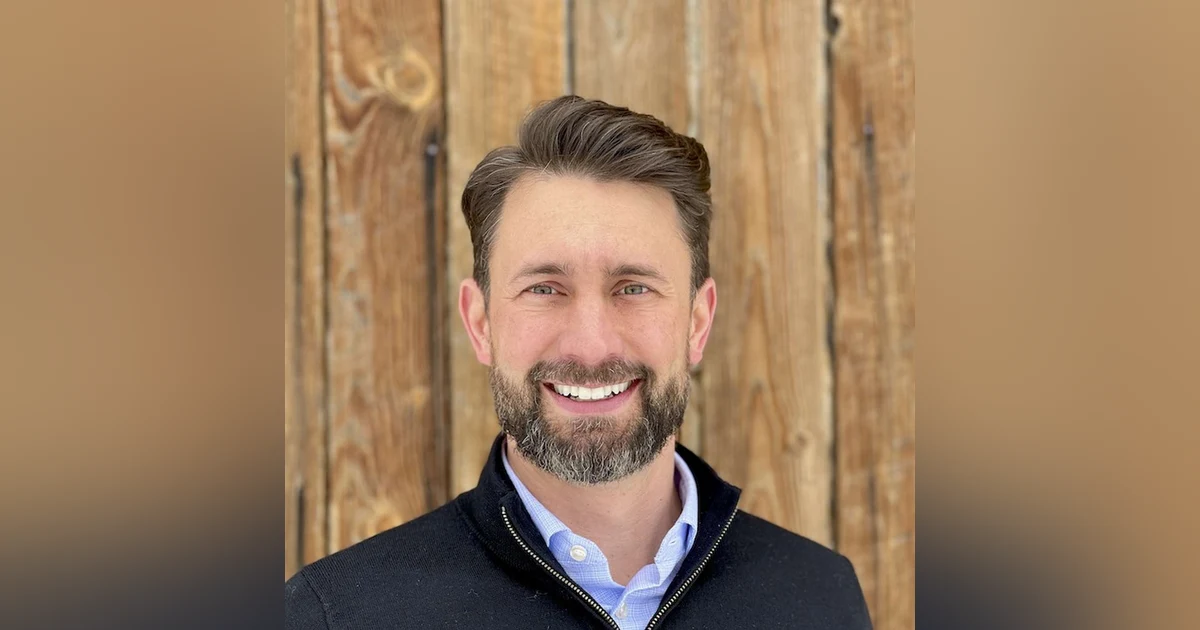
A New Dental Partnership To Allow Dentist To THRIVE: Mike Baird, CEO of Accelerate Dental
In Honor of Scott: Bringing Hope to the Dental Community Today marks three years since Scott chose to leave this world and then lost his battle on March 13, 2022. I'm dedicating this special episode of my podcast to honor his memory and the dream he held so dearly—helping dentists THRIVE. Scott was passionate about mentoring new dentists and sharing his wisdom. He loved the clinical aspects of dentistry but often expressed how the weight of practice ownership felt overwhelming. His story reso...


In Honor of Scott: Bringing Hope to the Dental Community
Today marks three years since Scott chose to leave this world and then lost his battle on March 13, 2022. I'm dedicating this special episode of my podcast to honor his memory and the dream he held so dearly—helping dentists THRIVE.
Scott was passionate about mentoring new dentists and sharing his wisdom. He loved the clinical aspects of dentistry but often expressed how the weight of practice ownership felt overwhelming. His story resonates with so many in our profession who feel the same burden.
That's why I'm excited to introduce you to Mike Baird, CEO and Founder of Accelerate Dental. When I first met Mike, I instantly recognized that his approach was exactly what Scott had envisioned—a partnership model that allows dentists to focus on what they love while providing the support they need.
In today's episode, we explore Mike's innovative approach to dental practice partnerships, his vision for giving dentists greater autonomy while expanding their influence, and how technology is transforming every aspect of the dental industry.
Accelerate Dental represents that crucial alternative path—one that brings hope and positivity to our dental community. They've created a supportive environment where dentists can succeed not just professionally, but personally too.
This conversation feels especially meaningful today as we remember Scott and continue his legacy of supporting dentists in living balanced, fulfilling lives.
Listen now to discover how this radical approach is reshaping the dental ecosystem and challenging traditional DSO models.
#DentalPodcast #InMemoryOfScott #AccelerateDental #DentistWellbeing
Mike Baird | CEO
Contact information:
Website: https://acceleratedental.com/
Michael Baird is the CEO of Accelerate Dental, an innovative Dental Partnership Organization helping entrepreneurial dentists retain practice ownership, increase practice growth, and deliver higher quality care.
Prior to founding Accelerate, Michael served as CEO of Henry Schein One, helping the world’s largest dental software company transition to the cloud and overseeing a software portfolio used by 70% of Dentists. Before that, Michael was founder and CEO of Avizia and served as President of Amwell after Avizia was acquired in 2018. Mike helped grow Amwell to be the largest provider of telehealth technology and services in the US with a successful IPO in 2020. Earlier in his career, Mike held senior positions at Tandberg, Cisco, McKinsey & Company and Dell. Mike serves on the boards of the American Telemedicine Association, TimelyMD, and is also a Venture Partner at Waterline Ventures, a Boston based venture capital dedicated to digital health transformation. Mr. Baird holds a BS degree in accounting from Brigham Young University, an MBA with distinction from the Kellogg School of Management at Northwestern University, and was designated in 2005 as a Siebel Scholar.
Mike has been honored multiple times including:
2023 Henry Schein One UK, “Best Places to Work”
2022 Henry Schein One, “Best Places to Work”
Takeaways
Accelerate Dental aims to keep dentists as entrepreneurs rather than employees.
The rise of DSOs has changed the dental practice landscape significantly.
Ownership is crucial for optimal patient care and practice management.
Mike Baird's background in healthcare and technology informs his approach to dental partnerships.
Dentists often feel isolated in their professio
✨ About the Host & Ways to Work Together
Melissa-Sue Methven hosts Not Alone with Melissa-Sue Methven, and is an author, speaker, and breathwork facilitator guiding emotional, nervous-system, and spiritual healing. She uses storytelling, expert conversations, and lived experience to help people reconnect with their body, release stored emotions, and return to wholeness.
Available for:
- Speaking engagements & keynotes
- Breathwork & nervous system workshops
- Podcast guest features & collaborations
- Faith-based, wellness, and integrative health events
🔗 Inquiries: Breathwork Coach & Speaker | Mélissa-Sue Methven | Phoenix, AZ
📘 The Truth Behind the Smiles explores grief, emotional suppression, faith, and the journey back to self.
📕 Amazon: https://amzn.to/4mSAcEt
🎧 Audible: https://www.audible.com/pd/B0DG5ZZN5C
🌱 Coming Soon: The Gut God Connection & Gut God Blueprint Coaching Program, focused on gut health, nervous system regulation, emotional healing, and faith-aligned living.
✨ Join the waitlist: Melissa Methven
🎧 Subscribe to Not Alone, share episodes, and leave a review.
You are not alone 🤍
Welcome to Not Alone with Melissa Methfin, a safe haven where we embrace our truth and break the silence surrounding our struggles. Here, we believe in the power of sharing our stories, fostering a loving community filled with hope, tools, and resources for healing. Together, we'll explore the journeys of those who have faced adversity, offering insights and support to ensure no one suffers alone. Join us as we shine a light on the path to healing. One authentic conversation at a time. Welcome to today's episode where we're joined by Mike Baird, the founder and CEO of Accelerate Dental, a company that is transforming how dentists grow their practices through strategic capital investment, comprehensive back office support, and innovative growth programs. Mike brings exceptional leadership experience as the former CEO of Henry Shine One and president of MWELL with an accounting degree from Brigham Young University and an MBA from Northwestern Prestigious Kellogg School of Management. Mike's business acumen has earned him recognition as an entrepreneur of the year by Ernst Young. Today we'll explore Mike's radical approach to dental practice partnerships, his vision for giving dentists greater freedom while expanding their influence in how technology is transforming every aspect of the dental industry. From patient care to business operation. Join us for insightful conversation with a leader who's reshaping the dental ecosystem and challenging the traditional DSO models. So welcome, Mike. I am so grateful to have you on today, as I have so many wonderful dental brothers and sisters that I know I want them to listen to this episode and what Accelerate Dental offers as a partnership for dentists. So before we dive in, could you share the story behind founding Accelerate Dental? And what problem in the dental industry were you trying to solve?
SPEAKER_01Awesome. Well, it's great to be with you, Melissa. Definitely a topic that I'm passionate about. You asked about how we started Accelerate. You know, I worked in dental for a number of years. I was the CEO of Henry Shine One, as you said, doing dental software and worked with many of the DSOs. And we were really struck by this idea that there's only kind of two options for dentists. You sort of go it alone and be solo, or you know, you join one of these DSOs. And it felt to me like there should be more options in between that. And let me tell you the why. I worked in the medical industry for a number of years. I was CEO of a couple companies in the medical space, and we saw that after 30 some odd years of investment, 80% of doctors no longer own their practices. And we really felt like that was really important to what drives optimal patient care, that doctors are the ones that care most about their staff and about their patients. And so we wanted to try to figure out a model that didn't ultimately result in doctors selling all of their equity to investors. And so thus Accelerate was born. So we we kind of have three unique things that we work on. And we'll we'll talk a little bit more about that today, but but it's really centered around this idea that doctors need to have ownership for the long term.
SPEAKER_00Yeah, yeah. I love the whole concept. So your company focuses on keeping dentists as entrepreneurs rather than employees. What major changes have you seen in the dental practice ownership landscape over the past decade?
SPEAKER_01So what's been interesting is over the past decade, um, if you were to go back to 2015, these dental support organizations or DSOs represented less than 5% of the market at that point in time. And, you know, so it was pretty rare that you would run into someone that worked for a DSO. And I think there was a lot of fear amongst dentists as to where that was headed. In COVID, it it shot up dramatically. You had a lot of dentists that were closed, they had, you know, really big challenges with costs. A lot of the labor supply dried up as hygienists and others retired from the workforce. And so that stress kind of really accelerated the way that people started joining some of these DSO models. And today it's estimated that roughly 25% of dentists are part of a DSO of some sort. And as I said, when we started, we wanted to do something very, very different, this focus on entrepreneurs. And so the first thing that we do that's just incredibly different, and when I say everyone wants to say their model is different, and that's true, we all do things slightly different. Well, in our industry, there's roughly, depending on who you ask, 250 DSOs that are investor-backed or owned by private equity. As far as I know, we're the only one out of 250, so it's really different. That our first principle when we partner with doctors is we will never be majority owners in their practice. We always want to be the minority. So think less than 50%. And there's a reason for that. It means that in any decision, anytime, anywhere, we don't have control. We can't say, well, you need to do this because we're the majority owner here, which is basically how most of these investor back groups work. And the reason for that is we wanted to attract the kind of people that didn't want that model, if that makes sense. So if you're naturally inclined to want to run your practice, to care about the nuts and bolts of the operation and the things and the policies and procedures you do with your team, well, then you're probably not going to join a model where someone is ultimately going to tell you what to do. And so we we wanted to do something very, very different. And it tends then to attract people that fit that model and want to be entrepreneurs. Because while those changes in the dental practice landscape are happening regardless, right? DSOs are coming into play. That has a lot of implications for the supply chain and how much labor costs and what negotiations people can do with insurance and who can't, you know, we we believe that over time, solo practices get squeezed a little bit by some of those trends. And we were trying to find a way to create some middle ground where they could both have the benefits of scale, you know, more leverage and negotiation and better access to talent and all the same insights on best practices and how to run their practices, but also not give up the heart and soul of what is so great about not only dentistry, but healthcare in general, which is this is a private practice. And I'm here as a doctor to give my best recommendations to you as a patient for your personal health and well-being. And so as those changes have come in in the landscape, as you mentioned, we're trying to build a model that meets the needs of dentists.
SPEAKER_00I, yeah, I love that. I love that you said the heart, because that was what I didn't want to lose when I sold their dental practice in Wasilla, was I didn't want to lose the heart. What Scott, my husband, who was a dentist and had a practice for 15 years in Wasilla, Alaska, didn't want to lose what he worked for so hard in a dental community. They loved him, how he was generous, he was a perfectionist, he's on top of the end for technology. And I was opposed by a DSO. And the first thing they asked was, you know, how much money, you know, the profit and losses. And I knew they were gonna come in and change everything. Like the staff was afraid, and they were like family, and they still are. And that was it. So I love that you mentioned that, that you keep the heart of what the vision the dentists want, because that's unusual, you know, because I've heard too many people were, you know, not every day, DSO is bad, but majority of the time there's a lot of cost changes and staffing and and I didn't want to lose that for our dental practice. So I I really wished uh I knew about accelerate dental at the time. That would have been a great option for us. Now, what's your professional background and how did it prepare you to support dentists, entrepreneurs?
SPEAKER_01So I started off with an accounting degree. I worked in finance and then marketing at a variety of tech companies. I ended up getting my MBA from Northwestern University from the Kellogg School of Management, and then ended up being a consultant. I worked for McKinsey and Company for a number of years and worked with many, many different industries and businesses. And after that, got back into tech technology. So it was about a 10-year part of my career where all I did was tech from an industry perspective, but from an operations perspective, I had done marketing and finance and strategy and pricing and operations, and finally was a general manager, you know, running multiple teams around the world. And I ended up getting into healthcare. I started a company in the telemedicine space, helping deliver critical care to people that didn't have access. We started in the acute medicine world, so we were doing a lot with telestroke, you know, behavioral health, pediatric cases, particularly for rural areas where they didn't have access to physicians, and ended up growing that to be a very large company. We we ultimately went public on the New York Stock Exchange after a series of acquisitions and mergers and things. And then I got recruited into dental and worked at Henry Shine One, did that for three years, and then really decided to go back to my entrepreneur roots to start accelerate. Well, you know, and apologies for that long story, but why that matters is when we started this, we we think about and we talk about, and a lot of you know, your podcast is about not being alone, right? And I feel like dentistry is in many ways the most solo profession, right? It's actually very rare to have an organization where you have someone that's incredibly educated, spends so much time learning how to be a physician, and they're supported by wonderful staff. But generally in a company, you tend to have more levels and tiers and staff and peers and you know different functions. And in dentistry, you're really quite alone. There's a pretty big gap between, you know, a dentist who's 35 and has put, gosh, 20 years plus of their life in education. And, you know, a lot of their staff are right out of high school, you know, 20, 20 years old. They probably don't have as much of an education. And so some of those interesting trends makes a dentist feel even more alone. And so, you know, my view for dentists is they they really need to have, we believe dentists are the CEO of the practice. You know, they're the heart and soul of it, as we said, but they're the CEO of their practice. Well, when I've been CEO, which I've had the pleasure to do four times now, I've always had big teams, you know, not just a front desk receptionist, right? I've had a strategy team and an operations team and a procurement team and a marketing team and, you know, whatever it may be, a finance team. And so that experience for me of having lived in those different professions and having a wealth of experience, and then looking at a typical dentist who spent hundreds and hundreds of hours on the clinical side, but generally has just a sliver, you know, of business expertise, and yet they're expected to run, in many cases, a multi-million dollar business that's very complex. You know, you're dealing with insurance and customer satisfaction and you know, procurement, all those things. And so our view was well, how can we transform this? How can we take the experience that I bring or that my team brings and let a dentist have those functional teams? You know, we're we're aspiring to make a dentist feel like, okay, I actually have a marketing team, you know, I have an operations team, I have a training team, I have a finance team that I can rely on, I have someone that's going to do my procurement. And ultimately it's it's bringing sort of my background where I saw how helpful it was. The reason I was successful in the prior businesses that I founded and grew was because I had the time to go through the ropes of learning and making many mistakes, by the way, in all those different functional areas. For a dentist, if they make big mistakes, sometimes it really can drive their practice in the ground. And so we're trying to figure out ways to take that knowledge that not only do I bring, but hopefully experts that we can bring to bear for them and give them that support. So they they still get to be the CEO, but a good CEO, frankly, isn't good at it's the jack of all trades and master of none, right? What I love of being CEO is I don't have to be the marketing expert or the operations expert, the procurement expert. I love to focus on the culture. I love to focus on the customer. I like to focus on the things that I think matter for how my brand is perceived and have an expert in all those other areas to help me. It's the same thing for a dentist who has their name on the door. It's just not feasible for them to become an accounting expert, you know, or a procurement expert, or a marketing expert. And yet we actually expect that of them to have a really successful practice. So it's funny how my career arc and journey really led into this partnership of how can we bring something into bear that lets the CEO be the dentist and yet have a team backing them up.
SPEAKER_00Yeah, concentrate on their ignite genius and then just have everybody else take some of that weight, you know, because it could be so overwhelming. I remember, okay, Scott, yes, the the insurance, and then we have to figure out, okay, marketing, what are we gonna do? You know, and so I jump on to the you know the social media aspect, and you're just trying to figure things out and having a team, a community to just focus and he can focus clinically. He always said that. He said, I wish I could just go in. I love dentistry and focus on that, you know, and and my patients. But it became almost 24-7 emergencies uh, you know, in the evening, on the weekends, he would go, we'd go on vacation, we'd get calls for emergency, you know, at the office. I love that you build a community for the dentist because I know for my husband at our dental practice, we had to figure out, yeah, marketing, the social media. I he's like, oh, I'll jump on to social media and try and figure that out. And it just left him almost working 24-7 in the evenings. He'd get home and try and and do everything on his own. And then on the weekends was emergency. So it just I feel like you can't do life alone. Well, near neither can you do dentistry alone, having that community to help you alleviate that weight. So it's not just on the dentist to figure it all out and from people that already you know have the experience or community to kind of look like, well, that worked at that office, but it didn't for this one. So let's try this model.
SPEAKER_01Yeah.
SPEAKER_00So I love that you provide that. So one of your guiding principles is dentists first. How does this manifest in your day-to-day operations and decision making?
SPEAKER_01Yeah, so I'm a big believer in setting vision, mission, values, you know, for a company. And when we got together as a team to write our values and we were starting our company, and we have a lot, and we'll talk about a few of them here, but the very first one is dentist first. And the reason for that is we really wanted to have a company that was very dentist-centric and was trying to do what was best, not only for an individual dentist, but also for the industry as a whole. And so it's something that comes up pretty regularly. And I'll give one example of it, actually. When we drafted our operating agreement, so whenever you start a company, you have to have a legal operating agreement. Here's how we do things, here's how we vote, here's how people get paid, et cetera. And one of the things we put in was that the management team is not allowed to sell the company, right? So it's not our job to go sell this. And in fact, that's not our objective, right? We're trying to create something that lasts, you know, for a hundred years. But I remember my lawyer saying, that's really weird. You know, you need to have a way to sell the company. Like, well, we'll put a vote in here, but it has to be dentists. You know, if the ones that are practicing, they can make that choice. It's not my choice, this is their company. And so what's really nice about it, and we have a few councils, uh, so we have a culture council and a clinical council. And what we have tried very hard to do is figure out ways to make sure that the dentists feel like this is their company. So I talked about how the first thing that we do different is we're always a minority owner. Well, the second thing is accelerate is owned by dentists. You know, we have 48 dentists, and the vast majority of them are owners of the company. And it just means that in everything that we do, we're aligned. We're trying to have alignment. And the purpose of that is, as I said, if the goal is ultimately delivering great patient care, there may be some trade-offs where if it was just a business decision, you might you might make a slightly different choice. But but what dentists are so good at is they know that, well, I might have to do this little thing for my neighbor, or I might have to do this little thing since it makes sense. And maybe it's not the right answer, you know, for their bank account. Though, frankly, I believe that because they deliver such quality care for their patients, they go tell their friends and they end up getting more business because they're they're they're great in what they do. So it's a reminder to us that we always want to be centered around what's best for the dentist and so on. Every policy question or procedural question, when we're trying to figure out the right answer, we start with that question first.
SPEAKER_00That's fantastic. So you also mentioned the one plus one equals four as a principal. Could you walk us through a specific example where this collaborative approach created exponential value for practice?
SPEAKER_01Yeah, so that's our second value: one plus one equals four. And it's because you know, we're we're a group that supports dentists, right? And so we always talk about alignment. And when we partner with a dentist, we spend a lot of time thinking about if we're gonna be partners, what are the things that we're both going to try to do together, and will that add value to you? And in fact, the way we structure our partnerships with dentists, we basically lock in the value of their practice and the work that they've done and their profit distributions that they've had to date, and we say, that's yours. We're actually not gonna touch that. The only way that we get value as an organization is we can grow above and beyond that. And so we start in a partnership of always having this dialogue. If we're gonna put in a bunch of work and you're gonna put in a bunch of work, hopefully the sum of the parts is a lot greater. And that's really what one plus one equals four equals. And so what's been fun about that is we've worked with a number of dentists where, you know, they they've taken their practice as far as they can go. They've worked very hard, they've done CE training, they've got their business expertise, and you know, they'll they'll grow their practice, but they kind of hit a limit where they don't know where to go. And I could rattle off 20 practices where we've come in, and this is a sub-million dollar practice, you know, doing 700K, 800K in collections, and we start working together and we bring in an associate to help them out, and we help them understand what the right policies and procedures are for that associate and how you should compensate them. And we go in and help them with some best practices around, you know, schedule blocks and how to do collections better. And we start working on, well, let's help you with some of your procurement stuff and renegotiate some of your insurance. And, you know, we've probably done this 15 or 20 times now, where after a three or four year period, that million dollar practice is suddenly a two and a half million dollar practice. And and now it's substantially more profitable because as you grow, it gets a lot better. And we measure ourselves on that. We want to make sure that this is better for the docs. You know, we we we have a meeting with them every single year. We bring out what were you making before you started with us, and what have you made every year since then? Because we want to hold ourselves accountable to show that this is a good partnership. And if it's not, frankly, we shouldn't be partners. You know, we're we're here to add value to you. And so that's something that we do in every single practice that we have. In fact, we just finished. It took us two full months of the year to get through all of our doctors because we meet with them and their spouses. But on average, with our practices, after usually about the three or four year mark, we've doubled their collections, their equity is worth two and a half times what it was before. And on average, they're making 50% more than when they started with us. And so if we can deliver that kind of value, this one plus one equals four, then we know dentists will want to work with us and they're gonna tell their friends about us. We we don't market it, you know. I we actually don't just randomly call practices and say, come talk to us. Every single person that comes in comes because they heard from a friend, you know, that said, Oh, I really like these guys, you should join. And and so we have to hold ourselves that standard. If we if we can't add value, then we shouldn't be partners.
SPEAKER_00Yeah, yeah, that's it's so valuable. I love that. And your other value is the perpetual model principle and fight, emphasizes long-term value over short-term gain. So, in an industry where many DSOs focus on quick growth and exit strategy, how has this approach been received?
SPEAKER_01Yeah, and I want to be careful here because there, you know, as I said, there's 250 DSOs. It wouldn't be fair to say they're all bad or they're all good. You know, there's there's obviously a spectrum in there. But we want to do something different. And in particular, I think since COVID, when a lot of DSOs started growing, a lot of outside interest came into the space. And so tons of investors would come in and they'd say, hey, we're just gonna buy up, you know, 20 or 30 practices and we'll sell it to someone else. We're gonna make a ton of money, you know? And yet often what ends up happening is those dentists sold their practice, they become employees. They might even like the first group that they work with, but then a new group comes in. And if you know, if they made a big profit, they paid a lot more for it. Well, that new group has to figure out how to make a profit. And so they might start to make more draconian cuts or things of that nature. And, you know, again, I'm not here to judge the industry, but we felt like that wasn't really great. You know, we felt like part of the problem with this model is if the goal is to flip it, then we're actually not focused on the long term. And, you know, for better or for worse, if you're in an investor-driven model, that's often the goal is we want to flip it. And hopefully people make profit. And I'm not saying there's anything wrong with that. But with our dentists, we want this to be about the long term. And so, as I said, we set this up to never be sold ever. And so when we say perpetual, perpetual means we want this practice to be owned by a dentist, not just for the next three or four or five years, but for the next 50 years. And by the way, that's actually a sacred trust to us because many of these practices have been owned by 50 years. We we work with practices where the grandfather started it and passed it off to their son, who passed it off to their daughter. And, you know, we we think, well, wouldn't that be great if this name was still on the door 50 years from now? So the perpetual model for us means as a group, even though we We partner with practices and we're we're part owner owners in these practices. As I said, we're minority owners and we never want to own more of it. So when a doctor wants to retire, we help them find another doctor to sell to because it's it's paramount to us that the doctors remain in control and that that practice will be owned by doctors in perpetuity. Today, in the medical industry, as I said, 80% of doctors work for a corporate entity. Almost no physicians own their practices anymore. And that's actually kind of sad. You know, when I was a kid, that was like the premier job was to go be a doctor, you know, and serve society. And yet today I think a lot of people run away from it because they feel like it's just another job. I'm gonna be in some corporate setting, I'm gonna have someone telling me what to do. I can do three minutes with my patient, then I gotta move on. And that actually, we think over time degrades the quality, you know, of care. And so in our world, I think that the profession of dentistry is one of the best professions. You can make great money, you can have great work-life balance over time, you know, you can have time with your family, but you can also be an important member of the community. And so when we say perpetual, it's that dentists need to own this now and in the future. And sometimes I worry that this will be the generation of dentists who actually sell out their whole profession because they think that they might make 10% more off selling their practice to a DSO. And our view was well, there just weren't other options. You could solo or you could join a DSO. And we're trying to create a third way that keeps it for a long time. And to your point, it's been very positive. Dentists are excited about this. They know the impact they have on the community, and and as long as they feel like they're treated fairly and they get to have a quality clinical environment and a quality set of financial returns, they're thrilled for this idea that that practice gets to continue in perpetuity. We get excited about that.
SPEAKER_00I like that like you still, like you said, the patient care still that quality stays there in that heart throughout. And a patient's probably like that, that it's not just always they still, you know, turnover of people, you know, and dentists and hygiene, and you create such a great environment that they can focus on the clinical and their quality. Yeah, that's fantastic. Now, could you walk us through how you typically begin working with the new dental practice? What does the first 90 days look like?
SPEAKER_01Yeah, I love this question because I think that's what dentists tend to think about is okay, I'm gonna partner, and then what happens next? And I would actually say what's way more important is the first negative 90 days, not the first 90 days. When we choose to start looking at partnering with a practice, we usually take about two months, and we go through many, many, many questions with them to figure out if we're good partners. We actually have a it's it's it's an eight-week program that we go through. And week one is what are your goals? Not just your financial goals, what are your family goals? You know, we go through this whole exercise called have do be, where it's, you know, what do you want to have 10 years from now? What do you want to do 10 years from now? And what do you want to be 10 years from now? That's our first goal. You'll notice I didn't say anything about what were your financials over the last three years and what was your EBITDA. We don't ask that. In our second meeting, we say, okay, what's the mission of the practice and what's your vision as the owner and what are the values you have in your practice? You know, again, there's not a question about financials there. By the third meeting, you know, this is three weeks in, we start to have a discussion about what are the operations of your practice? Who are the people that you have and what are they struggling with? And, you know, what does your HIPAA policies look like? And how do you, you know, how do you do on collections and you know, so on and so forth. So we start to get a little more tangible about what's happening in the practice. And it's not until week four when we say, let's look at your financials. And then we start to talk about that. But I share that because we spend a lot of time and effort and money to get to know these dentists and what they're looking for and what their true long-term goals are, because that's actually what's important. And interestingly, we're in an industry where if most DSOs are private equity backed, and when they come to talk to a practice, there's kind of a hard floor, and it's around 1.2 to 1.5 million. That if you're not above that number, it's not even worth their time to work with you because they can't optimize it fast enough. We have no such constraints. We just want good dentists. So we've partnered with dentists doing 600k, and dentists doing 800k, and dentists doing two and a half million dollars. Doesn't matter to us. What matters to us is this a quality practice that has a vision and mission on where they want to go with good staff. And so anyway, I start with that because if you figured that out, then you start to set the tone for what the next 90, 180, 360, and frankly, 10 years are going to look like. The first 90 days are what you'd expect. We spend a lot of time on systems integration because we take over the finance and accounting. We got to transfer the website over so we can start tracking the marketing and where things go there. We take over the benefits and payroll, we start taking over all that back office stuff. And frankly, that's not really sexy stuff. It's in the background, and we really don't actually feel change at that point. But starting at about month four, five, and six, where that's done, and we can now be your business partner. And we can now start to say, okay, we got some new insights from the marketing campaign we ran. You know, we got a few more patients. Should we modify this or not? What do you want to do? And that's where it starts to get much more operational. And so we typically bring good business practices to a dental practice, which is all about goal setting. And I'm really big on goals. You know, there's been research done that shows if you write a goal down, you're 43% likely to have that goal happen. If you share it with somebody on a weekly basis, you're 76% likely to have that happen. So, as I mentioned, our annual process when we meet with dentists and their spouses to go over where are your goals at? Are we making progress on it? And so from there, it becomes more of a cadence. We have coaches and support mentors that come into the office, usually on a bi-weekly basis. They're doing daily calls with one another. We do monthly management meetings where we're going over the doctor's goals for the practice and we do board meetings. But it really, for me, comes down to building a relationship of trust. What are we both trying to accomplish? And are your goals aligned with our goals? And every practice that we've partnered with, that's never something that says, well, I want to be out of this practice in 30 days and I'm done. I actually don't care about the community and I don't care about my staff, and I just want to make as much money as I can. It always starts with, man, I love my patients and I love my staff, and I would love to make sure this is a great environment for them. And I want to see, I feel like I'm a good dentist, you know, the community likes me. And how can I make that go even broader? You know, and in fact, I love my profession. I'd love to get someone else in here that I could help mentor and teach the ropes. And when you're aligned around those things, it's fantastic. And so that's how we approach it.
SPEAKER_00Oh, wow. I love that approach. So, how do you balance providing support without taking over? How do you ensure dentists maintain their autonomy?
SPEAKER_01Yeah. Well, as I said, we we sort of legislated that into existence, you know, by the fact that we're never a majority owner. And so we literally have no way, you know, to tell someone. But but we do try to set up as a partnership. As I said, when you go through this diligence and partnering process that we go through, you've had good discussions about what those goals are and we're on the same page. You know, for us, it's all about alignment. And so when we're getting together on those bi-weekly and monthly and quarterly meetings, we usually start with what were the goals the dentist had. And so what where we can add value is we bring data into play. So we have 30 practices across three states right now. And so we'll come and say every practice is a good practice because every practice has a great dentist that's doing their best to deliver care. And so we always start with here's the things that, you know, if we were to compare you to your peers, you're doing really well. Your Google reviews are amazing. So clearly your front desk is doing happy things, you know, they're they're treating people well. We can tell that you're not doing a lot of rework. Clearly, you know, you're a good clinical dentist. But hey, we've noticed that your collections are actually at 70%. You don't need to change it because we like you however you are. But if you want to change it, we can help you with that. You know, we try to bring them coaching and suggestions. When I always say the reason why it's so important to us to be a minority partner is it changes the tone of the relationship. I'm not a manager. I'm not above you. In fact, if anything, I'm below you in this discussion. I am a partner, I'm a peer, I'm a coach, and I'm someone to help. In fact, we even, you know, a lot of groups will have a regional manager, you know, that's there to help you with your office. We don't do that. We actually have an executive advisor, is what we call our role, because their job is to be an advisor to the head of the practice, which is the dentist, and bring things into them. And so by having that relationship and bringing options to the dentist and bringing them data, it's back to that CEO discussion we had before. We've empowered them with a team and they get to choose what's best for their practice. And sometimes that's uh, well, I want to tweak this and this on my collections, but you know what? I'm really involved in the community and I like to do a couple of things that are more charitable. We're okay with that. That's what made your practice successful. We shouldn't change that. Or we'll say, hey, you know, if you're curious, your salaries might be a little bit above average. And that, you know, again, that's okay because you have amazing staff, and that doesn't, and then they'll say, Great, I'm happy with where it's at. Perfect. You know, our job is to bring data, it's their job to to make decisions and have autonomy over their practice because that's what made them successful in the first place.
SPEAKER_00Oh, that's great. So now I'm sure you have many success stories, but I'd love to hear one that you have that where they're, you know, they were maybe they they seem happy, but they wanted to grow. I'd love to hear a success story that you have.
SPEAKER_01I'm gonna blend two together because this one's fun. So I talked about how we go through this diligence process where we want to ask, you know, spouses what their goals are and where they're trying to go. And we we met a dentist, he lives in Utah. And in our first meeting, he said, you know, I actually don't want to live in Utah. I want to live in Idaho, and I'd like to have a bison ranch and an Airbnb. I'm like, okay, this has nothing to do with dentistry, but that, but that's the beauty of it, right? We said, okay, that's great. And the practice was doing all right, you know. He had a partner in the practice and they were, they were doing well. At the same time, we met another dentist in northern Utah whose practice was really struggling. He owed more on the practice than he had an equity value by far. And in fact, this practice was going bankrupt. And, you know, I'll spare you all the details, but if you could fast forward five years later, we we took this doctor from northern Utah and bought out this dentist in that lives in the middle of the state near Salt Lake City. We moved dentist number two from this practice to Idaho and found him a new practice there. And he found a bison ranch and he has an Airbnb and he has ownership in two practices in Idaho. And now that dentist who came from this other practice, he gets along really great with the second doctor in this practice. And that's become a two and a half million dollar practice that's that's really thriving right now. And so for us, a lot of this comes down to what are the goals and aspirations and where's the fit? Where are the right people? Because if you're not passionate about where you live and what you're doing, well, this isn't the right place for you. Let's go find you somewhere better. And if you're in a practice like this first doctor who was just drowning, well, now he's in a supported practice where he's got help on the financial. He's got a great partner. In fact, his partner is now about to retire. And this dentist who we moved down that was struggling before, he's now stepped in to be a great leader through all the coaching and stuff that we go to. And his son is now coming into his practice, which is always super fun to see a father-son combo or a father-daughter combo or a mother-daughter combo in a dental practice. Because I always like to say, you know, if we were to rewind five years ago with where this doctor was and how he was struggling in his practice, I don't think his son would have gone to dental school. Some would have said, This is a terrible thing. My dad's not making any money. He's totally stressed. He can't figure this out. And instead, the son's like, this is an awesome place to be, you know. I love this dentist. He's very involved in the local community. He loves the local university and goes to all the sporting events. He's always wearing, you know, a logo from his favorite sports team. And he's just happy. And so to me, it's figuring out these puzzle pieces of how do we bring great dentists together with great support and helping them be successful.
SPEAKER_00What a beautiful story. Like such a win-win and rewarding for you all. And I think I've definitely heard so many dentists that feel stuck, you know, they have this other dream, just like you said, the gentleman with the bison farm. But they're like, oh, how do I pick up and leave and restart? You know, it's a lot of work. So that you can help facilitate that. For many, they they don't see a way out until they retire, you know, they live that dream. That's a beautiful story. So, what measurable results do practices typically see after working with you for that year?
SPEAKER_01We generally coach them not to expect something big in the first year. I'd say on average, I think we're around 10 to 20% improvements in the first year, but we are much more aligned around the longer term. That's what you're actually going to see is at year three and year four and year five. And that's because the things that really, you know, we we can come in on day two and change the procurement contracts and get you 2% more profit. You know, we can hopefully start to train your staff on scheduling blocks and you know, maybe we improve your production by 5%. We can start to work on some of the collection stuff, and sometimes there's a little more money there on the collection side. But but all those things tend to be smaller. Where you make bigger impact in a practice is how do we expand the practice? Is there a way to knock down a wall and put a few more chairs in here? Or wow, you're actually turning patients away. Let's actually go find a bigger space, move into that. Or have you ever thought about having an associate? Because this practice could actually have two associates, not just you, right? And it's usually those things that we work on that have the biggest results is, and that takes time. That starts to, you know, you bring in an associate, it takes us, you know, six to 12 months to find, it takes another 12 months for that associate to ramp up. But by a year two and a half, you know, three, now the practice is humming. And and and so what we generally then tell these doctors is to expect that by year three or four, that's when you see something different. And honestly, our average is to more than double uh these practices by that point in time. And more importantly, because it's one thing to double the top line of a practice, if you looked at the profit line, it's usually eight times bigger because most solo doctors are actually not making what we would call a profit. You know, if you looked at their total take-home income, if it's less than 30% of what they're producing, then they're actually not making a profit because we consider 30% to be the dentist's wage. And everything on top of that is profit. And most docs, when we talk to them, are in that 25 to 27% range. And so the first thing we do is we start paying them 30%. In fact, we pay them 32% for our lead doctors. And then we figure out how to change that profit. And what's interesting is when you bring in that second associate, often doctors think this is a fixed pie. They're like, well, but if I bring in an associate, it's gonna cut my patients in half and I'm just gonna make half as much money. We're like, no, no, no, no, no. That's not how this works. We're gonna market, we're gonna get you some new patients. You know, when you start doing better recare and you get people in for other things, you're actually missing out on things that are happening. And that's where we actually see the practice double on the production. But more importantly, what dentists sometimes don't understand is that in a dental office, you've already paid all the cost to run that practice. You already have an office manager, you already have staff, you're already paying for the equipment, you already pay rent. Those are actually already paid for, and dentist number one kind of bears the brunt of all those expenses. So when dentist number two comes in and starts doing new production, it's way more profitable because I already paid for those first things. This is an easy way to think of it. And so you actually see the pie expand pretty dramatically. And so that's what we get excited about is when we talk about dramatic turnarounds, we talk about measurable results, you know, some of the things you and I have talked about, it comes from that. And like I said, on average, if we start partnering with a million-dollar practice after four years, it's almost always a two and a half million dollar practice. On the top line, you know, we say the doctor's equity is worth two and a half percent. That means even though they have their profit, you know, we have a little bit of profit, and their associate has profit, that that the profit pool's gone up by six, you know, because they're they're doing two and a half times more profit than they had before. So it's it's a beautiful thing, and it and it's really helping dentists operate at scale. And by the way, more importantly to me, is now that's a doctor that can go on vacation. Because you you know how this is, Melissa. How often do your husband feel like you go on vacation? It's like I'm stuck, I can't go, I got patients, there's gonna be an emergency, someone's gonna call at you know, two in the morning, and now I've got an associate. And by the way, often we get these neat associates that come in out of school and they've learned some new things, like I'm really into airways or I really want to do implants or something like that. And so the practice can start to do more. You know, we start doing orthodontia of some sort. That that that tends to, more importantly to me, like it's great to see a financial turnaround. And obviously, money is an is an enabling thing, but it's even more fun when that dentist is like, you know what it's like to actually get four weeks off a year? It does so much for your your mood and your back and the way you get to relax and go do something new. And so when we talk about results, that that's really one of the things that brings us the most joy.
SPEAKER_00Oh, yeah. I mean, not being able to feel like you have to work five, six days a week because, like you said, you're back. That's what happened to my husband. He, you know, we opened up the practice. We actually lived an apartment downstairs to start off. And actually, assistant used to bang on the on the floor to be like, we're ready, your patient's here. Now, of course, by the end we had little chimes, you know. But uh, but it just it felt like he needed to work six days a week, you know, the student loans, opening up the practice and the back breaking, couldn't take a break. So that's very, very important as well. So industry insights with increasing corporate consolidation and dentistry, what do you see as a future for independent practices?
SPEAKER_01Yeah, honestly, this is one of the reasons why I started accelerating, because as I mentioned at one point in my career I worked for McKinsey and company, so strategy consultant, looking at trends across big industries and how they move over time, which when you're you know one tree in the forest, you don't necessarily pay attention to the trends. What happened in medical over 30 years, where it went from everyone you know, the family doctor who owned their clinic, to today almost no doctors on the owner clinics. That's what's happening in dentistry. And so why does that matter? It matters because if you're a dentist in your little private practice, and especially if you're in a larger area where there's lots of patients, eventually one of these bigger practices is going to come next door to you, you know, a corporate practice. And again, I'm not saying that they're the bad guys. This is just kind of what business is. This is what Walmart is, right? It's why the mom pop stores are, you know, gone the way with Walmart. And it happens because they've got better supply pricing and better insurance negotiations, and they can market their singular brand on national TV. You know, usually you're not seeing Dr. Scott advertising during the Super Bowl, right? But but some of these entities actually can do that. And over time, that tends to squeeze it because it's hard to be competitive. And so, like I said, we want to figure out a way to say, how can you have a dentist be an owner and retain that autonomy, but have access to scale? And so I think there's different ways an industry can go. And what I want to see in dentistry is that it doesn't move the same way that medical did. One of the analogs that we use is we look at accountants and lawyers. So if you look at Ernst ⁇ Young, I always like to use, it's a huge multinational accounting firm where you make partner. If you're a good dentist, or sorry, accountant, you make partner. And that means you get the collections of your office where you've got your clients, but you also share in the profits of the firm. And I love this model because Ernst Young is not a publicly traded company. The shareholders are the accountants. It's not owned by private equity, it's not going to be sold by someone. The owners are the accountants. They own their industry. And what I love about that is that that partnership model you see most in professional services, areas where trust is very important. So you want to feel like when you go to your accountant or to your lawyer or to your dentist, you know, you want to feel like when he says or she says, you need to do this bit of work. You want to feel like, okay, he's telling me this because that's his professional opinion. He's done a lot of research and he knows what's there, and not because, well, I know he wants to make a good paycheck, but he's got shareholders that are saying, how do we grow 30% this year, right? And so we look at dentistry and wonder, well, why does this model exist? Because it lets us solve some of those things, because we can let that dentist who still has their name on the door and still is the CEO of their practice, get access to better supply chain efficiency, better procurement contracts, get access to tech support at scale, you know, get access to better insurance negotiations, you know, get access to all the business insight on how to run my practice so I'm not alone because they can they can take the ideas. And so that's why when we see where the industry is going, we think it's important. That doesn't mean that every dentist has to sell out. I mean, you know, like I said, only 80% of medical doctors are in corporate practices today. There are still some. But generally, you know, for that 20% that didn't sell, 10% of it is actually tiny, tiny, tiny, tiny practices that nobody wanted to buy. That's part of it. Or it's like some Beverly Hills clinic that's on TV and it's a private practice, but it's not like URI is private practice. And so we we see those trends coming and we wanted to figure out how to adapt to still have excellent health care. And to us, the clinicians at the center of that.
SPEAKER_00That's fantastic. So, how many dental Practices struggle with staffing challenges, and how does your team approach helping practices build and retain great teams?
SPEAKER_01Well, it's funny, the ADA does a study every year where they pull dentists on their challenges. And I won't remember the exact numbers for the 2024 study, but it was something like you know, 60% of them are worried about costs and you know, so on and so forth. But I think the number was 36% of dentists at any given point in time have an open wreck for headcount. So, you know, that means a third of dental offices are short staffed immediately. And by the way, another third are going to be tomorrow when their hygienist got stolen by that other office and they got a higher stuff.
SPEAKER_00What happened to us during COVID? We other offices be like, oh, hey, you know, we'll opt up to the city.
SPEAKER_01We'll pay you two dollars more, and then oh, we'll pay you two dollars more, we'll pay you $3 more. And look, some of that is market forces telling us we probably need to pay our people a little more. But, you know, it it's a very real thing. And so we on all things, whether it's staffing, whether it's technology, you know, whatever, our job is to bring resources to place. So we have a dedicated recruiter as an example that's there to help go after some of the harder roles. So think record when you're trying to recruit an associate or an office manager or a hygienist, that's a hard role to recruit for. It's a lot easier to find a front desk associate of some sort. But so it's it's both that active recruiting, but it's also what about when we need to go post for an office manager or post for that front desk assistant or a dental assistant? Well, how do I do that? What should the salary be? What where where should I post? Is this going to go on LinkedIn or on some other indeed or on local Facebook? What's the best practice on that? And what should the salary rates be for those? And so part of where we bring help is we can say, okay, if you're looking in Idaho, we have 12 practices in Idaho. We can tell you exactly what people are paying, what's a good rate, what's not a good rate, what the benefits should be, where you should post. That we we actually do just as good sending out an email to all the patients to say, hey, we're looking for a new office manager. Let's get someone who actually knows our office and is really happy and a member of the community. So we'll help them on things like that for staffing. And we try to take a similar approach on other areas as well. Like if you look at things like technology, you know, well, how do we help on technology? Well, our job, you know, a dentist would really struggle to say, let's look at AI as an example. Well, I see all these AI tools and I'm getting advertisements. I should add this or that. Well, what we can do is we can go back to our clinical council and say, who's really passionate about this? And get a couple of people who volunteer to be on a pilot and we'll run it in five practices and we'll we'll track all the data and what did this cost and what changed and how many hours were saved or minutes, and did the hygienists like it? And then we can come back and say, here's data. You know, what we need to do, what's so hard for a dentist when they're alone and by themselves is they don't have data and they're just guessing. And it's really hard over the cycle of a practice to say, well, I'm gonna try this marketing company for three months. Was it successful? I don't know. I may guess we'll try another one. Or let's try the software. Was it successful? I don't know. But I'm afraid to cancel it because I don't want to hurt my practice. They feel so much better. We can come and say, we've tried this, do these three things in marketing, do this thing, you know, with your IT, try this AI software. Here's how you recruit for someone. It's all those things that if we can bring them data, we lower that stress level and help them be successful.
SPEAKER_00Oh, yeah. You definitely lower that stress level. I know we did all of that, you know, and it's trial and error. Absolutely. That's for sure. And then so what's been the most challenging aspect of building Accelerate Dental?
SPEAKER_01The hardest thing is really getting the word out, honestly. I feel like I feel like we're doing something special. And yet, part of one thing that I've learned working with dentists is dentists trust dentists, right? And actually, they're rightfully so a little bit skeptical of business people, probably because they they really don't like doing accounting and they don't like the business side of things. And so we've kind of opted that we hope that people learn about us through other dentists and word of mouth. And so that takes time, right? It takes time to bring a practice on and let a couple years pass and see if they like you, and then tell your friends. And so one of those things is just figuring out how to get the word out there. On the flip side, I would also just say distilling all the data into processes that we can repeat over and over again. So we've invested in a number of tools. We have a communications platform. So our dentists can text each other and throw out a question does anyone out there know how to do this? And three other dentists will respond. More importantly, for the office managers to text each other, oh, we're having a collections problem with this insurance company, and three others will say, Oh, I had that yesterday, here's how I solved it. You know, figuring out how to make those processes be really repeatable, you know, creating the training around it, like this is the way that we do, you know, collections, here's the way that we do scheduling, here's the way, you know, whatever that process is. Getting all those things in place. I mean, we we've officially been a company for you know 18 months as accelerate. We we've brought, we've come into a lot of practices that have been together, some groups that have been together longer. So we have a little more history on some of that data, but it's really trying to get the word out there and figure out how to help more physicians, more doctors.
SPEAKER_00Oh, that's fantastic. I'm gonna help you with that.
SPEAKER_01I I appreciate that.
SPEAKER_00Because right now you are in Utah, right? And Idaho.
SPEAKER_01Yep.
SPEAKER_00And Wyoming. Wyoming.
SPEAKER_01Yeah, Wyoming. So we're in three states. We got 30 practices. We're we're now we we wanted to build that foundation before we started spreading ourselves too thin. But at this point, we feel like we've got the system and the tools in place. And so now we're looking at Arizona, you know, in your neck of the woods. We're looking at Colorado, we're looking at New Mexico and Nebraska. Alaska, Alaska, Oregon, Washington. I mean, all of our dentists want us to go to Alaska. I think every single dentist is like, well, I would be happy to be an associate in these specific months in the summer. Oh, right, right, right. I feel like we'd have this. Why is 20% of your staff all in Alaska during the summer?
SPEAKER_00But uh it's hard. We had an associate that would fly. We had an oral surgeon from Seattle and come to work just a Saturday. Yeah. Because it is hard sometimes to find year-round. Uh, what motivates you personally to continue supporting independent dentistry?
SPEAKER_01So one of our guiding principles, and it's kind of our first one, when you talk about vision, we always say that dentist-owned practices are better for the dentist, they're better for their staff, they're better for their patients, and they're also better for the community. And we strongly believe that. You know, I have five kids. You can't, I do a lot of soccer games. Every soccer game I've got.
SPEAKER_00You have a soccer mom too.
SPEAKER_01Yeah, every soccer game. Like, we'll be in Arizona for a tournament. And I was at one last week in southern Utah, and I look around every time. In fact, we were in St. George, Utah, where we actually have three practices, and I was looking around at the stadium, like, oh, there's no dentist here. We should get one of our dentists to advertise here. But you can't go to one of those sporting events without seeing a dentist. And it just is reflective of the support and the involvement they have in the community. And so I just, again, I'm not saying I know other DSOs probably advertise with schools, and I'm sure they do some of those things, but we never want that to go away because sometimes the dentist does it because of the coach. Because who has time to be a coach? You know, that poor dentist who is working three and a half days a week because their back can't tolerate, they actually need to go like walk around a little bit. And so they're happy to be the basketball coach and the soccer coach. And and so that that's part of it. You know, I'd also just say on a personal level, my life has been transformed by dentistry. I I have a brother who's a dentist, my mom worked in an office, my sister's a hygienist. But, you know, I didn't have braces as a kid. And when I was in graduate school, you know, at 27, I ended up paying for braces, and which is really embarrassing when you're 27 years old. I was mortified. But it actually changed my life, you know, and I think one of the things that I love about dentistry is it always comes down to a smile. And and I and I give it two smiles. One is the one that you see because you're out there and you have a beautiful smile and it brings confidence and happiness and all those things. I would also say increasingly we're seeing the connection between oral health and your holistic health. And I think there's also a smile of knowing that you're healthy. You know, I've I've been to a clinician that's checking up on my vitals and signs and the things that matter. And I just think that this is really important. And like I said, we always start with dentist first. We always start with we want to be the minority owner, we want the dentist to be the majority owner of this practice because they care. They're not an employee. You know, this is their practice, it's their name on the door, and they're the ones that are taking care of these patients. And anything that enables that model to persist, you know, for the next 100 years, we're in for. I wish if I could go back in time and make it so every doctor still owns their practice on the medical side, I do the same thing, you know? But that that's what we want to see.
SPEAKER_00You provide such positivity for the industry because unfortunately, you know, in my book, I do talk about the dark side of the industry and I hear you know these stories of dentists struggling. But I love your positivity and what you are bringing to the dental community because I I do see we need a shift for them and hope. Even for these dental students. I met a dental student, I co-hosted a retreat in Sedona, and it was all dentists and one dental student. And she was saying, Yeah, they they go into school, and the first thing they throw at them is like all these mental health pamphlets and really scare them for the industry. And I said, Yes, it's good to be aware, but they should, you know, it's nice that there are other options. Now we can share this option to them, you know, because I know for a lot of, you know, fresh out of school, we had an associate, you know, they think, oh, they'll hit the ground running and and and make this you know great amount of money, but they don't realize that it takes so much time. So much time. Even Scott would loan them, you know, give them loans for a bit, you know. And so I just love your positivity and what you bring for the industry. It's just more to the heart for the dentist to relieve that weight, and it just will have a ripple effect to their family, their their significant other, their children, more time with them. And and I love, love, love the survey of looking at their goals because how often do we do that? Now, I mean, I've been doing that now with a business network I I'm in, and it's so much fun. Like if I look back a year, oh yeah, I finished my book, oh, I am starting this, and I'm speaking now, and you are achieving those goals. It gives you so much kind of new excitement, new fire and life and enjoying life. So yeah, I can I can see your positivity, and I can't wait to share that with the dental community. Um, if you give one piece of advice to a dentist just starting their practice ownership journey, what would it be?
SPEAKER_01So I always like to say dentistry's best days are ahead. I know sometimes we're at a snapshot in time and we we tend to overthink the moment and we think, oh, insurance reimbursements are low, and oh, staffing challenges are bad, and oh, the DSO's coming in next door to me and that's gonna ruin things. And I say, actually, hold hold on. Like, let's talk about the day and time that we live in. I believe dentistry is one of the best professions you can ever have. It it provides, you know, independence, it can provide great wealth, it can provide service, you know, like to be able to work in a job where your whole objective is to make people happy. And we also live in a time where technology can be helpful. You know, we have AI to help us analyze things better and help us with our, you know, when we're trying to recommend work to our patients. We live in a time where it's in some ways easier to recruit people because we've got technology tools to do that. And and I actually think one of the positive things about dentists that can align in some of these groups, whether it's with us or others, is it's it's more collaborative than it's ever been. You know, being able to have other dentists who are in a tight-knit group. I mean, our dentists go on vacation together. Like they they love to hang out, but we get together annually for our retreat. And these are like fast friends because they're talking to each other on a regular basis. And so when I look at that and contrast it to you know, some of the models of the past where it's sort of like this extra pressure of, well, you're a dentist now and you've got fancy letters after your name, so you're just going to be successful, right? And what they don't see is all the struggle going on behind the scenes for that dentist. The struggle doesn't have to happen anymore, right? There, and even if you're not in a group, if you join a great study group or you go to good CE classes or anything that helps you network with dentists and help share that load, dentists are open to this now. Like you said, the fact that the industry is actually training on it from day one. And I just get excited because I still think I would tell my kids, you know, to be in dentistry. I think it's a fantastic thing, a fantastic career. And I just get really excited for the industry and where it's going.
SPEAKER_00Yeah, that's fantastic. So, what's on the horizon for accelerate dental? I know you had mentioned going nationwide. Any new services or expansion plans?
SPEAKER_01Yeah. Yeah. I mean, for us, as we've been a relatively small group, what's fun is every year is we add more practices, we can do more, right? So this year we added our revenue cycle management team and we added a recruiter into the mix and we expanded our HR and finance teams. We just kicked off, it'll happen this year, but our first ever mission trip, we're we're doing, we're sending a bunch of dentists to Peru to go help people in Peru. And you know, we've actually created an investment club for our dentists to actually co-invest in building, you know, dental buildings with each other. And and so for us, it's all about adding new services to frankly bring them together and keep them happy. We've even experimented with like joint vacation stuff, like, hey, a bunch of our dentists are gonna go to wherever, you know, Europe. Who wants to go? Because it's actually a social network as much as anything. And obviously, I mentioned we're trying to get in new states, but for us, it's all about expansion. We had a dentist when when I first started doing this, and we we actually merged with another group. And this dentist said, What we do is so important for dentistry and for helping other dentists. I wish everyone could have it. And I feel like, okay, well, then that's my job is we got to figure out how to get this out to as many people as possible to help them in achieving their dreams and their success. And so that's why I'm optimistic about the future, and that's what we're trying to do as we look to not just transform, but also preserve, you know, what's great about the industry. Yeah.
SPEAKER_00Oh, wow, so much to look forward to ahead. I love the mission trip. I think that's fantastic. And I know you have your retreat coming up where people can go ziplining and do, you know, and then I love like the team building and connecting for the husband and the the wives, you know, or significant other. Yeah. I'm I and I'm really looking forward to speaking to all your dentists there.
SPEAKER_01And they're we appreciate that.
SPEAKER_00Yeah, I'm really excited and honored, and I can't wait to share my story, but also provide so much hope and and connection about how community is so important. You know, and I really appreciate you taking the time to share what Accelerate Dental is all about, that partnership that dentists all need.
SPEAKER_01Thank you, Melissa. It's been a pleasure.
SPEAKER_00Yeah, thank you very much. Thank you for joining me on this episode of Not Alone with Melissa Mathpin. Your time and attention mean the world to me. Remember, you are never alone in your journey. There is a community filled with support and love, ready to embrace you. I see you and you matter. Until next time, may you find peace and strength in the connections we share. Take care and be kind to yourself.