Sept. 2, 2016
SpaceTime with Stuart Gary Series 19 Episode 60 - First stars formed later than thought...
Stream on demand from www.bitesz.com or www.spacetimewithstuartgary.com (both mobile friendly). Have you subscribe to our new YouTube channel yet? Stuart here with the Show Notes for Spacetime Series 19 Episode 60: *First stars formed later than...


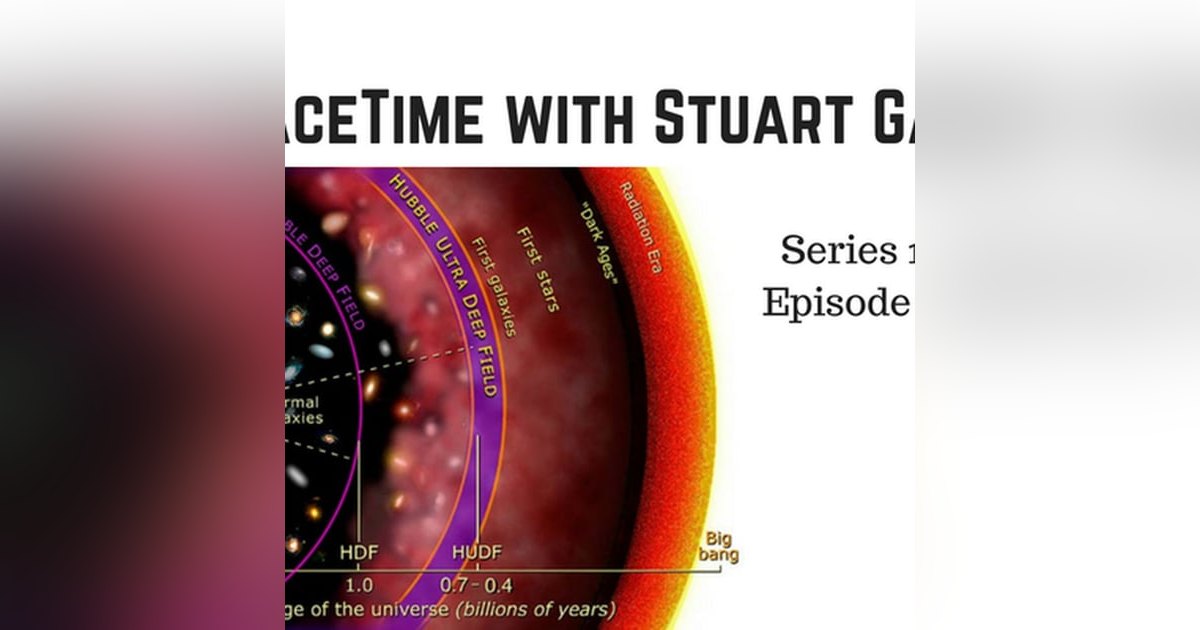
Stream on demand from www.bitesz.com or www.spacetimewithstuartgary.com (both mobile friendly). Have you subscribe to our new YouTube channel yet? Stuart here with the Show Notes for Spacetime Series 19 Episode 60: *First stars formed later than previously thought New research has discovered that the first stars in the Universe began shining far later than previously thought. The findings – based on new data from the European Space Agency’s Planck satellite -- also indicate that these first generation stars were the only sources needed to re-ionize the entire universe – giving us the cosmos we see today. *New study raising puzzling questions about galaxy evolution A new study charting the rise and fall of galaxies over 90 percent of cosmic history -- has discovered galactic diversity in the early universe was similar to what astronomers see today. The new findings raise some profound questions about galactic evolution – how could galaxies which appear old and no longer make stars – exist in such a young universe. *Asteroid close encounter It’s been revealed that the Earth barely escaped being hit by an asteroid on Saturday. The 34 metre wide space rock flew past the Earth at a distance of just 84 thousand 619 kilometres – just hours after first being discovered. Learn more about your ad choices. Visit megaphone.fm/adchoices
See acast.com/privacy for privacy and opt-out information.
See acast.com/privacy for privacy and opt-out information.
The Astronomy, Space, Technology & Science News Podcast.


