S27E83: Ancient Galaxies Surprise, Mars Odyssey's Record, and SpaceX's ISS Mission
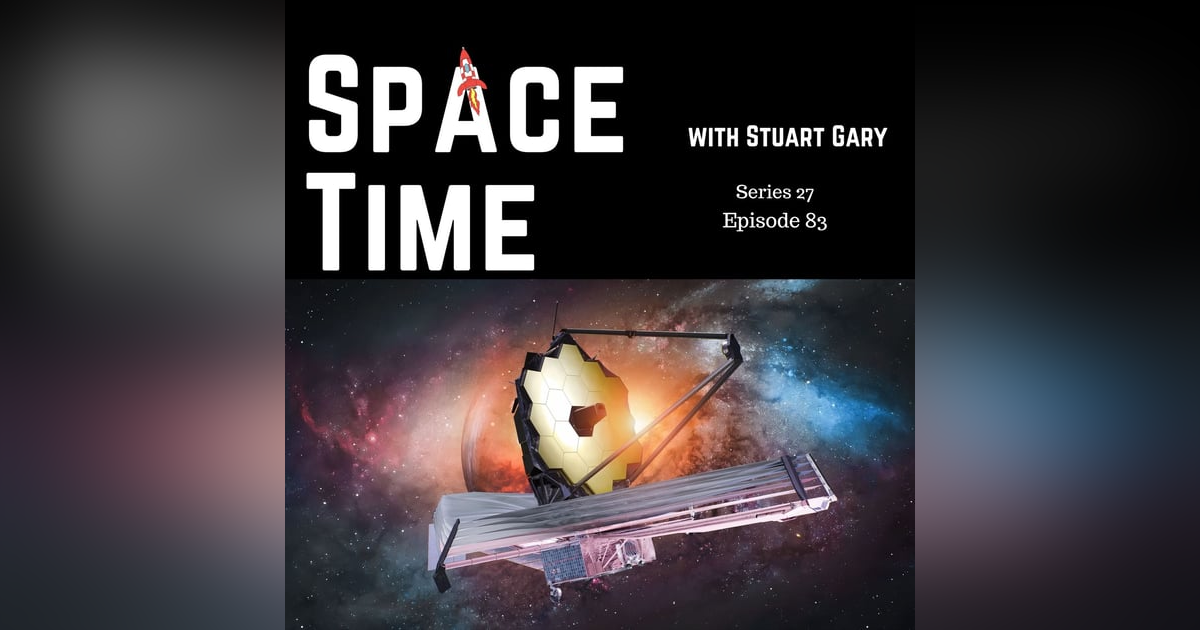
Join us for SpaceTime Series 27 Episode 83, where we explore the latest cosmic events and advancements in space exploration.
First, NASA's Webb Space Telescope has identified luminous, very red objects from the early universe, challenging...


Join us for SpaceTime Series 27 Episode 83, where we explore the latest cosmic events and advancements in space exploration.
First, NASA's Webb Space Telescope has identified luminous, very red objects from the early universe, challenging conventional models of galaxy and supermassive black hole formation. These mysterious objects, dating back to 600-800 million years after the Big Bang, contain ancient stars and massive black holes, suggesting an unexpectedly rapid formation in the young universe. The findings, published in the Astrophysical Journal, reveal that these objects are galaxies more than 13 billion years old, packed with stars and supermassive black holes far larger than those in our Milky Way galaxy.
Next, NASA's Mars Odyssey spacecraft has set a new record with 100,000 orbits around the red planet. This 23-year-old orbiter has been instrumental in mapping Mars' surface, identifying landing sites, and relaying data from rovers and landers. A recent image of Olympus Mons, the tallest volcano in the solar system, offers stunning new insights into the Martian atmosphere, showcasing layers of dust and water ice clouds.
Finally, SpaceX has been selected to deorbit and destroy the International Space Station (ISS) in 2030. The ISS, launched in 1998, has provided humanity's first permanent habitation in space. SpaceX will develop a specialised orbital tug to lower the ISS in a controlled re-entry, ensuring most of it burns up in the atmosphere, with remnants splashing down in the remote Point Nemo.
Sponsor Offer: This episode is proudly supported by Malwarebytes....online security at it's most effective. Secure your digital journey across the cosmos with a service you can trust to find and crush all the 'nasties'. Find your stellar security solution at https://www.bitesz.com/malwarebytes...and note....for a very limited time you get Malwarebytes for 50% off!
Listen to SpaceTime on your favourite podcast app including Apple Podcasts, Spotify, YouTube Music, or wherever you get your podcasts.
Support SpaceTime: Become a supporter of SpaceTime: https://www.bitesz.com/show/spacetime/support/
www.bitesz.com
The Astronomy, Space, Technology & Science News Podcast.


