
A Political Tapestry: Dissecting the Layers of 'One Battle After Another'
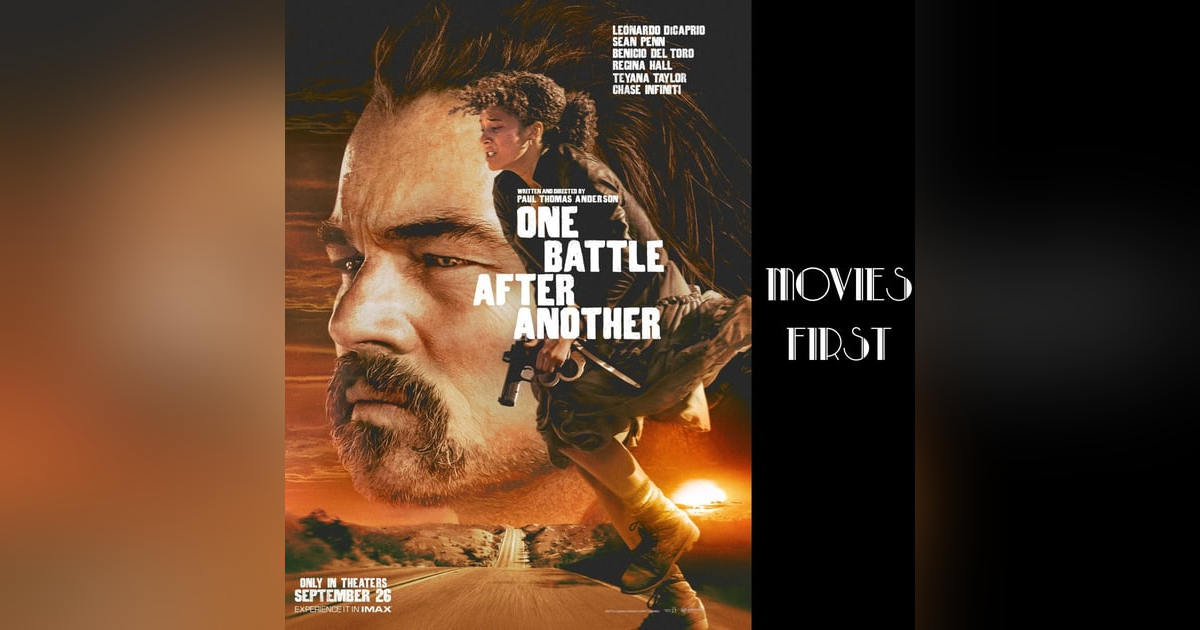


In this episode of *Movies First*, Chris and Jessica dive deep into Paul Thomas Anderson's latest film, *One Battle After Another*, a riveting political thriller that reimagines a 33-year-old novel about the failures of 60s idealism. The hosts marvel at how Anderson masterfully intertwines contemporary themes of surveillance and extremism, making the narrative feel strikingly relevant today.
Listeners will be captivated by the character arc of Pat Calhoun, portrayed by Leonardo DiCaprio, who transitions from an impassioned revolutionary to a paranoid and broken father over a span of 16 years. The hosts discuss DiCaprio's remarkable physical transformation and the emotional weight he carries, particularly in scenes grappling with substance abuse while trying to protect his daughter.
The explosive dynamic between Tyona Taylor's Perfidia and Sean Penn's Captain Lockjaw is another focal point, especially highlighted in the intense detention center breakout scene that sets off a devastating chain of events. Anderson's documentary-style shooting technique enhances the immediacy of the violence, drawing viewers into the chaos.
As the film unfolds, the stakes continuously shift from revolutionary fervor to personal betrayal, culminating in a generational drama that resonates deeply. The hosts appreciate how Benicio Del Toro's character, Sergio, serves as a calm amidst the storm, providing a contrasting tone that enriches the narrative.
The chilling white supremacist subplot connects the film to current events without feeling preachy, showcasing Anderson's skill in revealing how such movements thrive in turbulent times. With awards season on the horizon, Chris and Jessica predict that the film's technical brilliance and compelling performances, particularly DiCaprio's and Taylor's, will garner significant attention.
With a solid rating of 9 out of 10, *One Battle After Another* emerges as a profound exploration of the intersections between personal choices and political movements, emphasizing the cyclical nature of history and its impact on future generations. Join the hosts as they celebrate this remarkable film that promises to be a topic of discussion for years to come.
https://www.bitesz.com/podcast/movies-first
Become a supporter of this podcast: https://www.spreaker.com/podcast/movies-first.
To access the Movies First reviews archive visit our website at www.bitesz.com/podcast/movies-first
To access the Movies First reviews archive visit our website at www.bitesz.com/podcast/movies-first
0
00:00:00.000 --> 00:00:02.840
Chris: You know what blows my mind? Paul Thomas
1
00:00:02.840 --> 00:00:05.680
Anderson just took a 33 year old novel
2
00:00:06.080 --> 00:00:09.040
about failed 60s idealism and turned
3
00:00:09.040 --> 00:00:11.280
it into the most relevant political thriller
4
00:00:11.280 --> 00:00:11.920
of our time.
5
00:00:12.640 --> 00:00:14.800
Jessica: That's fascinating how he managed to make One
6
00:00:14.800 --> 00:00:16.720
Battle After Another feel so current.
7
00:00:17.680 --> 00:00:19.840
The way he handles themes of surveillance and
8
00:00:19.840 --> 00:00:21.840
extremism feels almost prophetic.
9
00:00:22.800 --> 00:00:25.600
Chris: Well, what really strikes me is how he's
10
00:00:25.600 --> 00:00:28.180
woven these complex political threads into,
11
00:00:28.410 --> 00:00:31.210
into such a personal story. I mean,
12
00:00:31.530 --> 00:00:34.170
you've got DiCaprio's character, Pat Calhoun,
13
00:00:34.490 --> 00:00:37.410
going from passionate revolutionary to this
14
00:00:37.410 --> 00:00:40.090
paranoid, broken father figure over 16
15
00:00:40.090 --> 00:00:42.930
years. That's some serious character
16
00:00:42.930 --> 00:00:44.510
development. Hmm.
17
00:00:44.510 --> 00:00:47.290
Jessica: Um, the transformation is incredible,
18
00:00:47.850 --> 00:00:50.130
the way DiCaprio physically embodies that
19
00:00:50.130 --> 00:00:52.330
decline, especially in those scenes where
20
00:00:52.330 --> 00:00:54.170
he's struggling with substance abuse while
21
00:00:54.170 --> 00:00:55.450
trying to protect his daughter.
22
00:00:56.700 --> 00:00:58.740
Chris: Speaking of which, the relationship between
23
00:00:58.740 --> 00:01:01.340
Tyona Taylor's Perfidia and Sean Penn's
24
00:01:01.340 --> 00:01:04.060
Captain Lockjaw is just explosive.
25
00:01:04.860 --> 00:01:07.180
That detention center breakout scene where
26
00:01:07.180 --> 00:01:09.460
she humiliates him sets up this
27
00:01:09.460 --> 00:01:12.220
devastating chain of events that ripples
28
00:01:12.220 --> 00:01:13.340
through the entire film.
29
00:01:14.300 --> 00:01:16.460
Jessica: Oh, my God. Yes.
30
00:01:17.420 --> 00:01:19.100
And you know what's really interesting about
31
00:01:19.100 --> 00:01:22.060
that scene? The way Anderson shoots it
32
00:01:22.060 --> 00:01:24.480
almost like a documentary, which makes the
33
00:01:24.480 --> 00:01:26.400
violence feel so much more immediate and
34
00:01:26.400 --> 00:01:26.760
real.
35
00:01:27.960 --> 00:01:29.880
Chris: Well, that's actually a technique he borrowed
36
00:01:29.880 --> 00:01:31.960
from 70s political thrillers like Medium
37
00:01:31.960 --> 00:01:34.520
Cool. But he's updated it with these modern
38
00:01:34.520 --> 00:01:36.480
surveillance elements that really amp up the
39
00:01:36.480 --> 00:01:39.080
paranoia factor. Like there's always this
40
00:01:39.080 --> 00:01:40.440
sense that someone is watching.
41
00:01:40.760 --> 00:01:43.000
Jessica: The technical aspects are so impressive.
42
00:01:43.720 --> 00:01:45.600
How did they manage to maintain that tension
43
00:01:45.600 --> 00:01:47.320
for almost three hours without it feeling
44
00:01:47.320 --> 00:01:48.040
exhausting?
45
00:01:49.650 --> 00:01:52.530
Chris: You know, I think it's because Anderson keeps
46
00:01:52.530 --> 00:01:55.490
shifting the stakes. First it's
47
00:01:55.490 --> 00:01:58.290
about the revolutionary group French 75.
48
00:01:59.170 --> 00:02:01.250
Then it becomes this personal story about
49
00:02:01.250 --> 00:02:03.690
betrayal when Perfidia becomes an
50
00:02:03.690 --> 00:02:06.290
informant. And finally it
51
00:02:06.290 --> 00:02:09.290
evolves into this generational drama with
52
00:02:09.290 --> 00:02:11.570
Chase Infinity's character Charlene.
53
00:02:12.290 --> 00:02:13.850
Jessica: Let me tell you what really caught my
54
00:02:13.850 --> 00:02:16.740
attention. The way Benicio Del Toro's
55
00:02:16.740 --> 00:02:19.380
character, Sergio, provides this calm
56
00:02:19.380 --> 00:02:22.180
center in all the chaos. His scenes with
57
00:02:22.180 --> 00:02:24.180
Charlene feel like they're from a completely
58
00:02:24.180 --> 00:02:26.140
different movie, but somehow it works.
59
00:02:26.700 --> 00:02:28.900
Chris: That's because Anderson understands how to
60
00:02:28.900 --> 00:02:31.450
balance these different tones. Like, um,
61
00:02:31.660 --> 00:02:34.460
you've got these intense action sequences and
62
00:02:34.540 --> 00:02:36.980
political intrigue, but then he'll give you
63
00:02:36.980 --> 00:02:38.780
these quiet moments that let you process
64
00:02:38.940 --> 00:02:39.980
everything that's happening.
65
00:02:40.550 --> 00:02:42.430
Jessica: The white supremacist subplot, uh, is
66
00:02:42.430 --> 00:02:44.510
particularly chilling in how it connects to
67
00:02:44.510 --> 00:02:45.270
current events.
68
00:02:45.990 --> 00:02:48.670
Chris: Right. And what's brilliant about how
69
00:02:48.670 --> 00:02:51.310
Anderson handles that is he never makes it
70
00:02:51.310 --> 00:02:53.710
feel preachy. He just shows how these
71
00:02:53.710 --> 00:02:56.670
movements grow in the shadows of social
72
00:02:56.670 --> 00:02:59.350
upheaval which makes it even more disturbing.
73
00:03:00.230 --> 00:03:02.030
Jessica: So what do you think about the film's chances
74
00:03:02.030 --> 00:03:03.110
during awards season?
75
00:03:04.150 --> 00:03:05.990
Chris: Well, considering how it combines technical
76
00:03:05.990 --> 00:03:07.910
excellence with relevant social commentary,
77
00:03:08.480 --> 00:03:10.920
I'd say it's a strong contender. The
78
00:03:10.920 --> 00:03:13.240
performances alone, especially DiCaprio's
79
00:03:13.240 --> 00:03:15.400
transformation and Taylor's breakthrough
80
00:03:15.400 --> 00:03:17.280
role, are going to get a lot of attention.
81
00:03:18.000 --> 00:03:20.240
Jessica: The way Anderson handles the time jumps and
82
00:03:20.240 --> 00:03:22.680
multiple storylines really showcases how much
83
00:03:22.680 --> 00:03:24.960
he's grown as a filmmaker since Magnolia.
84
00:03:25.680 --> 00:03:27.880
Chris: You know what's interesting? This is actually
85
00:03:27.880 --> 00:03:30.520
his longest film to date, but it feels like
86
00:03:30.520 --> 00:03:33.200
his most focused. Every scene, every
87
00:03:33.200 --> 00:03:35.540
character interaction serves a purpose in
88
00:03:35.540 --> 00:03:37.980
building this larger narrative about American
89
00:03:37.980 --> 00:03:39.820
idealism and its aftermath.
90
00:03:40.540 --> 00:03:42.460
Jessica: The ending really brings all these elements
91
00:03:42.460 --> 00:03:44.460
together in such an unexpected way.
92
00:03:45.100 --> 00:03:46.940
Chris: That's because Anderson has planted all these
93
00:03:46.940 --> 00:03:49.180
little details throughout the film that
94
00:03:49.180 --> 00:03:52.060
suddenly pay off in the final act. Like,
95
00:03:52.150 --> 00:03:53.940
uh, the way Charlene's martial arts training
96
00:03:53.940 --> 00:03:56.780
with Sergio becomes crucial to her survival.
97
00:03:57.180 --> 00:03:59.660
Or how Lockjaw's obsession with Perfidia
98
00:03:59.740 --> 00:04:01.500
ultimately leads to his downfall.
99
00:04:02.350 --> 00:04:03.830
Jessica: The film really makes you think about the
100
00:04:03.830 --> 00:04:06.030
cost of resistance and the price of betrayal.
101
00:04:06.750 --> 00:04:09.430
Chris: Exactly. And that's what makes it so relevant
102
00:04:09.430 --> 00:04:11.950
right now. It's not just about the 60s
103
00:04:11.950 --> 00:04:14.590
counterculture or the rise of conservatism.
104
00:04:14.830 --> 00:04:16.830
It's about how these political cycles keep
105
00:04:16.830 --> 00:04:19.590
repeating and how each generation has to deal
106
00:04:19.590 --> 00:04:21.150
with the consequences of their parents
107
00:04:21.150 --> 00:04:21.790
choices.
108
00:04:22.510 --> 00:04:24.790
Jessica: Well, it sounds like Anderson has created
109
00:04:24.790 --> 00:04:26.270
something truly special here.
110
00:04:27.320 --> 00:04:29.480
Chris: You know what? I think this film is going to
111
00:04:29.480 --> 00:04:31.720
be studied and discussed for years to come.
112
00:04:32.120 --> 00:04:34.240
It's not just a political thriller or family
113
00:04:34.240 --> 00:04:36.920
drama. It's a complex examination of how
114
00:04:36.920 --> 00:04:38.880
personal choices and political movements
115
00:04:38.880 --> 00:04:41.840
intersect and how the past never really stays
116
00:04:41.840 --> 00:04:44.840
in the past. Come the film awards season, it
117
00:04:44.840 --> 00:04:46.880
is certainly one to watch out for. It scores
118
00:04:46.880 --> 00:04:47.800
a 9 out of 10.
119
00:04:48.040 --> 00:04:50.280
You've been listening to movies first
120
00:04:50.440 --> 00:04:53.320
available at Apple Podcasts, Spotify,
121
00:04:53.480 --> 00:04:56.240
iHeartRadio or your favorite podcast
122
00:04:56.240 --> 00:04:58.600
player. You can also stream on demand at
123
00:04:58.600 --> 00:05:01.220
bytestone. Com. This has been another quality
124
00:05:01.220 --> 00:05:03.810
podcast production from fights. Com. Um.