
Intergalactic Isolation: Navigating Family and Belonging in 'Elio'
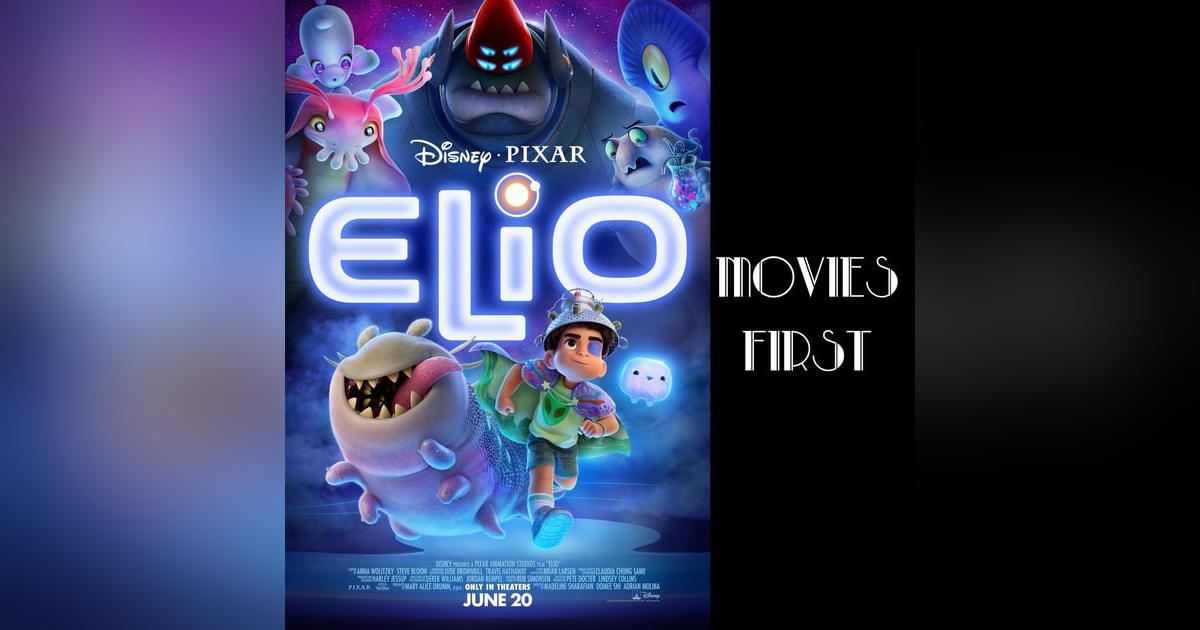


In this episode of *Movies First*, Chris and Jessica embark on an insightful journey through the animated film *Elio*, which boldly tackles themes of existential loneliness and the quest for belonging through the eyes of an 11-year-old orphan. Voiced by the talented Jonas Kibrab, Elio's desperate plea for extraterrestrial intervention serves as a poignant reflection of the profound isolation many children experience today. The film's ability to weave heavy emotional territory into a family-friendly narrative is both surprising and refreshing.
As they analyze the dynamics between Elio and his Aunt Olga, portrayed by Zoe Saldana, Chris and Jessica explore how the characters navigate the complexities of non-traditional family structures. Saldana's portrayal adds depth, embodying a blend of military precision and emotional warmth that enriches their relationship. The introduction of a clone subplot cleverly serves as a metaphor for identity and acceptance, mirroring the way children test boundaries with caregivers.
The episode delves into the sophisticated storytelling of the film, particularly through the character of Lord Grigon, voiced by Brad Garrett. His dual role as both an intergalactic warlord and a struggling father highlights the universal struggles of family dynamics, making the narrative resonate on multiple levels. Chris and Jessica also discuss the film's visual design, celebrating the diverse alien species that emphasize messages of acceptance and understanding in an increasingly interconnected world.
While the film garners a rating of 6.5 out of 10, the hosts argue that it still contributes meaningfully to conversations about belonging and emotional complexity for children and families alike. Join them as they unpack the layers of *Elio*, revealing how this animated feature serves as a valuable conversation starter about disconnection and the importance of finding one's place in the world.
https://www.bitesz.com/podcast/movies-first
Become a supporter of this podcast: https://www.spreaker.com/podcast/movies-first
0
00:00:00.000 --> 00:00:02.800
Chris: You know what blows my mind? We're living in an age where
1
00:00:02.800 --> 00:00:05.600
kids movies are tackling existential loneliness
2
00:00:06.160 --> 00:00:08.880
so profound that their main characters are
3
00:00:08.880 --> 00:00:11.120
literally begging aliens to abduct them.
4
00:00:11.840 --> 00:00:14.480
Jessica: That's such a fascinating observation about this film.
5
00:00:14.880 --> 00:00:17.640
The way they've woven deep themes of isolation and
6
00:00:17.640 --> 00:00:20.080
belonging into what could have been just another space
7
00:00:20.080 --> 00:00:22.080
adventure really caught me off guard.
8
00:00:23.040 --> 00:00:25.600
Chris: Well, let's dig into what makes this story so unique.
9
00:00:26.210 --> 00:00:29.130
Here's an 11 year old orphan voiced brilliantly
10
00:00:29.130 --> 00:00:32.010
by Jonas Kibryab, who feels so
11
00:00:32.010 --> 00:00:34.730
disconnected from Earth that he's actively seeking
12
00:00:34.730 --> 00:00:37.650
extraterrestrial intervention. That's some pretty
13
00:00:37.650 --> 00:00:40.290
heavy emotional territory for an animated film.
14
00:00:40.850 --> 00:00:43.650
Jessica: The choice of Kibrab for the role was really inspired.
15
00:00:44.130 --> 00:00:47.130
The way he captures both vulnerability and determination
16
00:00:47.130 --> 00:00:49.930
in Elio's character adds so many layers to
17
00:00:49.930 --> 00:00:50.930
those lonely moments.
18
00:00:51.980 --> 00:00:54.780
Chris: You know what's interesting? The film actually mirrors some
19
00:00:54.780 --> 00:00:57.340
pretty significant statistics about children in non
20
00:00:57.340 --> 00:01:00.300
traditional family structures. We're seeing more kids
21
00:01:00.300 --> 00:01:03.180
than ever being raised by extended family members, and
22
00:01:03.180 --> 00:01:06.020
the story of Elio and his Aunt Olga really
23
00:01:06.020 --> 00:01:07.340
taps into that reality.
24
00:01:08.220 --> 00:01:11.140
Jessica: Hmm. Um, that's a really good point about the changing
25
00:01:11.140 --> 00:01:13.700
family dynamics. How do you think Zoe
26
00:01:13.700 --> 00:01:16.460
Saldana's performance as Aunt Olga contributes to that
27
00:01:16.460 --> 00:01:16.940
narrative?
28
00:01:18.210 --> 00:01:21.170
Chris: Well, Saldana brings this fascinating military precision to
29
00:01:21.170 --> 00:01:23.810
the role, which creates this perfect tension between
30
00:01:23.810 --> 00:01:26.730
duty and emotional connection. But what really
31
00:01:26.730 --> 00:01:29.650
caught my attention was how they used the clone subplot
32
00:01:29.650 --> 00:01:32.530
as this brilliant metaphor for identity and
33
00:01:32.530 --> 00:01:33.250
acceptance.
34
00:01:34.050 --> 00:01:36.530
Jessica: That clone element definitely adds an interesting
35
00:01:36.530 --> 00:01:39.410
psychological layer to the story. It's almost
36
00:01:39.410 --> 00:01:42.330
like a sci fi version of how kids test boundaries with their
37
00:01:42.330 --> 00:01:42.930
caregivers.
38
00:01:44.200 --> 00:01:44.800
Chris: Exactly.
39
00:01:44.800 --> 00:01:47.560
And speaking of testing boundaries, let's talk about Brad
40
00:01:47.560 --> 00:01:50.280
Garrett's Lord Grigon. The way they
41
00:01:50.280 --> 00:01:53.040
position this intergalactic warlord as both a threat
42
00:01:53.040 --> 00:01:55.920
to peace and a struggling father is
43
00:01:55.920 --> 00:01:58.440
pretty sophisticated storytelling for a family film.
44
00:01:59.000 --> 00:02:01.720
Jessica: The parallel between these two family dynamics really
45
00:02:01.720 --> 00:02:04.200
drives home the universal nature of these relationship
46
00:02:04.200 --> 00:02:05.720
struggles, doesn't it?
47
00:02:06.600 --> 00:02:09.460
Chris: You know, it reminds me of some recent studies about how
48
00:02:09.460 --> 00:02:11.900
children process complex emotions through
49
00:02:11.900 --> 00:02:14.660
storytelling. The whole communiverse
50
00:02:14.660 --> 00:02:17.620
concept serves as this elaborate metaphor for
51
00:02:17.620 --> 00:02:20.580
finding your place in an increasingly interconnected world.
52
00:02:21.380 --> 00:02:23.900
Jessica: Though I have to say, it feels like they could have pushed those
53
00:02:23.900 --> 00:02:26.820
metaphors further. The resolution seemed a
54
00:02:26.820 --> 00:02:28.740
bit too neat for such complex themes.
55
00:02:29.460 --> 00:02:31.860
Chris: That's a fair criticism. Like,
56
00:02:32.020 --> 00:02:34.980
um, consider how they handled the friendship between
57
00:02:34.980 --> 00:02:37.880
Elio and Glordon. While it's
58
00:02:37.880 --> 00:02:40.760
genuinely touching, there was potential for a
59
00:02:40.760 --> 00:02:43.200
deeper exploration of how shared
60
00:02:43.200 --> 00:02:46.120
outsider experiences can bridge even the
61
00:02:46.120 --> 00:02:48.360
widest gaps, in this case,
62
00:02:48.920 --> 00:02:50.200
literal light years.
63
00:02:51.080 --> 00:02:54.080
Jessica: The visual design of all Those different Alien species was
64
00:02:54.080 --> 00:02:56.920
incredible, though. Uh, it really emphasized the message
65
00:02:56.920 --> 00:02:58.520
about diversity and acceptance.
66
00:02:59.560 --> 00:03:02.200
Chris: Well, here's what I find particularly relevant about that
67
00:03:02.200 --> 00:03:04.770
aspect. In an era where kids
68
00:03:05.010 --> 00:03:07.930
are increasingly connected to global communities through
69
00:03:07.930 --> 00:03:10.850
technology, the film's message about finding
70
00:03:10.850 --> 00:03:12.770
understanding across vast differences
71
00:03:13.570 --> 00:03:15.330
feels especially timely.
72
00:03:16.610 --> 00:03:19.530
Jessica: So do you think the 6 1/2 out of 10 rating really captures
73
00:03:19.530 --> 00:03:22.330
the film's impact, considering all these layers we've
74
00:03:22.330 --> 00:03:22.770
discussed?
75
00:03:23.650 --> 00:03:26.450
Chris: You know what? I think that rating reflects its
76
00:03:26.450 --> 00:03:29.250
position as a solid but not groundbreaking
77
00:03:29.250 --> 00:03:31.570
entry and the animated film landscape.
78
00:03:32.130 --> 00:03:35.010
While it doesn't push boundaries the way some recent animated
79
00:03:35.010 --> 00:03:37.890
features have, it still manages to address some
80
00:03:37.890 --> 00:03:40.850
pretty profound themes about belonging and family
81
00:03:41.410 --> 00:03:43.970
in a way that resonates with both kids and
82
00:03:44.050 --> 00:03:44.690
adults.
83
00:03:45.570 --> 00:03:48.530
Jessica: That's such a thoughtful way to look at it. Even if
84
00:03:48.530 --> 00:03:51.490
it didn't completely revolutionize the genre, it's still
85
00:03:51.490 --> 00:03:54.410
contributing something meaningful to the conversation about how we
86
00:03:54.410 --> 00:03:56.370
help children process complex emotions.
87
00:03:57.310 --> 00:03:59.310
Chris: And maybe that's the real value here,
88
00:03:59.870 --> 00:04:02.750
creating a space where families can talk about these
89
00:04:02.750 --> 00:04:05.150
big feelings of disconnection and belonging.
90
00:04:05.630 --> 00:04:08.150
In a world where kids are increasingly dealing with
91
00:04:08.150 --> 00:04:10.750
complex family structures and social pressures,
92
00:04:11.310 --> 00:04:13.950
having these conversation starters is pretty valuable,
93
00:04:14.430 --> 00:04:16.830
even if the package they come in isn't perfect.