Winter Olympics Figure Skating: Practice, Mental Strength, and the First Penguin 冬のオリンピックとフィギュアスケート 練習とメンタルの力 ファーストペンギンの挑戦

Meta Description
A thoughtful look at Winter Olympics figure skating, mental strength, and steady practice—lessons that also apply to Japanese language learning.
Introduction
Are you watching the Winter Olympics in your country? Today, I would like to share my reflections on figure skating. As someone who teaches Japanese for adult learners, I often see how sports and Japanese language learning share something very important: steady practice and strong mentality.
1. Winter Olympics Figure Skating Across the World
This year’s Winter Olympics are being held in Milan, Italy. Because of the time difference, in Japan many events are broadcast late at night. The competition I always follow is figure skating.
It is natural that many athletes come from cold countries such as Finland, Norway, Sweden, Canada, and Russia. These countries have long winters and many ice rinks. In contrast, athletes from warm regions—such as Mexico or Taiwan—often train in limited environments. Some even practice in shopping mall rinks.
When I hear these stories, I feel deep respect. Even without ideal facilities, they continue working toward their dream. This spirit is something we can also apply to Japanese Listening Practice and daily study.

2. Mental Strength: The Real Competition
In men’s singles this year, there was a dramatic result. A strong American favorite made several mistakes and did not win gold. Instead, a skater from Kazakhstan, who has grown rapidly in recent years, took first place.
Figure skating is not only about technique. Even if you succeed in practice, competition requires mental strength. A small moment of hesitation can lead to a large deduction.
This is very similar to Japanese Language Learning. You may understand grammar during practice, but when speaking in real time, nervousness can cause mistakes. That is why steady repetition and emotional balance are both important for Japanese for Beginners as well as advanced learners.
3. The “First Penguin” and Long-Term Growth
There is an English expression, “the first penguin.” It describes the one who jumps into the water first, opening the path for others.
In countries where winter sports are still developing, today’s athletes may be the first penguins. Their efforts will inspire the next generation. Japan’s strength in figure skating did not appear suddenly. Twenty or thirty years ago, there were fewer skaters and fewer rinks. Step by step, pioneers built the system we see today.
In the same way, your progress in Learn Japanese will not happen overnight. But with consistent Easy Japanese practice, your skills grow layer by layer.
4. What Winter Sports Teach Us About Learning
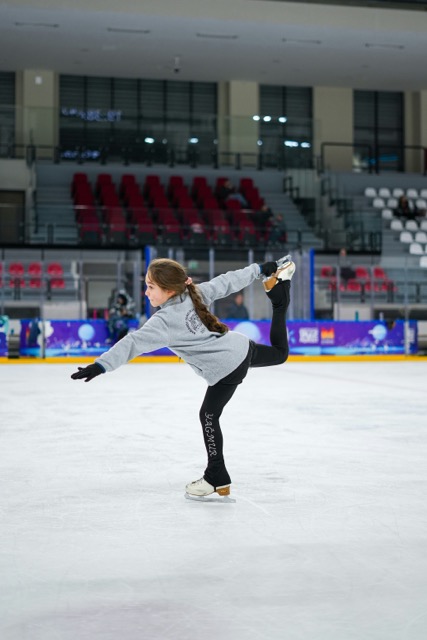
Winter sports are physically demanding and often painful. Skaters fall many times before mastering a jump. Fear and failure are part of training.
Language learning is similar. We make mistakes. We feel embarrassed. But each “fall” becomes part of improvement. For learners in their 30s and 40s—balancing work, family, and study—steady effort matters more than speed.
Whether you are following the Winter Olympics or working on Japanese Listening Practice, remember that growth takes time, courage, and repetition.
Key Takeaways
Winter Olympics figure skating shows the power of steady practice and strong mentality.
Athletes from limited environments can still succeed through perseverance.
Mental strength is as important as technical skill.
Long-term development—like Japanese Language Learning—requires patience and repetition.
Every learner can become their own “first penguin.”

📚️Reading:Level N4:The Secret of April 1st "Lies" 4月1日の「ウソ」のひみつ

 Apple Podcasts
 Spotify
 YouTube
 Amazon Music