Why Does Japan's School Year Start in April? The Surprising Answer Involves Rice 日本の新学年はなぜ4月?その意外な理由はお米にあった
Meta Description:
Japan's school year starts in April — and that alone makes it unusual by global standards. Japanese language teacher Sally digs into the surprisingly deep history behind this springtime tradition, and uncovers a connection you'd never expect. If you've ever wondered why Japan does things differently, this one's for you.
Introduction
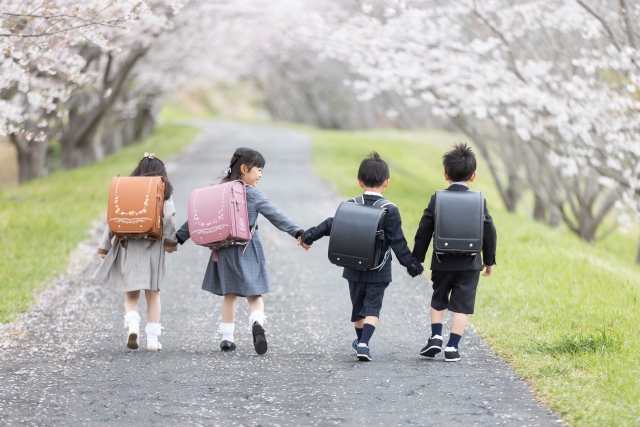
Every April, Japan bursts into cherry blossoms — and into a brand-new beginning. Children in crisp new uniforms, fresh graduates stepping into their first jobs, classrooms full of nervous excitement. But have you ever stopped to wonder: why April? Most of the world starts the school year in September. So what makes Japan different? The answer turns out to be rooted not in education policy, but in something far more fundamental to Japanese life — rice.
1. Japan's Year Doesn't End in December
In Japan, March 31st is the true end of the year — not in the personal sense, but in terms of the nendo, or fiscal and academic year. Schools, universities, and most companies all close one chapter on March 31st and open a new one on April 1st. Graduation ceremonies take place in March, farewell parties are held, and then April arrives with fresh starts: new school years, new workplaces, new beginnings. For anyone living in Japan, this rhythm becomes deeply familiar — and deeply Japanese.
2. The Rice Tax That Shaped a Nation's Calendar
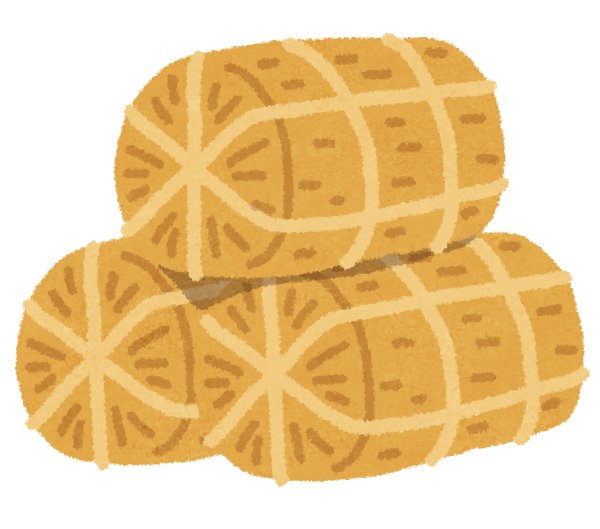
To understand why Japan chose April, you need to go back to the Meiji era, around 150 years ago. Before that, during the Edo period, each region handled its own affairs — including when the school year began. There was no national standard. When Japan modernized in the Meiji era and began adopting Western systems, the government needed to unify its fiscal calendar. The key factor? Rice. For centuries, Japanese citizens paid their taxes not in money but in rice. Rice was harvested in autumn, converted into currency through the winter, and delivered to the government by early spring. That meant the national budget was only ready in April — so April became the start of the fiscal year. Schools followed suit, and in 1886 (Meiji year 19), April was officially established as the start of the academic year. All because of rice.
3. A Birthday Puzzle: Why April 1st Children Are Already a Year Ahead
Japan's April calendar comes with one famously confusing quirk. You might assume that children born between April 1st and March 31st all start first grade together — but children born on April 1st are actually placed a year ahead of that group. The reason lies in Japanese law: a person legally becomes a year older at midnight on the eve of their birthday — not on the birthday itself. So a child born on April 1st turns six at midnight on March 31st, meaning they have already aged into the previous school year's cohort. The new first graders in April are therefore children born from April 2nd onward. It's one of those rules that feels baffling at first — but once you know it, it's hard to forget.
4. How Japan Compares to the Rest of the World
Japan's April start is genuinely rare. Most countries in the Northern Hemisphere — including the United States, the United Kingdom, and China — begin their school year in September, following the natural rhythm of summer holidays. South Korea starts in March, making it the closest to Japan. In the Southern Hemisphere, where seasons are reversed, countries like Australia and Brazil typically begin in January or February, with Christmas season serving as summer vacation. Southeast Asia has its own variations: Thailand starts in May, after the Songkran New Year festival in April, while the Philippines often begins in June. Among all of these, Japan's April calendar stands out as uniquely tied to its own cultural and agricultural history.
5. Why This Matters for Understanding Japan
The April new year is more than a scheduling quirk — it reflects something deep about how Japan is organized. Government budgets, school enrollments, company hiring cycles, and even cherry blossom viewing parties all align around this single turning point in the calendar. Understanding the nendo helps explain why April feels so emotionally significant in Japan: it carries the weight of both endings and beginnings at once. And knowing that this tradition stretches back through the Meiji era all the way to ancient rice harvests makes those springtime ceremonies feel all the more meaningful.
Key Takeaways
Japan's school and fiscal year runs from April 1st to March 31st, making it one of the few countries in the world with an April academic start. This tradition dates back to 1886 and was shaped by the Meiji government's fiscal calendar, which was itself determined by when rice taxes were collected and converted into national revenue. Children born on April 1st are legally a year older than expected due to a law stating that aging occurs at midnight on the eve of one's birthday. Globally, September is the most common school start month, placing Japan in rare company. The April calendar is not just administrative — it is woven into the cultural fabric of Japanese life, from cherry blossoms to graduation ceremonies to new employee welcome seasons.
📚️Reading:Level N4:The Secret of April 1st "Lies" 4月1日の「ウソ」のひみつ
 Apple Podcasts
 Spotify
 YouTube
 Amazon Music