The 30-Minute Rule: From “Three-Day Monk” to Real Strength 三日坊主と継続は力なり

Meta Description
Can 30 minutes a day really change your life? Sally reflects on consistency, the Japanese phrase “mikka-bōzu,” and how steady effort builds true strength.
Introduction
Have you ever started something with excitement, only to stop a few days later? If you are learning a language, building a new habit, or restarting a dream, you are not alone. Today, I would like to share a very honest story about my own “30-minute rule” and what it taught me about consistency.
1. The 30-Minute Rule and My Bandoneon Challenge
At the beginning of the year, I introduced a simple habit: spend 30 minutes every day on one important goal. For me, that goal was practicing the bandoneon, a complex instrument used in Argentine tango. With its irregular buttons and changing sounds when pushing and pulling the bellows, it is often called “the devil’s instrument.”
Just like Japanese Language Learning, mastering this instrument requires repetition. You cannot rely only on thinking. You must train your body. This is true for Learn Japanese learners as well. Whether you are studying Japanese for Beginners or practicing Japanese Listening Practice, progress comes from steady, repeated effort.

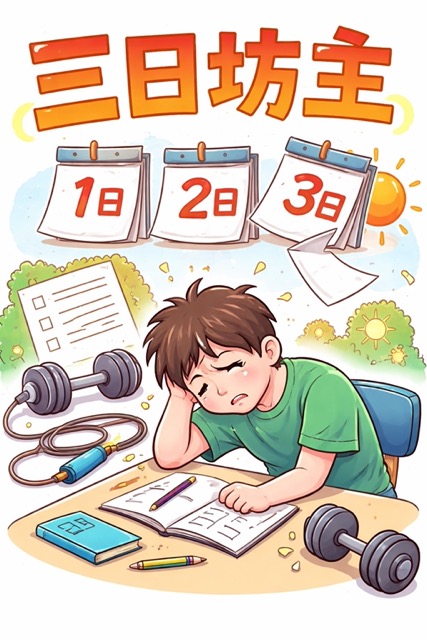
2. Mikka-bōzu: The Three-Day Monk
However, when I checked my practice record, I realized I had not been consistent. In Japanese, we call this mikka-bōzu, literally “a three-day monk.” The expression comes from the idea that some novice monks could not endure strict training and left after only three days.
Even today, this word is commonly used in daily conversation in Japan. If someone starts exercising, studying, or dieting but quits quickly, we gently say they became a mikka-bōzu. It is a familiar and human experience.
For adult learners in their 30s and 40s—balancing work, family, and personal growth—this feeling is especially relatable. You may want to improve your skills, Learn Japanese, or build a new habit, but daily life can interrupt your plans.
3. Keizoku wa Chikara Nari: Continuity Becomes Strength
The opposite of mikka-bōzu is another well-known Japanese phrase: keizoku wa chikara nari. It means “continuity becomes strength.”
If you continue studying Easy Japanese every day, even for 30 minutes, something changes. At first, you think carefully about every word. Later, you begin to understand naturally. One day, you realize you can speak without translating in your head. That is when practice becomes ability.
Japanese Listening Practice, vocabulary review, and daily exposure may seem small. But over months and years, they build confidence. And that confidence becomes your personal strength—at work, in travel, and in communication.
4. A Gentle Restart
When I saw that I had not practiced for many days, I felt disappointed. But instead of giving up, I decided to restart. Not perfectly. Not dramatically. Just quietly and steadily.
If you have paused your Japanese Language Learning journey, perhaps this is your moment to begin again. Whether you are exploring Japanese for Beginners materials or improving advanced listening skills, consistency matters more than perfection.
Key Takeaways
Consistency is more powerful than motivation.
Small daily habits create long-term ability.
“Mikka-bōzu” reminds us that quitting is common—but restarting is always possible.
“Keizoku wa chikara nari” teaches that steady effort becomes real strength.
Even 30 minutes a day can transform your Japanese Language Learning journey.
📚️Reading:Level N4:The Secret of April 1st "Lies" 4月1日の「ウソ」のひみつ

 Apple Podcasts
 Spotify
 YouTube
 Amazon Music