Reading:Level N4:Bento
Title: Bentō Is Interesting
Summary
This reading introduces what a bento is, how it developed, and the various styles that exist today.
It touches lightly on topics such as homemade bento, convenience-store and station bentos, character bentos, and the recent trend of “bento-making men.”
It also offers a brief look at what bento can reveal about Japanese society and family life.
Finally, it notes that many countries have their own lunchbox traditions and invites readers to think about the characteristics of their own country’s version.
1
Have you ever heard the word “お弁当 (bentō)”? You might recognize it if it’s written as “BENTO.” Recently, the word “BENTO” is used in many places around the world.
In Japan, you can buy a bentō almost anywhere, and there are many different kinds.
A “bentō” is a meal that you take with you when you go out. It also refers to the container that holds the meal, such as a box. This container is called a “bentō-bako,” and it comes in many different types and sizes made from materials like plastic or aluminum.
For example, there are bentō boxes for children, for adults, for men, and for women. Some have popular characters, manga, or anime designs. Others have simple or traditionally Japanese designs.
There are also large bentō boxes called “jūbako,” which have two or three stacked layers.
Bentō in a jūbako is convenient when many people eat together, so it is used for special occasions such as New Year’s or flower-viewing gatherings.
2
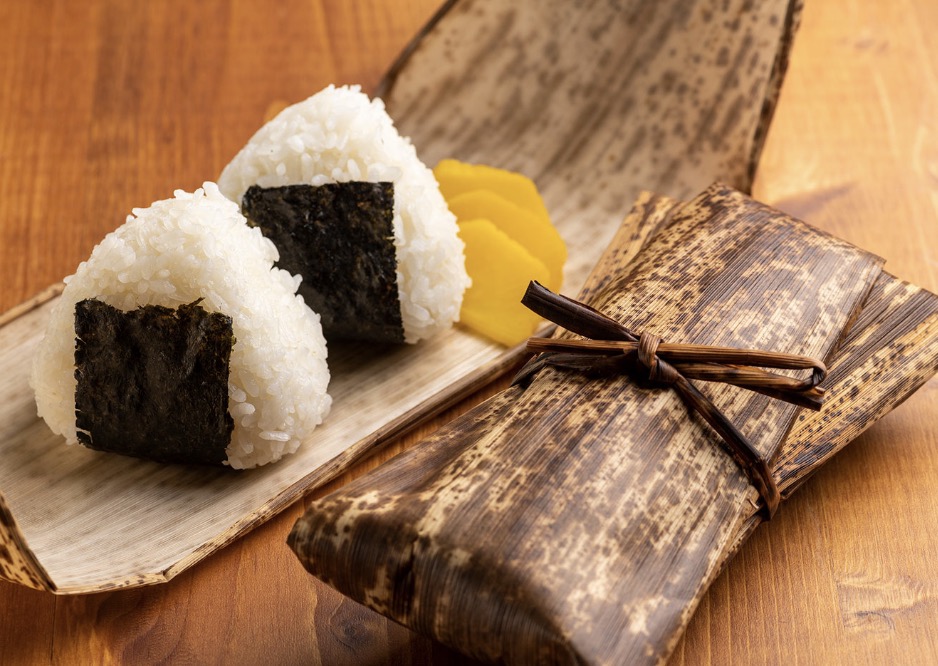
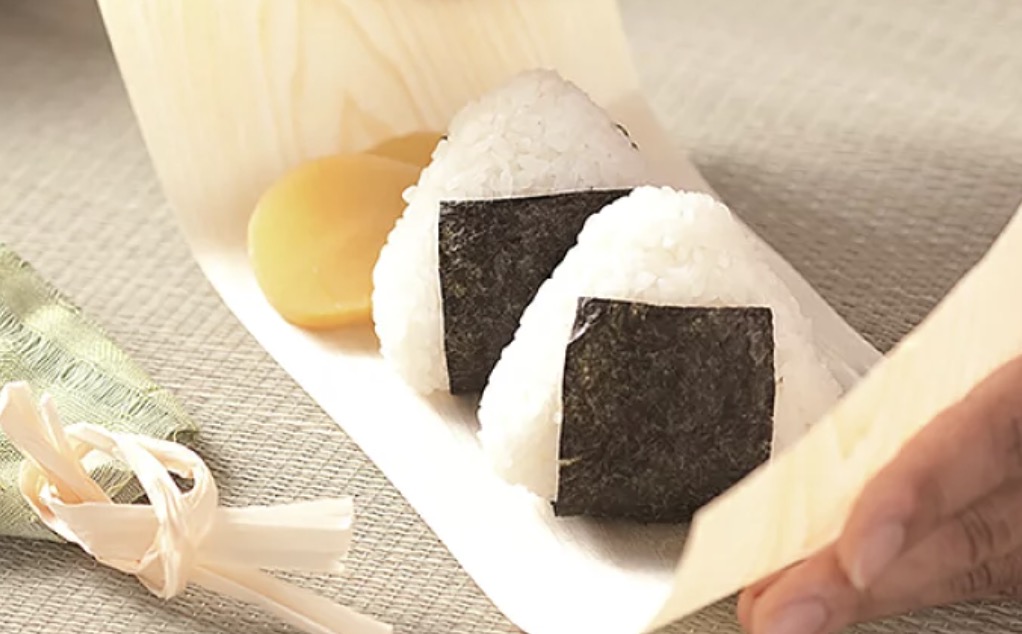
Bentō has a long history. The word is said to have been used in Japan between the years 1573 and 1592.
Even earlier, around the 8th century, bentō consisted of dried rice called “hoshi-ii,” which was similar to dry food.
Then, around the 9th century, there was “nigirimeshi (onigiri).” It was rice shaped by hand into triangles or rounds, and could be eaten like a sandwich.
At that time, instead of bentō boxes, people used bamboo bark or tree leaves.
3
Today, the bentō that people take to work or school is either homemade or bought at a store.
A bentō usually contains white rice and several side dishes. The side dishes include vegetables, meat, fish, and fruit. Brown-colored meat, green broccoli, and red cherry tomatoes are arranged so that the bentō looks colorful and attractive.
Sometimes, apple slices are cut into rabbit shapes and included.
There are many kinds of bentō sold in stores. Examples include “convenience-store bentō,” “ekiben” sold at train stations, and “soraben” bought at airports.
Bentō can also be bought at supermarkets. In many towns, there are bentō shops where you can buy warm bentō. Common types like “nori-bentō” and “sake-bentō” are usually inexpensive and delicious.
People from many backgrounds buy bentō in various places and eat them.
4
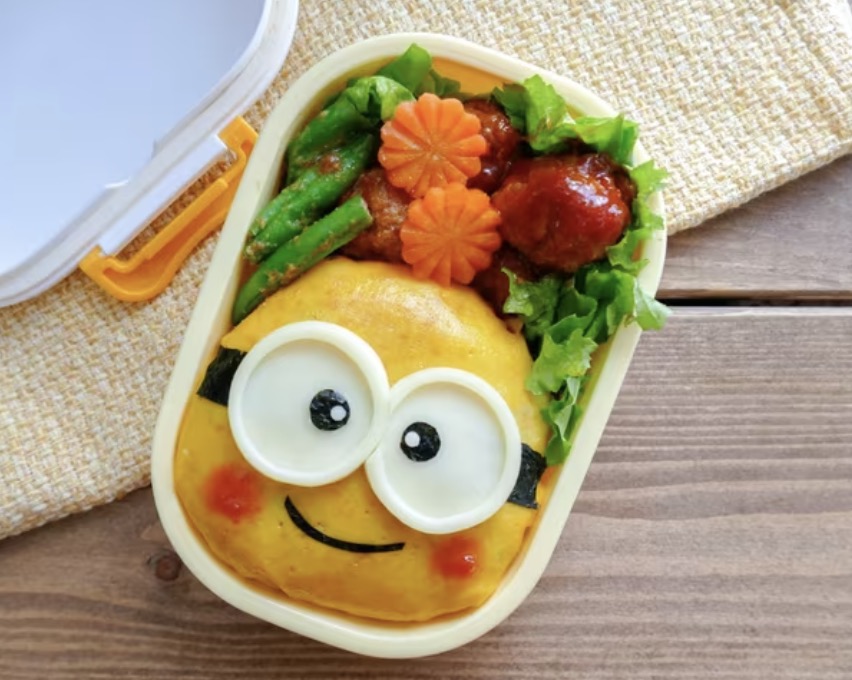
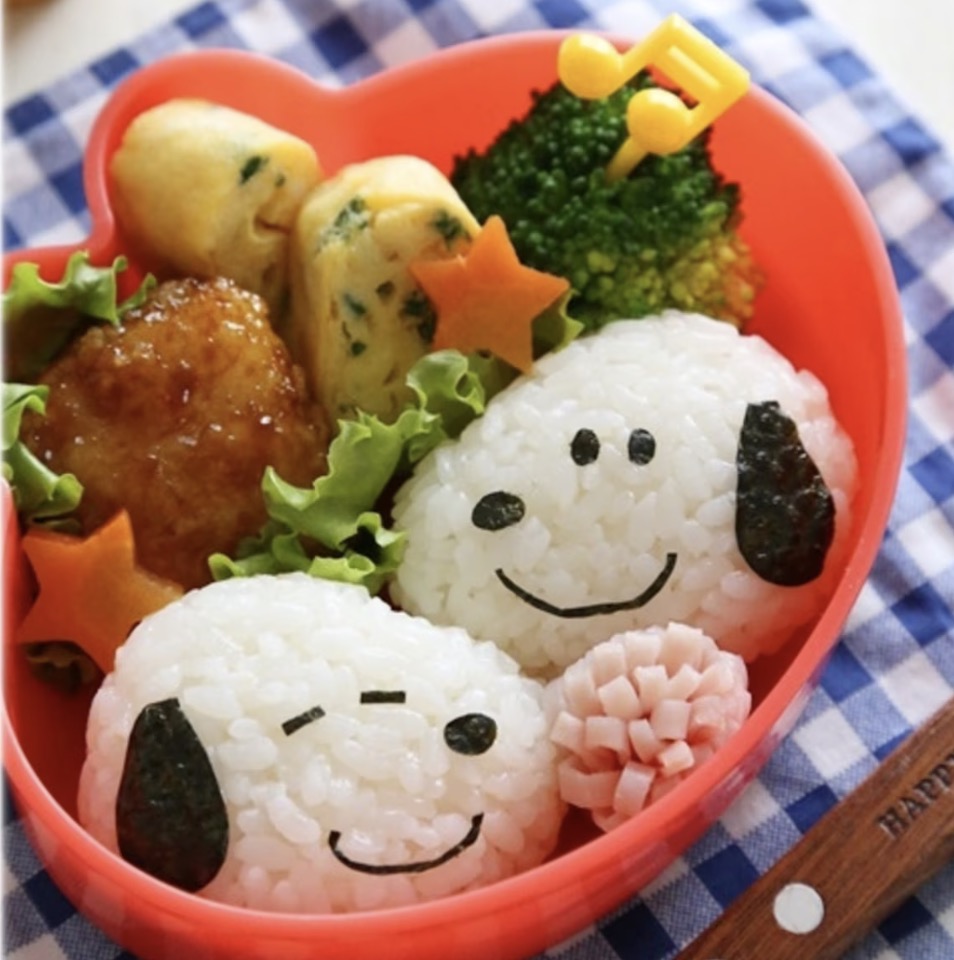
Recently, “kyaraben” bentō have become very popular. They are introduced in many recipe books and blogs. “Kyaraben” is short for “character bentō.” These are bentō in which characters from anime and other media are designed using vegetables, meat, fish, seaweed, rice, and other foods.
It is said that kyaraben began when mothers wanted their children to enjoy eating foods they disliked.
For example, if broccoli they don’t like is arranged to look like “Totoro’s forest,” children might enjoy eating it.
When they open the lid of their bentō box, a Hello Kitty or Pikachu-shaped rice design appears! When children see this, they will likely say “Wow!” in surprise.
Many mothers wake up early to make these bentō while thinking of their children’s happy faces as they eat.
5
However, kyaraben are not only good; there are some possible problems.
For example, what about children whose mothers work? Some mothers may not be good at cooking. Some children may not have a parent who can make a bentō for them.
There may also be families who cannot afford to buy the tools needed to make kyaraben.
In addition, children walk or run on their way to kindergarten or school. When that happens, the food inside the bentō box may shift and get messy. How would a child feel when opening such a bentō?
There is another problem. Making a kyaraben takes a lot of time, and the food may spoil because it is handled many times.
For these reasons, some kindergartens have a rule that says “No kyaraben allowed.”
Even among parents, opinions about this differ.
6
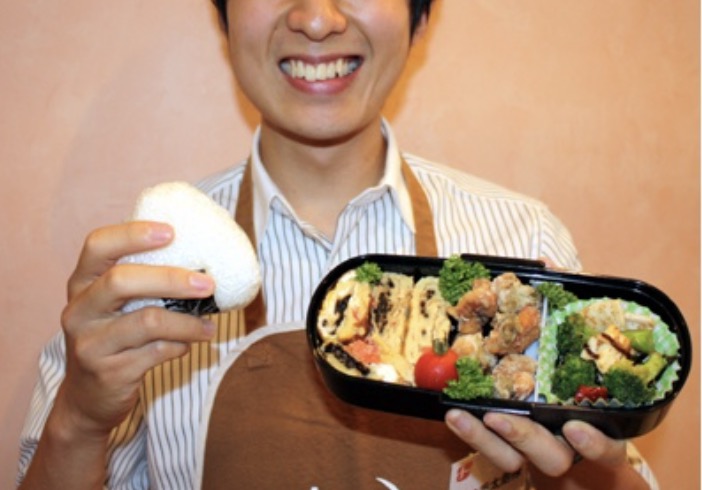
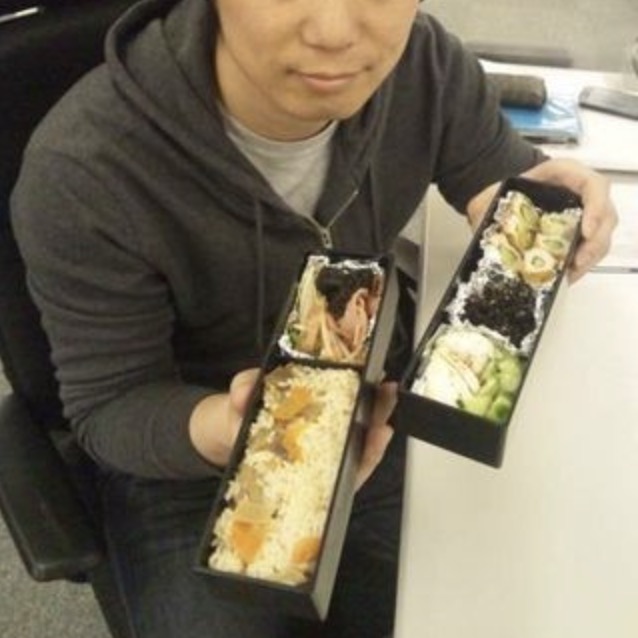
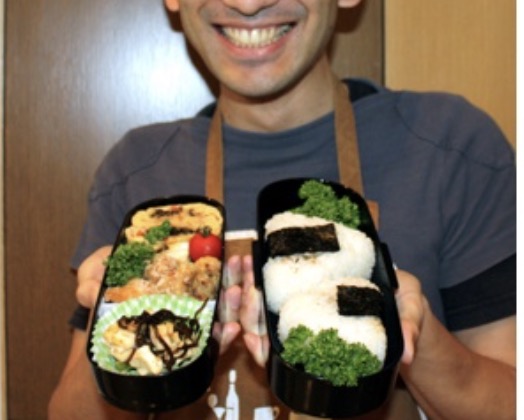
There are other unique terms related to bentō.
One of them is the word “bentō-danshi,” which started being used in 2008.
“Bentō-danshi” refers not only to working men but also to university students.
Because buying lunch costs money, some men who work at companies began making their own bentō every day.
This is said to be how the term “bentō-danshi” began.
Like kyaraben, many bentō made by these “bentō-danshi” are introduced on blogs and Instagram.
Looking at the photos, you can see many stylish bentō that look as if they were made by professional cooks.
However, some male bosses view men making bentō negatively.
In Japan, the idea that only women make bentō for their families has been common because, in the past, most mothers and wives did the cooking.
But now, as more women continue to work after marriage, women tend to prefer men who can cook.
Still, even among women, opinions vary.
7
Bentō has also become known overseas in restaurants and shops as “BENTO.”
In every country, people eat meals outside the home—at work, at school, or on picnics—and I think each country has its own custom of “packed meals.”
If you research the bentō of different countries, you might discover things about that country’s culture and society.
What characteristics does the bentō of your country have?
 Apple Podcasts
 Spotify
 YouTube
 Amazon Music