Discover Japan’s Seasonal Beauty: Understanding the Sakura Front and Koyo Front

Meta Description
Japan’s seasons change dramatically from north to south. Learn how the sakura front and koyo front move across the country, and discover gentle travel tips for enjoying Japan’s autumn leaves. Ideal for Japanese for Beginners and Japanese Listening Practice.
Introduction
If you are learning Japanese, you may already know that Japan’s climate is very unique. In this article, I explain Japan’s four seasons in an easy and friendly way, especially for Japanese beginners and adult learners. Whether you love travel, Japanese culture, or want more Japanese listening practice, this guide will help you understand why the koyo front and sakura front are such important seasonal markers in Japan.
Japan’s Long Shape and Its Seasonal Differences
Japan stretches from the snowy north of Hokkaido to the warm islands of Okinawa. Because of this long shape, the timing of spring, autumn, and winter can be very different depending on the region.
Tokyo is often used as a reference point: spring is March–May, summer is June–August, autumn is September–November, and winter is December–February.
Recently, however, summers have been unusually long. Some years, autumn begins only after mid-October, which surprises many visitors who expect cooler weather earlier.
The Sakura Front: Spring Moving from South to North

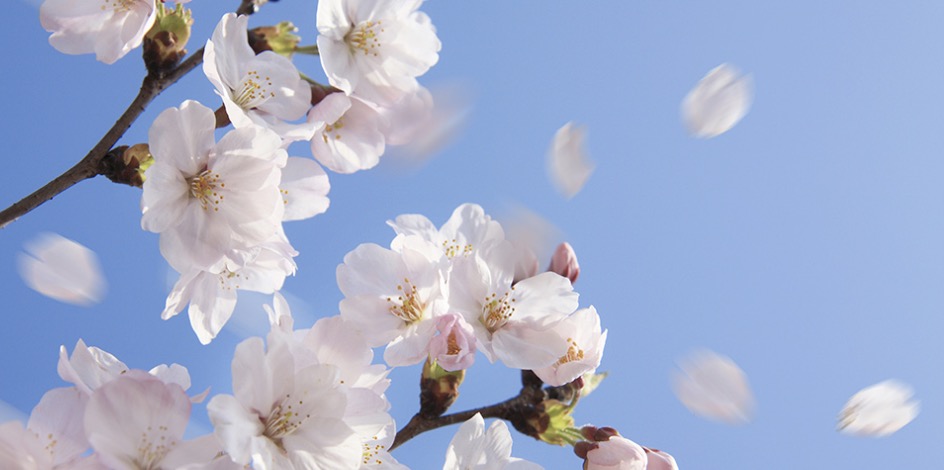
Cherry blossoms do not bloom all at once across Japan. Instead, they open gradually from warmer southern areas toward colder northern regions. This movement is known as the sakura front, and it allows travelers to follow the blooming season over several weeks.
For example, Tokyo may reach full bloom in early April, while Hokkaido usually waits until early May during Golden Week. If you enjoy Japanese language learning through travel, this seasonal shift is a wonderful example of Japan’s diversity.
The Koyo Front: Autumn Colors Traveling from North to South
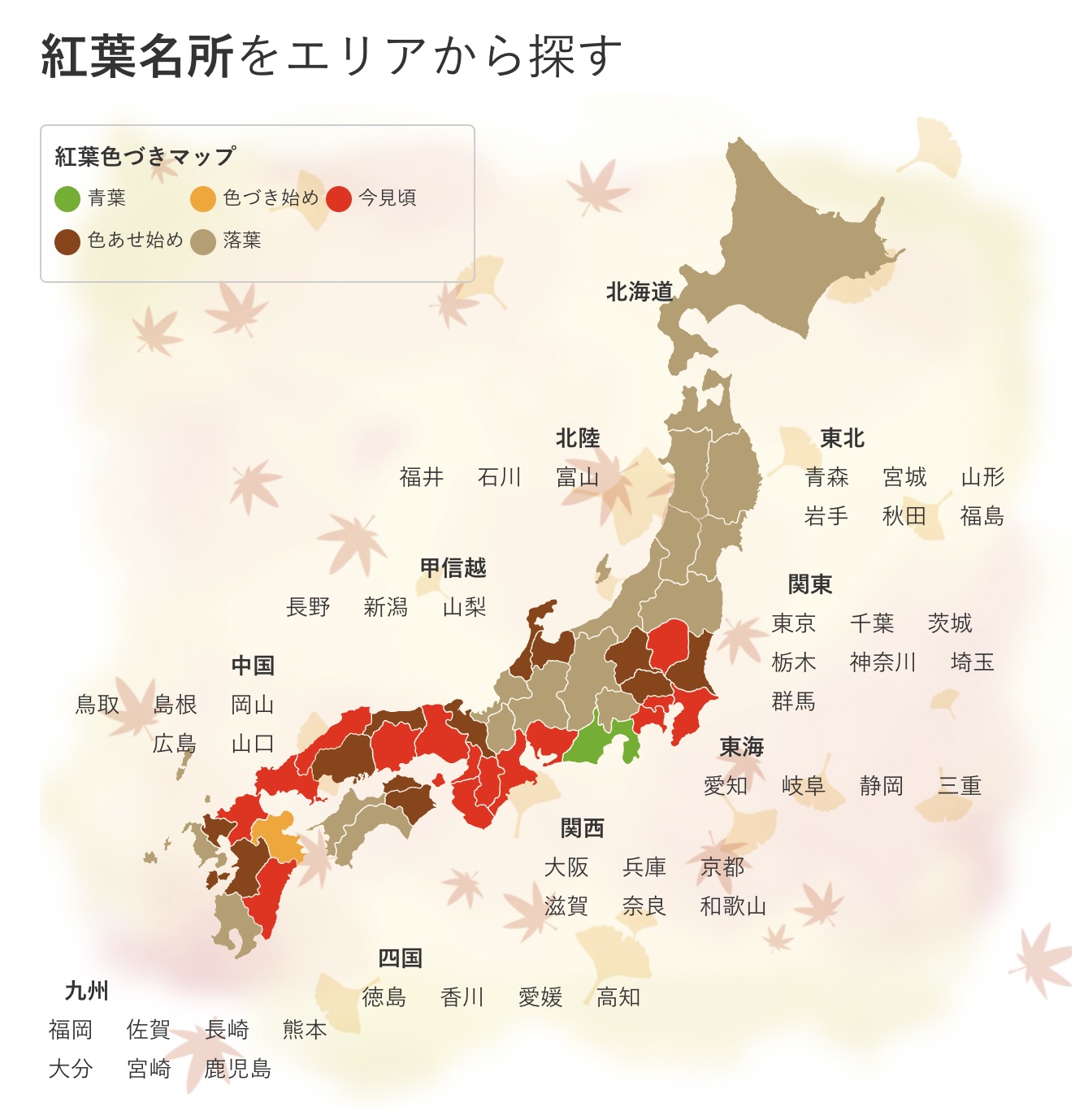
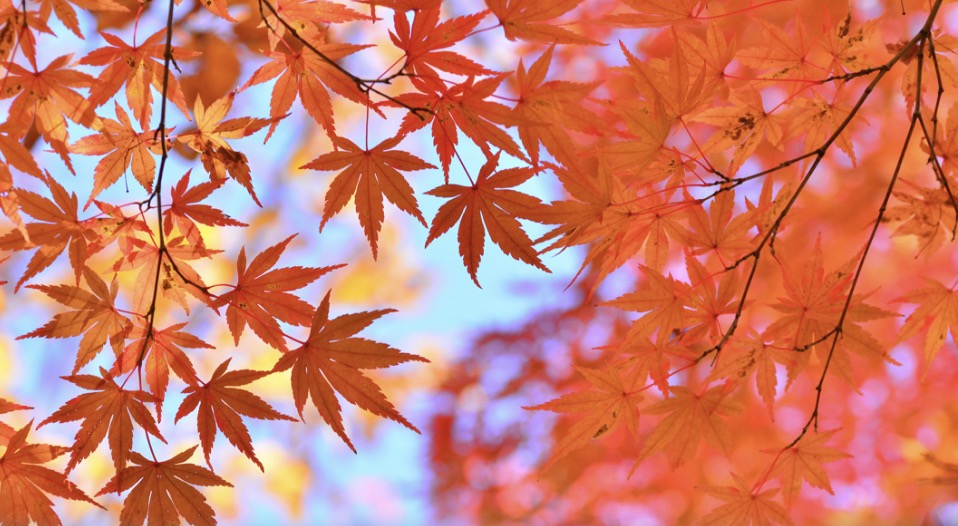
Autumn leaves in Japan, called koyo, also move across the country but in the opposite direction. Because the northern regions become cold first, their leaves turn red earliest.
Japanese maple trees become a vivid, deep red that many learners and travelers find unforgettable. While countries like Canada also have beautiful maple forests, the smaller Japanese momiji leaves create a different, delicate appearance.
As of late November, the best koyo spots are around Tokyo, Kyoto, Osaka, Nara, and Shizuoka, with Kyushu turning slightly later.
Tips for Enjoying Koyo Without Crowds
If you plan to visit famous temples, shrines, or parks, mornings are the best time. Before hotel breakfast hours, popular locations are surprisingly peaceful.
Nighttime light-ups are another highlight. The atmosphere is completely different from daytime, and many learners enjoy taking photos for Japanese travel journals. When photographing, aim upward to avoid capturing large crowds.
◆Listener Questions
1 In your country, is there a tradition of enjoying autumn leaves?
2 Even if there is no such custom, do people still enjoy the colors of trees turning red and yellow?
3 Are there places in your city where the natural scenery becomes especially beautiful?
4 Are there any plants in your country that symbolize the seasons, similar to cherry blossoms or autumn leaves in Japan?
5 If you could follow Japan’s cherry blossom front or autumn leaves front, which region would you like to visit?
1.あなたの国には、紅葉を楽しむ習慣がありますか?
2.そのような習慣がなくても、木々が赤や黄色に色づくのを楽しむ人はいますか?
3.あなたの街には、自然の景色が特に美しくなる場所がありますか?
4.あなたの国には、日本の桜や紅葉のように、季節を象徴する植物はありますか?
5.もし日本の桜前線や紅葉前線を追いかけられるとしたら、どの地域を訪れたいですか?
【クイズのこたえ、コメントはこちらへどうぞ You can comment here👇️】
◆Podpage
Official Website (Blog & Episode Notes)
◆Spotify
Learn Japanese with Sally こちらでも聞くことができます
◆YouTube
Learn Japanese with Sally 動画レッスンもあります
◆My Udemy
私が作った日本語レッスンです!!
I currently have three Japanese learning courses available.
📚️Reading:Level N4:The Secret of April 1st "Lies" 4月1日の「ウソ」のひみつ

 Apple Podcasts
 Spotify
 YouTube
 Amazon Music