Discover Japan’s Animals: From Friendly Deer to Wild Sparrows
Meta Description
Discover why animals in Japan—from Nara’s friendly deer to hot-spring monkeys and tiny sparrows—fascinate visitors worldwide. A gentle guide for Japanese learners and travelers.
―――――
Introduction
If you’ve ever traveled to Japan or hope to visit someday, you might be surprised by how closely animals live alongside people here. As you continue your Japanese Language Learning journey, noticing local wildlife can deepen your cultural understanding and make your travels even more meaningful. Today, I’d like to share stories about deer, monkeys, sparrows, and even Japanese dogs, all from the perspective of someone who teaches Japanese for Beginners every day.
―――――
Nara’s Deer and Japan’s Protected Wildlife
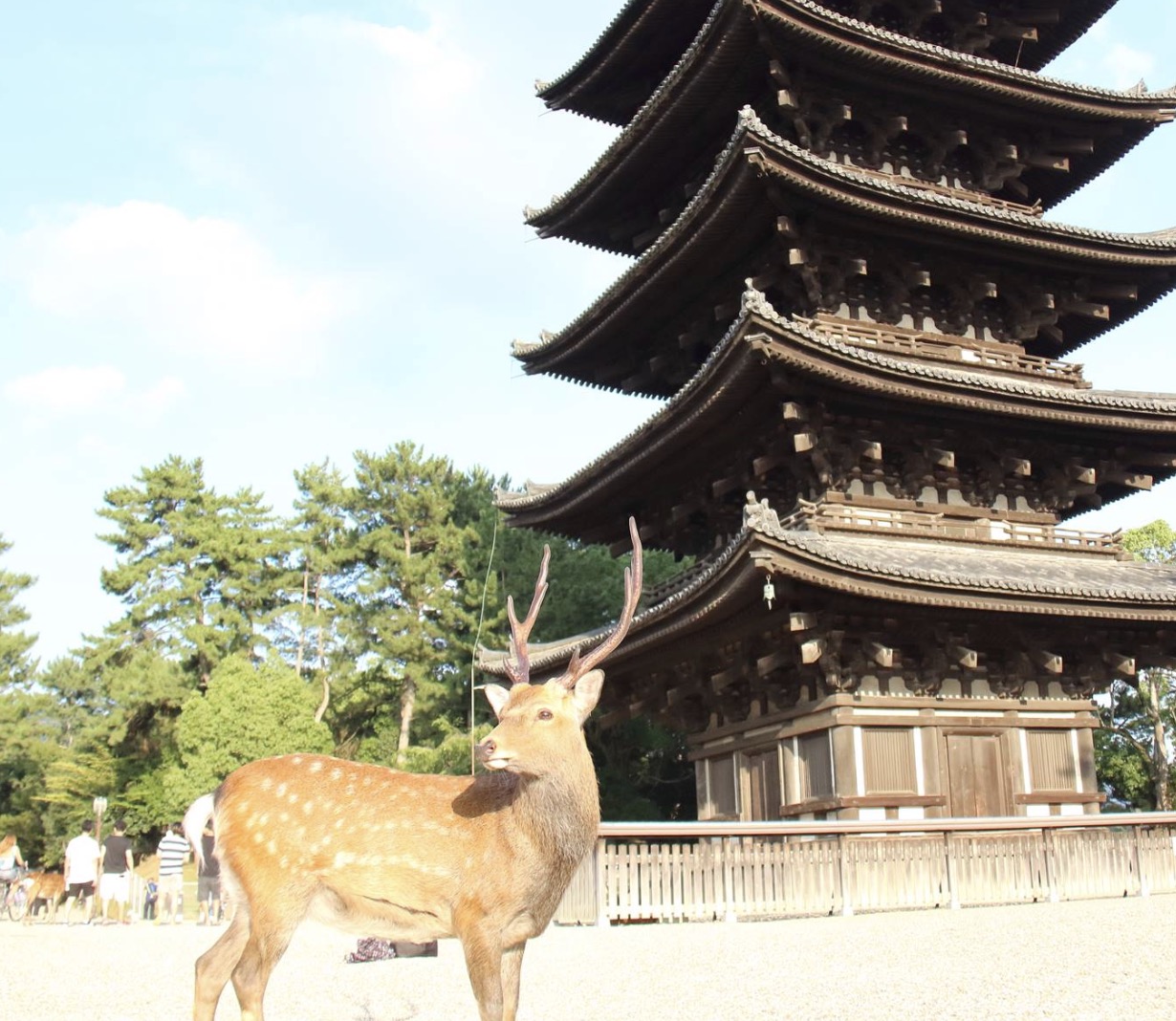
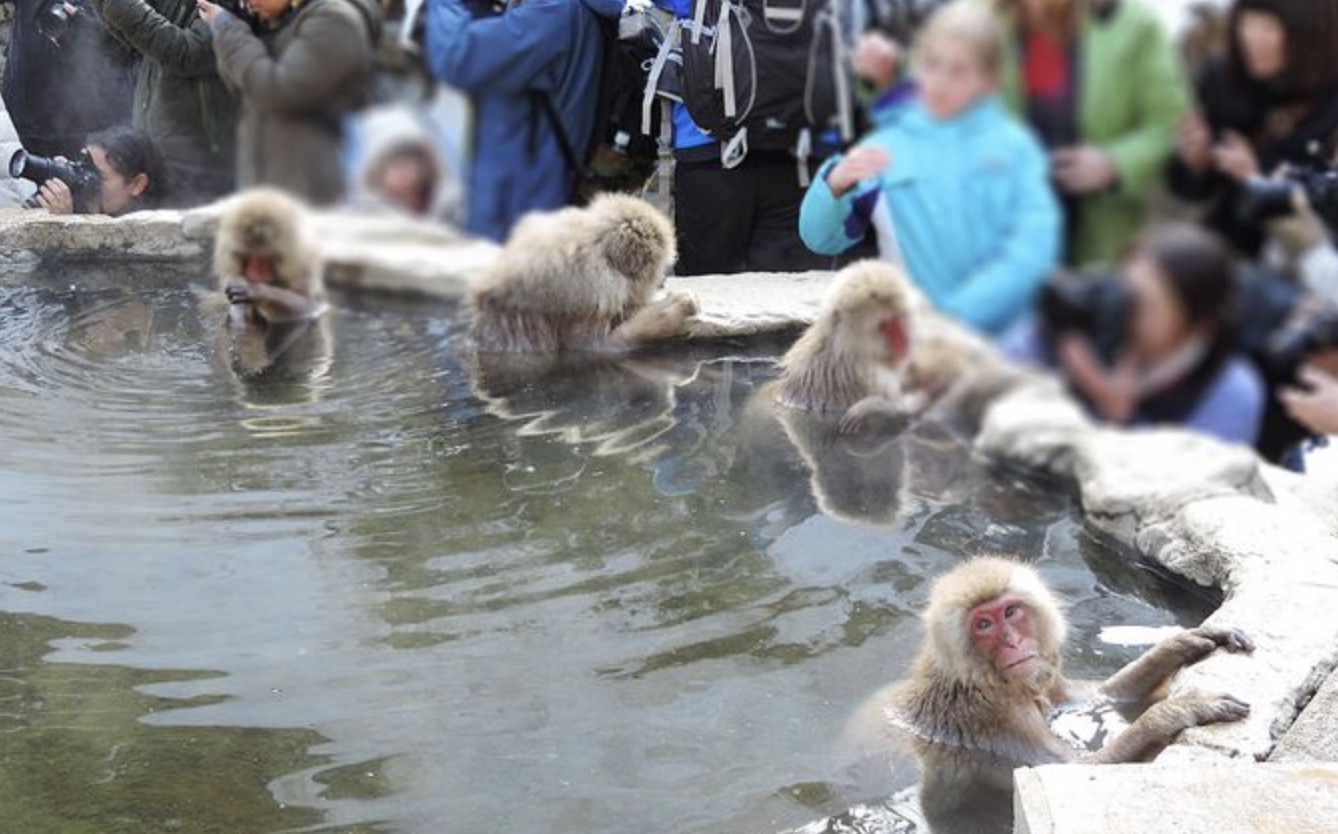
Many visitors who come to Japan for sightseeing are amazed by the deer at Nara Park or the snow monkeys bathing in hot springs. These scenes appear everywhere online, and they attract travelers who want to experience them in person. Japan has spent decades protecting these animals through gentle treatment, which is why they are not afraid of people. This closeness often surprises visitors who enjoy Easy Japanese travel videos or Japanese Listening Practice content.
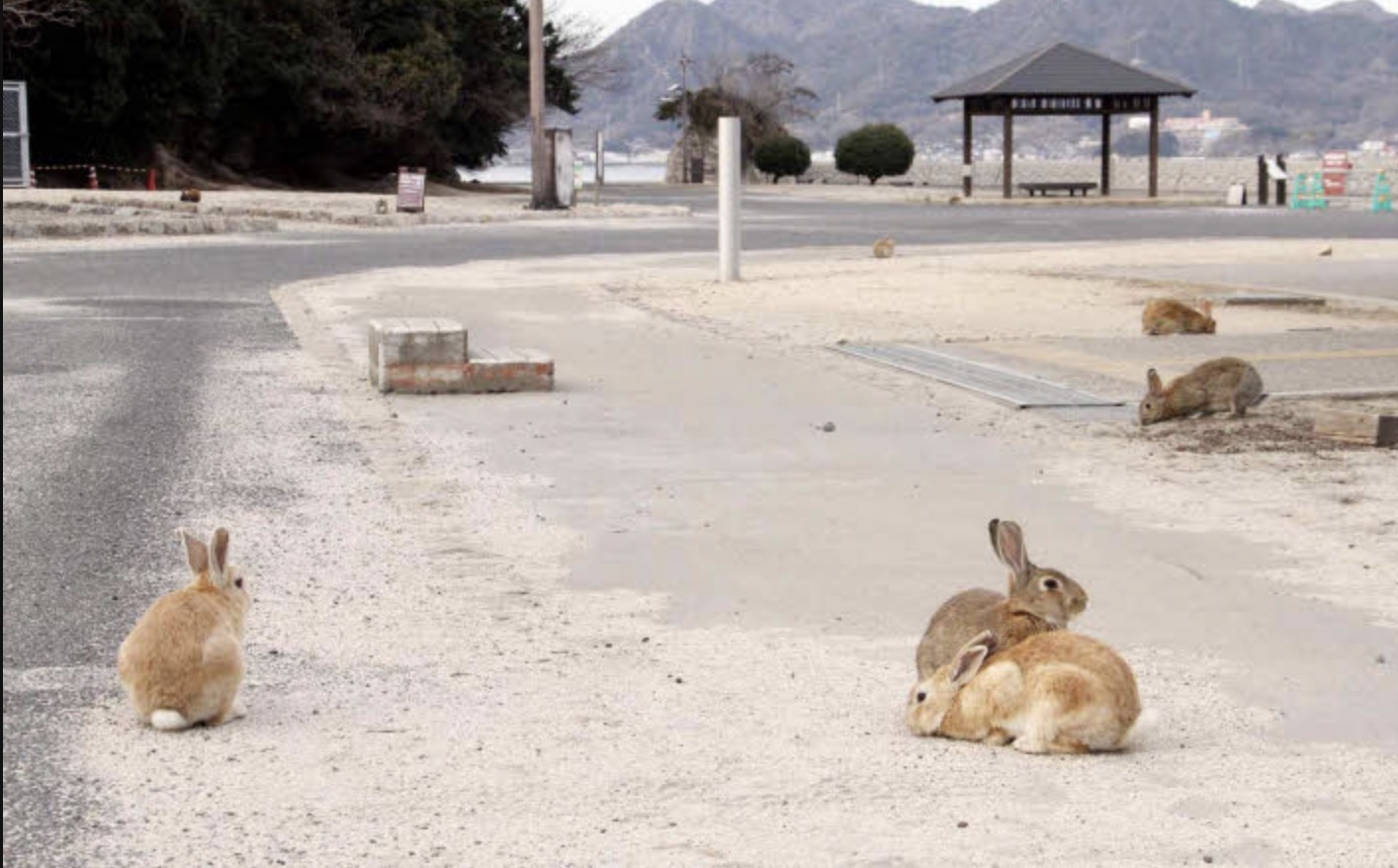
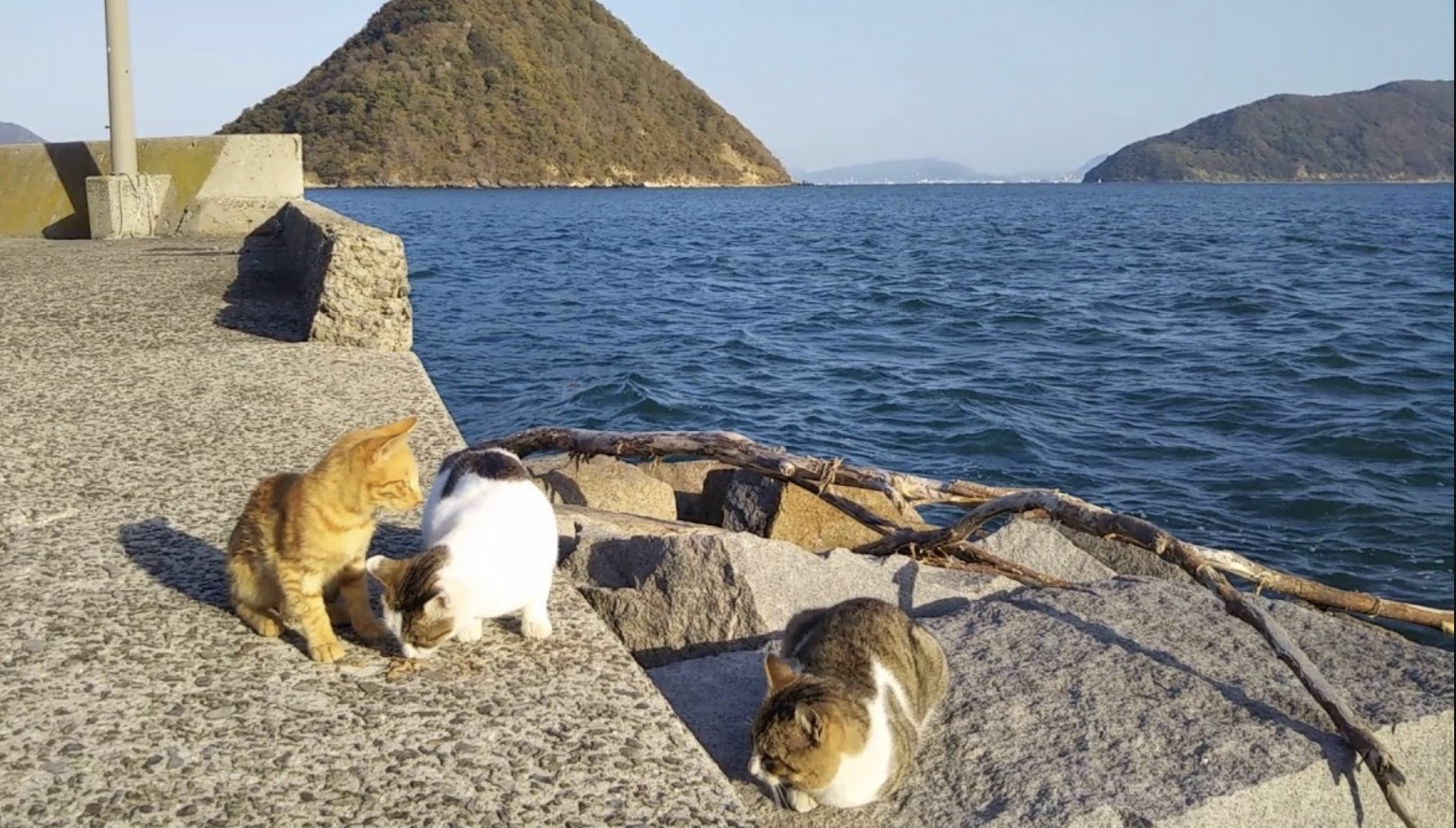
There are also unique places like Rabbit Island and Cat Island, where animals live freely. These spots have become popular among tourists exploring Japanese Pet Culture and unusual wildlife destinations.
―――――
When Nature Changes: Bears and Environmental Issues

At the same time, Japan faces difficult issues with wild bears entering villages. Although many people discuss food shortages or climate change, another factor is the installation of large solar panel fields in mountain areas. As forests are cleared, animals lose their habitats, and encounters with humans increase. Unfortunately, bears that appear in residential areas are often killed immediately. This contrast—protecting some animals while destroying others—feels deeply sad and complex.
A similar issue occurs with bird flu outbreaks, where entire flocks are destroyed even when only one bird is infected. These situations raise painful questions about how humans manage wildlife.
―――――
Why Visitors Love Japan’s Tiny Sparrows
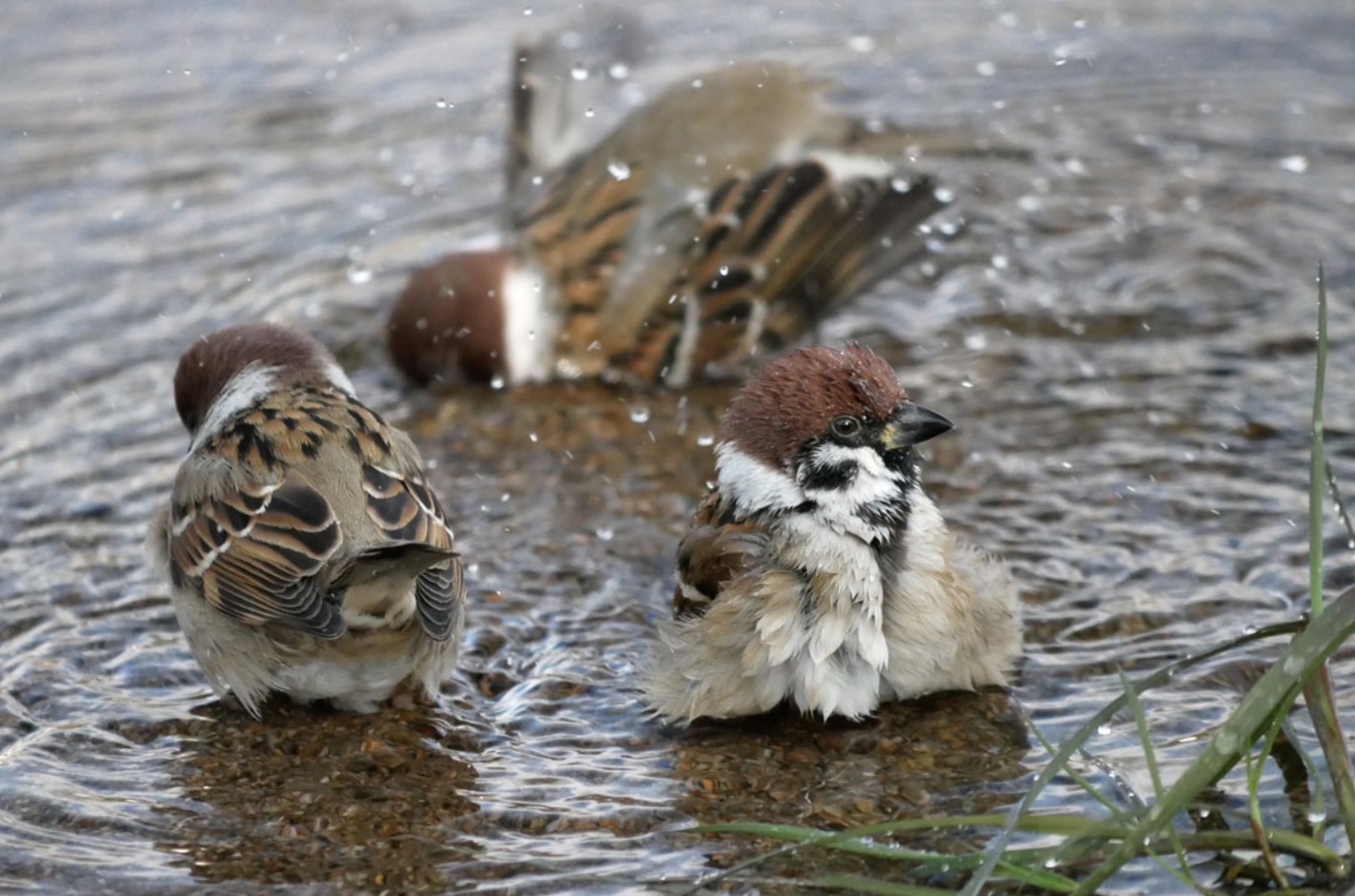
In many interviews with travelers on YouTube, one surprising highlight is the sparrow. Sparrows exist around the world, but in Japan they live incredibly close to people. Their behavior—approaching humans, taking tiny baths in water, and reacting quickly to food—seems charming to many visitors learning Japanese and exploring everyday culture.
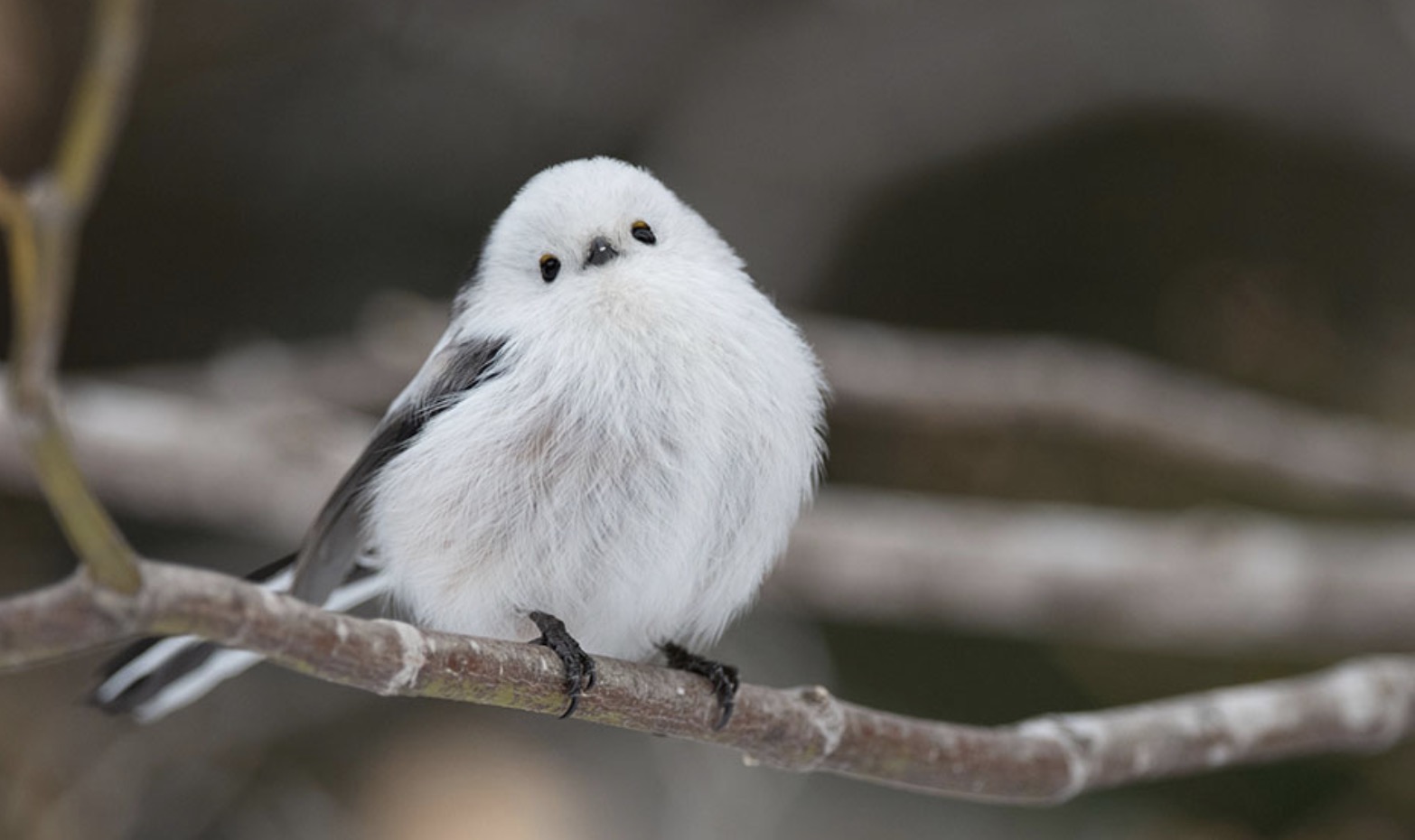
Some travelers even visit Hokkaido to see the shima-enaga, a small white bird known for its adorable appearance. Wildlife channels that record feeding stations have also become popular, especially among learners looking for relaxing Japanese Listening Practice content.
―――――
Shiba Inu and the Nature of Japanese Dogs

Shiba Inu and other Japanese dog breeds have become beloved worldwide. Unlike many modern dog breeds, Japanese dogs have not undergone heavy human modification and retain traits close to wolves. Their personalities are loyal but independent, requiring careful training. Those who love Dogs in Japan or enjoy reading about Japanese Pet Culture often find these breeds fascinating.
―――――
Key Takeaways
Japan offers a unique environment where animals—from deer and monkeys to sparrows and Shiba Inu—live surprisingly close to people.
Understanding how Japan protects wildlife, and the challenges it faces, can enrich your overall Japanese Language Learning experience.
If you have visited Japan and noticed interesting animals, I’d love to hear your stories in the comments.
 Apple Podcasts
 Spotify
 YouTube
 Amazon Music