Todd & Julie Mullins | How to Build a Team People Want to Be On
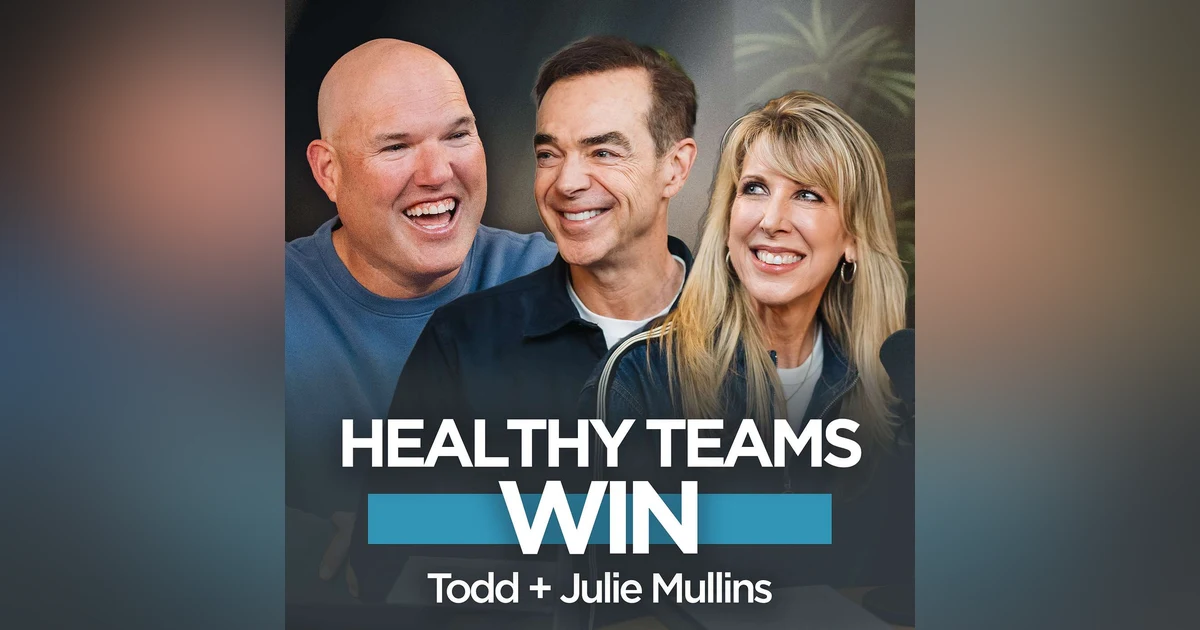


In this episode of Lead to Win, Pastor Jeff Little sits down with Todd and Julie Mullins of Christ Fellowship for a practical conversation on building healthy teams and shaping culture with intention.
Todd and Julie share why culture cannot just be caught — it has to be taught. From clarifying expectations to communicating values often, they unpack how leaders can build teams people want to be part of and create a culture that is life-giving, healthy, and clear.
TIMESTAMPS
0:00 - Culture As Soil For Vision
3:30 - The Team Question Everyone Asks
8:50 - The Origin Story Behind The Church
15:10 - Succession And Scaling To Multisite
21:30 - Culture By Design Not Default
27:55 - Turning DNA Into Leader Values
35:40 - Communicate Often And Celebrate It
42:10 - Accountability When Culture Slips
49:10 - Hiring On Purpose And Onboarding Fast
56:05 - Clear Expectations And The 30 60 90
1:01:55 - Lead People Holistically And Close
LEAD TO WIN RESOURCES
More Resources: https://leadtowin.com/
Win With People: https://leadtowin.com/pages/win-with-...
Register for Leaders Gathering: https://leadersgathering.leadtowin.com/
Information on Milestone Church: https://milestonechurch.com/
FIND US AT: https://leadtowin.com
GET IN TOUCH: Contact us at info@leadtowin.com
FOLLOW PASTOR JEFF
Instagram: https://www.instagram.com/jefflittle/
Facebook: https://www.facebook.com/pastorjefflittle
FOLLOW LEAD TO WIN
Instagram: https://www.instagram.com/leadto.win/
MB01KTGA8DJ2NXM
MB01UVECBC9UVOL
00:00 - Culture As Soil For Vision
03:30 - The Team Question Everyone Asks
08:50 - The Origin Story Behind The Church
15:10 - Succession And Scaling To Multisite
21:30 - Culture By Design Not Default
27:55 - Turning DNA Into Leader Values
35:40 - Communicate Often And Celebrate It
42:10 - Accountability When Culture Slips
49:10 - Hiring On Purpose And Onboarding Fast
56:05 - Clear Expectations And The 30 60 90
01:01:55 - Lead People Holistically And Close
Culture As Soil For Vision
SPEAKER_01Culture is the soil that your vision is planted in.
SPEAKER_02Yes.
SPEAKER_01The soil, the culture is going to determine how effective you are at reaching your mission and fulfilling the vision.
SPEAKER_05You can pick up on the DNA and the culture and the heart, but as this thing started to grow, we realized it couldn't just be caught, it had to be taught.
SPEAKER_01Yeah. Great leaders leave room for other leaders to lead.
SPEAKER_05We got to go. If we want this place where people feel loved and it feels like home and they can come as they are, then we've got to personally be that with people.
SPEAKER_03This is this is a conversation I was really looking forward to talking with you guys. I think, you know, I think when I listen to people's feedback, surveys, you know, the the the number one question everybody's having is how do I build a team? You know? And so, and I'm glad to have you guys here because this isn't like a professional interview to me. Good. We have a familial, relational, you and I, we're like brothers. We're like brothers. We're the same dad in a way. You said you listened to the podcast I had with. I did.
SPEAKER_01It was awesome. It was amazing. But you, I mean, we we knew of you for so long before we actually met you because Todd finally got to meet the brother.
SPEAKER_05Yeah, my dad would say, Oh, you gotta meet Jeff Little. Yeah, years of years ago. He said, You got to meet Jeff. Yeah, we're gonna go hunting together. And and so uh you get to take him on all the hunting trips, and uh I get I get to look after the church.
SPEAKER_03But I took him bass fishing though, and he brought like worms, so I knew that was not uh that he's not into the bass fishing thing. So but I will tell you guys this just to honor you as well. Like going to the 50-year anniversary of you know, with your parents, like it was like such a I wanted to bring people into that. Tell me about what your heart behind that whole event was. Yeah, we thought that was going to be. So I think there's a there are a lot of people who may know about Christ Fellowship, but give me a little of that history. So your dad is a is a coach, and then he goes to Israel, he has this encounter with God, comes back to West Palm Beach, Florida.
SPEAKER_05Yeah, he was a football coach my whole life growing up. And uh but but I grew up watching my parents serve in church, volunteer, fill in where they needed, wherever, wherever we were. And so, yeah, back in the 80s is when he took that trip to Israel and he was praying about a big job offer that he had in front of him. Right. And the Holy Spirit spoke to him and said, The riches of my kingdom far exceed the riches of this world. Yeah. And so he went back, turned down this big job opportunity, and a few months later is when this church started, and we were small for a long time. Right. We were up to 70 people after seven years in a little schoolhouse.
SPEAKER_03What year did you come there, Julie? What was y'all from? Right.
SPEAKER_01I was there from day one. Yeah, like the very first night of the prayer meeting. We were in college at the time. We weren't dating, we were, you know, in off season. In off-season, but you know, we we were able to like just jump in the very first night and uh She was the young adult ministry. Yes, I always say, you know, I was the young adult ministry because there was one young adult, another young adult came, I'd take him out to dinner, but just really just you know, just got to plant right away. And I you we always say, you know, that great leaders leave room for other leaders to lead. And you talk about team, dad just
The Team Question Everyone Asks
SPEAKER_01did that like from the very beginning, even with 70 people. Right. 70 people strong just gave us opportunities to lead before we were ever ready, but just coached us all along the way. So 70 people.
SPEAKER_03So this is new for me. You were there the first time I met Julie in seventh grade.
SPEAKER_05Okay, the church youth group that we went to before Christ Fellowship started. Before it started. So we've dated on and off since seventh grade. Puppy love is real to a puppy, y'all. I mean, I was I had it. Uh and so yeah, but but she was at the church when I was off in college. Okay. And as it was getting started. As the church was getting started. And then we uh finally got uh into an old barn, right? And then things just took off from there and started doubling every year.
SPEAKER_03And you guys obviously serving in different places, and you had different roles along the way, come back from college.
SPEAKER_05Came back from college. I was the youth guy, the worship guy, the janitor, my dad's secretary, you know, sweep the floors, wash the car, do whatever's got to get done, kind of guy, which is what you do, right? I mean, there's there's something like that. All for a hundred dollars a week. It was awesome. Always a good hire.
SPEAKER_03But that was, I mean, the good part about that is that you had exposure before stepping into what you do today, which you can't necessarily certain.
SPEAKER_05Got to grow up with the church. As the church grew, I grew up, my leadership opportunities grew up, and we had more opportunity to take on more things and try stuff and kind of grew with it as it grew.
SPEAKER_03Exactly. So, so tell me about did when did you have any inkling that you would become? I mean, so you guys get married and now you're serving together. And, you know, did you did you think, hey, this could happen?
SPEAKER_05Or tell me how I I really didn't, I wasn't thinking about it. My head was down, we were working hard, building a church. And then dad would dad brought it up. He said, Hey, you know, someday, right, if you're up to this, I'd like you and Julie to take this on, take this over. And I'd say, Oh, well, I hadn't really thought about it. Uh, he goes, You don't have to, but pray about it. So a year later, he'd come back, he'd say, You don't have to, but pray about it. And then there was one time where he said, Okay, this is the last time I want to say you don't have to. If you're if you're in, you're in. We got to start the process. And that was uh man, that was probably about 18 years ago. And we had a three years of that process of transition, and then 15 years ago, he he stepped in. He didn't retire though, he just repositioned. And he got in the front row. He's definitely not retired.
SPEAKER_03No, and he's called me the other day. He says, Oh, son, I'm it's like you know, the day after Easter, you know, or something. And he obviously got plenty of energy. He's like, I'm in the office, you know. It's like, what do you mean?
SPEAKER_05He was the only one in the office the day after Easter. He's like, Where he called me, where is everybody? Like, Dad, we just did 78 services. Nobody's at church today. Why are you there?
SPEAKER_03Yeah, he's like, it's Monday. I'm in the office. What are you doing? I want to see about it. So so you you step into that, right? And obviously you have a different you you have DNA similarities, you have the relationship with the people, but you have, you know, you're you. Yeah. You're not your dad. Yeah, right. Yeah.
SPEAKER_05So and and the church had grown a lot. We were much bigger than 70 people, but if my dad passed it off to us, there was 11,000 in attendance every weekend, 150 staff. Okay. We just go on multi-sites, like four campuses going on. And and and uh you know, coach, if you get around coach, you can pick up on the DNA and the culture and the heart. But as this thing started to grow, we realized it couldn't just be caught, it had to be taught.
SPEAKER_01Yeah. Right. So as we grew, you know, it just meant that as we stepped in, it was we we had had a lot of experience. Right. But as we stepped in, we realized that, you know, what would what just spilled out, you know, a life-giving, a generous culture, you know, um, just that we're all in, you leave it all on the field, all of that culture is so built into our DNA, it's yeah. Serving, make a difference in the community, that we realized that, you know, that that what was caught around the table, decisions were made at a very small table, um, that as we grew, we started seeing that as we started launching other campuses, that some of that was, you know, a little bit diluted. Like when things, you know, when things went really well, if someone saw somebody do something really great, they'd be like, now that's the Christ fellowship way. Yeah. Or if they saw, you know, someone that maybe made a mistake or negative attitude, they'd be like, that is so not Christ fellowship. So we were like, what is this elusive Christ fellowship way?
SPEAKER_03We got to give some language to that, right? Okay, this is huge. So so I want to I I want to set a little more of the stage. I tend to belabor the I know sometimes people out there listening probably are like, once you get to the point, but I'm I'm I tend to, you know, so first of all, you know, coach has become, you know, such a a spiritual father mentor uh to me. It's just it was it's just a divine thing, you know, how God brings people into your life. And so, like, so so again, hunting trips and connections, of course, then you guys and our relationship and what I want to say, you know, because I think if someone out there listening is kind of like, why do I have you on here and what am I wanting? So I'm trying to set the table a little bit. You know, you you took over a church of 11,000 that now, you know, has grown even more significantly. You you you you were stepping into multi-site, but I think y'all would say of yourself you didn't really know what you were doing. Right, right, right. You had to develop that, and then you've you've had to, you know, move into a really a totally different way of building church. Um, and so
The Origin Story Behind The Church
SPEAKER_03you know, now 14 locations, an online location, you know, 80 something thousand people at Easter. And and so now you have really a movement of campuses, campus pastors. Um as you said, you have distinctives of you know, raising up leaders. John Maxwell's on the teaching team, you have a college. Um, and and what I wanted people to know is two things. One, you guys, and you couldn't say this of yourself, okay. I think there's people who are good leaders, but then people wonder, okay, what about character integrity? Because of my respect for a coach and respect for you guys. I mean, I want to say you guys are are some of the best Christians I know. And I mean that that matters, just to be honest. I sometimes tell pastors, you'd be a better pastor if you're just a better Christian. I'm just saying, you know, there's kind of our our our neighbor next door is a widow, and she called Brandy, and she was all nervous and like she goes, I'm literally sick at my stomach to ask you to take me to my oral uh surgery appointment, you know. And Brandy and I were driving, and Brandy took her and she had to sit, and we just kind of take care of them kind of like that's kind of like two of them in the Bible. Yes, you know, pure and undefiled religion and love your neighbors, right? Widow and neighbors. Right, right. Yeah, we we probably need to take care of that one. Yeah, that's good. And so thank you guys for just just just having integrity and being people that I'm just honored to to have a relationship with because I just think you guys represent Christ in a powerful way. And so I'm saying that to people out there listening, you're not just leading this big organization, but you also are just amazing, godly people. But I want to talk about the fact that when coach is telling us to get together, right? So Todd, you gotta we gotta get together, Jeff Little, you know, we get to connect, okay. And and then I go there for your first conference. Okay. So you guys had been in several years here, took over the church, kind of get your bearings, you start multiplying. You had just gone through a pretty exhaustive process in terms of staff culture. So I know I'm taking a long time to let y'all go, but I think people out there, because I've been surprised at the number of people listening to the podcast that are a teacher or they have a business or they're building a team, or and a lot of them are ministry leaders, youth pastors, children's team leaders, or past senior pastors, or or maybe they just serve in their church. At the recent art conference, which both you and I are part of and help with, that they did a survey, team leadership number one checked. Most of the time, anytime you survey people, they're going, How do I build a great team? Right. So, what I want y'all to do is walk me through, just like we're doing a group staff meeting for a minute, tell us about your journey. You started hitting on it, and tell us, you know, tell us like what how we can also like apply it a little bit. So, so talk about that a minute. We're talking about where did you get this team? Yeah, how'd you get these people to work for you? Yeah, and they want to. And it's not all of it's not perfect, right? But what things can we put in place to build a healthier culture or build a better team? Yeah, and and maybe that'd be a good first question. Can anyone build a good team? Can any, I mean, can't can that happen? I think it can if the culture's right.
SPEAKER_05Okay, because the culture sets the table for the team to actually function the way you want them to to get the job done. Um, you know, culture rules the day because you can have an amazing mission, you can have superb strategies, but if the culture is crummy, nobody wants to stick around and do it, especially in the what we do, because it's not just the paid staff that are on our church teams, which both of us have a lot of that, it's also the volunteer teams by the thousands that are serving every week to make ministry happen. So you've got to create a culture that people are willing to go, yeah, I'm gonna give up my day off to come serve in kids' ministry or the parking lot or get things ready. And I'm gonna so it's culture is really important. And we learned that culture, uh every organization, every company, every uh every school, everybody has a culture, either by default or by design. There you go. Default is like left up to what's you know who who steps up or who doesn't step up or what's said or not said. Design, it's articulated, it's crafted, it's it's very well laid out.
SPEAKER_01Yeah. And I think that our passion, like we are obsessed with this. So we're obsessed with building culture, with um defining it and then defending it, right? Very good fighting for it. Um, and I think that it kind of goes back from me that when I was in high school, um, Todd was raised by incredible, godly parents. I had amazing parents, but um, but they did not know the Lord when I was in high school. Okay. And our family was in an extreme crisis. You know, both my my parents got divorced or remarried in a very short period of time. And um, and just I was just in looking for attention wherever I could get it, right? And so um, and I got invited to church. I had no idea. Like the only reason I showed up to a youth group is because they told me there'd be really good looking guys there. And so I had no idea when I walked through the doors, you know, that white people had to hand their hands in the air, what it meant to be saved. But when I walked through the doors, I experienced something I had never experienced in any other place. I I experienced like people that like saw saw something in me and started drawing out like my gifting and my you know and my my ability. I saw just affirmation. I what I I they they began to just speak life over me. And I never experienced this. And what I felt, of course, was the Holy Spirit, but it was people that created this culture where a teenage girl who had, I was the only kid in the youth group that no one, you know, that whose parents didn't attend this church.
SPEAKER_04Right.
SPEAKER_01And and uh what I experienced was culture. And culture is what you feel in a place before anyone says a word. Yeah, like it's what you can feel in a place before anyone can say a word. And so, you know, when what this when I think about like what I experienced is that people
Succession And Scaling To Multisite
SPEAKER_01that lived out the John 1010 life, like the the Jesus came to give us life and life to the full, this full, abundant life. They were such a reflection of that. The people that made living for Jesus so attractive, it took away my my taste for anything the world had to offer. And so that that kind of takes you back to why we're so passionate about that to just go, I want that for everyone. I want every, you know, this that for our church to be a place, our our team to be a place where when people walk through the doors, they experience something that they don't they they don't even know what it is yet.
SPEAKER_03So don't you think everybody wants that? I mean, in other words, uh and we know people want it, but I would say there's leaders out there that would say, Well, I want my team to be that. Or I want my church to be that. Yeah. Why is it not? So I I'm listening to your it's either design or default, right? Right. We either want to defend, we we want to we want to build something.
SPEAKER_05We want to design it, then we gotta defend it. Then we're gonna defend it, right?
SPEAKER_03And so protect it, guard it protect it and guard it.
SPEAKER_05It takes a lot of work. Yeah, and I think sometimes we as sometimes leaders don't know how to start. How do I, man, the teams maybe kind of messed up, or I've I've inherited a team, or maybe you're not even the leader, you're on a team, and I'm like, how do I, how do I change the culture? I'm not even the senior leader on where I'm at. Really good. Well, I I think everybody can be a part of shaping and changing the culture. The first step, and especially if you're the leader, you got you got to be the culture. Right. You got to be what you want to see. There you go. If you want a culture that is life-giving, then guess what? You gotta be life-giving. If you want a culture that's generous, then you've got to be generous with your words. And if you want a culture, if in a church setting, if you want a culture of prayer, then you've got to be a person of prayer. You've got to be what you want to see because you will never build what you are not. So it starts there. And I think that that's really where, again, it's not for a leader for us. We got to go. If we want this place where people feel loved and it feels like home and they can come as they are, then we've got to personally be that with people first.
SPEAKER_02Right.
SPEAKER_03I really like this because I think it helps somebody. They're like, okay, I I took over a team or I took over a church. And it's like, I know the culture's broken. Where do I start? And and and I want to say this because I think this is big. We share so much today. We have podcasts. I think uh another challenge could be that I want, you know, I come to Christ Fellowship and I go, man, that's a noble value. That's a that's a good. And then I and so I just cut and paste. Yeah, yeah. It doesn't work that way.
SPEAKER_05But that's not me. Yeah, yeah.
SPEAKER_01Yeah. For us, we we did real, we spent time really defining this. Okay. And um, and first of all, I mean, obviously, you need a clear mission and vision, right? We know our mission as a church. I mean, we know it comes from the Great Commandment. Ours is we want to lead a radical transformation for Jesus in this region and beyond. It's a it's a compelling mission. Right. And then we have, you know, we have a rally cry that we're gonna get there first with the next generation. So you need that. Um, but then there's those values, right? We talk about behavioral values, and so you know, our core values for the church. But what we realized was that on our staff and on our team, we had core values for the church that were very similar, you know, we articulate them different, but probably around unity, you know, generosity, integrity, all the all the things. And a lot of churches have the same core values, but we found that there were these leader values. And it was good. And what it was was that again, going back to you know, someone that would say, that you know, that is so Christ fellowish. Well, what is that? Like when you just said about the distinctive, let's let's define it. What are the things that when we look at it and we go, we see it happening, we're like, man, when we see the worship leader serving in the nursery, you know, when he's not leading worship on his weekend off, we're like, man, that that's amazing. That's like servant leadership, or we see we walk into one environment and it is just you know full and fun, and you know, and and there's so much, again, a reflection of the John 1010 life. You're like, that's what we want to see. So we had to spend time, you know, first of all, articulating, giving, giving a voice to the unspoken language.
SPEAKER_03So good. Say that again.
SPEAKER_01This is really we had to give a voice to this unspoken language, this thing that people would feel, the, you know, that why is this place so life-giving? So, first of all, we had to articulate it.
SPEAKER_03And isn't it said that most of the time on a team or a staff, people leave because of the unspoken? It's it's not usually the written things, it's the cultural nuances.
SPEAKER_05If they're just like, I don't know, and I'm not sure if I fit, and I'm not sure if I understand what's expected of me. Right. Well, these values, we we call them our leader values. They leader values. They actually are descriptive and prescriptive. Yeah, they describe who we are, who we are at our best, but they prescribe what you're gonna do. So you have an action connected to it's a prescription.
SPEAKER_01It's like you might not be this yet, but this is what we are. So let's give them an example. Okay, okay.
SPEAKER_03Well, wait a minute. Before we go to example, how did you so digging it a little more? We're having we we we get uh cultural carriers, we get together. So someone out there, they're like, Okay, well, I gotta, I gotta, I gotta find out what these are. How how long did that take?
SPEAKER_05So we went away for about three or four days with a uh mentor in our life. Okay. We pulled these things out of the street. He starts asking you tell us why. Tell us what you see, when you see it in your organization, what you like, why you like it, and we we put it on this whiteboard, and then we pretty much begin to bring the drill them down to like these 10 core leader values that we want to see. So then we articulated them in catchy phrases like okay, ministry is a get-to, not a got to. Okay. What I'm a part of is bigger than the part I play. We are thermostats, not thermometers. Yeah. Right. So we can exp unpack any of those. Then we built lessons out under each one of those with scriptures and examples, and and then we spent 10 weeks teaching it to our staff. Ah, okay. So now we took it and we taught it.
SPEAKER_03Then they're like, took a little while to define it. Yeah. Then you put some more language to it, then you got to start teaching it.
SPEAKER_05Yeah. Okay. And then they take it and they teach it to their teams.
SPEAKER_03Okay.
SPEAKER_05Then they put it into our weekend huddles. So now at all the campuses across uh all the different ministries, that the the weekend huddle might all be about, you know, this one is ministries a get-to, not a got to. And so now volunteers are teaching it to volunteers. So that's how you begin to work it down into the world.
SPEAKER_03Okay, give some examples or whatever you want to say about that, Julie. Because I know you're you're all she's
Culture By Design Not Default
SPEAKER_03the she's the court queen. You're more the architect.
SPEAKER_01And this I'll say, I mean, I'm just gonna like lay out these phrases. It's we we have to articulate it, then we have to communicate. And when I say communicate, I mean often and everywhere.
SPEAKER_03Often and everywhere.
SPEAKER_01Often and everywhere. Okay. And then we have to celebrate it when we see it because you're gonna replicate what you celebrate. Okay. And then we have to decide what we're not gonna tolerate. Because you can't tolerate when things are countercultural or subculture. So an example would be you know, um, one of the examples would be that we are served. Servants and stewards first, that titles are for organizational clarity. That's just a trademark. So when of the leader, it's a trademark of coaches' leadership. For the longest time, we did not have titles.
SPEAKER_05Everybody just kind of We didn't have an org chart. We didn't have an org chart. Because we're all servants. Yeah, we're all servants and stewards, right? So we had to eventually get an org chart for the city.
SPEAKER_01So the people knew what everybody was supposed to be doing, right? And so but we we said we're not title driven. And so right in the middle of the word entitlement is the word title. And so we're not going to be title driven. And so we have a one of our core lessons is hey, we need to figure out early, you know, that there's a difference between our calling and our assignment.
SPEAKER_03There you go.
SPEAKER_01We are we are called to build church. We're called to to disciple people, but our assignment's gonna look, my assignment has been different. 40 years of ministry, it's changed about 45 times. My calling has been the same from day one. And so really just that that's become a mantra that our calling and our assignment are different. We've got to get this, get again, this these types of lessons are built into our intern, you know, program. It's built into our leadership college, it's built into our huddle. So just really unpacking that, you know, that we want to have what we want our when people come through the doors, they want a culture of just servants first.
SPEAKER_02Right.
SPEAKER_01And we celebrate that. You know, when we see the campus pastor staying after a kingdom builders event, you know, mopping the floors the night before, we're celebrating that in staff meeting.
SPEAKER_02Yeah, yeah.
SPEAKER_01And you know, and and celebrating when we see it. But we we say another one is that we this was so funny because the first time we did this lesson, um, we said we we are we are full of it. Yeah, like around here, it's gonna be like a compliment. If someone says, You're so full of it, that's like a compliment. We're like, thank you, right? And so this is so what what that means is we're again a reflection of that full. We want to create environments that are full of it. Yeah. Full of faith, fun, and family.
SPEAKER_05And faith, fun, and family. Faith, fun, and family. So we tell our team, your job on team is to create environments that are full of it.
SPEAKER_01Because joy is the serious business of heaven. Yeah, there you go. And people are beat down all week long, and we want this to be the best hour and a half. But that also means your team meeting should not be a drudgery, right? That we want to create environments and spaces, and it dictates the kind of songs we sing in worship in middle school ministry. We walked in one time and they're singing like some song about how I'm a worm and I'm so ripped and I'm wretched. They're seventh graders, and that might be true. Of course they are. But we don't, that's we have a better word, you know, to be covered up into worship. So those are, you know, the um.
SPEAKER_03That is uh that's cultural, right? Like in other words, different church contexts have different deep intellectual, yeah, you know, uh, you know, more contemplative, more melancholic, more suffering. Right. Not that we don't all we know we suffer, obviously, and we we we join him in his sufferings, and blah, blah, blah. But you're talking about like what we've chosen here. We feel like God has called us to, if we're gonna err on the side, right?
SPEAKER_00Yeah.
SPEAKER_03We're gonna be faith, we're gonna have fun.
SPEAKER_05Yeah, yeah. Yeah, we want our we want our kids going away from graduating from high school, going off to college, going, My church throws the best parties. Yeah. And so when we get together, they always know there's gonna be something fun happening. They want to be there, they want to be, man, because if that can get in their spirit before they go off to college, yeah, it'll save them a lot. I love shoes. And if we're full of faith, man, that means that wherever you are in the organization, you come prayed up, you come ready. Yeah. Because that faith's got to spill out of you when you're praying with somebody or counseling somebody. So glass half full, positive. Yeah, I gotcha.
SPEAKER_01Pronouns matter. It's not my ministry. Right.
SPEAKER_03Yeah.
SPEAKER_01This is not my department. Yes. This is all God's. We hold it with an opening. There's a difference between a steward. Exactly. That we steward this, like yeah, and we hold it loosely. I love that.
SPEAKER_05If we if you asked anybody on our team, um, what do you do at the church? Or what what department are you over? They won't say I'm the the words that'll come out of their mouth 99% of the time will be I look after youth ministry. I look after accounting, I look after because we have trained them to say words matter. And not that you can't say I'm over it. We're not saying that, but we want the culture to be of I'm only, I'm just stewarding it. Yeah. And Julie and I feel the same way. Yeah, current is the same. We're we're interim pastors. We're all interim pastors. We're all interim pastors. One day we ain't gonna be doing what we're doing. So we're just in this moment looking after the church, and it's not our church, it's Jesus' church, right? So again, it's got to flow from us.
SPEAKER_01Yeah, and this is so important because the the culture is the soil that your vision is planted in. Yes, yeah. It's the soil like if we want our vision to move forward and and it's the the soil has to be healthy, it's gonna deter the soil, the culture is gonna determine how how effective you are at reaching your mission and and fulfilling the vision.
SPEAKER_03Can I ask a very organizational? So you have organizational question. You have, like, say, an employee handbook which would have the staff values. Is there a different iteration of that to when it would be given to volunteers, or is it the same list? In other words, is there a more detailed list for staff, or what does that look like?
SPEAKER_01So we we do have those lists of values and um and we actually start, we actually start communicating those in the interview process. Okay. Because we hire for culture. But as far as volunteers go, it the leaders will the they're called leader values, so they're gonna hear those more. Um, and in our leadership college, right? It you know, our coaches that are you know higher level leaders, they're going to be held more accountable to those. Our volunteers will hear about them. They're gonna hear 10 statements. It's just still the same 10 statements, you know. Okay.
SPEAKER_03But the the accountability level for each of those and the the prescriptive part exactly that you would do in relationship to it might look different in terms of that.
SPEAKER_01But they would they would know them, leaders would know that. Okay. They would be given the same.
SPEAKER_03So
Turning DNA Into Leader Values
SPEAKER_03so you go on this journey, you go away, you you you you kind of start putting these together, you then are building out the ways, you know, which I would think would obviously maybe be the harder part to be what are all the touch points in which how much how much? How how do you know if you're doing it too much or not enough? You know, so finding all the places people engage with it. And um, I'm I'm speaking personally too because I I'm I'm leaning into this and they've invited you guys. I'm in that, yeah, yeah. You know, because I, you know, I I pastored three other churches. I know we're all temporary pastors because I've been to the fellowship hall at a cake and got them in. Six months later, they go, Jeff Who. So but because milestone starting it, you know, I'm leaning on you guys because you're ahead of me and I'm and and leaning on this. I'm I'm I feel like I'm I'm I'm actually asking these questions for the listener, but I'm actually sort of selfishly going, We're here to help. How do we, how do you, and and and and I think, you know, how long do you I'm gonna ask another question. How long do you feel like it took? How long did it take to get that into the culture? How long do you think it takes for someone if I sign if I interviewed to be on staff at Christ Fellowship? How long do you all feel like it would take me? That's a good question.
SPEAKER_05What how does that well we at the beginning when we first did this, culture is an inside out job. And so we had to start with our leadership teams and then our central directors and qu campus pastors, then our staff, and and it had to bake from the inside out so that wherever a volunteer pushed in, they were kind of getting the same thing back.
SPEAKER_03Right.
SPEAKER_05And we actually encourage our you know, our campus pastors that one of their number one jobs is to transfer the DNA and the culture of the church. It's not leadership because if they think leadership's the primary responsibility, they're gonna lead. They have to lead, but we want them to lead in the covering of the culture and the heart behind what we're doing. So we spent a lot of time at the beginning, and then uh they spent a lot of time then working it out through the different groups, and then you know, you let off of it for a while, and then it slips, and you got to go, oh wait, culture slipped right there. We actually had a season a couple of years back where we realized, man, it just felt like our culture was off. Yeah, and there was a few areas that we kept going, that doesn't sound like us. And we had to pull that.
SPEAKER_03Did you follow a season of expansion?
SPEAKER_01It did, it did, and new staff members, yeah. And new staff. And when you asked earlier, said, How often do you communicate it? You know, much more often than you think you need to. When you start getting sick of hearing it, people are just now catching on to it.
SPEAKER_05And we'll weave it into good reports at staff meeting. Yeah, somebody'll do something like you know, that's why we always say, you know, what I'm a part of is bigger than a part of play, because you right there, you realize, man, God's doing something big here, and you're a part of it.
SPEAKER_03Hey, let me pause right there because that's a real practical. I think one of the first things, too, that I got from you guys is you do a weekly staff meeting where people come and and that was an anchor uh thing for culture. Like how you how you actually had a meeting. We all come, we celebrate people, we do that. That was kind of part of the Christ Fellowship story even far more than that. Coach started that long ago. The locker room. Get in the locker room, let me coach you up.
SPEAKER_05Yeah, we're gonna celebrate what's going on. And dad set that up way back when there was just you know a handful of us that were starting the channel.
SPEAKER_03And so I would I would think somebody listening, when do you meet with your team? Yeah, what do you emphasize? Because I think I find myself uh observing people who struggle with culture tend to be a little bit more on the pragmatic side. So they'll have a meeting and it's all pragmatism and they don't do it.
SPEAKER_05Ours is not our when we say staff meeting, it's not that. Sometimes you have to get pragmatic and deal with things, obviously. But I would say our team thinks they they would say staff meeting is their favorite meeting of the week.
SPEAKER_02Yeah.
SPEAKER_05Because they get to come together. There's worship, prayer, praying over them, a little bit of just encouragement, celebrating good reports, things they may not know that's going on, and this, and and usually our team celebrating another team member. I want to thank facilities because they came through and they did this for us. And so there's this sense of shared vision and heart around that. And then our lessons are pretty intentional. So there is if we feel like there's something that has kind of slipped a little bit in culture, we're speaking to that. If there's something that we want our team to step up in in their in their own personal leadership, it's not random.
SPEAKER_03Hey, I was driving through, you know, it's a it's a cultural experience, but even the smaller meetings, you're saying you want that. If somebody has a team of uh their youth team, yes, you would say it needs to feel like if you want culture to change, then you need to make that meeting have more priority placed on culture, right? Yeah, right.
SPEAKER_01And and and and we ask them to take whatever's in staff meeting, whatever the lesson is, we want them to carry it into whatever their team means.
SPEAKER_05They don't need to come up with a whole nother meeting, another whole idea, another whole sermon.
SPEAKER_01Yeah.
SPEAKER_05Just carry this out, build it out for them, but carry it out.
SPEAKER_03Well, let's talk about the hard one, okay? Yeah, how do you measure it and how do you know when is the time to say this isn't a culture, you know, we we we we're not a culture fit. Yeah. Again, I don't think anybody we're all similar. Like I let's be honest. If you if you have values like life-giving and fun and celebrate, no one really wants to think about the fact that you have to measure whether someone, you know, so how do you measure it? What what what kind of dashboard do you use? And we start there, but then what do you do if and how do you know if there's not a cultural fit there? Which by the way, it doesn't mean they're a bad person. Oh, no. No, I mean they just don't fit all the time. That's right. Yeah. There's lots of ways to do it.
SPEAKER_05Yeah, there's a lot of great churches that have different cultures or businesses, you just may not fit ours. Yeah, exactly. Yeah.
SPEAKER_01Yeah. I think that um as far as measuring, obviously, these are a little bit more qualitative, you know, in nature. Um the the values are. And so part of our culture is that we, you know, we are life-giving. We do want people to have, you know, a sense of community, but there is a we excellence increases influence. That's one of our values.
SPEAKER_02There you go.
SPEAKER_01And so, you know, so that we do have dashboards that, you know, that measure like how they're how their attendance and you know, are things growing, healthy things grow. So there, there is a heavy accountability that we have in their one-on-one meetings on the things that, you know, we also we get things done. That's you know, that's part of our culture.
SPEAKER_03That was one of yours too, is get things done. It's actually not articulated like that, but it's under it's under it's stuck in there. That's 10 B.
SPEAKER_01So excellence increasing influence, you know, that that we can, when someone isn't reaching their goals, we're like, hey, this is we point it back to a value, right? Yeah. And so there are, you know, we have dashboards that for each of our areas of ministry, um, and then we have weekly check-ins with their with their supervisor. And what we ask them to do is that any type of, you know, challenge that you might be having with a team member almost always points back to a value. So if they're, you know, we're we're constantly measuring the behavior, you know, or if there's if there's something where someone crosses a line or isn't, you know, isn't life-giving or they they're told to address it.
SPEAKER_05Yeah. Like, hey, if they're they notice something that's off culture, our supervisors are supposed to have the conversation and in it, they're if they're meeting weekly, it shouldn't be longer than a week or two that you go, hey, I've noticed that this was going on. Tell me about that. How are you doing? So they're they're they're they're better, there's an expectation
Communicate Often And Celebrate It
SPEAKER_05of accountability when it comes to culture. Right. And we actually gave them some fun tools to use too. So you've seen those Snicker commercials where um like guys like all upset because they're like Marsha Brady, you know, it's like you don't, you're not, you need a Snickers bar, you're not yourself. Oh, now the guy turns into Marsha Brady or whatever. I mean, it's kind of funny, but it's all about the Snickers bar changes stuff and they use a Snicker bar. So we actually uh incorporated this as a tool that you can bring a Snicker bar to a to a meeting and sit the Snicker bar on the table and uh go, hey, listen, you probably just aren't yourself, right? But here's what happened, or here's what you said in that meeting, or here's what I've noticed over the last couple weeks. Right. And you let the Snicker bar kind of use break the ice. Okay. Or we've got these little elephants, and we'll set an elephant on the table and go, the elephant in the room is you've been a jerk, you know, these last couple of times in this meeting, and we gotta talk about it, bro. And so, but the elephant and the snicker bar are these two tools that just allow the team to hold everybody accountable to the values that we've all agreed to. Right.
SPEAKER_01Yeah, so it really is accountability more than it is, you know, it's it's a very hard thing to measure, but you know it when because it's so well defined, right? You can see when it gets off course. So you recognize when there's more staff turnover in a certain department. And I think this was I think as a leader, sometimes it's so hard to know we we're sometimes not the first to know when culture slips.
SPEAKER_02There you go. Yeah.
SPEAKER_01Because we might see smoke, but we're not close to the fire.
SPEAKER_02Right.
SPEAKER_01So there might be a team over here that we might not have interaction, you know, a lot of interaction with. We're smelling smoke because we're seeing some things. We've got a feeling, right? But it's it, it's our responsibility as leaders to go after the smoke.
SPEAKER_04Right. Yeah.
SPEAKER_01And that's where we realized when our culture got off, you know, there was a there was a few subcultures, you know, going on. Subcultures going off. Yeah. And it's just it's just what happens. A little smoky.
SPEAKER_03And specifically, you know, what we do at church, right, is so relationally intense. It's customer service based. Um, it's people. So we uh, you know, I know there's people listening, a lot of them do church. There's other business leaders, but when you have a a very relationally intense model that you're delivering, those things show up. And I think a lot of people start talking too about middle, you know, as your church grows, and then you have these people now that maybe not have have not had experience hiring people, and then maybe they're managing people. What would you do to coach us up? Let's say you're coaching me. Let's set this up, you know, and I'm I'm gonna uh I I've approved for three hires and I've never hired anybody. Okay, where do I find the people to hire? Yeah, what do I what do I need to know? Okay, so and then then I end up now. I have five people on my team. I've never been five people's, you know. Yeah, I'm looking over five people because I'm not gonna be able to do that. Anyway, I'm looking over those five. Okay, so yeah, what do I need to know? Yeah, talk to me. Tell me how do I get better at that?
SPEAKER_01It starts with the interview. I mean, we let people know before we we have videos that we send them about our values before they ever, you know, they're applying for the job. While they're applying for the game. And we we are a fast-moving, you know, we have a high bar. We work hard, we play hard and we work hard. Right. And we want people to know that because sometimes that's another thing. Sometimes get people get on your team and then they're surprised at the pace. We try to take out as many surprises as we can in the interview process. And even just some of our standards, you know, of um of just you know what it means. Like it's a high bar. Ministry is a high bar no matter where you're entering, even if you're an 18-year-old interview.
SPEAKER_03There's a basic level of character standards. You guys also have a bunch of other. I mean, so there's a cultural standard here. When you have excellence accelerates, what was it?
SPEAKER_01Yeah, excellence increases influence increases influence.
SPEAKER_03They just you just had Easter, and I've been to the West Palm Beach campus, and I can picture what it was like to pull up there on Easter. I mean, there were flowers and the grass was green and the building was white and the kids' area, and it was it was it was done nice. Not that we're, but what are you trying to say to your community? Just like y'all are coming to my house for dinner tonight. My wife was putting napkins out this afternoon. Why? We want you to know we're glad you're coming to our house. Yeah, right? That's what you're doing. Yeah, right. So not everybody has that, right? Yes, right. So you've got to say, hey, we're gonna, yes, we're gonna mow the grass. Yes. We're gonna put yes, we're gonna welcome the guests, yeah, right? And so you're just saying, I'm going down. Here's the character, here's the standards. You may not want this is different than exactly. And we even say we say as a waiter, nothing wrong with being a waiter. Nothing wrong.
SPEAKER_01And we've said, you know what, if you if this is an area maybe you're struggling with, or if you don't see things this way, this may not be the time for you to be in ministry. It's it is and so really, and then when they come on team, it is a culture, I mean drop from the beginning.
SPEAKER_05We have Julie helped write these classes that we were like, we can't wait for them to hear this in a staff meeting when it gets on the rotation that's what we realize.
SPEAKER_01Like, we we have a specific way that we manage conflict because because we value like we value unity, we value team teamwork, we cannot tolerate unresolved conflict.
SPEAKER_05Okay, and we can't tolerate the first month they're on staff. How we handle conflict, how we handle conflict.
SPEAKER_03Because otherwise, you're depending on their history, their background, their family.
SPEAKER_05We fight it out, we stuff or we stuff it, we don't talk about it, we just bury it and think that's godly. No, we can't do that now. Yeah, so we we actually created classes that actually our people, our new employees walk through over the course of the first six months that our senior leadership teaches them so that they are quickly caught up to speed with cultural expectations. Okay, so they can be carriers.
SPEAKER_01And with 14 campuses, like they don't have much exposure to the senior leadership team. So what happens is again, this is a you know, it culture is caught.
SPEAKER_03It's also taught. Practically speaking, so the senior leadership team teaches it. Is it video?
SPEAKER_01No, they'll they have they don't they don't teach every week one, they come in together. This is a pre-step meeting. Pre-step meeting. They come in once a month. Yep.
SPEAKER_03Once a month, and you're gonna do a in a culture for new team members. And then senior team members are gonna teach that value. Yes, yes, that's that's powerful. Yeah, all these values. So I'm I'm gonna interview, you're gonna send me some stuff about you guys, and I'm gonna have something to look at. I'm interviewing, then when I get hired, now I'm gonna enter into a sort of process
Accountability When Culture Slips
SPEAKER_03that I'm gonna get the download.
SPEAKER_05As well as all the other stuff the staff are getting. So you're giving this extra dose of vitamin C of what who we are during these first six months to get here, get you up and going. Yeah.
SPEAKER_03And and the principle is no matter what size someone's church is, no matter what if they're the youth pastor, whoever they are, the principle of what you're saying is most of the time when we have this problem out here, we have to fire somebody, the mistake was made when we hired them a lot of times, is what you're saying. Because we didn't have an honest expectation.
SPEAKER_05Well, a lot of times we we get into chemistry land. Oh, I like them, they're great. Oh, now I think they can do it.
SPEAKER_01Or we're desperate.
SPEAKER_05Yes. I mean, you know, you're down both of those mistakes. Yes. I mean, you're desperate.
SPEAKER_01You've need a children's director, you need a children's directory.
SPEAKER_05We don't even let any one person hire anybody anymore. There's a team of people that hire and interview so you get a better perspective, but you make them go through this, it's pretty extensive to get hired. We I think you need to really lengthen that out a bit.
SPEAKER_03Specifically in church, too, because it you can, you know, you can there's a spiritual component. You can kind of feel like it's a noble mission. And then we know who have done this our whole lives, like, you know, I've told a lot of people, I would rather you just be a great member of our church than if you're not really called to this to come over here and then you and I's relationship. Because I'd rather us have a good relationship, you be in the church, then come over here, because it's a lot different over here today.
SPEAKER_05They just think we're gonna walk around and sing worship songs to each other in the hallway all day. Like, we're so glad we're on a church stay. We got to get some stuff done. We got, you know, Jesus is coming back. We gotta work hard. Come on.
SPEAKER_01And that that is something we really address early on this tension. Like we we live in this tension that, you know, are we a professional work environment or are we a spiritual family?
SPEAKER_00Yeah.
SPEAKER_01And the answer is yes.
SPEAKER_00Yes. We're both, yeah. Both of those things, but yeah.
SPEAKER_01That learning how to master that tension, it it takes, you know, it takes time, it takes skill, but it but we call it out at the beginning that this is gonna be it's gonna get awkward sometimes. Yeah, you know, and we just we talk to our supervisors about you know making sure that what hat you have on and we let the person know because my supervisor hat now and we're gonna talk about this.
SPEAKER_05I'm still your friend and we're gonna go to dinner next week, but right now I gotta hold you accountable. I'm your brother and your boss.
SPEAKER_03Yeah, that's so good. Yeah, yeah. So tell me about if I got if I've got for the first time I'm managing five people. What are what are two people? Someone listening out there, and they go, Well, I've really not had to manage a team. And so what would you what would you coach me on if that's that's new to me? What do I need to because I know I have people, I I would like you to share this with people in our on our team because when you're in a growing environment, people end up getting to new places of responsibility to never they never had to be like I've got this young family, and I've got this single female here who's you know, uh she has no parents or family here, and I'm she's leading, and I got somebody here that's in their 60s and their their spouse is you know, in other words, what what would you tell us? Give me give me two or three, four thoughts of what can make me better with the.
SPEAKER_05Well, the first thing I would say is clarify the expectations. Yeah. Sometimes we have unspoken expectations, we have unexamined expectations, we think they should be doing this, but we've never really, it's not really in their job description. And so sometimes job descriptions, I don't know that, I mean, you got to have them, but really I think coming over and saying, in addition to the job description, I want to write out the expectations for you so you know that you're winning. I want you to win, I want to help you win.
SPEAKER_03Yeah, I want to pause there because I know Julie's probably got a list of seven or eight, but I don't know how many times in the last three weeks I've said, in back to church. I'm speaking a little to church, brother. It's hard to be honest with each other, right? Like what you're really talking about is I need to be honest. If I have that expectation, I've got to muster the courage to go. What I'm really saying is, is I need you to do, and I think majority of people's personality, you know, it's complicated because we are, you know, spiritual brothers and sisters, you know. I think it's hard. Yeah, you know, you don't have to be a jerk, you don't have to be mean, but you gotta be clear, right?
SPEAKER_05Yeah, and I think clarity is kindness. Yeah, right? If you're absolutely clear, you're kind. And so we even approach, hey, I want to be clear because clarity is kindness.
SPEAKER_02Yeah.
SPEAKER_05I want to set the expectations clear. Any questions, you understand? And then I'm gonna help you set your priorities. There you go. Not trying to micromanage you. Yeah, I want you to win. So I'm gonna like make sure you know what is most important on this list to me.
SPEAKER_01Yeah, yeah.
SPEAKER_05What would you add?
SPEAKER_01Well, I would say, because you said, you know, I've got two people, I've never done this before.
SPEAKER_02Uh-huh.
SPEAKER_01We we started to institute something called a 30, 60, 90. And these are your expectations for the next 30 days, the next 60 days, and the next 90 days. Because right off the bat, what you're doing, it's like a development plan for them just coming on the team.
SPEAKER_00Okay.
SPEAKER_01And I love what you said. You said, I've got the single mom who, you know, moved down here without her family. And, you know, and and as a, you know, as someone who's responsible for for the people that you're leading, that really you can't be all their end all be all, but you can connect them too. Right. That's good. And it's it's our responsibility. We we went through this whole season because again, part of having a really tight culture with longevity is that there's a shadow side to longevity that when new people come in, close can feel closed. There you go.
SPEAKER_03There you go. Close.
SPEAKER_01A close-knit team can feel closed. Right. A couple different ways. Like, first of all, relations, you've got established relationships. Again, this happened when we entered into we had a growth spurt, we needed more team members. And so you had established relationships, but then you also had these, you know, we have our leader values, everyone knows them, but we've been in it, you know, several years now, so it's kind of a second language to all of us, right?
SPEAKER_03I'm not in the story. I'm not in the story.
SPEAKER_01And so these new people come in. So when we we saw this, we saw people coming on our team, and I mean great team members, like they've been with us forever, but they had gotten a little bit comfortable. And we had people that needed to learn how to fly, and they were sitting next to someone who wasn't teaching them how to fly, they were on autopilot. Oh, okay. So they were pressing the button. And so what we've got to do. They needed flight training. Not just say we need to go to autopilot. So we had to go, hey guys, you need to. I mean, I know this might be taking a few steps back than where you think you should be. But this 30, 60, 90 development plan is really important. It's gonna help set the course for them, you know, so that they can be successful.
SPEAKER_03So so I'm gonna I'm this I really believe this will help people be clear. Yes. Be honest, but you know, be clear about expectations. Number two, one of your dangers is that you have to you have to go back to A, B, C, D. Yeah, and you might it's might have been a long time since you've even thought about and you learn when you're managing people, you learn to be more clear and to to to simplify and to go back and to like, no, actually, let me tell you, here's here, this is an airplane. This is the end, this
Hiring On Purpose And Onboarding Fast
SPEAKER_03is the gap. Yes, yeah. And they're like, oh wow, you know, it's the engine. And you and it and it helps. So so being being clear, 30, 60, 90, when I hear you say that, tell me if it's true. You probably know that like, isn't it pretty quickly determined within a certain period of time whether somebody's gonna stay on the team, right? Right.
SPEAKER_01And we and we set that up that way to go, they're not on a trial basis, but at 90 days, you should know, you know, especially if you've made it clear. And they should know what they should know if it's working or not. And we actually build in a 90-day review at that point, you know. So so we try to, but you know, just getting there, like making sure that you're articulating it, make sure you have those, you know, those touch points with them.
SPEAKER_05It's it's really unfair to the new employee if you don't express those expectations. Right. And if you don't have those touch points and you don't take advantage of it.
SPEAKER_01But remember, we had people that would say things like, they're just not intuitive. I'm like, they are 22 years old. They haven't lived long enough to have any intuition. Like all of us have informed intuition. Guess what you've got to do? You've got to inform their intuition. Their experience with you is gonna inform that. Or they just don't get our culture. I'm like, they don't get our culture yet. Guess who gets to help them get the poker.
SPEAKER_03That's good. This is good.
SPEAKER_01This is this is what we're called to do.
SPEAKER_03And so from a if you say, Well, I want to do good as a manager and have a team that you know makes it and does well, there is a window there of that first four to six months of their whole process and their experience will determine a lot of times the longevity of how they do. So that's like a baby. Yes. It's like, you know, y'all just had a grandbaby. Yeah, yeah, yeah. You gotta care for them a little bit if you do a you know, 10-year-old.
SPEAKER_01But we actually built something in our language, like in that season, we we taught it, we started talking about the Barnabas way of leadership. Like you look at Barnabas, like when Paul came to Jerusalem, he couldn't even get in with the disciples, you know, until Barnabas opened the door.
SPEAKER_02There you go.
SPEAKER_01And so Barnabas opened a door that he couldn't have opened for himself. That's what we get to do. And Barnabas was called a son of encouragement, even though that wasn't his that wasn't his name, Barnabas. It wasn't the name his mom gave him, it was the name everybody else gave him. And that word encouragement comes from this, the same word, uh, same root word as the Holy Spirit, Paraclesis.
SPEAKER_02Yeah.
SPEAKER_01And you go, that coming alongside, strengthening. Yeah, you go, this is what you get to do. You get to open doors people can't open for themselves. Yeah, you don't have to, you know, you need to help that mom find community. So because a big part of whether they're gonna make it on our team is gonna be if they find that community. And they just came into a place they don't, again, they're not part of the story yet. So you've got to help them find it. So if you're a production person, you know, and you've got a 22-year-old production guy coming on the team, you help him find his way to young adults, right? Yeah. You don't point him, you walk him, right?
SPEAKER_03It's kind of isn't it kind of parental though, too? Like, I mean, you kind of even no matter what age, I mean, you you kind of see it as holistic. That's another thing I think that people miss is like it's holistic. These are people that have all kind of dynamics to their life, other than just us sitting down and saying, Right, right, you know, this is your production requirements. And so seeing all of that, you know.
SPEAKER_01And I think in church world it might be a little bit different, but maybe not. But I really believe they're not gonna care about your vision until they know you care about them. That's so good. They're they're they're not gonna care about you know, the vision and the the for us get there first. They're not gonna be bought into it until they know that you care about them. And so this is all, I mean, for us, you're right, it's holistic. We've got to care for them as not just so that they're great students. When they leave us, I mean, they may not be on staff forever at Christ Fellowship, but when they leave our team, man, I mean, I want the season that we've been called to steward the call of God on their lives, that that they're not just better student pastors, but they're better husbands, you know, better pastors. That they're better fathers, they're better, that they're better friends, you know, that they're better better Christians, right? You know, because they were on our team. Like I want, you know, if they left like less of a Christian than when they came on the team, that would be pitiful. So that's the culture we want to build on.
SPEAKER_03Well, and I think we we try to do the best we possibly can in the area of compensation, but I think where a lot of people miss it is there's all these other intangible benefits that you offer when you're offering development and and and other areas that you're enriching their lives, if you could begin to see what are these categories outside of pay that I could increase their amount, you know? Yes. How often do you find where you find one of those teams? I'm digging in this, you're like, there's this team, and it's like we're measuring it, it's not doing good. Yeah. How often do you find, you know, like what do you find? Like I I I think sometimes, you know, just meeting with them. This is what I found. Sometimes you have they don't even they don't meet, they don't they don't ever meet with the people, right? Like what what are some key indicators you're finding?
SPEAKER_01That's so huge. Just like teams, like please don't call it a team. If you never teams practice together, they play games together, they redo tapes together, they go over fundamentals together. So if if you're not meeting, that that's not called a team. I'm not sure what we would call that.
SPEAKER_03But that's but like a one just the power of a one-on-one. Yes, how powerful is that, right?
SPEAKER_05Consistency in that one-on-one, again, consistency in what you're expecting, not getting together just to have coffee, but you're actually working through what the expectations are. Um, what we found if there's a group that's where culture is shifted, it always goes back to the leader of that team. Always because it may not be the leader's problem. That's right, right? It may be somebody on his team, but they're tolerating it. Right. We're dealing with one right now where he has just tolerated some bad problems on culture and attitudes for far too long. That it just became this Why did he tolerate it? Uh I I don't know if he knew how to deal with it and then he didn't ask for help on how to deal with it. What else would you think?
SPEAKER_01Well, I would say too, that that tension we talked about, spiritual family, yeah, and you know, and the expectations we have, you know, that and there there are times we have to have hard conversations. Like this is we are spiritual family, but at the same time, we are stewarding. Right. Like we're stewarding something really, really sacred. And sometimes you have to, you know, what is best for that person as a leader, we don't get to look through one lens and go, what's best for that person to coddle them? To, you know, oh, they're going through a rough time. Where, you know, they can be pastored, you know, but we they can be pastored someplace else besides on a team with a job because we are they have to get their job done. We they've got to get their job done, and we've got to be responsible for that.
SPEAKER_03So do you think where we need something, because there's there's there's roles, right? The accounting people actually have to be able to add, right? So the singers have to be able to sing where you find you know the need for culture and skill, there has to be some of that in every area, right? But there's certain areas it's just harder to find that skill. Do you find that can be the
Clear Expectations And The 30 60 90
SPEAKER_03place that you're most vulnerable to compromise with?
SPEAKER_05I think it is because a lot of times you're desperate for, you know, in production we're desperate for, or in this area we're desperate for. So we start bringing in people, and anytime we circumvent the process of our making them go through the hiring thing and working as, you know, this, anytime we circumvent that, it comes back to bite us every time. Say that again. Yeah, if you don't just work, build that system out and work it as painful as it is, or it's gonna bite you.
SPEAKER_01Every time we make exceptions, every time. Exceptions are for the exceptional, but even exceptional exceptions, you still you pay for it. You pay a price. So that's every time. And that's what we have seen when we've made the exceptions.
SPEAKER_03Every time you allow the shortcut or the exception, and then a lot of times in your gut, yeah, you kind of know. And you when you overlook that and just go, ah, yeah, yeah. Well, every time every time, me too. It ends up bad.
SPEAKER_05And you look back and go, Whoa, what's I what was I thinking? Yeah. After about the fourth or fifth time, you go, okay, I know what I gotta do.
SPEAKER_03Yeah. So what would what would you say is if you just were to just really quick, just you you you were asked, you get I want each of you, I want to be a better team leader. I want to be, I want to have a better team. I mean, this is the number one survey item. I want to have better people, I want to have a better team, I want to be a team builder. And and you know, you got a mic. Just give me four or five sentences. You you've got that person sitting there. Just what would you say to them?
SPEAKER_05I would start with uh, you know, care about the person, the team, you're gonna care about them. You're gonna know, you gotta know what's going on in their lives. Again, you gotta you gotta know that you care so that they care about what they're supposed to do. Uh and then I would go back to setting the expectations for them so they know what to do to win because everybody wants to win.
SPEAKER_02Right.
SPEAKER_05People want to win at their jobs. They do. But when they don't know for sure what's expected of them, they they flail a little bit and then they'll they'll fill it up with other things. So you gotta you gotta lead them well. Yeah. Yeah.
SPEAKER_01Um yeah, again, leading the team, I think it goes back to just make sure that your expectations are clear, but also that that the things that you value the most, that those are compl that they are they're clearly articulated. Yeah. Then take out the guesswork.
SPEAKER_05Yeah, not the guesswork.
SPEAKER_01Take out the guesswork as much as you can. Um, and then you know, articulate and then try to if leading the team, just communicate those values and the mission and the vision everywhere and often. And what I mean by that is everywhere and often. I mean when you when you talk, it's baked into leadership college, it's baked into you know your staff meeting, your huddles, and just making sure, you know, that that and that it doesn't depend on you, but like enlist some other people to be able to start teaching those lessons. But I think that really making and and don't tolerate the things that are compromising your culture. Yeah. Because when you tolerate it, it sends a message to the rest of your team. And when they when you tolerate it long enough, it's it doesn't become a subculture anymore, it becomes the culture. And that's when you see, you know, it's it's devastating when that happens. But it's hard. You have to you as a leader, we have to make hard calls. And it's not always letting someone go from the team, but but yeah, sometimes it is.
SPEAKER_03But you're setting the tone because I think people underestimate. I was I was recently reading on this subject. Biggest thing for high performers is to be with other high performers. Like the best thing you do for your team is introduce them to high performers. And if you tolerate low, I don't care, right, high performers do not hang out. Eagles and chickens ain't hanging out in the same man. They're not, they're not staying in the same place. I think um, I think you guys have done such a great job from the structural standpoint and the cultural, because I think it's both, right? It's kind of bones and breath. Like you gotta have this, but you still, and and I, and I think if you care about, you know, if you've really it's like just do I you said I want them to win. I people feel that, don't they? Yeah, yeah. If they feel like my my pastors want me to win, they care about me.
SPEAKER_05I care more about them winning.
SPEAKER_03Yeah.
SPEAKER_05I mean, I want them to win as a as a husband, as a person, as a leader. I want them to win at life. I want them to walk through it, like Julie said, when they leave us, because every no one's gonna die on staff. I mean, yeah, you know, they're gonna leave going, I'm better. I love that.
SPEAKER_01I I think too, um we have this we have this thing where we talk about the empty chair. Think about the person that's not in the room.
SPEAKER_02Okay.
SPEAKER_01Meaning that that person's husband or wife or their kids. I think that's a huge part. And you guys are so good at this about just really like loving your team, you know, so well, and you just sense it like they they just they love you and they they love each other. But I think that also, again, that goes back to we want them to be uh great parents, great husbands, great wives, but thinking about when we're making decisions and even some of those hard conversations, you know, that how that's going to be how what what will what will that conversation translate to when they get home? Because I think home has a lot to do with you know with their success and making sure that again, if the bar is high, that at some point as a team leader, that you don't just know the person that's sitting on your team, but you know their kids, you know their spouse, you know you you know them and and you care about them and you're you know you're you want to invest in them again as as a whole person.
SPEAKER_03Well, and you're speaking back to the intuition from your place, and I'm speaking maybe to a 25-year-old youth pastor who thinks if we have a great youth service, we have incredible camps, and I'm friends and we go drink coffee together in this, but if but you learn along the way, how's his wife? How's your buddy? How's how's their child? Did their child have an illness, or is she struggling through a learning disability?
Lead People Holistically And Close
SPEAKER_03Are they making enough money to make a living? Like it is holistic. It is. And if you kind of begin to understand, people are a complex dynamic of multiple things, you can't fix them all. But if you care, yes, it's magic. It is, you know, it is, and so a lot of people just sort of don't see the whole person. But I want to say thank you to y'all. Wow, I really think this helps people. I I think this is one of the number one questions. Yeah, thank y'all for helping me. I'm pulling on this, I'm thinking through the process. And we uh, you know, lead lead to win the whole concept of it, is what you're saying. And and um, I know you guys love pastors and leaders, and so uh I'm happy to introduce everybody to you as well. Y'all do some great things, conferences, equipping, Christ fellowship, um, and and uh your outreach to pastors and stuff. Thank y'all for loving pastors, and because we love them and thank y'all for loving them and and ministry leaders. So we do, we love them. It's an honor. Thank you. Okay, awesome. I want to say thank you for checking out this episode of the Lead to Win podcast. I want you to know that I love and my team loves getting this kind of content into your life so it can help you lead and win at what matters most. So I'd love for you to do me a favor like, comment, especially subscribe if you would, so that we can make sure that we're able to get to you some of the things that are gonna help you lead to win.