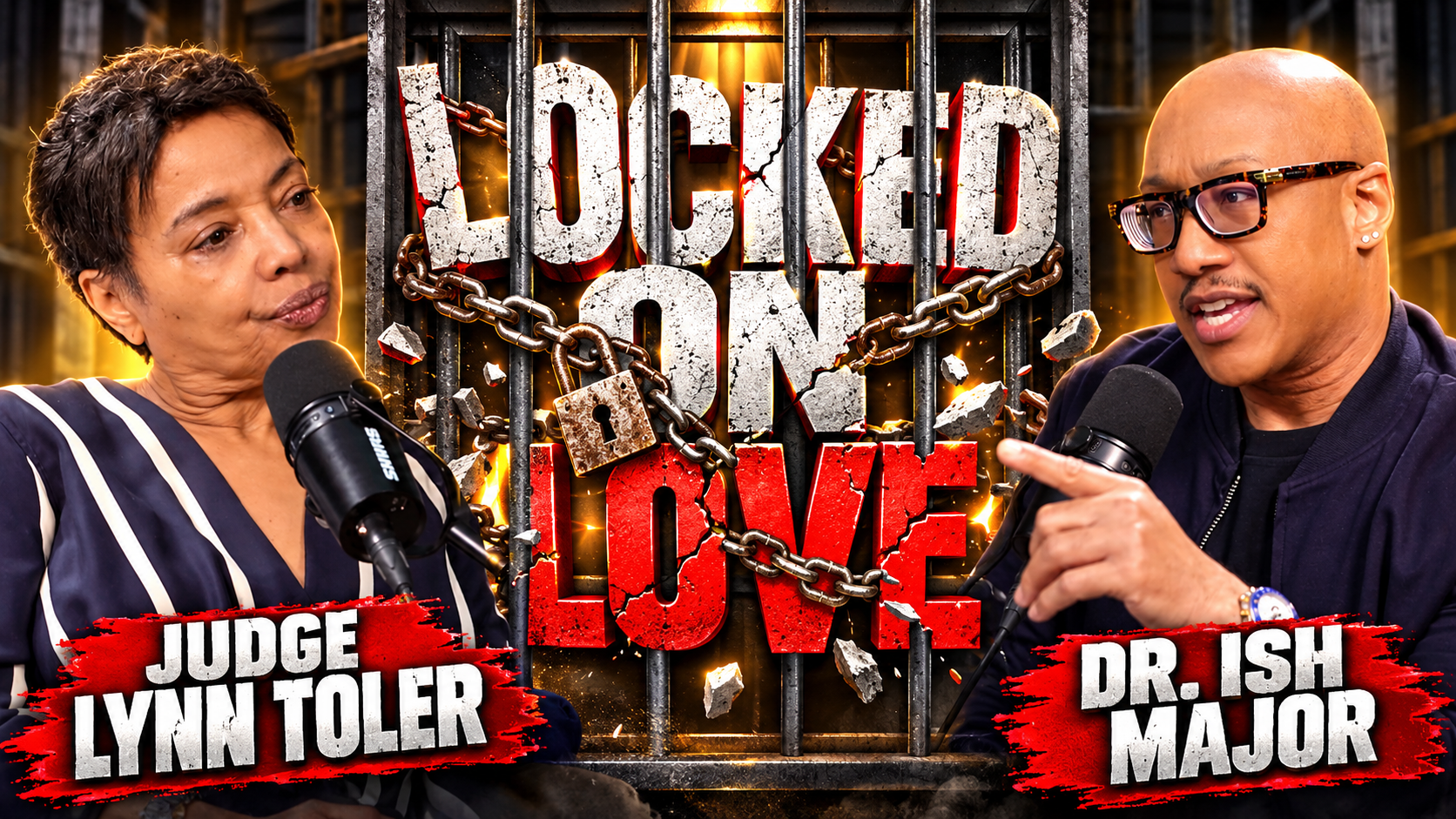
Why Relationships That “Don’t Look Right” Reveal More About the Observers Than the Couple
Why People Cannot Stop Staring at Unconventional Couples
What is actually driving the discomfort when a relationship does not match the expected script?
The hosts argue that most of us unconsciously seek partners who cover our weak spots, so when we see a relationship with an obvious gap, whether age, wealth, or attractiveness, it triggers pattern recognition that is not always wrong but is not always right either. Spectators sometimes spot genuine red flags like control, dependency, or validation-seeking. They also sometimes just see something unfamiliar and decide it must be broken. The relationship is not obligated to make sense to outside observers, but understanding why those observers react the way they do is actually useful context.
What a Prison Marriage Tests Beyond the Obvious
What makes staying committed to an incarcerated partner more psychologically complex than the practical obstacles suggest?
Arrested development is the concept the hosts introduce here. The partner inside may stay emotionally fixed at the age and mindset they had when they entered, while the partner outside keeps growing and changing for years or decades. The relationship can start feeling like a commitment to a version of someone who no longer fully exists. The hosts also question whether the bond is being sustained by love or by significance and the identity that comes from maintaining an unusual commitment. The public refusal to celebrate milestones and the reflexive advice to leave add a layer of isolation that is worth naming.
The 33-Year-Old With Rules About Fertility
What is wrong with treating dating timelines like biological emergencies?
Pregnancy risk is real and also frequently exaggerated beyond what current evidence supports. More importantly, rehearsing disappointment and scarcity as a dating posture tends to produce exactly the outcomes being feared. Rigid rules built on worst-case assumptions can become self-fulfilling prophecies. Reframing with genuine agency widens choices and reduces resentment before a relationship has even started.
The Sugar Daddy Disclosure Situation
How do you separate the pain of deception from the impulse to shame?
With difficulty and intention. The hosts are clear that cruel labels cannot be unheard and that calling someone a prostitute in the middle of a relationship conflict causes damage that outlasts the argument. They also expand the frame usefully: dating has always involved exchange, whether that is money, status, time, beauty, or security. The actual issue in these situations is informed consent and clearly stated rules. When money replaces mutual interest and the terms were never disclosed, it can feel like fraud to the person who did not know what they were agreeing to.
When Parents Want to Ban the Boyfriend
What works better than a hard ban when a 20-year-old brings home a 44-year-old?
Staying close rather than drawing a line that turns you into the enemy. Hard bans tend to isolate the younger person inside the relationship and remove the safe exit route if things go wrong. The more effective approach is naming specific concerns, keeping communication genuinely open, and making clear that there is a safe landing zone available if control or coercion shows up. The goal is staying in the picture, not winning an argument.
The Through Line Across Every Story
What is the consistent relationship guidance underneath all of these very different scenarios?
Be honest about motives before committing. Define the exchange clearly enough that both people are genuinely agreeing to the same thing. Avoid humiliation as a conflict tool because it closes doors that might need to stay open. And choose real connection over performing a relationship for an audience, because the healthiest arrangements can actually withstand scrutiny when the rules were clear from the beginning.