Dr. Nicole Yeldell Butts' Journey to Organizational Transformation
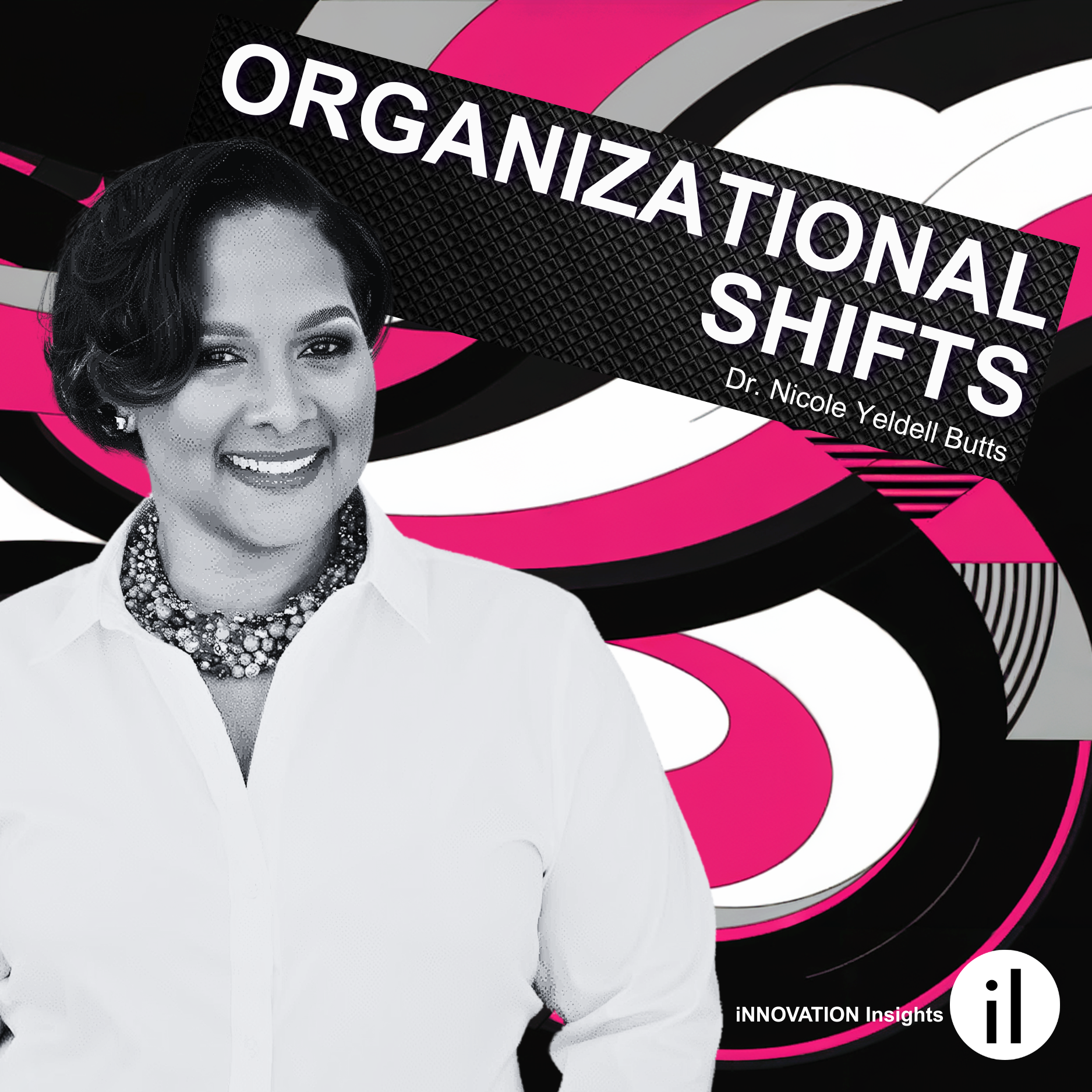
In today's rapidly evolving business landscape, the ability to adapt and transform is paramount for any organization seeking sustained success. Dr. Nicole Yeldell Butts, a distinguished leader in HR, diversity, equity, and inclusion (DEI), embodies this transformative spirit. With over 25 years of experience, Dr. Butts has dedicated her career to helping organizations navigate complex challenges and foster inclusive, equitable environments. This blog post delves into her pivotal moments, motivations, and the innovative strategies she employs to drive meaningful change. We’ll explore her unique approach to aligning values with behaviors and creating a continuous culture of improvement. This journey is rich with insights for leaders at all levels, looking to make a genuine impact within their organizations. You can hear directly from Dr. Butts in our latest podcast episode, Innovation in Organizational Shifts with Dr. Nicole Yeldell Butts: Ep. 59.
The Pivotal Moments: What Led Dr. Butts to HR and DEI?
Dr. Butts' journey into HR and DEI was not a direct path but rather a series of experiences that illuminated the critical role these functions play in organizational success. Her early career was characterized by a desire to understand people and their motivations, which naturally led her to explore roles where she could influence organizational culture and employee well-being.
One pivotal moment occurred during her time working in a large corporation. She observed firsthand the disparities in opportunities and treatment among different employee groups. This sparked a deep sense of injustice and a determination to create more equitable workplaces. She recognized that HR, when leveraged effectively, could be a powerful tool for addressing these issues and driving systemic change. She took it upon herself to learn more about the field, pursuing additional education and seeking out mentors who could guide her development.
Another defining moment was witnessing the impact of ineffective leadership on employee morale and productivity. She saw how a lack of empathy and communication could create a toxic work environment, hindering innovation and driving away talented individuals. This experience reinforced her belief that HR professionals have a responsibility to advocate for employees and ensure that leaders are equipped with the skills and knowledge to lead with compassion and integrity. She dedicated herself to developing leadership programs and coaching executives on how to create a positive and inclusive workplace culture.
Dr. Butts also recognized the importance of data-driven decision-making in HR. She became proficient in analyzing workforce demographics, identifying areas of inequity, and developing targeted interventions to address them. She understood that simply implementing generic DEI programs was not enough; organizations needed to tailor their strategies to meet the specific needs of their employees and communities. She championed the use of data analytics to track progress, measure the impact of initiatives, and hold leaders accountable for achieving DEI goals.
Through these experiences, Dr. Butts developed a profound understanding of the interconnectedness between HR, DEI, and organizational performance. She realized that creating a truly inclusive and equitable workplace was not just the right thing to do, but also a strategic imperative for attracting and retaining top talent, fostering innovation, and achieving sustainable growth. This realization fueled her passion for organizational transformation and her commitment to helping organizations build better workplaces for all.
Navigating Organizational Challenges: The 2020 Pandemic and Racial Reckoning
The year 2020 presented unprecedented challenges for organizations worldwide. The COVID-19 pandemic disrupted traditional work models, forcing companies to rapidly adapt to remote work and navigate economic uncertainty. Simultaneously, the racial reckoning sparked by the murder of George Floyd brought long-standing issues of systemic racism and inequality to the forefront, demanding immediate action from businesses.
Dr. Butts played a critical role in helping organizations navigate these turbulent times. She recognized that the pandemic and racial reckoning were not isolated events but rather interconnected crises that required a holistic and integrated response. She advised organizations to prioritize employee well-being, address inequities exacerbated by the pandemic, and create safe spaces for dialogue and reflection on race and social justice.
One of the first steps she took was to help organizations establish clear and consistent communication channels with employees. She emphasized the importance of providing regular updates on the company's response to the pandemic, addressing employee concerns about safety and job security, and offering resources for mental health and well-being. She also encouraged leaders to be transparent about the challenges the organization was facing and to solicit feedback from employees on how to improve the remote work experience.
Dr. Butts also worked with organizations to address the disproportionate impact of the pandemic on marginalized communities. She advocated for policies such as paid sick leave, childcare support, and flexible work arrangements to help employees balance their work and personal responsibilities. She also encouraged organizations to invest in programs that support the economic stability of underserved communities, such as job training and small business development.
In response to the racial reckoning, Dr. Butts guided organizations in conducting internal audits of their policies and practices to identify and address systemic biases. She helped them develop DEI strategies that focused on increasing representation of underrepresented groups, promoting inclusive leadership, and creating a culture of belonging. She also facilitated courageous conversations on race and racism, providing employees with a safe space to share their experiences and learn from one another.
Dr. Butts understood that addressing these challenges required a long-term commitment and a willingness to embrace change. She encouraged organizations to view the pandemic and racial reckoning as opportunities to build more resilient, equitable, and inclusive workplaces. She helped them develop strategies that not only addressed the immediate crises but also laid the foundation for sustainable change in the future.
Introducing the 'Shift Framework': Aligning Values with Behaviors
Dr. Butts' 'Shift Framework' is an innovative and practical approach to organizational transformation that focuses on aligning stated values with actual behaviors. This framework recognizes that many organizations have well-intentioned values statements, but these values often fail to translate into tangible actions and behaviors throughout the organization.
The 'Shift Framework' consists of several key components:
- Assessment: The first step is to conduct a thorough assessment of the organization's current culture, values, and behaviors. This involves gathering data through surveys, interviews, and focus groups to understand how employees perceive the organization's values and whether those values are being lived out in their daily work.
- Alignment: Once the assessment is complete, the next step is to align the organization's values with its behaviors. This involves identifying the specific behaviors that are consistent with the organization's values and those that are not. It also involves developing clear expectations for how employees should behave in different situations and providing them with the training and resources they need to meet those expectations.
- Action: The third step is to take action to reinforce the desired behaviors and address any behaviors that are inconsistent with the organization's values. This may involve implementing new policies and procedures, providing coaching and feedback to employees, and recognizing and rewarding those who consistently demonstrate the desired behaviors.
- Accountability: The final step is to establish accountability for ensuring that the organization's values are being lived out consistently. This involves tracking progress, measuring the impact of initiatives, and holding leaders accountable for creating a culture that supports the organization's values.
Dr. Butts emphasizes that the 'Shift Framework' is not a one-time fix but rather an ongoing process of continuous improvement. She encourages organizations to regularly reassess their culture, values, and behaviors and to make adjustments as needed to ensure that they remain aligned.
One of the key benefits of the 'Shift Framework' is that it helps organizations create a more authentic and transparent culture. When employees see that their organization's values are being lived out consistently, they are more likely to trust the organization and to be engaged in their work. This can lead to increased productivity, improved employee morale, and better overall performance.
Dr. Butts has successfully implemented the 'Shift Framework' in a variety of organizations, helping them to create more inclusive, equitable, and high-performing workplaces. Her approach is grounded in the belief that organizations can achieve their full potential when they align their values with their behaviors and create a culture that supports the well-being and success of all employees.
Personal Branding and Continuous Cultural Change
In today's interconnected world, personal branding is no longer just for celebrities or entrepreneurs; it's an essential aspect of career development and professional success for individuals at all levels. Dr. Butts emphasizes the importance of cultivating a strong personal brand that reflects one's values, skills, and expertise.
She advises individuals to start by identifying their unique strengths and passions. What are they good at? What do they enjoy doing? What problems do they solve for others? Once they have a clear understanding of their value proposition, they can begin to communicate it effectively through various channels, such as their LinkedIn profile, website, and social media accounts.
Dr. Butts also stresses the importance of being authentic and genuine in one's personal branding efforts. People are more likely to connect with someone who is real and transparent than with someone who is trying to be someone they're not. She encourages individuals to share their stories, insights, and experiences in a way that is both informative and engaging.
In addition to personal branding, Dr. Butts is a strong advocate for continuous cultural change within organizations. She believes that creating a truly inclusive and equitable workplace requires a sustained effort to challenge existing norms, address biases, and promote understanding and respect among all employees.
She advises organizations to invest in DEI training programs that go beyond surface-level awareness and equip employees with the skills and knowledge they need to create a more inclusive environment. She also encourages organizations to establish employee resource groups (ERGs) that provide a platform for employees from underrepresented groups to connect, share their experiences, and advocate for change.
Dr. Butts emphasizes that cultural change is not a top-down initiative but rather a collaborative effort that involves employees at all levels. She encourages organizations to solicit feedback from employees on how to improve the workplace culture and to empower them to take ownership of the change process.
She also stresses the importance of holding leaders accountable for creating a culture of inclusion and equity. Leaders should be evaluated on their ability to foster a diverse and inclusive team, to address biases and microaggressions, and to create opportunities for all employees to thrive.
Dr. Butts believes that personal branding and continuous cultural change are essential components of organizational success in today's rapidly evolving world. By cultivating strong personal brands and fostering inclusive and equitable workplaces, organizations can attract and retain top talent, foster innovation, and achieve sustainable growth.
Connecting with Dr. Nicole Yeldell Butts
To learn more about Dr. Nicole Yeldell Butts' work and connect with her directly, you can visit her website at https://www.nicolebutts.com. You can also find her on LinkedIn at https://www.linkedin.com/in/nlyeldell/.
Dr. Butts is a sought-after speaker, consultant, and advisor to organizations around the world. She is passionate about helping organizations create more inclusive, equitable, and high-performing workplaces.
Conclusion: Innovation in Organizational Shifts
Dr. Nicole Yeldell Butts' journey is a testament to the transformative power of leadership, dedication, and a commitment to creating positive change. From her early observations of workplace inequities to her innovative 'Shift Framework', Dr. Butts has consistently demonstrated a passion for helping organizations align their values with their behaviors. Her insights into navigating the challenges of the 2020 pandemic and racial reckoning, coupled with her emphasis on personal branding and continuous cultural change, offer invaluable guidance for leaders seeking to build more resilient, equitable, and inclusive workplaces.
Her work serves as a reminder that organizational transformation is not a one-time event but rather an ongoing journey of learning, adaptation, and growth. By embracing innovation and prioritizing the well-being and success of all employees, organizations can achieve their full potential and create a better future for all. Don’t forget to listen to the full conversation and gain more detailed insights in our episode, Innovation in Organizational Shifts with Dr. Nicole Yeldell Butts: Ep. 59. The episode is packed with actionable strategies and real-world examples of how to drive meaningful change within your own organization.