Apple Podcasts

 Spotify

 Castro

 RSS Feed

 Goodpods
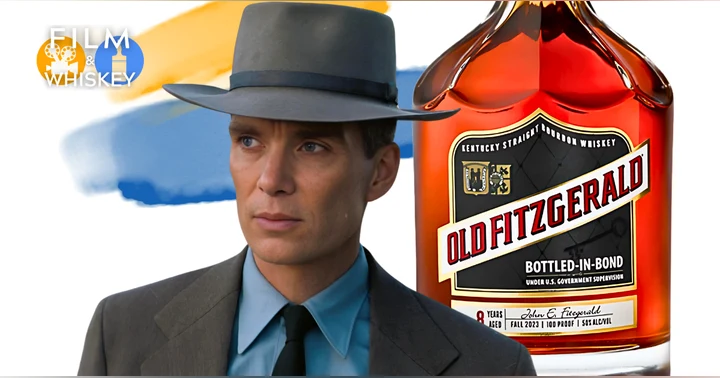
Oppenheimer / Old Fitzgerald Bottled in Bond Bourbon feat. Bilge Ebiri

In this highly anticipated episode of Film & Whiskey, Bob and Brad sit down with film critic Bilge Ebiri to review the 2023 cinematic masterpiece Oppenheimer, directed by Christopher Nolan. They delve into the performances, particularly Cillian Murphy’s portrayal of J. Robert Oppenheimer, while examining the film's themes, historical accuracy, and visual spectacle. Alongside this in-depth film discussion, they also review Old Fitzgerald Bottled in Bond, a premium Kentucky bourbon whiskey, exploring its flavor profile, history, and whether it pairs well with the intensity of Oppenheimer.
Is Oppenheimer one of the best films of 2023? Does Old Fitzgerald Bottled in Bond live up to its reputation as one of the top bottled-in-bond bourbons? Listen now to find out!
-
0:00 - Intro
-
16:18 - Brad Explains
-
18:20 - Performances, Themes
-
43:47 - Old Fitzgerald Bottled in Bond Review
-
54:8 - Two Facts and a Falsehood
-
1:01:00 - Final Analysis
-
1:04:38 - Let's Make it a Double and Final Scores
This episode of Film & Whiskey tackles one of the most critically-acclaimed films of 2023, Oppenheimer, directed by Christopher Nolan. Known for his meticulously crafted films, Nolan delivers an intense historical drama about the creation of the atomic bomb and the moral dilemmas faced by J. Robert Oppenheimer, played by Cillian Murphy. Bob and Brad discuss Oppenheimer’s narrative structure, its powerful performances by a star-studded cast, and how the film addresses themes of scientific responsibility, war, and personal sacrifice.
Cinematography and sound design play pivotal roles in Oppenheimer, creating a visceral experience for viewers. Bob, Brad, and Bilge Ebiri analyze how Oppenheimer stands out from other biopics and how it compares to Nolan’s previous works like Dunkirk. They also explore the film’s critical reception, historical accuracy, and its success at the box office.
Following the film review, Bob and Brad switch gears to taste and review Old Fitzgerald Bottled in Bond Bourbon. This celebrated Kentucky straight bourbon whiskey has been known for its rich flavor profile and balanced complexity, making it a favorite among bourbon enthusiasts. The hosts dive into its tasting notes, including caramel, oak, and vanilla, while discussing its smooth finish and where it ranks among the best bottled-in-bond bourbons available.
Whether you're a film buff or a whiskey lover, this episode promises an insightful blend of cinema and spirits.
Film & Whiskey Instagram
Film & Whiskey Twitter
Email us!
For more episodes and engaging content, visit Film & Whiskey's website at www.filmwhiskey.com.
--- Support this podcast: https://podcasters.spotify.com/pod/show/filmwhiskey/support
0:00 In 2023, director Sir Christopher Nolan and star Killian Murphy gave the world a chilling look at the conflagration of a world at war. In 2024 we try a whiskey from 2023. The film is Oppenheimer. The whiskey is Old Fitzgerald Bottled and Bond Fall 2023 release. And we'll review them both. This is. The. Film and whiskey. Podcast Welcome to the Film and Whiskey podcast, where each week we review a classic movie and a glass of whiskey.
0:53 I'm Bob Book. I'm Brad. G. And welcome to Season 9. Of the film and whiskey. Podcast we freaking did. It Brad, dude, I am so excited for this season that like we have so many incredible movies on the docket that and we are just starting off with what are the best movies I think I've seen in a long, long time. I'm really going to resist the urge to call this movie a banger because that seems inappropriate given the subject matter of the film. So I'm just going to, I'm just going to continually refer to it as like a modern classic, which fits perfectly with the theme of this season because what we're doing this season is we're looking at films released in the last 20 years.
1:40 So we're going to go 2005 to 2024 and we're asking question, does this movie belong in the 21st century Canon? Now, Brad, we've done I think 60 something movies over the course of our podcast from this time span already. So if your favorite film is not included in this list, either we just don't care and don't want to talk about it or we already have. We've done the Social Network, we've done Brokeback Mountain, we have not done one that I'm really looking forward to David Fincher's Zodiac, which will get a hearty yes from me. On to that question, Brad. As you look through the list of films for this year, this season, aside from Oppenheimer obviously, what are you most looking forward to watching for the first time?
2:24 Man, I am really excited about Godzilla -1 that one has been hyped up for me quite a bit. Whiplash, I I think might be my season winner. Just an incredible, incredible film. And then there's a few movies that I'm excited for people to see that, you know, they might not have seen Past lives. I know that's your pick, but I, I also like that movie a lot. The Holdovers, incredible movie that more people need to see. So yeah, I, I think there's a lot of great movies and one I, I'm sure nobody's ever heard of. We're finishing the season with John Wick. It's a it's kind of a little indie classic that that not many people know about. So joining us today to talk about Oppenheimer, I, I, I wanted to bury the lead a little bit, but I can't because I realized I can't go any further talking about the film Oppenheimer without mentioning the man on the other end of the line here.
3:21 It's our friend and I believe third time guest now, Bilga Ibiri. And I have to say, like we're talking about modern classic in films, but like if you could embody a modern classic in a person, I think it's Bilga Ibiri. Bilga, we've built you up, now you got to deliver, man. How are you doing tonight? I'm good. I don't know what else to say. How do I, how do I follow that up? A modern classic? I I feel I don't feel modern these days. So so maybe you're accurate. I don't know if I feel like a classic, like one of those cars that's falling apart. But thank you for that. Wow, that's very that's very sweet of you guys. And yes, it is my third time. I'm very excited to talk about this movie. I was very excited to get the e-mail when you guys were like, Hey, this is our our subject and these are the movies. And I saw and there was there were a lot of movies on there. And I think initially you were like, just put your name next to 1 and I sent you guys like a list of seven. And, and a lot of, I mean, a lot of films I really love are on that list of films you're planning on talking about. And then I looked at and I was like, like, who am I kidding? I'm going to do.
4:31 Well, I've got to needle you a little bit about the subject here because like last time we talked to you, we finished our recording and just chatted a little bit off mic and you were telling us that you had just seen Oppenheimer before pretty much anyone else. You were telling us some some good details about people in the screening room with you and their reactions to the end of the film. And, and I hadn't, I didn't know anything about the movie in terms of like, how's it going to end appropriate. I would say those reactions in retrospect. But then I start following your articles coming out on Vulture. And I believe that you have bylines on 12 different articles about the movie Oppenheimer on the Vulture website now.
5:12 So like, quite literally, you are the subject matter expert on the film Oppenheimer. It's like Chris Nolan and then you. And so I'm, I'm very grateful that in lieu of Nolan, we got we got you today. In lieu of Sir Christopher Nya. So is he actually a Sir now? I don't I I think I missed that. He's a Sir now. Is he a Sir? Everything that I have read about him recently has him titled Oh wow OK. I did. I thought you were making that up, Brad. That's cool. Yeah. I, I, I mean, I, I've definitely written a lot about Oppenheimer. I would say the person actually, I, I completely deferred to a, a colleague of mine who's an even bigger Oppenheimer head than I am, Jada Yuan, who I used to work with at New York magazine, Vulture, who then moved to Washington Post. She wrote a book like she wrote the making of book about Oppenheimer, which by the way, is great. But I, I will say one thing about how that happened. I mean, obviously I, I, I, I saw Oppenheimer early and I was working on a, a kind of profile process feat piece, making a piece for the magazine.
6:20 I was, I watched the film a, a bunch of times for that. And I interviewed Nolan and I interviewed all these people and I just kept interviewing people like they were like, who do you, who do you want? And I was like, well, I kind of want everybody because I didn't quite know initially like what I was going to need to do. Because part of the thing with Nolan is he's so in control of everything on screen. And I don't mean that in like a control freak way, although I'm sure he is a control freak. Like he knows, he knows how stuff works. He knows how editing works, he knows how sound works, he knows how cinematography works. He understands like the chemical process of film and stuff like that. I mean, he has great people he works with. You know, it's not to take anything away from, you know, like his editors and his cinematographers. But, but when you talk to them, they're very much like Chris knows exactly what he's doing, you know, and, and, and they love working with him that way because they don't have to like reinvent the wheel every time.
7:18 But because so much of what's on screen is just coming directly from Nolan. I, I wasn't sure who I needed to talk to. So I kind of talked to everybody. And then the, the freaking strikes happened. Like, because if you remember, the strikes happened like a, like, I mean, strikes are announced like a week before the film is set to come out. I mean, there's the the the Writers Guild strike is, you know, what was happening, but you know, the SAG strike happens. And as a result, suddenly all these actors that I talked to stopped doing press. And at that point I kind of went to my editors and I said, well, you know, I have all these. Q And as with these people, why don't we like run these And and, you know, we had to go to the actors publicists and get permission and stuff like that.
8:06 But that's sort of why it became this thing where like suddenly there were all these interviews that I've done. They were all meant for like one piece and they kind of became this whole other thing. And then, of course, I I did do a separate piece talking about the ending of the film where there was a lot of stuff for my interview with no one that I wanted to use and that I wanted to kind of get into. And then later I did a whole thing on like the IMAX of it all. There was so much, like I talked to Nolan quite a bit and there was so much great stuff in there that I couldn't fit into the original piece that I was like, I I just want to turn this into another article. And luckily the movie was such a hit and it was in theaters for so long that, you know, usually you don't get that opportunity. But like when it's like month 4:00 and you're like, hey, I got another idea for another article you can do from this other interview I did. It's good.
8:52 It works out. Yeah, and, and it's the type of content that leads to, you know, a book on Christopher Nolan at some point, I'm sure. I'm, I'm sure Bilga likes being referred to as a, a content mill. You know, that's, that's really what he's going for in his job at Vulture. But guys, let's get into talking about the movie itself. Now. Bilga saw this movie in his words a bunch of times in prep for the articles. I mean, roughly how many times are we talking now, Bilga? I think I, I in total since it came out, I've seen the movie I think like 14 times at the time. I mean, a lot of it was for that piece.
9:33 So I, I saw it four times over the course of a month as I was working on my piece because there was, there was specific stuff I was, I wanted to go back and revisit it for. And of course, you know, I'm not going to give you a Screener of Oppenheimer, you know, so, so it was kind of like, well, you got to come into the city and you got to go, we're screening it in IMAX. So you got to go see it here. And of course they were keeping it so under wraps that I would go to these screens and it would be like me and like one other person, you know, like, like all my critic friends were like, gosh, when the hell are they going to show Oppenheimer? Like they, you know, is this movie terrible? Like they're not, they're not screening it. They're keeping it under wraps. And I was like, but yeah, it was weird. I mean, they were being very secretive about it. I mean, I guess it worked out because the film obviously, you know, opened huge.
10:18 And something similar happened with Barbie, which was also kept from critics. You know, usually when a film is kept that secret. People, it's not a good thing. Yeah, right. There's there's a reason. Yeah, and for one bright, shining moment in July of 2023, the movies that were being kept from critics were not disasters. They were actually quite wonderful. So Bill has seen it 14 times, Brad. I saw it in theaters five times. And I watched what? To say go ahead Bill, that's 42 hours of your life. How many episodes, how many seasons of a Real Housewives thing does that? Because because, you know, it's like people say, oh, how can you watch a movie that many times?
11:00 And I'm always like, well, you know, you watch the worst fucking TV once, and that's about the same amount of time I'd rather be watching. Yeah. No, I, I that was not a derogatory statement. It was more of a it. Was more kind of because I've had this response to. People. Sure, sure. You. Watch it this many times and I'm like. You know, 'cause it's. Not. That's, I mean like there really doesn't need to be more explanation than that. Yeah, I was going to say there are many things you could waste 42 hours on. I don't think Oppenheimer is one of those things. Well, I am. We're in the rare position of me being beat out by a guest in terms of number of times seeing it. I saw it in theaters five times, including once in IMAX and once in 70mm, which what I got to be honest, man, the 70 mil print that I got it, it must have been struck from multiple 70 mil prints.
11:52 Not, not a great experience. Not worth the additional $14.00 or whatever it was I paid. So that was a huge bummer. But aside from that, a very rewarding experience. Brad, this was my sixth time seeing the movie for this podcast, and I believe this is your second time, right? Yeah, it is my second time and I would actually be curious now that we have an actual expert on the show, not just Bob. So many people when movies like this come out, they talk about, you know, you can see this at like what, 3-4 different like quality levels at different theaters. Bilga having seen it 14 times, I would imagine having seen it at all the different levels you can watch it at what?
12:37 Like what is your take on the varying levels of, of cinematic quality? Like when Dune 2 came out, I had a lot of friends talking about this. Like, yeah, I saw it in the Dolby plus whatever. And I also, I also saw an IMAX and, and regular and, and, and it just feels like there's a lot of confusion in, in those realms on if, if there's actually higher quality because what Bob just said, like his print might not have been the best print. And so his IMAX experience wasn't great. Yeah, it really does in so many cases depend on the theater itself for for Oppenheimer, for me, IMAX 70mm was the way to go.
13:20 So IMAX, you know, 15 perf, I guess it's called, and that's basically IMAX film. And then the film, you know, and it was shot on IMAX. I remember the vast majority of the movie was shot on IMAX film. So you're really, and it was finished on film. So you're really kind of watching it's native, it's native format in, in IMAX film. And in fact, part of the reason why, I mean, after a certain point, you know, I remember opening weekend, I went and saw it in 35mm at my local theater in Brooklyn, which was the Nighthawk. But I also had, I wanted to see it again in 70mm at Alamo Drafthouse just to see what what the vibe was like at that point. I felt so weirdly invested in the movie. I was just like, and also because I just been in so many screens where I was like just me. That was kind of like, I think people are going to like this movie, but I kind of don't know at this point. I've been like Oppenheimer pilled, but I have no idea what like the average person is going to think of this movie. So I went like for that reason alone. So stuff like that happens.
14:28 It happens all the time. I mean, that's the thing that like as Nolan becomes more and more of a he's not a Luddite. He's obviously not a Luddite, But as someone who is kind of advocating for celluloid and making a point of releasing his films on celluloid and because his films are huge releases, wide releases. In some cases, Nighthawk wasn't one of those cases, because Nighthawk is a theater that shows 35 all the time. But, but in a lot of cases you have movie theaters that have just been doing DCPS for years suddenly have to deal with the film print and they have to like get a projectionist who can deal with it. And, you know, I, I assume like pull out a old projector from, from, from storage or whatever. I don't know how exactly it works, But you know, you run into problems because you know, that they're not as well versed in, in how to deal with it.
15:23 So that's a thing that, you know, I think, I mean, it happened to me when I saw Interstellar when it first came out. You know, it's like saw it opening weekend in I think 35mm and it was just like, I don't even know where it was, but there was something was wrong with the projection, you know, and it was like, you know, at a regal, you know. Yeah, man, I. Had a very similar experience this summer with the Inside out two. Spoiler alert, drive in movie theater audio not not the best quality. So yes, I, I feel your pain. I do wonder what it's like for Brad, though, to hear you and I talk about our preferred format of what type of film and projection this should be on when like my guy is definitely watching this movie on a laptop or his phone. So we, we will see how this works for Brad, but that means that it's time for us to get into our first real segment of today, which is called Brad explains Brad's going to. Give us the movie plots with only 60 seconds taken on the clock.
16:22 So let's go ahead and do your take with this little segment that we call, Brad explains. Brad Explains is the part of the podcast where Brad breaks down the plot of the movie that he has just seen, often for the first time. This is Brad's second time with Oppenheimer and Brad. While on paper I think you can kind of delineate the plot very easily, this is one of those rare instances where the movie is just a hell of a lot more complicated than the the short little synopsis can be. Yeah, 100%. As with any Christopher Nolan film, there are multiple timelines being explored throughout the film, and that makes it really easy to describe.
17:04 Just super simple, straightforward. Well, you are in the enviable position of having to do that in one minute or less. Folks, if you have not yet seen Oppenheimer, I cannot suggest strongly enough that you press pause here, go watch this three hour epic of a film and then come back and join us for the rest of the episode. Brad, one minute on the clock and go. Oppenheimer is a film that follows J Robert Oppenheimer as he moves throughout his life as a physicist. It follows him to Europe and back to the US as he starts a program at Berkeley and as World War 2 breaks out he is asked to head up the Los Alamos Manhattan Project program to create the nuclear weapon, the atomic bomb. It also follows him through a trial of sorts as his security clearance is revoked because of suspected communist activities, as well as following a man named Strauss who is trying to be confirmed to the cabinet of Eisenhower, I believe, and the relationships in which have ruined his opportunities. Well done, you came in like 5 seconds under time too. That's that's all I needed, ma'am. All right, here's my first question for both of you guys and Brad, I'll throw it to you first. If you had to put a genre on this movie, where does this movie fall?
18:35 Because I've heard a lot of people take a stab at it. And personally, I don't, I don't like biopic for this movie. I don't think that works at all. You know, I, I've seen people in print say just historical drama. I've seen espionage thriller, I've seen conspiracy thriller. But like, where are you falling on Oppenheimer? Oh, that's, that's a tough one. I part of me would want to call it like a moral quandary drama where the the essence of the film is asking this question like, have we destroyed the world by trying to save the world? So I, I think that I don't know if that's a genre Bill that you can correct me if I'm wrong, but moral quandary drama feels accurate.
19:23 I do think that historical drama makes a lot of sense as well. Dramatized biopic might be a good description. It's a really good question. In some ways I want to say it's a proud biopic. You know, like, it's like biopic is biopic is a word. It's become a dirty word, you know, and it's so funny. And when you're a critic, very often you'll get emails from publicists in advance of a film saying, you know, please don't call our movie a biopic. It is a, you know, historical drama or is a biographical drama or. I remember this was a whole thing with Maestro where some people got upset if you called it a biopic. It was pretty clear that it was because Bradley Cooper was getting upset that people are calling it a biopic. Like I don't think the publicist really cared that much. But I think, I mean, there's so many, there's so many ideas in Oppenheimer that it it really does fit so many of those like sub genres.
20:26 I think political thriller is a good one and I think it's actually one of those one of those situations where political to call it a political thriller is almost a spoiler. You know, because it does become and and towards the end really becomes about, you know, this dynamic between him and straws and how that how that fed into what happened to Oppenheimer sort of in the back end of his career. And and also makes the case that that's in part because he was silenced and because he was sidelined, we never really did manage to have a proper conversation about nuclear, nuclear, nuclear weapons. So, so, you know, political thriller works. You could also say it's kind of a prequel to every post apocalyptic movie ever made because it the movie does basically end with the the end of the world. So, you know, so it's kind of a science fiction movie in that sense too, right.
21:24 In so many ways, it's it's so Nolan. I mean, he's a real artist and and someone who is very well versed in film history and really thinks of himself as making serious movies, which he does. But then he'll take these, you know, I mean, we take the superhero movie and turn it into something very much in line with his sensibility, which of course then turned into a thing where everybody was trying to make movies like him, superhero movies like him, and they couldn't because the sensibility wasn't actually there. Like, he came to it, I think very sincerely. But then other people came to it, often very cynically in an in an effort to ape what he had done. And, you know, as a result, what they did was kind of shallow. Whereas a film, I think like Batman Begins or The Dark Knight or for that matter, the The Dark Knight Rises are movies that are you can watch endlessly and find new things in them and that are full of ideas.
22:16 And I think in that sense, they they reflect their creator. And Oppenheimer is kind of like that, you know, he every moment of this movie is just filled with details and ideas and he's he's following through on all these different things. I mean, it feels like a fairly straightforward historical drama, even with the sort of jumping back and forth in time. But like the stuff that's happening aesthetically, the stuff that's happening sonically, the stuff that's happening thematically, all these things are running throughout the film. And that's also one of the reasons why it's such a joy to watch multiple times, because every time I watch it, I, I notice something new, you know, every time I watch it. And even now, like my 14th viewing, I, I, I, I don't remember what it was, you know, my, my 14th viewing, but there was something that I caught for the first time. Even then I was like, Hey, I totally didn't realize they were also doing this, you know, So it's, it's great to be able to do that.
23:15 Yeah, 100%. And I asked this question with somewhat ulterior motives because this is kind of my thesis statement on Oppenheimer and I want you guys to help me just kind of lie on your therapist chair today and figure out I have wrestled with this movie for so long, a movie that I love. Let me, you know, be clear here and I'll just kind of spoil where I'm at score wise. Now, is this movie a 9 1/2 or A10? And that is like, that's the hardest question to answer for me because the first time I saw the film, I was like, wow, this is a monumental work in the history of of cinema that I am 99% sure is going to win the the Oscar.
23:57 And also kind of weirdly messy or seemingly so. And with each subsequent viewing, it unlocked for me what Nolan's intentions were with including every single character, every line, every scene that didn't necessarily seem like it seemed maybe tangentially related to what he was trying to say. And I've arrived at a place now where for me, you know, the first hour is the closest thing to a traditional biopic. It's just his young life, him meeting Kitty and all these other things. The third hour of the film is really the lens through which to view everything else in the film. Everything about his adulterous nature, his own hubris, his inability to recognize the malicious intent in others.
24:47 Everything from that first hour that seems kind of messy is there because of the third hour, and it makes a lot more sense. But Brad, it kind of reminds me of the conversation we had a couple years ago with our David Lean miniseries we did, where we talked about, you know, Lawrence of Arabia is the movie that Lean is always going to be remembered for. But it's a much more prickly, kind of not shaggy, not messy movie, But he's such a complicated figure, and you can never really get your arms around Lawrence. Bridge of the River Kwai is a movie that is like so streamlined and so perfectly executed that I, I almost would recommend that movie to more people than Lawrence of Arabia.
25:29 And I feel like kind of the same way about Oppenheimer. He's this complicated figure and the movie is built around him in such a way that you can never quite get your arms all the way around it. I don't know. Does that make sense guys? Yeah, 100%. The the depiction of Oppenheimer, like, it's, it might sound silly, but the IT feels like they're trying to portray him as this enigma wrapped in a mystery, you know what I mean? Like, like, that is the portrayal that you get throughout the film of him, that he's always measuring every thought, every word, never letting anyone in. And it's not until later in the movie that you finally see a few moments of candor.
26:10 And the two that I'm thinking of happen, I think both in the hallway of the security clearance trial. That's not a trial. And, and, and it's when he talks about he and Kitty's relationship, like that's the one of the very few moments where I feel like you are seeing the real J Robert Oppenheimer. And then the second moment and this one, I I especially want to hear your guys's thoughts on. I was so fascinated by the moment where he just casually is like, yeah, and, and he didn't die of a broken heart because he never found out that his wife was cheating on him with me.
26:51 And the way Killian Murphy plays, that is different than every single facial expression he has for the rest of the film. And for some reason, that just stood out to me so deeply because it feels like one of the few times where, once again, the character is being honest about who he really is. First of all, Bob, I think you're absolutely right in this, but I just wanted to circle back to something you said which which sounds tangential, but it isn't. You mentioned Lawrence of Arabia and and I totally agree about what you said about Lawrence of Arabia. One thing that when I, several years ago, I, I, I, I, I did a lot of research at the Citizen Kane, a movie people are familiar with, but a movie about what you can kind of spend your whole life doing research. But I had done a piece on Citizen Kane, Citizen Kane's journey through sort of the, the 20th century Canon and how it became anointed as like the greatest movie ever made and why it sort of stayed there for such a long time. And then I wound up like the, the folks at Criterion had seen that piece and they asked me to do the essay for the 4K release of, for, of Citizen Kane.
28:06 So I did kind of took some of those ideas and expanded them into kind of a bigger piece. But one of the things I, I did, which was really fun was to go back and look at the sight and sound surveys, which started in 1952 and, you know, kind of repeated every 10 years and 1952. And of course, the sight and sound survey is where Citizen Kane became, quote UN quote, the greatest movie ever made and sort of held that title and, and wound up so, you know, being mentioned in all these other lists. But it was kind of there where it first really emerged as, as, as what it was. It was in 1962 when it when it topped the list in 1952, it was nowhere to be found on the list, right? It was not in the top 10 or anything like that. It was, you know, the film had obviously it had come out, you know, 11 years earlier.
28:57 But Sight and Sound at the time published some of the individual lists. I mean, it later would publish all the individual lists, but in the in the 1952 edition, it actually published some of the individual lists and a lot of them were were directors. And one of the only people who cited Citizen Kane on their top ten list, Sight and sound top ten list was David Lean. And Citizen Kane is famously a movie about a subject about which nobody really knows any like you're watching it. I mean, it's almost Cubist. Like you're watching him. Everybody kind of has a different take on who Charles Foster Kane is. And by the end of the film, you still don't really know like it it like it ends on Rose Rosebud the sled.
29:42 But it's famously kind of a very postmodern like here's the explanation. But wait, that's not really an explanation. Like it makes you think, well, wait, Rosebud really the sled. And it's like it makes you kind of go back over the movie and you realize Wells has kind of pulled the rug out from under, under your feet. And it's you know, it's it's, it's a film that purports to explain all this stuff. But ultimately the the figure at at its center remains an enigma. And and I think, and I and I watch Lawrence of Arabia and I'm like, this is a movie made by someone who recognizes that Susan Kane is one of the greatest movies ever, you know, And I think no one.
30:26 And Oppenheimer is kind of in that tradition, right? Because it is in so many ways, even though we're watching it from his perspective, so much of the film is about how other people see him and his interactions with these people and how each of them sort of confronts him in different ways and forces him in different ways. And, and he's, you know, in so many ways, he's so malleable and he never really reveals what he's thinking except in certain moments. In that, that moment, Brad, that you you highlighted sort of towards the end of the film where they're in the hallway and Kitty comes to testify on his behalf. And the music suddenly, you know, the music has been so like atonal violins, sort of violins playing really, really fast and kind of going crazy.
31:13 And suddenly there's this beautiful little, almost like a violin duet, very melodious. And suddenly for, for one brief moment, everything is in unison. As he's saying. I mean, I can't remember the exact lines. I I should? Oh, it's it's such a great line only teenagers and fools presume to know about another person's relationship, essentially. What a great lie. Yeah. And he says Kitty and I have been through, you know, basically the fires of hell together and and it's a really great moment. And it is one of those moments. I remember, I remember some of my younger colleagues were were complaining about that scene and I was like, some of you haven't been married for 20 years.
31:57 And it shows. Yeah. I was like, I was like, that actually is that was the thing I think that that last viewing of the film where it really jumped out at me. I was like, wait, is this my favorite scene in the movie now? Like suddenly I was like incredibly moved by that moment. And yeah. And it is it is one of those moments where he kind of locks in as a human. Now, of course, what's really going on or not, There are many things that are going on. But one of the things like, I think one of the reasons why we never really see him express his true feelings is because he's conflicted about like what he's created. And he's obviously mortified by what, what's, you know, this, this weapon that that he's basically the father of.
32:45 I mean, everybody calls him that, but he can't really he, he's never, he never expresses regret over what happened in Hiroshima and Nagasaki or for that matter, the legacy of what he's created. So the film sort of has to do that for us, right? The film has to sort of formally embody that regret because he never really says anything. And that you know that that final confrontation in the in the conference room where you know the the. Moral scruples, yeah. Yeah, I mean, it's it's basically mimics what happens during his speech after Hiroshima. You know, we're flashing light comes and, you know, and you got the you got the meme of being questioned, which is a great meme, by the way, just such a perfect meme. But but really what's happening there is he's being confronted. I mean, those are not the questions that that, that, that that lawyer asked them.
33:43 Those are the questions he's asking himself. Absolutely. Well, and to your point too about the character of Kitty, it's not really revealed until that final act of the film just how perceptive she is into his inner world. And their very last interaction in the film with dialogue is when he comes home basically after losing his security clearance. She's Outback looking at the house. They're probably going to have to give up. She has tears in her eyes, and she just wheels around and says, did you think that if you let them tar and feather you and basically turn you into a martyr, that the world would forgive what you did? That's not how it works. And yet it cuts back to him. And his tacit admission is like, well, we'll see. Like basically saying that's exactly what I did because I am so haunted by the actions that I took. Yeah.
34:34 The whole reason I brought this up guys is that I, I really do think that third hour received. It was so funny to watch film Twitter for like 2 months after the movie came out, received so much shit from people as like the movie was over at the two hour mark. The movie dragged on. That third hour is so unnecessary. And then slowly but but surely people were like, Oh no, it's not only just the key to the whole movie, it's actually the best hour of the whole movie too. And when you start to understand that his relationship with the Florence Pew character, his, you know, associations with his own party and every little peccadillo that he had, it comes back around in the third act. Because from the very beginning, it's revealed that the United States government was aware of all these things. And we're pulling these levers to keep him under their thumb. I think, you know, for me, I've always compared it to JFKI. Know a lot of people compare it to the film JFK. I really do still think that's the best comparison point for this movie because it truly focuses everything in on that kind of conspiratorial aspect and how honestly what blew me away this time is how deceptively simple the point of the movie ends up being.
35:55 Like the name of the book this movie is based on is American Prometheus, and at the very beginning of the film you get the title card that talks about Prometheus gave fire and then he has a reward. They chained him to a rock for all eternity. And then after you've seen the movie like five times, you're like, oh, that really is all this movie's about. I like you kind of go through the bell curve of like, no, this has to be more complicated because it's a Christopher Nolan movie and it is a very complex movie in the way that it's intricately put together. But at the end of the day, that's exactly what the movie's about. He he tells it to you up front and then he shows you exactly how they did it to him. The the you, you're absolutely right.
36:36 What is the exact wording of the Prometheus the Prometheus intro in the movie? Do you have it in front of? You. I don't. I don't. But I, you know, I think it says something like Prometheus stole fire from the gods and gave it to to man or something like that. Are you ready? Prometheus stole fire from the gods and gave it to man. For this, he was chained to a rock and tortured for eternity. Note the Note the use of passive tense. It's the. It's the. It's the tense. It's the, it's the special New York Times tense, you know, when talking about distasteful things.
37:17 But in this case, I think what it really is is for this. He was chained. We don't know who chained him. And the truth is everybody chained them. And the truth is also he chained himself, right? I mean, in the case of this one, but not Prometheus, the myth. But in the case of in the case of Oppenheimer, he is clearly torturing himself. I mean, he is tortured. And throughout the film, we see these, you know, these snippets of, you know, these almost like experimental scenes of sort of, I mean, they start off in the first part of the film as these experimental little interludes where we see kind of almost depictions of the, the quantum world and the subatomic world.
38:00 And these are things that apparently Nolan knew right away that he wanted to do these. And he, you know, like the first person he went to after his wife with the script was his visual effect supervisor. And he was just like, go out and create these for me. And, and it's interesting to watch how they develop over the course of the movie because they, you know, at first they're, they're, they're beautiful, they're fascinating. They're kind of wonderful and, and surreal and everything. Over the course of the film, though, those, they become less abstract and more really about destruction, right? They become like ripples of of explosions on maps and things like that.
38:43 And so it becomes this more and more destructive thing and it's clear that it's it's tormenting him and the great, you know, that that great very final scene of the film with him and Einstein. When we think about where that fits in the timeline, I mean, obviously that's a great way to kind of end the movie. But if you think about it, that is happening many years earlier. That's happening on the day he met straws, right? And So what it also says, besides kind of being sort of this like very scary and sad note to end it on and to make us think about what comes next, what it's really saying is he had this revelation years ago. And he's really like, he's been torturing himself or letting other people torture him in part because of a sense of penance and a sense of shame and a sense of guilt that he does not really have the ability to really properly express and eventually doesn't have the platform to express really if he wanted to.
39:44 Yeah, I think honestly, watching at this time and seeing that very final moment and realizing where it falls in the timeline, this is probably the closest that Nolan has come to replicating the timeline of Memento in a movie. I really do think, 'cause it's kind of dead center in terms of the time span of the film and. He holds that back as his final reveal for, I mean, obviously for the impact of what's haunting Oppenheimer. But in addition to that, like, it really helps Brad. I think it really helps the RDJ performance quite a bit because by the end of the movie, he's just like, it reminded me of our conversation recently, Brad, about the Ed Begley character in 12 Angry Men.
40:29 And when he's giving his final like, you don't understand these people and everyone just kind of turns away from him. Because by the end of the movie, the the Alden Ehrenreich character is just like I, I have had it with everything you're saying about this stupid interaction with Albert Einstein. What if it wasn't even about you? And you realize that this man's own ego and perception of a slight is what set basically ruined Oppenheimer's career and life. And what was actually being said between them was something so much more horrific, so much more haunting, so much bigger than anything that he could have imagined. But I love that he did kind of save that as the final reveal.
41:10 It's something that obviously has been implied by the movie The whole time, but it it's the John G revelation of the Oppenheimer narrative. It's amazing to me that that people didn't like the last hour of this movie. I like, I didn't know that until you said it, Bob, because the first time I saw it and this time around, I feel like that last hour I I guess I am often a person who tries to avoid the Internet as much as possible, and therefore I often. Thanks, Bilga. But what that means is I often get to go into movies somewhat blind.
41:50 And so for me, I I really didn't know everything about the movie. I knew Bilga, that you said people left it crying. So I figured it had some sort of emotional depth to it, but I didn't know if it was much more than a exploration of the atomic bomb and its creation and its effect on the world. So for me, we finished the two hour Marks and I'm like, OK, we have an hour left of this movie. Where is Nolan taking me? And to realize that the entire first two hours is not just an exploration of the creation of the bomb, although it does accomplish that. It's really an exploration of how two men look at the world and the vast scope in which Oppenheimer looks at the world and, and the the layers of humanity that he will be affecting by his choices versus the way that Strauss looks at the world in such a narrow minded personal mindset. Like I, I, I don't know if this is like super deep or not, but for Oppenheimer, it feels like he looks at the world through a lens that sees every color of the spectrum and Strauss just views the world in black and white. Everything is about him or not about him. It either helps him or doesn't.
43:10 And so like, I like the third hour of this movie completely gives it all of the importance and all of the weight and gravitas that it needed. Black and white, you say? Who knew? Guys, I think this is a perfect place for us to press pause. Brad and I are going to go try some whiskey, and when we come back, we should talk a little bit about the performances in this movie. We've gone almost an hour now without talking about Killian Murphy or RDJ or any of these phenomenal actors. So Brad, let's go drink this Old Fitzgerald and then we'll come back and join Bilga. What do you say? Let's get to it. All right, so today we are checking out Old Fitzgerald Bottled in Bond.
43:59 Brad, this is not the first time we've had Old Fitzgerald together. If you recall, we had it on a bonus episode a long time ago with our friend Scott Sauer when we went to visit his bar crafted cocktail in Wadsworth. OH, he was just pulling down stuff for us to try. I think we did an on air review of that Old Fitzgerald, but because it was a bonus episode, we haven't really given it a full review and it continues to be a super popular whiskey. Now, before I go any further into my spiel about what this whiskey is, do you even remember drinking that Old Fitzgerald? No, not at all, my friend. So this is a semi annual release from Heaven Hill. It was an old brand that died off and then they resurrected it as a super premium brand, which is really funny because it didn't used to be a super premium brand, but hey, that's this is the world we live in now. The first couple releases of Old Fitzgerald came out at like 10 years old, 17 years old and 19 years old and I don't know if they just ran out of really well aged stock, but this one clocks in at 8 years old, Brad.
45:05 So they have dramatically decreased the age statement on this bad boy, not necessarily the price point. It still retails for $110 MSRP. Fun fact, you cannot get it for $110 MSRP. Nope. We're drinking the Fall 2023 release, not the 24 that just came out because we are not on Heaven Hills distribution list. Heaven Hill. Let's come on man, remedy this. What are you doing? We had to get this year old sample from our friend Zach Johnston. But you know what? I'm OK with that because as we always say on film and whiskey, we will give a brand one try because the average consumer will give a brand one try.
45:47 I shouldn't have to drink the most recent version of this to know if generally speaking, Old Fitzgerald is good or bad. Last thing I'll say about this and then we can dive in Brad. The mash bill is 68% corn, 20% wheat, 12% malted barley, which is the exact same mash bill that is used by Luxe Row for the Rebel line because they used to source it from Heaven Hill. So we are essentially drinking 8 year old Rebel bourbon here. Let's see if it if it stacks up to our opinion of Rebel as we dive in, Brad. Yeah, the the nose on this bad boy. Oh my gosh, dude. It's like a fresh, freshly opened cherry soda.
46:31 There's caramel, there's red licorice, there's vanilla. It takes on some really nice almond notes near the back end. Once I've given it a few noses. This is a really nice nose. I, I really like it a lot. I'm going to give it an 8 out of 10. You know what, I was at an 8 as well, but I think I'm going to come up on it after hearing your nosing notes because this is kind of like a choose your own adventure novel. Like I took the path of, oh, there's something really bright here. Let's chase that rabbit trail. And I got a really nice like summer fruit bourbon. I got a ton of Granny Smith apple when I first poured this out, like really tart green apple. I got some cinnamon stick in there as well. But then I, I got notes of Peach and pear and things I don't typically get on a bourbon.
47:18 And I was like, oh man, a nice summary bourbon. And then I heard everything you said and I was like, oh, there is almond on this. This is wild. So I think this is a much more complex nose than even I initially gravitated toward. I'm going to give this an 8.5 out of 10 on the nose. When you get into the palate, I think that that cherry soda, cherry cola sticks around. It's very effervescent and bubbly and there's tons of that cherry flavor there. The almond comes through really strongly for me on the palate and I think that it almost turns into like this caramel Y peanut brittle, little bit of nuttiness there that I like a lot. I'm going to come up from my nose score and give it an 8 1/2 here.
48:04 You know what? Yeah. Surprisingly for me, it stayed in that kind of brighter camp. It reminds me of, like the bourbon equivalent of an Irish whiskey. Tons of. I get, like, lime zest on this. I get a lot of Peach and pear, which I already mentioned. I think if there's anything that's really going to Ding it for me here, number one, it's pretty thin on the mouthfeel. Like this is not a very viscous whiskey at all and at only 8 years old I don't think it's over oaked. But the way the oak presents itself is kind of like when we when we talk about like that cigarette ash taste at the very back of the pallet. For me it turned that like not just char but bitter ashy flavor. So it I'm going to knock it down just to 7.5 on the balance on the finish though, really pleasant. I think most of that bitterness goes away. It stays just enough to let you know that there is like a char element there.
48:59 But I keep getting these nice sweet summer fruit waves kind of coming back up my palate. It's really mouth watering finish and it's medium to long lasting. I'll give it an 8 out of 10 on the finish. I think the finish is where this loses some traction for me. I think that the cherry continues through, the almonds are there. It gets a little bit cinnamony for me at the end. But the issue is what you said, Bob. It is thin and it does not last very long. The, the, the really nice flavors that we got earlier just don't stick around for long enough to for me to enjoy them. So I, I think I'm going to drop to a 7 1/2 on the finish and I'm actually only going to give it a 7 on the balance. I think that there's not enough complexity here and it it's a bit of an up and down experience, albeit like in the upper tier of what a whiskey can do. So I'm not saying that it's a poorly made whiskey. I'm just saying that I I wish there was a little more going on here.
50:04 Yeah, I'm also going to give it a 7 on balance. I think that it's weird individually the categories are at like a 7 1/2 or above. But if you just kind of ask me, like in general, how do you feel about this whiskey? It's good. Like it's certainly not going to get a very good value score for me. But even besides that, I think most of the Rebel products we've had are just generally tastier than this one is. And I think that it it can't decide if it wants to be summary or autumn autumnal. It can't decide if it wants to be like really heavily oaked or really sweet. And so it kind of does all of those things OK, but none of them really, really well. So it's a 7 for me.
50:48 And that's where things get really weird because the value on this is interesting at $110, MSRPI think this is like a six out of 10 value. But if you look for this specific, what do you want to call it vintage this, this release, it's like $400.00 that it's going for now. Yeah. And I was going to say, Bob, you you can consider old fits bottle and bond in the luxury realm. Like the chances of you getting it at 110 are astronomically low. And therefore you're going to have to get on the secondary and you're either going to have to trade some of your premium whiskeys to get it or just buy it outright for a lot of money. Not not that I'm saying we should trade whiskey that's illegal to it.
51:33 It's bad. Now I will say though, in in its defense, I don't think 400 is the price point we should be measuring it on because there's been a year since this came out for all those bottles to get snatched up. I do think it like, let's set it at 200. Let's say that you're going to pay double of what MSRP is to get your hands on this bottle even at that price point. Like there's just no way dude. This is not worth $200. Yeah, no, the like I said, we kind of have the luxury category for a reason. Like if you're going to spend 200 plus dollars on a whiskey, you ought to know what you're getting into. And frankly, this just does not measure up to other luxury expressions that we've had.
52:17 I'll give it a four out of 10. Yeah, I'm going to give it a three out of 10. I like. I just maybe I could have gotten caught up in the hype on this a year ago. It's not happening today. It's just not going to everything. I'll say it like this, everything we've had in the last few months from Bardstown Bourbon Company which at MSRP is priced at like 160 and there really isn't a secondary market on Bardstown stuff. Everything we've tried from Bardstown is better than this. Fair. Yeah, I mean, I mean, I mean, this is this is really good. You know, my, my final score is coming to a 35 out of 50, which means I was at a 31 out of 40 for just the flavor categories.
52:59 So I like don't get me wrong, Old Fitz Bottled and Bond Fall 2023 release is a solid whiskey that I enjoy drinking. Is it one that I would pay this much money for or pay for a pour of at the bar? Definitely not. We picked this match up in part because it it comes from the year and general time of release of our movie, so you could have been enjoying a nice pour of this if you snuck it into the movie theater to watch Oppenheimer. I'm not saying I did that by any stretch of the imagination. We're just talking about all all sorts of illicit activities. Yeah, like you, Brad, I had it at a 31 out of 40. It is at a 34 out of 50 for me. So we're coming to an average of a 34.5 out of 50 or a 69 out of 100.
53:46 Nice. I do not recommend this. I think if you really if you want to celebrate with a pour of something nice, I understand the impulse, but I would direct that impulse to a different bourbon. Yeah, I, I think I'm with you, Bob. If you're able to get a pour of it from a friend, like it's 100% worth trying, but sure, spending your own money on it. Yeah, that's a tough one. Yeah. I just think it's set at a price point where I I will never really be able to justify it. Good whiskey, not worth the price. Yep. Brad, just like the atomic bomb, honestly, you know, it wasn't worth the cost. That's what I'm saying. What it there is a moral quandary to drinking this whiskey?
54:31 Yeah. I mean, that's kind of unlike the atomic program though. Like there was no moral quandary there, no. No, no, no, no, not at all. All right, man. Let's get back into talking about Oppenheimer. What do you say? Let's get to it. All right, everybody. That was Old Fitzgerald Bottled and Bond 2023 fall release. Bob, That is a long name for a whiskey. Yeah, absolutely, man. In fact, it seems like it goes pretty well with this three hour long movie, which ironically only has one word in the title, Brad. But I'm vamping at this point because I'm I've been trying to hold off on my excitement, but I can do it no longer because it is time for our favorite game which we play every single week.
55:20 We call it 2 facts and a falsehood, Brad. Is going to try to stump your ball 2 are right and what is wrong 2 facts and a falsehood. 2 Facts and a Falsehood is the part of the show where Brad presents me with three items about the making of this film, one of which is a complete lie, and I have to determine which one that is. The slate has been wiped clean, Brad. We're back to AA0 record right now. It's like that time of the year every year where we hope and pray that the Cleveland Browns will not disappoint us. And it's a glorious time. Week 1 is always glorious. Thus far, the Cleveland Browns look like they're going to win four or five games, so. Not looking good, man.
56:07 Hopefully I don't follow their path. Now, folks, here's how this works. If we have a guest on the show, which we do today, and if I enlist that guest's help, which spoiler alert, I'm going to do because Bilga is an encyclopedia of Oppenheimer at this point, if we get the question correct, if we pinpoint Brad's falsehood, I get one win in the win column. But if we get it incorrect, I am served with two losses, so I am doubly punished like an American Prometheus. So Bilga, please just be prepared to to help tank my record here if we get this wrong. Dude starting off O and two would be tough it. Really would, man.
56:48 All right, hit me with those two facts and a falsehood, Brad. Fact #1 Richard Feynman, played by Jack Quaid, is shown playing bongos multiple times throughout the film. In addition to his skill in physics, Feynman was known as a prolific bongo player. Fact #2 Edward Teller, played by Benny Safdie, went on to become not just the father of the hydrogen bomb, but also an accomplished pianist and composer, creating a well regarded Piano Concerto in C minor. Fact #3 Killian Murphy, already quite slender, had to lose a significant amount of weight to better approximate the real J Robert Oppenheimer's appearance.
57:28 He also trained in horseback riding to look more comfortable in the saddle while galloping. OK, Bill, go, here's where I'm at #3 sounds the most plausible. I mean, the the history of Killian Murphy's weight loss has been well documented. I can assume that like the horseback riding thing sounds like it's a feasible thing. So that leaves one and two, and it just depends on how much I know about physicists and their random hobbies. I have no idea, man. If he had said like, hey, Jack Quaid has a cool bongo fetish, I'd be like, yeah, man, that sounds great, let's do that.
58:12 But I don't know anything. I mean, you know what I mean? Like, sure, Feynman being into the bongos. I don't know, man. I, I just, I have no guidance to give you. You are really on your own here. I can tell you that the Feynman bongo thing is correct. Yeah, the Feynman bongo thing is correct. And the Killian Murphy, we heard about his weight loss. I, I, I know that he was deadly terrified of riding the horses in like the, the wide shots of the movie. Emily Blunt told me that like when they did the scenes on the horses, that he was just like, really, really scared.
58:54 So I'm assuming that he did take some riding lessons. It's funny because I think I mentioned this at some point, maybe on Twitter or something and, and, and people were like, oh, but he rode horses on the TV show. And I was like, I, I don't know, I don't, I don't watch the TV show, but so I think the second one, the second one, the thing, here's the thing about the second one. It, it sounds good to me. Like it sounds like it's a good one, Brad, If it is in fact the second one, that's the the falsehood. You did well with that one. Although I wonder if maybe you just took something from one of the other physicists and, and, and added it there.
59:35 But it was well done. If that is what in fact the right one because it sounds right. It does actually sound right because Teller was into a whole bunch of stuff. So I get to be in the position today of being the kid in the group project that did no work and hopefully gets a passing grade. It sounds like Bilga and by proxy, me, right? Well, it sounds like we're locking in #2 as our falsehood. So Brad, I will go ahead and put all my eggs in that basket #2 is the falsehood. Bob and Bilga, you guys are absolutely correct and the sting of my loss doesn't even hurt that bad because I I'm with you. I thought that was a well written falsehood. I honestly, I was looking through the scientists and I, I was, I was telling Bob before we started that I think this viewing I was most fascinated by Edward Teller, like his character, his relationship with Oppenheimer. I was like, I want to see a whole nother movie about him. And so I started looking him up and I saw that he was Hungarian. And if I if I remember correctly, I could be completely wrong, but for some reason I was thinking about the movie The Pianist and I couldn't remember if the main character in that I, I believe Adrian Brody plays him. I couldn't remember if he's Hungarian or not, but it something clicked in my brain and it made me think about piano and that's where I was.
1:01:03 Well, there you go. Also, Chopin was Hungarian, right? Yeah, exactly. Yep. Well, Brad, nice job on the falsehood. And and Brad, if I remember correctly, the my last two times, I, I, I found ways to subtly insult your, your questions, right, your falsehood. Bill guy, I do not blame you at all. If like when Bob insults me, I I take it personally, but you have such a knowledge of film history and I like it's, it's fine. I I'm just an average Joe making up lies about movies. Yeah, he's gone from insulting you, Brad, to just kind of patronizingly saying like, oh, you did a good job. Yeah, and I'm, I'll, I'll.
1:01:43 Turn that on the head. Yeah, I'll, I'll gladly take that. Now, before we get too far afield here, I just want to say how cool is it, Brad, that we have someone on the show saying Emily Blunt told me that Killian Murphy like, yeah, that's pretty wild. First hand knowledge. That's incredible. Dude, Emily Blunt, you said that we were going to get into performances here. Sure, the look of Venom that she gives Benny Safdie at the end of this movie Oh yeah is freaking priceless. And they do such a great job with the sort of like garish old woman make up, you know, like a woman who's been dyeing her hair well past the point where she should be dyeing it and the the lip color.
1:02:26 And oh man, it is. It's everything about that look is perfect, guys. Let's let this be the segue into talking about the cast here. And let's start at the top with Killian Murphy, right? He wins his Oscar in a manner that broke my heart a little bit because I really wanted to see the like Katharine Hepburn, Barbra Streisand tie with him and Giamatti this year. I thought Giamatti was just freaking fantastic in the holdovers, but it's an undeniable performance and obviously the physical transformation is there, but his ability to play the tortured interior character, it is not an easy part to play. And obviously Nolan had him in mind from the beginning, and I think you can see why. Yeah, I, I was just going to say, I think for me it's his eyes.
1:03:16 Like like it reminds me of like an Ian McKellen like type of talent to show so much with the cameras like shoved up into your face and to to allow you into the soul of the character. Oh my gosh, dude, what? Like what? A performance? Yeah, I mean it. It is a phenomenal performance. I will say I did not think he would win an Oscar for this. I figured if the film was successful, he would be nominated. It it felt in some ways almost too subtle for kind of the broader Academy to to you know, they give awards for most acting, not best acting, right? That's the common knock against them. So I thought he'll be nominated, but but I, I can't see a consensus forming around a performance like this because it's so good, you know, like, because it's so layered and, and so much of it is just about like just just what's behind his eyes.
1:04:15 So I was very delighted that he won. But I also, I mean, look, these, these, these people have not given Paul Giamatti. These people did not nominate Paul Giamatti for sideways. Like what is happening here? I mean, and that's not a movie that was like somehow overlooked. It was like a best picture nominee. Like what are you going to? What? What How? What, what? What is Paul Giamatti's Revenant going to be? How is he going to drag himself to an Oscar? I know it's going to, it's going to be terrible. It's going to, it's going to be terrible. I mean, because Giamatti's been nominated for Cinderella Man, right? And is that it? Is that? I think that's it, I. Think that's it?
1:04:56 Right, it certainly wasn't a lady in the water. I don't think he got a nod for that one. Which I think is one of his greatest performances. So you know, this is a, this is a, this is a very pro lady in the water household. But I, no, and I, I loved the holdovers was my #2 movie, like Oppenheimer was my number one movie of the year. Holdovers was my #2 movie. It was it was even ahead of Ferrari. Loved Ferrari? Although, you know, my choice for best the performance of the year would have gone to Adam Driver and Ferrari. But but Killian Murphy is, is fantastic. The other thing though is you know, we, we, you talked about it a little bit with, with Robert Downey previously. No one has surrounded Killian Murphy with hams. Yes.
1:05:44 I mean, not just hams, not, not not people who are just always hams, but like people giving kind of very broad performances. I mean, Downey in the last act of this movie is just, I mean, playing to the rafters. Oh my. Gosh, and he's doing a great job and he's and he, I mean, the film is built up to that point, so it works. But also so is Emily Blunt. I mean, Emily, But I remember a friend of mine or colleague referred to her performance as camp. And I was like, I'm not sure this counts as camp. Like she's, she's going big, she's going broad, but she's one, I mean, she's she doesn't have that much screen time. So she's actually like making a meal of what she's got. But also so many of these performances are going big because Oppenheimer in some ways is so small. Not small in a bad way, but like he's so understated and submerged that everyone else around him is like constantly just sort of bearing down on him all the time. I mean, even Straws, who, you know, his interactions with Oppenheimer aren't particularly dramatic. But you know, when Straws is like doing that monologue in the backroom, like he doesn't get his, doesn't get the nomination. He he's really talking to Oppenheimer, right? Oppenheimer's not there, but he's really talking to Oppenheimer almost through US.
1:07:06 It's a it's a soliloquy at that point. It's it's Shakespearean 100. Percent. It absolutely is. And and this this constant like everybody's bearing down on Oppenheimer and in some ways like it, it mimics what happens in real life, right? I mean, I, I have friends, I have family members who kind of can be very cool and understated sometimes and very calm in situations where I'm freaking out and I freak out more because they're not freaking out, right? Like that's kind of just a very human dynamic. And the film sort of replicates that, especially with stuff like Kitty, like Kitty's going crazy and in some ways is like an alcoholic because her husband is completely unresponsive, even though he's like just created the, you know, the, the machine that will blow up the world.
1:07:50 And he's like, I thought they'd call, you know, So, yeah, anyway, but I think I, I think like there is a strange little alchemy that's that's happening with these performances and how no one is bouncing everybody off the central character. And also, you know, you know, when I, when I hear because people, some people will criticize Downie's performance and they think it's, you know, too, too over the top or whatever. But I'm like, imagine if he didn't give that performance, like, imagine it just like this calm, collected, understated guy. I feel like an entire dimension of the film would be would be lost because suddenly it would just be like, you know, a bunch of people with stone faces just like talking to each other, you know? Like, I think it's really important that those characters kind of make up for the almost the lack of kind of outward emotion that we're getting from Oppenheimer. Yeah, And I, I think that Downey Junior's character taps into something that it doesn't necessarily matter if it's true or not.
1:08:57 What matters is does it represent something that people feel like is true. And I think that that performance of like this CD guy who's only interested in himself, it taps into what we already think about politicians. And so like, I in my mind, the the over the top nature of the performance just fits with the cultural psyche on what actually happens in back rooms. So I like I, I think Nolan's just absolutely has Downey Junior in the perfect spot to be a believable politician. Well, and not only that, but like, This is why you hire Downey.
1:09:38 Like, Christopher Nolan is a smart guy and he knows that what he's doing by hiring Downey is he's bringing the Robert Downey narrative into the character too. And I've always like, there is such a huge part of me that's always like, man, I wish somebody would just some some critic would just blow their access to ever interviewing Downy again. And just like come straight out and ask him like, wait, what did you think? Why did Christopher Nolan hire you? Are you aware that he's like playing with your public persona in doing this? Because you have to imagine that this is transactional in some way. He knows what's going on. And it kind of reminds me of like when Fincher hires Ben Affleck for Gone Girl.
1:10:19 Like there's a reason why Ben Affleck is the husband in Gone Girl and not anybody else. And I think Downey's fantastic. And part of the reason that we want to see Downey in this role is in that third act when he gets going, Brad, it's kind of like that thing we just talked about with Forrest Gump where Tom Hanks accidentally forgets to do the Forrest Gump accent every now and then. He just is Tom Hanks for a minute and then recovers down. He does the same thing. He loses that sort of affectation of straws, and he gets into that line reading where his mouth is stretched like all the way horizontal, and he's just saying, not Hiroshima, not Nagasaki. It's the best line reading of anything in the entire movie. And I'm like that I'm here for that, that you have to have a villain who is as big as he is to counterbalance what Killian Murphy's doing.
1:11:10 Now, I will say to go back to the Lawrence of Arabia thing we were talking about earlier. If I can try to draw comparisons here, Downey is the Anthony Quinn of Lords of Arabia. Like, he's big, he's over the top. And this is where I'm going to get on my soapbox and say, when are we going to get justice for Matt Damon in a movie? Because Matt Damon is the Alec Guinness of this movie in that he is playing understated. And Matt Damon is so good in everything he does in such a way that doesn't draw any attention to himself. I I really cannot think of an analog for him among A list actors in the last 50 years.
1:11:52 Yeah, I thought about Duvall, but he like, he doesn't have the anger that Duvall could bring. He's not like a hackman or a Hoffman, but you watch him in a movie like Air last year and I'm like, this is this might be one of the five best performances I've seen this year. And it's so quiet and understated. He does the same thing here. He brings this effortless charm and he's most of the Comic Relief in the movie. And I just feel like he does so much heavy lifting here and got absolutely no recognition for it. He is fantastic and, and he you, you forget, I mean, we absolutely forget what a good actor he is and, and we take him for granted.
1:12:33 I mean, he's been in so many great. I mean, he had, I mean, he had a great 2023, you know, and he's the the scene where he first meets Oppenheimer. That scene is one of the best pieces of just like movie writing I've ever come across. You know, I mean, it's and like, and I say movie writing, like, you know, if I was ever teaching a class on how to write a screenplay, I'd I'd point to that scene. I was like, this is this is how you do it. I mean, this is just like sparkling back and forth, zippy. It's really funny. Like when people say Oppenheimer is humorless, I'm like, I don't know what to say. Like you just didn't watch the movie, you know, Like, there's no way you watch this movie.
1:13:21 And I mean, obviously the the story is not a funny story. Like it's not a comedy. But you know, Damon brings such great deadpan energy to everything. And every time he's on screen, it's it's kind of delightful. And then later it's very moving that, you know, when he kind of sticks up for Oppenheimer during the hearing, even after everything. So, yeah, I mean, it's a, it's a, it's a, it's a, it's a he's great. He's a fantastic performance. I think in some ways I got the sense because I was kind of following this film and sort of the the the PR around it from such an early point.
1:14:04 I got the sense that initially there was a kind of activity around Damon, but Eyre had just come out and I think there was the sense that they they were going to just be like, we're not going to end up in a situation where we've got like 3 best supporting actor nominees and they all cancel each other out. It became very clear early on that this was Downey's show and they weren't going to try and like push for other people. And it was probably the right decision obviously, since he won. And I think also because of Air Damon just was kind of like, you know, I don't need to, I don't need to do do a run for this one.
1:14:45 I mean, I don't know how many. Like obviously because of the the because of the strikes, I don't know how much, you know, strategizing there was actually happening because that would have been illegal but or against union rules. But but I did get the sense that pretty early on that that they decided that that they were just going to go with Downey and sort of maybe not promote a lot of the others. Yeah. Brad, I'm curious, this cast list goes 150 people deep. Like we we could really spend another two hours talking about all the performances here. I'm curious, like who else sticks out to you in a way that's not just, oh, great job, but this is worthy of a little bit of conversation as well. Oh man, there's way too many people in this cast, Bob. I mean, you have like freaking Kenneth Branagh just showed up as Neil's Neil's bore for like 4 minutes of screen time and killing it.
1:15:43 You have Gary Oldman just doing an incredible Truman. I I I honestly don't know how to answer the question. About Hartnett Josh fucking Hartnett. He's incredible. He's incredible. He's great. Grumholtz Grumholtz steals every scene he's in in this movie. Grumholtz is fantastic. Yeah. I mean, they're all, they're all great. They're all great. And I think there was something, I believe they said this on the Blank Check pod. I think Griffin Newman said this on Blank Check episode on Oppenheimer, which I thought was really, really like a great observation and the perfect kind of observation from someone who is like an actor and like a veteran sort of indie actor. He said everybody in this movie has at some point been number one on a call sheet, you know, and it's true. Like it really is like when you look at this list of, you know, there's like every single one of these people has been the star of something.
1:16:39 Maybe it was like an Indies or something like that, but they're like all of them, you know? And obviously, I mean, they have like Oscars. So many of them have already have Oscars. But but that gets to your point too, about like you surround the character of Oppenheimer with people who are used to being number one on a call sheet because there's an energy that they bring to those performances. We can call it hamminess if we want to, and I'm sure Nolan directed them that way, but that's why you fill the movie with characters like that. You don't get, you know, the lifelong character actor who's used to playing #4 on the call sheet, you get Rami Malek to come play the most nothing burger of a part. And it's because Nolan, I, I like listen, we have said many things about Rami Malek on this podcast, Brad.
1:17:23 But Nolan perhaps more than anybody else knows how to utilize again, the public perception and the persona of Rami Malek because he's inserted into the movie immediately after Oppenheimer is questioned about the spy at Los Alamos. And he's like, there's there wasn't a spy, there wasn't a spy. They cut to Chicago and the under the football field lab and you're just like, what is that Rami Malek in the background? What? And then he shows up again at at at the hotel with his little clipboard and you're like, oh, this dude is definitely the spy. Like this is look at him. And the big reveal with his character is that he's the one that actually turns everything against straws and in favor of Oppenheimer.
1:18:08 It's a brilliant use of an actor that we all have perceptions of. I would say, Bob, I just want you to spend 5 minutes comparing and contrasting the 2019 Oscar Best Actor winner versus Killian Murphy here. I really want to hear that that diatribe. Listen, I have been on record saying that what Killian Murphy was missing was prosthetic teeth, and that if he had them, this performance would have gone into the stratosphere. Skyrocketed. It might have. It might have ignited the stratosphere. Now I'm imagining, you know, in in the final line of the movie, if he just had prosthetic teeth for that. Just that line.
1:19:00 Yeah. And, and the other thing is, like, I mean, Nolan is also just a very practical filmmaker. And I think obviously casting all these not just established actors, but like recognizable faces, like people who've like been in box office hits or, or just been like, like people we just know helps distinguish like who's who, you know, like, because there's this huge cast. I mean, he could have cast it with just the character actors. You know, he could have just cast it with just like a bunch of like, not very big faces. And we would be completely lost no matter how good those performances were. We would spend half the movie trying to remember who was who and who had said what. But because these people are all, I mean, it's like it's Robert Downey Junior, you know, or Rami Malek or Casey Affleck, you know, like all these people who show up or Matthew Modine, you know, we know who they are. We, we have some sense of following them over the course of the film.
1:19:59 You know, and, and, and I mean, with Rami Malek, it's perfect because it's like he shows up in two brief scenes. It's almost like he's like pushed out off frame, right? I mean, it's like he shows up and they just kind of push him off. Like, I mean, the first time we do see him in Chicago, but really the first time it registers that it's Rami Malek, he like he actually drops a pen and he falls out of frame. You know, it's like, it's like. Was he even there? They just they just use a blown cake and it's kind of like, and I remember when I first saw it, I was like, Oh my God, did they did they like cut Rami Malek out of this movie? Like I I remember thinking, holy shit, did he get Adrian brodied? You know, and and and of course it pays off so well right at the end.
1:20:40 You're like, oh, right, that guy. I remember that guy. He was there thing. So, so it's, you know, Nolan is really sharp about how a movie works on an audience and how to, I mean, so much of directing screen writing as well, but so much of directing is really just this central question of how to convey information and not just like how to convey plot and and exposition, but like when to do it, how to do it, how to, you know, how much can you give without seeming like you're giving too much or delivering too much exposition? And this is, I mean, this has been a theme throughout Nolan's career where, you know, in a film like inception, people complained that there was too much exposition, right? And then and then, you know, almost as a response, he makes tenant where it's like what is happening, you know, so, so I think this is a thing that he thinks about a lot. And I mean, I, I love almost all his movies, so I think he's he's mastered it in pretty much all of them. But Oppenheimer is one of those movies where it's just like if the person making this movie doesn't really understand how to convey information that we are fucked. Like we are completely fucked.
1:22:06 And I think that represents the two poles of Nolan for me, even more than like The Dark Knight versus this. I think it's it's Inception, which is kind of like clockwork filmmaking. And this one, which is much more, I don't know what's the word I want to use, Brad. It's like spiky, you know, I keep saying you can't get your arms around it, but there's a little bit more prickliness to this one. And it's edited in such a way that even the emotional moments, it's, it's like he and the editor, Jennifer Lane, they, they cut things just slightly short after every scene and every line so that you're not allowed to linger on things. And it kind of keeps you at a distance until that final gut punch. And that's why it works so well for me. Brad, I'd like I tried to get you to watch this movie for a long, long time. I've been waiting to talk about this with you for a long, long time.
1:22:51 And I think we will throw over to you first for our last segment of the day, which we call Let's Make it a double. We're near the end of the episode, so thanks for listening to the film and Whiskey Show. Let's have another film with this one, even if it's struggling. It's the final segment of the day. Now let's make it a double. Let's Make It a Double is the part of the show where we pick a movie to pair up with this one to make the perfect double feature? Brad, you go ahead and go first, man. Dude, the the more I think about this movie, The more I think about the less I think about it as a what I said earlier, an exploration of the atomic bomb. And it does feel more of a conversation between Nolan and the audience about what it means to have big ideas about what it means to live a long life in the public spotlight that like there are so many conversations happening here. I mean, you could even look at this the the moment when Emily Blunt Bob, you mentioned it earlier, the final dialogue that they have where she's asking him, like, why are you letting them tar and feather you?
1:24:01 Like, is that actually going to lead to any sort of redemption? And he says maybe like there's an element of looking at our current Internet world and saying, you know, we all do a wide variety of things throughout our life and, and we are going to have to represent our actions to the world at some point. And so that there's this commentary on what does it mean to be a persona, a, a person when every little minute detail of your life will come under the microscope, You know, and as, as Emily Blunt puts it, like 16 years ago, that that there's so many things happening here.
1:24:46 So I, I think that this film is a commentary on America as a whole. And so I think that's why I want to pair it with There Will Be Blood. Oh yeah, I think it's a great pairing. Yeah. Like, just even the iconography is so similar in the movies from, you know, the the kind of shoddy construction of Los Alamos and the hastily built town in There Will Be Blood. Yeah. It's a great pairing. All right. Yeah. I think Brad's just shocked that I gave him a compliment. He's just sitting there basking. On Thanks Bob. Bill has given me compliments. Bob's giving me compliments. What a great to start to. Season, I hope, man. Well, it's going to be short lived. Don't worry, man.
1:25:26 Bill, go. Where are you at with a double feature for Oppenheimer? I have so many movies that I feel like I'd want to double feature with Oppenheimer. And I go back and forth on these and at at one point you, you mentioned JFK earlier. I actually, there's a part of me that wants to do a triple feature with JFK, Albert Stone's JFK, Oliver Stone's Nixon and Oppenheimer. Nixon is kind of the follow up to JFK in a weird way for me. And, and I love Nixon as well. And they both kind of utilize that similar style as Oppenheimer, which I mean, Nolan is a huge film fiend. Like he would obviously be very familiar with those movies and I wouldn't be surprised if he borrowed a page from them. And then, you know, there's another part of me that wants to pair it with Fat Man and Little Boy, Roland Joe Face, Fat Man and Little Boy, which I think is actually an underrated movie. I mean, when it came out, I remember everybody said it was just like the worst piece of shit ever. And I remember watching it and being really moved by it. It's obviously the same story, but that one takes many, many liberties.
1:26:28 I mean, Nolan is actually ruthlessly faithful to the historical record and Fat Man and Little Boy, I mean, just makes up all sorts of stuff. But I think it's still actually a surprisingly moving film. And then there's like there's another part of me that wants to pair it with Amadeus because I know Nolan specifically thought of the Salvieri Mozart relationship when thinking about Oppenheimer and Strauss. Bilga that that was on my list as well. I I was thinking about Amadeus. Yeah. And there's also this other question, which is I also would kind of want to pair it with a movie that did show what happened in Japan. You know, a film like Black Rain, for example, not the Ridley Scott Black Rain, but like, you know, there are films about that or something like Akira Kurosawa's Rhapsody in August, you know, that really shows kind of the consequences of, you know, the the legacy of of the bomb. But the movie I'm going to go with is like probably almost predictable for me, but I kind of have to do it. I had to do it to him.
1:27:34 And it's a movie by another one of my favorite film makers, someone that Nolan also admires greatly about 222 men who are not at odds with each other, but kind of are in sort of this interesting dialectic with each other. And they personality wise, they're they're very different and they kind of come together and they work together and then they're sort of at odds. But then something happens to the film, sort of like what happens to Oppenheimer, where halfway through the movie you realize, oh, I'm not watching a movie about the thing I thought I was watching a movie about. I'm watching a movie about something else that actually is more consequential to the way life is today.
1:28:22 That movie is Michael Mann's The Insider, with Al Pacino as the 60 Minutes journalist and Russell Crowe as the tobacco industry whistleblower. Where first half of the movie, it feels like this is a movie about a tobacco industry whistleblower and how the 60 minutes producer got him to go on the record and sort of the death threats he was getting and all this stuff. And, and all, you know, all all the stuff that went into and the, you know, the, the, the court cases that went into all this, right. And then like halfway through the movie, you know, CBS mixes the segment and suddenly it becomes a movie about, oh, wait, it's about the corporate takeover of journalism.
1:29:06 You know, like in some ways a completely different subject obviously related to that. But but but suddenly in in its own way, kind of a, a, a scarier, more sinister and more thorny subject that is more open-ended. And it stops being like a screed about the tobacco companies and becomes actually about a situation that only got worse after 1999. It turns into network. Yeah, yeah, exactly. So yeah, so I was like Insider and Oppenheimer. I think that'd actually be kind of a kick ass, albeit long double feature, but you know. Yeah, that's great, man. Yeah, mine was JFK.
1:29:47 I'm going to stick with it. I know it's like the lame boring answer here, but oh. It's a great answer. I mean. Probably the right answer. JFK to this day might still be the best edited film of all time. Like it truly when you go back and watch Brad. We just did this last year. We were immersed in early 90s movies. That movie is 30 years ahead of its time in the way it's put together it. It's unbelievable. Well, the other thing about JFK is it does the thing, I mean, which lots of big movies did, like war movies would do. But JFK does it in the way that Oppenheimer does it, which is they're going to be a lot of characters you have to take keep track of. So they're going to be played by people like Kevin Bacon and Joe Beschi and you.
1:30:27 Know John Candy? Yeah, exactly. They're. Going to be played by people you recognize, like we're going to help you out because we actually like, we actually care about the audience. And, and it was a huge hit, you know, like it was actually an enormous hit. I mean, you know, it's, it turns out the, the, you know, I remember, I mean, I was a kid when it came out. I, I saw it in theaters and I totally bought into this conspiracy theory about the JFK assassination. And, and I was like, why, why aren't people talking about this? And I remember I mean. Really just, it's just one of the most effective pieces of filmmaking I've ever seen it. Like every time I watch it, I'm like, Oliver Stone knows. He knows what's up, man. He does.
1:31:08 And and I remember at the time, I mean, JFK was, was such a phenomenon. It was controversial, but it was like controversial only in the extent that there were like people in officialdom who were upset about the movie. Like audiences loved that movie. Like people saw that movie. And I remember George Herbert Walker Bush almost got cancelled because at one point he said or, or his spokesman said that he had no reason to doubt the Warren Commission findings on the the JFK assassination. And everybody was just like, get a load of this guy. Can you believe it? You know, he didn't see the movie. He doesn't know he's covering it up, you know, and and yeah, we were all conspiracy theorists for a for a hot second there because that movie was so effective.
1:31:57 And then and then years later, you kind of, you know, do your own research and maybe, maybe. Maybe he made a little bit of this. Maybe. Jim Gadison was full of crap. That's what I that's what I talked about earlier, though. Like a good storyteller will tap into things that people didn't realize they already kind of believed were true. Right. Right. Like, and the JFK stuff is a perfect example of that. Yeah. Yeah, also because I, I think JFKI mean I JFK still works, you know, and it still works as a, it's still a beautiful and very moving movie, but not because now I'm like when I watch AFK now I don't, I'm not like suddenly a conspiracy theorist again. What it really works as, and it totally fits like this isn't like I'm not, I don't think I'm imagining this, this angle on the movie.
1:32:45 I think it very much works with this angle. It's a very personal expression of Oliver Stone's complete disillusionment with American Society and with American institutions. That is very much a resonant and and powerful and sincere theme. You know, like where he goes with it is is is cracked. But, but, but that comes through in the film. It feels very personal. I mean, that scene at the end when Kevin Costner is basically addressing the camera, I mean, it becomes like Brechtian almost. But but at that point, you think to yourself, this isn't ultimately about JFK. It's about Oliver Stone's disillusionment and to a certain extent, our disillusionment with with American institutions, you know? All right, guys, I got my JFK shot in the arm for today. Let's give Oppenheimer some final scores. I'll, I'll get mine out of the way first, Brad, I am going to give this a 10 out of 10, but it's the kind of 10 out of 10 where it's like, I don't think this is a flawless movie. I think that the decision to keep the viewer at arm's length is sometimes a legitimate flaw of the film. But in total, the the overwhelming effect of the movie, it just, no one's been accused of bludgeoning you to death in many of the films before. This might be the first time that I really think he, he truly just does beat you down until you accept what he's doing. And once you let it kind of wash over you, it's it is a singular piece of filmmaking.
1:34:15 It's got to be a 10 out of 10 for me. Yeah, there there were many parts throughout the film where I thought to myself, like this individual piece isn't perfect, but exactly what you said, Bob, at the end of the day, this film is absolutely wild in the scope it is trying to accomplish, which is exactly what we talked about with every single Christopher Nolan film. I think this time, though, he did it in a way that simultaneously is entertaining and fun and enjoyable to watch, which all of his movies have those qualities. But he also taps into the artistic, a little more art housey side of cinema.
1:35:08 And he just like marries those two in such a beautiful way. And then like the cherry on the top of all that is that there's really deep, meaningful conversations you can have about what this movie is trying to say. So like I he, he takes everything you want out of cinema, out of movies, out of a blockbuster and, and, and gives it. He just delivers so well. So I'm I'm with you, man, 10 out of 10. It's 11. If any movie goes to 11, this movie goes. To 11, 100%, man.
1:35:48 Well, Belga, I like, I can't thank you enough for joining us for movie #3 and now that we've hit an 11, I don't know what we're going to talk about next time. We'll have to bring back Citizen Kane for our next conversation. Just talking. You can just come on and read your essay, it'll be perfect. Always happy to do it, guys. And yeah, next time, you know, when you when you do a season devoted to like the the stinky films of the last 10 years, you know. We'll do a revisit of Elizabethtown and you can help me defend that movie against Brad. I don't know if I've ever seen Elizabethtown. Let's do it. Let's do it, Brad. I, I, I feel like I must have because you know, it was a thing and I would have seen it, but like, like were the reviews so bad that I just, it's possible I did watch it later on video and just have forgotten about it.
1:36:34 But yeah, I've never, I don't think I've seen it. I certainly don't remember it. Well, Bill, go where can everybody find you and, and maybe let's plug something that you're currently working on. Oh, well, you know, I'm always at Vulture, which is, you know, my, my, my, my outlet. And, you know, New York Magazine, Vulture, basically same outlet, but you know, my stuff is on Vulture most of the time. And you know, when does this go up? This goes up on October 1st, so a week from tomorrow. So next week, yeah. I mean, so you know, I will at this by this point, hopefully I will have published an interview with Brian De Palma. And also, I will probably written a little bit about the movie Nickel Boys, which is the opening night film of the New York Film Festival, directed by Romel Ross, which is a film I really love and I think does some amazing, fascinating things formally. And I, I, I hope people respond to it. I saw it at the Telluride Film Festival where, you know, I mean, people loved it there too.
1:37:39 But I'd be curious to see how people respond to it. It's adaptation of Coleson Whitehead's novel. And Ramelle Ross did a documentary called Hale County This Morning this evening a few years ago that I had loved. And this is his first narrative feature. Anyway, I haven't written my review yet, but by the time this podcast comes out I will probably have written my review. All right, folks, that is Bilga Ebiri. We'll be back next week talking about a movie that is not as critically revered as Oppenheimer, but surprisingly beloved Question mark. It's 2011's The Help, Brad. Are you looking forward to that? One, it is a movie that I've seen before and just based on memory, if it if it serves me right, I just don't know if I could call that a modern classic. I don't know, man, we're going.
1:38:32 To We'll see where we go with. It we're going to see what all the fuss is about and it's an 11 for sure. Join us next week for the help, but until then, I'm Bob Book. I'm Brad G. And we'll see you next time.
Film Critic, Editor at Vulture, Director of New Guy
Bilge Ebiri is one of the most respected voices in American film criticism. As a writer and editor for New York Magazine and Vulture, he brings both a scholar’s eye and a filmmaker’s soul to his reviews. A Yale-trained director whose feature film New Guy earned praise from The New York Times and Variety, Bilge has contributed essays to the Criterion Collection and written for The Village Voice, Rolling Stone, The Hollywood Reporter, and more. On Film & Whiskey, he’s helped decode Nolan’s prestige and Bond’s post-Cold War pivot—always with a pour of Bottled-in-Bond or a thoughtfully chosen rye.