Feb. 8, 2024
Usher: Super Bowl Bonus

The player is loading ...
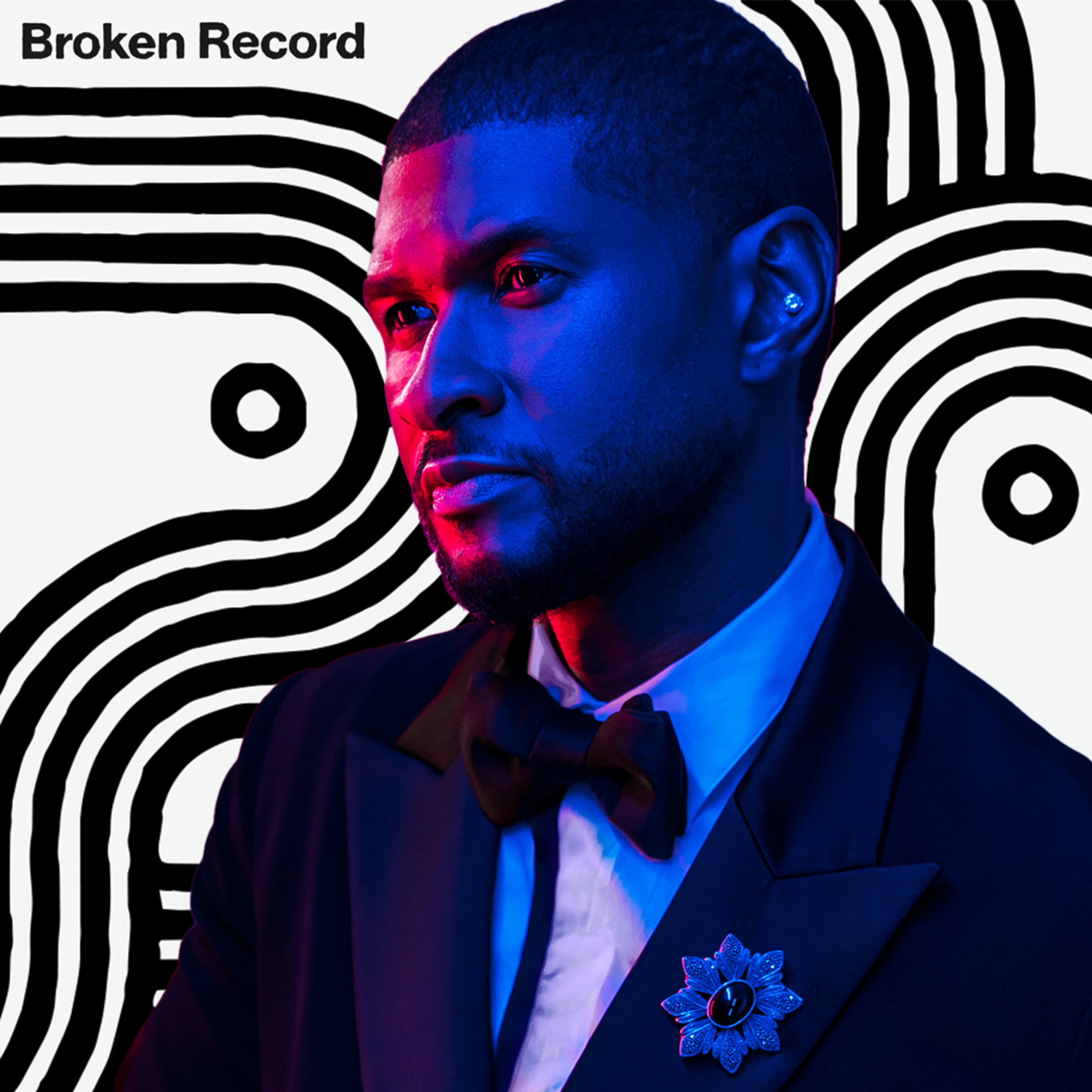


Four decades into his career, Usher is at the peak of his powers. In the year since he was on Broken Record, Usher became the king of the Las Vegas strip. According to Billboard, he grossed over $100 million dollars during his beloved Vegas residency.
To celebrate his much anticipated halftime performance at this year's Super Bowl, along with his upcoming arena tour, and the release of his new album “Coming Home,” here's Justin Richmond's conversation with the one and only, Usher.
See omnystudio.com/listener for privacy information.
00:00:15Speaker 1: Pushkin. Who would have thought that in the fourth decade of his career, Usher would still be at the peak of his powers. Since I spoke to him on this podcast exactly a year ago. Not only did he add more dates too incredibly successful Las Vegas residency, but he spent most of those ADHA dates seducing all the starlits who turned up, re establishing himself as the consummate R and B lithario he's always been. And then there was his super Bowl announcement. It only makes sense with the Super Bowl coming to Vegas that the city's current biggest star would be the halftime performer. So to commemorate the year of Usher and his super Bowl performance this weekend, and in anticipation of the announcement of his world tour and the release of his new album Coming Home on February eleventh, let's have a listen back to my conversation with the one and only Usher. This is broken record Liner notes to the digital age. I'm justin Mitchell, Hey, Hey.00:01:17Speaker 2: That's going on.00:01:18Speaker 1: How you guys doing good? How you doing? You know?00:01:21Speaker 3: I really do wish I could complain, but I would sound like a damn fool one because I don't think anybody would care to hear that. Two, it's a waste of time when you always have such precious.00:01:37Speaker 2: Moments, right, that's right. Man. You can either use it to complain or you can use it to compel, right.00:01:43Speaker 1: And to propel. Man. You got a lot going man, a lot going on, that's right. Since fourteen I remember you busting out killing it. And now man, we're about twenty five years later, and it says, if you're as busy as you've ever been, man, tell me about what's going on.00:01:58Speaker 2: It's crazy, man, considering I'm only thirty years old. I mean, I've been doing it since I was five. Man, there's been a lot going on. Actually, a lot of really great things. A career obviously that's been you know, constructed over all of this time, in all of these years. But more than anything, a celebration over the last few years in Las Vegas with my Vegas residency is I go back night after night listening to the songs and kind of relive in some of the emotions. Obviously the choreography and all the things that come with it. But more than that, man, it's fun and excitement that I needed, you know, I think all artists need a bit of motivation, and rather it's an audience or either just the love and passion of what you do. But being in front of a live audience really, you know, kind of reignited my passion and the energy, which is part of the reason that I'm now dropping the music and also too in the process of putting out another album, working on other products and other ancillary things to what I do culturally. You know, if you see the way I dress, or do you see the products I'm using, whatever it might be, all of those things are really your product of a career man that has been do as you said, over twenty years. It's crazy because I don't feel it is. Honestly, you don't realize how older you are, I guess until you think about your children. I have fourteen and a fifteen year old, so I'm like, okay, apparently i must be a bit older. But I'm not feeling like I'm losing a beat because rather I'm playing you know, football or basketball or any of those things with them. I'm keeping up.00:03:27Speaker 1: That's right, man. The kids keep you young and old. It's a little bit of both.00:03:30Speaker 2: They keep you wise. That's what I will say. Kids they will challenge you and at the same time, they will give you purpose and the reason you know, you think about the things that matter. It's that time that you have with them, them finding themselves that becomes more of a priority.00:03:47Speaker 1: You know, the new album. What did that energy start to come together?00:03:51Speaker 2: The energy of working on an album started a few years ago, and there has been, you know, some hiccups that obviously have caused you know, me not to just put music out one the pandemic kind of sent everybody into like a holding pattern. And then just you know, deliberating over you know, just the process of analyzing right what expectations are out there. Then you just kind of get to a place where you're like, you know what this is, what it is that I've been working on. This is a an offering, you know. Rather, I'm talking about things that I obviously can relate to because I went through them, or either you can relate to because you're going through them. But you know, now I'm ready to share. I'm ready to share the music, I'm ready to share the emotion, I'm ready to share the creativity. Some of the things that I picked up over the time that I've been making this album now I'm ready to share it. What that is. I made a directorial debut with a song that is really only a snippet at this point Google, But I have to say that a lot of it has been spun as a result of my Las Vegas residency. When I did that, it just again, It's just reignited, you know, my passion and my connection to my audience and also to my connection to my music.00:05:06Speaker 1: Were you as backwards looking before you started the Vegas residency? Were you kind of yeah, typically in a mode of looking back at your career and thinking about different albums and eras, or did this kind of help you to that.00:05:21Speaker 2: Las Vegas specifically has always been about celebrating the songs that you've had in the past. For me, it was a little bit of that, but it was a celebration of a genre, celebration of music because R and B in that capacity hadn't really been there. You've had a few artists you've had, you know, Marian Carey and also to the a few more new recent artists that were working in Las Vegas like Bruno Mars and then this impact, but that culture of R and B music and live performance in the way that I do it. It wasn't there, so I don't know if I ever looked at it as looking back. I looked at it as let me go back for a second to remind you of what this level of performance and entertainment is ultimately about, and the fact that this culture doesn't exist here. Things that I on stage, you know, I mean, I don't know if you've ever been to my show, but I take you on a complete ride through Atlanta through black culture. There's you know, certain views of like you know, jazz and obviously live music, and the idea of like being in this impromptu moment or improv that happens. You know, these unexpected things and unexpected guests that might come out on the stage. All of those things are part of what an R and B show has always offered in time. So it gave me the opportunity to do that and then experimenting with other things like skating on stage, and I just really I had fun. So again I didn't look at it as looking back. The music from the soundtrack of My life, which is the songs that are hits, they take you back, But I'm moving forward in terms of how I introduced this to you and how immersed you are in this experience. You don't feel like you're going to a show. You feel like you're having an experience. You don't feel like you're watching a live experience. You know that it's just singing and no, you were completely immersed from the moment you walk into the theater to the moment that you leave the nightclub. You're completely in my passion. You're in the passion of what it is that I created, both musically and also too as an experience.00:07:26Speaker 1: I love that it's such a send up to like R and B, such a celebration of the genre, man, because you know, it's funny. I was having a conversation for the podcast with Babyface a couple of weeks ago, and it dawned on me through talking to him that the era that you came up in the nineties really was the era of like R and B just being the mainstream popular music of the day, man. You know, whereas at some point it was race music, at some point it was segregated the black charts. By the nineties, man, when you guys were what you guys were doing with the face, it became like a driver of the culture.00:08:01Speaker 2: Yeah, well, I'll say this, was it more relevant because it became defiant and things and genres that were established, like hip hop became more relevant. And then the mixing of R and B and hip hop together made it feel dangerous, I'd say that, but it was dangerous way before, and it was those other coaches of music are genres of music, if you want to call them that, that were bastardizing in ways. You know, this incredible thing called jazz. Jazz is the creation of all things man, all things musical. Rather, it's rock. Rather, it's ideas of classical things. Right, we think about how R and B was established, It was jazz, and then from that all other things come. In my opinion, I think that there was a formal way of listening to music, which is orchestrated, and that's a different practice. But the things that you feel, the emotion, the storytelling, that's jazz. And rather, through the thirties, forties, you know, and then making your way up into the fifties, sixties and seventies, R and B was kind of on the back burner, but it was always supplying. Jazz was always supplying to all those other genres. Yeah, So in my mind, I take ownership of that for those people. Even though we were racially segregated and maybe black, you know, performers were not celebrated. They couldn't even walk through the very places that they were performing in. So yeah, I think you're right. You know, through the nineties, R and B had a moment where it was more relevant than others and it felt dangerous. Rock and roll, for one, it felt dangerous. If you look at DM and all of those other things hip hop, it felt dangerous. So there's a sophistication that R and B had and has always had that popular music or popular genre has been able to adopt. But it ain't ever went away. I think that it's always been there. And so long as you hear those those hues of what is jazz, those hues of what is blue, those hues of what is soul music, then that shit is R and B. That ain't what you think. It's not the genre that was claimed, it's the inspiration that was provided. You know what I'm saying.00:10:17Speaker 1: We'll be back after a quick break with more of my conversation with Usher. We're back with more from Usher. You're right about, like R and B having this sort of dangerous feel to it, too in the nineties, and it was almost an accident because you get discovered by La Reid and get signed on the face, but because La didn't exactly know what to do with you in the beginning, you get sent to go work with Puff and it's like you kind of get immersed in a you kind of have this dual world happening, man, between the R and B that you aspire to do and now you're hanging with Puff and even kind of more dangerous R and B cats like Davante Swing, kind of more edgy cats. You know, how was that moment for you?00:11:00Speaker 2: Man?00:11:00Speaker 1: It seems like real like the stars aligned to have that moment happen for you. Man.00:11:05Speaker 2: Yeah, before you get to like DeVante's Swing and New York's contribution to be and hip hop, you got the Parliament, you gotta go, you know those guys you got to go to. You know, R and B was dangerous much earlier than that, and my working with Puff was, you know, a matter of La Reid's vision to see that the entrepreneur that Puff was was going to grow. You know, until La Reid introduced the world to Sean Buffy Combs, you didn't know nothing about bad boy. You didn't even understand what it had to offer it, which meant, you know, you might have even glassed over, you know what he did with Joe to See and Uptown Records. So I think it was really the sophistication between La Reids helping people like Puff to be able to find his life, or Dallas Austin and Jermaine Duprie, or any of the guys that he had hit records with, Rico Wade with organized Noise, all of those things. That was a matter of sophistication in La Reads, blending of the two worlds to make it dangerous. Yeah, Joasy was hip hop. It almost looked like a rock band that was R and B. You know, Mary j has always been, you know, this incredible soul singer that was just pulling her heart out. You know, I'll be sure you know, heavy D all of those guys from that time that were setting a standard that would be no Shaggy and all of those guys if you didn't have a heavy D. So when I think about what I gained from working with Puffy and being in New York City and spending an entire year with him making my first album, it gave me all the fuel that I need to be not only the creative but also to the innovator that discovers talent and knows how to develop it as well using it for myself or either helping them find their way. There was something so fundamental about his creation and his idea of branding. It wasn't just about being a singer. You could be a great fucking singer. That don't matter if I don't feel like I'm getting it. It's dangerous dealing with you, and it's like, man, why am I looking at you? Why do I care about you? I learned all of that from the School of Puff, and then from there it became relationship, and it became the life story and understanding where the person was, what their views were, and what, you know, choices they made, how they dressed, you know, what type of shit they got into it. It became something far more than just listening to the music. You fell in love with the artist, so I wanted that. I'm like, okay, great. So then we didn't make a hit album together, but we had a hit record on it working with DeVante Swim you know, man, believe it or not being around Biggie earlier in the days when he was being introduced Craig mag total being in New York City, like going to Mount Vernon, being you know, and being under the wing of Heady D and being able to see how you move and work with these genre work with like hip hop and R and B together, all of those things. I gained. All of that now left and after that made my way, came back to Atlanta and worked with JD and we made it increndible music, incrontable music together that now serviced all of what I know about being an artist. But yeah, a lot of hit records came out of that by Way eighty seven oh one Confessions, and we kept going and we are still going. But yeah, I think that the one thing you might be overlooking is the danger and also to the sophistication that La Red had to create a blend, right, Yeah, because that man had insight. That man had the ability to see for real before everybody else saw for real. That man had the ability to see you know, Jay Z and make him an executive that now we respect as a businessman because he saw something more. The sophistication of understanding how to grow black entrepreneurs and black creatives to a place and lift them up is what I think happened with La and really made what we celebrate as a culture in music.00:15:02Speaker 1: Where do you think your sophistication came from? Because it just feels like you had it so early, like from the beginning, like even though the first record wasn't hit record, like you came just ready made.00:15:11Speaker 2: Already made is in the work, my work ethic is where that's what makes the difference. I learned the skill of being in the environment of people. If you want to be great, if that's surround yourself around great people, La Reid, Sean, Puffy Combs, Jermaine Duprie, Dallas Austin, you know, working with the greats, you know, and then creating really incredible, amazing one offs, like you know, we did records with Pharrell for the first time. But being able to have access to these guys, and I look at my you know, all of the reconsented things that I've been able to create. I got a really really dope click of people who have been a part of my legacy. It ain't just one person, It's an entire world of people who who have all of these different views of R and B and hip hop and the way they play with it and the way they may make things. It's like it's like nothing else that you can't you can't compare it to anything else.00:16:02Speaker 1: Man, you really have multiple worlds of music colliding all through your catalog, really, and cats like early and has interesting points in the career, like when you're working with Jimmy, Jame and Terry Lewis, Like you got them kind of like a real interesting point in my view, and it's just catalog's crazy.00:16:18Speaker 2: You asked where the sophistication comes from. The sophistication comes from. You know the gurus like Jimmy, Jimmys, tay Lewis, like l A. Reid maybe face you know, those are the guys who were like they were like the oracles man they would have They're like the Jedies. They they made you understand what it was to be an artist and how to make things last, being able to have ships like Quincy Jones. And then you know the young Jedies like you know, like Jermaine Dupree, He's avocate, you know what I'm saying, Like, just, yeah.00:16:52Speaker 1: When did you first meet Quincy Jones?00:16:54Speaker 2: Man? I first met Quincy. I walked into a Tommy Hill Figure. It was a Tommy Hill Figure show in New York City. It was me and Leah, I think it was. It was a ton of relevant artists at that time. He had us walk in the show, and that was the first time that Q kind of put his crew together, so we were his crew for the night. And from that it's find a really great relationship of friendship. He's been a godfather to me ever since that day, you know, and my conversations with him, believe it or not, were not about music as much as it was what is your contribution to life? He turned me into a philanthropist. He began to help me understand that there's much more of a responsibility to kind of lay groundwork and remind people that it's not just about music. It's also to about opening your eyes with the world's eyes to things that need to be addressed, you know, advocating for things that you think you know do matter and will matter for you know, generations to come and even for the current time. But yeah, a great relationship, So that's sophistication, you know. It comes from those relationships, relationships with the guys who've been here before, the elders, the guys who understand. You know, it's odd and this time because everything's so young, right, and everything's so vibrant, and everything's so defiant. But really, man, our elders are the ones that matter. They got something to teach us, and we really do learn from listening to them. So you got to listen to the ogs. You know, they are the gatekeepers and they make the difference. Yes, there is a new frontier of people who are just speaking out for how they feel and being loud about it. But sophistication, man, longevity comes from listening to your elders. You want to make it last forever, and you got to listen to your elders, listen to the ones that have been here. Even if you think what they're telling you ain't relevant to what you think or what you feel. Right now, they got something to share with you, and that that sophistication and longevity comes from there, their will of knowledge.00:18:56Speaker 1: Man, it's beautiful to you already. That's such a young tender age man. Just to accept that wisdom, man, and listen because you know, and then also not to take what they tell you, incorporate it and also find your own way it your own way, man, because certainly, looking at your catalog, your career, it's a totally unique path that you took.00:19:16Speaker 2: Their commitment and their dedication is what I saw, and I become them in time. I don't know. Like I said on Monday, thirty years old, you know what I'm saying, So over time, hopefully I'll be able to share that information that ends that wisdom with the artists that are coming.00:19:37Speaker 1: Speaking of Quincy, is there any truth to the idea that Tevin Campbell's second record, I'm ready some of those songs a supposed to be written for you.00:19:46Speaker 2: Now many people have said that, no, Tevin Campbell's songs were Tevin cambell songs and my songs were my songs. The reality is, I think La Reid and Baby Facebook kind of going through a transition when they worked together and when I first signed as an artist, so I probably didn't get a chance to receive, you know, the love and the benefit of what Baby Face offered my first album. But I later on became great friends with him. I just seen him in Atlanta. You know, he's still an og I love him, and rather he was writing songs for me. He still was a motivation. I still looked at Whipple Peel and was influenced by that. Matter of fact, the song that actually, you know, spun it off and started it off for me was a song that he wrote. He and La Reed together wrote that record End of the Road, End of the Road, Yeah by buys Men, But I'm ready those songs they belonged to Tavin Campbell. What I did with Puff and my first album, it was what it was. I did not get that record that I wanted my first album. When I listened to Can We Talk? I felt slighted because I was like, damn, I wanted that record. I wanted a record that I wonder if that song was for me, Nah, it wasn't. I think it was always Tavian Campbell's song. And I know that, you know face he was going through something, I guess at the moment with La and we just didn't work together my first out.00:21:09Speaker 1: It that goes to, like again it being sort of serendipitous that you get to work, you get to be on the face and have a lot of what comes with that, but then also kind of get to kind of go your own route and go work with Puff and you kind of got the face plus more in a lot of ways, which was I imagine must have been free.00:21:28Speaker 2: It was out of my control. I would have wanted to work with Babyface, they were just going through something that wouldn't allow it to happen in the time. But yeah, it's it's a manifestation. I remember being in Chattanooga, Tennessee, and me and my mother talking about going to Atlanta and potentially meeting La Reid and Babyface and signing to their label. That's why we came to Atlanta. For me, she came to Atlanta because it was a you know, it was an elevation from Chattanooga, and it's more opportunity for her as a as a woman and also to her employment at the time. But for me, it was a true opportunity to meet some executive and maybe turn this talent into something that would take care of us because I was not taking enough for an answer. In my mind, I knew I would perform, but like I had a red diet on where I wanted to be, I was performing. We maybe faced the songs rather it was Bobby Brown or Boys to Men or any of the other artists that they've worked with, and rock Steady was on repeat, you know, by the Whispers for my Mom for my Mom. So I was always listening to La Reed and Baby Faces production. I didn't realize it, but I finally made it to Atlanta, and I didn't know who La Reed was. I just knew that they had a hit record on the radio and I loved singing it, and if I could get people to pay attention to me, maybe I could get to them. And it happened. It was a manifestation I called it, and to existence, I said it, and we went after it, and me and my mother we made it happen.00:23:03Speaker 1: We're going to take one last break and then be back with more from us here. We're back with the rest of my conversation with us here. What do you think happened between making a really great first record that, honestly, I think still holds up as one of the great records of that early nineties R and B era, But what happened you think between then and My Way where you kind of were able to create a hit record.00:23:32Speaker 2: I think, first of all, Buffy was ahead of his time in terms of what he created with my first album that would ultimately become the stable of what R and B artists in my age group would go after. So he was way ahead. I think it just it might have been a little bit too mature, and now looking at things, it's like they busting it wide open and that pussy with you know what I'm saying, this crazy type of shit that they say now, which, hey, it's an interpretation and you should be able to say whatever you want, wet ass pussy and all that other shit. But you know, I think can you get with it was a bit that was a bit much for a fifteen year old to say, can you get rided to a girl? That means it's a sexual thing. But you know, I think he was just ahead. He was just ahead of the curve. I think that he got there before everybody else did and was willing to push me in it. So long as I was willing to allow myself to be produced as an artist, that I would get something valuable. Now going back and listening to those songs, they're way way better then I could even understand at the time. I missed that that Davante's swing production. There's no songs on the radio that sound like any of that stuff. What he was creating and what they were working on, you know, Timberlin was doing those beats. Man, like, there's no music that sounds like that type of R and B even to this day, and as great as R and B is, nothing is great like that. That man was creating something that was amazing.00:24:59Speaker 1: What was it like being in the studio with Davante's swing man, if.00:25:03Speaker 2: I could even remember, because I only saw so much, and obviously my focus was on performing and singing. Yeah, I wasn't really paying attention to the type of things that were going on. But he was a star and something about living and breathing and being the star at all moments, that's what I saw. I watched him work, and when I watched him go over to the piano, I watched him turn the knobs. So he directed me how to sing when he walked over to his car, when he directed how he wanted his crew to produce, or he to work on songs, because it wasn't just can you with it? He worked on a few songs on the album. I was just so impressed with the star that he was. How he you know, how just how he carried himself. I just he was a rock star. Man. It was it was like that dude is just super duper freaking cool. And then you got jo to Sy in the background, literally Casey is singing backgrounds on Can't You Get with It? I'm like, Yo, who am I? What have I manifested to be able to have Casey and Jojo here listening to me perform in the booth? You know what I'm saying? And also to and backgrounds on my song the cood Side of This World?00:26:13Speaker 1: Man, At what point did you working with JD realize Confessions was going to be confessions? In other words, that it was going to be such a like a personal record.00:26:23Speaker 2: When me and JD lock in, we lock in, you know, we become one in that moment, right, Rather we're talking about things that we as men sitting and talk about. Rather we were talking about things that he was going through or things that I was going through. I think that was an AHA moment between he and I because we the album title was called Real Talk when we first started, and it was all about that was like a catch tone, you know, catch phrases. Time let us like real talk. So I was like, let's name it that. We named it that, and that was a motivation. Like all the conversations on this album are going to be real like complicated things. Rather it was dealing with the emotion of complicated in the complications of emotion. Or rather it was dealing with the complications of love and what happens when you you know, you're in a toxic situation, or you have a girl on the side, or you're in a relationship and you're trying to figure out how to balance as a man. You know, when he and I lock in, it becomes something special. So Confessions as a title or as a song, it really just happened organically. You know, we were just living and talking and living with each other and trying to find the way to write the songs of what we were living through.00:27:36Speaker 1: You know, talking about dangerous, that record really felt dangerous in a different way man, because it felt like harkening back to like Marvin putting it all out there, like in the like when he was going through his love troubles in the late seventies, and just I don't know that there was records R and B Records two thousand and three, two thousand and four that felt as personal as that Man, that felt powerful even as a kid, I mean I was a freshman in high school and that came out and I was like it just felt was like, yo, this is different.00:28:02Speaker 2: Well, by the way, as a young boy, right, you don't necessarily have a lot of songs that you know, speak to the emotions that we feel and that they are. You know, maybe it's disconnected from you know, the reality of the facade that we as men have to put on. You know, I don't want to be emotional. I don't really want to let you know that my heart is broken or I'm really broken in this moment. We always found very unique ways to be vulnerable. And that was the point. It was like, no, let's talk about the things that are complicated. Let's talk about the complications of like passion and love man and make it all right for men to listen to it and women to respect it because it's articulated in a way that's clear for them to know what we're dealing with. Yeah, you know, and un necessarily you know, like what we're saying. And I think the nineties kind of found this way of doing that. There were artists that did it other than Jabi, like Danielle Jones. You know, being in love with when you love someone, you just don't treat them bad now I feel so sad that I want to leave. She's crying the hard to me. How could you let this be? I just need time to think where I want to be. That's a conflict, Like living in this place of conflict is what I think we were really focused on with Confessions, And every time me and JD worked together, you know, and it became a really good practice of all of the art that I've created. I make that like, what is that conflict? You remind me of a girl that I once knew. You don't have to call because I'm out with my homies. I can't. You know, I'm gonna be all right. We broke up and I'm cool. I'm gonna keep it moving. I gotta get back on my feet. Confessions, I got a baby on the side. You know, you know, I don't mind you know, you know I'm looking at a girl in the strip club like I don't mind that you do what you do. I ain't got no judgment for you. You dance on the pole, they don't make you well, you know what I'm saying. All of those those things of conflict like that, you got it bad climax. I reached the climax of this relationship. I know it's not gonna be more than sexual if I get it, and I'm letting it be what it is. You got it bad, let it burn. These are things that were real. I can remember, you know, feeling the emotions of like you know, I'm out of control. I cannot deal with the emotional like internal burning that I'm going through, Like I can't stop crying. I can't stop what I'm feeling. That's like a burning sensation. We go to a song called Burn. So living in or finding ways to articulate conflict is what is in those songs and what you know was in confessions.00:30:42Speaker 1: So just to wrap things up working on a new record, do you still find inspiration and conflict or what do you find yourself find an inspiration these days in terms of songwriting and emotion.00:30:52Speaker 2: A little bit of both. It is what I feel in my songmaking. Yeah, as a man, I'm going to always be conflicted because that's passion and we're kind of working against the natural nature of man. It's like I want to be in love, I want to be happy, but then I also too, am going to sabotage myself because I'm passionate, you know, I want to be happy, but I've been so unhappy for so long that i just end up sabotaging myself because that's just what I'm accustomed to, toxicity in life. And by the way, it's not just men. Women are going through this shit too.00:31:29Speaker 1: It's a human condition.00:31:30Speaker 2: There's a human condition, and it's a human experience. What we are all doing is having a human experience. Music provides an opportunity to jot it down, to make it last forever, to listen to it and continue to think about where you were and maybe get something from it. Rather you like, Okay, I acknowledge it. I got this problem, I got this issue. Now I got to get past it. Or either man, I'm going through that right now. All right, Well, what's on the other side of it? You got to first acknowledge it and deal with it. Sit with me. Don't just go go get another love or go go you know, buy another thing, or go and run away from it and go put your attention in time somewhere else. No, that shit with it, But that conflict, yes, is still there to this day because I'm human, you know, even if it's just a thought. You know, sometimes we need a little space to be able to find that sometimes we need to slow down and sit with discomfort. Maybe sometime we need to find balance. And I'm happy that I've been able to be that balance in music, to be able to help people get through that.00:32:31Speaker 1: Absolutely, Man, thank you always for finding that in your music and not being afraid to be vulnerable, because you've helped a lot of people process a lot, man, a lot of different things, a lot of different emotions, good and bad and in between. So appreciate you always, man. And it's so I have my math wrong up top two right, it's fifteen years, been in the game about thirty.00:32:49Speaker 2: Now now, But you know I claim all of my years. Man, I don't look forty four, you know what I'm saying. But I'm definitely loving the wisdom that has come with this time and the celebration in Las Vegas. Man that I get out of it, the fact that people are paying their hard earned money to come out there. I ain't bringing you there to disappoint you. I'm going to give you an experience and you're going to have a celebratory moment. Rather, it was the beginning of my career, or rather it's the current moment that just makes you enjoy the process. Come come to Las Vegas, come enjoy you. Be on the lookout for new music because it's coming. And Man, I thank you, Thank you for this moment to be able to share. Thank you for this moment to be able to just talk about that thing as a guy geting gift that I get to share with that audience every day.00:33:36Speaker 1: Yes, sir, can't wait to see you out in Vegas. I'll be out there in June.00:33:39Speaker 2: And thank you, man, Man, thank you.00:33:44Speaker 1: Thanks again to Usher for jumping on zoom despite his busy schedule. You can hear all of our favorite Usher songs at Broken Record podcast dot com. You can subscribe to a YouTube channel at YouTube dot com slash Broken Record Podcast, where can find all of our new episodes. You can follow us on Twitter at Broken Records. Broken Record is produced with help from Leah Rose, Jason Gambrel, Ben Tolliday, and Eric sam There. Our editor is Sophie Crane bro Conrect with this production of Pushkin Industries. If you love this show and others from Pushkin, consider subscribing to Pushkin Plus. Pushkin Plus is a podcast subscription that offers bonus content an uninterrupted ad free listening for four ninety nine a month. Look for Pushkin Plus on Apple podcast subscriptions, and if you like the show, please remember to share, rate, and review us on your podcast app. A theme music expect Kenny Beats. I'm Justin Oshman.

