Tommy Emmanuel

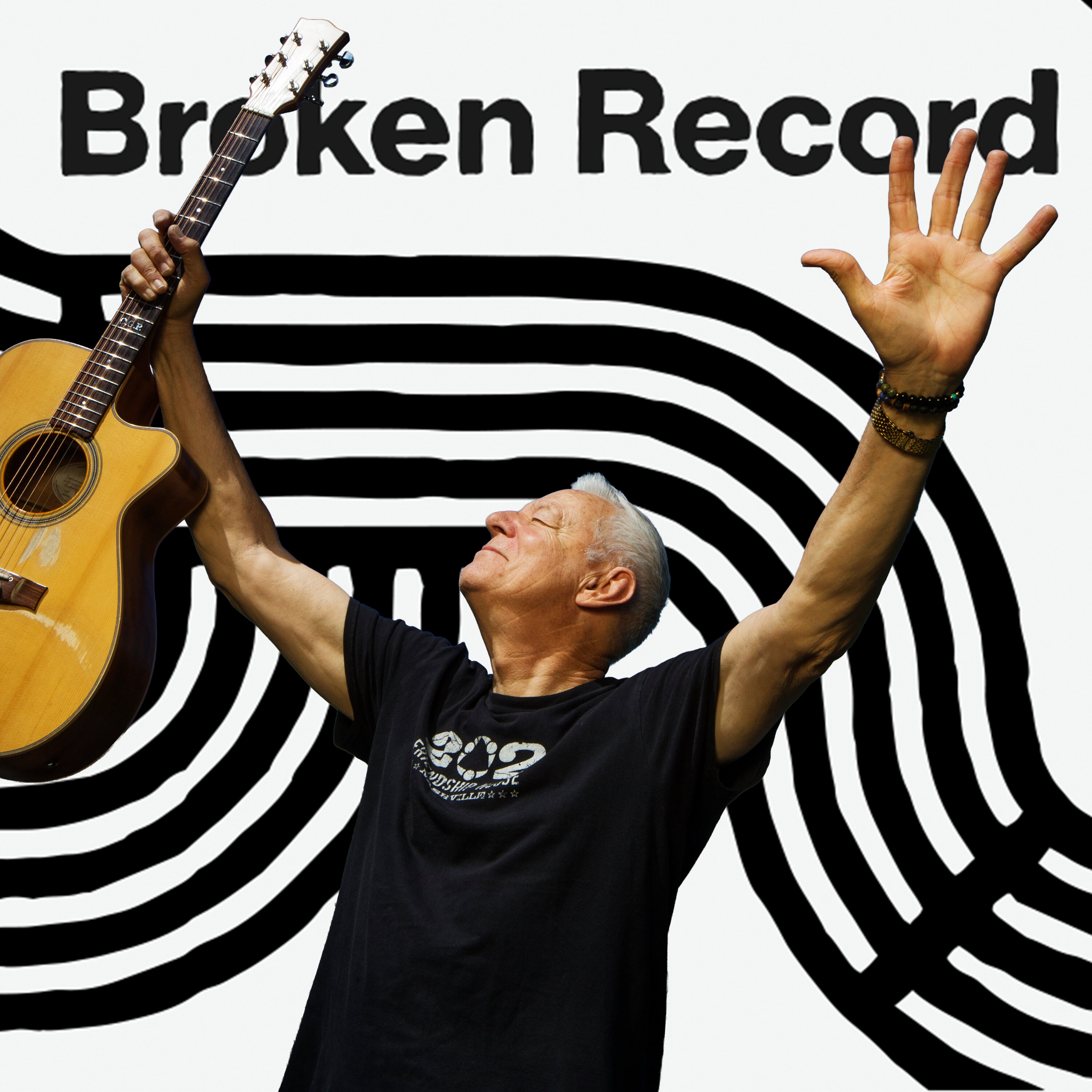


Tommy Emmanuel is an Australian guitarist who has spent over six decades mastering the art of fingerstyle acoustic guitar. He's now widely regarded as one of the best acoustic players in the world.
Born in 1955, he received his first guitar at age four and he recalls that not long after he knew he wanted to dedicate his life to playing music. He left home to pursue his dream as a teenager and eventually became known for his remarkable ability to make a single guitar sound like an entire band—simultaneously playing bass, rhythm, lead, and percussion. In 1980, Tommy toured with Stevie Wonder as part of the opening act, an experience he's described as enlightening. He's since played hundreds of shows a year and collaborated with artists including Eric Clapton, Chet Atkins, and Tina Turner.
On today's episode, Justin Richmond talks to Tommy Emmanuel about his unique fingerstyle technique and how he developed the ability to make one guitar sound like multiple instruments. He tells the story of opening for Stevie Wonder in 1980 and walking in on him jamming with an early LinnDrum machine. And Tommy plays examples of his songs throughout the years, demonstrating the evolution of his remarkable approach to the acoustic guitar.
You can hear a playlist of some of our favorite songs from Tommy Emmanuel HERE.
See omnystudio.com/listener for privacy information.
Speaker 1: Pushkin.
00:00:20
Speaker 2: The first time I saw Tommy Emmanuel play, it was like rediscovering guitar all over again. I was sixteen visiting Salt Lake City when I stopped into a store called Acoustic Music. At the time, I was listening heavily to guitarists like Lenny Brow and Chad Atkins. After sharing this with the guys who worked at the store, they told me.
00:00:37
Speaker 1: They had a DVD I needed to watch.
00:00:39
Speaker 2: They popped in a live performance of Tommy Emmanuel and I was floored. It's a key formative moment along my journey as a player and a fan, so having an opportunity to sit down and have an hour long conversation with Tommy Emmanuel was huge for me. On today's episode, we discussed Tommy Emmanuel's insane technique and how he developed the ability to play multiple parts on the guitar at once. He tells the story of opening for Stevie Wonder in nineteen eighty and walking in on him jamming with an early Lin drum machine and performing on the same bill as the Beg's in Australia during the sixties when he was just a kid.
00:01:14
Speaker 1: This is broken record.
00:01:16
Speaker 2: Real musicians, real conversations. Here's my conversation with Tommy Emmanuel from Amazon Music Studio one twenty six. You mentioned from six am to seven am this morning you were you were playing guitar.
00:01:35
Speaker 3: Yeah, I got up. I got up and to play. Yeah.
00:01:39
Speaker 1: And is that an everyday occurrence?
00:01:42
Speaker 3: Not always? Sometimes if I'm touring a lot, sometimes I need that time to sleep, you know, and I can play later. But I wanted to be I knew I had an early start here today, so I wanted to be already playing.
00:02:00
Speaker 1: Wow.
00:02:00
Speaker 3: You know, it's like you start your motor you know.
00:02:05
Speaker 1: Yeah.
00:02:05
Speaker 3: I mean I don't. I don't try to push my first thing in the morning. I usually play songs that I really enjoy playing that I can play quietly because I don't want to wake up the person in the room next to me in the hotel, you know.
00:02:23
Speaker 2: Right it's going to I mean, yeah. Do you do you do you get complaints in the hotels?
00:02:28
Speaker 3: One time, a friend of mine and I we were rehearsing for a show and there was a knock at the door, and there it was a reception lady, and she said, or the guy next door said, you're making a terrible noise in here. And I said, you tell him it's music.
00:02:48
Speaker 2: Yeah, and people are paying money to see that he's going to preciate.
00:02:53
Speaker 3: Well, these things happen. You've got to be You've got to be thinking of others in that situation.
00:02:57
Speaker 1: Yeah.
00:02:58
Speaker 3: And if there's something in my practice that that I that I need to work on, say, if I'm I'm going to try this song I'm I haven't played in a while in the show tonight. I need to run it down. I need my brain to know where my hands have to go.
00:03:17
Speaker 2: But you don't do settlers, right, You don't improvise on stage in terms of what you're going to do.
00:03:23
Speaker 3: Yeah. Well, you know, at the moment, I've got a new album out called Living in the Light, and so I generally opened the show with like four brand new songs. Wow, you know, just to do something different, you know, And that always is Sometimes it works really great. Other times I think I should have done this earlier, or I you know, maybe I should have started with something slower. And you know, but I've been coming out, like, you know, one song after the other, bang bang bang in the in the first part of the show, and it always gets me into a good spiritually, physically, in a good place because I'm I'm already pushing myself amazing.
00:04:11
Speaker 1: Would you mind just doing something you might open a show with?
00:04:16
Speaker 3: Sure? You want to hear it now? Yeah, I'll play it for you and you'll hear where it goes to color. So it starts out with rock plus roll, it comes to color ready keep Yeah, that's black and white to color. Oh that is beautiful. It's a good opener because it's got everything. It's got a groove, it's got a message, it's got a breakdown section, it takes, it goes somewhere else and then it comes back in. You know.
00:07:37
Speaker 2: Yeah, there's so much happening when you like, when you play, there's so much your body's moving, your vocal.
00:07:44
Speaker 3: Eye already too hot in my coat in halfway through that song and I was like, shouldn't have put my coat on?
00:07:52
Speaker 1: It's incredible.
00:07:53
Speaker 3: Well, I didn't expect you to ask me to play, so so this is this is fun.
00:07:58
Speaker 2: I'm sorry I jammed you up. I set you up man. Yeah, but are you are you here? Because like and there's there's like a rhythm, there's uh I mean, there's those wonderful court changes. There's a mellow there's so much do you hear? Are you hearing other instruments in your head?
00:08:14
Speaker 3: Of course, this is a band, you know. This is the piano players. It's Ray Charlds, you know. And this is so there's the drama, right, and then the bass right, and then the rhythm. This is only you're just hearing this little guitar which is thin and everything about it. It's a great sounding little axe. But you plug this thing in into a PA and it is as big as a band, and you turn it up and it's got everything there. And that's another right reason why people often come up and say, I could have sworn there you're that you had backing tracks, or I could have sworn there was something else in there, you know. Yeah, And it's just the way of doing it.
00:09:18
Speaker 2: There's even like a lot implied by the way in what you do, Like you can trick yourself into hearing things that aren't there because.
00:09:24
Speaker 3: Of you know, that's a good point. You're right.
00:09:28
Speaker 2: That happens a lot when I listened to you, because I'll start to hear multiple I mean, you're already doing a lot, but I'll hear even more than what's happening because I'm just my mind's filling things in, you know.
00:09:38
Speaker 3: Yeah. Well the other thing is is that when you leave it hanging, the time is still there. Yeah, because the time's internalized inside me. Right, nothing's going you know what I mean. Then I so I kind of put a bit of pressure on it to say this is this is the groove right here?
00:10:17
Speaker 1: You know.
00:10:18
Speaker 3: So the first but I'm implying the time, I'm putting it out there, you know, for you to feel it and hear how the melody works. But then the second time around, I go and here it is.
00:10:36
Speaker 1: Yeah, yeah, yeah, yeah, that's a beautiful trick.
00:10:39
Speaker 3: Well, it's just I need that. All I'm doing is satisfying my needs inside, you know, and then I put him out there and it makes sense to me, you know. And I think most artists do the same thing. They have something inside that needs to be satisfied, you know. For me, it's it's the melody and how the song. Because when I'm writing and when I'm playing, I've got several hats on. I'm also the arranger, the producer, the artist, the I'm the listener. I'm trying to do everything to make sure that when I play this song to you and you're you're listening to it for the first time, that it does everything. It ticks every box. Yeah, you know, that's all I'm trying to do, you know.
00:11:39
Speaker 2: Well, and you're right too. I mean, I think about it. It's probably a lot of there's a lot of people I could think of, but the first one that comes to mind is Stevie Wonder.
00:11:46
Speaker 1: Yeah.
00:11:47
Speaker 2: You know, if he's just sitting just like how you were, if he's just playing piano, there is an implied rhythm that.
00:11:53
Speaker 1: Is uniquely Stevie, you know, totally. And so when he plays drums, by the way and his records, even like Superstition, which is a great drum part, it's bizarre. It's like not like a normal feel.
00:12:02
Speaker 3: Yeah, that's right. Well, in nineteen eighty, which was a long time ago, I was working with a great in Australia named John Farnham and we were opening for Stevie Wonder, and that was one of the most incredible tours. I got to be there at soundcheck every day and Stevie sang and played for like three hours in the afternoon, and then they had to literally take him off the stage, take him to his dressing room so we could get set up and do our sound check because he didn't want to stop playing. But he was so wonderful, I mean, and his band and everything. And I remember when we were in the city of Perth in Australia. I walked past his dressing room and I could hear this drum machine thing going and I could hear him jamming away on it like great. And his bodyguard guy was standing there, and I said, can I go in and see what he's doing? And he said, and he opened the door and let me in. Right, So Steve's got he's back to the door and he's jamming away with this machine. And he suddenly quoted the guitar solo from Memphis, Tennessee. Dude, it do do the original guitar solo. He quoted it. He says, hey, guitar player, I'm back there behind him. He knew it was me. It was unbelievable. Anyway, what he was doing was programming the Linn drum machine before it was even completely imbedded kind of thing. He was programming this piece of technology. It looked like a homemade computer. And he was in there doing stuff, showed me how it worked, and played along with it and you try it, you know, did you actually try? I mean no, you know, he just watched him, you know, yeah. Wow, he's amazing. And the best part of this story is fifteen years later, nineteen ninety five, I was at Lax Airport about to get on a plane. I needed to go into the men's room for a minute, and I walked into the public toilet and there was this big, tall guy standing by the door of one of the cubicles and I recognized him and I said, I know you. I met you like that, And a voice in the cubicle said, that's the guitar player from Australia.
00:14:30
Speaker 1: Was stid out of here.
00:14:31
Speaker 3: Yeah, can you believe that he knew my voice instantly?
00:14:35
Speaker 1: Instantly that level of to be able to recall, yeah, something like that, and not only just recall your voice, but then also that that anecdote of you entering the room. And there's like a.
00:14:44
Speaker 2: Sense that he that has to be tied to hear some of his music.
00:14:48
Speaker 3: We don't know what the kind of abilities that a man like that has, who's been blind since he was young, and his abilities and his senses on a well spiritual level that are almost otherworldly, you know, Yeah, so you can hear it the moment you hear him sing and play, you know, oh boy, look out, there's something going on here. Yeah. Yeah, And that's why we all love our Stevie Wonder because there's never been anybody like in him and Ray Charles. Oh my god, where would we be without them? Yeah? Musically, musically yeah, we'd be. There'd be a big hole.
00:15:30
Speaker 1: But black and white to color.
00:15:35
Speaker 3: Yeah.
00:15:37
Speaker 1: Was that the tour? I think in the States on that that was a tour where he was lobbying to get the.
00:15:43
Speaker 2: Martin Luther King Junior Holiday in the States too, right, the nineteen eighty probably was. And I think in at least in the States. I don't know if in Australia he had.
00:15:54
Speaker 3: In a Square Circle album.
00:15:56
Speaker 2: Well maybe it would have been a master Blaster.
00:15:59
Speaker 3: It was master Blast, master Blast, yeah, because every night we got up and played with with with him in the band. Because when he heard John Farnum's sing, he said, you got to come and you guys have got to come and join us and and we'll we'll do something together and so and Ben Bridges was was his Steve Stevie's guitar player, and he invited me to plug into his gear and and we just jammed together on Happy Birthday too, and then we were into Master Blaster. It was awesome. Dennis Davis was playing drums and h and he was so nice to work with. Two and our drummer David Jones jumped up on on the kit and and Dennis just took off one of the toms and just danced around and played the tom while our drama played. You know. It was just that's what it was like in those days. See, if you found somebody that you that you really click with, you got together. You know, what a dream, What a dream? It was unbelievable. Well, uh, this story could go on because the last show was in Perth and the next day was was Billy Joel in Australia for the first time, all right, and so we were all staying in the same hotel. So I got to meet Billy and his band and everything and we all hung it. And then after the show, the hotel put ropes across the bar area, so the public had to stay out and we hang around the piano here. So there was me and Ben and David Brown from Billy Joel's band. There was Billy Stevie and and John Farnum at the piano and just we were just jamming tunes and Stevie wonder knew most of Billy Joel's songs what he could sing them. Yeah, it was unbelievable. That's an amazing It would be a long time ago.
00:18:06
Speaker 1: So we're recorded.
00:18:10
Speaker 3: You know. It's the same thing with the day that I met Chet Atkins and and we we played together. There was a cassette player with a microphone set up on the table, and neither of us thought to record it. You know, we played for hours and never recorded it.
00:18:31
Speaker 1: Do you remember what you played? Was it or was it just?
00:18:35
Speaker 3: It was? It was? It was tunes that that were popular, kind of jazz tunes, you know, like Lover Come Back to Me and Caravan and tunes like that.
00:18:48
Speaker 1: You go, a great version of Caravan on you had a trio record passing through from a few years ago.
00:18:54
Speaker 3: Oh yeah you know about that. Yeah, yeah, with you it's you and Ian Date and and fiddler I Ian Cooper, the incredible violin player.
00:19:06
Speaker 1: You guys have great You guys play off each other.
00:19:09
Speaker 3: I was recorded in a heartbeat, that whole album. Yeah, just just put it together quickly and it's great album, all that stuff. Thanks, But playing with Chack, I mean, playing with chet I must have.
00:19:23
Speaker 1: That had to be.
00:19:25
Speaker 3: One of the greatest days of my life. You know, I'll just never forget it. And you know, when I was a little boy and I'm trying to trying to collect ched Atkins records and all that, and I had a little portable turntable with the speaker in it that my mum had given me, and I said many times, I'm going to meet him and we're going to play together like that. And I'm just a kid, you know. My mother said, I believe you will. You know, you just keep at it, you know, and I believe you will. And sure enough, I ended up writing him a fan letter. I was eleven. I wrote this fan letter telling him him that I was listening to his music and trying to work it out and all that, and could he send me a photograph with an autograph on it. And about two months later, I came home from school and my mum said, go into your room. There's something on your bed, and there was this big brown envelope and I had American eagle kind of stamps, and you know, my heart started going like this and it was a letter from Chet with a black and white photograph signed to me. And yeah, I remember when I opened it, it was just like pristine. You know. It had RCA Victor, you know, from the desk of chet Akers, all written in gold at the top of this thing, you know, it was all typed out and his signature on the bottom.
00:20:59
Speaker 1: That for all the way from the America, I feel like incredible.
00:21:02
Speaker 3: To nowhere in Australia. I was just a kid going to school in a little town and park call parks in Australia. But I was already dreaming. I'd already seen coming over here, you know what I mean. I'd already dreamt it and had that vision in my mind. And this is what leads me when I'm talking with young guys now who you know, they want to be doing what I'm doing. They want to be a concert player, they want to get out there and tour the world and all that. And I always say, you know, where's your vision? Where do you see yourself? Where do you belong? You know? And because I always knew I was a concert player, I just didn't know how I was going to get there. And I had to do the hard road I had to play every musical situation I could. I had to play where people didn't listen to you. I had to play in bars where I was under rage and all that. I had to play for free a lot. I had to play for food and all that kind of stuff. And I ran away from school when I was fifteen, and because it was a waste of time to me, I needed to get to work. Yeah, you know, and your mom just did that, No, she I broke her heart, Yeah, because she wanted me to finish high school and get a higher school certificate. And I was more interested in going to Sydney to play with the big boys.
00:22:41
Speaker 2: Who were the like and who in Sydney would have been the people you were wanted to go play with at that time.
00:22:46
Speaker 3: Well, nobody who could really play what I wanted, the kind of style that I play, But people who knew more about music than I did, that's for sure. And so the next best thing to go on to Nashville. Well it's what you could do. Yeah, And well I just wanted I just wanted to. I was hungry for knowledge. I was hungry for it, and I still am, you know, And I'm hungry for experience as well, because you can't play anything meaningful without experiencing life, you know. And that's why when we listened to a teenager like Stevie Wonder was playing you Are the Sunshine my Life, you know, how does he do that? It's a gift, it's otherworldly, you know. So anyway, I wanted to move to Sydney, and I got some people to help me get down there, and I rented a room, I got a day job, and then I auditioned for different artists and stuff, and people laughed, They just outwardly laughed when I walked in for the audition because I was a fifteen year old kid, and you know, who do you think you are? What do you think you're going to do? Well, let's just play the music, and you know, and I knew all the songs. I knew all the vocal harmonies. I knew I could quote the record if if it was a song I'd learned from a record, and I was ready to go, you know, and electric at that point, electric, yeah, yeah, yeah, did you I mean?
00:24:33
Speaker 2: And it was quite an interesting road to what you're doing now. So when you had that vision as a kid, the youth of concert Plane, was it more in the who was it in the vein of at that time?
00:24:49
Speaker 3: If you had to imagine it, well, when I played tune, so I was playing a kind of a Chad Atkins type style. But I was listening to Gordon Lightfoot, Neil Diamond, Carol King, James Taylor in the seventies, I mean I was, and Stevie Wonder, Ray, Charles, Jerry Reid, you know, people like that I was listening to. And I was listening to what was on the radio, the Beatles, the Rolling Stones and all. When I was young, I thought the Rolling Stones and the Beatles were so out of tune, you know, And I just couldn't understand it because I was so used to listening to chedd Atkins, who was so in tune it was unbelievable, you know. And you listen to a Stevie Wonder record and his vocal is so unbelievable, you know. And when you hear guys playing in and out and singing in and out of tune, it's kind of weird. You know.
00:25:51
Speaker 1: What do you think about it?
00:25:53
Speaker 3: Do how? I totally love everything they've ever done, and I totally get it. But when I was young, I mean, that's the only filter I had. Yeah, you know, is.
00:26:03
Speaker 2: The difference between when you're a young, kind of hot shot player and you're listening to Chad and it's precision and it's beautiful, but.
00:26:10
Speaker 1: There's a lot of soul and chat too.
00:26:12
Speaker 2: But yeah, it's clearly there's that other bit of it that's just you know, just another level of talent, and then you're listening to the Beatles and the Stones and it sounds slightly out of tune? Is that the difference between learning to be a player and learning to make records?
00:26:25
Speaker 3: Or I think the lesson when I look back on it now was how good are the songs? You know what I mean? So I could tell you in my own recordings where I could have got the tuning a bit better, but the feeling on the track was exactly the right one, and I was willing to live with it. And I think I learned that from, you know, hearing the Rolling Stones and going it's a bit out of tune, but boy doesn't it feel good? You know what I mean? I had to learn that, and like I was saying, you know, you just got to grow up a little and see what works, you know, I mean, I still it still bothers me. When a person comes up to play for me and they're not in tune, it's like, hang on a sec, just just take a second in tune up, you know. And or I have an artist who's opening for me on tour and I kind of say at the start of at the run, you know, make sure you check your tuning when you come out, you know, And I'll do the same before I introduce you. I'll make sure I'm dead in tune and all that. So when we start to play that, it just is right on. And there's been quite a few people who are open for me who walked out and we went into it and it's like that's how to tune and they're smiling away and I'm like, no, no, no, this is not good enough. Yeah, but yeah, tuning is so it's so everything to me. You know. There are people like Paco de Lucia. The last couple of times that I saw him, I didn't see him tune once, but I never heard anything at all, even the slightest bit out of tune. He was so perfect in his tuning and he's playing and everything that you know, it was it was otherworldly, Like Steve, you wonder it was like Paco was just another one of those gifted, incredible guys, you.
00:28:37
Speaker 1: Know, one of the things you just can't explain probably.
00:28:40
Speaker 3: Right, Yeah, He's just he's that good. It's on another level, you know. And you never see him, you know, looking at the tuna and he's just like he's he's ready to play, and away he goes, and it's perfect, and then he goes into the next song and it's perfect again. You know.
00:29:01
Speaker 2: I was watching a video of him recently from like I think seventy nine. It was early eighties with.
00:29:08
Speaker 3: When John and.
00:29:10
Speaker 1: With John and I think this one was just solo for some real or just the two. It was just al And and Paco.
00:29:17
Speaker 2: Yeah, And one of the one of the comments was, man, Paco just smoked out.
00:29:22
Speaker 1: I don't think he has a problem.
00:29:26
Speaker 3: But there's only been one Paco, you know. And I work with him in Germany and I played the first hour and he played the second hour, right, and I cried through the whole show. It just it brought me to tears. It affected me emotionally on a little deep level that that very rarely happens to me. But as soon as he started to play, I was totally gone.
00:29:57
Speaker 2: You know, when something like that happens for you, like, is there any part of you that consciously or unconsciously wants to or or and orporates something from that into your own plane of course.
00:30:13
Speaker 3: Of course, emotions are such an important part of my show. You know, I want people to forget their troubles. I want people not to be engaged in a way that they're not thinking about you know, money, health, the future, children or whatever. They're having a break from that. That's my job. My job is to take you out of your life that can be hard and at least give you an hour and a half of respite from it. This is today's reprieve from from stress and the strain of life, you know, And so I definitely try to surprise people because surprise is a big element in entertainment. You know, it's an important tool that everybody who's good at entertainment has surprised built in. You know, if you go back to Charlie Chaplin and the Marx Brothers or you know, anybody like that, you'll see that the funniest part is when things don't turn out how you think, or they just constantly surprise you. You know, it's what I love about Penn and Teller. They do the same thing, you know. And I think it was Penn who said, you know what is entertainment, Well, surprise me, surprise me, that's entertainment. Yeah, it's beautiful, and really I try to keep things that simple, you know. And there are certain songs that I play that are designed to make you want to close your eyes and just go with it.
00:32:08
Speaker 1: You know.
00:32:08
Speaker 3: Somewhere over the Rainbow, that's a song that means so much to people, you know. And I have a new song that I that that I wrote for my youngest granddaughter. I'll play a little bit of it to you. And after I've been you know, hosing the hell out of it and and and throwing all my stuff at at everybody and getting the crowd going, now it's time for them to have a little break for a minute. So I just play this and I'll do.
00:33:19
Speaker 4: About of.
00:34:33
Speaker 1: That's good.
00:34:33
Speaker 3: It's just real simple. But once I start playing it, everybody has that moment to be able to just just go with it, you know, And I do when I'm playing it. I just go with it.
00:34:48
Speaker 2: And there's no part of you that wants to do more.
00:34:52
Speaker 3: No, it doesn't need anything else. It needs me to play it with as much expression as I can, to take my time, you know, just tell the story.
00:35:01
Speaker 1: Yeah, that's really beautiful.
00:35:03
Speaker 3: Thank you. That's little Georgia. She's four years old. I wrote that for her for when she's like forty five and she can play that song and say, oh, it's who I really am. You know, So you you and.
00:35:20
Speaker 1: Did you set out to write.
00:35:21
Speaker 3: That for her? It I did, Yeah, when she was only tawny. You know, she's four now. She was probably two when I when I wrote that, I just had a vision kind of thing of the woman she might grow into. You know.
00:35:41
Speaker 2: We'll be back with more from Tommy Emmanuel after the break. I want to ask you about a few guitar players, okay, and we can start with Paco since you were talking about him. Is there anything he was doing that night that brought you to tears that you can point to.
00:36:03
Speaker 1: Tech like on the guitar in terms of whether it's harmonically or melodically or everything.
00:36:09
Speaker 3: It was absolutely everything. It was expression on an incredible level. It was tone, It was chords that that were deep, you know, that was stuff he was playing and it was just the ultimate experience for me. You know, and I couldn't point to one thing. It was just everything. You know, there are some people like when I hear Stevie ray Vaughn and I hear that Varbrado he's got and stuff like that, and that's the tone that he plays stuff with. Wow, it just touches me so much, you know, And I can hear I can hear his intense love for what he's doing in what he plays, you know, yeah, and uh and then that goes for so many people out there are so many good musicians out there, and I'm just so grateful that people still still want to see me play.
00:37:19
Speaker 1: You know, you're you're a wonderful player and and and and you come from you know, like one of the people that you got to play with. It's one of my favorites. And you're where you're part of that.
00:37:31
Speaker 2: His lineage is as Lenny bros. A guy I lot with, don't I already know about today, but phenomenal player, interesting guy.
00:37:41
Speaker 3: From what I've read what he did in uh in uh Sweet Georgia Brown with with with Chet when you see so uh les and then away he went, he went off into Lenny down land, and you know, Chet stopped playing and he played the whole thing, you know. Yeah, he was phenomenal. The day I was talking about when I met Chet in nineteen eighty, I met Lenny that day too. He was in Chet's office on the third level. I took him to his gig that night.
00:38:53
Speaker 1: Was he as wild as day? He was?
00:38:56
Speaker 3: He was freaked out. It's a beautiful, beautiful soul. Wow. He was a beautiful person and had a massive gift, you know. And but he just I think Lenny just saw well the world through his own kind of filters, and that wasn't the.
00:39:20
Speaker 1: Real world, you know, meaning just he was he was living by different Yeah.
00:39:29
Speaker 3: The lie is jazz players are supposed to work for peanuts and and and stay with all their friends and be down and out. I think that that's his you know. I know most of the good jazz players I know are exactly the opposite. They're great businessmen. They play because they love it, but they know how how to work properly, you know.
00:39:58
Speaker 1: Yeah, But he model himself more after the Charlie Parker's, the torture artists who couldn't That's.
00:40:05
Speaker 3: What I was looking for. Yeah, I think I think a lot people around him who encouraged him, and I think in his life he was he was supposed to be the torture genius.
00:40:21
Speaker 2: You know, I want to ask you about this about the plane too, But personality wise, I mean, and I love that Chet and Leney record. Oh yeah, but they seemed like they were just very chat seems like the exact opposite totally.
00:40:33
Speaker 3: Chet was. But Chad had such a beautiful heart for people in need. You know, he helped everybody. You know, I'm just one of millions he helped, you know. So he was a beautiful guy. After Chet died and everything, when they went through his desk and everything, they found little notes from you know, Chet, can I have another ten thousand dollars? I promise I'll pay it back, love Lenny. You know, Chet gave him money and stuff like that to help him out.
00:41:08
Speaker 1: You know, he's had a big hope for him.
00:41:10
Speaker 3: But the last time I saw Lennie, he was playing at Dante's here in La and I walked in and sat down and it was him playing that electric Kirk sand with the extra high string. He had a bass player and a drummer and there were three people in the room. You know, it should have been three hundred. There were like three people in the room, and I sat down and he was playing away and he looked up and he went like that because he recognized me like that. And then in the middle of whatever he was playing, Giant Steps or something, he quoted wal Cie Matilda. He did that in the middle of the solo, you know, a classic. And then I went up and talked to him in the break, and he seemed in really good shape. He was teaching at g T in those days, which is Missians Institute, and I thought he was going to really do well. He was gone not long after that, in eighty four.
00:42:19
Speaker 2: And what made Chet and Lenny's playing work because they are both you wouldn't think because they're so their own players, and they are so they can both do a lot well.
00:42:31
Speaker 3: I can relate to it because when I play with people like Martin Taylor or Frank Rignola who have a much bigger, bolder chord knowledge than I have. I'm the melody guy, you know what I mean. So if you think about what what what Chet played in that, he played the singer's part. Lenny play, he played all those beautiful shapes underneath, you know. And I have the same experience, so I can relate to what chat like me. He's a song player, where we want to play like a singer, you know. So first thing you got to do is learn the melody right as if it was being sung, and then find the person to give you the right chords underneath, or learn them yourself, and then show them show them to somebody, you know, Like I remember when I learned the Nearness of You, the first thing I did is listen to Ela Fitzgerald Singer and Frank Sinatra. They're like my two signs, you know, go this way and go that way, and find which way works for you, you know. And then when I played it with Martin Taylor, he had some slightly more B bop changes in in the uh in the section of something let's see.
00:44:27
Speaker 1: His is do.
00:44:51
Speaker 3: Let's see that. That's like that piano sound. So the original was it went to that sound? Oh, no, like that, so it was a little more orchestral sounding, you know, And I like that kind of piano thing, you know.
00:45:24
Speaker 1: Oh you like what he did, yeah, yeah.
00:45:27
Speaker 3: So when I play it with with Martin, I play his changes, because that's really like when I play it with someone else, I play I try to remember their changes so they're in their their zone, you know. Yeah. And also the other thing that I think I learned from Chat was like when the bridge comes around, if you listen to the bridge in the ninas of you, Ella Fitzgerald just sings it exactly. All my sound was written just as simple as that. I don't need to be going, you know, because I can do. You know, well, look at all this stuff. I know, I purposely stay away from that, you know, to honor the song and to play the song right. Yeah, you know, there's guys out there, like I remember the first time I saw George Benson. It was about seventy nine, and George was just like he was so damn good. It was like from the very first bar of the first song, your jaw hit the ground and it never came up, you know, it was it was so incredible.
00:46:53
Speaker 1: And I bought.
00:46:54
Speaker 3: Tickets to both shows that he did. He did a matinee and then an evening show, and I went to both shows and he was he was beyond anything I'd ever seen, you know. And he started with yeah, all that stuff, and but but the stuff that he improvised to start the song was like it just blew everyone away, you know. And two of my dear friends who were teachers at the Conservatorium in in Sydney in those days, they were they were biggrudgingly going to the show because I bought tickets for them, and they're like, we didn't want to see this guy. We want a real jazz musician, you know. And of course George in the first song. Yeah, And they said to me afterwards, well, we heard more music in his cadenzas than we've ever heard, you know. And that's what he was like.
00:47:55
Speaker 2: That's the thing about George Benson, I was like, you know, because he can disappear into the song like you know, I mean, he can be the pop guy, but he's you know, everything he does could be a bebop guy.
00:48:06
Speaker 1: He could. I mean, he could go.
00:48:09
Speaker 3: Back to the early records, you know, It's Uptown and George Benson Cookbook. Oh my god, some of those tunes. It's so extraordinary, you know. And yeah, when you talk with George about his early days, he can tell you who he listened to and what they played, and where he got ideas from from the organ players and horned players, I mean just everything. He remembers everything he's got an amazing mind. Credible.
00:48:37
Speaker 1: Do you remember hearing Joe Pass for the first time? Oh?
00:48:42
Speaker 3: Yeah, Well, when I first heard Joe Pass, I was still discovering jazz.
00:48:51
Speaker 1: You know.
00:48:51
Speaker 3: When I was young, we didn't listen to jazz, you know, we didn't listen to classical music either. I had to get away from my family environment and move to the city to meet people who were big into a music that I'd never experienced. And it was somebody opened a door for me and I saw some guitar players. I said, what the hell is that? What is this thing you're doing? He said, Oh, it's Where's Montgomery, you know, it's where Who's Where's Montgomery? Well, here's some records. Go away and listen, you know, and then you know, you've got to listen to Joe Pass. You've got to listen to you know. And I discovered all those guys. I was about eighteen, you know, and it was just a whole new world for me, you know. And over the years, one of the things that I noticed about the players that I really loved is that you could sing their solos. You could learn how to sing what they improvised because it was so singable, you know. It was beautiful, and Chat always did that with his solos. You know, anybody who's listened to Chet, they'll go straight in to sing his improvised soul because it's totally singable.
00:50:14
Speaker 1: We'll be back with Tommy Emmanuel.
00:50:20
Speaker 2: Going back a bit to our Stevie conversation while we're talking about the guitar players and just about how there's something maybe extra sensory happening with Steve, even though he doesn't have one of his senses, there's certainly something extra sensory happening with him.
00:50:34
Speaker 3: Oh. Absolutely.
00:50:35
Speaker 1: Do I have a right that you learned how to do harmonics like Chad Atkins through a dream?
00:50:44
Speaker 3: Yeah? Yeah. I don't tell this story on stage, but the truth is, I said, I wanted to make this sound. I'll show you what I'm talking about. This sound here, that sound there. I couldn't figure out how he was doing that right, and I just I asked people. I tried to find videos that might have someone doing that. I never saw anybody do it. I just couldn't figure it out. And one night I had a dream, and in the the dream was so quick and it was just it was simply this. It was like a red velvet curtain. Spotlight came on. Chad Atkins came out in a tuxedo with his gretch guitar and he sat down on a chair and he went deliver and he did it like this, up and down. And then that's all I remember. When I woke up, somehow I knew I knew that I knew how to do it, and I picked up the guitar and I went, there it is, you know what I mean. Yeah, And the only answer to that that I could come up with that was logical is that maybe my subconscious figured it out and showed it to my conscious part of the brain, and when I woke up, my conscious said, this is it. That's the only thing I can still.
00:52:43
Speaker 2: Pretty wild, you mean, really, I mean, even if that is the logical explanation that your brain can do, that that your brain did, that is really interesting.
00:52:55
Speaker 3: Sometimes things happen and you can't explain them. I always call it. A white man calls it coincidence. You know what I mean, because you know, when you look at what's going on in the world, you know that we're all the same, We're all connected, and it doesn't matter where we come from, what color we are, and none of that stuff matters. That we're all pretty much the same, and we have to find why we're here. You know, I'm lucky because when I was little, all I wanted to do was make music, and I just found something that I was so passionate about. And I still am. I still want to play as much today as I did when I was six years old. You know, it's the same. It's exactly the same passion. It's just ignited by the amount of information that's coming at me from the people I listened to. See a lot of guitar players don't look at the big picture, you know. And those years from nineteen seventy to nineteen eighty were really important in my growth and my knowledge as a songwriter, as a player who can write a song. And that was because all I listened to were great singers, great songwriters, you know, people whose music was what was still wonderful, you know. I remember in seventy one, I was playing in a band and we were doing covers. We were playing Chuck Berry, Credence, Beatles, Rolling Stones, all that stuff. Was a great band to be in. And I bought a little turntable and a speaker and everything. Put it in my little caravan that I had, and I bought American Pie because it came out. It was on the radio every five minutes. You heard bye Bye Me basically the whole thing, the whole song. Oh yeah, wow, yeah. So I had American Pie album, Carol King's Tapestry album, and Chris Christofferson's Silver Tounge Devil album. What an album. So that's nineteen seventy one. You know, that started me going, oh my god, I listen to this music. And then you know, I played in different bands and there were some people who were big into Stevie Wonder and stuff like that, and so I had to learn all this R and B music as well, and so and so my education really began then, you know, in pop music and all that sort of stuff. And Chet Atkins came out with an album called chet Picks on the Beatles, right, and that's when he first did that, right, that lead do. I worked out how to do that, and then I started messing with it, giving it a backbeat. And when I was first doing my solo thing, I would go into that tune and people were like, you know, they'd never heard anybody play that. You know, they're all the parts at the same time, and so I was only doing Lady Madonna that way. So then I started working out other things like and so forth, and then I came right, you can train yourself to do that stuff. You just have to work it out and then be willing to put the time in. You know what I mean, Because someone who hasn't played a lot comes up and says, I want to learn Lady Madonna, and I said, well, you're going to have to. You're going to have to learn it bar by bar because because it's two completely separate parts. So you got the piano party, you got that, then you got them, you got the melody part Paul McCartney's singing bit, right, So you go to the two at the same time. So here's here's what it sounds like at a learner's pace. You ready, that's the first two bars. Go away and play that for all day to day and tomorrow. I'll see you the next day and we'll learn the next two bars. That's kind of what it's like to learn something complicated like that. And is that how when you first started putting the style together? Is that how you would or were you already? No, I was wanting to get to the end of it, so I could do it all again, right, But then I learned along the way that you can if you want to, you can piece it together, but you've got to stop and fix the bumps in the road where you're struggling, you know what I mean. So you want it to be like that, right, But sometimes it's like, you know, there's a there's some bumps and anything because you haven't practiced it and smoothed it out yet, you know. So beyond that beginner's one though, because then you have to add the courts, yeah, or you don't have to, but you do, well, I add the backbeat, right. So, but when I'm playing it, I've practiced it enough that I'm not thinking about all the technique of playing it, all the stuff that's going on. I'm only thinking about Lady Madonna. I wonder how.
01:00:07
Speaker 4: Again funds the money?
01:00:11
Speaker 3: You know what I mean. I'm totally into the melody and singing it. That's why it feels that way. But if all the rest of it doesn't happen, right, I have to stop and make sure that it does, you know. But that hasn't happened yet, so, you know what I mean?
01:00:28
Speaker 1: Those fast licks.
01:00:29
Speaker 3: You're able to do it Ray Charles, Ray Charles. It's not even super clear. It's purposely a little bit muffled, you know what I mean. That makes it even funkier if you go back to Jerry Reid's the claw all right, so that says piano and he's put it on the guitar. You know, when I met Jerry the very first time, I said, how on earth did you end up writing and playing and singing this, you know, and He's just looked at me and he said, I'm just trying to be Ray Charles. Man, I'm just trying to be Ray. Yeah, And it answered everything for me, you know. You know, you cannot underestimate the influence of Ray Charles in modern music, in all music. Ray has has his place up here. Yeah. Yeah, yeah. I have a daughter, Rachel, and we purposely named a Rachel so we could shorten it to Ray and just say his name all the time.
01:02:05
Speaker 1: That's great, that's great.
01:02:07
Speaker 3: Yeah.
01:02:08
Speaker 2: And at this point do you are you have you done this enough that you sort of know based on where you're playing the melody, like what like how you can play an A there or a g.
01:02:18
Speaker 3: Well, yeah, that's a written key. I think, and I'm always looking for the best key to play a song in any way, but a song like that, I'm trying to learn the melody right and then move the chords underneath it, you know. And I just started doing that because I was doing a TV show in Australia and they said, we were hoping you might play what's that song called You're My wonder Wall? Wonder He said, every every guest has to play wonder Wall. And I said, wonder Wall. I know the song, but I you know, it's not a song that I thought I would want to arrange, right So before the show, like a minute before the show, I started going, oh yeah, I think I can make it work, you know. And it actually is a really great song. Yeah yeah, and I've still got to work on it. I just throw it in occasion the union happening and all that, you know, but it doesn't it doesn't have musically the big the big payoff that like he comes the chorus, you know what I mean, The whole thing is this.
01:03:39
Speaker 1: Yeah, but not in a bad way, but in a good way.
01:03:42
Speaker 3: Yeah yeah. But see, songs like that sometimes don't work instrumentally. This is why, you know, a lot of times people saying, why don't you play blah blah blah, or my son's learning this Ed Sheeran song or whatever. I love Edge Shearing, right, But not all songs that are popular make good instrumentals, you know, and instrumental has to be interesting, has to tell you a story and take you somewhere. And sometimes if you don't know the lyric and you're just listening to it as a song, it can get boring. But there are certain songs that really work as instruments. For instance, years ago, I was asked to do a to submit a track as a tribute to Bert Bachac right, And of course I wanted to play this guy's in love or one of those early songs of his, and some other artists had already done it, and the only song left was Close to You by the Carpenters, which is a Burt Backrack song. Right. It's a masterpiece, that song, but nobody wanted to touch it, and I said, great, that's my reason for doing it, right there, I love the song and how can I make it? How can I breathe some new life into a song that's been done so much? So I went looking for the right key to play the song in a right. I listened to the Carpenter's version several times. I knew it anyway, because I learned it when I was a teenager. But so I put the melody, so I found a good key to play it in. Why do So you got the melody do do do.
01:05:59
Speaker 1: Do?
01:06:02
Speaker 3: And I made sure that at every turn it was it was unresolved then resolved. So like that you said, yeah, the.
01:06:59
Speaker 4: Only world in to.
01:07:03
Speaker 3: Follow you like me? The long right and and it's still plain the melody how it was the composer intended. But I'm doing all I can to make it colorful and different, you know. And and uh, and this chord is an unexpected it's not in the the the original close to right, yeah, yeah, that has intension yeah, and uh. And then on the end.
01:07:58
Speaker 1: Close to.
01:08:01
Speaker 3: The second time, which is that's a typical little jazz piano. Now the ending close to like a white to color it went into it ended in a different key. Yeah. Yeah. So these are some of the things that are really simple ideas that I picked up along the way somehow. And that's an example of how you can use them to make something that has been played a million times make it interesting yeah, you know.
01:08:51
Speaker 2: So it's been amazing talking to you, and you so many more things. I mean, I have a lot more I want to ask about air supply o Turner, but.
01:09:01
Speaker 3: You know you can ask me whenever.
01:09:03
Speaker 1: You're like, well, we can save it for next time. To screw it.
01:09:09
Speaker 3: You told it Tina Turner. Yeah, which is well. I was in the band that were opening opening, you know, and that was a great tour. It was nineteen eighty seven and it was break every rule to her. But I have an interesting Tina Turner story because her manager, Roger and was an Australian is an Australian and I was songwriting with my friend Steve Kipner, who wrote Let's Get Physical and Twister, Fate and heart Attack all those songs for Living Newton John and anyway, I got a call from Roger, who was managing Olivia at that time as well, and he rang me and he said, I'm going to take on Tina Turner and everything, and he said, can you come by the office. I want to play you something. So I went past his office and he played me the demo of What's Love Got to Do With It? And I got to the end of the first chorus and I said, Roger, this is a smash. This is so fantastic. He said, I know, she doesn't want to do it, and I said, what he said, she doesn't want to do it, but he found a way of helping her come into the song. The guy who wrote it, Terry Bretton, brilliant English guy, came over from London to hear, spent the day with Tina and coached her into singing the song and then she got inside it.
01:10:47
Speaker 1: You know, yeah, I heard the demo before, but the record.
01:10:52
Speaker 3: Was basically the demo. They just put her voice in there and put a different solo on it. That's what the demo sounded like. The demo sounded like a hit record.
01:11:04
Speaker 1: Wow. Yeah, that's insane.
01:11:06
Speaker 3: That's what all demos in the eighties sounded like. They sounded like a hit record.
01:11:14
Speaker 1: Did you did you ever try your hand at that pop songwriting?
01:11:18
Speaker 3: For of course?
01:11:19
Speaker 1: Yeah?
01:11:20
Speaker 3: Well I always think everything our writes pop, you know. Yeah, now it's grand grandpop.
01:11:26
Speaker 1: Right, yeah, yeah, now it's did you ever? Did you ever? Do you know the beaches?
01:11:33
Speaker 2: However, because when you you did a lot of toy on in Australia through the sixties and seventies.
01:11:38
Speaker 3: Well, in the early sixties, we were playing some you know, rock and roll festivals, and we were playing kind of surfy instrumental music. And then this, uh, this other band with with boys in it. You know, they were just a little older than us. And I remember Barry, Barry Gibb played guitar in an open e tuning, so when he played a chord, it looked like that. And I'll just never forget my brother Phil. He said, Oh, these guys will never get anywhere. Look at this guy. You know. Yeah, they were so good, you know. And when I hear How Deep is Your Love on the radio, just parts of it, they're so beautiful, and I just just amazed at how good they write and sing, and you know those I got to re record How Deep Is Your Love with Barry for that album Green the Green.
01:12:45
Speaker 1: Fields twelve years ago.
01:12:48
Speaker 3: Yes, yeah, we did it at OURCA Studio A and we did fourteen takes, one after the other, and Barry was standing right where you're sitting. He was standing that close to me, and I'm playing just with a mic on and the band are all live, and I tell you, he sang his heart out in every take. He was amazing.
01:13:11
Speaker 1: He is incredible.
01:13:12
Speaker 3: But that's how that guy, the producer from Nashville, Dave Dave Cubb, that's how he works. It's like, Yep, we got a great take, Let's do another one. Yep, we got another great take, Let's do another one.
01:13:30
Speaker 1: You know.
01:13:31
Speaker 3: I'm like, he's saying it perfectly, it's done, you know, and he's like, no, no, let's keep going.
01:13:40
Speaker 1: So he just do you know what he ended up getting useder Now.
01:13:46
Speaker 3: You never know because people do this, yeah, you know, but I can tell you that it's a beautiful record and Barry saying his heart out.
01:13:55
Speaker 1: Is that your first time I meet him?
01:13:57
Speaker 3: Barry? Now, I met Barry years ago and they interviewed him for an interview for a documentary thing on me, and I was really surpris eyes when I saw him. I said, you spoke to Barry, you know, like and he he always said, you know, they are the world's full of great guitar players, and then there's this guy. You know, he always put me in another category.
01:14:22
Speaker 1: You know. But anyway, he's that from a guy like you know, I mean, because again considered his facilities, Yeah, unbelievable.
01:14:33
Speaker 3: Yeah, he's a fantastic.
01:14:35
Speaker 1: Guy singer songwriter the whole day and performing.
01:14:38
Speaker 3: You know, it's a funny thing. I was playing in I was playing a show in Miami and there was a young guy with like a beard and tats, and he's sitting in front of me, and every now and again i'd see him and he was had tears in his eyes when I was I was playing, and he got very emotional when I played certain songs and I saw it and I thought, Gee, wondered, what's going on with this guy? And I eventually met him and it was Barry's son, Steven. He's a great guy. Yeah, great dude. Yeah, yeah, that's a great family. Beautiful people. Yeah, you know.
01:15:13
Speaker 1: Tommy, thank you so much, man. Wonderful to Bill that you and sit with you.
01:15:17
Speaker 3: Man.
01:15:17
Speaker 1: Oh here you played this close? I mean, come on insane.
01:15:24
Speaker 2: An episode description, you'll find a link to a playlist featuring our favorite songs from Tommy Emmanuel, as well as his new album Living in the Light. Check out YouTube dot com slash Broken Record Podcast to see more content from the show, and be sure to follow us on Instagram at the Broken Record pot. Broken Record is produced and edited by Leah Rose with marketing and help from Eric Sandler and Jordan McMillan. Our engineer is Ben Holliday. Broken Record is production of Pushkin Industries. If you love this show and others from Pushkin, consider subscribing to Pushkin Plus. Pushkin Plus is a podcast subscription that offers bonus content and ad free listening for four ninety nine a month. Look for Pushkin Plus on Apple podcast subscriptions. And if you like this show, please remember to share, rate, and review us on your podcast app Our theme musics by Kenny Beats.
01:16:08
Speaker 1: I'm justin Rich. What s

