July 16, 2024
Randy Bachman

The player is loading ...
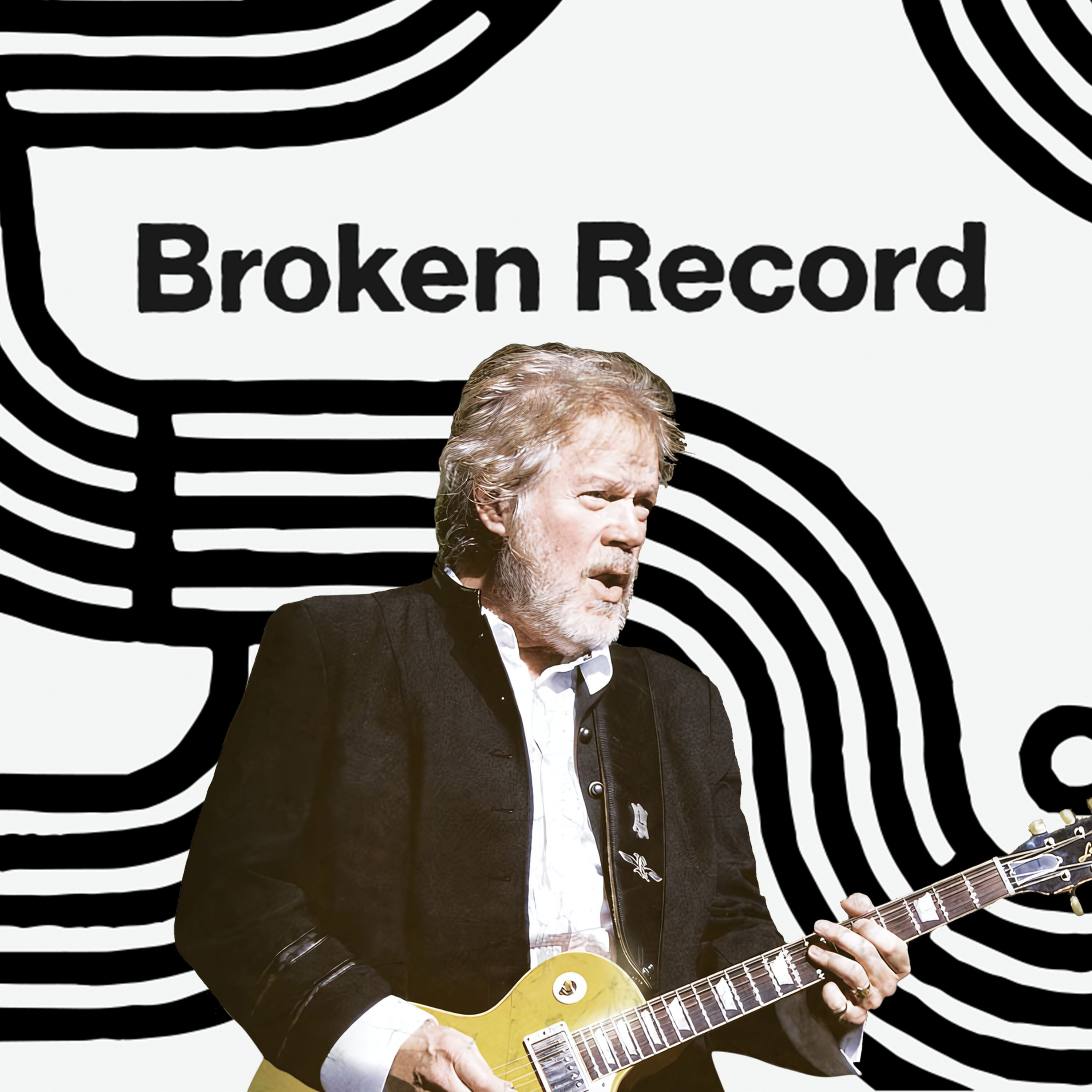


Randy Bachman is the Canadian guitarist and songwriter behind a slew of hits with the bands The Guess Who and Bachman Turner Overdrive. Although he was based far from the '60s powerhouse music scenes of Laurel Canyon and Swinging London, Bachman first made a name for himself performing across the Great White North.
On today’s episode Bruce Headlam talks to Randy who dissects his hits including “American Woman” and “These Eyes.” He also explains how he became one of the great guitarists of his generation.
You can hear a playlist of some of our favorite Randy Bachman songs HERE.
See omnystudio.com/listener for privacy information.
00:00:15
Speaker 1: Pushkin, Laurel Kenyon, Hayde Ashbury and Swinging London are a few of the locations that come to mind when we think about the powerhouse music scenes of the sixties, but Canada, anywhere in Canada, rarely comes up. But after listening to Randy Bachman talk about his musical baptism across the Great Plains of the Great White North, all that might change for you. Bachman is a master guitarist and songwriter with twelve hits to his name. Between the guests Who and Bachman Turner Overdrive. On today's episode, Bruce Helm talks to Bachman as he dissects some of the incredible songs he's written, including an American Woman and These Eyes. He also discussed how he became one of the greatest guitars of his generation. This is broken record liner notes for the digital age. I'm justin Richman. Here's Bruce conversation with Randy Bachman.
00:01:12
Speaker 2: Listening to talk about your songs in the past and reading your book. What fascinated me, as someone who's never written a song, is how you took other songs and just transformed them and the roots for some of those songs you mentioned. I think laughing came out of a platter. Song came out of that ascending figure in twilight Time, and nobody is nobody on earth who would have picked that out. But somehow you took that from one song and just made it work that whatever that old line is about geniuses is covering up your influences.
00:01:51
Speaker 3: Are we running? Because you should have this on tape?
00:01:53
Speaker 2: Are we running? Yeah? We're running?
00:01:54
Speaker 3: Okay. I grew up playing violin. I started when I was five, real conservatory. So I'm playing Chopin, Shaikovsky, all this stuff. I don't know what I'm doing. My teacher would put the music down in front of me. I should play it first, and I've heard that. She put it from me, and I'd play it. Go wow, take that home and practice it for a week. Well, I already know it. Give me two or three. I was learning by ear because I would listen to her and I would watch her fingers, and I was learning to play. The music didn't mean anything to me, and I got that way till I was about fourteen. I'm a very good classical violinist. And she said you should go in an audition for the Winnipeg Junior School Symphony eighty five. Kids like a big symphony and you'll be second violin. There's four violins, a couple of yolas, cellos and stuff. So I go to this audition, which is a Neil Young's school in Winnipeg. It's in the Cristin High School the other side of Winnipeg. So it's a Saturday morning. I go in there with my violin. They put a piece in front of us. I know it. It's the Chaikovsky kind of thing. And halfway through into the song, the conductor taps the thing and he goes, second violin, bar thirty two. It's an E flat, not an E natural. Let's take it from the top. I don't know what he's talking about. I don't know what bar thirty two is. I don't know what flat is. I'm playing notes that when I want to hear a note, I know where my finger goes on the second string or third string and my bugle. That way, we start the song again. I get the same plot. I play the same note, tap tap tap, second violin. Can you what don't you understand about an E flat? And I go I don't know. He said, can you please play? Can you play an e? I'm sure, it's open string the violin. Can you play an E flat? I don't know what we're on? E flat is you can't go below that. Here's your E string. You can't go down there. I don't realize that the string before that is in needing to play flat. You go the string before and you go down there's an E flat that doesn't click on. I mean in front of eighty five kids. Okay, right, And he says, what don't you understand? And I figured, fuck this. I put my violin in the case. I get on the bus, I go home. It's a Saturday morning. This is how to go. I said, I'm never playing violin again. I don't know what I'm doing. Everyone's laughing at me. I'm done. The next day, my aunt comes over, my mother's younger sister. My mother's like thirty something. My aunt, just like ten years younger, puts on television and sees Elvis, and I go, what is that? Because I had been classically trained, Well, that's called rock and roll. That's called the guitar. And that guy's name is Elvis Presley. So when you're from Winnipeg and your best friend is Joey Goldberg or something, you don't hear a name like Elvis Presley, like what's his name? Again? Over and over, and I said, I want to do that. It's so wild compared to classical music, where you have to stand a certain way. You can't rest your elbow when you're tired. You have to stand this way and do all of this grandiose up and down bowstroke. And so I started to copy Elvis. And my cousins had a guitar. They taught me three chords. But with the minute I got the guitar, I could play all the leads on it, because on violin, all he plays the top line. You play lead on violin. So I've been playing lead since I was five. Like ten years later, I get a guitar and I'm playing lead, and playing lead is very easy. But it was like wandering in the forest. I didn't know where I was going. And then a guy moved to Winnipeg. His name was Lenny Brow, one year older than me. He had been playing since he was six in his family band. His dad was like Roy Rogers, his mother like Dale Evans. If you ever grew up seeing Roy Rogers, Happy trails to you. At gene Autry at the end of the Cowboy movie. They'd sing with the Son of the Pioneers, cool clear water and stuff like that. That's what a sprid Ringo star was the Cowboy movies of Geene Autry and Roy Rogers. And he played this country band his fathers called hall Loan Pine. The mother is Betty Cody. They made up these western names, and he was hel Lone Pine Junior. But he played a big orange gretch and I didn't know if the gretches were orange. You see an American band, then it's black and white. I saw Chuck Barry, Dwayne Eddie, Eddie Copperant all playing this cool looking guitar. And when one came into Winnipeg and we see it in the store window and it's orange. Wow, that guitar is orange. Is like a giant pumpkin. It's incredible. So I bought that one. Neil Young bought the next one that came in a month later. He still got his mind stolen. But then you learned to play guitar like that. And this guy had been was playing with his parents. Man, they had him quit school when he was ten, so he's playing since he was six. He's mastered. So he taught me five Chad Atkins albums, three Merle Travis. I'm then I starting to get Howard Roberts and Barney Kessel and stuff like that. And after you learn that stuff, ched Atkins is like a vocabulary because every album of his is classical and bluegrass, on country and rock and everything. He just played absolutely everything. So that was like a great thing for me. But Lenny Brow said to me one thing. His real name was Lenny Brow. He was held in Pine Junior, but his family name was Bro. You're a really really good guitar player for your age. Because everybody in Winnipeg wanted lessons from me because they couldn't speak to Lenny Bro. He started and stammered, and I had a brother who started, Who I did? You ain't see nothing yet after, So you know how to communicate with a guy who's status the stummer. You never try to correct him or say sentences. You just let him. He relax and then he starts to slowly speak to you. So I could speak to Lennibro all the time, and I I was a year younger than him. He had no girlfriends. I had girlfriends. I introduced him to kids. He came from Maine up to Winnipeg and live there. So he said to me, there will always be like the wild West. That'll always be a younger, faster gunslinger who's going to come to town and shoot you down. Learn to write good songs. Wow, I really, he said, I've been playing this is my favorite song, and he played Funny Valentine and he said that nod was my favorite song. It was Chet Baker's favorite song. It was so and so favorite song. It'll be Michael Bubla's favorite the next flatter it'll be his favorite song. So write a good song. And by the way you play guitar. Look, everybody forgets it. If you write a good song, it's it's it's it's forever, and you get paid forever. He said, what do you mean. So when it's played on the radio, they pay you a couple of pennies. But if you make a door and sell your door for two hundred bucks, you gets sold later for two thousand dollars as an antique door. Nobody sends you any money. But when you write a song, you get your couple of pennies. You keep getting your couple of pennies. So write a whole bunch of songs, get a whole bunch of couple of pennies, you'll have a really good life. So I meet Burton Cummings. We idolized the Beatles and the Stones and every record that came out, Burt Backrack, Hal David, Brian Wilson, the great song. Let's copy these guys and Burton, you copy a song. I'll copy a song and I'll play you what I think and if you could recognize it, then I haven't copied a good song. Okay, you do one.
00:08:37
Speaker 2: You have said so much. We have to unpack a little bit because you know, there are guitarists. Everybody knows there's Eric Clapton and there's Eddie van Halen. Then they're the guitarists other guitarists talk about. I think you're in that category.
00:08:55
Speaker 3: Really.
00:08:56
Speaker 2: Oh, I had when I first moved to New York. I took a couple lessons from a guy who was a jazz player. He actually had no money, turned down a record deal because they wanted to him to play like Stevie on Yeah. And he was, Oh, that's that garbage comes up. I'm Canadian. He goes, Oh, Randy Bachman, you were oh for for him? You were like at the toll.
00:09:21
Speaker 3: I've had a lot of New York guitar players tell me that. Oh yes, I said, I was the first guy in rock and roll to play a minor seven with the ninth on is What do you mean? I didn't even realize, because I didn't know what anything was called. I'm playing by ear, following Lenny Bro's fingers, so it's shaken them over. So goes the minor seven with the ninth on top. I didn't know what that was. To put that in a rock and roll song, like, to put that in it was like it was genius?
00:09:55
Speaker 2: Now was there not a Was there not a ninth in the original? In the in the English? Was oh interesting?
00:10:00
Speaker 3: They played the notes?
00:10:01
Speaker 2: Yeah, I played it as chords, Oh I see.
00:10:04
Speaker 3: And they played mine went one guitar I made. I made a chord out of it. Yeah, I'm playing chords. He's going, Oh I see, I made chords out of it. And also I did the shake. Yeah there's no shake on the original. I went, I had a big screen. I wanged it like Matt Rall. I had the bass for your goal and he also did that on that that note, and it made the whole record.
00:10:38
Speaker 2: Now Lenny bro is at the top of the list of guitarists other guitarists talk about. I just saw an interview recently with Andy Summers, and it was in the eighties, so he's in the Police, the biggest band in the world at that point, and he sort of says to the interviewer, says, you probably don't know who this is. The interviewer diad Actually he said, but I got a lesson with Lenny Bro when he's when Andy Summers is like on top. Lenny Bro charged him forty dollars. He's this unbelievable player who he did a couple of live albums. He died young and tragically. There's some he was murdered. Oh he was Oh, I had no idea by.
00:11:17
Speaker 3: His wife's brother, who was a dope dealer in la Oh he didn't pay.
00:11:21
Speaker 2: Oh, that's very sad.
00:11:22
Speaker 3: They found him floating in a pool, face down with no water in his lungs. They'd been strangled thrown in the pool. But when I met him, like I said, he was sixteen, I was fifteen. He didn't have any friends, has been family. Band played almost three or four or five nights a week. Weddings. Bar Mits was barn dancers. Then they had a barn dance where you're playing rockabilly and polkas and all that, and he's playing all well, chet ackens kind of stuff.
00:11:46
Speaker 2: So he's playing, he's playing bass, he's playing chords, and he's playing a top line as well.
00:11:50
Speaker 3: Yeah, yeah, playing chet akinstall. So you're playing.
00:12:04
Speaker 2: So what was it about that? That captivating?
00:12:07
Speaker 3: He's playing that way? And he teaches me to play the way from every ched Atkins album. And he also sing to me write good songs.
00:12:14
Speaker 2: Okay, but he didn't write idiot. No, no, he didn't write but you.
00:12:18
Speaker 3: But he taught me all this stuff. So some time he taught me to play on the inside for strings. Which are these? They some of the best on a guitar. So what I did undone? I went she she didn't know what she was. These are old Man minor seventh. She found him instead of going there to go higher, same chord but higher and it lifts the last part of the verse. It was too late, dude, And I didn't know what that was called. But I took it from Malaguana was. I took that and put it there. I'm doing Malaguania, and I got this song like I heard it was done Bob Dylan song called Ballad and d Bell and Plaine d Somewhere in twenty verses, he goes, she came undone, I go Holy Cow, And I had a girlfriend that had died from overdose of something. Somebody put something in her drink. I think it was Ellis Dain. She went to a coma. So I wrote about her, and I had these these quotes, and Mickey Lenny bros Said, get the Mickey Baker Jazz Guitar Book. It was from Mickey and Sylvia. If you don't love a strong Yeah, Mickey Baker in changed my life, him and Lenny bro to get instead of playing blues like this seventh ninth, Yeah, Mickey Baker's every downstroke is a different court. And I want to do that. I want and you don't do downstairs because you're playing like this, you're playing the middle for inside, for strings, and you're playing your thumb. So when I did, Lenny Borough showed me two endings that are jazz endings. They're called codas right, So the song is called mean to Me. He goes me to me, to me, can't you see the ending goes, I lower it once and I go, oh, every day is in and the string you got to write it to the end of the line. Just take that ending and make it my beginning. And it becomes looking out for number one. And the other part is from Ray Charles a song of this Little Girl of Mine that went, h this little girl of mine. But he's doing it on piano. So I think that and put on trying to go. And I found.
00:15:36
Speaker 4: Out every trick in the book, and that there's only one way to get things done.
00:15:42
Speaker 3: I found out the only way to the top looking at the phone number. What I mean, you keep looking the phone number?
00:15:56
Speaker 4: Right?
00:15:57
Speaker 3: So I put all that together, and it's strange to put the two endings together. And when I played it for Burton Comings and said, I've written the follow up to undone, which I wrote alone, everybody's sing writing another Chaz song. You just can't pull them out of the I said, I put these two any sing and I played and he said, oh, that that's brilliant. It's phenomenal.
00:16:14
Speaker 2: And then didn't didn't Lenny bro say to you, won't people think the song's over because you're playing the because you're playing the turnaround. Yeah, yeah, oh my god.
00:16:21
Speaker 3: Yeah, I said, guess what, Lenny, I wrote a song. I start with that coder. You taught me the song's over. I said, no, no, I repeat, I repeat, I repeat it, and I put this in. I put that in it and stuff and he he taught me, and he said, you can put anything you want together. You just need a passing note. So, I mean, I don't even know what key this is in.
00:16:44
Speaker 2: You don't know now what key that's in. You don't even know now what key that's in.
00:16:49
Speaker 3: You tell me what key it's in. I don't know. Basically, it's an f right. That's what means to me is I've lowered mine te right, So I've got it's gone on after tone.
00:17:00
Speaker 2: Yeah, after quick break.
00:17:02
Speaker 1: Will be back with more from Randy Bachman.
00:17:08
Speaker 3: We're back.
00:17:09
Speaker 1: Bruce had them and Randy Bachman.
00:17:11
Speaker 2: How did you learn from those Mickey Baker books, because that's pretty heavy music theory, the Mickey Baker stuff.
00:17:18
Speaker 3: Little x's instead of five lines EGBDF, the ad GB, little x's the word to put your fingers. It was the first book. I didn't know what tablature was. Yes, Like, to me, music is stupid okay, especially when you get to the bass cleft and it's different on a piano. That's what I thought about playing violin. Why is the cello music just like mine? We're playing the same line hisre's one whole line below. And they explained to me, well, when you do the staff and another staff, and when you're symphony director down there as all the guys, by the time they get to the top, your EGBDF bass is one one below this.
00:17:56
Speaker 5: Yeah.
00:17:56
Speaker 3: See, whatever you know you're getting me, I'll mixed up in anyways, I just learned the wonderful thing about I have a phonographic memory as a kid. I hear it once, I know it in my head just to figure out it's Chuck Berry. That kind of stuff. And every time I was going to produce an album I produced bto I produced a man called Trooper. I would listen to a dozen Berries, the Chuck Berry Greatest Hits, phenomenal album who took twelve bar blues and made every song a story of Johnny be Good or maybe Lean or incredible lyrics that this guy had over twelve bar blue songs, rock and roll music, roll over Beethoven. And the guy was a poet of unprecedented rock and roll lyrics. I mean really compared to Shoe by Dewbey, you know, and the boom and get a job. He Chuck Berry wrote like Shakespeare and obviously affected the Beatles. And besides a dozen berries, which I would get the simplicity of an intro of guitar, I would play a revolver or rubber soul to get what the Beatles did with four guys to sound like six guys. And I'm I'm dealing with Bto, which are three or four guys try to sound like six. So every time I produced a BTO album, I made sure that in the verses we had a cow bell muted or in the course or we had a shaker going. So if we listened to the Beatles behind every section, the middle eight, the versus the intro, there's a different percussion thing, and a lot of times they're clapping, and I would take the Beatles thing like there's a song called Homie Tight that goes, oh meat tight, dude, it's been a hardy, same thing, taking care of bins, same clapping and under a ringo playing bongos. Just let it ride, goodbye. It's got the bongos. We didn't have bongos. We used the milk jug emptied one gallon milk job filled with paper. My brother put it between his legs and did the gallop on it. So we're doing all these things for bto to sound like more than four guys on a record, and it's so easy, too alive. You just crank up loud and you played louder.
00:20:18
Speaker 2: It's interesting you wrote about that because I was listening to some beatles the other day and I thought I heard some little like a little gallop under it all, and I thought, well, was that in the music I don't but.
00:20:30
Speaker 3: Listen to Hard when I'm home. The gallup stops when I'm home, clank clank, clubo, everything, and that drives that seem homely feeling only tied. It's been a they get back to hard and you get into the groove again. So their percussion and the shakers and ringo played a lot of claps claves. But he didn't do it one and three, just every once in a while, every fourth beat or third beat, like and I Love Her. He didn't go down like the Latin thing Dad, click click click every other time.
00:21:04
Speaker 2: Now when you when you played with him. Did you ask him about things like that?
00:21:07
Speaker 3: Yeah, he was the guy who said it's been hard to his ninety I love this check eight days a week. John gives him no credit. I mean, if somebody gives me a title, I give them ten percent of the song. I mean it inspires your hook, it's your course.
00:21:19
Speaker 2: Basically good news for Bob Dylan, who's still looking for that check for undone.
00:21:23
Speaker 3: By the way, you have my check for undone.
00:21:25
Speaker 2: Yeah, yeah, what pissed me off?
00:21:27
Speaker 3: As Wally Lyme wrote a book called She's Coming Done, which Oprah had in her book Club with the Week and sold millions of copies, and he thank Burton Cummings in the intro, not me. I wrote it all by myself.
00:21:36
Speaker 2: Oh you're kidding.
00:21:37
Speaker 3: Yeah, so, I said, Wally Lime letter going, but I never got a reply back.
00:21:43
Speaker 2: I want to ask you more about writing, but you're talking so much about guitar. And there is something about your guitar playing which has always been noticeable for me, which is how melodic your solos are. They're not solos the way we think of do you think it's violin? They're very they're almost I'm not saying they're sing songy, but I could, even now it's been years and years, I could sing the solo from No Time or American Woman, What do you Well?
00:22:13
Speaker 3: That's what Lenny bro taught me. Sing it. Sing your solo in your head first. Don't think of a blues run or a Les Paul lick or Chad akinlick and piecing it together like a jigsaw puzzle. Play your song in your head. Sing a solo. I'm gonna go. I'm doing right now, Just go up. That becomes your solo. So we're doing any any solo that I've got, like let it Ride, Mickey Baker. Guys have heard that solo. How could you play those notes in a rock and roll song? Where you're going? That's so jazzy, but it's so passing that when I get to that, it's a relief. That's all jazz stuff like Howard Roberts, but it's in there's a there's that Cordigan and I got that from Anton Divorcedhack Piano Concerto and t because I read about John Lennon listening to classical music, Stockhausen and things like that, and I can't afford anything right. Most of your life you're broke and Philip Glass. So I have a friend that has Philip Glass and listen to it and he's smashing a piano with the sledgehammers. I can't do this, and I can stockhausing thing and I can't even understand it. And I go into Crass, which is a cheap five and dime store. Oh I remembers they turned into Kmart right yeah, and by a classical album for dollar forty nine and to Divora Piano concertoy the whole side and the find one is the piano concerto very boring, but in the ending it goes. So I go on to make chords out of that. Would you medd it ride?
00:25:03
Speaker 2: Okay? He's waiting for his check too, I think, yeah, yeah, that's great.
00:25:08
Speaker 3: And the Doobie. I was writing that with Fred Turner at the ed Mardi Gras in New Orleans and I'm showing it to Fred. I got these cords, Fred, And we just heard a trucker say, no big deal, Bud, he let it ride. He'd cut us off and with an accent the highway and we're crossing this guy and he says, no big deal, just let it ride. So what does that mean? Fred, it's like mean chill out in the nineteen seventy two. We don't need trucker lingo. And he said, oh, it's just a chill out thing. So I'm sure and the Doobie Brothers get this lolong train running. But I've already done showing it to Fred, and Patrick's watching me playing. So Tom Johnson and we both got the same ant Undervorjak thing.
00:25:50
Speaker 2: You created two hits from one.
00:25:53
Speaker 3: We all realized that there's a pool of things you share they don't necessarily need to pay for, but if there's things you directly steal, you pay.
00:26:03
Speaker 2: Yeah, yeah, that makes sense.
00:26:06
Speaker 3: I remember talking to Gordon Lightfoot and I said, how do you like song? He said, what do you mean it said, Whitney Houston, what do you mean? I said, I just can't take it. That's from if you could read my mind? Girl. Really he called the lawyer. He go to check for a couple of hundred grand from Michael whoever's name was, who wrote.
00:26:27
Speaker 2: Yeah, yeah, good for him. Yeah did you remain friends with him? You saw him very early in life Lightfoot? Yeah, you guys wrote you wrote a song about Gordon before he was a big.
00:26:40
Speaker 3: Just joined our band and because we had a television show national like American Band then right across Canada that Monday was from Halifax, who that had add Murray on it. Tuesday was Ottawa or Montreal. Wednesday was Toronto. Bands like Who became David Clayton Thomas. The host was Alex Trebek. Right from from Jeopardy Winnipeg was Us Calgary, Mpton in BC with band that became The Collectors are Chillawa. We're still around the guys that were on this show, but it was on every single week for two years, so everybody in Canada would see the guests who every Thursday and we get to do the hit Preided and after a while, the hit Preid then lasted six months. Now it last six weeks. So we'd be repeating songs. So the producer came to write your own songs and if they're good enough, I'll put you in between the Stones and the Beach Boys. But it's got to be good enough. So Britain and I start writing songs. We do a tour and we go to Montreal and Lightfoot's playing in a little nightclub there and we go and see when we know each other because we all would hang out at the riverboat where, which is manager owned in the village in downtown Toronto, and we go and see him and he does three hours painting pictures of tiger lilies and leaving on a jetplane kind of thing, and incredible early morning rain and all these songs of his and we sat there stunned and went to meet him and how do you write songs? And he said do you? You have to have a gift. And I had the gift as a child, and so did Burton Cummings. And I know a lot of people that don't. And I only found out they don't because I went through several counseling sessions with my family that was getting divorced, Me and Tell and my other kids. And after sitting there for weeks and weeks, you every week for years and years with your ex wife, trying to get back together and work out your differences and stuff. And the doctor kept saying to me, what are your feelings? I forget my feelings. I'm pissed on you know whatever. Finally said, what's in your head right now? Because I'm not sharing anyone. I said, well, besides the music, I'm a little angry. What music We'll have music in my head? What kind of music? Well, ever since I was born, I have music in my head. What do you mean? Said, there's music in my head and I play it. And if somebody said do you make it up? I say, I think so. But if they say they heard it somewhere, then it's from somewhere else. That's how I write songs, or in my head. I craft them and moved them and switched them around. And he said, I hear nothing, and I said, well, I really feel sorry for you. And this guy doctor goes, WHOA, He's like the shrink, the shrink of all times. Right, nothing in his hit His head is blank. Yeah, And I find people that are musical. Even right now, the song is going in my head. I have a soundtrack. I'm never alone. I'm you can lock people with solitary. I enjoy it. Nobody's interrupting by my broadcast. That's in my head and it's old songs and it's new songs, and I don't know what it is. It's just there.
00:29:38
Speaker 2: It's just a stream. And you, yeah, you're handed every once in a while and pull something out.
00:29:44
Speaker 1: Yeah, after one last quick break, we'll be back with the rest of Bruce Headlin's conversation with Randy Bachman. We're back with Bruce Headlam and Randy Bachman.
00:29:58
Speaker 2: Well, let's talk about I think most people think that Burton Cummings came up with these eyes because he was the piano player. But as you, yeah, tell me about that.
00:30:10
Speaker 3: Well, my mother and my father was German, my mother was Ukrainian. These people partied. They had house parties, drinking like mad and then in the middle they would clear the chairs and do the cola maker to the Russian kick, the guys jumping in the air and they went crazy. They were like real classacks. And so my mother beside the Glasgow violin, she made me watch every Sunday night Don Messrs Jubilee, which was from Halifax, Newfoundland, where they played Celtic and fiddle music, jigs and reels and stuff like that. And she wanted so I would pick it up and I'd play. They would all do bulcus to it. And my brother was younger than me, the brother who started who I wrote, ain't see nothing yet, for I was bought the alphabate polka instrument and accordion. He's five years old. I'm seven. You get an accordion. You can't play it. They strap it to you can't see it. This finger has to play notes, this hand has to pump it, and these fingers have to go upah on these little buttons. And we would be sent to our bed driam to practice. And he cries, I can't do this. I say, okay, turn it sideways and I'll put He turned it sideways and I pulled this, and he pulled this. I sat there and I played in the KYFC. I figured out, well, see much different than guitar or violin, told me so do don't you can just sit I can play anything on a piano in the KYFC, all evenly spaced. I get him to pump the coordinate and sit there and my mother would think he was practicing. So this is my formal training on a keyboard. So Britain, Kempany just joined the guests who we're in Regina for this summer doing CAGs to get out of winn Bay because we he had broken up the devrons to join me to join the guests who and all the fans were upset. So we have a night off in Regina, Saskatchewan, and the Queen, the new Queen, the new female Gordon Lightfoot is playing in Regina at the four D the Fourth Dimension Coffeehouse. Joni Mitchell, Jony and Chuck Mitchell. She just Joni Anderson just married Chuck Mitchell. And so the sellout we go to see her. We know the promoter. It's a little coffee one hundred and twenty people. There's a table that says reserved. The place is full. So I'm there with the band and in walks's two really good looking chicks, a blonde and a brunette. And I go, oh, my gosh, that happens to the most guys you see a woman. It's like wow, I said my road manager. I don't know how to pick up a check like I had three brothers. And no, there's no females in the back of front. All boys. My cousins are all boys. Everybody.
00:32:36
Speaker 2: Some of those Russian dances dance moves help, yes.
00:32:39
Speaker 3: And so I said, can you go and talk to those two chicks, and if you get lucky called me over. Don't talk to the brunette, just talk to the blonde. We find out later they're sisters. He calls me over. I take them home, I asked the brunette for a date. The next night, I go to her house. Rushed into the house. There's a potted pit plant, a piano and a couch, no radio, no TV. And I'm waiting and waiting. She's late. I'm there early for the date. She's late. She's late. She's late. I go over to the piano and I go boom boom, my training in the KEYFC on the accordion, boom boom, and I started to sing these Arms Long to hold You? When are you coming down? We've missed the beginning of the movie. It is supposed to start at seven, and I'm singing this stupid song, these Arms Long to hold You. I forget about that Burton. I sit down to write some songs and say, here's the beginning of a song. It's called these Arms. He goes, well, that doesn't go anywhere. Why don't we call it these eyes? These eyes cr every night, These arms long to hold you. And the minute he said that, boom and outcomes by birth backrack training. Because we before Bertain was in the band, we had shaken over a big hit sixty four to sixty five. Got invited to New York to the Kingsman Louis Lewis tour. We were on Scepter Records owned by Florence Greenberg, who had Dion Warwick, Chuck Jackson, the Cherrell's. She wrote Soldier Boy for the Cherells. Her songwriters were Backcarck and David. They came and played songs just like this in the studio for Don Warwick every single day. I mean I heard San Jose and do you know raw with Burton with Burt background and Hal David singing the stuff Bert Bert Backer all these chords. I also found out that was the Zombies because the Dombies did it tour with Dean Worick and Rod Arg was sitting and listened to Bert Bacherak songs. So if you listen to the Zombies, tell her no, it's just like Undone. She's coming on the same chords, but different era. So when you listen to These Eyes, it sounds like a normal pop song, like three or four songs. I think there's twenty two chords in it. Yep. Besides the the the other part is very jazzy, like F major seventh over G.
00:35:07
Speaker 5: These eyes.
00:35:10
Speaker 3: Nobody would go that's standard Papa jazzys. These eyes. I'm crying these I've seen a lot of.
00:35:24
Speaker 4: Change key like you what these.
00:35:30
Speaker 3: A changed key again? You change again? These keeps changing key in going up And for Burton to sing that he was eighteen at the time, you can't sing that song. Nobody can sing that except him and maybe Elton John or Stephen Tyler. You got to have like a three or four octave voice and hit every note. Oh our crime like really like that. I got really lucky to get this guy as a singer, really incredible singer. Even today, I'm listening to old tracks that we did years ago. Just incredible voice. He's still touring and if we get the guest who name back, will be We'll be touring at the Guest Who next year. The real guys who wrote.
00:36:09
Speaker 2: The songs, not the guys who.
00:36:12
Speaker 3: So you mentioned laughing. Okay, that's from the platter song and cliches.
00:36:17
Speaker 4: Of night are calling. It's twilight time time together last a twelight time. I should laugh, but I cried because you'll learn. Let's be boar. Also, Dave Clark.
00:36:36
Speaker 3: Give me one chance, I'll be.
00:36:40
Speaker 6: Happy just to be with you. Give me give me a chance to be near you mecausecause I love you.
00:37:02
Speaker 3: Dave Clark took the same thing and wrote just because. So they're all there. And I learned this trick from Brian Willison when I turned the Beach Boys. Brian, how do you get these chord progressions? He said, get a fake book. Every musician in New York goin. They're jazz fake where they're all the Broadway hit songs. So I said, look, give me an example. Okay, here's an example five but two. Has anybody see my Instead of those changes, keep them half as long or keep them double? I said, what do you mean? He goes, I get around my side of town. I'm a real good head, make it real good bread. I get around and it's five for two, five for two. Excif going five for two, he just made it longer. Get a fake book. They tell you how to put chords after chords and end up where you started where you should when you're singing a song with these transitional things and middle eights that are unbelievable Broadway middle eights or what prompted the Beatles, the middle eight of every song is another little song that gives your relief from the verses and the choruses. So a lot of the guests whose songs had middle eights or pre courses, whatever you want to call them.
00:38:27
Speaker 2: So give me a good example of a pre chorus from Beatles or from the Beatles are from the guests who.
00:38:34
Speaker 3: Song, well, well it's another instead of going uh over and over, not the pre course and then the odd then the big course comes in the thing. And we were very lucky to record that here in New York at Phil Vermon Studio, with Phil Vermon being our engineer and mixer. Because you hear these eyes on the radio, it sounds phenomenal. Even today everything is and thick and roomy and juicy and phenomenal, where other stuff sounds very dry. From that era.
00:39:14
Speaker 2: You did two songs I think off that record in New York, didn't you, because.
00:39:19
Speaker 3: Well the whole album, well, here's what happened. The whole album, the Wheatfield sol was done at Philermont Studio. Are in our studios sounded great. Then we signed with RCA. We were independent before that. These I became a hit. RCA signed it. We get to New York and they say, guess what, you now get to use our studios. Really where are they? Or they're in Greenwich Village. It's where being Crosby cut White Christmas. Oh really, so we're going to the room is dead. It's an okay chamber for having strings. You don't want big boomy strings. We go in there. We can't even get a drum sound we're trying to do. Is it because the room's too big or carpet everywhere? Like there was no there was no room sound. You clapped, it was your clap vanished and had weird little pockets in the corner of bass oofs and things like that. It wasn't really a great studio. So we're in there trying to record the follow up to These Eyes, which is now a million seller, and RCA is screaming, do another song, do another song, and we're saying we're a rock band. We only did one ballad. It was These Eyes. We don't want to be Gary Peckett, the Union Gap with Young Girl Get Out of My Mind, over and over and over, and the Rocco like anestros they had guy at the time said radio ain't going to play a rock song by you guys, not for a couple of years. We want to not a ballad of just like these Eyes. Okay Rocco And I heard the beg song in the event of something happening to me, there's something I would like it. So I said to Briton, I started these eyes with a piano, which gives you a break. And he's on stage. He goes, boom boom, that a little intro. Everybody knows that, and it's so simple. I'm going to take the begs and put the platters over it.
00:40:58
Speaker 5: And go.
00:41:01
Speaker 3: But I love nothing, And he said, well do you have I don't have any lyrics. He said what should we call I said, well, represent that had a song called crying. What don't we call this laughing? You're laughing at me? You're breaking up, You're crying, You're laughing, I'm crying, You're laughing, and then then you're crying. I'm laughing, laugh and you're crying. And he goes, first song, it's first one that anybody ever laughed, and that became a hit, and so that song becomes rocos thing and then they flip it over and play undone. And I've heard other guys say when they heard Undone on the radio, it was life changing for them to hear jazzy chords like that with a pop voice and a food solo played on Top forty. The first time I heard Panima on the radio was the same thing. In the middle of all this stuff of beatles and beach boys and over the radio and rolling stones, outcomes Girl from Me Panina with the sexy voice of Astros Jolberto and the sacks of stan Gets. It's like nothing on the radio song, like do you want to hear it over and over again? Because it was so unusual and the same thing. I was told the same thing with undone, to have major and minor sevens in the over and over and over, with a pop melody over it and a great voice like Burdens, which are now a recognizable voice because of these eyes and laughing, and they're playing undone, and finally we rocked out with no time in an American Woman.
00:42:21
Speaker 2: But even in undone, which is, as you said, a jazzy song, it's got that heavier middle section, the too many people section, which has like a heavier guitar sound.
00:42:33
Speaker 3: I was trying to write a middle eight. It didn't fit. There had so many chords. So one thing you learn, you're writing a song. And I saw a great show a little a little while many years ago. Paul Simon and singing together two, three songs alone, a couple together, two or three loone, searching back and forth, and I noticed the similarity. Every Paul Simon and sing song and solo songs have got incredible verses with very very lot of lyrics, and when it gets to the chorus, it's boom, simple three chords, simple verses. Keeping that in mind, I did the same thing with Undone, A lot of chords, a lot of verses. I get to the middle, and I got to make the middle boring mm hmm. And I don't know what to do, so I just take too many mountains and I don't know what I'm doing, but it's kind of like a cello line the nature. Then I go too.
00:43:41
Speaker 5: Many people, not enough us to see, too many lies to leave, not enough time too.
00:43:57
Speaker 3: And I saw that from the Zombies too, at the end of tell her No Little, that's Britain hitting his face. Oh h your cheek. Yeah, before you stole from everybody told them. So you meet rod Ers and say, man, we stole your thing. He said, I know it. I knew the first time I heard it. Congratulations, did a great job, you know.
00:44:20
Speaker 2: So you also recorded in Minneapolis, right that's where we first went Okay.
00:44:25
Speaker 3: When we were in Winnipeg, we shaken over with one microphone. We had a Fender concert amp, which is two channels, but four and two inputs in each channel. So I had my guitar through a little echo tape recorder into one channel with the bass. The other one had a real guitar mic on a piano. Little would call the mouse pickup the he's just stuck on a piano, A little contact like that. So our mixing board with the Fender amp, one mic in the middle of a room just like this, a set of drums and Chad Allen, the singer, stood in front of the mic and sang shaken all over. Wow. We heard a playback. The drums were too loud. We moved the drums back of foot. Chad moved in closer. I turned my guitar up. We did five takes. We picked the take that had the least amount of stakes. Mono, you had to do five or six takes and everybody kept making mistakes. You picked the one with least amount of mistakes. We sent it into the record label. We were called Chad Allen and the reflections. We couldn't use the name because the Reflections had a hit called just like Romeo and Juliet then from Baltimore, and we had to change our name. We couldn't find a name, so they said, we'd like this record a lot. Take advantage of the British Invasion. It sounds very British. It is a British hit. It was number one in nineteen sixty one by Johnny Kidnap Pirates, And here we are in sixty four and this could be a hit here and the kids in Winnipeg love it at the dances. It's British Invasion, but it's heavy rock and roll. It's not pop like the Beatles. Stuff was really poppy. And they put out fifty white labels, forty fives shaken all over big black letters and put guests who with a question mark hundred and it came out in Canada and everybody in the radio thought it was a British band. That it was Brian Jones and George Harrison and a guy from the Pretty Things and a guy from all these band together at a party who couldn't put their name on it because they're all signed with different bands and a different label. So they put guests who on it. So this mystique starts above the song and we're calling rediously saying it's us, it's us, and they're saying, no, it's not. As a British band anyway. That goes to number one in Canada. Florence leases it for Scepter Records here and it goes top twenty in Billboard. We're in high school, right, I quit school before my final example to come here to do The Kingsman, Louis Louis Tour, which was incredible. Deannor the Belmonts, Barbara Mason, Eddie Hodges, the Turtle, Sanda Sham and the Pharaoh down in Memphis, and the Kingsman, the Louis Louis Tour like incredible.
00:46:43
Speaker 2: You mentioned American Woman and that song came out of a almost an accident, right, It came out of a jam.
00:46:52
Speaker 3: Us an accident. We had been playing the States, backing up other groups like Crystals, run S, stuff like that. And when you did that, you played one song, You played Shaken all over and maybe another song in the middle. We might have played the Louis Louis sing We just on tour the Kingsman, and then you up another band or the swarfied bands. We reach play ten minutes. We suddenly got a gig in Canada, a three hour dance at a bond Spiel, which is curling, a curling tournament. So there's ice. It's a half moon in the prairie of aluminum with no heat. They freeze the I think pour water in the ice. There's targets and they're sliding rocks around and it's a bond Spiel. It's a curling tournament. We get a dance in there to celebrate the bond Spiel. They put plywood on the floor the stage and body heat warms it up, and we're playing on stage. It's a three hour set, so by then you'd have a set written out. We would take a break, and then when the next set starts, instead of calling each other because the no iPhones are nothing, then the band would start to play dune dud doo doo doo doo to an animal song. We'd all know that's the beginning. We'd all come to the stage and finish the song. In the middle of a song, I break a string. I'm playing my fifty nine less pole which have the bigs beyond it, so your string has to come from here. It's got to go over the ridge, under a bar, over a bar and the little hole in the string, and that's got to fit a little nipple on your Bigsby. And then so you do your big B. So you've got to bend a string and put it under and put it on this little nipple. It's in the dark. I have no road. You have no tuner. So Burton coming, says Randy Brooke, a string talks about yourself. He's got to change the string. So I go. I'm on my floor in front of Burton's piano. I don't have a tuner, so I'm going going going go on the piano playing an E and a B. And I'm tuning up my guitar, putting on my string. And as you're tuning a Bigsby, there's a spring in it, so it's up this high. So as you're tuning it, the handle and the spring goes down. You have to keep tuning it over and over until all the strings are in tune, because every time you tighten the string, the spring goes down and they all go out of tune. So I'm tuning it. I'm going so I like to tune the guitar to walk to five five five one, and I'm on my niece playing that, and the audience their head snaps around and go, oh my god, I can't forget this riff. And I'm in the dark. I stand up in front of Burton's piano and I go like this. The drummer comes on, he starts to play. Jim Becks starts playing bass. Burton is out at the back of the hall hanging out with some guys and it's not a recognizable song. So he's in the audience talking, we're not playing the next song in the sets, we're not playing also the Rising Son or whatever the animal song is that dode in that dirty old part. We got to get out of this place. We're not playing. We got to get out of this place. And somebody says, then, why aren't you on stage with the band. He looks at we're on stage because running on I'm doing play something. He does harmonica solo, he does a piano solo. Very he brought argent and zombie solo. He plays a flute solo. I said, sing something, Sing anything, because I know you have words. You'll help you to remember the riff. The riff is so simple, you forget it. So he's sang American woman, stay away from me four times. That was it. We soloed, he did it again. That was it. We will go to record. We tell Jack Richardson, we got this song, but I forget how it goes. What do you mean, I said, well it was? He said, okay, everybody, this is RCA studio is in New York, in Chicago. Everybody out of the studio. Randy, get on your knees in front of Burne's piano, put a string on your guitar. Get go back to that place. Oh wow, see if you can tune the guitar so you can play the riff. And if we get we'll run the tape recorder, play the riff, play what you think the riff is, and then we'll come in. And meanwhile, I got a version of that. It's terrible, but it's the riff and I'm doing it. It's almost like it's almost like that, just playing the rip like that, And out of that we taped it. We listened to it. I played the rhythm on my gretch and my uh Fender stratocastro that and then to sit on top because there's no foot pedals. Then you had one app and three guitars. The fender was thinner, the gibson was thicker in sound, and the gretch was more ringier, or you had a rickenback or something like that. So on top since this less Paul, this just right on top of the track and it's just floating there and it's magic happened in the studio with that? How did you.
00:51:46
Speaker 2: Get that on that solo? The is it the sustain? There's something on that solo the.
00:51:52
Speaker 3: Way way way back. Because I grew up playing violin and I love viola. I have a viola now because I got too big for violin. Two hunch avilla is just a bigger violin. Same. I put the violin strings on tune like a viola, tune like a violin. I always wanted to play melodic solos, and melodic solos aren't like national anthem kind of things or hymns. There's no fast hymns. It's onward Christian, so just like everybody can sing it. So I want to play line and I can't get to sustain. So I figure out if you put a little amp into a big amp, the little amp can be loud and you take the speaker out molt Fender has had a little output to your speaker into a big amp and you get this sustained sound like a ciello or viola, like you're boeing and you're using the vibrato in your hand. And that would last maybe ten or fifteen minutes, and then the amp would blow up. It literally go into flames because you're putting electricity into electricity and if it goes on too long. Literally, I would take the amp into a guy to get it fixed every Saturday or Sunday or Monday morning after don the gig because it would had burn marks all over the amplifiers. And he said, what are you doing through? These amps are on fire? And I'd say, well. His name was gar Gar Gillis. Garnet Gillis said, Guar, I plugged this into there and I get this really great sound. So you can't put an amp into a namp. You can put a preamp into an amp. Preamps about one and a hat wats output. You're putting fifteen wats into thirty amps. It's like gasoline and a match is going to burst into flames. I say it does. He said, I'll build your preamp. What's that, Well, stereos have a preamp. I have a big amplifier. The one hundred and fifty watts little preamp you put your tape recorder in or your turntable. It's a one and a half watch. You have a volume control. The other one is the big power to make it loud. This that's your tone control. And every so he makes me a thing, and we just called it the noise machine. And I was reading a book at the time by Werner Herzog, and I would call him up and say, gar, I'm coming down. Let's work on the noise machine again. And then we had three noise machines. We need to get a name for this thing. And my wife kept saying, to me, how do you know what you're talking about. Why don't you call I said, well, I would call him, say I'm down to work on the thing. No, the other thing all you guys talk is about is things. And the other thing, I said, okay, I'll call it a Herzel. You had this book called Verner Herzel, like a pocketbook. I'll call this thing a Herzog. It's rather than a buzz face or whatever you want to call it. So he made me a think was one twelve AX seven tube and another twelve AX seven tube you can put in your drive. One tube by turning up your tube gets really hot. The other one you can squeak in a little bit and you make your sustain and it goes out to your amplifiers about one and a half wats out or even half a wat out to your power amp. And he built me a power amp because I blew up all the fenders. He would buy a normal Dinaco Dina kit, which was a home sterea at the time. Nice and clean, turn it up loud. It's clean. You want your home sera to be clean. But the little preamp, this Herzog made me distortion and a little off on switch on the front, which we made. The extra switch would be a little bit longer. If I'd be playing a solo on stage, I'd flipping on to my solo. At the end of the solo, I'd roll my note and reached back from my elbow and turn it off. The turn it on again with my thumb, play the sole as I'm notes sting into the song again, flip it off. I said, okay, can you put a switch in there? A foot switch off and on switch. So we made this thing called the Her Song that plug into a Gardett app got me to sustain on that thing as well as my less Paul had a Bigsby on it. So when you're bending a note on a guitar, you go from there up, but you can't go you can't go below unless you go That's not the same when you have a Bigsby. So you're bending a note here and you're getting a shake below and above pitch on An American Woman and I double tracked it. One thing we went to do that television show is Burton double tracked his vocals inmaculately sound to the syllabo, and I double tracked my guitar. You listen to No Time, they're all double track guitars and it sounds fat and thick. It sits right on top with the track no matter what you're listening to. So those all came from accident and trying to be a little bit different. I loved Eric Clapton solo and I Feel Free, That's what I'm copying An American Woman. You listen to the middle of my solo, it's pretty much I feel free that they're going I feel free, dude, Yeah, the same thing.
00:56:30
Speaker 2: Now, there must be you must have had a million pedal makers come up to you and say, how do I get that?
00:56:35
Speaker 3: I did a little while later somebody invented, I think, call a sons amp, because you're now recording at home the songs empt you're plug into it and it emulates a speaker in different sounds. And I had a sons amp was really good. And then they made a songzamp rack mount and when I got to number forty eight, I said, Amo, American Woman. I turned it on. It was my sound. Now it was my sound from the record, which was my fifty nine less Paul through a Garnet herzog through a garnet amp, through an RCA ribbon mic something like this through a Uri compressor to sixteen track tape, but with the final sound that was on the record. And so I called up the guy. He's in New York here so at sounzamp, famous guy, and I said, hey, I'm number forty eight. Can you make me an American woman pedal? He said sure, all I want is number forty eight in the pedal, So maybe a couple of pedals. They're very rare because at the time, he didn't have a big enough case for it, so he jammed it into a normal sized case. So because it's jammed in that pedal, if part of the circuit board touches the outer case, which is metal, it shorts out, So you got to take it apart and maybe put duct tape in there so it's like isolated. And then it's an American woman pedal. So there's a very few of those out today, but if you get a rack amount sounds, amp number forty eight is an American woman amazing. And then Garnett Gark called me, oh, maybe twelve fifteen years ago, and he said, look, I'm eighty five. I can hardly do this, and that I'm gearing down. I'm going to be passing away soon. I've got this wrong with me and that wrong with me. But I found a box of parts from nineteen sixty six when we made the original Herzog, and he said, I can make some. I said, how much do you want for me to I don't know. I said, oh, make as many as you can. How many these are all military high high duty, heavy duty parts. He said, I can make maybe eleven or twelve or thirty. I said, make them all, send them all to me. Tell me what you need. I'll pay you. I'll pay you double. So he sent them all to me. So I gave one to Neil Young, went to Lenny Kravitz, went to Bob Rock, the Great Producer, went to Steal Crop or Steve Cropper several to the national musicians who want to get that sound when you hear let it ride, we're going slow thinking, which is my lust. Paul with the Bigsby through the herzog, it's like a cello. It's phenomen better than a shallow actual because a cello you gotta you run out of bow and you gotta go up upstroke down. When it's the herzog and you gotta sustain, and you got the Bigsby, then note can last for it Oh amazing. So those came out of a dream of wanting to play and have my guitar sound like ccello or a viola. I like the term slowhand because the Eric Clapton used to play very slow, and I played very slow, so I always got compared to him playing with the slowhand. Because you play one note and put something like bbck. You play one or two notes, you put more into it than guys going crazy all this kind of weird hammer on stuff. You can see kids on the internet now, and I saw somebody joking was Alex Van Aalen and Sammy Heygar. We're joking about these whiz kids now that you google at thirteen. They're eight years old. They're doing all these incredible hammer on stuff on YouTube. The world's fast and guitar player. But they can't play in a band, and they can't play a song. They just learned a whole bunch of licks that maybe their dad taught them, and they're really cool, and maybe someday they will realize there's something to holding back. And I'm playing with some guys and letting him do the groove and then you get a chance to groove. But things are so much different now with YouTube. Yeah. I mean when I learned, it was one record at a time, saved after your money. You bought a forty five, You learned the A and B side, who wrote it, who recorded, who published it, who wrote you learned everything. You traded it like Superman combooks to your friend who had a forty five. I would trade Neil Young singles. I at his single and traded my shadow singles back and forth. Those were the days, and the singles were so precious. I mean we couldn't afford anything, you know, it was like amazing.
01:00:29
Speaker 2: Yeah, well listen, we might be fragile. You're not fragile.
01:00:34
Speaker 3: I'm a survivor.
01:00:35
Speaker 2: Thank you so much.
01:00:36
Speaker 3: Of my doctor's worst he called me his worst patience because I don't have to come back to it. Only last Wednesday, I would certified cancer free to two years and he said, I'll see you in another year. We've got to check you every year. But I had non hospital and Fulma had five cancers. Wow, stomach appendix, prostate, thyroid, and non hoskins all gone.
01:00:57
Speaker 2: Wow, looky, you look amazing and you're back playing.
01:01:00
Speaker 3: Thank you.
01:01:03
Speaker 1: Thanks Mandy Bachman for chatting with Bruce and bringing his guitar along to play through some of his great hits. If you want to hear playlist some of the songs mentioned in this episode, you can hear that at broken Record podcast dot com. Subscribe to our YouTube channel at YouTube dot com slash broken Record Podcast, where you can find all of our new episodes. You can follow us on Twitter at broken Record. Broken Record is produced and edited by Leah Rose with marketing help from Erek Sandler and Jordan McMillan. Our engineer is Ben Tollinay. Broken Record is a production of Pushkin Industries. If you love this show and others from Pushkin, consider subscribing to Pushkin Plus. Pushkin Plus is a podcast subscription that offers bonus content and ad free listening for four ninety nine a month. Look for Pushkin Plus on Apple podcast subscriptions. And if you like this show, please remember to share, rate, and review us on your podcast app. Our theme music's by Anny Beats. I'm justin Richmond.
Speaker 1: Pushkin, Laurel Kenyon, Hayde Ashbury and Swinging London are a few of the locations that come to mind when we think about the powerhouse music scenes of the sixties, but Canada, anywhere in Canada, rarely comes up. But after listening to Randy Bachman talk about his musical baptism across the Great Plains of the Great White North, all that might change for you. Bachman is a master guitarist and songwriter with twelve hits to his name. Between the guests Who and Bachman Turner Overdrive. On today's episode, Bruce Helm talks to Bachman as he dissects some of the incredible songs he's written, including an American Woman and These Eyes. He also discussed how he became one of the greatest guitars of his generation. This is broken record liner notes for the digital age. I'm justin Richman. Here's Bruce conversation with Randy Bachman.
00:01:12
Speaker 2: Listening to talk about your songs in the past and reading your book. What fascinated me, as someone who's never written a song, is how you took other songs and just transformed them and the roots for some of those songs you mentioned. I think laughing came out of a platter. Song came out of that ascending figure in twilight Time, and nobody is nobody on earth who would have picked that out. But somehow you took that from one song and just made it work that whatever that old line is about geniuses is covering up your influences.
00:01:51
Speaker 3: Are we running? Because you should have this on tape?
00:01:53
Speaker 2: Are we running? Yeah? We're running?
00:01:54
Speaker 3: Okay. I grew up playing violin. I started when I was five, real conservatory. So I'm playing Chopin, Shaikovsky, all this stuff. I don't know what I'm doing. My teacher would put the music down in front of me. I should play it first, and I've heard that. She put it from me, and I'd play it. Go wow, take that home and practice it for a week. Well, I already know it. Give me two or three. I was learning by ear because I would listen to her and I would watch her fingers, and I was learning to play. The music didn't mean anything to me, and I got that way till I was about fourteen. I'm a very good classical violinist. And she said you should go in an audition for the Winnipeg Junior School Symphony eighty five. Kids like a big symphony and you'll be second violin. There's four violins, a couple of yolas, cellos and stuff. So I go to this audition, which is a Neil Young's school in Winnipeg. It's in the Cristin High School the other side of Winnipeg. So it's a Saturday morning. I go in there with my violin. They put a piece in front of us. I know it. It's the Chaikovsky kind of thing. And halfway through into the song, the conductor taps the thing and he goes, second violin, bar thirty two. It's an E flat, not an E natural. Let's take it from the top. I don't know what he's talking about. I don't know what bar thirty two is. I don't know what flat is. I'm playing notes that when I want to hear a note, I know where my finger goes on the second string or third string and my bugle. That way, we start the song again. I get the same plot. I play the same note, tap tap tap, second violin. Can you what don't you understand about an E flat? And I go I don't know. He said, can you please play? Can you play an e? I'm sure, it's open string the violin. Can you play an E flat? I don't know what we're on? E flat is you can't go below that. Here's your E string. You can't go down there. I don't realize that the string before that is in needing to play flat. You go the string before and you go down there's an E flat that doesn't click on. I mean in front of eighty five kids. Okay, right, And he says, what don't you understand? And I figured, fuck this. I put my violin in the case. I get on the bus, I go home. It's a Saturday morning. This is how to go. I said, I'm never playing violin again. I don't know what I'm doing. Everyone's laughing at me. I'm done. The next day, my aunt comes over, my mother's younger sister. My mother's like thirty something. My aunt, just like ten years younger, puts on television and sees Elvis, and I go, what is that? Because I had been classically trained, Well, that's called rock and roll. That's called the guitar. And that guy's name is Elvis Presley. So when you're from Winnipeg and your best friend is Joey Goldberg or something, you don't hear a name like Elvis Presley, like what's his name? Again? Over and over, and I said, I want to do that. It's so wild compared to classical music, where you have to stand a certain way. You can't rest your elbow when you're tired. You have to stand this way and do all of this grandiose up and down bowstroke. And so I started to copy Elvis. And my cousins had a guitar. They taught me three chords. But with the minute I got the guitar, I could play all the leads on it, because on violin, all he plays the top line. You play lead on violin. So I've been playing lead since I was five. Like ten years later, I get a guitar and I'm playing lead, and playing lead is very easy. But it was like wandering in the forest. I didn't know where I was going. And then a guy moved to Winnipeg. His name was Lenny Brow, one year older than me. He had been playing since he was six in his family band. His dad was like Roy Rogers, his mother like Dale Evans. If you ever grew up seeing Roy Rogers, Happy trails to you. At gene Autry at the end of the Cowboy movie. They'd sing with the Son of the Pioneers, cool clear water and stuff like that. That's what a sprid Ringo star was the Cowboy movies of Geene Autry and Roy Rogers. And he played this country band his fathers called hall Loan Pine. The mother is Betty Cody. They made up these western names, and he was hel Lone Pine Junior. But he played a big orange gretch and I didn't know if the gretches were orange. You see an American band, then it's black and white. I saw Chuck Barry, Dwayne Eddie, Eddie Copperant all playing this cool looking guitar. And when one came into Winnipeg and we see it in the store window and it's orange. Wow, that guitar is orange. Is like a giant pumpkin. It's incredible. So I bought that one. Neil Young bought the next one that came in a month later. He still got his mind stolen. But then you learned to play guitar like that. And this guy had been was playing with his parents. Man, they had him quit school when he was ten, so he's playing since he was six. He's mastered. So he taught me five Chad Atkins albums, three Merle Travis. I'm then I starting to get Howard Roberts and Barney Kessel and stuff like that. And after you learn that stuff, ched Atkins is like a vocabulary because every album of his is classical and bluegrass, on country and rock and everything. He just played absolutely everything. So that was like a great thing for me. But Lenny Brow said to me one thing. His real name was Lenny Brow. He was held in Pine Junior, but his family name was Bro. You're a really really good guitar player for your age. Because everybody in Winnipeg wanted lessons from me because they couldn't speak to Lenny Bro. He started and stammered, and I had a brother who started, Who I did? You ain't see nothing yet after, So you know how to communicate with a guy who's status the stummer. You never try to correct him or say sentences. You just let him. He relax and then he starts to slowly speak to you. So I could speak to Lennibro all the time, and I I was a year younger than him. He had no girlfriends. I had girlfriends. I introduced him to kids. He came from Maine up to Winnipeg and live there. So he said to me, there will always be like the wild West. That'll always be a younger, faster gunslinger who's going to come to town and shoot you down. Learn to write good songs. Wow, I really, he said, I've been playing this is my favorite song, and he played Funny Valentine and he said that nod was my favorite song. It was Chet Baker's favorite song. It was so and so favorite song. It'll be Michael Bubla's favorite the next flatter it'll be his favorite song. So write a good song. And by the way you play guitar. Look, everybody forgets it. If you write a good song, it's it's it's it's forever, and you get paid forever. He said, what do you mean. So when it's played on the radio, they pay you a couple of pennies. But if you make a door and sell your door for two hundred bucks, you gets sold later for two thousand dollars as an antique door. Nobody sends you any money. But when you write a song, you get your couple of pennies. You keep getting your couple of pennies. So write a whole bunch of songs, get a whole bunch of couple of pennies, you'll have a really good life. So I meet Burton Cummings. We idolized the Beatles and the Stones and every record that came out, Burt Backrack, Hal David, Brian Wilson, the great song. Let's copy these guys and Burton, you copy a song. I'll copy a song and I'll play you what I think and if you could recognize it, then I haven't copied a good song. Okay, you do one.
00:08:37
Speaker 2: You have said so much. We have to unpack a little bit because you know, there are guitarists. Everybody knows there's Eric Clapton and there's Eddie van Halen. Then they're the guitarists other guitarists talk about. I think you're in that category.
00:08:55
Speaker 3: Really.
00:08:56
Speaker 2: Oh, I had when I first moved to New York. I took a couple lessons from a guy who was a jazz player. He actually had no money, turned down a record deal because they wanted to him to play like Stevie on Yeah. And he was, Oh, that's that garbage comes up. I'm Canadian. He goes, Oh, Randy Bachman, you were oh for for him? You were like at the toll.
00:09:21
Speaker 3: I've had a lot of New York guitar players tell me that. Oh yes, I said, I was the first guy in rock and roll to play a minor seven with the ninth on is What do you mean? I didn't even realize, because I didn't know what anything was called. I'm playing by ear, following Lenny Bro's fingers, so it's shaken them over. So goes the minor seven with the ninth on top. I didn't know what that was. To put that in a rock and roll song, like, to put that in it was like it was genius?
00:09:55
Speaker 2: Now was there not a Was there not a ninth in the original? In the in the English? Was oh interesting?
00:10:00
Speaker 3: They played the notes?
00:10:01
Speaker 2: Yeah, I played it as chords, Oh I see.
00:10:04
Speaker 3: And they played mine went one guitar I made. I made a chord out of it. Yeah, I'm playing chords. He's going, Oh I see, I made chords out of it. And also I did the shake. Yeah there's no shake on the original. I went, I had a big screen. I wanged it like Matt Rall. I had the bass for your goal and he also did that on that that note, and it made the whole record.
00:10:38
Speaker 2: Now Lenny bro is at the top of the list of guitarists other guitarists talk about. I just saw an interview recently with Andy Summers, and it was in the eighties, so he's in the Police, the biggest band in the world at that point, and he sort of says to the interviewer, says, you probably don't know who this is. The interviewer diad Actually he said, but I got a lesson with Lenny Bro when he's when Andy Summers is like on top. Lenny Bro charged him forty dollars. He's this unbelievable player who he did a couple of live albums. He died young and tragically. There's some he was murdered. Oh he was Oh, I had no idea by.
00:11:17
Speaker 3: His wife's brother, who was a dope dealer in la Oh he didn't pay.
00:11:21
Speaker 2: Oh, that's very sad.
00:11:22
Speaker 3: They found him floating in a pool, face down with no water in his lungs. They'd been strangled thrown in the pool. But when I met him, like I said, he was sixteen, I was fifteen. He didn't have any friends, has been family. Band played almost three or four or five nights a week. Weddings. Bar Mits was barn dancers. Then they had a barn dance where you're playing rockabilly and polkas and all that, and he's playing all well, chet ackens kind of stuff.
00:11:46
Speaker 2: So he's playing, he's playing bass, he's playing chords, and he's playing a top line as well.
00:11:50
Speaker 3: Yeah, yeah, playing chet akinstall. So you're playing.
00:12:04
Speaker 2: So what was it about that? That captivating?
00:12:07
Speaker 3: He's playing that way? And he teaches me to play the way from every ched Atkins album. And he also sing to me write good songs.
00:12:14
Speaker 2: Okay, but he didn't write idiot. No, no, he didn't write but you.
00:12:18
Speaker 3: But he taught me all this stuff. So some time he taught me to play on the inside for strings. Which are these? They some of the best on a guitar. So what I did undone? I went she she didn't know what she was. These are old Man minor seventh. She found him instead of going there to go higher, same chord but higher and it lifts the last part of the verse. It was too late, dude, And I didn't know what that was called. But I took it from Malaguana was. I took that and put it there. I'm doing Malaguania, and I got this song like I heard it was done Bob Dylan song called Ballad and d Bell and Plaine d Somewhere in twenty verses, he goes, she came undone, I go Holy Cow, And I had a girlfriend that had died from overdose of something. Somebody put something in her drink. I think it was Ellis Dain. She went to a coma. So I wrote about her, and I had these these quotes, and Mickey Lenny bros Said, get the Mickey Baker Jazz Guitar Book. It was from Mickey and Sylvia. If you don't love a strong Yeah, Mickey Baker in changed my life, him and Lenny bro to get instead of playing blues like this seventh ninth, Yeah, Mickey Baker's every downstroke is a different court. And I want to do that. I want and you don't do downstairs because you're playing like this, you're playing the middle for inside, for strings, and you're playing your thumb. So when I did, Lenny Borough showed me two endings that are jazz endings. They're called codas right, So the song is called mean to Me. He goes me to me, to me, can't you see the ending goes, I lower it once and I go, oh, every day is in and the string you got to write it to the end of the line. Just take that ending and make it my beginning. And it becomes looking out for number one. And the other part is from Ray Charles a song of this Little Girl of Mine that went, h this little girl of mine. But he's doing it on piano. So I think that and put on trying to go. And I found.
00:15:36
Speaker 4: Out every trick in the book, and that there's only one way to get things done.
00:15:42
Speaker 3: I found out the only way to the top looking at the phone number. What I mean, you keep looking the phone number?
00:15:56
Speaker 4: Right?
00:15:57
Speaker 3: So I put all that together, and it's strange to put the two endings together. And when I played it for Burton Comings and said, I've written the follow up to undone, which I wrote alone, everybody's sing writing another Chaz song. You just can't pull them out of the I said, I put these two any sing and I played and he said, oh, that that's brilliant. It's phenomenal.
00:16:14
Speaker 2: And then didn't didn't Lenny bro say to you, won't people think the song's over because you're playing the because you're playing the turnaround. Yeah, yeah, oh my god.
00:16:21
Speaker 3: Yeah, I said, guess what, Lenny, I wrote a song. I start with that coder. You taught me the song's over. I said, no, no, I repeat, I repeat, I repeat it, and I put this in. I put that in it and stuff and he he taught me, and he said, you can put anything you want together. You just need a passing note. So, I mean, I don't even know what key this is in.
00:16:44
Speaker 2: You don't know now what key that's in. You don't even know now what key that's in.
00:16:49
Speaker 3: You tell me what key it's in. I don't know. Basically, it's an f right. That's what means to me is I've lowered mine te right, So I've got it's gone on after tone.
00:17:00
Speaker 2: Yeah, after quick break.
00:17:02
Speaker 1: Will be back with more from Randy Bachman.
00:17:08
Speaker 3: We're back.
00:17:09
Speaker 1: Bruce had them and Randy Bachman.
00:17:11
Speaker 2: How did you learn from those Mickey Baker books, because that's pretty heavy music theory, the Mickey Baker stuff.
00:17:18
Speaker 3: Little x's instead of five lines EGBDF, the ad GB, little x's the word to put your fingers. It was the first book. I didn't know what tablature was. Yes, Like, to me, music is stupid okay, especially when you get to the bass cleft and it's different on a piano. That's what I thought about playing violin. Why is the cello music just like mine? We're playing the same line hisre's one whole line below. And they explained to me, well, when you do the staff and another staff, and when you're symphony director down there as all the guys, by the time they get to the top, your EGBDF bass is one one below this.
00:17:56
Speaker 5: Yeah.
00:17:56
Speaker 3: See, whatever you know you're getting me, I'll mixed up in anyways, I just learned the wonderful thing about I have a phonographic memory as a kid. I hear it once, I know it in my head just to figure out it's Chuck Berry. That kind of stuff. And every time I was going to produce an album I produced bto I produced a man called Trooper. I would listen to a dozen Berries, the Chuck Berry Greatest Hits, phenomenal album who took twelve bar blues and made every song a story of Johnny be Good or maybe Lean or incredible lyrics that this guy had over twelve bar blue songs, rock and roll music, roll over Beethoven. And the guy was a poet of unprecedented rock and roll lyrics. I mean really compared to Shoe by Dewbey, you know, and the boom and get a job. He Chuck Berry wrote like Shakespeare and obviously affected the Beatles. And besides a dozen berries, which I would get the simplicity of an intro of guitar, I would play a revolver or rubber soul to get what the Beatles did with four guys to sound like six guys. And I'm I'm dealing with Bto, which are three or four guys try to sound like six. So every time I produced a BTO album, I made sure that in the verses we had a cow bell muted or in the course or we had a shaker going. So if we listened to the Beatles behind every section, the middle eight, the versus the intro, there's a different percussion thing, and a lot of times they're clapping, and I would take the Beatles thing like there's a song called Homie Tight that goes, oh meat tight, dude, it's been a hardy, same thing, taking care of bins, same clapping and under a ringo playing bongos. Just let it ride, goodbye. It's got the bongos. We didn't have bongos. We used the milk jug emptied one gallon milk job filled with paper. My brother put it between his legs and did the gallop on it. So we're doing all these things for bto to sound like more than four guys on a record, and it's so easy, too alive. You just crank up loud and you played louder.
00:20:18
Speaker 2: It's interesting you wrote about that because I was listening to some beatles the other day and I thought I heard some little like a little gallop under it all, and I thought, well, was that in the music I don't but.
00:20:30
Speaker 3: Listen to Hard when I'm home. The gallup stops when I'm home, clank clank, clubo, everything, and that drives that seem homely feeling only tied. It's been a they get back to hard and you get into the groove again. So their percussion and the shakers and ringo played a lot of claps claves. But he didn't do it one and three, just every once in a while, every fourth beat or third beat, like and I Love Her. He didn't go down like the Latin thing Dad, click click click every other time.
00:21:04
Speaker 2: Now when you when you played with him. Did you ask him about things like that?
00:21:07
Speaker 3: Yeah, he was the guy who said it's been hard to his ninety I love this check eight days a week. John gives him no credit. I mean, if somebody gives me a title, I give them ten percent of the song. I mean it inspires your hook, it's your course.
00:21:19
Speaker 2: Basically good news for Bob Dylan, who's still looking for that check for undone.
00:21:23
Speaker 3: By the way, you have my check for undone.
00:21:25
Speaker 2: Yeah, yeah, what pissed me off?
00:21:27
Speaker 3: As Wally Lyme wrote a book called She's Coming Done, which Oprah had in her book Club with the Week and sold millions of copies, and he thank Burton Cummings in the intro, not me. I wrote it all by myself.
00:21:36
Speaker 2: Oh you're kidding.
00:21:37
Speaker 3: Yeah, so, I said, Wally Lime letter going, but I never got a reply back.
00:21:43
Speaker 2: I want to ask you more about writing, but you're talking so much about guitar. And there is something about your guitar playing which has always been noticeable for me, which is how melodic your solos are. They're not solos the way we think of do you think it's violin? They're very they're almost I'm not saying they're sing songy, but I could, even now it's been years and years, I could sing the solo from No Time or American Woman, What do you Well?
00:22:13
Speaker 3: That's what Lenny bro taught me. Sing it. Sing your solo in your head first. Don't think of a blues run or a Les Paul lick or Chad akinlick and piecing it together like a jigsaw puzzle. Play your song in your head. Sing a solo. I'm gonna go. I'm doing right now, Just go up. That becomes your solo. So we're doing any any solo that I've got, like let it Ride, Mickey Baker. Guys have heard that solo. How could you play those notes in a rock and roll song? Where you're going? That's so jazzy, but it's so passing that when I get to that, it's a relief. That's all jazz stuff like Howard Roberts, but it's in there's a there's that Cordigan and I got that from Anton Divorcedhack Piano Concerto and t because I read about John Lennon listening to classical music, Stockhausen and things like that, and I can't afford anything right. Most of your life you're broke and Philip Glass. So I have a friend that has Philip Glass and listen to it and he's smashing a piano with the sledgehammers. I can't do this, and I can stockhausing thing and I can't even understand it. And I go into Crass, which is a cheap five and dime store. Oh I remembers they turned into Kmart right yeah, and by a classical album for dollar forty nine and to Divora Piano concertoy the whole side and the find one is the piano concerto very boring, but in the ending it goes. So I go on to make chords out of that. Would you medd it ride?
00:25:03
Speaker 2: Okay? He's waiting for his check too, I think, yeah, yeah, that's great.
00:25:08
Speaker 3: And the Doobie. I was writing that with Fred Turner at the ed Mardi Gras in New Orleans and I'm showing it to Fred. I got these cords, Fred, And we just heard a trucker say, no big deal, Bud, he let it ride. He'd cut us off and with an accent the highway and we're crossing this guy and he says, no big deal, just let it ride. So what does that mean? Fred, it's like mean chill out in the nineteen seventy two. We don't need trucker lingo. And he said, oh, it's just a chill out thing. So I'm sure and the Doobie Brothers get this lolong train running. But I've already done showing it to Fred, and Patrick's watching me playing. So Tom Johnson and we both got the same ant Undervorjak thing.
00:25:50
Speaker 2: You created two hits from one.
00:25:53
Speaker 3: We all realized that there's a pool of things you share they don't necessarily need to pay for, but if there's things you directly steal, you pay.
00:26:03
Speaker 2: Yeah, yeah, that makes sense.
00:26:06
Speaker 3: I remember talking to Gordon Lightfoot and I said, how do you like song? He said, what do you mean it said, Whitney Houston, what do you mean? I said, I just can't take it. That's from if you could read my mind? Girl. Really he called the lawyer. He go to check for a couple of hundred grand from Michael whoever's name was, who wrote.
00:26:27
Speaker 2: Yeah, yeah, good for him. Yeah did you remain friends with him? You saw him very early in life Lightfoot? Yeah, you guys wrote you wrote a song about Gordon before he was a big.
00:26:40
Speaker 3: Just joined our band and because we had a television show national like American Band then right across Canada that Monday was from Halifax, who that had add Murray on it. Tuesday was Ottawa or Montreal. Wednesday was Toronto. Bands like Who became David Clayton Thomas. The host was Alex Trebek. Right from from Jeopardy Winnipeg was Us Calgary, Mpton in BC with band that became The Collectors are Chillawa. We're still around the guys that were on this show, but it was on every single week for two years, so everybody in Canada would see the guests who every Thursday and we get to do the hit Preided and after a while, the hit Preid then lasted six months. Now it last six weeks. So we'd be repeating songs. So the producer came to write your own songs and if they're good enough, I'll put you in between the Stones and the Beach Boys. But it's got to be good enough. So Britain and I start writing songs. We do a tour and we go to Montreal and Lightfoot's playing in a little nightclub there and we go and see when we know each other because we all would hang out at the riverboat where, which is manager owned in the village in downtown Toronto, and we go and see him and he does three hours painting pictures of tiger lilies and leaving on a jetplane kind of thing, and incredible early morning rain and all these songs of his and we sat there stunned and went to meet him and how do you write songs? And he said do you? You have to have a gift. And I had the gift as a child, and so did Burton Cummings. And I know a lot of people that don't. And I only found out they don't because I went through several counseling sessions with my family that was getting divorced, Me and Tell and my other kids. And after sitting there for weeks and weeks, you every week for years and years with your ex wife, trying to get back together and work out your differences and stuff. And the doctor kept saying to me, what are your feelings? I forget my feelings. I'm pissed on you know whatever. Finally said, what's in your head right now? Because I'm not sharing anyone. I said, well, besides the music, I'm a little angry. What music We'll have music in my head? What kind of music? Well, ever since I was born, I have music in my head. What do you mean? Said, there's music in my head and I play it. And if somebody said do you make it up? I say, I think so. But if they say they heard it somewhere, then it's from somewhere else. That's how I write songs, or in my head. I craft them and moved them and switched them around. And he said, I hear nothing, and I said, well, I really feel sorry for you. And this guy doctor goes, WHOA, He's like the shrink, the shrink of all times. Right, nothing in his hit His head is blank. Yeah, And I find people that are musical. Even right now, the song is going in my head. I have a soundtrack. I'm never alone. I'm you can lock people with solitary. I enjoy it. Nobody's interrupting by my broadcast. That's in my head and it's old songs and it's new songs, and I don't know what it is. It's just there.
00:29:38
Speaker 2: It's just a stream. And you, yeah, you're handed every once in a while and pull something out.
00:29:44
Speaker 1: Yeah, after one last quick break, we'll be back with the rest of Bruce Headlin's conversation with Randy Bachman. We're back with Bruce Headlam and Randy Bachman.
00:29:58
Speaker 2: Well, let's talk about I think most people think that Burton Cummings came up with these eyes because he was the piano player. But as you, yeah, tell me about that.
00:30:10
Speaker 3: Well, my mother and my father was German, my mother was Ukrainian. These people partied. They had house parties, drinking like mad and then in the middle they would clear the chairs and do the cola maker to the Russian kick, the guys jumping in the air and they went crazy. They were like real classacks. And so my mother beside the Glasgow violin, she made me watch every Sunday night Don Messrs Jubilee, which was from Halifax, Newfoundland, where they played Celtic and fiddle music, jigs and reels and stuff like that. And she wanted so I would pick it up and I'd play. They would all do bulcus to it. And my brother was younger than me, the brother who started who I wrote, ain't see nothing yet, for I was bought the alphabate polka instrument and accordion. He's five years old. I'm seven. You get an accordion. You can't play it. They strap it to you can't see it. This finger has to play notes, this hand has to pump it, and these fingers have to go upah on these little buttons. And we would be sent to our bed driam to practice. And he cries, I can't do this. I say, okay, turn it sideways and I'll put He turned it sideways and I pulled this, and he pulled this. I sat there and I played in the KYFC. I figured out, well, see much different than guitar or violin, told me so do don't you can just sit I can play anything on a piano in the KYFC, all evenly spaced. I get him to pump the coordinate and sit there and my mother would think he was practicing. So this is my formal training on a keyboard. So Britain, Kempany just joined the guests who we're in Regina for this summer doing CAGs to get out of winn Bay because we he had broken up the devrons to join me to join the guests who and all the fans were upset. So we have a night off in Regina, Saskatchewan, and the Queen, the new Queen, the new female Gordon Lightfoot is playing in Regina at the four D the Fourth Dimension Coffeehouse. Joni Mitchell, Jony and Chuck Mitchell. She just Joni Anderson just married Chuck Mitchell. And so the sellout we go to see her. We know the promoter. It's a little coffee one hundred and twenty people. There's a table that says reserved. The place is full. So I'm there with the band and in walks's two really good looking chicks, a blonde and a brunette. And I go, oh, my gosh, that happens to the most guys you see a woman. It's like wow, I said my road manager. I don't know how to pick up a check like I had three brothers. And no, there's no females in the back of front. All boys. My cousins are all boys. Everybody.
00:32:36
Speaker 2: Some of those Russian dances dance moves help, yes.
00:32:39
Speaker 3: And so I said, can you go and talk to those two chicks, and if you get lucky called me over. Don't talk to the brunette, just talk to the blonde. We find out later they're sisters. He calls me over. I take them home, I asked the brunette for a date. The next night, I go to her house. Rushed into the house. There's a potted pit plant, a piano and a couch, no radio, no TV. And I'm waiting and waiting. She's late. I'm there early for the date. She's late. She's late. She's late. I go over to the piano and I go boom boom, my training in the KEYFC on the accordion, boom boom, and I started to sing these Arms Long to hold You? When are you coming down? We've missed the beginning of the movie. It is supposed to start at seven, and I'm singing this stupid song, these Arms Long to hold You. I forget about that Burton. I sit down to write some songs and say, here's the beginning of a song. It's called these Arms. He goes, well, that doesn't go anywhere. Why don't we call it these eyes? These eyes cr every night, These arms long to hold you. And the minute he said that, boom and outcomes by birth backrack training. Because we before Bertain was in the band, we had shaken over a big hit sixty four to sixty five. Got invited to New York to the Kingsman Louis Lewis tour. We were on Scepter Records owned by Florence Greenberg, who had Dion Warwick, Chuck Jackson, the Cherrell's. She wrote Soldier Boy for the Cherells. Her songwriters were Backcarck and David. They came and played songs just like this in the studio for Don Warwick every single day. I mean I heard San Jose and do you know raw with Burton with Burt background and Hal David singing the stuff Bert Bert Backer all these chords. I also found out that was the Zombies because the Dombies did it tour with Dean Worick and Rod Arg was sitting and listened to Bert Bacherak songs. So if you listen to the Zombies, tell her no, it's just like Undone. She's coming on the same chords, but different era. So when you listen to These Eyes, it sounds like a normal pop song, like three or four songs. I think there's twenty two chords in it. Yep. Besides the the the other part is very jazzy, like F major seventh over G.
00:35:07
Speaker 5: These eyes.
00:35:10
Speaker 3: Nobody would go that's standard Papa jazzys. These eyes. I'm crying these I've seen a lot of.
00:35:24
Speaker 4: Change key like you what these.
00:35:30
Speaker 3: A changed key again? You change again? These keeps changing key in going up And for Burton to sing that he was eighteen at the time, you can't sing that song. Nobody can sing that except him and maybe Elton John or Stephen Tyler. You got to have like a three or four octave voice and hit every note. Oh our crime like really like that. I got really lucky to get this guy as a singer, really incredible singer. Even today, I'm listening to old tracks that we did years ago. Just incredible voice. He's still touring and if we get the guest who name back, will be We'll be touring at the Guest Who next year. The real guys who wrote.
00:36:09
Speaker 2: The songs, not the guys who.
00:36:12
Speaker 3: So you mentioned laughing. Okay, that's from the platter song and cliches.
00:36:17
Speaker 4: Of night are calling. It's twilight time time together last a twelight time. I should laugh, but I cried because you'll learn. Let's be boar. Also, Dave Clark.
00:36:36
Speaker 3: Give me one chance, I'll be.
00:36:40
Speaker 6: Happy just to be with you. Give me give me a chance to be near you mecausecause I love you.
00:37:02
Speaker 3: Dave Clark took the same thing and wrote just because. So they're all there. And I learned this trick from Brian Willison when I turned the Beach Boys. Brian, how do you get these chord progressions? He said, get a fake book. Every musician in New York goin. They're jazz fake where they're all the Broadway hit songs. So I said, look, give me an example. Okay, here's an example five but two. Has anybody see my Instead of those changes, keep them half as long or keep them double? I said, what do you mean? He goes, I get around my side of town. I'm a real good head, make it real good bread. I get around and it's five for two, five for two. Excif going five for two, he just made it longer. Get a fake book. They tell you how to put chords after chords and end up where you started where you should when you're singing a song with these transitional things and middle eights that are unbelievable Broadway middle eights or what prompted the Beatles, the middle eight of every song is another little song that gives your relief from the verses and the choruses. So a lot of the guests whose songs had middle eights or pre courses, whatever you want to call them.
00:38:27
Speaker 2: So give me a good example of a pre chorus from Beatles or from the Beatles are from the guests who.
00:38:34
Speaker 3: Song, well, well it's another instead of going uh over and over, not the pre course and then the odd then the big course comes in the thing. And we were very lucky to record that here in New York at Phil Vermon Studio, with Phil Vermon being our engineer and mixer. Because you hear these eyes on the radio, it sounds phenomenal. Even today everything is and thick and roomy and juicy and phenomenal, where other stuff sounds very dry. From that era.
00:39:14
Speaker 2: You did two songs I think off that record in New York, didn't you, because.
00:39:19
Speaker 3: Well the whole album, well, here's what happened. The whole album, the Wheatfield sol was done at Philermont Studio. Are in our studios sounded great. Then we signed with RCA. We were independent before that. These I became a hit. RCA signed it. We get to New York and they say, guess what, you now get to use our studios. Really where are they? Or they're in Greenwich Village. It's where being Crosby cut White Christmas. Oh really, so we're going to the room is dead. It's an okay chamber for having strings. You don't want big boomy strings. We go in there. We can't even get a drum sound we're trying to do. Is it because the room's too big or carpet everywhere? Like there was no there was no room sound. You clapped, it was your clap vanished and had weird little pockets in the corner of bass oofs and things like that. It wasn't really a great studio. So we're in there trying to record the follow up to These Eyes, which is now a million seller, and RCA is screaming, do another song, do another song, and we're saying we're a rock band. We only did one ballad. It was These Eyes. We don't want to be Gary Peckett, the Union Gap with Young Girl Get Out of My Mind, over and over and over, and the Rocco like anestros they had guy at the time said radio ain't going to play a rock song by you guys, not for a couple of years. We want to not a ballad of just like these Eyes. Okay Rocco And I heard the beg song in the event of something happening to me, there's something I would like it. So I said to Briton, I started these eyes with a piano, which gives you a break. And he's on stage. He goes, boom boom, that a little intro. Everybody knows that, and it's so simple. I'm going to take the begs and put the platters over it.
00:40:58
Speaker 5: And go.
00:41:01
Speaker 3: But I love nothing, And he said, well do you have I don't have any lyrics. He said what should we call I said, well, represent that had a song called crying. What don't we call this laughing? You're laughing at me? You're breaking up, You're crying, You're laughing, I'm crying, You're laughing, and then then you're crying. I'm laughing, laugh and you're crying. And he goes, first song, it's first one that anybody ever laughed, and that became a hit, and so that song becomes rocos thing and then they flip it over and play undone. And I've heard other guys say when they heard Undone on the radio, it was life changing for them to hear jazzy chords like that with a pop voice and a food solo played on Top forty. The first time I heard Panima on the radio was the same thing. In the middle of all this stuff of beatles and beach boys and over the radio and rolling stones, outcomes Girl from Me Panina with the sexy voice of Astros Jolberto and the sacks of stan Gets. It's like nothing on the radio song, like do you want to hear it over and over again? Because it was so unusual and the same thing. I was told the same thing with undone, to have major and minor sevens in the over and over and over, with a pop melody over it and a great voice like Burdens, which are now a recognizable voice because of these eyes and laughing, and they're playing undone, and finally we rocked out with no time in an American Woman.
00:42:21
Speaker 2: But even in undone, which is, as you said, a jazzy song, it's got that heavier middle section, the too many people section, which has like a heavier guitar sound.
00:42:33
Speaker 3: I was trying to write a middle eight. It didn't fit. There had so many chords. So one thing you learn, you're writing a song. And I saw a great show a little a little while many years ago. Paul Simon and singing together two, three songs alone, a couple together, two or three loone, searching back and forth, and I noticed the similarity. Every Paul Simon and sing song and solo songs have got incredible verses with very very lot of lyrics, and when it gets to the chorus, it's boom, simple three chords, simple verses. Keeping that in mind, I did the same thing with Undone, A lot of chords, a lot of verses. I get to the middle, and I got to make the middle boring mm hmm. And I don't know what to do, so I just take too many mountains and I don't know what I'm doing, but it's kind of like a cello line the nature. Then I go too.
00:43:41
Speaker 5: Many people, not enough us to see, too many lies to leave, not enough time too.
00:43:57
Speaker 3: And I saw that from the Zombies too, at the end of tell her No Little, that's Britain hitting his face. Oh h your cheek. Yeah, before you stole from everybody told them. So you meet rod Ers and say, man, we stole your thing. He said, I know it. I knew the first time I heard it. Congratulations, did a great job, you know.
00:44:20
Speaker 2: So you also recorded in Minneapolis, right that's where we first went Okay.
00:44:25
Speaker 3: When we were in Winnipeg, we shaken over with one microphone. We had a Fender concert amp, which is two channels, but four and two inputs in each channel. So I had my guitar through a little echo tape recorder into one channel with the bass. The other one had a real guitar mic on a piano. Little would call the mouse pickup the he's just stuck on a piano, A little contact like that. So our mixing board with the Fender amp, one mic in the middle of a room just like this, a set of drums and Chad Allen, the singer, stood in front of the mic and sang shaken all over. Wow. We heard a playback. The drums were too loud. We moved the drums back of foot. Chad moved in closer. I turned my guitar up. We did five takes. We picked the take that had the least amount of stakes. Mono, you had to do five or six takes and everybody kept making mistakes. You picked the one with least amount of mistakes. We sent it into the record label. We were called Chad Allen and the reflections. We couldn't use the name because the Reflections had a hit called just like Romeo and Juliet then from Baltimore, and we had to change our name. We couldn't find a name, so they said, we'd like this record a lot. Take advantage of the British Invasion. It sounds very British. It is a British hit. It was number one in nineteen sixty one by Johnny Kidnap Pirates, And here we are in sixty four and this could be a hit here and the kids in Winnipeg love it at the dances. It's British Invasion, but it's heavy rock and roll. It's not pop like the Beatles. Stuff was really poppy. And they put out fifty white labels, forty fives shaken all over big black letters and put guests who with a question mark hundred and it came out in Canada and everybody in the radio thought it was a British band. That it was Brian Jones and George Harrison and a guy from the Pretty Things and a guy from all these band together at a party who couldn't put their name on it because they're all signed with different bands and a different label. So they put guests who on it. So this mystique starts above the song and we're calling rediously saying it's us, it's us, and they're saying, no, it's not. As a British band anyway. That goes to number one in Canada. Florence leases it for Scepter Records here and it goes top twenty in Billboard. We're in high school, right, I quit school before my final example to come here to do The Kingsman, Louis Louis Tour, which was incredible. Deannor the Belmonts, Barbara Mason, Eddie Hodges, the Turtle, Sanda Sham and the Pharaoh down in Memphis, and the Kingsman, the Louis Louis Tour like incredible.
00:46:43
Speaker 2: You mentioned American Woman and that song came out of a almost an accident, right, It came out of a jam.
00:46:52
Speaker 3: Us an accident. We had been playing the States, backing up other groups like Crystals, run S, stuff like that. And when you did that, you played one song, You played Shaken all over and maybe another song in the middle. We might have played the Louis Louis sing We just on tour the Kingsman, and then you up another band or the swarfied bands. We reach play ten minutes. We suddenly got a gig in Canada, a three hour dance at a bond Spiel, which is curling, a curling tournament. So there's ice. It's a half moon in the prairie of aluminum with no heat. They freeze the I think pour water in the ice. There's targets and they're sliding rocks around and it's a bond Spiel. It's a curling tournament. We get a dance in there to celebrate the bond Spiel. They put plywood on the floor the stage and body heat warms it up, and we're playing on stage. It's a three hour set, so by then you'd have a set written out. We would take a break, and then when the next set starts, instead of calling each other because the no iPhones are nothing, then the band would start to play dune dud doo doo doo doo to an animal song. We'd all know that's the beginning. We'd all come to the stage and finish the song. In the middle of a song, I break a string. I'm playing my fifty nine less pole which have the bigs beyond it, so your string has to come from here. It's got to go over the ridge, under a bar, over a bar and the little hole in the string, and that's got to fit a little nipple on your Bigsby. And then so you do your big B. So you've got to bend a string and put it under and put it on this little nipple. It's in the dark. I have no road. You have no tuner. So Burton coming, says Randy Brooke, a string talks about yourself. He's got to change the string. So I go. I'm on my floor in front of Burton's piano. I don't have a tuner, so I'm going going going go on the piano playing an E and a B. And I'm tuning up my guitar, putting on my string. And as you're tuning a Bigsby, there's a spring in it, so it's up this high. So as you're tuning it, the handle and the spring goes down. You have to keep tuning it over and over until all the strings are in tune, because every time you tighten the string, the spring goes down and they all go out of tune. So I'm tuning it. I'm going so I like to tune the guitar to walk to five five five one, and I'm on my niece playing that, and the audience their head snaps around and go, oh my god, I can't forget this riff. And I'm in the dark. I stand up in front of Burton's piano and I go like this. The drummer comes on, he starts to play. Jim Becks starts playing bass. Burton is out at the back of the hall hanging out with some guys and it's not a recognizable song. So he's in the audience talking, we're not playing the next song in the sets, we're not playing also the Rising Son or whatever the animal song is that dode in that dirty old part. We got to get out of this place. We're not playing. We got to get out of this place. And somebody says, then, why aren't you on stage with the band. He looks at we're on stage because running on I'm doing play something. He does harmonica solo, he does a piano solo. Very he brought argent and zombie solo. He plays a flute solo. I said, sing something, Sing anything, because I know you have words. You'll help you to remember the riff. The riff is so simple, you forget it. So he's sang American woman, stay away from me four times. That was it. We soloed, he did it again. That was it. We will go to record. We tell Jack Richardson, we got this song, but I forget how it goes. What do you mean, I said, well it was? He said, okay, everybody, this is RCA studio is in New York, in Chicago. Everybody out of the studio. Randy, get on your knees in front of Burne's piano, put a string on your guitar. Get go back to that place. Oh wow, see if you can tune the guitar so you can play the riff. And if we get we'll run the tape recorder, play the riff, play what you think the riff is, and then we'll come in. And meanwhile, I got a version of that. It's terrible, but it's the riff and I'm doing it. It's almost like it's almost like that, just playing the rip like that, And out of that we taped it. We listened to it. I played the rhythm on my gretch and my uh Fender stratocastro that and then to sit on top because there's no foot pedals. Then you had one app and three guitars. The fender was thinner, the gibson was thicker in sound, and the gretch was more ringier, or you had a rickenback or something like that. So on top since this less Paul, this just right on top of the track and it's just floating there and it's magic happened in the studio with that? How did you.
00:51:46
Speaker 2: Get that on that solo? The is it the sustain? There's something on that solo the.
00:51:52
Speaker 3: Way way way back. Because I grew up playing violin and I love viola. I have a viola now because I got too big for violin. Two hunch avilla is just a bigger violin. Same. I put the violin strings on tune like a viola, tune like a violin. I always wanted to play melodic solos, and melodic solos aren't like national anthem kind of things or hymns. There's no fast hymns. It's onward Christian, so just like everybody can sing it. So I want to play line and I can't get to sustain. So I figure out if you put a little amp into a big amp, the little amp can be loud and you take the speaker out molt Fender has had a little output to your speaker into a big amp and you get this sustained sound like a ciello or viola, like you're boeing and you're using the vibrato in your hand. And that would last maybe ten or fifteen minutes, and then the amp would blow up. It literally go into flames because you're putting electricity into electricity and if it goes on too long. Literally, I would take the amp into a guy to get it fixed every Saturday or Sunday or Monday morning after don the gig because it would had burn marks all over the amplifiers. And he said, what are you doing through? These amps are on fire? And I'd say, well. His name was gar Gar Gillis. Garnet Gillis said, Guar, I plugged this into there and I get this really great sound. So you can't put an amp into a namp. You can put a preamp into an amp. Preamps about one and a hat wats output. You're putting fifteen wats into thirty amps. It's like gasoline and a match is going to burst into flames. I say it does. He said, I'll build your preamp. What's that, Well, stereos have a preamp. I have a big amplifier. The one hundred and fifty watts little preamp you put your tape recorder in or your turntable. It's a one and a half watch. You have a volume control. The other one is the big power to make it loud. This that's your tone control. And every so he makes me a thing, and we just called it the noise machine. And I was reading a book at the time by Werner Herzog, and I would call him up and say, gar, I'm coming down. Let's work on the noise machine again. And then we had three noise machines. We need to get a name for this thing. And my wife kept saying, to me, how do you know what you're talking about. Why don't you call I said, well, I would call him, say I'm down to work on the thing. No, the other thing all you guys talk is about is things. And the other thing, I said, okay, I'll call it a Herzel. You had this book called Verner Herzel, like a pocketbook. I'll call this thing a Herzog. It's rather than a buzz face or whatever you want to call it. So he made me a think was one twelve AX seven tube and another twelve AX seven tube you can put in your drive. One tube by turning up your tube gets really hot. The other one you can squeak in a little bit and you make your sustain and it goes out to your amplifiers about one and a half wats out or even half a wat out to your power amp. And he built me a power amp because I blew up all the fenders. He would buy a normal Dinaco Dina kit, which was a home sterea at the time. Nice and clean, turn it up loud. It's clean. You want your home sera to be clean. But the little preamp, this Herzog made me distortion and a little off on switch on the front, which we made. The extra switch would be a little bit longer. If I'd be playing a solo on stage, I'd flipping on to my solo. At the end of the solo, I'd roll my note and reached back from my elbow and turn it off. The turn it on again with my thumb, play the sole as I'm notes sting into the song again, flip it off. I said, okay, can you put a switch in there? A foot switch off and on switch. So we made this thing called the Her Song that plug into a Gardett app got me to sustain on that thing as well as my less Paul had a Bigsby on it. So when you're bending a note on a guitar, you go from there up, but you can't go you can't go below unless you go That's not the same when you have a Bigsby. So you're bending a note here and you're getting a shake below and above pitch on An American Woman and I double tracked it. One thing we went to do that television show is Burton double tracked his vocals inmaculately sound to the syllabo, and I double tracked my guitar. You listen to No Time, they're all double track guitars and it sounds fat and thick. It sits right on top with the track no matter what you're listening to. So those all came from accident and trying to be a little bit different. I loved Eric Clapton solo and I Feel Free, That's what I'm copying An American Woman. You listen to the middle of my solo, it's pretty much I feel free that they're going I feel free, dude, Yeah, the same thing.
00:56:30
Speaker 2: Now, there must be you must have had a million pedal makers come up to you and say, how do I get that?
00:56:35
Speaker 3: I did a little while later somebody invented, I think, call a sons amp, because you're now recording at home the songs empt you're plug into it and it emulates a speaker in different sounds. And I had a sons amp was really good. And then they made a songzamp rack mount and when I got to number forty eight, I said, Amo, American Woman. I turned it on. It was my sound. Now it was my sound from the record, which was my fifty nine less Paul through a Garnet herzog through a garnet amp, through an RCA ribbon mic something like this through a Uri compressor to sixteen track tape, but with the final sound that was on the record. And so I called up the guy. He's in New York here so at sounzamp, famous guy, and I said, hey, I'm number forty eight. Can you make me an American woman pedal? He said sure, all I want is number forty eight in the pedal, So maybe a couple of pedals. They're very rare because at the time, he didn't have a big enough case for it, so he jammed it into a normal sized case. So because it's jammed in that pedal, if part of the circuit board touches the outer case, which is metal, it shorts out, So you got to take it apart and maybe put duct tape in there so it's like isolated. And then it's an American woman pedal. So there's a very few of those out today, but if you get a rack amount sounds, amp number forty eight is an American woman amazing. And then Garnett Gark called me, oh, maybe twelve fifteen years ago, and he said, look, I'm eighty five. I can hardly do this, and that I'm gearing down. I'm going to be passing away soon. I've got this wrong with me and that wrong with me. But I found a box of parts from nineteen sixty six when we made the original Herzog, and he said, I can make some. I said, how much do you want for me to I don't know. I said, oh, make as many as you can. How many these are all military high high duty, heavy duty parts. He said, I can make maybe eleven or twelve or thirty. I said, make them all, send them all to me. Tell me what you need. I'll pay you. I'll pay you double. So he sent them all to me. So I gave one to Neil Young, went to Lenny Kravitz, went to Bob Rock, the Great Producer, went to Steal Crop or Steve Cropper several to the national musicians who want to get that sound when you hear let it ride, we're going slow thinking, which is my lust. Paul with the Bigsby through the herzog, it's like a cello. It's phenomen better than a shallow actual because a cello you gotta you run out of bow and you gotta go up upstroke down. When it's the herzog and you gotta sustain, and you got the Bigsby, then note can last for it Oh amazing. So those came out of a dream of wanting to play and have my guitar sound like ccello or a viola. I like the term slowhand because the Eric Clapton used to play very slow, and I played very slow, so I always got compared to him playing with the slowhand. Because you play one note and put something like bbck. You play one or two notes, you put more into it than guys going crazy all this kind of weird hammer on stuff. You can see kids on the internet now, and I saw somebody joking was Alex Van Aalen and Sammy Heygar. We're joking about these whiz kids now that you google at thirteen. They're eight years old. They're doing all these incredible hammer on stuff on YouTube. The world's fast and guitar player. But they can't play in a band, and they can't play a song. They just learned a whole bunch of licks that maybe their dad taught them, and they're really cool, and maybe someday they will realize there's something to holding back. And I'm playing with some guys and letting him do the groove and then you get a chance to groove. But things are so much different now with YouTube. Yeah. I mean when I learned, it was one record at a time, saved after your money. You bought a forty five, You learned the A and B side, who wrote it, who recorded, who published it, who wrote you learned everything. You traded it like Superman combooks to your friend who had a forty five. I would trade Neil Young singles. I at his single and traded my shadow singles back and forth. Those were the days, and the singles were so precious. I mean we couldn't afford anything, you know, it was like amazing.
01:00:29
Speaker 2: Yeah, well listen, we might be fragile. You're not fragile.
01:00:34
Speaker 3: I'm a survivor.
01:00:35
Speaker 2: Thank you so much.
01:00:36
Speaker 3: Of my doctor's worst he called me his worst patience because I don't have to come back to it. Only last Wednesday, I would certified cancer free to two years and he said, I'll see you in another year. We've got to check you every year. But I had non hospital and Fulma had five cancers. Wow, stomach appendix, prostate, thyroid, and non hoskins all gone.
01:00:57
Speaker 2: Wow, looky, you look amazing and you're back playing.
01:01:00
Speaker 3: Thank you.
01:01:03
Speaker 1: Thanks Mandy Bachman for chatting with Bruce and bringing his guitar along to play through some of his great hits. If you want to hear playlist some of the songs mentioned in this episode, you can hear that at broken Record podcast dot com. Subscribe to our YouTube channel at YouTube dot com slash broken Record Podcast, where you can find all of our new episodes. You can follow us on Twitter at broken Record. Broken Record is produced and edited by Leah Rose with marketing help from Erek Sandler and Jordan McMillan. Our engineer is Ben Tollinay. Broken Record is a production of Pushkin Industries. If you love this show and others from Pushkin, consider subscribing to Pushkin Plus. Pushkin Plus is a podcast subscription that offers bonus content and ad free listening for four ninety nine a month. Look for Pushkin Plus on Apple podcast subscriptions. And if you like this show, please remember to share, rate, and review us on your podcast app. Our theme music's by Anny Beats. I'm justin Richmond.

