Pearl Jam's Stone Gossard and Jeff Ament

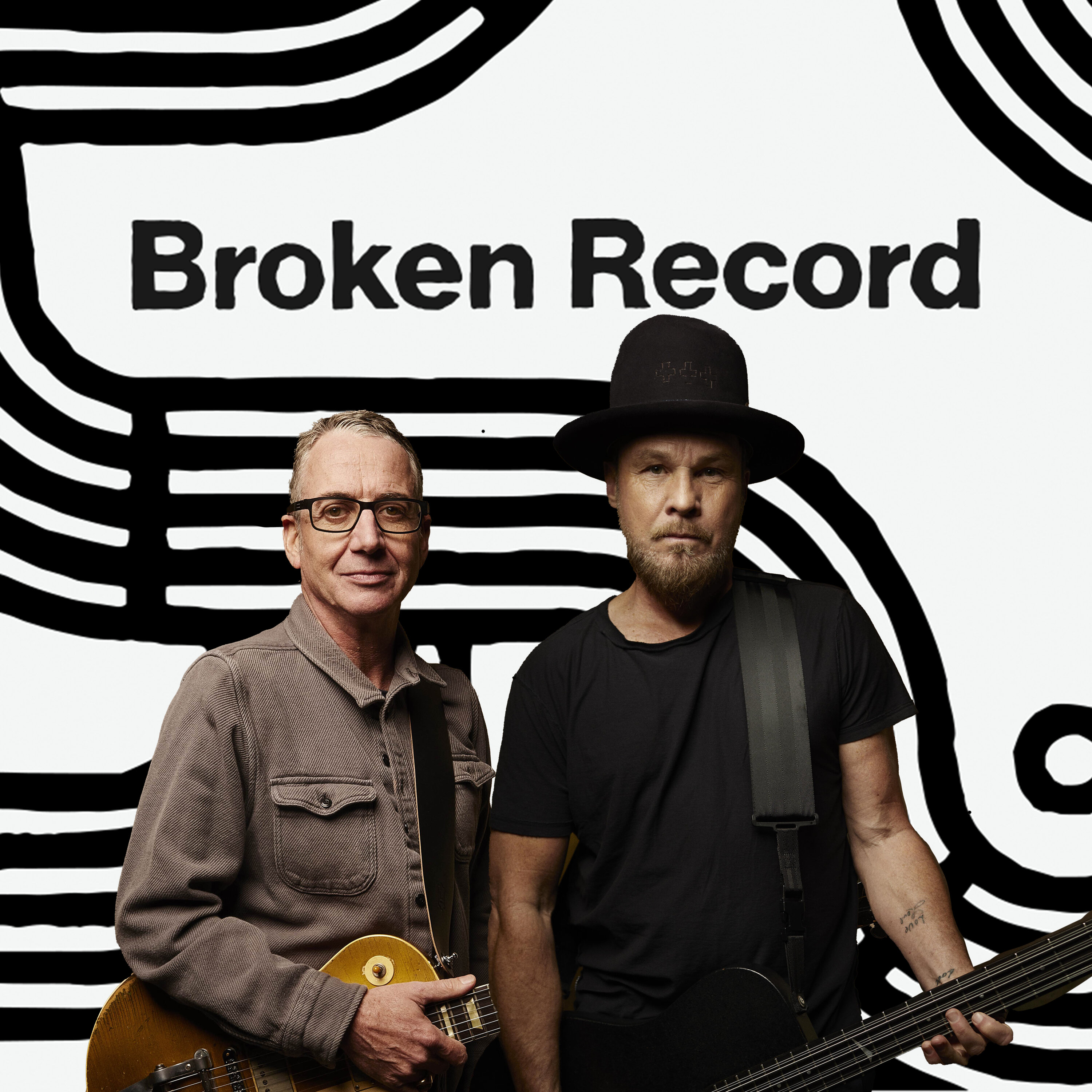


Stone Gossard and Jeff Ament are two of the Seattle scene’s most foundational musicians from the 80’s and 90’s. Stone and Jeff started playing together in 1984 as members of Green River, which eventually dissolved, leading singer Mark Arm to form Mudhoney.
Later, Jeff played bass and Stone played guitar in Mother Love Bone until their lead singer Andrew Wood died of an overdose just days before their major label debut in March of 1990. Reeling from Andy’s death, Jeff and Stone started recording with Soundgarden’s Chris Cornell on a side project called Temple Of The Dog that featured vocals from a then unknown singer from San Diego named Eddie Vedder.
Later that year, Jeff and Stone asked Eddie to join their new band with guitarist Mike McCready. As Pearl Jam, they released their debut album Ten in August of ‘91—the album went 13 times platinum and charted on Billboard for nearly five years.
Since then, Pearl Jam have released 11 more albums and built a die-hard fan base thanks in part to their outstanding live shows. Last week they released their latest album, Dark Matter, which was produced by Andrew Watt, who's recently worked with Miley Cyrus, Iggy Pop, Post Malone and Ozzy Osborne.
On today’s episode Leah Rose talks to Stone Gossard and Jeff Ament about how Andrew Watt’s encyclopedic knowledge of Pearl Jam helped inspire some of their best performances to date. Stone and Jeff also open up about the inner-workings of their professional relationship, and Stone remembers the first time he met Eddie Vedder, who marked the occasion by passing him a hand-written poem.
You can hear a playlist of some of our favorite Pearl Jam songs HERE.
See omnystudio.com/listener for privacy information.
Speaker 1: Pushkin.
00:00:20
Speaker 2: Pearl Jam, Stone Gossard and Jeff Amtt are two of the Seattle scenes most foundational musicians from the eighties and nineties. Stone and Jeff started playing together in nineteen eighty four as members of Green River, which eventually dissolved, leading singer Mark Arm to form Mud Honey. Later, Jeff played bass and Stone played guitar in Mother Love Bone until their lead singer Andrew Wood died of an overdose just days before their major label debut in March of ninety Reeling from Andy's death, Jeff and Stone started recording with soundgardens Chris Cornell in a side project called Temple of the Dog that featured vocals from a then unknown singer from San Diego named Eddie Vedder. Later that year, Jeff and Stone asked Eddie to join their new band with guitarist Mike McCready as Pearl Jam. They released their debut album ten in August of ninety one. The album went thirteen times platinum and charted on Billboard for nearly five years. Since then, Pearl Jam have released eleven more albums and built a diehard fan base, thanks in part to their outstanding live shows. Last week, they released their latest album, Dark Matter, which was produced by Andrew Watt, who's recently worked with Miley Cyrus, Iggy Pop, Post Malone, and one of my favorite projects in a long time from Ozzy Osbourne. On today's episode, Lea Rose talks to Stone, Gossard and Jeff Ament about how Andrew watts encyclopedic knowledge of Pearl Jam helped inspire some of their best performances to date. Stone and Jeff also opened up about the inner workings of the professional relationship, and Stone remembers the first time he met Eddie Vedder, who marked the occasion by passing him a handwritten poem. This is broken record liner notes for the digital age.
00:02:02
Speaker 1: I'm justin ritchman.
00:02:04
Speaker 2: Here's Lea Rose's conversation with Pearl Jam, Stone Gossard and Jeff Ament.
00:02:09
Speaker 3: When you set out to record the new album, did you have a feel in mind that you wanted to, you know, achieve for the new album something that was completely different from Gigaton or did it all sort of come together spontaneously? Man?
00:02:26
Speaker 4: I mean, have we ever had a plan and has the plan ever been what we actually ended up doing?
00:02:31
Speaker 1: I think Stone and I have lots of side conversations about what we hope the plan could be, but it's usually never that.
00:02:38
Speaker 4: No, we didn't know what we were going to do. All of us individually have aspirations for where we think the band can go or how it could kind of be different. You know. I think all of us are always aiming for trying to expand on what we've done in the past. And we have the experience of being in the band and having flashes of like what's possible, and those aren't always easy to recreate in different scenarios, especially recording scenarios, you know. But this was a big time flying blind and I think, you know, with Eddie having met Andrew and worked with him a little bit, it was sort of like, we're just going to show up in LA and we're you know, this young kid, he loves Pearl Jim, he's you know, he's a producer, he's you know, he's and Eddie had a great experience working with him on his solo record, and so we just all said, well, you know, we'll show up. That sounds fun, easy, and you know, immediately we were we were making music and good stuff was happening. So we sort of we got hooked in pretty quick to the process.
00:03:42
Speaker 3: Do you think this setting had anything to do with like recording at Shangri Law and being near the ocean and being in California, Do you think that influenced the music at all?
00:03:52
Speaker 1: You know, I mean we started at Andrew's house the first session, so the second session was sort of like thrown together last minute. And Rick opened up some time for us at Shangri La, which was very generous. I love that studio me right, Like, I love that there's like no TV and that had sort of minimal and there's like, really the only thing you can do if you're not playing music is to shoot pool. I love it when like the five of us can get in a room and just be focused, and it just feels like when we can do that, we always hit a vein in that session. There's three days where it's just that spot that you want to be as a vand where it's just like it's just going, you know, And that studio had a lot to do with us making a record really quickly.
00:04:37
Speaker 4: I think I think we got maybe four from the very first session, which was in Beverly Hills at Andrew's old spot, and that was like a year previous and we were there for ten days or something like that, maybe seven or eight, I can't remember, but we hit something that was great, but there was also some stuff that we kind of started to maybe sort of kind of think too much again or get too much on our old process. And I think then we had a year off and it was amazing to go back and then sort of have memories of what we did that first time and then really kind of go and everyone stayed, you know, pretty focused of and it's really the focus being whatever you're you know, bringing in today or however the song starts to go, just be ready for it to kind of get ripped open and rearranged and touched by everyone. And you have to have some courage when it comes to that kind of stuff. But also that it just makes it so much more of a band thing. Everyone's invested. Everybody is like writing and thinking about the song at that moment, and I mean, we've done it before like that, but I don't ever want to go back. Honestly. It was like, you know, in terms of that process, I loved it.
00:05:46
Speaker 3: You know, how does the band handle when there's like little squabbles over parts of songs, like if somebody brings something and you start playing, and somebody wants to take it in a different direction, and not everybody's agreeing. What's the communication like and who ultimately wins?
00:06:02
Speaker 4: I mean, I think we were trusting Andrew really on this record. Because he's a producer and we're going to make a record with you, you might as well trust his instincts and and go with it. So I think that having him there was was helpful in terms of just navigating that stuff. I think if anything gets too squabbly, we just move on to something else, and that this gets left behind probably more than anything. So I think all of us, you know, got to see how the group process ended up being a better process for almost everything. You know, at every juncture you'd kind of you know, and it was all very quick, which would make it better. It's like it's sort of ripping the band it off quick, you know, it's like got an idea, throw it down, it's already changed. It's you know, it's gone before you you know, And it was great. And Ed is inspired in those situations too. He writes so quickly when he's in on the process of the writing, as opposed to just getting a demo and like sitting with it in his room for weeks. You know. It's like it's it's much more fruitful for him to be there saying let's double that, or I don't like that part, let me get back to that other thing quicker, you know, Or I need a chord here, I need a different chord getting me to this, you know, to this next bit. And then it just becomes kind of a group process that's not the same as an individual kind of writing a song, but it's and that's I think that's what's special about this record is that it really is a lot of reconstructed, sort of quickly ideas, you know.
00:07:32
Speaker 1: And I think we learned a long time ago that if you're fighting too hard for something, it usually even if it ends up on the record, it usually I don't think it ends up being a joyful memory for the rest of the band, and even a joyful memory for you as the writer. I think. So I feel like as I've gotten older, I welcome like ripping my thing open, and I think it's far more interesting that way. I think the collaborative process to me is like one of the most interesting things, Like if you can really trust the other people in the band that you're collaborating with, it will usually come back way more interesting and have a different perspective that you can have if you're just have tunnel vision, you know, for your songs. So you know, it's not that different than how we made you know, the last couple of records with Brendan really I mean moving super fast and you know, FAD's not sort of latching onto something, moving on to the next thing, and so we're I think we're better in those.
00:08:27
Speaker 4: Yeah. I think Andrew's enthusiasm, his unbridled enthusiasm, was an element of it. He never he never let us get down on ourselves at all individually. For me, like playing in there and sometimes being in there and going, you know, I don't know what I'm doing. It's like he would no matter what, he would just be like, oh that's great, no way, go back, you know, like he would just have this like you're gonna get You're gonna figure this out. You're my favorite guitar player.
00:08:53
Speaker 2: You know.
00:08:53
Speaker 4: It's like just you know what I mean, but not necessarily that, but it's just like he just just infused you with He wasn't gonna let it get you down and he knew that that's not where you're going to get a good performance. So yeah, it's manipulative on one hand, but it also works, you know. And so I think, you know, his knowing the songs and loving Pearl Jam so much and just being a fan it was a major factor in sort of keeping the thing moving along and him really actually, I know how to play all your songs. I can show you where you know, you know that this should have been a minor chord, but you didn't. It's just cool. I'm so glad that you did that, like you know, so he was. He had a lot of energy for that. So that was that was a big factor I think.
00:09:36
Speaker 1: In the record. Yeah, and and and talking about those times when you're stuck. He could reference old songs. He would be like, yeah, like that thing that you do in Hail Hail, or he would reference things you'd be like and sometimes that would unstick you because it would like pull you out of a pattern that you were stuck in and it would make you think about it in a different pattern. And you know, I never felt stuck for more than a minute. Wow, you know when you were when you were working on stuff with him.
00:09:59
Speaker 3: So I'm fascinated by Andrew Watt because he's now produced albums for Ozzy Osbourne, Iggy Pop, He's working with you guys, the Rolling Stones last record.
00:10:10
Speaker 4: Yeah, he's just going through his collection of childhood bands and going, I'm gonna work with this man, and I'm gonna work with this man. It's all his reality. We're just you know, we're just part of his dream right now, which is great. We'll take a ride with him.
00:10:21
Speaker 3: It's incredible. And is he like, was there anything since he has such a deep knowledge of Pearl Jam, was there anything from your catalog that he felt like he wanted to hear more of from a.
00:10:33
Speaker 4: Fan perspective completely, But he wouldn't necessarily tell us exactly what that was. But I think he wanted us to write more kind of collectively and quickly, kind of probably more like our earlier process was where it's like we didn't have any time or we never even realized you could have more time, and so we just stuff was just happening quick and nobody had time to think about it too much. And then just he wanted to make a heavy record. I think he really wanted it to be an aggressive Pearl Jam record and from the get go, so and he he had great sounds right away. You know, we just went into the studio and he kind of had stuff's kind of set up. You could go on and try this amp or try that guitar, but it was all kind of dialed in. So we were stuff was sounding good like kind of immediately. So that was that was good. He works fast, kept us interested for sure.
00:11:21
Speaker 1: And I had a lot of conversations after that first session, you know, like phone conversations with him where he would ask about how did this song get written? How did that song get written? And so he was I think he was like trying to mine like, okay that whatever the process was on that particular song, that's we need to revisit that process. Not necessarily like a similar riff or a similar sound even, but like the creative process. I think he was really trying to tap into, you know, ultimately, I think the best way we work with each other. I mean, I think it's we talk about it all the time about I think we all have strengths that sometimes like if we lean into those strengths that it turns out better.
00:12:03
Speaker 3: Can you quickly like run down what you feel everyone in the band's strengths are like who does what the best man?
00:12:10
Speaker 1: Well, I mean, we have ed who can like if you have a if you have two chords or an interesting repetitive pattern, he can write a melody over that that's like memorable, and he can attach words to it that make you feel something deeply, which to me is one of the most incredible things to witness, to be in the room when that's happening and something's coming out of the ether and then all of a sudden the line comes out that's like this, you know, just this beautiful two line piece of poetry. Yeah, we have that. We have Matt Cameron in the band, who can, like you know, play drums around anything and make it interesting and has such a unique style and such a unique way to like accent things and places that you wouldn't expect, which sometimes turns the groove around in a really cool way. We have Mike McCready, who fucking rips and if you're working fast and he's just playing, it's like you tap into that thing that you know, you have a guy that can really take a song over the top. I think Stone and I are sort of the lunch pale guys. I think Stone would come in with a riff and I might say, hey, what if we simplify that little part of the riff, or he has a really busy riff and I'll just find the three big chords that sort of work over that riff. And I think sometimes some of the best stuff that we've done have been in that, in that spirit.
00:13:30
Speaker 4: And then you have Jeff who's ear and his listening to kind of the whole picture and understanding how where the glue needs to be, understanding really listening to the vocal, really understanding where how the vocal sits in the track and supporting that and sort of being this ear that has that you know, that big picture perspective on sonics and music history and you know an incredible you know audio file.
00:13:56
Speaker 1: Well, let me say one more good thing about Stone, because he's just said such nice things. But Stone also plays guitar like a drummer, Like his right hand is almost like having another drummer in the band, which I think some of the best stuff that we've done are when there's sort of almost those two kind of frenetic rhythmic elements happening when the drummer and Stone's right hand are sort of battling or you know, joining up. And I think there's I think there's moments on this record that have kind of classic Stone riffage.
00:14:26
Speaker 4: I was just gonna say, I think Dark Matter is a really great example of and I think that was one of the last, one of the last songs we wrote, but that that's a great example of the sort of mishmash of what is possible. And it started out with Matt Cameron stepping in the day before and just warming up on his drums, getting ready to record that day, and just starts playing this beat, which is the beat that's in Dark Matter, but it was he was kind of playing it on his snare and it wasn't like as aggressive as that, but it was like that beat was there, and we all just looked at each other and went, that's what he does every day. It's amazing. It comes in he plays that thing. It's like, how is that not a song? And we just rolled tape and we grabbed that beat and we looped it, and Jeff and I took that same loop poem that night and both of us wrote different parts that ended up being the verse and kind of the chorus melody parts and The next day, we had a song that was this weird combination of everybody's sort of you know, being there, but not anybody being in charge of what happened. And I just I live for that stuff. Now. It's like, I want to make a whole record where it's just like, don't bring anything in, or bring in only bits and pieces. You know, if we need a bit or a piece, be ready for it. But that that group arrangement is just a it's brilliant, and it's I think it's less common now. There's just more individual songwriting efforts and brilliant songwriting efforts. And I love that our place in rock right now might be more of like, hey, we do it as a we do it in a way that you can't replicate because you can't, you know, five different states of mind are attacking it from a different point of view. So I think that's a great example of what's possible when you write as a group.
00:16:07
Speaker 3: Yeah, and that Stone, how would you describe how you and Mike McCready play off each other and how you come up with your parts together? How does that process work?
00:16:17
Speaker 4: You know, we just we just kind of feel it out. I think the less we talk about it, the better it is in general. But you know, I think, you know, as you play in a band, you kind of look for the spot where nobody's playing, or maybe there's a point in the musical phrase whereas it needs some support or it's something sagging or you need to So I kind of usually head for that spot and that accent, and I'll start just figuring out maybe it's a one note thing, or maybe it's like just a two note climb into that note, or you know, you just start kind of going through your little process of taking little building blocks and stacking them up and kind of seeing if it feels like it supports the architecture of the song or whatever. And I think Mike comes from a place of very much just needs to feel it and then just needs to play and winds his way through, you know, a track, and just finds his malady or his feel that makes him feel good.
00:17:16
Speaker 3: You know, Jeff, you mentioned that there wasn't anything to do at Shangri La other than to play pool. You know, in between recording Hanging Out, I noticed on the intro of the first song, Scared of Fear, it sounds like it builds to a pool break. Yeah, was that inspired by Shangri Law. And I'm just curious how you guys have thought traditionally about the album openers, like those little intros to the albums.
00:17:44
Speaker 1: Oh well, that was a piece that I sort of came up with. It sort of felt like the pool break right at the start of the record didn't feel like it, I felt maybe too abrupt, and so yeah, I recorded most of that in Montana, like just kind of going back and forth with Andrew, like you know, him saying like, yeah, it should be twenty five thirty seconds, and so I gave him like a minute with a bunch of ambient loops and yeah, a bunch of music. And I love making that sort of stuff, and which we you know, our very first record, the Master Slave Pieces, was sort of a very early sort of version of that kind of piece of music. And some of it was me taking the actually the little melody at the end of the record and sort of changing I actually took that little three chord melody that Ed's playing on guitar at the end of the record, and I sort of transposed it to fit a key lower than the beginning of the key that that scared of fear starts so just to just to make it feel like there was a little boost when when Stone comes in with that riff.
00:18:50
Speaker 3: Very cool.
00:18:51
Speaker 4: That is the That is the pool Table from Yeah, yeah, that's recorded there. And was it Sean Penn?
00:18:57
Speaker 1: A couple of annoyments.
00:18:58
Speaker 4: I think it was maybe Sean Penn that.
00:19:00
Speaker 3: Broke the seems like a solid break.
00:19:02
Speaker 4: Yeah, it looks like the I bet the balls spread around the table. It wasn't the.
00:19:07
Speaker 1: Fanciest MIC's ever on pool Table.
00:19:09
Speaker 4: How many takes did they get though? It's like two hours of like, let's do it again, but I'm.
00:19:14
Speaker 2: At most after quick break, will be back with more from Leah Rose, Stone Gossard and Jeff Ament. We're back with Stone, Gossard and Jeff Ament.
00:19:29
Speaker 3: I'm curious about the song Wreckage, which I love so much. It's so pretty. How did that song come about? What do you remember from that session?
00:19:38
Speaker 1: The main thing I remember is Ed sitting down the guitar and sort of playing the basically the chords to the verse, and then we just kind of moved through that. Ed kind of kept adding parts. I mean that song, I mean, from my standpoint, it felt like it was getting written on the move, you know, like as he was adding chords, then another vocal melody happens and we got the bulk of that song down I think in a few hours.
00:20:05
Speaker 4: Yeah, man, I think that there's an open G tuning which is Andrew kind of coming along with that sort of a distinctive It sort of breaks it out of what might be a little bit more of a straightforward song and it sort of adds some harmonic and rhythmic variety to it. So I think that's a pretty distinctive part of that track, as well as that sort of openg strum that he's got going.
00:20:29
Speaker 3: On there, and also upper Hand. That's one of these songs that it sounds like it's going to be so incredible live. Do you think about how the songs are going to translate to the stage when you're recording them or before you go in or is that a consideration?
00:20:48
Speaker 1: I don't think I do. I think there was something about when they created that piece. I mean that was Ed, and Andrew and Josh that sort of created that pre instrumental piece. I can imagine like when you're creating that that you're setting a mood and a tone for the song that's about to come, and we sort of got into that yesterday and rehearsal, just trying to recreate this sounds of that of that piece. It's gonna be it's gonna be a fun one just because it's gonna it's gonna create such a mood live. I think, you know how the outro is. It's it's sort of a wide open outro, you know, it's sort of a place where again where Mike and Matt can really shine.
00:21:26
Speaker 4: Yeah, it's a nice it's nice that we that that opening piece really gives it more room to get to that sort of crescendo. You know, Without it, I think it would be it's almost too short, like you wouldn't be in the song long enough before you're at the crescendo. So this is sort of gives that nice runway to kind of ease you into it. And it's a beautiful it's a beautiful piece.
00:21:48
Speaker 3: It is beautiful.
00:21:49
Speaker 4: Josh Klinghoffer really sort of wrote the chords. I think to that.
00:21:52
Speaker 3: When it comes to writing songs that end up being anthemic, are there any like tricks or anything that you can always rely on or is that not even a consideration when you're making music?
00:22:07
Speaker 4: What do you mean by them just like something that.
00:22:11
Speaker 3: Will soar on stage in a live setting.
00:22:16
Speaker 4: I think, I mean if usually the kinds of things that translate and that are allowed to sort pretty simple in terms of their presentation. I think the more detail you get, you know, as you if you're writing a song in your house and you're sort of starting to add on more parts and you're kind of your acoustic part is getting more complex, all of that stuff tends to not translate when it comes to a room where two big chords and some space, yeah, and one riff where everybody's kind of playing together at one point, and then maybe it opens up and does something else. But I just think, you know, it really is primary colors to start out with, you know, and a change that feels good or that has impactful you know, chord change or a rhythmic pulse change or a tempo change or whatever it is. So yeah, but I think simplicity is probably the key, you know, and I think that's that's a good place for us to be, is not getting too into the detail of all the different ways you can play the same chord.
00:23:16
Speaker 3: Before we move on from the new album, are there any songs, any stories about recording the songs that you want to talk about, anything that really stands out.
00:23:27
Speaker 4: I love the story of How We Got Won't Tell, which started out with Jeff Amett having a dream. And I've been telling this and I'm not sure i've been I'm not sure I'm telling the story right.
00:23:38
Speaker 1: Yeah, I mean without going I mean it's kind of a long story. But I had a fairly realized dream of a song that I woke up, which I occasionally do and you sort of lay down and usually when you listen to it again, it's like nonsensical and bad and whatever. But this thing actually was like when I listened to it, I was like, Wow, there's something in there, and even the lyric. I think we were like, you know, probably three quarters of the way through the last session, and I was there early, and Andrew had said, hey, hey, you got something, and so I played him and he goes, man, that's awesome, and it was a complete song, and he said, what if we just give Ed the lyrics and the band can learn the music and let Ed sort of interpret the lyrics. And it took a couple of a couple of rounds for Ed to sort of, like I think, come up with something that he was super happy about. But he ended up coming up with like almost as like a dream of a dream. You know. It's like me telling him and then him sort of interpreting it in this almost like kind of a psychedelic way, which the dream was pretty psychedelic. So it was just a brand new way to write a song. Yeah, and it was. The song was written on a baritone guitar. Josh Klinghoffer had bought us all these baritone guitars, and I had it in this open tuning and had kind of written the piece in that because the dream involved an electric dulcimer that sounded kind of like Neil Young, but it was a woman playing this electric dulcimer. So you're not.
00:25:12
Speaker 4: Talking about Joni Mitchell. I don't know. But is it Joni Mitchell's in the dream, isn't she? That's the thoughts like, yeah, yeah, Joni Mitchell came to him in this sleep.
00:25:23
Speaker 1: We had a we had a we had a Yeah, we had a conversation in the dream.
00:25:26
Speaker 3: Wow, what did you guys talk about?
00:25:28
Speaker 1: It was about a song that she and Neil wrote together, and this is that song. Wow, this is the song.
00:25:34
Speaker 4: But we're not going to share publishing or something about it.
00:25:37
Speaker 3: So have you guys ever played with Joni?
00:25:41
Speaker 1: We haven't. We did share an airplane ride with her, like in about ninety three in Canada, and and then when we got on the plane, she was I was sitting in the aisle seat and she was sitting in the aisle seat right across from me, and I, I mean, this is this might come off as stocker ish, but I was listening to a lot of Joni Mitchell the time. So I reached into my CD wallet, which it was nineteen ninety three, so and I put in Blue, and I put in my headphones, and during the flight, I would just look overever every once in a while and go wow, like.
00:26:10
Speaker 3: You just like stare at her in mouth.
00:26:12
Speaker 1: I didn't stare at her. I didn't stare at her, but I was I sort of felt like I'm in Canada and I'm listening to Blue and I'm sitting across from Johny Mitchell. So there it is crazy reverence. I mean, she's like one of my favorite just artists because she's I think as much because she's a great painter as a great musician. I love that in her feel her right hand and just her how she tells stories, like, you know, I think it leans on jazz, but it's so her because she small town Canadian girl. You know, I think I think I relate to that part of it too, because she she sort of grew up not too far from where I grew up, just across the border.
00:26:51
Speaker 3: So oh, that's so cool. After ten took off in the beginning and all of a sudden, you guys started playing with other like really huge artists. Was there anybody who you found yourself on stage with where you were just like, what is going on?
00:27:08
Speaker 1: Everybody?
00:27:09
Speaker 4: I mean, I mean we felt I felt that a way about the Chili Peppers right off the bat, when the Chili Peppers took us out just watching John Feschanti every night in Chad, and I mean there was the way those guys played. It was so much bigger than anything we'd ever heard in terms of like, oh that's how you like, that's how your stage can sound, that's how they play the whole sound. And I think we were still in our you know, all the vibrations were very fast, we were we weren't tuning into each other in the same way that we've learned more now to be able to do. But that was an amazing experience, you know, seeing you know, seeing Neil Young play with Booker T and the MGS and Jim Keltner. That was like never done. Yeah, I mean, never heard of pocket like that deep before. It's like everyone was out pocketing each other. It's like you know what I mean, like the one was somewhere, you know, incredible. So I mean, but we've had that over and over again, you know, seeing you two play and all all the early opportunities to see bands go on.
00:28:13
Speaker 1: That the show we played with Keith Richards and Steve Jordan and Charlie Drayton, that show was also just witnessing bands play with so much space. I think that's I do remember on those Neil Booker T. I remember just sort of listening to a conversation that Keltner and Duck Dunn were having about like, yeah, we keep Duck would say like, yeah, well keep asking Neil, we're playing the groove. Doesn't feel like we're playing the groove in the right place. And because it sort of helped make Neil's songs, they just sounded different. Those Crazy Horse songs sounded different with Booker T and those guys, it just swung differently, but the space, the space like watching Duck and Keltner play together was like, I mean, there was four or five shows where I remember I was just sort of sitting between them, like fifteen feet from them, taking basically a masterclass and rhythm section, you know, and going like that's how you play on a mid tempo song, like right there. I mean, my chi. I think my playing changed overnight from playing in those ten shows.
00:29:14
Speaker 3: Neil seems like he's so energized when he's playing with you guys. Has he ever articulated to you like what it is about Pearl Jam that gets him like so pumped?
00:29:25
Speaker 1: You know? He called me last summer they were mixing Mirror Ball and at Most, and he was just so he was so generous and so kind, like in terms of he just goes man like, you know, your guys is playing on this is so great. And I think I moved so fast from record to record. I don't really I don't really get a chance to listen back, but I'm really listening to how you guys chose to play, and I appreciate it so much and I hope we get to do it again and of course you're like, oh, can we please do it again because we'll be even well, we'll give you more space and we'll be so much better than we were in nineteen ninety five.
00:29:58
Speaker 4: After him playing, he plays the song once for us. We learned the chords and he's like, okay, we're going to record it, and then you record it and it's like done, great. You know, it's like I was just you know, warming up. Mostly we were just trying to remember the chords, you know, which, of course he loves because that's how he is. He's like, oh, that's great. You know, it's like, which is fun. But playing with Neil is you know, that's such an honor. It's just like incredible, you know.
00:30:23
Speaker 1: Yeah.
00:30:23
Speaker 3: He seems so just like open and connected to whatever it is that sends him information and inspiration.
00:30:31
Speaker 4: Yeah, and then he just loses his mind and then you get to lose your mind too. You know. It's just like playing you know, three chords, which is there's nothing more satisfying than being having transcendence in three chords where it's like it's not you know, it's not all the years of your studying music and it's not you know, any sort of science or any kind of you know, anything that is rigor you know, it's just literally joyful play with three notes.
00:31:01
Speaker 3: How long does it take you, guys to get comfortable with somebody like that in the studio? Like do you go in there super nervous or or like is there a period of time where you have to sort of settle in?
00:31:14
Speaker 1: I remember that session. I remember sweating a lot, and then and then I got crazy sick, like the fourth or fifth day, like I think that was the day they recorded that many days I did it, It was it was five days total, but it was four days of recording the Neil songs, and then the fifth day they went in and they recorded that version of I Got id Okay, which I but I had I had the flu like for two days, so it might have just been like pushing down the pressure and the anxiety and just trying to you know, in the focus, and you're in the studio with like one of your favorite if not your favorite artist ever and not wanting to let him down and let the whole session down.
00:31:57
Speaker 4: So none of us are studio musicians. I mean there's people that can come in and like chart things out in two seconds, like play by ear in such a way that you know, lots and lots of people can do that that's never been certainly not ever in my you know. So you know, you're kind of trying to find the basic chords and then quickly find something that helps those chords. And it was nerve wracking for me for sure too.
00:32:20
Speaker 1: I mean half the record, I because I listened to that most mixed after he said that they mixed it, and half the record, I'm like, I don't remember playing that at all. Wow, Like you know, there's places where I'm moving a lot, and I'm like, man, I don't remember playing that at all.
00:32:33
Speaker 3: Do you like it when you hear it back?
00:32:35
Speaker 1: Oh? Yeah, It's probably one of my favorite things that we've ever done. And I think it's partly like that. It was largely like a dream. It felt like a dream because he would come in, well, he had two songs at the start, he had Active Love and Downtown, and then he would go stay on his boat at night and come in and I remember like the second or third day came in with the ocean and it was like it was like six pieces of paper taped together and it was like just you know, like Bob Dylan verse, you know, just like twenty verses and kind of going like, oh shit, like this is going to be a lot. But it was essentially three chords for eight minutes.
00:33:16
Speaker 4: Yeah, he was just going back to wherever he was staying on his boat. Is that what he was saying. Yeah, he was just going back to his boat and like, you know, smoking weed and fucking writing new songs. And then he'd come in and go, Okay, here's his next song, you know. So we were just experiencing it with him in that moment. So he was he was just happy to have to turn into something, and we were just kind of on for the ride.
00:33:37
Speaker 3: Since I have both you guys together, is it okay if I ask you a little bit about Green River?
00:33:42
Speaker 4: Sure?
00:33:43
Speaker 3: How do you feel about like talking about the old stuff in general? Is it a drag?
00:33:47
Speaker 4: Fine? No? No?
00:33:48
Speaker 1: Love it?
00:33:49
Speaker 4: No?
00:33:49
Speaker 3: Okay? Cool? How did you guys even meet? How did you start playing together?
00:33:55
Speaker 1: Well, it's it's I think it's like almost forty years to the day, like somewhere March April, four years ago. We met at the Metropolis, which was a sort of communal punk rock club that sky Hugo opened up up and I'm not even sure if there was a band playing that night, but I was hanging out with Mark and Stone, and Stone was with his friend Chris Pepperd and Stone and Chris represented a very youthful, sarcastic Pacific Northwestern energy and I had sort of a farm kid Montana, not like serious energy, and I think it was like it was like an odd you know, it was a little bit of a weird first meeting. And then like within a month or two, Mark and Steve were like, hey, we want our friends Stone to play and I was like Stone the guy that I met, Like, I was like, ah, not sure.
00:34:51
Speaker 4: You know about that guy?
00:34:53
Speaker 1: And then I remember Steve, which is which is this is crazy because when you think about the how that band sort of worked, and even part of the reason that maybe Steve didn't want to be in the band anymore because we got too heavy. Steve was selling me on Stone, saying like he's got a Marshall and a Les Paul, And in my mind, I was like fantastic, like like two guitar, you know, two guitars, it'll be you know, because Steve was playing really super clean guitar. Yeah, yeah, he had a super twin that was like really loud but just so piercingly clean, and so I was like distorting my bass more and more just trying to like make it into whatever I thought that the band should be. And so the idea that there was going to be a less pollent of Marshall that convinced you that that won me over.
00:35:40
Speaker 3: What do you remember Stone about your first meeting.
00:35:43
Speaker 4: Just like a flash of like kind of outside talking, you know, outside the metropolis, you know, having a conversation, and you know, but this is this is at a time where I probably have been playing guitar for maybe a year and just like kind of you know, dinking around on it, like I wasn't a guitar player. I mean I could play a barcord maybe at that point. So but the idea that you know, that that was cool and that and that we all kind of just decided to be in a band together, and that it's gone on in this way that it has. It's one of the great mysteries and you know, phenomenons obviously of our lives, but just like it just goes to show that you just you don't know where something's gonna go, and you have to kind of follow it and Jeff's and I's journey with each other I think symbolized by that first encounter that we didn't we haven't always understood each other, and we haven't always I think that we see the world in different ways, and I think we're in our like you know, late honeymoon right now where we're just like, well, you know, we get to see each other and we're kind of like, wow, this is still going, this is pretty good. How did this work out? You know, because it's it's really phenomenal. But you know, I think us sticking it out with each other in certain ways has been one of the It's the biggest thing that's happened in my life for sure, in terms of all the things that I've learned from Jeff and and that we've learned together in our just by having our relationship work, all the other the community that's connected to Jeff and I through the years, it's it's crazy, it's incredible. Yeah, it's weird.
00:37:22
Speaker 3: I saw an interview that you guys did in nineteen ninety right after it seemed like maybe a month or so after Andy Wood had died, and you were sort of like stuck with the album with the Mother Love Bone with the Apple album, and I guess it was time to promote it. And there's one point, Jeff where you're like, yeah, like who knows, like what we're even going to do next, And it was I don't know, like how soon before that was that Pearl Jam came together, but it was just such a crazy moment to see captured on video. Do you remember that time?
00:37:54
Speaker 1: Well, yeah, I and I think about that time a lot because I think how we both reacted to Andy passing. We both handled it really different ways. You know. Our relationship has been this slow reveal of each other and understanding each other. And I think there's a there's a point when like you come from such different backgrounds and have such different sort of chemistry, you know. I feel like it probably took ten fifteen years into our relationship where I was like where I really like trusted and really respected Stone, you know. And I think you say the same thing. But I think that's been the why the journey has lasted this long. I think I think like a part of me feels like why did it take me that long? And I think some of it's like you're in your twenties and I think even moving through Andy passing, like to be honest, like I didn't have much of a safety net at that point. So I was like I felt a teeny bit of desperation, like, how am I going to pay my rent? I'm twenty seven years old? Do I need to go back to school? You know? Does lightning only strike once? Is that over? And so it was probably the first time in my life where I felt pressure. I felt real, real pressure on. Like I sort of felt like I lost my my will or my you know, the strand that I was sort of on that you know, it was a little bit haphazard, and you're sort of living paycheck to paycheck and you're just playing music and having fun with your friends and whatever. But then there's a point you're twenty seven, twenty eight years old, and this thing that you've sort of been working on for you know, three years with Yeah, and you.
00:39:36
Speaker 3: Guys had gotten a deal that would probably was like super exciting and like felt like you were in some real traction.
00:39:41
Speaker 1: Yeah, I just quit my job. Was the first time in my life I didn't have a job, you know. So yeah, and you know, and Stone like hit the ground running and wrote a bunch of beautiful tracks that ended up you know, I mean black, you know, I mean arguably the best song that we've written as a band. And Stone came up with that music that right off the bat, you knew that there was like this beautiful energy behind it, and that the melody and the outro that he wrote, like you know, that was how he responded to Andy passing. And whereas I was like, I was scrambling. I didn't know. I didn't know if I was gonna play music anymore. I thought maybe I'll go back to school and be a teacher, you know, back home, work on the farm. I didn't know. So thank god that Stone wrote those songs. And I was hanging out with Mike a bunch. He worked right across the street from me, and they were playing together. And so Mike was working me and Mike was working Stone, and it's sort of like we ended up playing together.
00:40:36
Speaker 4: Luckily, I live with my parents, so I didn't feel the same kind of pressure that Jeff felt as far as I was twenty four years old living with my parents, So that just shows you where I was at.
00:40:47
Speaker 1: But I look back at that summer as being like, you know, just one of those moments in your life where it's like it's just raw and real and yeah, you know they the way that things fell into place. After that we started playing together. We recorded Matt Cameron, which is like also just like dream like like we'd all love Matt so much, but we're like, did a couple of rehearsals, went in the studio with him, sort of knocked out these six seven instrumental tracks, and then you know the process of like you know, Stone had the idea like, hey, let's ask Jack Irons to play with us. We're like, we don't even have a band, Like it was so bold, you know, and then him suggesting, like he goes, well, I know this guy crazy Eddie, Like you know he's not a drummer, but you know, and so and how fast that all happened, and like playing with Dave Cruising and Dave Cruising like you listen to what he played on ten and those early songs, like it's it informs our sound more than I think we thought at the time, Like Dave really brought a really interesting element to the band and the groove, and but it happened so fast, it's like it's it's nuts, you know, less than a year of us meeting ed we were touring with your readout Chili Peppers. I mean that's like had a record out of It's nuts. It's nuts.
00:42:03
Speaker 4: That's dreaming. That's like saying dreams can still happen. You got to just like see it and like, you know, take a chance, jump off a cliff, like you know, imagine that there is things conspiring to make things work out, you know, like believing in that process, you know, and it's that's a that's something that you get. You know, you land on your face eighty percent of the time, but then you get those twenty percent where oh shit, well that worked out, you know, like and it's it becomes you know, it becomes ingrained. And I think we've been like that ever since. It's anything could happen. I mean we're we've we've been living a dream for you know, for a long time. And I think now we really are recognizing how lucky and how fortunate we are to kind of every day like be like we could think of weird art projects or side projects or anything we want, you know, like I'm going to go, you know, paint for a year or whatever. All of that's possible, you know, what I mean. So it's it's it's good. We're still in the dream.
00:43:05
Speaker 2: After last break, we'll be back with Stone Gossard and Jeff Amen, We're back with the rest of Leo Rose's conversation with Jeff Ament and Stone Gossard.
00:43:18
Speaker 3: You talked about when Jeff, when you and Stone met, and you sort of felt like you were coming from two different worlds when you guys met Eddie and he was from San Diego. Did he feel like culturally super different from you guys, And were you guys sort of like, oh, were music vets in Seattle And was there like kind of like a hazing period at all when he came into the fold.
00:43:42
Speaker 1: No, I mean I remember, I remember having four or five phone conversations with him before he came up, and all we were talking about was like not wanting to be in a band with people who were slackers like he. I remember him talking about, like I want to hit the ground running, and like I'm you know, I make T shirts and I do this, and I was like, I make T shirts and like just sort of like before I even really hung out with him, I sort of felt like, Wow, there's going to be another guy in the band that's going to like be as excited about this peripheral stuff as I am. So I think before he you know, I mean we had those three songs that he had sang over at that point, but I was as excited about just him talking about how serious he was about it, you know, like that he that he you know, and that was what he said when he flew up, He said, I want to fuck around, I want to go straight to the rehearsal and I want to start playing. I don't want to go get coffee or I don't want to And so there wasn't a lot of time, like we didn't really sit around talk about what it was going to be or I mean that first week we rehearsed and wrote for four or five days. We went in the studio on the fifth day, sixth day we played a show at the off Ramp, and the seventh day we went inside the Bulls and the Sonics at the Kingdom. We really didn't talk about what it was or and he even says like he when he flew home, he's like, I wonder if I'm in the band, you know, Like at that point, there was no we just weren't communicating about it so pretty awesome.
00:45:12
Speaker 4: I think maybe I picked him up at the airport, was that right? Yeah, So I picked him up at the airport, and I think the we we said high or whatever. And I think I'd talked to him maybe once or twice on the phone, not not as much as Jeff, but just a little bit or whatever. And I think he he handed me something and I opened it up and it's like he had drawn me a picture and I maybe a little poem or something, but I was just like I was totally touched. And that was one thing that also was evident about him. He was a He had a very sweet demeanor that was very you know, I mean, you know, we're so used to like the back of the van and just you know, fuck you whatever, like you know, that sort of low grade you know, competition meets you know, jokes or whatever. And he was a serious person who was really thoughtful and very like sensitive, and so he was a huge breadth of fresh air to kind of just be around somebody who was just very He just seemed very thoughtful about his process and about people around him and what he was doing and conscientious.
00:46:12
Speaker 3: You know, that is so sweet. Yeah, do you think that because you both went through sort of a tumultuous start with Green River and with Mother Love Bone that once Pearl Jam was established, did it feel more solid and stable.
00:46:31
Speaker 1: No, I mean, I mean it felt I felt like the first three or four years or five six years it felt I don't think it ever felt stable.
00:46:40
Speaker 4: It feels stable now, Yeah, pretty stable right now. But like literally, like so much, you know, years of moments of greatness, moments of like thinking, oh this was awesome and had you know, always good shows, always like transcendent moments, and you know, but also just it's just a lot of stuff and a lot of things coming together that always that have to kind of everyone's got to be humming together or it's sort of there's always something to worry about.
00:47:13
Speaker 1: Yeah, I think too. I think the moment that I stopped caring about like, you know, the importance of me in the context of the band, or that as soon as I gave up that like I need to get songs on the record or I need to my vision or whatever. As soon as I gave that up, which was probably fifteen years ago or something, that's when it felt stable to me. That's when it felt like this is all icing, and like, I'm just going to keep working hard and hopefully I can like have some weird little idea that I can pull the band over into my little weirdness. And I have had those moments like where you're like, oh my god, I can't believe, like the band recorded this idea that I knew was on the edge of what we would want to do. But it's also going into those situations without any expectation, just going like it's like, hey, I got a couple of things here, if there's anything here that works, or I got this weird idea to a couple of shows, or this artwork or this whatever this project is. As soon as you don't put any gravity on it, it's like and when it happens, it's just like so joyful and the stability comes with a joy I think, really.
00:48:21
Speaker 4: But it's true. You this is a band where you just have to let go of expectations about it, you know. And Ed is our band leader, and he's been an amazing band leader. I mean, given the variety of ways that band leaders can organize the band. I mean, Ed's written, We've written lyrics. All of us individually have written whole songs lyrics everything. He's always been this person who's like, I'm open to it. You know, you don't get to do it by right, you know, you don't get to say when you get to do it. But it's all happened, you know, and it's all of us have sort of asserted ourselves at different times and know what that's like and know that that's a It can be satisfying and then kind of a dead end at the same time, you know, like because you know, there's always a reaction to every action, you know. I think, like Jeff said, the more you let go of expectations, the more stuff kind of just shows up on your plate or somebody says, hey, I know you got something. You know, like let's do it. Or like this record, like all of us, you know, even though a lot of these songs have been kind of bastardized and kind of reimagined and you had to let go of a lot of stuff, I think all of us individually feel like we're represented on this record better than we have been maybe ever in terms of at least for me, when I listen back, it's like I can hear parts I didn't write the song, but my part that I loved and it figured out. I'm hearing it. I can hear it in the you know, it's making an impact in the song. So it's a marathon and we're sort of we're in that spot now where we can really enjoy it more because you once you get used to letting go and seeing why that is satisfactory or why that works, you do it more often, you know, because we could take two years off fine, you know what I mean, like, you know whatever. Nice, Yeah, but.
00:50:11
Speaker 3: It's almost like feels like you need that just to kind of reset and live life and come back and you have this like special thing that you can come back to. Oh my god, it feels like the creative itch well.
00:50:21
Speaker 4: And just like seeing your old friends and going, wow, we still have this song which is like literally three chords, and we go into a room and everyone sings it back to us and we just experience that moment of like, oh, yeah, we wrote this song and I like it more now than ever. And I never actually knew what it was about, but now I do, you know, twenty years later, you know or whatever.
00:50:44
Speaker 3: Yeah, that's interesting how songs can change over time.
00:50:47
Speaker 4: Oh my god, totally.
00:50:49
Speaker 3: Now the new tour, I think you've said that you're going to be playing a lot more of the new material. Is that sort of feel like a challenge where you have to win people over again?
00:51:00
Speaker 4: You know, we've done such variety and such a collectic set list for so long that I think our audiences read to follow us and be part of the journey of whatever we're going to try to do. And I think the material that we just wrote is really strong, don't. I think that there's not going to be any you know, let down between the material, and you know that on any given night or any given tour, it's like there's always another one. So we've had plenty of not great shows. We've had plenty of nights where we were flat and you just pick yourself up and do a better job the next day and something good happened. So you know, at this point, I think we're all confident that we can go out and kind of have fun. And we're not out that much. We don't play that many shows, so it's it stays fresh and it's going to be fun.
00:51:50
Speaker 3: Do you have any pre show rituals? Do you listen to anything before you go on stage? Do you eat something specific? Do you have to like do a certain warm up, Like what are you doing to get yourself psyched up for the night.
00:52:04
Speaker 1: I mean, I think I think everybody has a different routine and a different diet, and I certainly do. I certainly feel like I if I kind of you know, if I eat before soundcheck and then I soundcheck, and then if there's some there's usually two or three songs on this on the set list that we haven't played or we maybe we haven't sound check, so then there's like some woodshedding going on, and then there's you know, a little you work out, a little bit, a little stretching, But we all have different sort of patterns as far as that goes, So sometimes that part can be tricky because the space is tight.
00:52:38
Speaker 3: But so you're all together in like one room.
00:52:41
Speaker 1: Pretty pretty much, Yeah, pretty much. I mean Ed has a room that he can sort of that he can go get away from us and and sort of craft the you know, fine tune the set list. But then there's a you know, there's like a little workout meditation room that we sort of can go in and out of. Yeah, you know, I can't. I can't really go on stage with a full stomach, and you know, it's like, I don't want to be like burping up onions like in the middle of a song or so. And I think the I think the older you get to, like the I don't know, the more ritualistic that you are about it. It's like you you know it works, and you know it doesn't work. And you know, I think I heard did you interview Duff?
00:53:23
Speaker 3: Yeah I did, Yeah, yeah, yeah.
00:53:25
Speaker 1: Yeah, I heard you talk about he was talking about you know, it's like like being an athlete or whatever.
00:53:31
Speaker 3: Totally ice is his legs with ice buckets after.
00:53:34
Speaker 1: Yeah, yeah, yeah, I do all. I mean, I've done all that stuff like ice baths for twenty years or something afterwards or whatever. But but but also waking up early the next morning, getting to the gym and just moving and you know, it's like in the days that you don't do that, you kind of pay for it. You get end up getting on stage and you can't move the way you want to because you're fifty something years old my case sixty one. Yeah, you know, I mean, I think Duff just got off doing like you know, probably a couple hundred shows in the last three years with guns and roses, so he's three more than that. Right, Oh my god, they worked played Missoula, Montana. I mean that's so the dutiary they got.
00:54:12
Speaker 3: What about you Stone? What's your pre show? Right?
00:54:15
Speaker 4: You know? I don't. I don't really have any pre show. I think, uh, it's I need one. I need some more pre show stuff. I think that's right. Jack Blocks Year one I'll watch on repeat. Me and Mike sort of can't stop watching it. I'm not sure it's the something about that movie. I just can't stop watching it. But I just try to stay light and try to not get to in my head about worrying about it or you know. And I think that's for me the biggest you know, Uh, if I start to kind of think too much or get to inside my own head about it, that's when usually things aren't going wrong. So just having some lightness and just sort of easygoingness about it and feeling like it's just playing our songs and you know, and just go out there and be ready. And I'm I'm looking forward to this tour. I want to even be lighter about it all, you know, because I think I've spent a lot of time worrying about it and not feeling kind of worthy of a lot. You know, like there's nothing worse than having a you know, a place go ballistic when you and your mind feel like you're sucking or the band is just totally laying there and not really doing anything, but the crowd is you know, to have like all these people pay money and be excited. You know, it's like if you're if you're feeling like you're not really giving them that. So I feel good about this new material for sure.
00:55:34
Speaker 3: Is there a spot in the tour that is ideal to see Pearl Jam? Like should you go see the band in the beginning of the run, middle or near the end?
00:55:43
Speaker 1: A little Rock Arkansas? Oh no, we're not playing Little Rock this year.
00:55:46
Speaker 4: I was second. Second markets are always you know that to me, it's like that's where kind of where we aren't the pressure is off, so good things can happen.
00:55:53
Speaker 1: You know, you don't have any like family or friends at the show.
00:55:57
Speaker 4: It's not like you know the best Yeah, and you never know it goes you know, it's a natural cycle. We'll have some good nights and some nights that are a little bit whatever, not as good, and you can't predict them. Yeah, you know, the old adage is great soundcheck terrible show. You ever heard that before? That's oh yeah. You got to be careful when you go out there and just like smoke a sound check and you're just like, oh shit, this tonight is going to be just so good. It's like watch it. Just when that happens, it's good to watch out.
00:56:27
Speaker 3: Is there anything else? I know, you guys only have an hour. Is there anything else you want to talk about about the new album? I know I skipped like thirty years of your career.
00:56:37
Speaker 4: No, this was great. It was such a nice It was nice to visit with you and to visit with you too, Jeff, Yeah, yeah, this is our first interview that we've done together on this album cycle. So oh you've done a lot of these together over the years, though.
00:56:50
Speaker 1: But it's it. This is my favorite part. Like when you do the first couple with at least one other person in the band, it's it's when you start to understand the record because at this point, it's just you listening to your parts and listening to the songs and you you interpreting, and so when you do it with somebody else, you just get this other perspective and sometimes your unique perspective is completely wrong. So it's nice.
00:57:17
Speaker 3: Well, I hope you have a ton of fun on the tour. It sounds like you're super into the album and everyone's re energized. Yeah, thanks so much for doing this. I appreciate you.
00:57:26
Speaker 4: Thank you very much.
00:57:28
Speaker 1: Yeah, nice talking to you.
00:57:32
Speaker 2: Thanks to Stone, Gossard and Jeff Ament for going deep on their legacy in Pearl Jam's new album, Dark Matter. You can hear it along with our favorite Pearl Jam songs on the playlist at broken Record podcast dot com. Will also include some other songs from Stone and Jeff's career. Subscribe to our YouTube channel at YouTube dot com slash Broken Record Podcast, where you can find all of our new episodes. You can follow us on Twitter at broken Record. Broken Record is produced and edited by Leah Rose, with marketing help from Eric Sandler and Jordan McMillan. Our engineer is Ben Tolliday. Broken Record is a production of Pushkin Industries. If you love this show and others from Pushkin, consider subscribing to Pushkin Plus. Pushkin Plus is a podcast subscription that offers bonus content and ad free listening for four ninety nine a month. Look for Pushkin Plus on Apple podcast subscriptions, and if you like this show, please remember to share, rate, and review us on your podcast app. Our theme music's back Anny Beats. I'm justin Richmond,

