Margo Price

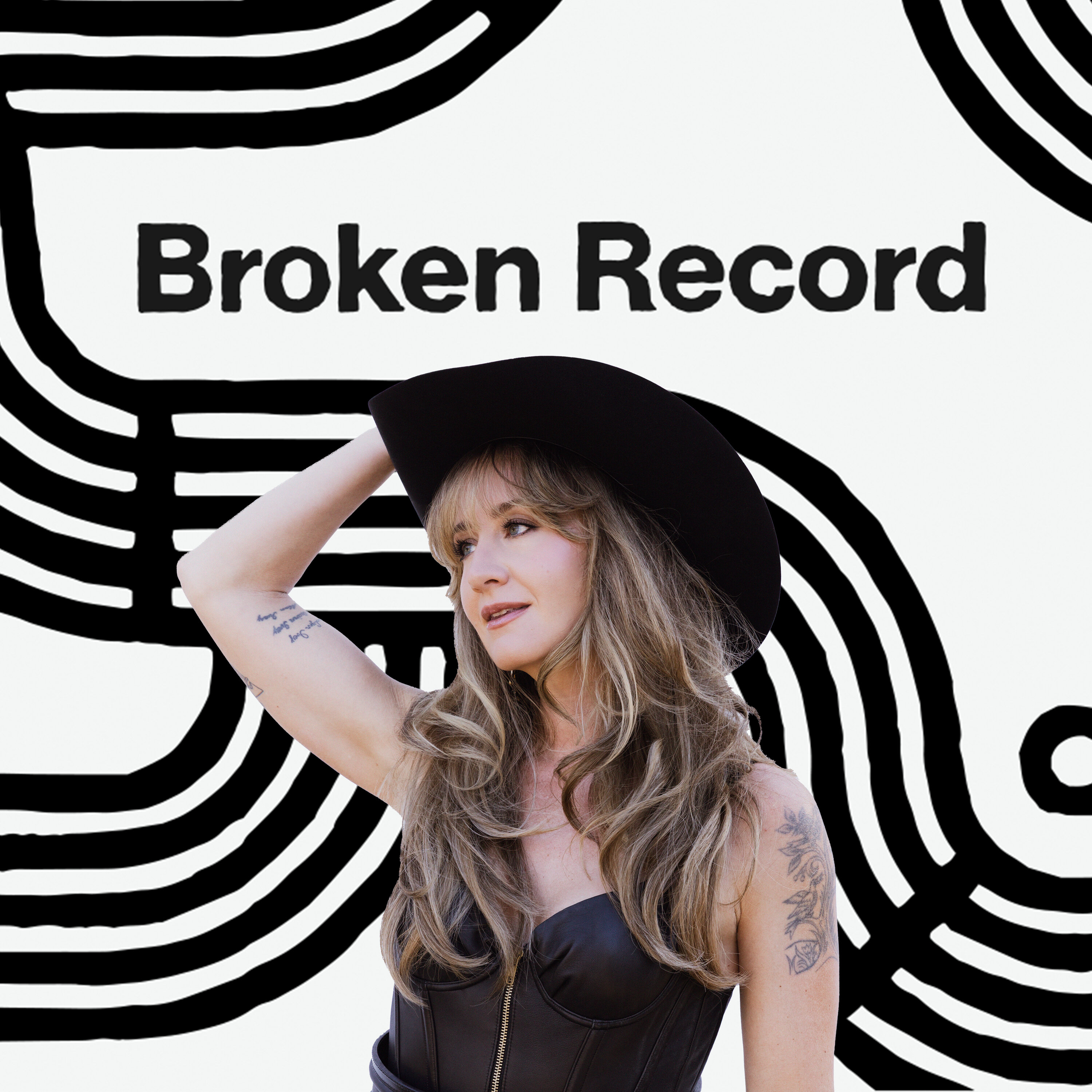


Margo Price’s new album, Hard Headed Woman, was recorded in the heart of Nashville at the legendary RCA Studio A—the very place where the “Nashville Sound” was born, and where greats like Merle Haggard, Dolly Parton, and Charley Pride have all recorded. It’s the perfect setting for Margo, who’s as much a student of country’s rich history as she is a fan of its fearless rule breakers. She’s never taken the straight path herself, a journey she tells in her 2022 memoir, Maybe We’ll Make It.
On today’s episode, Bruce Headlam talks with Margo Price about the making of her new album and her creative partnership with her husband and longtime collaborator, Jeremy Ivey. Margo also shares her thoughts on the inauthenticity of mainstream country, and why she continues to stay committed to pouring both extreme craft and care into every song she writes.
You can hear a playlist of some of our favorite Margo Price songs HERE.
See omnystudio.com/listener for privacy information.
Speaker 1: Pushkin.
00:00:20
Speaker 2: Margot Price's new album, Hard Headed Woman, was recorded in the heart of Nashville at the legendary RCAA Studio A. That's the very place where the Nashville Sound was born and where greats like Merle Haggard, Dolly Parton, and Charlie Pride have all recorded. It's the perfect setting for Margo, who's as much a student of country's rich history as she is a fan of its fearless rule breakers. She's never taken the straight path herself, a journey she tells in her twenty twenty two memoir Maybe We'll Make It. On today's episode, Bruce Headlam talks with Margot about the making of her new album and her creative partnership with her husband and longtime collaborator Jeremy Ivy. Margo also shares her thoughts on the inauthenticity of mainstream country and why she continues to stay committed to pouring both the extreme craft and care into every song. She writes, this is broken record, real musicians, real conversations. Here's Bruce Headlam's conversation with Margot Price. She starts by singing her new song Nowhere is.
00:01:23
Speaker 3: Where, nowherese Where.
00:01:52
Speaker 4: I Come from where nothing gros.
00:01:57
Speaker 3: Who's but the debuta who.
00:01:59
Speaker 5: In the dry rivers run, and the dry rivers run.
00:02:11
Speaker 3: Nowhere elsewhere nineteen ninety nine.
00:02:18
Speaker 6: House speeding down the gravel road, Passers County Line, Passmbers County Line.
00:02:34
Speaker 4: On your way down, won't you pick me up?
00:02:40
Speaker 3: If there's.
00:02:42
Speaker 5: Room enough, you'vega gus in the truck. If you go in nowhere, I could use or ride point.
00:02:57
Speaker 3: The headline south and nowhere esewhere.
00:03:31
Speaker 4: Thoughts go along between the combine clouds and the waves of doud and the miles and miles of course, and the miles and miles of course.
00:03:50
Speaker 3: On your way down, won't pay me up?
00:03:57
Speaker 7: If there's.
00:03:59
Speaker 5: Room enough and you've got gas in the truck, if you're going over, I could use a ride. Put the headlights suth in, turn the radio along.
00:04:19
Speaker 7: Will be good.
00:04:20
Speaker 4: It's gone when the sun comes up, till the highway stops and the wheel's falled in me engine russ.
00:04:33
Speaker 5: Till the pavement turns, tomorrow burns into a blaze.
00:04:39
Speaker 3: Glory, got no regrets.
00:04:44
Speaker 4: Lot of cigaree red rewrite the story.
00:04:50
Speaker 3: On your way down? Won't pie me? If there's.
00:04:59
Speaker 5: Room love and you've got guas in trouble if you go in a could use all right, what the head.
00:05:15
Speaker 6: Lot so thing?
00:05:32
Speaker 1: Margot, thank you for coming in and we're talking about many things, but we're going to talk about Hard Headed Woman, which is your new album. Can you talk a little bit about the idea you had going into this album, how it might have differed from your last album.
00:05:48
Speaker 7: Yeah, I'm so happy to be here. I'm a big fan of this podcast, by the way, Thank you so much. I really just wanted to get back to the songwriting and the storytelling with this record. And I had so much fun on the last album exploring you know, more psychedelic rock territory with Jonathan Wilson, and that seeped over into our live shows with you know, we were doing lots of double drums and I jumped back there on the drum kit and lots of jams that you know, went on for ten to twenty minutes. But I really wanted to get back to, you know, more stripped down, raw storytelling.
00:06:35
Speaker 1: Did you come in with more finished songs for this one than the last one, which was a little more experimental, a little more ragged.
00:06:43
Speaker 7: Yeah, we I mean it took a really long time for me to get in the studio. I won't go into all the details on why, but we were writing on the road. We were writing. We went out to Joshua Tree and wrote some songs. My husband and I kind of stayed in the house out there, and then ended up getting together with Rodney Krall, one of my favorite songwriters in Nashville, and wrote with him. Wrote with another friend of mine, her name is Marien Negler. So yeah, we had we did a lot of pre production for this album. We went over to the friend's house. He's got a home studio and just the band and I were laying things down and trying things out before we got into RCAA, because I did want to have a very clear cut. I think country music is more exact than people think. I think a lot of people think it's so easy to you know, to play country music whenever folk Americana, But you've got to have all the parts there and everything has to give other things space. And so there was a lot of a lot more planning with this one, for sure.
00:07:55
Speaker 1: So you mentioned Jeremy, your husband, your partner in crime, and you're writing partner. How do you guys write together? Tell me about that?
00:08:04
Speaker 7: Yeah, so sometimes we sit down and you know, completely blink slate and work from the ground up. Other times we'll go off separately and then come back into the room and show, you know, show each other the idea is. Sometimes yeah, it'll be something that like he'll have an idea for a title, and he'll throw it to me and then I'll work on it and then we'll come back together. But each one is unique in the way that it's kind of born. I think the best ones come when the melody and everything is in the words and everything's all just rapid fire. That's kind of how Don't Wake Me Up really came about. Like that. He found this notebook of mine and a poem I'd scribbled down a couple of years ago, and just was like, this is such a great poem. We should make this into a song. And so then he just started playing this very simple blues progression and we had the whole thing written like ten minutes. It was like it was so fun, you know, I felt like I could have written ten more verses to that one.
00:09:10
Speaker 1: I love that song because it's like an encyclopedia song. People don't do it those things anymore. But like I've been everywhere the old I guess it was Hank Snow did that song end of the World as we know at ori em. You know, just people just like We're just gonna It's every.
00:09:27
Speaker 7: Variation, all the places. Yeah, it really started after I was reading a Frank Stanford poem and I loved that duality of like, what's going on in the world currently and still thinking about all the places you can dream.
00:09:45
Speaker 1: I should say this is primarily an album. It's about you. It's a lot of love songs, but the outside world does kind of weave its way in and out, sometimes in really unexpected places. There's a beautiful line in one song where you're talking about listening to the jukebox while democracy falls, and it's completely unexpected. It's like an easter egg in the middle of this.
00:10:09
Speaker 7: Yeah, I think even yeah, when you're in the middle of a moment with with somebody or you know, with your family, that's kind of how it is, you know, those the dark things that they creep in there. But it's Yeah, I'm especially proud of that line.
00:10:27
Speaker 1: Tell me about meeting up with Rodney Crowell and how that came about.
00:10:31
Speaker 7: Yes, I've been covering his work for a really long time, and I think he shared a version of that I did of ain't living long like this and kind of started creeping into his world. Actually, him and Emmy Lou Harris and myself we were at a benefit and we were playing some songs, just passing the guitar, just me with the two of them. It was just so intimidating, and it was for a really good cause. And I was kind of, you know, wood shopping these tunes with them, and they were so support They were singing along like I'm close to you and on these songs before we'd even went into the studio, and I knew that was a good sign and don't wake me up. They were there in those early days and so just having them kind of building me up and going through these transitions that I've been in. I had left my managers, left my band, but Rodney was like more than happy to write with me. And really we were kind of pulling so directly from his style on like Red Eye Flight, that I thought, man, it would be killer to get Rodney on this song and went out to his house, got to hear some songs he was working on, and he helped us finish Bastards as well, and just watching him turn a phrase in real time and seeing kind of how he does it. He'd try one thing and then he'd keep taking it further, and well, what about this? What about this? He had this line in don't let the bastards get you down that he threw out I just let every time I hear it, he said, Cocaine and poontang pleasure don't make a man of measure. I said, I don't think I can sing that word in a song, but I love that you threw that out there.
00:12:24
Speaker 1: Wow, well cocaine made it in it.
00:12:28
Speaker 7: Sure did. Yeah, that was my line, mel the cocaine in existence couldn't keep their nose out of my business.
00:12:33
Speaker 1: Yeah. Well, he's a great songwriter. He is.
00:12:35
Speaker 7: He's unmatched.
00:12:37
Speaker 1: Can you think of something else in Red Eye, which I think is a great song on this album. Was there anything musical he provided for that as well? Or was it mainly lyrical?
00:12:47
Speaker 7: A lot of those chords were Jeremy coming up with those chords, but it was mostly getting the lyrics dialed in on both those songs that I don't know who you think you are, but I sure know who I ain't like that was all Rodney like twisting these things. I just love his Texas vernacular.
00:13:08
Speaker 1: Are there things you would the next time you sit down to write, You'll think, what would Is there a Rodney thing? Yeah? What would Rodney do? Is that?
00:13:16
Speaker 7: Yeah? What would Rodney do?
00:13:19
Speaker 1: Yeah?
00:13:19
Speaker 7: We had so much fun over there that day, just swapping stories with him and passing the guitar around. And he has this really old black acoustic guitar that everybody has signed. It's got Johnny Cash's name is scratched into it. And at the end of the right he had me sign his guitar. Wow, it was like a rite of passage. And I had him sign mine too. I have a guitar with a bunch of signatures. But it's just really surreal after like I said, just kind of digging into his work not only as a songwriter and a lyricist, but I'm a huge fan of his memoir China Berry Sidewalks was brilliant, and so being able to kind of have him as a mentor and say, yeah, it's okay, it's okay if you if you pull from me, all I'll go ahead and put my name on it with you. And my blessing is.
00:14:12
Speaker 1: That one of the things that inspired you to write your memoir.
00:14:16
Speaker 7: Definitely had his memoirs beautiful. I've got a big thing about whenever I get into an artist, I immediately try to go see if there's any books written on them, or even better, like a memoir. And I think the reason I wanted to write my book was really just so I didn't forget all of the all of the coming up and you know, all those like times of struggle, because I never have journals really, and it's I was using a lot of substances and drinking very heavily in a lot of my early days in Nashville, and so it's kind of like putting together pieces of a crime scene, you know. I had had to ask sometimes.
00:15:02
Speaker 1: A literal crime scene. Yes, yes, yeah, you could have the same tagline as Keith rich and his memoir, which is surprise. I remember it all.
00:15:13
Speaker 7: Yes, it was so good too. I love I've read it and then we've also listened to it on tape back when we were touring in like an astro van with my old band Buffalo Clover. We would just always have Keith Richards life on and like his voice while he's saying it, it is just so it's so fun to listen to. I just remember him being like, you know, the purest cocaine was taro it.
00:15:39
Speaker 1: But I was going to mention Merle Haggard because there was such a there's such a kind of Roy Nichols guitar sound on a lot of these songs, but starting with the first one, starting with Don't let the Bastards Get You Down.
00:15:55
Speaker 7: I really love all the tones we were able to achieve. My guitarist Jamie Davis, who's been with me since the beginning, played on Midwest Farmer's Daughter and All American Maid. He is just so thoughtful in what he plays, and it's not ever too showy. It's like melodic serves the song. Him and Russ Paul, who came in to play pedal steel, and Russ Paul's the absolute legend and has just played on everybody's stuff. The way that they had this kind of musical conversation with each other throughout the whole album, it's just it's brilliant. And I think it was fun for Russ too, because you know, there were songs where we're like, let's gritty it up, like Red Eye Flight. He had his his pedal steel sounds like a semi truck just plowing through and I don't know if he gets to do that on all all of the sessions that he plays.
00:16:47
Speaker 1: And the other one, which I think is an absolute killer, is love Me like you used to do.
00:16:53
Speaker 7: Oh thank You. That song was actually written for me by a dear friend of mine. His name is Stephen Knutsen, and I've known him for nearly twenty years. Brilliant songwriter, brilliant singer as well, and painter and just kind of all around talented human who's just working at a grocery store in Nashville, not really doing anything with his music. And he wrote a song for me a few years back that I put out. It's called it Ain't Drunk Driving if You're riding a Horse, And so he sent me this one, and I just knew I had to sing it. And you know, there's a couple of lines in there, like using drugs for the masses and rose colored glasses until we can't even see what is true. It was like, I don't, you know, I don't often want to just cover a song that maybe I haven't had a hand in writing. But he wrote it almost from a perspective of mine and just knowing me so long.
00:17:58
Speaker 1: You could also close your eyes and imagine Tanya Tucker doing it, or any of the kind of I wish she would, Yeah, maybe she, maybe she will. Here that I thought that about a lot of these songs. I know you are the artist. You don't write to have other people cover your songs. I know they have, But on this album, I thought, well, who's not going to want to cover Close to You or Wild at Heart?
00:18:23
Speaker 7: It just seemed Yeah, I wanted it to feel timeless. I didn't want it to feel like current or too old. It just can live in a space that's a forever space hopefully.
00:18:36
Speaker 1: Well that's an interesting question because I was thinking about this album, and I was thinking about, you know, people who are performing now, and I know you're not on the sort of pop end of Nashville country songwriting. I just looked up out of sheer interest, the top thirty songs on the country charts this week, and I think there were three women. All the rest were men. All the rest may have been more than Walman actually, but they.
00:19:04
Speaker 7: Were Morgan who.
00:19:05
Speaker 1: Yeah, I get the feeling. His is the album everybody falls asleep to and it just keeps playing.
00:19:12
Speaker 7: And it's got you know, each song has like thirty co writers on it. It's ridiculous. Yeah, I try to. I try to stay out of their side of town and hope stay out of mind. That's why I covered that George Jones song and just don't give a damn right.
00:19:26
Speaker 1: So that's felt like a bit A couple of the covers felt a little bit like this is you talking to your hometown.
00:19:34
Speaker 7: Yeah, I think you could even say love me like you used to. Is could be too. It could be to a lover and that's probably who was written for, but it could also be about you know, maybe fans who've turned their back on me, or maybe people who don't who don't like me because of you know, what I stand for or things I've said in the past.
00:20:00
Speaker 2: Yeah, we'll be right back with more from Margot Price and Bruce Hadlam.
00:20:04
Speaker 1: After the Break, your last album was far less country. Are you comfortable saying, yeah, I'm a country artist, I'm Nashville, this is who I am.
00:20:16
Speaker 7: Well, definitely, I've lived in Nashville longer than I've lived in my hometown or in Illinois, and it's a huge piece of my identity, of my soul and country music as well. I love it. I don't think anybody can own it. I don't think any one group of people can say this is country music. I mean, you really have to clarify when somebody says I like country music, you have to say, well, what kind? It's not cut and dry like that. And I'm not a cut and dry artist. I love so many different types of music, you know. I feel like when I started, I wanted to be like a folk singer and country and everything it all comes from the blues, even rock, and you know, it's all it's all in this great, big melting pot. And you know, I was in soul bands and had horn section and backup singers and have done James Brown covers and there's just too many things to want to just whittle myself down to I'm a country music artist. And that is why I think that the label or the genre Americana is helpful because it gives a space for people who are just we're writing, you know, story songs, We're using real instruments, we're playing from a genuine, deep down place, and so yeah, I hate labels, I hate genres, but it is a beautiful thing in a place to have Americana music. Oh, I just saw Machine Gun. Kelly came out with an album. It has an album coming out it's called like Americana Something's And we had Bob Dylan do the intro for Have you seen that yet?
00:22:10
Speaker 1: Is that really Bob Dylan?
00:22:12
Speaker 7: I think somebody confirmed it's really Bob Dylan. It's not Ai.
00:22:15
Speaker 1: Really. Yeah, At this point, the difference between Bob Dylan and Ai Bob Dylan is probably a pretty thin one, isn't it.
00:22:22
Speaker 7: Oh No, don't say that about my precious Bobby.
00:22:25
Speaker 1: Okay, Well, we're going to talk about actually your early influences because you didn't grow up in Nashville. You grew up unlike the vast majority of people who play country music. You actually grew up on a farm.
00:22:35
Speaker 7: Did Yeah. I grew up in a very rural area. Three thousand people in my hometown, and we lived outside of the town, no close neighbors and down a gravel road and all that cliched shit.
00:22:48
Speaker 1: You talked very movingly in your book about the problems that farmers were having at that point, and started with the boycott of the Soviet Union. It was interesting. I didn't know that's what led to so many of the foreclosures in the eighties.
00:23:02
Speaker 7: Yeah, it took a lot of like interviewing my family to kind of find out why they lost the farm. It was, you know, I thought at times people said, oh, it was a bad drought and there was a bad drought that year. Other times it was, oh, you know this corrupt man in town who was laundering money and is in prison now, And other people were saying, oh, no, it was because the government had us put in these green bins to dry our own corn, and then we all went bankrupts. There's so many problems, and it's so hard for farmers to make a living. That's why I feel like, even though I'm not a farmer, I connect with them because it's the same. It's like a music career. It takes all the just the perfect environment to make it grow and to make it thrive. And they're up against a lot of challenges right now, climate change, politics.
00:24:00
Speaker 1: Right. You have a lovely song that I think is about growing up there called Nowhere is Where You Come From? Tell me bit about that song.
00:24:10
Speaker 7: Yeah, I am. Every time I go back home. It's very grounding. It always kind of resets my nervous system in a way and yeah, just talking about the things that I saw growing up was you know, a lot of crop dusting planes always going overhead and just massive fields, vast emptiness. And that song Jeremy and I started writing together, and it was taking a really long time to flush out the just kind of the tagline that if you're going nowhere, I could use a ride line, and I don't know why. I just couldn't quite get the phrasing. I couldn't figure out what I wanted it to be. There's a song that is actually a Beck song and Johnny Cash covers it and it's called row Boat, and that song's like haunted me. The lyrics of it are like, you know, pick me up in your truck, go in no place. I'll be down with the gasoline, You'll be strange, you'll be far away, And that song has just like seeped into my existence. I feel like I definitely pulled a bit from that. But Morgan Niggler, who has written a lot with Jenny Lewis and Phoebe Bridges, she came over and and really helped me get that kind of cool ending that we have on it, where it like picks up and I'm happy with how that one turned out?
00:25:38
Speaker 1: And so a song like that that takes you a well, how long how long will you work on a song like that?
00:25:44
Speaker 7: Yeah, that one was a couple months of like, you know, figure some stuff out, get to a good place, and they go back and listen to it and you're like, ah, something's still not right, and try to wrestle with it again and then set it down. And I think, how long did Leonard Cohen say he wrestled with writing Hallelulijah's times when I feel.
00:26:07
Speaker 1: Like three years or vias are something? And Bob Dylan told me he wrote a song in.
00:26:13
Speaker 7: Like two hours, write his favorite song. And I think, you know, there's sometimes it's lightning, and sometimes it takes a little bit more nuance and a little bit more attention to detail. And I really wanted to get that one right because it's so sparse, and sometimes the ones with less words are are a little bit harder to write.
00:26:35
Speaker 1: Now, Leonard Cohen was the writer who he had these notebooks and he would write dozens and dozens of verses and then whittle them down. Are you that kind of writer? Do you write a lot and then squeeze it in?
00:26:46
Speaker 7: Or I go through phases phases of like being very prolific, and then phases of drought where I'm working on other things. I've been writing another book, so I go in between those mediums, and you know, sometimes I've I've got seven or eight like frames of songs working at a time, and then I won't show them to anybody for a long time, and then I'll finally, you know, sit down with usually Jeremy, it's what do you think about these? But yeah, I think it just kind of depends on the on the season of where I'm at, But I definitely have Sylvia Plath always talked about how she felt like her work was never good enough. She just had little fragments of things, like you know, she was comparing it to furniture, like oh, I've got this little chair over here, and I've got a couch over here. Like building the album is like building a whole house. So it's good to have all those fragments lying around.
00:27:47
Speaker 1: Is there always an an aha moment with a song where you go, Okay, it's now it's working.
00:27:51
Speaker 7: I think, so yeah, there's a I love when it kind of unlocks itself. Usually I think that's when you don't need to refer back to the demo to remember it. Oh interesting, you've got it in your head all day and you just you get a new song high when you know you're like sitting on something good. I think the intro to hard Headed Women, there's some lines in there that I had been kicking around in other songs for a long time, like the I've been High as Heaven and Stubborn as Hell. That's in like three different songs I wrote along the way. We did these sessions out at Rancho de la Luna back in twenty twenty three maybe early twenty twenty four, and got a song called always Leaving that I wrote with Morgan Nigeler and Jonathan Wilson, and a few other songs that were good songs, I just felt like they didn't fit with this project or like, and so then I was like, well, I can scavenge from the bones the good lines and put them in what I'm working on now. I'm only ripping off myself.
00:29:04
Speaker 1: You mentioned Leonard Cohen because he did live in Nashville for a while.
00:29:08
Speaker 7: I didn't know that he.
00:29:09
Speaker 1: Lived in Nashville, And one thing he said was that living in Nashville, listening to country music. It gave his songs a better narrative sense that they were it just wasn't this first and then this verse, but that it had some momentum going through. And I thought of that a couple times when in this album, when you were writing Red Eye Flight, which just sounds like I'm finally sick of you, I'm leaving. But then there's the line about actually being the love of your life, which sort of is a little unexpected and kind of it gives the song a lot more narrative strength because that doesn't come right off the top. It's not you're the love of my life now I'm leaving.
00:29:54
Speaker 7: Yeah, that song was when I first started writing it, it was kind of directed it a group of people, and Rotting told me I needed to narrow it down and put my finger at one person. Oh, I thought was great, and it definitely you know, my husband Can has at times had to be my punching bag on stage and I'll sing mean lines at him, you know, just for effect. But that one is a bit about our relationship, and it was also about my previous bandmates too, And it's really hard to to write a song and be mad at like six people all at once.
00:30:36
Speaker 1: It's easier to be mad at one.
00:30:38
Speaker 7: Easier just narrowed down to one. But yeah, I was coming from a yeah, larger place.
00:30:44
Speaker 1: Can you write when you're angry?
00:30:47
Speaker 7: Oh not when I'm like an eleven, not when I'm that mad. But it is a good tool for me to process emotions. And I do feel anger very strongly sometimes, So yeah, I can write when I'm angry, just not at like the boiling point.
00:31:05
Speaker 1: Does that lead to good songs? Do you think?
00:31:08
Speaker 7: I think so? I like the finger pointing songs. I like angry songs. I think like this town gets around from my you know, my first record, and even like don't let the bastards get you down, I would say angry it's angry at people. And sometimes you can't tell the people that you're mad at that it's about them. But yeah, it's a great way to just move through the emotion and just now you've felt it, now you get a move on. It's like writing the letter that you never send.
00:31:39
Speaker 1: M So, when you were growing up, when did when did music enter your life? When you were growing up.
00:31:48
Speaker 7: I was always listening to the radio growing up. I was always my parents always had a stereo system with like the record player and the console the too yours, Yeah, and we had it in the summers. We would pull the speakers outside and just always had music on. I think I probably started writing some of my first like songs and poems. I was very young, I don't know, like six seven eight. I would just hit record and play on a tape recorder and I would just sing things a cappella with no accompaniment. I started piano lessons probably around that age as well, maybe like seven eight, and I was learning, you know whatever my piano teacher wanted me to learn. But when I got the guitar, that was really when it picked up. And that was like twelve thirteen. Right around that time I started playing the guitar and really getting serious about the songwriting.
00:32:48
Speaker 1: And was there a moment that you said, maybe this is my life, Maybe this is what I'm gonna do.
00:32:54
Speaker 7: I vividly remember the guidance counselor coming into classroom in elementary school and passing everybody a sheet and you had to write down, you know what you wanted to be for career day. You could leave school on this day and go work at whatever trade you chose. And I think I wrote down like Broadway actress or you know, singer something and missus erdman. She said, no, that's that's not a job that you can choose. And I went home and I was pretty crushed, you know. I told my mom, like, wow, she said, I can't do this. And so my mother fought really hard for me to go to this theater in the Quad Cities near where we lived, somewhere in like brock Island, Illinois, and I got to go shadow some actress that was working in the theater.
00:33:48
Speaker 1: That's an amazing story. Yeah, good your mom.
00:33:51
Speaker 7: Yeah, she was like, well, absolutely, you can do that if you want to. That's of course it's a job. But then when college started rolling around, everybody was like, well, but you got to go to college. You know, my father didn't have the luxury of going to college, and they were like, we're going to pay for it, and you're going to go. And so off I went to NIU Northern Illinois University, and after a couple of years of just being bored, not showing up to the classes, and drinking too much, had a psychedelic mushroom trip and I just decided that I wanted to be a musician. That was at twenty and I dropped out of school after my sophomore year and moved to Nashville.
00:34:40
Speaker 1: And who are your influences at that point when you were.
00:34:42
Speaker 7: Writing loosen To Williams, Gillian Walsh, Fiona Apple, Like I already said Leonard Cohen, I've already mentioned Bob Dylan, Joan Bias. I think every woman that picks up a guitar wants to be Joan Bias.
00:34:59
Speaker 1: Is that right?
00:34:59
Speaker 7: At least that's how I feel. That's Emmy Lou Harris told me that too. She said that's that Joan was the reason she picked up a guitar.
00:35:06
Speaker 5: I liked.
00:35:07
Speaker 7: I liked Jules first rec. I loved Pieces of You when that came out. I just thought that was one of the first songs that I that I learned how to play on the guitar was Pieces of You. And I sang it at a county fair. I was in sixth grade and I won first place.
00:35:23
Speaker 1: Good for you. That was also that was a good time for women's music. It was really much all over the radio.
00:35:31
Speaker 7: Absolutely. I mean I loved Alanis Morissett too, Like there was so many people, I mean in Fiona Apple as well. I just I was obsessed with Fiona Apple. Every record that she put out, I mean, go pick it up. And I'm so glad I had them to look up to. And that's what I think the real problem is with country music today is that there are an incredible amount of women in country music right now. They're writing the best songs, they're making the best records, but it seems they always just get one that is kind of let in to the room and to be on the radio, and then the rest of us have to kind of fend for ourselves.
00:36:11
Speaker 1: I know, there's no question all the best writers now are women and country music absolutely, We've interviewed lots of them. Yeah, Mary Goche now, she's love.
00:36:20
Speaker 7: Mary Gachet actually did a writing session with her not too long. How was that amazing? She's her and I have a lot in common and had a lot to talk about, so I think we talked for nearly two hours before we picked up the guitars and started writing. But she really puts herself into her songs, and she's not afraid to, you know, the self deprecation or the vulnerability that I think it takes to really write something that breaks your heart and hopefully breaks the person's heart listening to it.
00:36:51
Speaker 1: Well, her album The Foundling about being Adopted is just an amazing I have a friend who is adopted and struggles with it in a way, and it wasn't until I heard her album I really kind of understood his those feelings.
00:37:05
Speaker 7: I think Gillia Wels does such a great job too of kind of sharing her experience as you know, like an I'm sure you feel like an orphan your whole life. My husband as well, he was adopted. He's got a great song called Orphan Child. Yeah, it's a lot to process when you grow up and you don't know who your family is.
00:37:24
Speaker 1: It is interesting that when you grew up there was in almost every kind of music like that's when Hole was big, and in alternative music it was Liz Fair was like totally everything.
00:37:37
Speaker 7: Yeah, I mean Lilith Fair was huge, you know, I think it was. It felt like a very liberating time to be a woman, and but then you had what would stock to happen, like, Okay, maybe we're not as far as we think, and obviously now just going backwards. Yeah, Unfortunately, one.
00:37:58
Speaker 1: Of the influences you talked about in your book really surprised me. It was the Kinks really Well, it's not that I don't love the Kinks, I do, but but there's so sort of arch and English and class obsessed. What was it about the Kinks that you loved so much?
00:38:17
Speaker 7: I think it was all the things you just said. I loved that they were class obsessed. I loved that they made albums that were about things other than love and I you know, they're the underdogs of the brit rock scene. They they didn't have the opportunities that the Rolling Stones or the Beatles did, and I think that's one of the reasons why I really gravitated towards them. Dead End Street, all those songs like we Lived in those albums, Lola Versus Powermanned Money go Round, talking about you know, like where all the money's going when you get signed, and stuff like that. Like that has absolutely still seeped into who I am. And I think even that first record, Midwest Farmer's Daughter, I was talking about some of those things. I've got to see Ray when he played in Nashville, and he did a record in Nashville with one of my friends, and I was trying so hard to get in there and meet him. This was like seventeen years ago or something and Muswell Hillbillies, like they were so obsessed with like Southern culture, you know, even during that album cycle. And it's really cool to hear how that kind of echo chamber goes back where it's like we're influencing brit Rock and they're influencing us, and it just I love it.
00:39:44
Speaker 1: And I mean the song Waterloo Sunset probably one of the greatest songs.
00:39:47
Speaker 7: So good and like Strangers, that song destroys me.
00:39:53
Speaker 1: Yeah. Yeah, there's a good song on this album. I think that about that period in your life called Losing Streak. Yeah, so tell me about that.
00:40:03
Speaker 7: Yes, that song is a pretty exact story of what was going on in those days and in my twenties. And I loved being homeless. I loved having that struggle of like, oh, okay, I'm going to have to sleep in my car at the state park. I don't know. It was just really whatever I had to do to not move back in with my parents and bruise my pride and let them know it really wasn't working out so great.
00:40:34
Speaker 1: Did you faith that whole time that it would work at.
00:40:39
Speaker 5: No?
00:40:41
Speaker 1: Really what kept you going because most people would have dropped out by that point.
00:40:45
Speaker 7: Even now, and even if all you know, if Jack White had not scooped me up out of my obscurity, I would like to think I would still be writing songs and playing songs and making music. I mean, I might still have to have like a straight job, but it's just such a huge part of my identity, and like I said, it's my emotional processing and everything kind of goes through that. Done a lot of work with my therapist to kind of figure out where like musician Margo ends and the other one begins, because it's it's just very deeply wrapped up in who I am.
00:41:23
Speaker 1: Don't do too much therapy on that. You want to you want to keep the creative juices flowing.
00:41:28
Speaker 7: And she moved to Kansas City, so I hadn't been.
00:41:30
Speaker 1: Thank god, thank god, you won't be cured. That's the important thing.
00:41:35
Speaker 7: Oh there's not a chance for that. I don't think I have the funds.
00:41:40
Speaker 2: Well, last break, and we're back with Margo Price.
00:41:48
Speaker 1: You tell a funny story about I think a great uncle you had who was a songwriter, and I think a pretty successful one, wasn't he.
00:41:57
Speaker 7: For absolutely, he's still in Nashville. He's still sharp as attack. I just went over and wrote a song with him a couple months ago. Really that turned out beautifully and I'm definitely going to record it. His name's Bobby Fisher, and he moved to Nashville in his early forties, left his job. Him and his wife moved down there and she kind of supported him as a nurse until he got his foot in the door. But he hung out at Tootsi's with all the degenerates and you know, hung out with Roger Miller and ended up getting you know, George Jones Cuts and Tanny Tucker and Charlie Pride and just the list goes on. It's it's really impressive. But when I moved to Nashville, I think that my mom and my family kind of everybody thought like, oh, maybe maybe uncle Bob will plug you in, get you in the studio and get you an album deal. And so I went over to his home and I, you know, i'd only really met him like a few times in my life when we passed through Nashville on vacation. But played him some songs and he sat there and listened, and when I finished, he said, well, you know what you need to do, don't you? I said, no, what do I need to do? And he said, well, you need to need to get rid of your TV, you need to get rid of your computer, and you need to just you just really need to sit in your apartment and just write and just keep writing and just don't stop writing because you're not there yet. And that hurt, as you know, as a twenty year old who just thought that I was already great, it really really hurt. But it was exactly the tough love that I needed.
00:43:50
Speaker 1: And did you take his advice?
00:43:51
Speaker 7: I did? I did. I started going out to like every writer's round in Nashville and would go, you know, sign up on the list.
00:44:01
Speaker 1: And explained to people what the writer's rounds are.
00:44:04
Speaker 7: Yeah, writers round is like usually they're in a bar or like a little list room or a club, and it'd be like, oh, you know Wednesday nights like New Faces Night or whatever, so you can come out and you got to get there early, so you got to sign up on the list, just kind of like karaoke, but you know, you bring your own guitar and you bring your own songs. And there was this place that we went we started frequenting. It was called the Hall of Fame Lounge, and it was in a Best Western right down on Music Row. The inside was decorated like cracker barrel or something. It just had like all these chotchkeys and knickknacks and antlers and things up on the wall. And everybody there that was playing was like forty to seventy years old, and I was twenty. I don't even think I could drink at the time, but I would hang out there and I would hang out with all those old people, and they would buy me beers and I would just sit and study. Like what it was the audience reaction to, you know, somebody who finished a song or say a line. It was like, what makes the song good? What makes it memorable? And that was in lieu of like going to Belmont University and getting a degree in music, or you know, going to Berkeley. I just cut my teeth around town.
00:45:21
Speaker 1: At the Best Western, at.
00:45:22
Speaker 7: The Best Western Hall of Fame Lounge.
00:45:24
Speaker 1: Mm hmm. You said at the time you were writing a lot of minor chords. Sylvia Plath lyrics on this album. You mentioned in some of the publicity stuff you said, I want to do a one, four or five song. I want to go back to that very basic sound. Tell me about what you were thinking when you said that.
00:45:47
Speaker 7: Yeah, the three chords in the truth, you know, cliche that you find it's so true. Sometimes sometimes you only need one chord. If you've got a melody and a hook, that's good enough. I think my husband, he can be quite cordy with things that he does. He's just got an incredible knowledge of, you know, how the guitar works. And I find that so many of the songs that I've kept in my catalog and the things that I play on stage that are older, a lot of times they are just the just a one four or five, and you know, you don't have to reinvent the wheel or like make something that has never been done before. I think building off of tradition and going back to these prolific songwriters like Christofferson, who definitely pulled from his vernacular on like Losing Streak. But it's a very I mean, those chords are they're one four or five. There's there's no magic tricks going on there.
00:46:52
Speaker 1: Although the magic trick is that it is a one four five, isn't it? That always amazes me. Sometimes I'll hear songs and I'll think, I wonder what that progression is, and I'm like, oh, it's a one four.
00:47:02
Speaker 7: Five less can really be more? Yeah times Yeah, but.
00:47:06
Speaker 1: It can sound so different and it's it's it's sort of disarming.
00:47:10
Speaker 7: Yeah. Yeah. I mean I do love, you know, doing a key change, having like a lift that happens so subtly you don't quite notice. Like on I just don't give a damn that last chorus moves up.
00:47:26
Speaker 1: Yeah, you've got a modulation, yeah.
00:47:29
Speaker 7: Or even like kissing you goodbye. I think we added a really fun chord. Sometimes I don't know chord names, but I know how to play him like a kissing you good but I like, I don't know if the original had this in there, but it just adds passing chord, a nice little passing chord.
00:47:51
Speaker 2: Yeah.
00:47:51
Speaker 1: Yeah, So your husband is the he's the coord nerd.
00:47:55
Speaker 7: He is a little bit more of a chord nerd. And I mean, you know, I know my circle of fifths and I there's definitely been times where I've been able to kind of break through something that's never been done, Like Hands of Time is an A but the chorus goes down and modulates down to G and when I initially wrote that song. My husband said, I don't think that works. That doesn't sound right, but it gives the illusion that you're that the key is being moved up because I'm jumping up into like my belting voice, but I'm actually moduling down. Yeah, I love it.
00:48:33
Speaker 1: It was such a great trick, isn't it when when you think it's going up, but it's going down. Yeah. It's like a little counterpoint with chords. You said in your book, that was the first the first time you said okay, now that's a song.
00:48:47
Speaker 6: Yeah.
00:48:49
Speaker 7: And I really wasn't writing it for anybody but myself. It was really just like I didn't have a therapist back then, and I needed to get some things off my chest. And there's a lot of subliminal lines in there that you know, I say, like the men they brought me problems and the drinking brought me grief. I don't exactly go into exactly what my men troubles are, but it was, you know, just every line of that song, it was it was therapy, and it was finally me just saying like, okay, I'm I'm a loser musician. Nothing's happened for me, and this is where I'm at and people loved it.
00:49:33
Speaker 1: Were you conscious of those thoughts when you were writing it? Or is that something you looked back later and said that must have been what.
00:49:39
Speaker 7: I was feeling conscious of, like being self degrading, or like.
00:49:45
Speaker 1: Yeah, what you just said, like here's a song about me is the loser musician?
00:49:50
Speaker 7: I think I really had just reached a breaking point. I remember so many times we would go on tour with my band Buffalo Clover, and we'd you know, set up a little weekend run and we come back, we hanging out in the bar and you're, you know, your friends ask you like, how is the run? How are the shows? How's the turnout? Oh? It was right, you know, you just lie through your teeth. Oh yeah. Everybody loved it. And then kind of at a certain point it was just like, man, this is this is not going the way that I wanted to. And it just felt like I just took off a heavy coat and was like, all right, this is who I am, this is where I'm at now, and not be afraid to look at myself in the mirror.
00:50:33
Speaker 1: Interesting, you had no money back then, This is what fascinated me. But you were determined that you were going to record your first album at Sun Records, and you managed to do it. I don't know how you knew somebody who could pick a lock or something. I don't know how you did that. Now this album, tell me about the recording of it.
00:50:53
Speaker 7: Yeah, well, yeah, the first album, we pawned a car, ponned a bunch of stuff so we could go in there. And it was luck that we got to do it because I ended up some of the money from the pond items had disappeared, and so then I had to borrow money from a guy who owned a pizza shop to pay for the rest of it because the check to Sun bounced. Anyway, I digress this this album.
00:51:19
Speaker 1: You know, it was probably not the first bounced check they've ever had. Yeah, I'm guessing.
00:51:24
Speaker 7: I need to reach out to that guy. Yeah, this album' You know, I've never recorded a proper record in Nashville as a solo artist since taking off. I have recorded, you know, in my twenties and stuff. We recorded at studios all around Nashville with my bands. But I've recorded at RCAA in the past. And I went in to do the song with billy strings two Stone to Cry, and I just was so blown away with how it sounded in there. I mean like we were all in the room live, playing everything live, and we had some you know a couple of dividers like blocking the sound. But it was amazing because if you didn't like anything and somebody needed to, oh I hit a wrong bass note there, you could go in and just punch it. Because the way that studio is built, it's just it's perfect. And the history that's there, just all the songs, all the artists that have recorded there. It's where you know chud Atkins like Refine, the Nashville Sounds, where Willie and Whalon and Leon. You know, we're making records that defined the outlaw movement. And also just knowing that Dolly Parton recorded nine to five and Jolene there. It was all those things. I just wanted to like pick up that energy. And that was how it was when we were in Sun as well. It's like, Okay, I'm in the room where Elvis was. I'm in the room you know where Johnny Cash saying these songs. And late at night when we were working at RCAA on Hard Headed Woman, sometimes you would you would hear noises and there would be nobody else in there, And I'm not saying that it was haunted, but I'm not saying it's not haunted all those ghosts and all those prolific recordings that were made there. I just I wanted a piece of that.
00:53:20
Speaker 1: Does the room change how you record, how you sang?
00:53:24
Speaker 7: Yeah. One of the main things I think about this album is the vocals that we were able to achieve because I was just alone in this massive room doing the vocals, and we didn't have to use like an echo chamber, we didn't have to use a lot of like reverb or things in post because it just sounded great right off the bat. We spent a lot of time and a lot of money, but I don't regret it. I really in the past, I've I haven't rushed things, but I just didn't have the budget always to spend all the time on all the extra little accouterments and the minutia. And like I would go back, I would listen to mixes and say, I've got to hit that vocal again. I can do that better. I know it. And really we went and made the record last June, and then the band and I went out. We went on tour with Tedesky Trucks, and we played all these all the songs that we recorded, and during that time, I was like learning how to sing them better.
00:54:24
Speaker 6: You know.
00:54:25
Speaker 7: I think a lot of times it's like people make the record and then they go out and tour it, and then you've got all these other ideas of like, oh the melody could have actually went here and it would have been more effective. So that was really crucial. And you know, I had all these ideas, Oh, I'm going to get this record out like spring of you know, twenty twenty five. That was the goal. And now here it's like, well it's August, but this record's going to be around forever. And there's not one single thing that I would say, oh I want to go back and do that different. It's exactly the way I want it.
00:54:58
Speaker 1: Those are things you can do with your voice now that you couldn't do earlier in your career.
00:55:02
Speaker 7: Absolutely, I think being in the studio is such a different than singing live. And I've been working with a vocal coach on and off. His name is Rob Stevenson. He's just transformed the way that I think about singing and also just giving me a lot of different vocal warm ups and scales and things to do. And also I think in my early days you're kind of impersonating people the records that you've heard, other singers that you've heard. It takes a really long time to refine your sound. And of course some people just come out of the gate and you know, like Johnny Cash or something. It's like piecings Like Johnny Cash, his voice is there, everything's there. But for me, at least, it's been a long, arduous process of figuring out exactly who I am, who I want to sound like.
00:55:57
Speaker 1: And you've got a new band I do, and what's that like.
00:56:00
Speaker 7: It's amazing to have some fresh energy and just different ways of doing things. I've got some incredible singers out with me. There's this guy who sang all over the record. His name's Logan Ledger, and he's just got like a George Jones type voice where it's like he's just so gifted. And him and Rodney sang harmonies on Don't let the Bastards Get You Down and Red Eye Flight, and I just after I had him on the recordings, I just kept thinking, like, man, I've got to I've got to get him out on the road with me, and so, yeah, he's been out touring with me. I've got a fiddle player. I just I really wanted to switch up the instrumentation. It was time for a change.
00:56:49
Speaker 1: The fiddle opens this album. It seems like a real statement.
00:56:53
Speaker 7: Yeah, the intro I came intact on later. That was like one of the last things that I recorded, But I knew that it needed something. And it's crazy because it was like, first the album was going to open with losing streak and I had a sequencing is so challenging, I think, But once I had that that intro piece, it was like, all right, everything feels cohesive Now.
00:57:16
Speaker 1: It almost feels because of the shortage production. I hate to say concept album, but I mean a concept album in the way the Kings used to make them.
00:57:25
Speaker 7: Yeah, well, I mean I keep pointing back to Redheaded Stranger. I mean I almost call it hard Headed Woman. It's like the same amount of silverles got headed in the middle of it. Yeah, which is like obviously the most incredible concept record of all times. And I did want it to have a really cohesive feel where it's like, Okay, everything supposed to be exactly this way.
00:57:51
Speaker 1: So tell me about your choice of covers.
00:57:53
Speaker 7: Yes, this Waylon Jennings tune that we interpreted here was passed to me from Jesse Coulter, who was obviously married to Whylon Jennings for a good long time, and I produced a record of hers. Gosh, it's been about six years ago now, and her and I were looking through this old suitcase of Whelan's, like all these songs, just songs he'd written, songs people had given him. I was so thrilling to rifle through there. But she said, oh, I've got this song so fun. It's called get your Tongue out of my Mouth I'm kissing you goodbye. You know, it's like the line in it, and she goes, I can't do that song, I'm too old, but you should do that song. And so I've literally been thinking about covering this song and doing this song for like six or seven years. And it just has such a like Loretta Lynne type feel of like don't come home and drinking or you know, just I needed a song like that. I changed a few of the words because it was actually inspired by Waylon Jennings lawyer slash drug dealer's ex wife. So she said, you know, she was really her. Jesse was hanging out with Whylon and said drug dealer and the ex wife, and he tried to give her a kiss and she said, gets you chunge out of my mouth. I'm kissing goodbye. Whylan went wrote the song, but it's kind of more aimed at like a woman. He's cutting her down by talking about her peroxide hair and this and that. I changed it to like your polyester suit. And that's one that I always like to to direct at my husband's you know, when we're on stage. It's fun. It's such a fun song.
00:59:36
Speaker 1: It feels like it's directed at the music business.
00:59:39
Speaker 7: Yeah, absolutely, it absolutely could be.
00:59:43
Speaker 1: Yeah, everybody you met in your book, like who said, I don't think so.
00:59:49
Speaker 7: Yeah, we picked up the temple on that one. It feels like a I mean when you hear Whyaln's got a version of it and it's just it's laid back and whatever, but like me and the band be tear into it. It feels more like punk than even country.
01:00:04
Speaker 1: And then the George Jones song, Yes.
01:00:06
Speaker 7: I just don't give a damn. This song I became I'm obsessed with. There's a podcast that I love. My friend Tyler Mayhanko does. It's called Cocaine and Rhinestones, and he has a wonderful book as well, and he played he does. His whole second season was about George and Tammy. And when I started getting ready to do this record again, I saved the podcast so I could listen to it during this time and when I was really focused and at home and writing, and I'd never heard this song and George does it super slow, so again we up to the tempo. I love the guitar riff that my producer, Matt ross Spang came up with that it just opens it and it feels very like Jolene goes to Memphis or something. It's just got this lick that just sticks in your head. I'm sure he you know, he was singing it probably did Tammy or whatever when he wrote it. It was written George wrote it with a guy named Jimmy Peppers. I just think it's the best name. But I I've just reason that if ever you try to call me, you know, I'll be on my side of town. I feel that in my bones. It's like I'll be over here. You guys can do your thing over there.
01:01:21
Speaker 1: Just mm hmm. Leave it. At that that East West Divide in Nashville.
01:01:25
Speaker 7: Right that river right there, that Cumberland River.
01:01:28
Speaker 1: Yeah, keep on your own side. Well, thank you, it's been wonderful talking to you.
01:01:33
Speaker 7: Of course, I'm so grateful.
01:01:38
Speaker 2: In the episode description, you'll find a link to a playlist of our favorite Margo Price tracks, as well as her latest album, Hard Headed Woman. Be sure to check out YouTube dot com slash Broken Record Podcast to see all of our video interviews, and be sure to follow us on Instagram at the Broken Record Pod. You can follow us on Twitter.
01:01:55
Speaker 1: At broken Record.
01:01:57
Speaker 2: Broken Record is produced and edited by Leah Rose, with marketing help from Eric Sandler and Jordan McMillan. Our engineer is Ben Holliday. Broken Record is a production of Pushkin Industries. This show and others from Pushkin consider subscribing to Pushkin Plus. Pushkin Plus is a podcast subscription that offers bonus content and ad pre listening for four ninety nine a month. Look for Pushkin Plus on Apple podcast subscriptions, and if you like this show, please remember to share, rate, and review us on your podcast app. Our theme music's back Anny Beats.
01:02:30
Speaker 1: I'm justin Richmond.

