Annahstasia

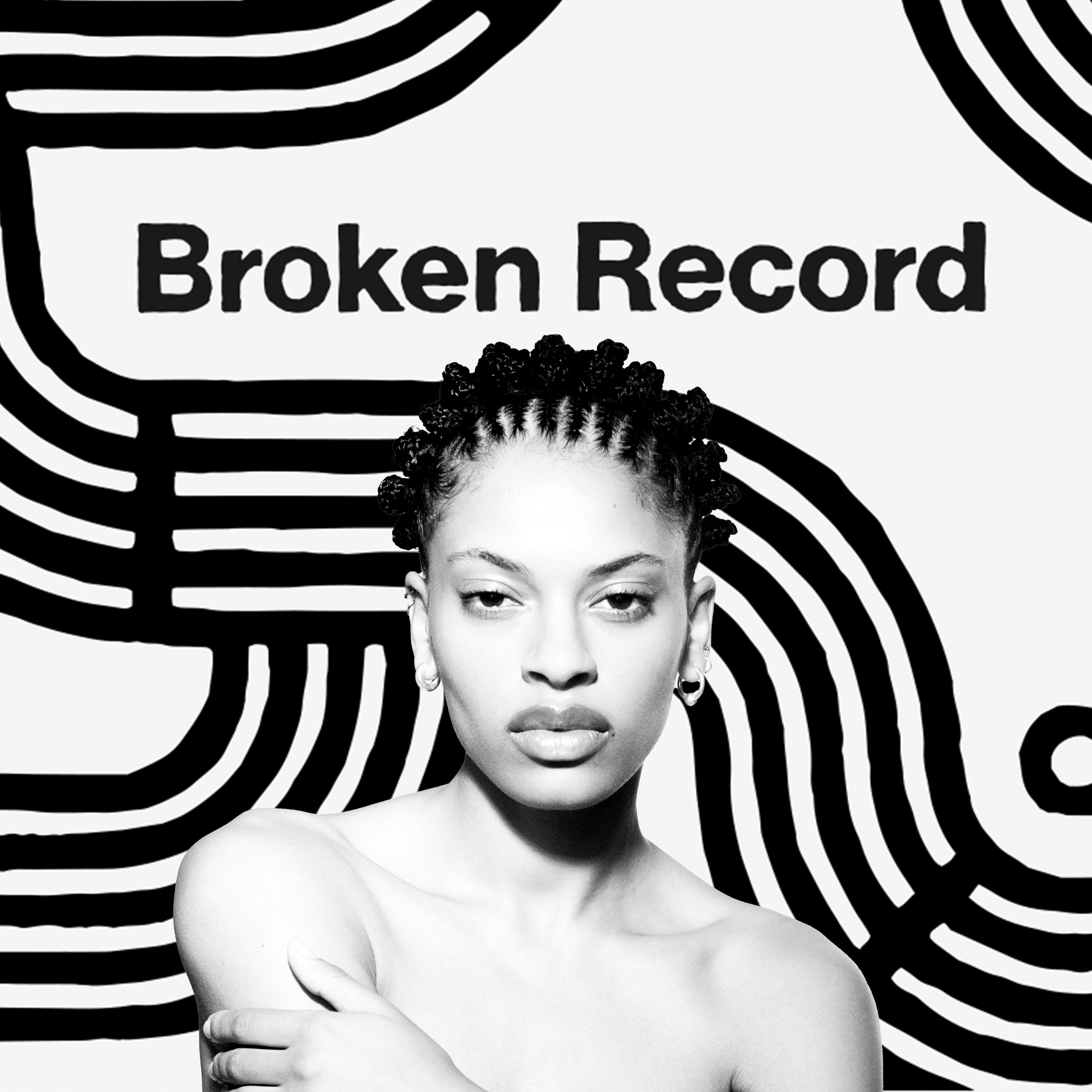


Soaring, lush and steeped in soul, Annahstasia has a voice that feels distant and intimate all at once. She was scouted in high school for a career in pop music but after some strange dealings set out down the road of self discovery.
You can hear what she uncovered about herself and her artistry on her serene new album, Tether. The album was recorded live in studio and is stripped to the bone allowing her voice and poetry to shine through unencumbered by any hint of pop production.
Justin Richmond spoke to Annahstasia about her journey through music, which includes earning a four-year degree, opening for the great Lenny Kravitz, and co-starring in Kendrick Lamar’s “Luther” music video.
You can hear a playlist of some of our favorite Annahstasia songs HERE.
See omnystudio.com/listener for privacy information.
Speaker 1: Pushkin, soaring, lush, and steeped in soul. Anastasia has a voice that feels distant and intimate all at once. She was scouted in high school for a career in pop music, but after some strange dealings, set out down the road of self discovery. What she uncovered about herself and her artistry you can hear on her serene new album Tether, easily one of my favorites this year. The album was recorded live in studio and is stripped to the bone, allowing her voice in poetry to shine through, unencumbered by any clumsy production. I spoke to Anastasia about her journey through music to this album, which includes earning a four year degree, opening for Lenny Kravitz and co starring and Kendrick Lamar's Luther music video. This is broken record, real musicians, real conversations. Mhmm. Before getting into the conversation, here's Anastasia performing her song Satisfy Me.
00:01:28
Speaker 2: Ah through the craven that you won't have they a very good time.
00:01:43
Speaker 3: I wonder where you so you didn't have.
00:01:49
Speaker 4: The answers all alone?
00:01:57
Speaker 3: And you wonder treads so lightly over mountains.
00:02:06
Speaker 2: And rivers and valleys, dolls.
00:02:12
Speaker 3: And you under.
00:02:16
Speaker 5: I gets sorry.
00:02:19
Speaker 3: As of history is in no way repeeding.
00:02:25
Speaker 6: So.
00:02:31
Speaker 5: Satisfied, me.
00:02:38
Speaker 3: Satisfying. How called you all a bad day?
00:02:53
Speaker 4: I think you chose realized kind of game we have to play. How am always looking for the upside?
00:03:07
Speaker 3: Trying to stay off line? When for the world to breathe?
00:03:16
Speaker 4: And you wonder why see sky? It's because of money outside and I'm looking, and you wonder I dream so freely. It's because I'm never ever really all that's sash fine.
00:03:49
Speaker 5: Satisfied, silence, FI satisfied.
00:04:20
Speaker 1: Oh man, you could say anything. Lyrics could mean anything, you know. Oh my god? When did you figure out you had that voice? This voice, the voice that you have, it's like the most gorgeous voice.
00:04:40
Speaker 6: Well, I mean it developed over years, but the first time I realized I could sing somewhat was when I was fourteen and I did a school talent show and it was mostly everybody else's reaction. I was like, well what And my voice has dropped much since then, So I think that was the first time I realized I had a tool that I could wield or begin to home.
00:05:10
Speaker 1: Wow. So before the talent show at fourteen, were you interested in singing. Did you sing a lot or no?
00:05:18
Speaker 4: No.
00:05:18
Speaker 6: My parents aren't musicians, and they're both in creative field. They're they're in fashion. And I didn't really have any particular interest in singing or music or anything. And the way that I thought, oh, maybe, well I wonder if I can sing is actually kind of messed up. I went to this school that was predominantly white, and a lot of the kids would bully me because probably was the first black person that they had ever seen, and one of the lung the many stereotypes that were shouted at me. They were like, they would ask me to sing, like at lunch or after school, and they call me a jukebox, and they like, sing us a song, jukebox, sing us a song. And of course I would never sing for them, because you know, I'm not I'm not a pantomime. And but for some reason, like became a warm in my brain and I went home and I I was like, let me just try and sing something. So I think I first song I tried to sing was Whitney Houston's I Want to Dance with Somebody of the songs.
00:06:33
Speaker 1: Ever, I love that song so much, But that's wild that that was the first song you chose, I'll say that you couldn't have picked the worst starting point. Though it's all worked out.
00:06:45
Speaker 6: It was very hard to sing and not in my my range at all. Even at that point. It was too high for me, and I think I I learned it fully, but I was like, this doesn't feel quite right. So the song I learned after that was Valerie Amy white House's version, and that's the one I performed at the talent show and you know, everybody their socks that day because they're like, oh wait, she actually actually you actually can't sing. And yeah, that's how I fell into that. And then my music teachers at school kind of took me under their wing and taught me vocal jazz. I was a musical theater. It was just wherever I could get some sort of music education through my school, I did because there wasn't like money for extracurricular and stuff, so I just learned that way for many years.
00:07:32
Speaker 1: What was your parents' reaction to you, to my voice, to your voice?
00:07:38
Speaker 6: I think they were surprised. I can't remember. Oh yeah, my dad, when I first started writing songs, I think I played one for him and his reaction was eh, you're pretty good. You should write twelve more. And I was like, twelve, Like I just for one and it felt like the hardest thing I've ever done. He's like, yeah, but if you're serious about it, you should write twelve more. And if you'd write twelve then I'll take you seriously. Until then, I'm just going to assume this is a hobby.
00:08:09
Speaker 1: Wow.
00:08:10
Speaker 6: And so that was his reaction. My mom was a lot more generally supportive, you know, showing up to any performance that I had and always always being very proud of me and smiling from the sidelines. But it wasn't like they're not showbiz parents. They're not the type of parents that like, just because I was good at something, I was now suddenly like we're going to try and you know, make a buck off this kid kind of energy. So it was really left up to me if I wanted to pursue that. They're like, oh, that's cool. You have that gift that they left me to figure out what to do with it.
00:08:48
Speaker 1: Was that a typical response from your dad? Like that kind of is that how he sort of oriented?
00:08:53
Speaker 6: Ye, He's like a very serious artist. So he was like, if any of my kids are going to be artists. I need them to understand what that means, like what that role in society and in the world is. What it is to be an artist. It's not like a it's not a light thing, it's not a casual thing. It actually comes with a lot of responsibility to observe and distill the world, and then also honing your craft and your ability to execute an idea from thought to fruition. It's like it's something that I was taught at a young age and taught to take very seriously. So I think it translated into my music to all my other mediums, like that dedication to process and to craft. Yeah, just so I can feel like I'm doing my job as a artist.
00:09:42
Speaker 1: How old were you when you when you brought that song to your parents?
00:09:45
Speaker 6: It was fifteen.
00:09:46
Speaker 1: Fifteen, So what do you do at fifteen? And says, right, did you write twelve more? Did you?
00:09:51
Speaker 7: No?
00:09:51
Speaker 6: I didn't write twelve more. I think I got to like seven, but none of them were as good as the first one. So I got discouraged. And then I was doing covers with my friends and like a you know, high school band kind of thing. We were singing a lot of Bill Withers and read out Chili Peppers and Pink Floyd and shit, and I just went into study mode. I was like, actually, I don't know enough about writing songs to be writing songs yet. That's what I realized.
00:10:22
Speaker 1: Did you have an ideal at that time when you're like fifteen sixteen of like what a songwriter was or what a song a good song was?
00:10:30
Speaker 6: Yeah, I mean my reference point was Bill Withers and Nina Simone. Those are my two favorite songwriters at that chapter. And so yeah, the bar was definitely said high.
00:10:43
Speaker 1: It's a high bar, but a good bar. That's a good bar. Yeah, both, and both really different because Bill is so Bill Withers was so matter of fact indirect, there was no and it wasn't about he had I mean, he'd every once in a while like have a vocal run that'd be like stunning, but he was even his delivery was pretty just matter of fact, folky. He didn't want a lot of wisdom in it, you know. And Nina could just you know, great songs, great pick picked great songs, but then also could similarly maybe to you like she could also just sing nonsense and you're gonna be even raptured, you know, it's.
00:11:20
Speaker 6: Like, yeah, yeah, she had this like yeah, like you put you put it very plainly. It's like Nina had this magnetism and it was for me the way that she performed the songs, that's what I was learning from her. Yeah, because yes, a lot of the songs were picked as she wasn't writing them, and her the way that her voice made those songs come alive in a way that when other artists sang them it just wasn't the same. Yeah. I learned from her theatrics in that sense of the importance of dynamics and tone and the presence that you bring to a word or to a form. Yeah, the emotion that you bring to it and what that actually is when you break that down technically. And then with Bill, where there's yeah, exactly, a very matter of fact storytelling, like Okay, this is the history. Yeah, and there's not a lot that gets in the way of hearing the story, which I think is really important for songwriting. It's like balancing the poetic language with here's what happened, Here's what I want to tell you, and then delivering it in a way where people feel your words as well as hearing them.
00:12:32
Speaker 1: Yeah, do you think of yourself in any way it's theatrical?
00:12:36
Speaker 6: Yeah, yeah, gently so.
00:12:39
Speaker 1: Gently so in life or only in song.
00:12:46
Speaker 6: I think I live cinematically, Yeah, more cinema than the theater. Theater I associate with like a dimension. It's like there's so many there's planes, where a cinema is more five D. It's an experience, or a theater. It's like you are viewing something and there's a front stage, there's a backstage. There's like literally layers, whereas life to me feels more like a movie with infinite camera setups and and plot lines and options.
00:13:19
Speaker 1: It's the magic. It's like, it's the magic you get from a movie. That's what you feel in life.
00:13:24
Speaker 6: That's what I feel in life. But that's what I's what I pursue in life. I think it helps me, Like as a songwriter, if you're you live in that mentality of like your life is an unfolding story, then you're constantly processing it in that way, it makes it a lot easier to to condense. Or when you're hearing somebody else's story, or you're you're witnessing somebody else goes through something and you you immediately put it in that framework. But then that requires, yeah, a certain propensity for drama, not in the like toxic sense, but in the sense that, like the contrasts that are naturally there in life are a lot to chew on, and if you open your heart to like feeling all of it, it is quite intense. It's quite intense, and up and down mountains valleys. It's it is theatrical without even adding much to it or doing much to make it so right.
00:14:19
Speaker 1: I've been thinking about that a lot myself in general, Like the drama is a better way. I was thinking of theatrics myself, but drama is a better way I think of explaining it. You hit on something more interesting. But Nina, so Nina as this person who could be simultaneously dramatic or theatrical but also like impossibly cool at the same time. It's a really hard balance, and I think I worry even for myself, but in general that in the quest to be cool, we've lost what it is to be dramatic and the actual and there's a lot of fun in that. You know, there's a lot of music and music especially when you lose that, there's an element missing, and it is that formative elopment, the way you say something versus just saying something, And there's so much of that in you're saying, which I think is why, like your album is so deeply resonant, you know, within not to put you on the spot, but it just came out and I feel like no one's had a bad word to say it, that's heard it, you know, yeah, yeah.
00:15:21
Speaker 6: I mean I'd be interested to hear if they found one, because so yeah, it's it's it was crafted with so much consideration, so many, so many viewpoints, over so much time. Not that I was making it in the desire to please anyone, but my attempt was to make something that felt so innately human that everybody could find themselves in it. Joni Mitchell said once that if you if you listen to a song and you see my face, and I failed, but if you listen to a song and you feel you see yourself, then I've done my job. And so it's like that process of trying to remove my a censortain level of my ego from the music. I think it's what has led to the people resonating it with it in this way, because it's not it's when they're listening to it, they're hearing their own experience, in their own story.
00:16:14
Speaker 1: How do you get there? How do you get to the point where you can create something that's personal but your ego isn't in it?
00:16:22
Speaker 6: Oh, goes. I think back to that need with that coolness that you were talking about in need to add It's like when you do dive into the extreme extremities of life, it also brings about a certain level of objectivity. It's like it's like looking at a roaring river and deciding to jump in that you have this agency and you can decide to be outside of the river watching it, or you can decide to be in the river, and when you have the strength to do both, and you've honed that strength over time to do both and not get overwhelmed by being in the river and going with the current and not being able to swim and just being like, well, I trust this, I'm going and then knowing when it's time to step out, I'm too exhausted. I can't handle this. I have to sit back and watch and observe the coolness. That's the calm, that's the objectivity, that's the be here now of it all, Like I'm present. Everything in this moment right now is fine. And with songwriting, it's like there's so many different phases. And that's why time is such an important ingredient in my work is because the thing happens, life happens. You experience the heartbreak, you experience, the trauma, you experience, the joy, the ecstasy, and it might in that moment it inspires you. But for me, at least, it isn'tn til months later that I can distill it into language or into a melody, into a song, and so then it comes out in one of my You know, when I'm sitting on my own practicing or writing. Usually while I'm practicing is when the songs come and it comes through or recorded or track in some way to reference it again, and then I don't really touch it for a minute, and then I come back to it and I'm like, Okay, what was I saying there? And is what I'm saying fair? Is it fair to the people involved? Have I considered all sides? What's the lesson that I learned here? Like I try and look at each experience, like how do I take myself out of this? And if I take myself out of this is there still a story here? And that's what I try to do with all these records, Like with Be Kind, like that was a if you wanted to break down the song, it's the front half is completely my life. It's little vignettes of my life that were going on at that time. Super niche, super specific. Looking at a pile of CDs under a tree. It's trash, but there's something beautiful about the trash, like dancing for three days straight to Moroccan music in July and New York, like you know, sleeping on a couch and wishing that I had this California King bed I didn't have to worry about Bill, Like. There are all these little moments, and I give you guys so much of my life and my experience. But in those you see that time that you struggle, You see that time that you like let go and had fun. You see that time that that you found the mundane so beautiful that it almost made you cry. Because my experiences aren't unique to me. They're just refractions of our group experience. And then I zoom out and I say, and I deliver this mantra that has absolutely nothing to do with me, which is something that we've all been taught on some level, which is like, I won't do unto you as you as I don't want done unto me right, I want to treat you with kindness because I want to receive kindness. And I won't be heartless if you won't be heartless. I won't be callous if you won't be callous. That message is not it is not mine even it's it's it's it's when I've learned growing up in church. It's when I learned from multiple mentors and teachers of my life. It's like something that I returned to through all the noise of the front half of the song, all of these niche experiences. It's like the common thread through it is this human thing of Wait, actually, we're all here together now to love and to care for each other, and we just need to clear the noise and sit and listen to it. There's no ego in that move, but in that song, I kind of like dip in through the ego and out the other side.
00:20:44
Speaker 1: That's like your way in is thing ego. We'll be back with more from Anastasia after the break be kind. When you wrote the song, how done was it or how much of that work to strip some of your ego out of it. Did you have to do since you brought that up as an example.
00:21:05
Speaker 6: You know, not much, because I was quite humbled at that point by my life experiences. I had just moved back to California after trying to live in New York for a few years, and New York just destroyed me mentally, destroyed my health, Like I was not good. Oh, I was not well, and I'd run back to California with my tail between my legs. And yeah, I was sitting in the quiet of valley home and the sun coming through the window and gentle breeze of spring, and like just such a sharp contrast to where I was the noise and the bustle and the grit and the smog and the uh and I don't know, the song just came out. It came out, and the front half came out because I was just like trying to purge that experience. And then and then I literally said to myself, I'm like, okay, stop complaining, and then the second half came out.
00:22:13
Speaker 1: But the city in the same sitting.
00:22:14
Speaker 6: Yeah, I usually write my songs in one sitting two at max, but not in any large swath of time between the two, because it's like when it's coming through, you have to catch it to kind of like catching fish. They'res slippery and they might not come round again, so you gotta when it comes through.
00:22:35
Speaker 1: What is practice look like for you said, a lot of your writing comes from just out of practicing. What is when do you practice? And what does that look like for you?
00:22:43
Speaker 6: You know, practice is a funny thing for a musician who's become professional musician because then he's like, you actually don't even time to practice anymore, which is what even got you there in the first place, is all the practice. So now I have to like carve out time, and I haven't been so good at it, which is why I haven't been writing that much. But what it just looks like is practice. It's like just exploring the neck of the guitar, seeing different finding different chords, finding different tunings, finding different voicings, different melody lines. And then for me, when I find a new melody line or I find a new chord progression that almost directly inspires language. It's like almost like a synesthesia, but with words like hearing a sound and it reminds me of like a memory or a moment or a color, and then I just follow that I start describing it, and then it's like then it's just like pulling the thread.
00:23:39
Speaker 1: Is there any songs on the album that you found the melody on the guitar before you found the words, before you found your voice around it.
00:23:50
Speaker 6: Well, it all happens at once. I write all my songs on the guitar by myself in my room. Yeah, all of the songs were already written before I went into record the album, and then I just taught everybody the songs and we worked on the arrangement and recorded their band arrangement. But every single song that I write or put out is written in that way where it's me in this moment of practice with my guitar and they dance together the melody and my hands and the words and the lyrics. It's not linear the process, and sometimes it'll be like holes that need to be filled where I'm not quite sure what I'm trying to say, Like Villain was one of those. Like when Villain came through, I wasn't just in a very angry place, and that one it came the lyrics never changed. It came through like that done, but when I revisited it, I was like, Okay, wait, this isn't actually about my anger. Actually this is about something else. And then over time the meaning of the song evolved and that changed how I sung it wow, and how I performed it, because at first, it's like this angry song of like, just I don't want anything that you left. It's kind of it's kind of like, you know, all your stuff is in the closet. Taken and go was the energy of when I wrote the song, But by the time I tracked it over a year later, it was like, oh, actually, the song is about taking accountability for the shadow parts of yourself and the way that you hurt others in the process of trying to love them, and that there's a lot of forgiveness there for yourself and for the other person, because it's not that there was an effort, it's just that you didn't have the tools right. And we like to craft all these narratives about who did someone wrong and who's the villain and who's the hero, and who's the victim and who's the aggressor, and it's like, well, it's actually quite most often very nuanced, and we exist in these polarities and sometimes, like you, choosing to be the the victim is a type of manipulation, and you know, vice versa. And when you again you zoom out, you're like, oh, if that actually freedom from this cycle is being okay with having done harm and taking accountability of that. But that is not where I started. When I wrote the song, That is not where I was. I was fully in petty zone, like you know, I just had nothing good to say about this other person at that time. And that's an example. I think of how the songs like they come to me, but they teach me as I'm living with them. Sometimes I don't even know what I'm singing about, but the words are there, the song is there, it's done, and the lesson I learned from it comes much later.
00:26:57
Speaker 1: Wow, the songs are teaching. The evolution of the song is evolution of the thought process of the thing that you're going through. Yeah, have you written a song? Maybe not on this album because it's relatively new, But do you have any songs that you've written that X amount of years later or now that you you don't feel so connected to or you don't.
00:27:17
Speaker 6: You're like, h, that was yeah all the time, for one that hasn't been sitting right with me has been power, Which is funny because people want me to sing that one all the time, and I think it's because it's it. The song was at a point in my life where I was playing the victim all the time, and to be fair, there was a lot of shit going on that was really unfair, and I was being exploited by multiple industry factors and I didn't feel like I had any power, and especially as a black woman, just like seeing the way that I was being treated when and then looking at my peers who are not black women, and like, I don't see a difference in talent, So what's going on here? And feeling powerless in that dynamic, that's where I was writing that song from. But when I sing it now, because I'm not in this place of that type of victimization, self victimization. I'm in this place of like what is for me is easeful, and I don't need to fight for it. I don't need to prove myself constantly, like I know who I am now, And I wrote that song when I was like twenty years old. I'm thirty now, So it's just there's been so much time since that thought, and now when I go to sing it, I'm like, I'm just like, you're so silly, you're supposedly for thinking that. Yeah, and I don't even want to finish the song, So it's like I don't really relate to it anymore. But I understand how for other people it's like they really need to hear that, because everyone's been in that position where they just feel like they cannot get a grasp on their own power, their own like free will.
00:29:02
Speaker 1: Yeah, a lot of powerless. I mean, there's a lot of powerless people out there, you know, and an illusion.
00:29:09
Speaker 6: It's an illusion that you're powerless.
00:29:11
Speaker 1: Often so often. So I think you're right. I think you're right, you know. I mean, you certainly seemed to have figured out how to arrive where you wanted to probably go most of the time. I mean, I don't know a ton about you, but I mean you you did get signed kind of early, and we're like, I mean, maybe you can just tell the story. I don't know.
00:29:32
Speaker 6: Yeah, I mean I was discovered at school in high school.
00:29:36
Speaker 1: Performing arts.
00:29:37
Speaker 6: High school is just a regular high school. College prep school had a lot of bougie people going through there, but it wasn't a performing arts school. And I was standing outside in the carpool lane waiting for my folks, and I was just singing to myself and somebody's parent came and was sitting next to me, and I kind of noticed him because I was like, he's sitting weirdly close, but I was minding my business, kept singing my song. Then after I was done singing, uh, he came up to me and he was like, do you want to be a pop star? It's like, what, who were you? I was just like stranger, danger, it was this man. And then he started asking me questions. He's like, do you dance? Like how's your fashion sense? Like what you know? Kind of music are you into? Do you like pop music? And I was like, you should talk to my parents because ye like he was like an old man, and so he talked to my parents and he was very serious about tracking a song with me, and I went over to his house with my parents a few weeks later and track the only song that I had written at that point. So it was called what was it called some? It was think it was called something.
00:31:04
Speaker 3: Something you don't know about me?
00:31:07
Speaker 4: Is that?
00:31:08
Speaker 6: Amo?
00:31:09
Speaker 3: Then my bones I've been here before, you know me.
00:31:17
Speaker 6: Sadly they owned the publishing on that and it's never coming out.
00:31:22
Speaker 1: We won't pay him.
00:31:27
Speaker 6: And yeah, that was the only song that I'd written at that point, and I tracked it and he produced it, and then the label was super jazz about it. They're like, whoa this voice? Whoa this girl? Oh she's only seventeen? Oh shit, okay, here we go.
00:31:45
Speaker 1: And did he was was it like a had he built the popster?
00:31:50
Speaker 6: No, it was like it was an imprint, And yes, he kind of had. He he was like a big producer for all that era of Disney that was like the Cheetah Girls, Hillary Duff, like he was on all of that.
00:32:01
Speaker 1: He had done all of that. But this is look some time later, so he removed from that. But that was his okay, okay.
00:32:06
Speaker 6: That was his like claim to fame. And they had another big artist on their on their label at that time, who who had done quite well for herself as well, and so it was legit like it was a legit thing. It wasn't some like garage label, you know, they were they were fully backed and it was all a thing. But I, you know, didn't have money for a lower proper lawyer, and you know, I fell into that trap of like, oh, well, we'll cover your legal fees, like it's all good. You know, we got you your friendly neighborhood label. And I let them do that and ended up in a contract that was really really suffocating and and quite quite intense and should be illegal. And I didn't really it didn't turn sour till about two years after that point. I was learning to write. I was writing with all of these amazing top liners and a few Motown folks who were still around, and every day we would just sit at the piano and write songs. And that's how I like learned how to really craft a song, very meticulously a pop song.
00:33:17
Speaker 1: And you would bring an idea, I would write it. I would write it.
00:33:20
Speaker 6: Yeah, I would write every song, okay, but he would help me like craft melody and hook and and all these things and turn them into like traditional pop songs.
00:33:31
Speaker 1: That's interesting to experience at that time.
00:33:35
Speaker 6: Yeah, yeah, it was. It was cool to get a lesson in that and to have that mentorship and to really stretch my ability in that way. And and and I think that training is what still informs a lot of my practice, like I've since like broken a lot of the molds that I was taught. But with that knowledge, you know, I think it's good to learn your basics and then and then explore from there. So for me, that was my basics, and you know, it was it was fine up till the point. And then I when I started to come into my own as an artist and realized like, oh, here's what I want. Here's that's when there was this deviation with the label system.
00:34:19
Speaker 1: When you were ready to move past the basics, breaks of rules, exactly find your own voice.
00:34:23
Speaker 6: Right then it became a problem and I was shelved, and I didn't know what that was. I kept coming to them with new music and new stuff, and they were just they wouldn't even tell me of a shelve. They would just keep being like, oh, yeah, you know, we'll submit it. We'll see like maybe we can get you something a budget, or maybe we can put it out maybe maybe maybe maybe, And they just kept pushing my boundaries like they were like, oh, you need to drop out of school if you want us to think you're taking this seriously. So I dropped it to college. So you need to you need to be in sessions every day, so I was like working three jobs on top of going to sessions till three am, like I was. I was so exhausted at one point, and I remember coming home and I was living with my parents and crying, and my mom and my dad were like, you know, this is supposed to be fun, like music.
00:35:12
Speaker 1: Is supposed to be fun.
00:35:15
Speaker 6: Yeah, it's like and it doesn't look like you're having any fun. And for me, that was that you know, realization point. But I was still so young, and I was like, Okay, well maybe I need to make pop music again because that was the last time this was kind of fun. So that I did that, and then the final straw was getting offered like an even somehow more predatory deal for the album cycle, and I took one look at that. My mom took one look at that, and even as not being lawyers, she was like, there's no way you're going to survive this. If you sign this deal, I'm afraid you might off yourself because you're already so depressed and you're so you're unfulfilled, you feel trapped, and then you're going to sign a ten album deal. No, yeah, no, you're getting on a plane and you're going back to college tonight. Literally that day, I went back to Boston to go back to Universe City, and I called the label from there and it was like I'm quitting.
00:36:11
Speaker 1: Wow.
00:36:12
Speaker 6: And then they were like, okay, well, if you're quitting music, then there's no need to let you out of your contract. So and I didn't have any any rights to to fight that, so I just ended up having to wait till like, like you know, a while.
00:36:31
Speaker 1: So it's a weird experiences, a weird way to have your college experience. Like that's just like a what what was? And you you graduated college, right, so you did political science in political science and were you just like did you at a certain point imagine that that music as a career was behind you?
00:36:53
Speaker 6: Yeah? I mean when I when I when I went to school, it was like I kind of just accepted that I stopped playing guitar. I would sing occasionally in like college bands and stuff, but I just was like, Okay, this is a hobby. Like I don't even I don't know how I'm men to get out of this deal. I don't know how, Like they just completely cut off my hands in a metaphorical sense to be able to make music in a way that would even be sustainable as a job or as like a livelihood. So it was off the table for so long. So that's how I got into my other mediums and other things. I was passionate about sculpture, papermaking, cinema, photography, painting. I had so many other creative outlets that music for a while. Being on the back burner was fine, but it was something that kept like knocking at the door. And I never stopped making music. I just I just was constantly readjusting my goals. And then by the time I was out of that contract, I was like, Okay, I'm going to do this independently and see how far I can go because the major label system is so corrupt and so sickle. Yeah, that for what I'm trying to build, it doesn't make sense to engage with it at all. I knew at that point that the type of music I was trying to make was the type of music that would be considered a classic in fifty years, and that kind of music wasn't going to survive in the in the cultural climate of you know, the twenty tens.
00:38:37
Speaker 1: Yeah, it just wasn't the pop music of the twenty tens was not going to produce. Yeah.
00:38:42
Speaker 6: No, And it's like maybe maybe in fifty years, we're gonna we're gonna think of, like, I don't know, pink Print as a classic record. I don't know, I don't know.
00:38:53
Speaker 1: It's a good record, but it's probably was never the record you were going to make.
00:38:56
Speaker 6: No, it's not the record I was ever going to make it. It's a good record, and you know, it was fun. It's fun exactly. And it's like maybe when that comes on, when like we're all, you know, super old and crusty, were like you back.
00:39:09
Speaker 1: In the day, I will already do that.
00:39:16
Speaker 6: But I think that's a little different than like hearing a Bill Withers record or hearing Anita record, And I maybe that's just like future nostalgia kicking it.
00:39:26
Speaker 1: That's not the goal of you might get classics in the pop industry these days, but it's not the goal. It's incidental, it's not like it's not the goal.
00:39:35
Speaker 6: That's a good point.
00:39:36
Speaker 1: Yeah, so you were you were smart to like observe that and remove yourself from it.
00:39:42
Speaker 6: Yeah, disengage. Yeah, and you know, it's like short term gains over over long term legacy. It's not the music industry this these days is not really in for a long term legacy. They say they are, but the function of what you see in the back end is that's not the That's not the case at all.
00:40:01
Speaker 1: So in your parents both were in fashion, you you also work in fashion? Used not anymore?
00:40:10
Speaker 6: No, I quit modeling in twenty twenty two. Technically, like for myself, I just stopped. Stop submitting for jobs, stop doing the casting, stop doing the whole scene of it. Occasionally things come through and if it makes sense and I'll do it, but it's not like I'm no longer engaging with fashion as a model, like just a face. Somebody wants to engage with me as an artist, great, I'm they're awesome, But fashion as a model from that industry side, I just outgrew it.
00:40:49
Speaker 1: Is that What was your relationship to fashion as a kid, like with your parents being in it, was it like you admired that they were in it and you wanted to participate or was it a bit just that's their thing.
00:40:59
Speaker 6: No, I actually wanted to be a fashion designer, and my dad was like no, flat up thought out.
00:41:05
Speaker 1: He was like no, and what was his reason?
00:41:07
Speaker 6: He's like this is one of the hardest careers you could ever choose for yourself, So just I don't want that for you. And then I chose music, which is the second hardest, which is maybe the first hardest, I would say, but I don't know. I think there maybe neck and neck these days, but yeah, very very tough industries to be in fashion and music, because you know, there's a there's this aspect of scale that you need to be quote successful in both and I don't Growing up like, I was just so enamored with my parents' work and their work ethic, their creativity, their ability to like sculpt the body with fashion and and create something from scratch to like beauty, and how they manufactured beauty from their own vision. It was something that yeah, I just knew that I wanted to be a part of. Like I knew I wanted to manufacture beauty as well. I wanted to pluck it out of our existence and show it to people. However I was going to do that, and it wasn't clear as a kid, but because I had fashion designer parents, it's like, oh, I'll just be a fashion designer, like because that's what you guys do. And you're like no, be a doctor, be a lawyer, anything but this. And yeah I'm anything but that.
00:42:33
Speaker 1: But yeah, yeah, no, it's but you did, but you did circle, you did come back to it at certain point then I did. Yeah, is that like during college? Your college?
00:42:42
Speaker 6: No, it was my accident. It was my accident. I didn't. I didn't set out to be a model. I was working at a gallery. I was an intern, and randomly I helped. I got called that day to help a friend, like with a shoot she was shooting for her brand. She's like, hey, a model dropped out, like could you just jump in? Like it's just a few shots. So I told my boss and I was like, hey, is it okay if I leave early today? And she's like yeah, yeah, fine, go. So I went over to her house I did this shoot, and at that shoot there was this makeup artist who was saying that Nike had been looking for musicians for an ad and I was like, oh, I'm a musician, like I could do it, and she's like okay, yeah, and I'll take a photo. I'll send it over. She sent it over and then I got booked street cast off of that, and Nike's notorious for street casting people and underpaying them. So I think I got paid like five hundred bucks for the shoot, which at that time was a crazy money to me because I was like in cafe jobs and making five hundred dollars every two weeks. Like yeah, I was like one day, five hundred dollars crazy and I was like, yeah, of course I'll be there. So I did it and it was It was a really fun, fun shoot day, had a great time that ended up being an international billboard cam pain. Yeah. Yeah. The severity of which I was underpaid is like criminal.
00:44:17
Speaker 1: Yeah. Yeah, I don't know what about I don't know a thing about anything. Yeah, but I know that sounds really good.
00:44:23
Speaker 6: They really they really took advantage for sure. And I was like in every subway, multiple billboards across New York, La Paris, London, Turkey. My mom was in Australian. She has a picture of me literally like twenty feet tall, like everywhere everywhere, my face Nike. But you know, it launched my modeling career.
00:44:53
Speaker 1: You did get more jobs, so they kept hiring me.
00:44:56
Speaker 6: Actually, Nike was hiring me for like years after that. Uh, you renegotiated, and I renegotiated once I learned what the what the actual going rate was because I was doing it independently because no modeling agencies would sign me. Yeah, they just didn't see the vision right, and I wasn't gonna force it upon them. I was like, whatever, I'm booking jobs directly, it's fine. But eventually I did find agents and then that became my main source of income and allowed me to stay in the music game as long as I have, because like, there's no money in music, there's no If you're an artist and a singer, you're in like one of the worst positions because you can't really play for other people. You can't like like you're you're so specific. It's like you can only do your thing.
00:45:42
Speaker 1: Explain that for me at least.
00:45:44
Speaker 6: It's like I don't I don't produce traditionally. I don't like I can use DAWs, but I don't like using them. I'm not the best at it, so it's like I'm not doing that for other people, and I also don't want to give the time to doing that for other people. I wouldn't call myself a guitarist in the sense that I can go and play other people's music with like two hours notice and learn everything that quickly. Not a pianist. I don't play any other instruments to that level of competency. I could write for other people, but I am such so personal about my writing that I don't really enjoy it. So you've knocked off like any of the other income field, right, And it's like I don't I don't really play covers. So it's like wedding bands are out, Like there's just no there was like no way for me to make money musically unless I'm doing my own thing. And I was so dedicated to my own thing and to figuring out what that was that I wasn't interested in making a musical career out of doing other people's things. I just wasn't. And so making money for music and sustaining myself off of it, it's it's it's a dream I still haven't even realized because now even I'm I'm not able to pay my bills off of music. And that's the reality of the industry. That is a separate, long conversation. But in the meantime, like fashion and commercial work has like sustained me and allowed me to have enough free time to be an artist.
00:47:26
Speaker 1: Yeah, I was gonna ask how this place. I mean, you probably just answered it, but I would like to talk about I mean, you're I didn't even really realize this until like i'd seen it, and then later I heard the mute, and then it took me a long time to put two and two together that you were in Kendricks see their video?
00:47:50
Speaker 6: Yeah yeah, yeah, yeah, super random?
00:47:53
Speaker 1: Like what was that? How did that happen?
00:47:55
Speaker 6: How did it happen? I'm Corrina, a director. She is a fan, and she came to a show I opened for Charlotte Day Wilson a few years ago, and she was at that show and she just remembered me, and she DMed me on Instagram. She's like, hey, I don't know if you remember me. We met the back stage like two seconds. But I am directing this music video and I want you to be a part of it. And I was like, I don't really do other people's music videos, like I'm not really a model anymore. She's like no, no, no, just like please, like I'll send you the treatment signed the NDA, like I think you're gonna love this one.
00:48:30
Speaker 1: You didn't know who it was.
00:48:31
Speaker 6: I didn't know who it was. No, she couldn't tell me, and so I signed the NDA and then so then she can send it over. She sends it over and I see it's for Kendrick, and I'm like, oh shit, okay. And I read through the treatments, A beautiful treatment, a film about you know, intimacy and connection and longing and yearning and like wanting to show up for someone and not really quite knowing how yet, but like wanting to give them the world, and I yeah, I just love the concepts and I love that that I was being considered for as a muse for that medium, that that feeling. And then it almost all didn't happen because I was I was out of town and there was like scheduling conflicts, there was almost no way for me to get back in time to shoot it. And then the LA fires happened. The whole thing got canceled.
00:49:26
Speaker 1: Wow.
00:49:26
Speaker 6: Then a few months later they were able to bring the production back up and they were like, hey about you buy any chance like free and in LA and I'm like, I am, okay, well you still be in it? And I was like, yeah, I would love to and it all. You know. I like to just take on little side quests when I can, And that just seemed like a fun thing to do.
00:49:48
Speaker 1: It was such a cool treatment and done so well that it's like, I get why you would take this, I mean beyond just like the thrill of it's like it's the song is incredible and all that. It's it's a great treatment.
00:49:58
Speaker 6: It's really beautiful. I was really grateful to ask be asked to act, And you know, it's something that I'm like softly looking into, not looking into acting, but like people have been asking me more and more and I'm open to exploring it now. So it's nice to do it softly in that way, no words.
00:50:16
Speaker 1: How'd you prep for it?
00:50:17
Speaker 6: How'd I prep for it?
00:50:20
Speaker 1: I didn't.
00:50:21
Speaker 6: I didn't prep for it. It was all pretty like natural. I mean, I come from a performance arts background. In college, I had a company with a few other women where we explored like dance and movement through silence and then using our own bodies to compose sound for the pieces like as they were going on. And a lot of that practice was intense, like eye contact and staring into each other's eyes and like understanding intimacy between dancers enough to interpret each other's movements through through prolonged improvisation. So it's like I have. I have like all of these things in my life that have kind of prepared me to show up and just like stare into a stranger's eyes for six minutes in an elevator. It wasn't really like a large task, And I didn't really care that this is Kendrick because like I was raised to believe, Yah, everybody's just a human being. So you know, I'm interfacing with him as not as this person who's done all of these amazing things, but just as another person. And is something so vulnerable about sharing exchanging eye contact for that amount of time. Doesn't matter who that person is, you really have to just be there with them. So I didn't feel like it needed much preparation aside from you know, getting my braves redone and pulling up on time.
00:51:51
Speaker 1: Making sure your own point.
00:51:52
Speaker 4: Yeah.
00:51:53
Speaker 1: Yeah, no, that's so you really that work in college allowed you to feel like, allowed you to be ready to because it's an interesting thing, like you're really having to express something really only through body language, Yeah, which is like that's a that's you know, way less tools and you have available to you as a singer songwriter or you.
00:52:15
Speaker 6: Know, like kind of it's all the same it's all the same, the subtleties with which I make the choices to sing certain things, the same as how you show up in your body and convey with like without words, with just eyes and a few gestures. It's it's actually all in the eyes most most storytelling.
00:52:37
Speaker 1: Really, I think. So even before you take it to the stage, like before you like so even in the recording process, are you are you aware of your body in that way?
00:52:51
Speaker 6: Yeah? Well, with recording, I often when I sing, I close my eyes because I'm so aware of my body. I'm pulling it out of my body. And I'm not performing from the sense of like being perceived or filmed or watched, but from the perspective of trying to channel all of that that that that aspect of our humanity that can like watch ourselves from the outside in. And I'm cutting that sense off closing my eyes, and I'm projecting it inward in order to deliver it with my voice, just my voice, kind of like concentrating the energy.
00:53:28
Speaker 1: It's incredible. Just go back to your trajectory a little bit. You had that weird experience with that label, and you're in a weird contract. You eventually start making some independent music. It sounds very different still from what you've just put out. It was good thinking of like Sacred uh, Sacred Bowl, Yeah, which is a really cool project, but it's really it's just it's still not like was was is the music you just made with Tether? Is that like was that what you've been envisioning all along? Yeah?
00:54:05
Speaker 6: Yeah, I remember with Sacred Bowl, I was really frustrated because all these producers kept telling me that it was too expensive to make music with live musicians. They're just like, it's too expensive, it's too complicated, we don't have the right room, and they're right, there are certain things that you need to do that and we had, you know, essentially a vocal boose at a closet and a bunch of computers like in no money. So Sacred Bowl was a beautiful product of a lot of hustle and grit, Like we were just making music with what we had and I'm proud of that. But my voice couldn't come through because I was having to rely on these producers to craft the sonics and the sound, and there was so much in that collaboration that just got lost in translation, and it didn't have enough room for my voice. There was not I couldn't tell my stories how I wanted to tell the stories. And when I was done with Sacred Bull and I did that tour with Lendy Kravitz. When I did the tour, I brought a band. I was able to bring a band, and we did a we did all rock arrangements of Sacred Bowl, and I was like, I was freaking right. I was right, Like the music makes sense in this context when there's a band and there's room to like breathe and we can like push and pull and like the songs themselves come alive.
00:55:33
Speaker 1: Yeah, so much more. There was a live version that you I don't know if you band camp, Yeah, and it's it's very different from.
00:55:42
Speaker 6: Yeah, like it actually it has yet life in it. And that's when I was a shift to me. I was like, yeah, I'm just not going to waste my time with producer projects anymore. Like I I can't. I can't exist on the grid. I cannot fit in the grid. So everything that I do now it's free time. It does. There's no metronome. The metronome is us. We got one built in so we don't really need a metronome. And was my first foray into producing from that perspective, like, Okay, what if I just teach real musicians at the real room the songs, and then we discuss our choices and then we go in there, we take it a few times, one track through, one take through after one take, after one take, and whichever the best take is makes it on the record. And that's that's how they've been doing music for a long ast time until we had computers and all this fancy stuff, and so even even there was just then from that point a process of refinement revival was like my first step in that direction. I was still kind of finding my voice again after so much trauma and psychological warfare and musically trying to find my confidences as a as a producer, as a leader. And by the time I got around to recording Surface Tension, which we recorded at chendri La, that was like when we really honed in on the sonic world, which was just like the type of mic that we're going to use, the type of room that we're going to be in, the type of guitar we're going to use, and have a mic on that guitar like bread and butter. Just that kind of Minutia was the core, and then experimenting on what can we fill the space with but very tastefully so that was surface tensions experimentation. So by the time we got to Tether and recording Tether, it was like all of that was so honed in that when we brought the band in it was like it wasn't easy. There was still a lot of work and there's still a lot of wielding and like talking to everyone crafting it. But this but the between Jason and I, the way that it was going to be recorded and engineered.
00:58:01
Speaker 1: It was just locked.
00:58:03
Speaker 6: Yea, yeah. The sound, the sound was found at that point.
00:58:09
Speaker 1: I feel like your voice is first and foremost the thing that's like, you know, wow. The arrangement for sure is like the second thing that it's like, this is beautifully arranged, you know, in the whorreas. I don't know, that's so like I guess maybe people think about arrangements, and people probably spend time arranging the records, but the way this is arranged, it's just like it's it's really thoughtful. You don't even notice it, but when you start trying to pay attention to do it, you're like, it's really smartly done. You know, it's so cool.
00:58:40
Speaker 6: Thank you.
00:58:41
Speaker 1: It's so cool.
00:58:41
Speaker 6: Thank you. Yeah. It sounds like not as much work as people think it is. It's like it's a lot of me letting the people, choosing the right people and then letting them do what they do best. Yeah, that's the way I like to produce things.
00:58:54
Speaker 1: Why do it any other way?
00:58:56
Speaker 6: It's just easier that way. It's like, I don't I don't have all the knowledge. I'm going to go to the person who spent the last fifteen years learning their instrument. Yeah, not try and tell them what to do.
00:59:06
Speaker 1: Yeah, yeah, you had a play drum stress my good love it.
00:59:09
Speaker 6: I am. He's my favorite drummer ever. He's actually ruined all drummers for me, because if abe isn't free, I just would rather not have drums.
00:59:17
Speaker 1: He's really good. He's a beautiful human. I want to play another song.
00:59:24
Speaker 4: You get.
00:59:43
Speaker 6: There's a.
00:59:47
Speaker 4: He CD in the corner over there, sharing the ground with the t.
00:59:55
Speaker 5: That's the saving.
01:00:00
Speaker 3: The surrounding boys and hunger than us there.
01:00:09
Speaker 6: Get on Die.
01:00:11
Speaker 3: I find it a different His spile of the movie.
01:00:19
Speaker 5: Crow is lying there.
01:00:25
Speaker 8: I dance three days I does three days.
01:00:30
Speaker 6: I died three days in the arms of my lover, and I met in the growing.
01:00:38
Speaker 3: Face holds onto my growing movie, and I deserve to rest in a California.
01:00:51
Speaker 2: Cum maid of my arms outstretched and my dreams reading from my.
01:00:57
Speaker 6: Live into the sheets.
01:01:01
Speaker 3: Instead, help me beyond choose.
01:01:08
Speaker 4: You lost surrounding son Ali, He's surrounding in a lamb that I deserted.
01:01:20
Speaker 3: For a better end.
01:01:26
Speaker 4: How does a better hand?
01:01:37
Speaker 5: You see? Hi, never learn.
01:01:48
Speaker 6: To be kind?
01:01:57
Speaker 4: But I hear you get used.
01:01:58
Speaker 3: To the pain, heart break again then again.
01:02:09
Speaker 8: H m hmmm mm hmmm mm hmm.
01:02:26
Speaker 4: I won't be heartless, so don't be hatless with me. I won't be Calns, so don't be callous with me. I won't be Carolins, so don't be carless with me. I won't be calds. S told me be Calas, who won't be heartins? So this is.
01:03:15
Speaker 7: Holy Calais. Son't hang me call is? How becaid.
01:03:38
Speaker 5: Fun?
01:03:38
Speaker 8: Be okay?
01:03:45
Speaker 4: How becad.
01:03:53
Speaker 1: Fun?
01:03:54
Speaker 4: Be fu?
01:04:03
Speaker 1: Be you me? This is a real magic in your This is a real magic in your performances. It's unbelievable. You mentioned briefly Leney took you on tour. Yea has he heard this record.
01:04:51
Speaker 6: Yes, actually, and when he got when we were in mastering process, I finalized the masters in his basement. Nice, so he has heard this record and he was listening to it and he just kept going, girl, what the fuck?
01:05:07
Speaker 1: Yeah?
01:05:08
Speaker 6: Yeah, after every song you're.
01:05:10
Speaker 1: Like, what the yeah, that's that's the right response. It's it's it's uh, you're like a body high listening, you know. And that's what I was experienced listening yesterday doing right now. It's incredible and it's so different from like that Lenny heard something in you Earth. I mean, it's so beyond You're so beyond where he found you. You know, the this is it's just like whoa. You know, it's the only intelligible thing I have to say. And then thank you so much for for for sharing by yourself and your music, and thank you.
01:05:51
Speaker 6: Yeah, it's a pleasure. Thanks for your question.
01:05:54
Speaker 1: Yeah. An episode description, you'll find a link to a playlist of some of the songs we talked about in this episode, and also to Anastasia's album. Be sure to check out YouTube dot com slash Broken Record Podcast to see all of our video interviews, and be sure to follow us on Instagram at the Broken Record Pod You can follow us on Twitter at broken Record. Broken Record is produced and edited by Leah Rose, with marketing help from Eric Sandler and Jordan McMillan. Our engineer is Ben Tolliday. Broken Record is a production of Pushkin Industries. If you love this show and others from Pushkin, consider subscribing to Pushkin Plus. Pushkin Plus is a podcast subscription that offers bonus content and ad free listening for four ninety nine a month. Look for Pushkin Plus on Apple Podcasts subscriptions, and if you like this show, please remember to share, rate, and review us on your podcast app. Our theme Music's back Anny Beats. I'm justin Richmond.

