Black History Month 2026: Designing Events That Honor Culture & Community

As we honor Black History Month’s centennial in 2026, I sat down with two powerhouse guests, Zoe Moore and Diane Brown, to discuss how event design can truly honor Black culture and community. Zoe, an Army veteran, certified diversity practitioner, and founder of Grow with Zomo, brings her expertise on turning DEI statements into measurable action. Diane leads Derby Brown Productions, crafting high-touch experiences for global brands with culture at the heart.
In this episode, we dig into what Black History Month means right now in our socially and politically charged climate, why compassion and intentionality are more important than ever, and how evolving language shapes our industry. We share stories about navigating the “tightrope” of equity, the hesitations organizations face, and why prioritizing people over terminology matters.
We don't just talk policy—we celebrate heritage at the table. Zoe and Diane offer practical advice for planners honoring Black history through food, challenging stereotypes, and valuing communal experiences. From the history of macaroni and cheese to what "belonging" truly feels like, we get personal and real about diversity, tradition, and building events rooted in inclusion and joy.
Listen in for stories, tips, and honest conversation about the future of event design, why every meal should be an experience, and how we can all move forward together.



Heard on the Episode
“We need to combat miseducation with intention and play some James Brown in the background.”
~Zoe Moore 02:33
“Honor our traditions when you see that plate on that table. There's so much that has gone around it. Give us time to really respect that.”
~Diane Brown 19:41
“The key...through most foods within and across the Black community is seasoned food, flavorful food. That is the key.”
~Zoe Moore 25:56
Key Topics Discussed
Cultural Context & Compassion
The charged climate around Black History Month 2026 and its centennial significance
Approaching equity, inclusion, and belonging with both compassion and intent
The Diversity Tightrope
Legal, political, and social pushback on DEI efforts
Tactical language shifts in event branding and programming
Event Design & Food as Culture
Honoring Black traditions and regional differences beyond stereotypes
Food as storytelling, spiritual connection, and communal joy
Creating Belonging
Making space for authentic voices
Centering the person, not just the label
Key Takeaways
Intentionality & Education: Know the origins—celebrating Black History Month means combating miseducation, understanding history, and teaching through food and story.
Speak with Guests, Not About Them: Curate menus by talking with guests, embracing regional diversity and personal stories—not just defaulting to “soul food.”
Honor the Individual: Authentic belonging is about being seen as a whole person; shift language and practices to keep the focus on people, not just representation.
Risk & Resilience: Organizational fear can cause retreats from DEI, but practitioners can adapt by educating themselves on legalities and updating strategy—equity work isn't illegal.
Culture is Evolving: Black culinary traditions are vibrant, regional, and changing. There’s no single “Black menu”—embrace curiosity and invite conversation.
Tips
Ask, Don’t Assume: In menu planning, ask participants about preferences and stories, and avoid stereotypes.
Celebrate with Food Stories: Use food and drink (from hibiscus tea to Swinson’s burgers) to tell local and family histories.
Prioritize Belonging: Design events so every guest feels "I'm here because I belong"—not because they're an exception.
Keep Learning: Stay proactive on legal, political, and social changes impacting DEI in event design.
Like what you heard? Subscribe to our newsletter for more episodes and insider content delivered right to your inbox!
Tracy Stuckrath [00:00:07]:
Hey everybody, and welcome to another episode of Eating at a Meeting. So I'm very, very excited to introduce you to— well, you've met Zoe on the show a couple of times back. I think you've been on 3 times now, so this makes number 4. So I'm so excited to have you back. She is an Army vet, she's a certified diversity practitioner, and she's the founder of Grow with Zomo. And she helps meetings and hospitality and tourism organizations move from DEI statements to real measurable action. She's been a leading voice in the meetings industry and supplier diversity, social sustainability, and I'm so grateful to call her a colleague and a friend. So thank you, my friend, for being here.
Zoe Moore [00:00:47]:
Yes, always a pleasure.
Tracy Stuckrath [00:00:48]:
Thank you. And Diane Brown, I met in Atlantic City Oh yeah, we did.
Diane Brown [00:00:54]:
Yeah.
Tracy Stuckrath [00:00:55]:
Was that 2 years ago or a year ago?
Diane Brown [00:00:57]:
It was just last year.
Tracy Stuckrath [00:00:58]:
Holy moly. Time flies. She is the founder and principal of Derby Brown Productions, which is a strategy-led event firm known for creating high-touch, experience-driven events for global brands and mission-driven clients. So I am so excited to have you both here, my Atlanta girls, along with— Tess is not here with us and Qualina is not here with us, but I'm so excited to talk to you both about Black History Month in 2026. And how do we design events that honor culture and community? So I wanna kick it off with the first question is Black History Month is often framed as a celebration, but we're in a charged political and social climate in 2026. So what does this month mean to you personally right now, and how does that meaning shifted over time? Who wants to jump in?
Zoe Moore [00:01:50]:
You know, it's— for me, the first thing that comes to mind— one, this is the centennial celebration of Black History Month. OK. Having people understand where Black History Month evolved from— it evolved from Negro History Week. And in this year, what's really important about the centennial celebration is to combat miseducation. That was the reason why it started in the first place. And we see a need to continue doing that. Very intentionally is that people will try to tell you that Black people have no history or no contributions, or it's not that important, or we don't need to talk about it. Well, I say the opposite.
Zoe Moore [00:02:33]:
We need to combat it with intention and speak about it, speak about it proudly, and play some James Brown in the background.
Tracy Stuckrath [00:02:40]:
Heck yeah.
Zoe Moore [00:02:40]:
I'm Black and I'm proud. So yes, speak about it. Learn about it.
Tracy Stuckrath [00:02:46]:
Yeah, no, the fact that you just told me the centennial, I had no idea about that.
Diane Brown [00:02:50]:
So—
Tracy Stuckrath [00:02:51]:
Thank you. Diane, what about you?
Diane Brown [00:02:54]:
I was going to say to be very intentional about every single space that I show up— where I show up, and also to have greater compassion. I think that, you know, with it being this centennial, there's a lot of things where a lot of Black women are— have been severely impacted. And it's like trying to truly have compassion for those who are impacted and understanding that we need to talk to ourselves kinder because we don't understand what everyone's going through during this time. Yes, we've made a lot of strides, but people are trying to erase that. And so how do you move through? Not everybody is dealing with it in the same way. And so you have to show up with compassion first, education next, and then love all the way through.
Tracy Stuckrath [00:03:39]:
Yeah. Yeah. There's a lot to work through.
Zoe Moore [00:03:41]:
And when you're thinking that the— Coco Jones just sang the Black national anthem, which is really the everybody's national anthem, but "Lift Every Voice and Sing." And just hearing people not know that history, and really wanting people to listen to the words. It echoes what Diane's saying. Like, it's about empowerment, to lift each other up, to realize that, you know, people are digesting or dealing with everything that's going on differently, and we need to give each other grace. And that song really is one that just encourages us to keep on, keep on keeping on, as we always say within our community.
Tracy Stuckrath [00:04:22]:
That's awesome.
Diane Brown [00:04:23]:
All right, Gladys Knight.
Tracy Stuckrath [00:04:25]:
And, well, I— yeah. Well, I was going to say Snoop Dogg, but we're not going to get into that conversation again. Sorry.
Zoe Moore [00:04:32]:
He does have an affirmation album, though. Did you know that, Diane? He sings affirmations.
Diane Brown [00:04:36]:
I did not know. I did not know. We'll have to talk about that one later.
Zoe Moore [00:04:40]:
Absolutely.
Tracy Stuckrath [00:04:42]:
OK, so in something that I read recently that you posted, you describe the current state of equity and belonging in events as a tightrope of concern. What does that tightrope look like day to day for you and the organizations that you're working with?
Zoe Moore [00:04:59]:
Yeah, I mean, evidence of that is in my own business, you know, starting in 2025 when there was so much pushback, rollback, and fear about how to engage with diversity, equity, and inclusion. I lost 3 contracts within 3 months. And that was a huge part of my financial stability. And I had to pivot again. I felt like we were back in 2020 and I was just, you know, sitting back and observing, listening how people were responding online. And the tightrope is all this confusion, like, is it legal? Is it illegal? What do these executive orders mean? And then all these letters that different companies were getting, there were so many threats. You know, coming from the administration about what they can do and can't do. And now you're hearing a lot about reverse racism and reverse discrimination, which aren't a thing, but that's a whole nother subject.
Zoe Moore [00:05:55]:
And so the tightrope is just— there are people who didn't believe in DEI, whatever, like you don't believe in diversity, equity, and inclusion. That's one thing. But there are also people who just didn't know how to move. And so that just feels like you're in this between a rock and a hard place, or you're walking that tightrope with no net because you're like, okay, if I continue implementing DEI policies and strategies, will I get sued? And most companies, whether small businesses or large businesses, don't have the resources to navigate different lawsuits or even the game of entering into some legal battle. And so people rolled back trying to figure out what can we do and do we need to change a name? Do we need to change the way that this particular ERG group operates or this particular program that we do? And so all the concerns are, can we really do this well and not performative without getting in trouble? And so I see a lot of fear, you know, people knowing it's the right thing to do. And it's also an opportunity of growth where as a practitioner we can say, you know, whether it's called DEI or EDI or any other idea that we can roll it out even better. You know, it's a, it's a new iteration of what we do next. So yeah, a lot of concerns on how to move because there's a lot of fearmongering.
Zoe Moore [00:07:22]:
Absolutely. What will happen if you roll out a program?
Tracy Stuckrath [00:07:27]:
Well, and Diane and I were working on a, on an event last year together and it had to change its name. Because diversity was in the name of the, of the conference. And so they had to change the name of it. They just removed it and made it a business conference. But that was a big concern from the beginning.
Zoe Moore [00:07:47]:
What do they say? When the word diversity becomes a dirty word, that's what happened.
Tracy Stuckrath [00:07:52]:
Right.
Diane Brown [00:07:53]:
I think we're so focused on the name as opposed to a person. It is just like we've given an adjective more weight than a person. You know, we always talk about somebody who's Black. They're a person. It's not that they're a color. They are a person. They have feelings, they have thoughts, they have ideas, they have families. And I think with this whole shift, we focus so on that adjective that we're missing how— what the impact is later on.
Diane Brown [00:08:21]:
We're trying to eliminate that because it makes us more comfortable. But what about that person who has been marginalized? What do they think about? And we have to really start shifting our language to understand it's about making sure that everybody feels comfortable in a room when they show up. That's what it's about. It's about the person. As it relates to events, I think, you know, as Zoe was saying, that it's made it harder to have free-flowing conversations because nobody wants to offend. But what is offensive now? The bar has moved so far. It's just like you have so many stilted conversations. So you sit there, it's just like, okay, what do you say? And then you're kind of looking to that, who's going to say something first? It's like the, you know, and I think that's the one thing that is very surprising to me when you have to talk about the elephant, but the elephant is so large you can't even see around it.
Diane Brown [00:09:16]:
And I think this is where we are. We have to be able to eat the elephant, but who's willing to take the first bite?
Tracy Stuckrath [00:09:24]:
That's a really good—
Zoe Moore [00:09:25]:
Sign me up. Yeah, sign me up. But like, that's a good point because again, it goes back to that tightrope when you're in these public spaces at these industry events. If I'm being frank with you, I, I haven't wanted to go to a lot of industry events because of that reason. I don't know what people are comfortable talking with, and I'm very comfortable with having these discussions, but I know they're taboo in a lot of these spaces. So people instead— and nothing's wrong talking about your cats and your dogs, but how long can you carry on the very surface-level conversation when literally our democracy is being threatened. And so people want to have fun, they want to drink, they want to catch up with each other, but these conversations are unavoidable. And so, yeah, we need to talk about Black history.
Zoe Moore [00:10:13]:
We need to talk about the future. And even in subjects, you know, that you mentioned back to Diane's point about, you know, we are people and we talk about Black history. When we say, you know, phrases and statements like Black Lives Matter, In the beginning of that statement, or as it originated, it's that you understand we're saying too, Black Lives Matter too. And all the lives that we're talking about, don't forget about we are people as well. We are humans as well. Let's all— let's talk about all of our needs and let's focus on that community who is disproportionately impacted. Not, not just us, but make sure that you include those who are marginalized.
Diane Brown [00:10:53]:
Absolutely.
Tracy Stuckrath [00:10:53]:
Right. Yeah, exactly. Now, Diane, kind of tying this into that conversation, but are you seeing a lot of clients lean into equity inclusion, pull back because of the political pressure? And so you just said you lost 3 clients because of it. And what does that mean for event design when we're thinking through all of these events? And so going back to your association things and not wanting to go to them, there's a lot of issues that have been on the table for the last year and a half that our associations are not addressing at all. Right? And even a Skift article came out the other day talking about, you know, ICE and what associations— only 4 piped up and said anything about this to address it. And how are their members? Because their members are having to deal with this on a daily basis. And actually, I was talking to Josh Grimes the other day about a client that he has who's worried about doing an incentive trip in a country if whether the tariffs go up or down and how is that going to impact the cost of their event. So, I mean, I know I addressed it to Diane first, but to both of you, can you know, how are we, how do we design events around all of this?
Diane Brown [00:12:07]:
So I think the, to answer the first part of the questions, what are clients saying? I think there is, they're being very intentional and very guarded. And so it's like they know that if it said Black before minority, it's like, okay, we have to shift language. All right, from there it's what's the strategy going forward? We still want to target these people, but how do we shape the language? And there's a lot of intention on shaping the language to make sure you still haven't veered off of your actual goal, but you're changing the, the language and sometimes even the narrative to make sure that you are going for it. And as it relates to event design, you're right, there are a lot— there are more factors that we have to kind of take into consideration when we're executing. So tariffs, you know, what type of food are you going to have, you know, eating at the meeting, right? What type of food, you know, can you get what you truly desire? If you're talking about equipment, what does it cost to bring it there? Because gas prices, depending on where you are impacted— hey, can you trust that when you're shipping items there, there aren't any airline issues because of government regulations? So there is a lot of hesitation. I don't want to say fear, but there's a lot of hesitation on how you do it. You have to be intentional and really think of more— you have a Plan A, a Plan B, a Plan C, and Plan D, more so than we've had before. There's so much intention that we've had to put into planning to truly execute at the highest level and still make sure that people have fun.
Diane Brown [00:13:48]:
Because yes, there's friction, but again, people want to be together to enjoy themselves. And so you want to make sure that it is seamless on the planning side so people can truly tap into that joy. Because after this is all said and done, that's what truly resonates. You want to make sure that people embody their joy.
Zoe Moore [00:14:06]:
And into that I add always education. So as everything is going on through the process, educate your team, educate yourself. You know, that's how you design. And I think as certain, you know, terms or labels have to be stripped, understand why. You know, I'm in an active debate on LinkedIn as usual, and I don't know if it's a debate, just a discussion about whether or not DEI is illegal, because that's the feeling. That's that tightrope again. But it's not illegal. But still, because it's so tense of a discussion and how to, you know, integrate it into your design is educate yourself on what is legal, educate yourself on what you can do.
Zoe Moore [00:14:49]:
And, you know, Tracy, you mentioned Joshua Grimes him and I have done sessions together, and I think it's important to bring in your, your legal counsel as you make decisions so that you're having those conversations proactively as you design, so that they're aware that if someone wants to speak out against what you're doing or push back against what you're doing, it is legally sound because you've educated yourself. So I'm always going to lean into education and being knowledgeable, you know, what you're doing.
Tracy Stuckrath [00:15:21]:
Yeah, I love that.
Zoe Moore [00:15:23]:
Okay.
Tracy Stuckrath [00:15:23]:
So let's talk a little bit about Black History Month and food as culture, you know, bringing it, because as Diane said, this is eating at a meeting. For planners who want to honor Black history through food, but don't know where to start, what's the most practical first step that they can take? And Zoe, you've told me this before, but I want you to reiterate it again.
Zoe Moore [00:15:46]:
Ooh, what did I say? Well, it was like in a couple of other things, you know what I mean? You know, like, I can't— I can't reiterate it enough. It's always education. But, you know, it's talking to your guests. One of the things I like to do across different cultures is you understand that, like, what, like, you know, different communities are eating. Like, you know, you have Afro-Latina, you have Afro-Caribbean, you have African foods, you have the Deep South, you have you have what is eaten in Chicago, you have what is eaten in New York. And so don't assume by stereotypes that it's one broad stroke, right? Learn different ways that food can be presented and learn that, you know, why certain foods are integrated into our dietary, like, focus, like why we eat those foods. And then also learn that, you know, there are opportunities now to become more healthy as people learn their bodies and integrate that into your menu selections as well. I think our food and, and contribution, like our culinary contributions to this country are so deep.
Zoe Moore [00:16:56]:
And there's so many good documentaries on that. Again, educating yourself on that, but then being creative with those foods. So if you are in the South, of course, people think of the traditional collard greens and fried chicken and things, but there's so many more options beyond that. And there's a history tied to that, which can connect you to our history in different regions of the world. And so you can tell a story through your food. And so both through food and through beverages like the hibiscus or, you know, hibiscus beverages and teas and things like that are tied to Juneteenth and back to where, you know, hibiscus comes from. Even chocolate has roots in Africa that brings over into the U.S. So use food to tell stories, use food to be innovative and creative and to, you know, bring people together to have conversations so that they can learn and like Diane's point, celebrate and be joyful around what they're eating and hopefully go home and be inspired to, you know, recreate those meals.
Diane Brown [00:17:57]:
Yeah. Yeah. So I would say give us more time to eat because eating is so communal and people feel less threatened when they're eating. You can find out more about the person, where they're going, their aspirations, because they, you know, they're putting something inside their body, and it is a very spiritual experience. So give us more time to enjoy that whole experience of taste and enjoying it, understanding where it comes from. The other thing I definitely want to say is like some people do the things like, oh, it's a Black event, so you want to have soul food. I can guarantee you if you put mac— macaroni and cheese on the menu and you are not careful about that mac and cheese, you will have pans and pans of it because it's a staple in the Black house, like, who made it? Like, and we— there's a thing at Thanksgiving, like, who makes the macaroni and cheese? You know, if this is not your first time, don't put it on the table.
Tracy Stuckrath [00:18:57]:
You mean Kraft doesn't count?
Diane Brown [00:18:59]:
Did you— what? Girl, bye. We don't do that. Turn off my camera. No, we are not even going to entertain that. We're going to just keep it going.
Zoe Moore [00:19:06]:
Okay.
Diane Brown [00:19:06]:
But those type of conversations, like, well, what type of cheese did you use? We really do ask those questions because it is so sacred to who we are, how we are, and how we move forward. It is not just about the whole "what cheese is," but it's like the stories that were passed down when crafting that meal, how everybody got together. It was a communal effort. So honor our traditions when you see that plate on that table. There's so much that has gone around there. It's so much that it symbolizes. And give us time to really respect that. Respect that.
Diane Brown [00:19:44]:
And if you don't understand it, ask the question as opposed to assume that you know, because that's the other part that people trying to say, well, I saw you do this, and people take offense when it doesn't land. And if you haven't taken the time to understand the history, to your point, the education, it is just— it's just— it's miscommunication, and it's a learning opportunity when you open yourself to, to that dialogue.
Tracy Stuckrath [00:20:10]:
Okay, so on that note, I want to know how both of your families make mac and cheese.
Zoe Moore [00:20:15]:
How I make it? Like, I'll just go with what I make it. Okay. For one, I'm lactose intolerant, and so I have to be selective about my cheese or just have a box of Lactaid pills right next to me, depending on what kind of mood I'm in. But, you know, it's, it's basic. It's the, it's the noodles, it's the, it's butter, it's cheese, and Sometimes— I don't want to throw away all my secrets in there, but you throw a little spice in there. I don't want to reveal what spice. Sometimes it's sour cream. Sometimes it's— depends on how creamy I want it to be.
Zoe Moore [00:20:49]:
Sometimes I bake it. My son doesn't like it baked necessarily. But it's how I make the cheese sauce first before applying it to the noodles. That's the secret sauce, literally, in the cheese sauce.
Diane Brown [00:21:01]:
Yeah, so that— I wasn't given that talent, so my mom—
Tracy Stuckrath [00:21:05]:
Does it?
Diane Brown [00:21:06]:
And I just be like, yeah, I will go and, you know, if I need to go to the store and if she's watching, yes. But I have a thing of hot sauce. Like, I like to have hot sauce with my mac and cheese. It's a staple. Oh, wow. Yeah. And we get even particular about our hot sauce depending on where you are in the country, because Frank's is not the same as Texas Pete.
Zoe Moore [00:21:26]:
And the thing that goes back to also is understanding that some of those traditional foods are not traditional to everyone. Like, for me, You know, I— while I grew up in the South with my grandma until I was about 5 or 6, I went to California. So one of the funny stories in, you know, my journey is that I grew up on more like salads and Mediterranean food and also being exposed to all different types of ethnic foods. And so when I first got married to my son's father, he wanted one of those like lima beans and rice, Southern ham hock type meals. And I wasn't blessed with that skill. I was like, I'm going to toss you a salad and make you some skewered chicken. And he was like, what is this? And it is a discussion to understand because we have migrated out of both survival and, and also to thrive, that we picked up different traditions along the way. So what is traditional in the South may be very different foods in the— in New York, because when you are migrated with more like Puerto Ricans and Dominicans in New York, you're food styles may be different versus if you're integrated with more Asians and Indians.
Zoe Moore [00:22:38]:
We adapt very easily as a people. And you see that our food traditions are carried through so many different ethnicities. And so that's important to note too, that don't just stick to those traditional Southern foods, that we like all kinds of foods as well. And I love that point, Diane, about how it's a— it's communal. It's a time to come together, like literally when they say break fast or to break bread, it is a time to, you know, pause and take a break so that you can focus on each other, make eye contact, and comment on how delicious the food is and how your day has been.
Diane Brown [00:23:18]:
So, right, yes, right. Or just— and then to your point, talking, we're not a monolith in how we eat. Like, I'm a person, I don't eat fish. And when people— when I say that, people like, okay, you don't eat seafood? No, I don't eat fish.
Zoe Moore [00:23:32]:
I— mm-mm.
Diane Brown [00:23:32]:
It is just not a pleasant thing that happens. But people tend to sometimes want me to validate my Blackness because I don't eat fish. I'm still showing up in the same space. I don't eat fish. Dare I say I don't eat watermelon either. I like spitting out the seeds more than I like the food. And again, they— you know, it's this equation, "Am I really Black because I don't like it?" Oh, I am because I am. I just happen to like and enjoy different types of food.
Diane Brown [00:24:05]:
And that's still— I still am me, and I still show up authentically in those spaces when it comes to food. Okay, so I will eat chicken, but if you give me a hamburger, my gosh, there is just— I, you know, get to wiggling in my seat. I still am, you know, Black.
Tracy Stuckrath [00:24:22]:
Meaning it's good because you like it or you don't?
Diane Brown [00:24:25]:
Oh, I love it. Okay. I love it. Okay. I love it. But when we're talking about culture moves as time progresses and people tend to eat differently, you know, I grew up in Ohio and I moved south. I had to learn that people eat differently. That was just something I just did not understand.
Diane Brown [00:24:42]:
I put sugar in my grits. Yes, I do. And, you know, don't fight me. But to understand and see all the salt, and I would be the one person asking for sugar. So it's just different.
Tracy Stuckrath [00:24:54]:
People put salt in their, in their grits?
Zoe Moore [00:24:58]:
I do. Sometimes, sometimes salt, sometimes sugar. I'm a person who says this when I'm sitting at a Thanksgiving table. I don't expect to have the same dish that I had last year or at someone else's house. I'm there at that house to eat different foods. And so I don't expect everything to taste the same. So if someone says, hey, today we're having grits with sugar, I'm going to try it. Because I'm curious and I want to expand my taste buds.
Zoe Moore [00:25:25]:
And so some people do like fish and spaghetti. That's a, that's a tradition, you know?
Diane Brown [00:25:32]:
Yes.
Zoe Moore [00:25:32]:
And I don't eat a lot of fried foods. So eating fried chicken to me feels like my stomach's just about to just fold over itself. So I like to be curious with food. I love like Ethiopian foods and it just again exposes me to so much. And I think The key, like the red thread through most foods within and across the Black community is seasoned food, flavorful food. Yes, flavorful. That is the key.
Tracy Stuckrath [00:26:00]:
Any food needs to be flavorful. I mean, it's just amazing how sometimes we get such— and even when I make it at home, I'm like, I didn't put enough spice in there at all. And it's like very bland and it does add to it.
Zoe Moore [00:26:11]:
Yeah. But I think what I think about visually, right, why that's so important Of course, you know, health reasons, we have to be mindful of those seasonings and flavor. But the reason why flavor is so important is because the connection between our ancestral, like our history in food, but being able to touch the food, touching the food and rubbing it down, like when you're making it. And so it is such a relationship between you and what you put in your mouth. And also when you talk about different food practices, I've been learning about, you know, kosher and halal and Jains, you know, vegetarian meals and all that kind of stuff. And so those different food practices also talk about the way that people identify how food makes them feel beyond, you know, like how it's prepared also impacts how you feel after you eat. And so again, back to that communal, there's a whole process. It's not just for sustenance.
Zoe Moore [00:27:08]:
It's not just sit down, eat this meal, get your belly full. It's a whole practice, more of a spiritual connection to your food. And so season with love is something deeper than just salt and pepper.
Diane Brown [00:27:20]:
I love that. It's medicinal. It's medicinal as well.
Tracy Stuckrath [00:27:24]:
Yeah.
Diane Brown [00:27:24]:
Very medicinal.
Tracy Stuckrath [00:27:26]:
Okay. So we need to wrap this up. So I have two more questions, or I'm going to do some rapid fire questions.
Zoe Moore [00:27:32]:
How's that? Yeah.
Tracy Stuckrath [00:27:34]:
What food that instantly tells a story about a place? Or about a place.
Zoe Moore [00:27:40]:
Yeah. A food. Oh, you know what? Red beans and rice. Or étouffée. Ooh, New Orleans all day. Everything about New Orleans, I just— I gain 25 pounds just thinking about New Orleans. Like, it's just— I'm thinking about it now, and I'm like, oh, I got to go work out. New Orleans just has a story that's rich.
Tracy Stuckrath [00:28:03]:
Yep.
Diane Brown [00:28:04]:
Diane? Mine would be— OK, so I'm from the city of Akron, Ohio. And when I say Swinson's, people, if I say I want a Swinson's burger, they understand what it means. Like, it's sweet, it has cheese, but then they also have the different type of drinks. So the California, the Florida, the Ohio, like, I love those. And so when you hear that, it makes me think of home, you know, and again, that's regional, but it just makes me think of home, you know, I kind of want a Swinson's burger.
Zoe Moore [00:28:31]:
Okay, pretty soon. Earlier today, I was talking about Ben's Chili Bowl.
Diane Brown [00:28:37]:
That's another one.
Zoe Moore [00:28:39]:
DC. So Ben Ali went to Howard University. And so, yeah, a chili dog or even oysters is deeply tied to the Black community as well. It comes from a story of where oysters were thought as an underdog food or the food of the poor. And that shucking and jiving term that we get was the shucking that, you know, the different vendors would sell oysters on the side of the street, and now it's a delicatessen. So that also tells a story about our history, which, hey, I love.
Tracy Stuckrath [00:29:13]:
There was a story that the Hotel and Lodging Association did highlighting two guys— going back to New Orleans— two men who have worked at one hotel shucking oysters at the bar for like 30 years. And I mean, it— that I just— and that it came out during COVID and I'm like, those are the stories that we need to tell about our history. You know, about our industry. I'm like, this, these guys have been, this is their job is shucking oysters at the bar. And there's people who come specifically to talk to them, you know, because they love that interaction and that conversation that they're having around oysters. And it's two Black men and one is like, well, one of them hasn't been shucking for 80 years, but the other one had like, one was teaching the other and how long that they've been doing that.
Zoe Moore [00:29:55]:
I love that. It's also just quickly, when you mentioned macaroni and cheese, look up that history that's tied to George Washington. You know, America's first president. His enslaved chef is one who perfected the macaroni and cheese recipe. He went between George Washington's plantation and France when he took him back and forth, and that was one of his favorite dishes. And so, yeah, macaroni and cheese is tied to— and there's a lot of documentaries that talk about that food history.
Tracy Stuckrath [00:30:24]:
All right. I'll definitely look that up, and I'm going to post that.
Zoe Moore [00:30:26]:
That's pretty cool.
Tracy Stuckrath [00:30:29]:
Yeah. Okay, 2 more questions. What does belonging actually feel like?
Diane Brown [00:30:36]:
Belonging is, to me, is because I'm here. If I walk into the room, it just means I'm here. Remove the fact that, oh, I'm Black. I know it doesn't come off. I am a person and I show up. And respect me as such. That, to me, is the greatest definition of belonging.
Tracy Stuckrath [00:30:54]:
You love that.
Zoe Moore [00:30:55]:
Yeah. I think when people are just not surprised or shocked by my presence, like I belong there. I'm in, I'm in the room. Like whether I went through registration, a security guard, the front door, that I'm in this room. Don't question why I'm in this room. I'm obviously credentialed, educated. I am old enough. I'm not 21.
Zoe Moore [00:31:18]:
I am 45. So I'm not a kid, you know, like I have a life that I've lived that the conversation starts from a point of being colleagues and not a point of trying to find out, how did you get here? Like, on my two feet, you know? And so, yeah, just not being shocked and surprised that I'm in the room.
Tracy Stuckrath [00:31:38]:
Well, I would be shocked and surprised because I would love to see you is my shock and surprise.
Diane Brown [00:31:43]:
That's a different—
Zoe Moore [00:31:44]:
you always hug me. Yes.
Tracy Stuckrath [00:31:46]:
All right, so final question. Finish this sentence: Every meal should be seasoned.
Zoe Moore [00:31:53]:
I couldn't help it. That's okay.
Diane Brown [00:31:57]:
Like, I will say every meal should be an experience. It should be an experience whether it's communal, whether it's a different plate. It should always be an experience, and you could feel like you can just breathe afterwards.
Zoe Moore [00:32:16]:
Yeah. Yeah. I second that. Yeah. An experience because it's seasoned.
Tracy Stuckrath [00:32:22]:
I'm so done. All right. So tell everybody how to get a hold of you, how to— you know, what's going on in your life and so they know— they can know you two fabulous women like I do.
Zoe Moore [00:32:35]:
Well, because I have to leave you both really quickly and hop into actually why I'm leaving, I work with several companies, so I'm a gig worker. I am independently, I'm a strategic EDI consultant, I'm an event planner, and I'm a speaker. I know many different hats, but it's all for this industry. But one thing I love doing within those, within being a multi-hyphenate, is a storyteller. So I work with a company called Unexpected Atlanta, and I've been doing Black History Month sessions and training sessions. So I did one this morning on Black History Month. Telling about the history of Black History Month, Carter G. Woodson.
Zoe Moore [00:33:10]:
And I have another one in about 15 minutes. And so I would also like to invite you, Tracee, Diane, and your audience to a friends and family event. It's a Black Innovations event, so I'll share the link with you. Okay. Anyone can join. Tonight's session is where you get to see a new content or new program that we're releasing, and you get to give some feedback. And if you're interested in watching more of those, sessions. We have Black History Month and every single heritage observation.
Zoe Moore [00:33:38]:
We have Native American, we have Asian Pacific Islander, we do women's history. So they're really fun interactive sessions. And so I've been working with them both as an in-person and a virtual guide. And like I said, I'm a speaker as well. So I have a speaking engagement next week and then I do event planning. I just came from San Francisco and did an event for the NFL Wives Association. So I stay busy because I have a mortgage to pay and a 21-year-old to feed macaroni and cheese. So that's what I do.
Tracy Stuckrath [00:34:08]:
Okay, awesome. And Diane?
Diane Brown [00:34:10]:
So for me, again, I'm an event strategist and an event producer working with several different clients right now. The best way to contact me is either on my website, derbybrownproductions.com, on LinkedIn, hashtag— oh, slash Derby Brown. And then I do have Instagram. I'm not as active, but I'm working on that. It's drb_exp. And the biggest thing when I'm working with clients is understanding your why and making sure that we get the desired ROI at the end. And we do it joyously because, as you can see, I've laughed out loud. And I've been accused of laughing out loud at the wrong time, but hey, that's who I am.
Diane Brown [00:34:49]:
But I, you know, making sure that people have fun while creating that desired experience.
Tracy Stuckrath [00:34:55]:
Thank you both for giving me your time today. I love you. I love you, everybody. Thank you so much for tuning in to Eating at a Meeting. We're here every Wednesday, usually. I'll be back next Wednesday as well. So until then, stay safe and eat well, and check out Diane and Zoe. And thank you again both for being here.
Diane Brown [00:35:14]:
Appreciate it.
Tracy Stuckrath [00:35:17]:
Bye-bye. Thanks for listening to the Eating at a Meeting podcast, where every meal matters. I'm Tracy Stuckrath, your food and beverage inclusion expert. Call me and let's get started right now on creating safe and inclusive food and beverage experiences for your customers, your employees, and your communities. Share the podcast with your friends and colleagues at our Eating at a Meeting Facebook page and on all podcast platforms. To learn more about me and receive valuable information, go to tracystuckrath.com. And if you'd like more information on how to feed engagement, nourish inclusion, and bolster your bottom line, then visit eatingatameeting.com.
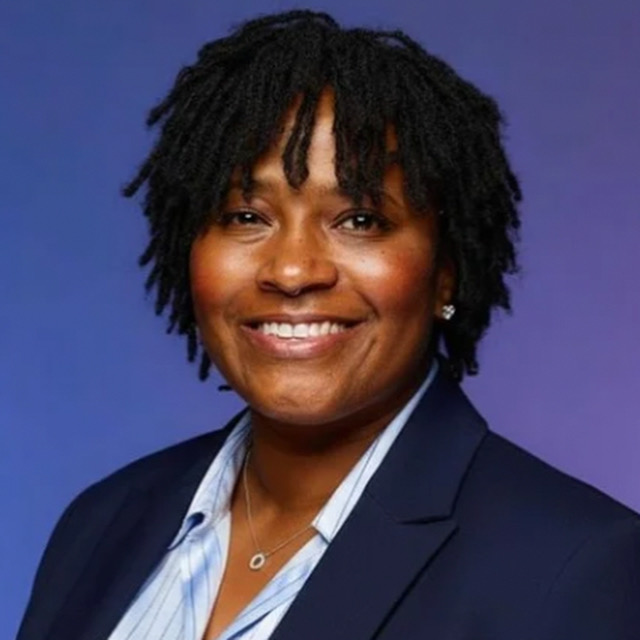
Founder, Moore Consulting Agency
Zoe (pronounced ZOH) Moore, founder of Moore Consulting Agency affectionately known as “Grow with Zomo”, is a Strategic Equity, Diversity, and Inclusion Consultant who advises leaders across the hospitality, events, and tourism ecosystem on inclusive sourcing, design and experience strategies.
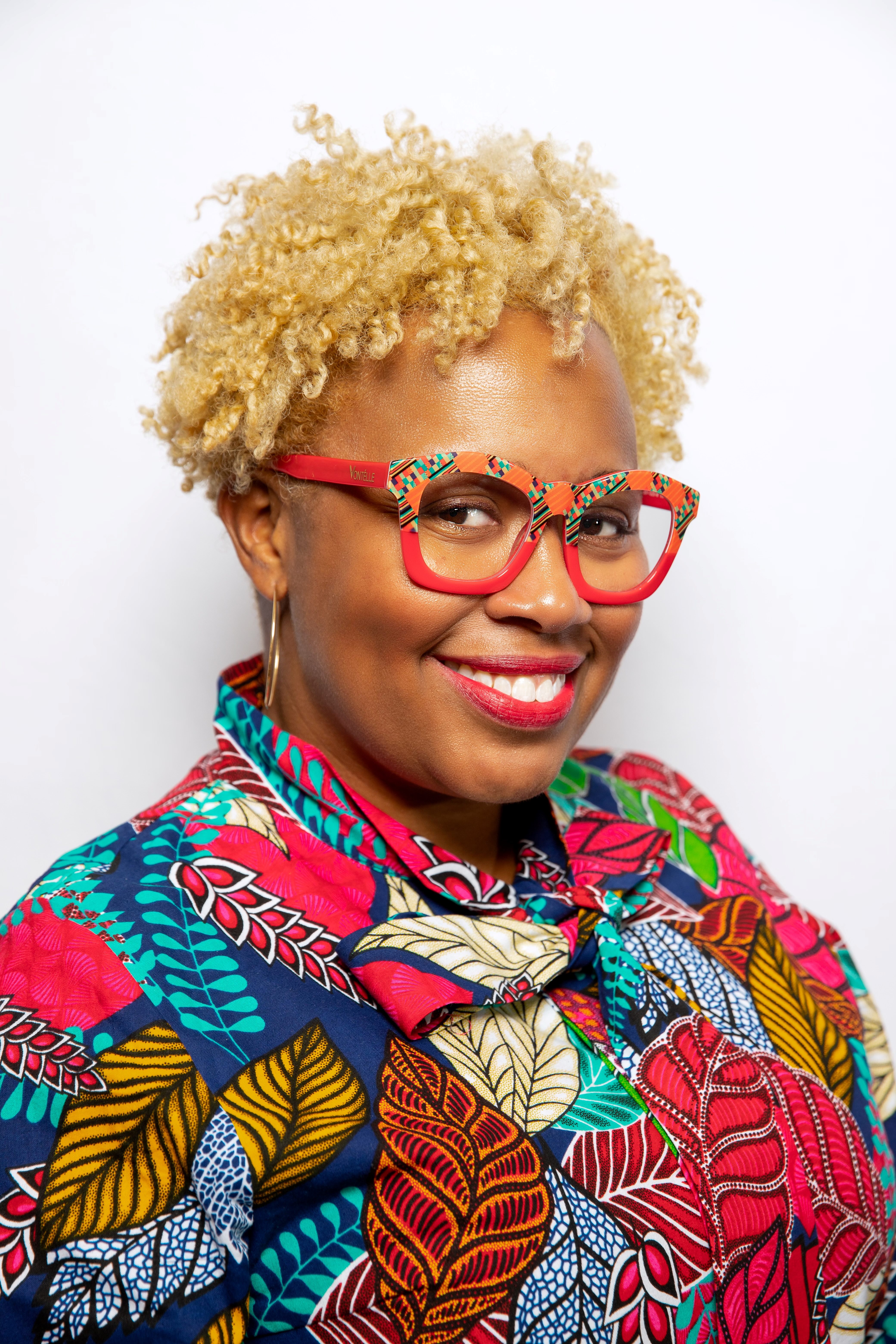
Chief Engagement Officer
Diane R. Brown is the founder and CEO of DerbyBrown, LLC. She founded this agency uniting her multifaceted background, with identifying a growing need in the marketplace for those looking to engagement. This boutique agency provides customers with unique, memorable, and high-profile experiences. Diane encourages her clients to embrace bold visions and take a fresh, specialized approach to their ideas and allowing innovation to be the key to a seamless execution. Overall, within this collaborative atmosphere, she shares client concerns, exercises proficiency and employs clarity to guide them to their desired ideals.