Exposing the Truth About Mercury Fillings (And What Your Dentist Won’t Tell You)


Mercury exposure, dental work, and chronic health problems may have more in common than you think.
Dr Daniel Pompa sits down with Dr Stuart Nunnally and Lane Freeman to discuss biological dentistry, dental metals, mercury toxicity, and why oral health can be an overlooked piece of the bigger health picture.
The conversation explores what can happen when dental issues overlap with inflammation, mold, heavy metals, and other chronic health challenges, along with why some patients look beyond conventional dental care for answers.
If you’ve been searching for the missing piece behind chronic symptoms, this conversation is one to hear.
Subscribe, share it with someone who needs to hear this, and leave a review with your biggest takeaway.
----------------------
👉Dr. Daniel Pompa Social Media
Instagram: https://pom.pa/instagram
Facebook: https://pom.pa/facebook
X/Twitter: https://pom.pa/x
Website: https://pom.pa/website
Store: https://pom.pa/store
Got a Question? Message :point_right: https://pom.pa/message
Dr. Pompa Program: https://pompaprogram.com/
BEFORE YOU EMBARK ON ANY DIET OR NUTRITIONAL PLAN YOU SHOULD CONSULT WITH YOUR PERSONAL MEDICAL PROFESSIONAL.
YOU SHOULD NOT RELY ON THIS INFORMATION AS A SUBSTITUTE FOR, NOR DOES IT REPLACE, PROFESSIONAL MEDICAL ADVICE, DIAGNOSIS, OR TREATMENT. IF YOU HAVE ANY CONCERNS OR QUESTIONS ABOUT YOUR HEALTH, YOU SHOULD ALWAYS CONSULT WITH A PHYSICIAN OR OTHER HEALTH-CARE PROFESSIONAL. DO NOT DISREGARD, AVOID OR DELAY OBTAINING MEDICAL OR HEALTH RELATED ADVICE FROM YOUR HEALTH-CARE PROFESSIONAL BECAUSE OF SOMETHING YOU MAY HAVE READ HERE. THE USE OF ANY INFORMATION PROVIDED IS SOLELY AT YOUR OWN RISK.
Mercury Levels Off The Charts
SPEAKER_01 0:00
With some urine challenge tests, found that mercury was at that time the highest level of mercury that lab had seen.
Dr Pompa 0:07
I had so much mercury in my brain and turned out to be the greatest pressing. Everything I teach today. Low cholesterol, low blood fats is an open door to neurotoxicity into the brain. Cholesterol is so protective in the blood-brain barrier. Even if this isn't what made you sick, you won't get well without dealing with it. Because, see, it's a perfect storm.
SPEAKER_02 0:31
He would listen so intently to the patient. And when that was over, he laid his head down on that desk and cried. It just absolutely broke his heart.
Dr Pompa 0:44
Here we are, live in Cannes, France. And man, I am here with the man himself and his counterpart, Lane. But Stuart Nunnley, I'm telling you, you're the most respected guy here in this industry. I don't know why, because you've been at it for so long. Tell me why.
SPEAKER_02 1:01
Well, that's uh thank you for that compliment. I don't quite see it that way. But you know, it's such a privilege to be here among great colleagues and with you, Dan, to be here. We we have such tremendous respect for you. I don't think there's anybody in the world that refers more patients to dentists than this man right here, which just shows he he understands this connection between dentistry and our systemic health so well.
SPEAKER_04 1:32
Yeah.
SPEAKER_02 1:33
Um, so we're we're tickled to be here. Um Lane Freeman joined me 25 years ago. She grew up in my practice. As a patient. As a patient. And we both are we both grew up in this little small town of Marble Falls outside of Austin.
Dr Pompa 1:52
Yep, outside of Austin, Texas, and you know, send them a lot of people. I want you to tell the story because the question I have is for every dentist I've interviewed is how did you end up in biological dentistry? Okay, I've yet to find this answer. You know, I just wanted to be a biological dentist when I grew up. I just wanted to do it differently. Never. It's always a story of something. And he said, Lane, as you walked into the practice, he walked out sick.
SPEAKER_01 2:18
Tell that story. So
The ALS Scare That Wasn’t
SPEAKER_01 2:20
when I graduated dental school, just baby dentists right out of school, got my license the week he left. Um, I didn't know leading up to that that he had been experiencing symptoms that appeared to be ALS, really scary symptoms. And so I came into this.
Dr Pompa 2:37
Very common for dentistry, by the way, is ALS symptoms.
SPEAKER_01 2:40
Absolutely, absolutely.
Dr Pompa 2:42
Mercury poison.
SPEAKER_01 2:42
And so while he left to go um have some testing done, both for ALS, I stay uh came into this very busy practice, and his staff was wonderful, held my hand all the way through it. But fortunately, at the same time, they suspected ALS, he became exposed to Dr. Hal Huggins and went to visit him. And in the process of going through his treatment, he just they discovered that he had super high levels of metals, heavy metals in his system.
Dr Pompa 3:11
And by the way, I want people to know that Dr. Hal Huggins is the like the grandfather, the father, but I almost say grandfather for him of biological dentistry.
SPEAKER_01 3:21
Absolutely, absolutely. And so um with some uh urine challenge tests, found that I think I believe your mercury was at that time the highest level of mercury that lab had seen. And so he began that detox process and fortunately received um not a diagnosis of a diagnosis of ALS, but instead of heavy metals and mercury toxicity specifically that had mimicked all of the symptoms of ALS. So when he came home, began the detox process, and I was still in the practice, we from that moment knew that we couldn't go back. We had to totally change how we looked at dentistry.
Dr Pompa 3:59
Okay, so you're coming out of school with a regular dental mindset.
SPEAKER_00 4:04
Absolutely.
Dr Pompa 4:04
Okay, and you're seeing him, he's sharing with you, you're watching his health battle.
SPEAKER_00 4:10
Absolutely.
Dr Pompa 4:11
And so I not many people though, that wouldn't be convincing to many dentists because you just went through all that school, right? It's like and you've been kind of brainwashed, no offense, to the system. Absolutely. In the Mercury fillings, Malga fillings are you know safe, et cetera, et cetera. So I what how did that buy-in come?
SPEAKER_01 4:30
I I'm well, I think part of it was because I already had so much respect and trust in um Dr. Nunley because he had been a mentor, like a second father to me.
Dr Pompa 4:41
And so but he was in he was an expert in cosmetic design. Cosmetics. Okay, all right, okay and root canals. Oh, yeah, and root canals, right? Yes, never.
SPEAKER_01 4:51
Yes. And so I I I believe when he when he came home and started sharing with me everything that he had learned, just the amount of information he got from Hal Huggins in that first two weeks, just a flood of information. Um, just really when you start to look at the science and then you look at the logic of all of the things involved with how the teeth are so connected and the whole mouth so connected to your systemic health. You can't really, once you start to know that, you really can't look back.
Dr Pompa 5:21
You can't unknow it. Did you get to meet Hal Huggins?
SPEAKER_01 5:24
I did. He was like, Oh, yeah.
Dr Pompa 5:25
See, I I think you're the only ones here that have met Hal Huggins.
SPEAKER_02 5:28
So here's the interesting thing.
Training With Hal Huggins
SPEAKER_02 5:30
After I spent two weeks with him in Montreal, as I recovered the next year, I spent a lot of time just shadowing him and then teaching the chemistry part of his course with him. And then he said one day, I'm tired of being in the cold. So he came to our office for eight years, and he would come once a quarter, bring twelve very sick patients, do their hair, blood, and urine analysis, and then we would do their dentistry. And the beauty of it, too, not only was that, but I got to sit in with him on hundreds of intakes and then interpret the hair, blood, and urine the way he did, which I was totally unaccustomed to doing, although I had a good background in biochem. So uh anyway, that was a fabulous experience. And uh actually Lane and I grew in the in the knowledge of holistic dentistry at the same time. Yeah, you guys grew that together. Yeah, and we got this beautiful crash course from Hal Huggins.
Dr Pompa 6:37
Oh, yeah, the mentor of all mentors, yeah, we did.
SPEAKER_02 6:40
We did. It was really an amazing time. We actually I tell people this all the time, Dan. It was at the beginning with thinking that I had ALS, it was the saddest time for Rebecca, for my wife and me, and Lane. Uh, and yet it turned out to be the greatest blessing.
Dr Pompa 7:00
My sickness too. Well, I had so much mercury in my brain, and turned out to be the greatest blessing. Everything I teach today, from pain to purpose. That's the name of my podcast here, you know, and um, it gave me the purpose, how many lives I've been blessed to change because I accumulated a lot of mercury in my brain.
SPEAKER_02 7:18
Well, I did too. Yeah, exactly. I did too. And I'm but anyway, I'm so grateful now for the whole experience. And um, about 25 years out since then, and what a joy to be practicing with Elaine and to get to see patients who are uh most most dentists, and I in my first 20 years would have shied away from the patients we see because almost all have uh tremendous health challenges. It's such a joy to be able to get on their team and really oftentimes have a great impact.
Dr Pompa 7:55
Yeah.
SPEAKER_02 7:55
So grateful for that.
Dr Pompa 7:56
Yeah, I mean, honestly, so you know, you were walking out of the practice sick, you walked back in with a new purpose. Yeah. Yeah, so you know, that's that's the exciting spot part. And then here you are now starting this new practice of biological dentistry. You know, I because you're the only ones that I've interviewed that actually knew Hal Huggins, and I I wish my viewers knew how incredible he actually was because he lost his license to this, right? I mean, was he imprisoned for it? Or no, they tried. Yeah, almost. Yeah.
SPEAKER_02 8:25
In fact, you know, when I called him, I said, Hal, I hadn't I'd never met him. I'd just read what he had uh written, and I said, Dr. Huggins, I'm I'm a Texas dentist. Looks like I've got ALS. Would you mind seeing me? He said, Well, at that time he was seeing patients in Montreal and Puerto Vallarta. So he said, I'll be in Montreal in three days. I said, Well, I'll be there. So that began our um friendship. And um anyway, forever grateful for what he did
Live Seminar Invite For Answers
SPEAKER_02 8:58
for it.
Dr Pompa 8:58
Join me live in Houston in October 16th through the 18th. First time ever, doing a public seminar for 20 years doing doctor seminars. That's why I'm really excited about this. Look, for my followers, people looking for an answer, want to know more about mold illness, want to know more about heavy metal toxicity, want to know more about hormone conditions, thyroid conditions, and even find what's wrong with you. Well, that's what we're doing at the seminar. Oh, yeah, you're gonna take the very test, something called a visual contrast sensitivity that can look for something called biotoxic illness. You're gonna fill out our AI version of our neurotoxic assessment that all my doctors use. Okay, because we're going to involve you in the discovery. Why? Because people are looking for answers. So I said, if I'm doing a seminar, I want people to experience what I do, what I've been teaching. And look, of course, we're gonna have amazing teachers. We're gonna have breakouts on these topics, right? You're gonna hear breakouts about weight loss resistance, health in children. You're gonna hear breakouts about mold, how to build homes safely, what you need to do in your home to make it safe. We're gonna be blowing the lid off of some of these topics that really nobody's talking about is causative factors for why so many people are sick. I'm gonna put a link below. All the details are there, but it is October 16th through the 18th in Houston. People are flying in from all over the world. So can you. Look, you want answers? Uh answers that you're never gonna hear at another seminar. Come to this one, you're gonna be blown away. Check it out.
The Midline Rule For Safety
Dr Pompa 10:32
To this day, when people say, Well, I read somewhere that you don't cross the midline, is there truth to that? I say, Well, the great Hal Huggins said you don't cross the midline on one visit. And so I've always just he's and he had done at that time far more patience than anybody. So I said, if he said that he noticed it goes bad if you cross the midline without putting people fully under. Today it's easier to put people fully under. And Hal said, if you do that, you can cross the midline. Exactly. But otherwise, it's too stressful. Kind of explain that for people because this is probably the first time they've heard that. So explain even what I mean by that, if you want.
SPEAKER_02 11:09
That's a beautiful thing to yeah.
SPEAKER_01 11:12
Yeah, so what he found was that, of course, these these metal fillings are giving off electrical charges. Yeah. And you can think about how close this is to the brain.
Dr Pompa 11:21
And he actually measured the charge. I followed Huggins' protocol to a T because I read all his work.
SPEAKER_01 11:26
With the readometer. Yeah, with the readometer.
Dr Pompa 11:29
The highest negative first.
SPEAKER_01 11:31
Do that first, start there.
Dr Pompa 11:32
That take that filling out first, then the next.
SPEAKER_01 11:34
Did you do your dentistry with asleep or awake?
Dr Pompa 11:37
I did it awake because back then it wasn't sleep. So I did half my mouth, half my mouth.
SPEAKER_01 11:41
So the reasoning is that you don't want to cross the midline because of those electrical charges that are being emitted can affect your brain, can affect your meridians, and so it's better if you just stay on one side. Once now that we can put patients to sleep, which we put probably the vast majority of our patients to sleep, it's so much easier.
Dr Pompa 12:01
I wish I'd have got it all done now.
SPEAKER_01 12:02
Everything all at once. It does it does make it nicer for the patient, especially. Um, but that was his his reasoning.
SPEAKER_02 12:08
And you do it. It's interesting. You know how he discovered that. Yeah, I I that was my next question. Okay, well, you at this point in his career, he was putting an EEG on his patients and measuring their brain waves as he would take out various metals. And he would watch these brain waves shift. And on one occasion, and he was realizing that sometimes the patient would have an electrical disturbance if he crossed the midline and they were awake. And he, especially with the heart, he might see an arrhythmia or it might even a seizure. So he but he had a patient come in who had a mouthful of metal and she was wheelchair bound and she had MS. He said, if I don't get all this out now, she might not survive. So he had a he had he had the EEG on her. He had an anesthesiologist put her to sleep. He took everything out. As he was doing it, he was he was watching how her EEG just relaxed and she had a beautiful brain rhythm. And she had an incredible recovery from her MS. He said, I'm gonna do that again. He did it again, and he had he began to see if he removed all the toxicity at once while the patient was sedated, he didn't run into the electrical issues and he began to get bad results, which makes sense because you're removing all the toxicity at once. It was a it was a marvelous time. You know, that's how experimental he was. Yeah. He was operating in a Faraday cage, basically. Wow.
Dr Pompa 13:49
And then he started doing these There was nothing back then about EMFs, okay? They knew nothing about EMFs. Electromagnetic frequency. What?
SPEAKER_02 13:58
Wow. He was just so far ahead of his time, but he was also incredibly bold, and that's what cost his life.
Dr Pompa 14:04
Yeah, exactly. Because he didn't care, right?
SPEAKER_02 14:07
Yeah, he didn't just bring it on.
Dr Pompa 14:09
How many, I mean, uh, how many thousands of procedures do you think he did to learn what he learned, too?
SPEAKER_02 14:17
Well, he did a lot. Uh, I would say, you know, for at least 30 years of his career, he had a huge practice, 70 employees, and they came from all over the world.
Dr Pompa 14:29
Yeah, they did. Is there anything that he taught that today changed, like that we didn't, we don't we moved away from?
SPEAKER_01 14:36
I don't know if there's anything we moved away from, but we certainly added to his protocols. Yeah, yeah.
Dr Pompa 14:41
Yeah, and there's no disrespect there. This guy was the first of the first. Yeah. I can't think of it. But yeah, I would say added, I guess, from my view.
SPEAKER_01 14:47
Yes. Just added, we've added some things to his protocols and we've expanded on the knowledge base that he had and just still so appreciate the sacrifices he made to get the ball rolling, really, with that with his education.
SPEAKER_02 15:02
There were there were times during maybe the first four or five years that we were really involved with how where I'd go. I I don't know if you're I'm not sure this is gonna pan out. I'll have to say, over the years, the things he taught us, we have found to be, especially the in the areas of nutrition and detox. Yeah. Oh my gosh, he was so far ahead of his time.
Dr Pompa 15:32
Yeah, yeah. It's a I you know, I I never had the opportunity to meet him, but I read all his work and I I just kind of loved him because of it. I I I just I think I felt his heart. I I I saw like you him it prove itself out many times. Yeah. And so you know you gain even a greater respect. And I have the greater respect even looking back now.
SPEAKER_02 15:54
You're s you're you're the medicine what he was the dentistry.
Dr Pompa 15:58
No, no. I I appreciate that. I that's a that's a yeah, great compliment. Thank you. Yeah, that's that's that he is he was just um I don't know. I mean, I I guess my next question is because I I like I said I saw his heart for it, even losing his license, but because you knew him personally, what was he you know in his personal life? Like what was he like?
SPEAKER_02 16:25
Well, he I'll I'll tell you this. Um he was incredibly compassionate. I can't tell you how many uh intakes on patients we did together, and he would listen so intently to the patient for an hour, hour and a half. Um and when that was over, time and time again, he laid his head down on that desk and cried. It just absolutely broke his heart to know what they had been through, and that he felt like he could have averted all of that. So he had a great heart, unbelievable passion for what he was doing and teaching, um, and a boldness that would cost most anybody dearly. But you know, sometimes great champions have to push it out there and take the risk. Absolutely.
Dr Pompa 17:22
How how did he end up in this? I mean, like, you know, everyone had a story, everyone had a story here today. So how did he end up?
SPEAKER_02 17:30
Yes. He had a he had a mentor early on who was um also a dentist, but who had great knowledge in the world of of uh blood chemistry. And that gentleman told how uh very few things impact blood chemistry like mercury. He said Mercury, this is back before it was popular at all, yeah. Mercury fillings out. And Hal began to see that, and he it flipped a switch in him. He had a tremendous mind.
Dr Pompa 18:05
So he was never sick or a family member?
SPEAKER_02 18:08
No, uh that's amazing. I don't know that he ever was. Uh he had a calling. But he he did have an elevated mercury level himself, but you know, he stayed on top of it. He did everything he could.
Cholesterol As Neurotoxicity Protection
SPEAKER_02 18:20
It's interesting when I got sick on my very first interview with him, and this is back when we thought I had ALS, he said, Well, and I was a fat phobic uh competitive triathlet. He said, Well, how would you like to eat a stick of butter and two eggs a day for the rest of your life? And I said, Well, I'll do whatever it takes.
Dr Pompa 18:40
But Well, by the way, actually, you know, um, we've learned later, right? He again, ahead of his time, low cholesterol, low blood fats is an open door of to neurotoxicity into the brain. Cholesterol is so protective in the blood-brain barrier.
unknown 18:56
Yeah.
Dr Pompa 18:56
So that was part of your poisoning too, right? You know, truly. Yeah.
SPEAKER_04 19:00
Oh, truly.
Dr Pompa 19:01
Me too. I I was, you know, I I would say, I mean, I ate just too almost too lean, you know, things like that. And I was uh also a triad I wasn't a triad, I was a endurance cyclist at the time I got sick. So, which again allow a lot of mercury to move into my brain.
SPEAKER_02 19:17
It happens. So, you know, isn't it interesting the number of patients that we see and that you see who are lean, yeah, just don't have enough body mass to handle the toxicity.
Dr Pompa 19:29
Yeah. It's true. Uh it's true what you say. A little bit of more body fat actually can store and protect the brain from the toxins.
SPEAKER_02 19:38
Yeah. We see, you know, another thing that we see commonly is with the with the toxicities from dentistry. Um we see people retain fluid. The fluid being a response to trying to dilute the toxicities. It's interesting when we remove those toxins, how often they begin to drop and shed that excess fluid body weight.
Dr Pompa 20:05
Absolutely. And the body innate intelligence is amazing. I mean, you know, just you you have to respect it. You know, and I'm very critical of functional medicine, alternative medicine today because for two reasons. Number one is I don't feel, I feel like we've abandoned really getting to the cause with expensive, funny, fancy tests, genetic tests, you know, blood tests, all of it. And that's tragic to me because I didn't get my life back with any of that, you know, and nor did you. Yeah. And also the second thing is that, you know, what what you just said there, you know, the fact that, you know, missing the cause, but also, you know, the the the passion of not understanding innate intelligence, not following innate intelligence, not respecting innate intelligence, right? You know, the body heals, remove the interference. That that principle right there, that major premise is honestly how I didn't go down another route and up, you know, on drugs.
SPEAKER_04 21:02
Yeah.
Dr Pompa 21:03
Yeah.
SPEAKER_01 21:04
We are definitely fearfully and wonderfully made. Yeah.
Dentistry As The Missing Detox Layer
SPEAKER_01 21:07
And so if we let the body do its work after we remove the toxins, we have so many patients that are doing your program, things like that, and they reach a plateau and they're like, I was making some improvements and now I'm just stuck. And now we then we look at the dentistry and um just remove one more layer.
Dr Pompa 21:24
Well, you know, I always say, even if this isn't what made you sick, you won't get well without dealing with it. Because see, it's a perfect storm. You know, it could have been the moldy home that really sent you over the edge, but now you're not adapting to the stress of the root canal, of the cavitation, of the. And so we have to take every stressor away. And that's that's why I'm the number one referral because I don't care if this made you sick or not, we're cleaning this because I know what this does. And you know, it's tragic. So, what what do you do in the practice now? What do you do in the practice now?
SPEAKER_01 21:55
So, well, um for the most part, I I I love the management aspect of it. My favorite part is really working with patients. Like I'm missing being there this week. So excited to be here, but missing seeing my patients. So we both do um really everything there is to do in the practice as far as removing mercury and heavy metals uh properly with protocols, protecting patients, protecting our staff, lots of removals of root canals and other dead teeth, treating periodontal disease, which sometimes gets a little lost um in the conversations about root. I said that today.
Dr Pompa 22:28
A lot of people aren't understanding how these pockets periodontal disease, early periodontal disease, and it causes sickness.
SPEAKER_01 22:35
Those bacteria or that population of bacteria at the gum line is just as important as a infected root canal too. And we also both treat cavitations um as well and place ceramic implants and you just have a just is it gonna be remember the old cavitat machines?
Dr Pompa 22:51
I I I can have these old time conversations because you've been at it so long, right? I guess I have too. Um, you know, as a matter of fact, I've been at dentistry longer than most of these dentists are on here. So but um the cavitat, remember that they yeah, it was banned the whole thing. But I mean, I heard that they improved it. Is it is it gonna come back in? I mean, I think we could use it in combination with cone beam because I've learned a cone beam is not perfect. I mean, there's a lot. So when people come to me and say, my symptoms came back, you know, and they say, I say, yeah, we'll get another cone beam. I did, and they said it was fine. I said, no, no, then have them go in. Have them open it up. And I'm telling you, nine times out of ten, it's infected again.
SPEAKER_01 23:32
100% way to check your cavitation is to get in there and see what's going on.
Dr Pompa 23:36
I've learned this lesson. I've learned the lesson. So, anyways, I think so.
SPEAKER_02 23:39
The cavitat is what Huggins used to diagnose mine in Montreal.
Cavitations And Imaging Blind Spots
Dr Pompa 23:45
It's a type of ultrasound, right? Yeah, we didn't have to cone beam then.
SPEAKER_02 23:49
It was ultrasound. Unfortunately, it never did catch on in a big way, but it it was beautiful because you didn't get any radiation from it. You could read it instantly, and the technology died. Yeah. There are still a few cavitets around.
SPEAKER_04 24:06
Yeah, yeah.
SPEAKER_02 24:07
But and so, and I certainly trained on it with uh the dentist in Montreal, but now a fabulous dentist in Germany, Johann Lechner, has um has made uh a knockoff of that and an improvement on it called the Cavital, okay, which is not yet uh FDA approved in the U.S. We'll be the first to have it if we ever can have it. But I think it's a wonderful thing because you're right. A a CBCT or a cone beam is not 100% active.
Dr Pompa 24:42
Exactly.
SPEAKER_02 24:43
It's just not, and to have anything else that we could use that's non-invasive would be great.
Dr Pompa 24:49
Yeah, I mean, because you know, first of all, I I also learned this. Uh yeah, my dentist looked at my cone beam and he said, we are fine. Um, okay, go to another dentist, get another opinion. They found something, right? Because number one, they don't have the right software. They don't look at it as a three-dimensional figure. They're looking at like a plain film. Yeah, there's so many mistakes made around cone beam, but even I know this because I've I'm so in touch with so many dentists. They'll tell you, look, you know, I I looked at that cone beam three ways. I did not see it. And I went in and I was like, oh my God, I did not see it. So it's not perfect. Yeah.
SPEAKER_04 25:28
No, you're so right.
SPEAKER_02 25:29
Yeah.
unknown 25:29
Yeah.
SPEAKER_02 25:30
You know, we use two softwares in our office to look at every cavitation site. And we'll see something on one, we'll see another something on another, and we just try to confirm it using those. But if there's doubt, we have the discussion with the patient in advance and say, we don't want to leave leave a stone unturned. Let's check it.
SPEAKER_04 25:53
Yeah.
SPEAKER_02 25:54
And you're right. Huggins would say 90% of the time there's going to be one there.
SPEAKER_04 25:59
Yeah, yeah, yeah.
SPEAKER_02 26:00
That's probably a little more than what the science would say, but he's probably not far off.
Dr Pompa 26:05
I think it's the science showed like 82, 4, I can't remember, but yeah, close. He was right. Yeah, close. But it would in walking in his office, it was probably 98%, right? Yeah, because that's well.
SPEAKER_02 26:18
And even in ours, because so many of our patients are sick. Yeah, yeah, yeah. So it may it might be skewed a little bit more in that direction in our practice.
Dr Pompa 26:26
Yeah, probably true.
Recovery Stories That Shift Beliefs
Dr Pompa 26:28
Tell them one of the most miraculous stories uh you of recovery you've ever seen, whether it would be getting rid of amalgams or ca uh infection, you choose.
SPEAKER_02 26:38
Oh my we you know, it's it's hard to it's hard to pinpoint one. But here's here's one that stands out in my mind. Is uh there's an occasional cavitation. Most cavitations are are uh have no pain associated with them. Right. But occasionally they do. And occasionally the pain that's associated with them is trigeminal neuralgia.
SPEAKER_04 27:06
Yeah.
SPEAKER_02 27:08
So it's a it's one of the most blessed things that we get to do is when someone truly has a cavitation that's causing a neuralgia and they come in and they're unable to touch, even comb their hair. Oh, we can put a little bit of anesthetic right over the site. Usually it's on the lower jaw, but usually the pain presents itself in the upper jaw. So when we put a little anesthetic over the site that we suspect, the patient will go like this. First of all, they couldn't touch their face. They could they had to shield the wind from their face when they walked in. And they'll go, Oh my. I I I can't believe it.
Dr Pompa 27:54
Yeah, like instantaneous, just with the the Novicated.
SPEAKER_02 27:57
Yes. And when we get that response, we know that we have it pinpointed. And so the even the research says that when you clean those out, 75% of them will have no more pain. 20% will be better, unfortunately, 5% worse. So, and that's what we've experienced over the years in our practice. I've had we both have had so many over the years. Those are incredibly dramatic. Uh of course we've we've had also so many where their systemic health is just improved overnight. You have you know, sometimes it's not overnight.
Dr Pompa 28:33
Yeah, no, no. Well, and then oftentimes that's why they need me because they have a lot of toxins in their body.
SPEAKER_01 28:39
Getting rid of the source of the toxins so that the program can can help them totally detox. I think some of the ones you talked about cavitations, um, we've had some really dramatic things where I've we've stopped saying there's no way that could be related because you know, someone that maybe just has one one cavitation or one root canal and has a random, oh, they mentioned, oh, I have this had this pain in my back or my knee for years and nobody can figure it out. I've done chiropractic, I've done injections, everything like that. And you take the tooth out, you clean it out, and they come in the next day and they're like, I don't know if it's psychosomatic, but this pain is gone. Yeah. Never to return.
Dr Pompa 29:18
Yeah.
SPEAKER_01 29:19
Those are really, really fun and rewarding.
Dr Pompa 29:23
My um, my my son's wife was my patient years ago, right? And um, so she had she was bedbound for a year and a half, chronic story, and her father spent so much and mother trying to get her well. Well, you know, the dental part of it was a big deal for her. Matter of fact, she had chronic knee pain, and she knew when a cavitation came back because her knee pain, no one believed her, cavitation uh cone beam looked normal. They went in. This is one of those stories. Oh my God, she was right, took it out. I mean, anyways, you know, she knew.
SPEAKER_01 29:54
Like it's like their body.
Dr Pompa 29:57
Because she knew when that thing went, when she got that taken care of, her knee pain went away. She knew, right? So her father. So she convinces finally her father to go to the dentist and deal with his cavitation. Well, he had this chronic hip problem for years. I mean, to the point where he couldn't run, you know, etc. And he left the dental office that day without the pain. He's been a believer ever since. Yeah, probably a a meridian, honestly. I agree, just the way that like cleared out. Absolutely. But it was amazing that, you know, like, okay, you know. So he's a big, big believer. I've got a scary one.
SPEAKER_02 30:33
One of our hygienists, she's been with us 30 years. She's sitting at her daughter's softball game and a foul ball comes over and hits her right smack. And this is back in the day. This was 20 something years ago. One tooth died immediately. This is back in the day when I did root I did the root canal. A few months later, the next tooth to it dies from that same blow. I did the root canal. And then within a few weeks, she started having rheumatoid issues. To the point of in six months she couldn't get out of bed. We're talking about a beautiful 30-year-old hygienist, young family runner. So uh Tabby and I met. We we literally prayed about taking these. This is like taking two front teeth out on my daughter.
SPEAKER_04 31:24
It's a big deal.
SPEAKER_02 31:24
On your hygienist.
SPEAKER_04 31:25
It's a big deal.
SPEAKER_02 31:26
We took them out within and already her ANA titer was elevated, she was full-blown lupus slash rheumatoid, took those out within a matter of weeks. All of that was gone. Well, she began to have symptoms again a few years later. As it turns out, another tooth also died. She was unaware of it. We took an x-ray, yes, that one's dead too. We took it out, and so her symptoms returned. We took it out, symptoms were gone. She's been symptom-free for 20-something years.
SPEAKER_04 31:59
Praise God.
SPEAKER_02 32:00
So, but that's one of those beautiful cause and effect stories, and it was the first time that I ever took out teeth because of a systemic illness. Yeah. Thank God it worked out like that.
Where To Find Healthy Smiles
Dr Pompa 32:13
Oh man. Well, these are these are great stories. I I I love the fact that we were able to share Hal Huggins stories, and uh no one was able to do that. So, both of you. So, Dr. Lane, thank you for showing up. You're a pleasant surprise. And uh, Dr. Nunnley, thank you for your service. So many years.
SPEAKER_02 32:30
What a privilege.
Dr Pompa 32:31
Give him your uh where to find you one more time.
SPEAKER_02 32:33
So oh, we're healthy smilesforlife uh.com. Marble Files, Texas.
Dr Pompa 32:39
Healthy Smiles for Life. There you go, man. The man himself. Well, and evidently you said right from the beginning. Yeah. This is this is the lady who's in the practice.
SPEAKER_01 32:49
The one person we're missing is our other partner, Dr. Candace Owens, who is absolutely fabulous. She just couldn't make the trip.
Dr Pompa 32:54
That's okay. Well, hey, we we would welcome her next time. So, all right. Yeah, stay tuned for another Dr. Pompa podcast from Pain to Purpose. You heard it right here.

DDS
Located in the beautiful Texas Hill Country community of Marble Falls, approximately 50 miles west of Austin, our practice is dedicated to providing exceptional biological dental care in a compassionate and patient-centered environment.
Together, our doctors bring more than 75 years of combined clinical experience in the practice of biological dentistry. Throughout our careers, we have remained committed to understanding the connection between oral health and overall wellness, while delivering the highest standard of care to every patient we serve.
Patients seeking our unique approach to dentistry have traveled to Marble Falls from all 50 states and more than 63 countries worldwide. We are honored by the trust placed in us and are committed to maintaining a reputation for excellence, integrity, and individualized care.
Our philosophy emphasizes:
• Biological and biocompatible treatment approaches
• Beautiful, natural aesthetic outcomes
• Advanced technology and evidence-based care
• Compassionate, respectful patient relationships
We strive to create an experience in which every patient feels heard, valued, and cared for while receiving treatment that supports both oral health and overall well-being.
Dentist
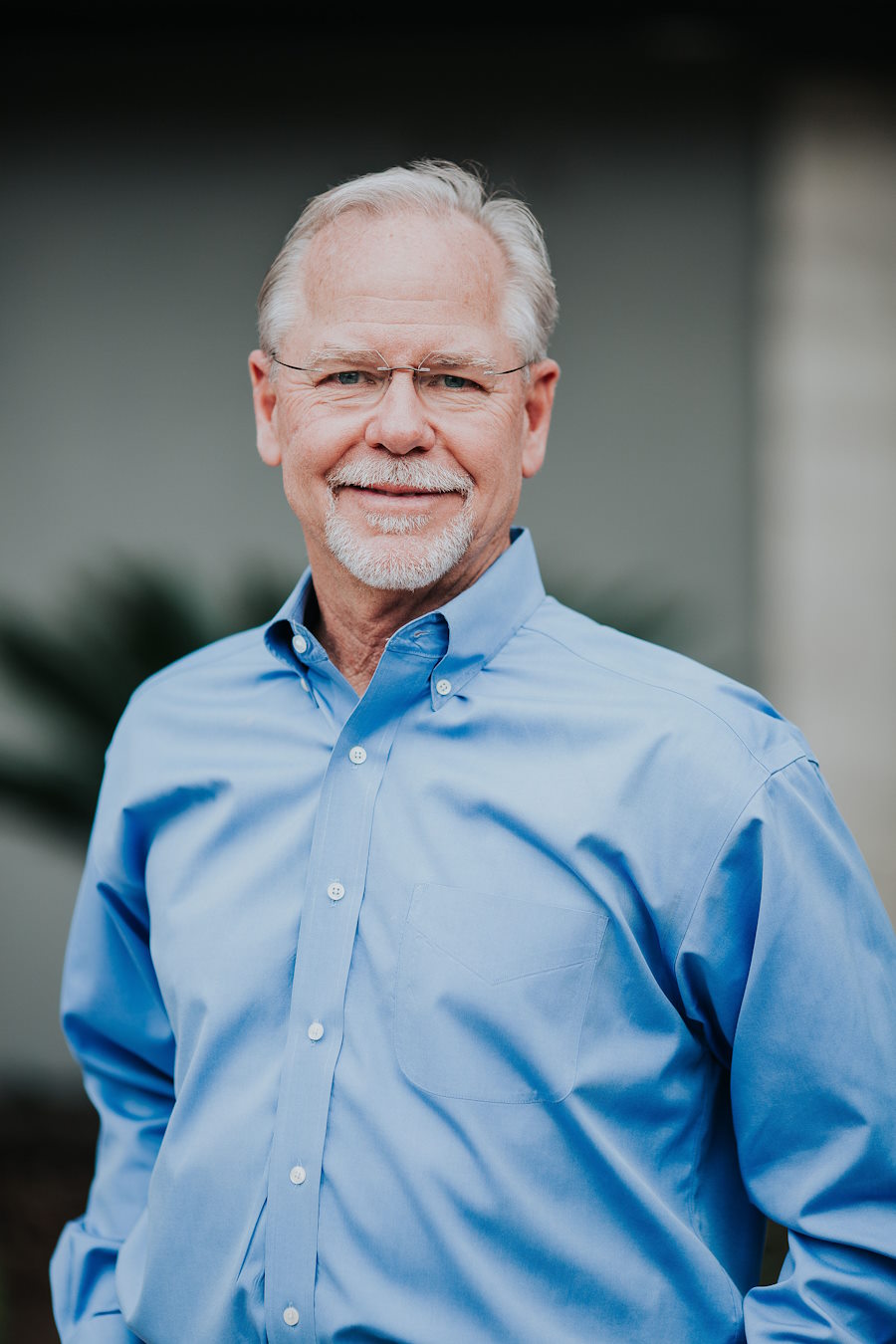
Dr. Stuart Nunnally, DDS, MS, is a biological dentist, educator, and author with more than 40 years of clinical experience dedicated to advancing whole-body health through dentistry. A graduate of the University of Texas Health Science Center at San Antonio, he also holds master’s degrees in nutrition and orofacial pain and oral medicine, along with fellowships from the Academy of General Dentistry, the International Academy of Oral Medicine and Toxicology (IAOMT), and the American Academy of Ozonotherapy. Dr. Nunnally lectures internationally on biological dentistry, pain management, and integrative healthcare while continuing to practice and mentor the next generation of clinicians.