Carrie (1976) – De Palma’s Prom Night Horror Masterpiece

 Apple Podcasts
 Spotify
 Spreaker
 Audible
 RSS Feed
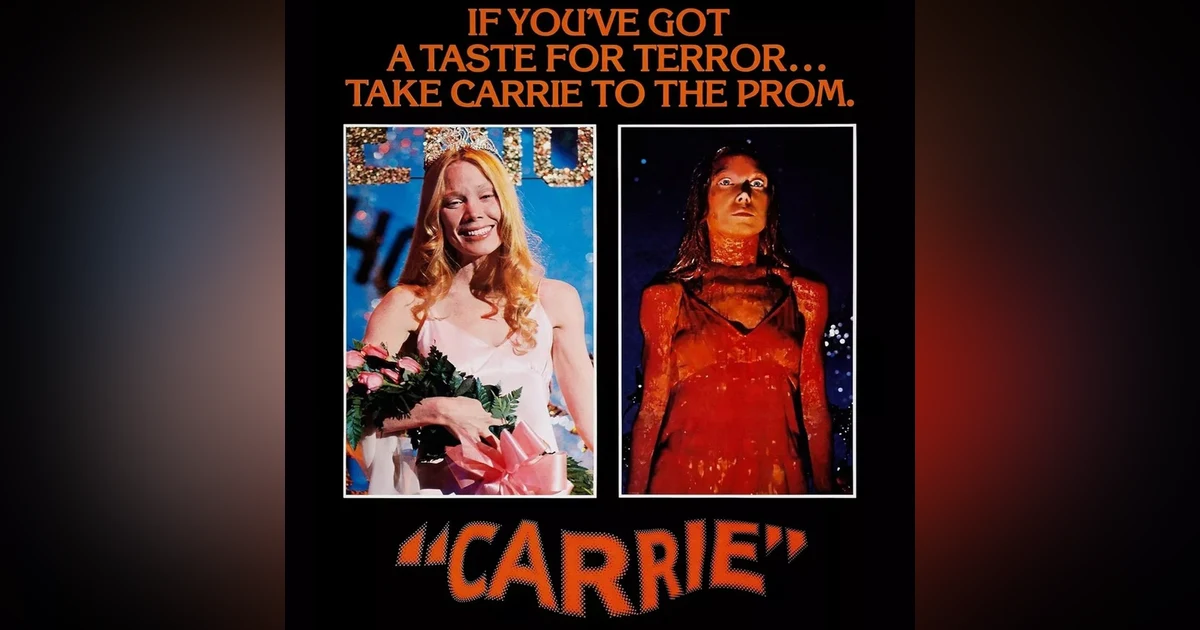
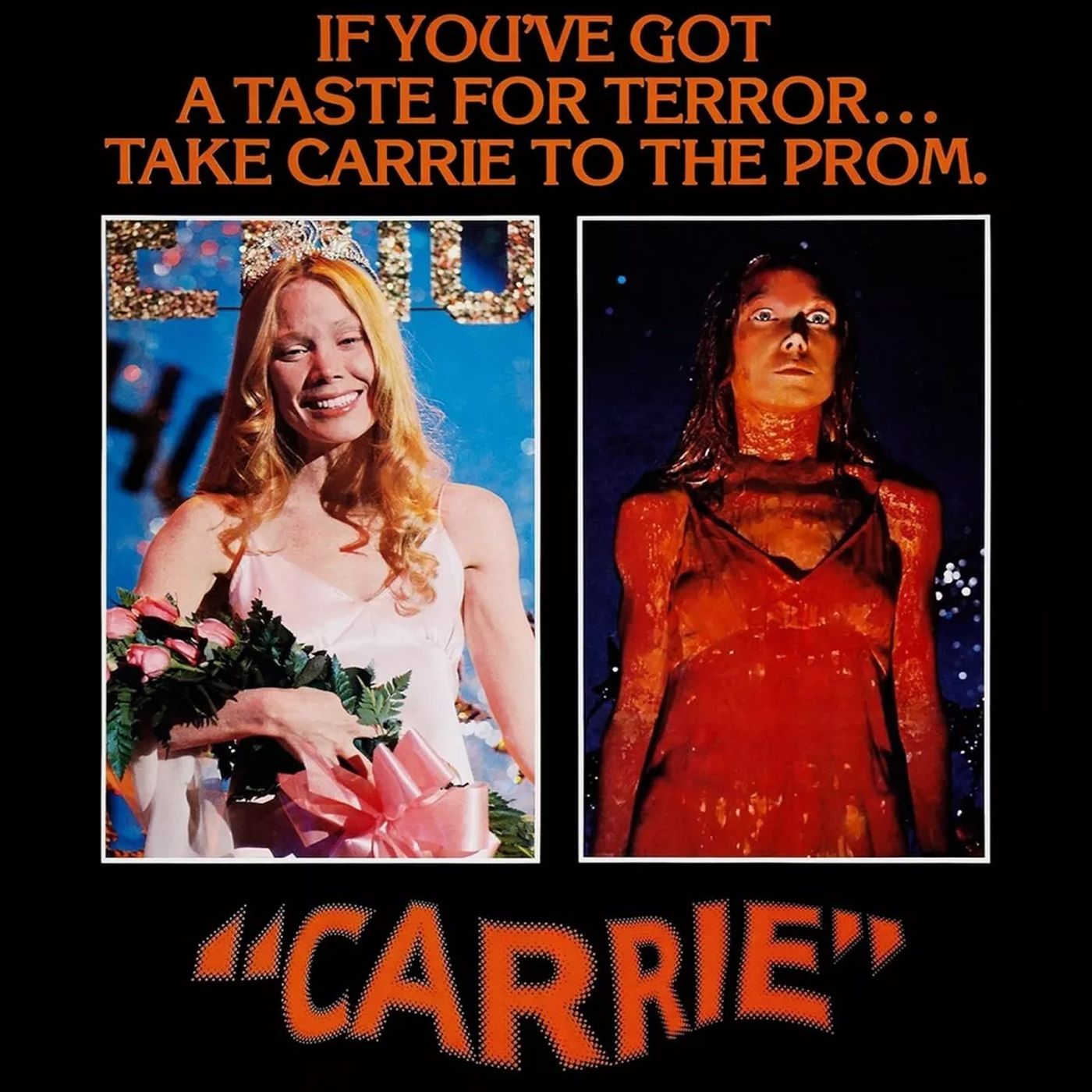
 Henrique and David revisit Carrie (1976), Brian De Palma’s landmark adaptation of Stephen King’s first published novel. Framed as both a listener request and a tribute to Piper Laurie and Priscilla Pointer, the discussion follows bullied teenager Carrie White from the Bates High locker-room humiliation to a prom-night nightmare. Sissy Spacek makes Carrie’s fear, hope and explosive telekinesis painfully human, while Piper Laurie gives religious fanatic Margaret White a frightening but emotionally complicated hold over her daughter.
The hosts trace how Lawrence D. Cohen’s screenplay turns King’s story into a visual showcase for De Palma. Mario Tosi’s cinematography, split-diopter compositions, split screens, slow motion and the spinning prom dance make the film feel intimate and operatic at once. Pino Donaggio’s haunting score and Psycho-like strings sharpen each telekinetic outburst. The cast also includes Amy Irving as Sue Snell, William Katt as Tommy Ross, Betty Buckley as Miss Collins, Nancy Allen as Chris Hargensen, John Travolta as Billy Nolan and P. J. Soles as Norma.
The episode gives the tragedy its full weight: Sue’s attempt to make amends sends Tommy to the prom with Carrie, but Chris and Billy rig the pig’s-blood prank after Chris is barred from attending. Most of the room is horrified rather than amused, yet Carrie hears Margaret’s warning that everyone will laugh and seals the gym in a lethal telekinetic rage. Henrique and David examine the innocent casualties, the mother-daughter confrontation, Margaret’s twisted belief that killing Carrie is salvation and the unsettling possibility that Carrie chooses to bring the burning house down around them both.
Production history adds more reasons the movie endures. The hosts discuss its roughly $1.8 million budget, 50-day shoot and major box-office return; Spacek’s isolating preparation and insistence on performing the graveyard hand reveal; the prom sequence’s lengthy shoot; and the practical, reverse-motion knife effects used for Margaret’s death. They also consider the film’s role in establishing Spacek, reviving Laurie’s screen career and turning King’s debut novel into a horror-cinema phenomenon.
Carrie is an essential horror film for both hosts and a masterclass in visual storytelling; Henrique also describes it as a personal gateway into the genre. He connects it to childhood television memories, his parents’ reactions and his discovery of De Palma, Spacek and King. They contrast David’s mostly happy, elaborately dressed prom memories with Henrique’s uncomfortable night at his school dance. David calls it an “own it,” while Henrique gives it a “buy it,” praising its cultural reach, tragic prom sequence and lasting importance to horror and cinema.
Links
- Get the book — Welcome to Primetime: The Unofficial Freddy’s Nightmares Companion Carrie — original Max viewing link Do You Even Movie? Email: doyouevenmoviepod@gmail.com Instagram X Facebook