
Unleashing the Euphoria: A Summary of Natasha's Dance
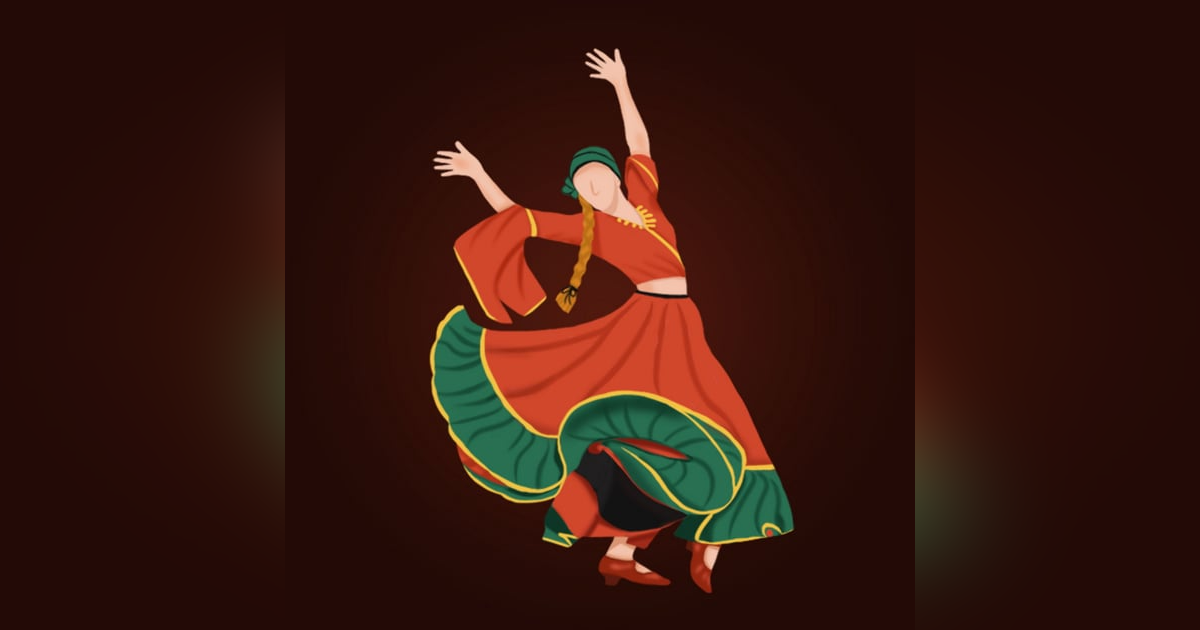


Chapter 1 What's Natasha's Dance Free Book by Orlando Figes
"Natasha's Dance: A Cultural History of Russia" is a non-fiction book by Orlando Figes. Published in 2002, the book explores the cultural and artistic history of Russia from the 18th century to the early 20th century, focusing on the various forms of Russian art - literature, music, painting, ballet, architecture, and more. Figes examines how Russian culture has been shaped by its unique history, traditions, and the influence of both Western and Eastern cultural elements. The book's title is inspired by a scene from Leo Tolstoy's novel "War and Peace," which describes a ball attended by the character Natasha Rostova and reflects the intersection between Russian society, music, and dance. Overall, "Natasha's Dance" aims to provide readers with a comprehensive understanding of the rich artistic heritage of Russia and its significance in shaping the country's identity.
Chapter 2 Is Natasha's Dance Free Book A Good Book
Opinions on the book "Natasha's Dance: A Cultural History of Russia" by Orlando Figes vary. Some readers consider it a well-researched and detailed exploration of Russian culture, art, and history, providing valuable insights into the country's rich heritage. They appreciate Figes' writing style and his ability to present complex ideas in a captivating manner.
However, others have criticized the book for being overly long and dense, making it difficult to maintain interest throughout. Some readers also contend that Figes' interpretations of Russian history and culture may be biased or inaccurate.
Ultimately, whether "Natasha's Dance" is considered a good book depends on personal interests and preferences. It is advisable to read reviews and summaries to determine if the book aligns with your specific tastes and goals before deciding to read it.
Chapter 3 Natasha's Dance Free Book by Orlando Figes Summary
Natasha's Dance: A Cultural History of Russia is a book written by Orlando Figes. It explores the rich cultural history of Russia, focusing on the development of Russian arts and identity from the 18th century to the present day.
The book is divided into several sections, each focusing on a different aspect of Russian culture. It begins by examining the influence of Catherine the Great, who sought to elevate Russia to the level of Western Europe through patronage of the arts. Figes discusses the role of the Russian aristocracy in this cultural transformation, as well as the emergence of the Russian intelligentsia.
Figes then explores the development of Russian literature, with a particular focus on the works of great Russian writers such as Pushkin, Tolstoy, and Dostoevsky. He examines how these writers grappled with questions of Russian identity and how their works shaped the national consciousness.
The book also delves into the world of Russian music, discussing the impact of composers such as Tchaikovsky, Rachmaninoff, and Stravinsky. Figes highlights the ways in which Russian music reflects the turbulent political and social changes of the time, and how it became a powerful tool for expressing national sentiment.
Figes also explores the visual arts, particularly the Russian fascination with folk art and iconography. He discusses the work of artists such as Repin, Malevich, and Kandinsky, and how their art reflected the political and social realities of Russia.
Finally, Figes concludes with a discussion of contemporary Russian culture, examining the ways in which Russian identity and artistic expression have evolved in the post-Soviet era.
Overall, Natasha's Dance provides a comprehensive overview of Russian cultural history, exploring the interplay between politics, society, and artistic expression. Figes paints a vivid picture of the diverse and complex world of Russian culture, offering insights into the forces that have shaped the nation's identity.
Chapter 4 Natasha's Dance Free Book Author
Orlando Figes is a British historian and author known for his expertise in Russian history. He is a professor at Birkbeck, University of London, and a Fellow of the Royal Society of Literature.
The book "Natasha's Dance: A Cultural History of Russia" was written by Orlando Figes and first published in 2002. It provides a comprehensive exploration of Russian culture, covering various aspects such as literature, music, visual arts, traditions, and social customs. The book delves into the rich history of Russia and its people, examining how the country's cultural identity evolved through the centuries.
In terms of other books written by Orlando Figes, some notable works include:
- "A People's Tragedy: The Russian Revolution, 1891-1924" (1996): This book is considered one of Figes' most significant works. It provides a comprehensive and highly praised account of the Russian Revolution and its aftermath, exploring the political, social, and cultural dimensions of the period.
- "The Whisperers: Private Life in Stalin's Russia" (2007): In this book, Figes delves into the personal lives of ordinary people living under Stalin's regime. It examines the impact of Soviet policies on family and personal relationships, fear, and survival.
"Natasha's Dance" and "A People's Tragedy" are widely regarded as Orlando Figes' most renowned works, with both receiving critical acclaim and multiple editions published to date. The choice between them often depends on one's specific interest or preference for either Russian cultural history or the Russian Revolution.
Chapter 5 Natasha's Dance Free Book Meaning & Theme
Natasha's Dance Free Book Meaning
"Natasha's Dance: A Cultural History of Russia" by Orlando Figes is a renowned book that explores the rich and complex cultural history of Russia. The book takes readers on a journey through different eras, from the glamorous and opulent world of the tsars to the tumultuous times of revolution and the Soviet regime.
The title "Natasha's Dance" is a metaphorical reference to the famous character Natasha Rostova from Leo Tolstoy's novel "War and Peace." In the novel, Natasha represents the spirit of Russia's vibrant and colorful culture, constantly moving and evolving. Figes uses this metaphor to capture the essence of Russian culture, which he describes as a constant dance between tradition and innovation, East and West, repression and freedom.
The book delves into various aspects of Russian culture, including literature, music, art, and politics, and explores how these elements have shaped the country's unique identity. Through captivating storytelling and meticulous research, Figes unravels the complexities of Russian culture, revealing its profound influence on both the nation's history and its people's collective consciousness.
"Natasha's Dance" also highlights the interplay between Russian culture and politics. It explores how power dynamics and political ideologies have often influenced and shaped artistic expression in Russia. By examining the lives and works of renowned figures like Tolstoy, Dostoevsky, Tchaikovsky, and Shostakovich, Figes delves into the artistic struggles faced under various regimes and provides insights into the symbiotic relationship between art and politics.
Overall, the book portrays Russia as a country with a rich and diverse cultural heritage, constantly grappling with conflicting forces and ideas. "Natasha's Dance" ultimately aims to offer readers a deeper understanding of Russian culture and its significance, not only to the nation's history but also to the broader global cultural landscape.
Natasha's Dance Free Book Theme
The main theme of "Natasha's Dance: A Cultural History of Russia" by Orlando Figes is the exploration of Russian culture and its influence on the country's history, identity, and artistic expressions.
Figes delves into various aspects of Russian culture, including literature, art, music, dance, and theater, to provide a comprehensive understanding of the Russian people and their collective identity. He argues that Russian culture is deeply rooted in the historical, social, and political dynamics of the country, constantly evolving and shaping the course of its development.
One of the key elements of Russian culture explored in the book is the dichotomy between the Western influences and the unique Russian traditions. Figes discusses how Russian intellectuals and artists often struggled with the tension between embracing Western modernity and preserving their national identity. He argues that this struggle has led to both the assimilation of Western ideas and the creation of distinctly Russian artistic forms.
Another important theme in the book is the connection between Russian culture and the Russian Revolution. Figes explores how the revolutionary period impacted different cultural spheres, transforming artistic expressions and shaping new ideas about societal values and norms. He emphasizes the central role of culture in revolutionary movements and how it both reflected and shaped the political changes in Russia.
Through the exploration of various cultural expressions, Figes also highlights the role of Russian literature and art in shaping the national consciousness and influencing the perception of Russian identity both within the country and abroad. He analyzes the works of prominent writers and artists such as Tolstoy, Dostoevsky, Tchaikovsky, and Repin, to demonstrate their impact on the Russian cultural landscape.
Overall, the main theme of "Natasha's Dance" is the importance of Russian culture in shaping the country's history, identity, and artistic expressions. Figes provides a comprehensive examination of the various cultural elements that have contributed to the richness and complexity of Russian society.
Chapter 6 Other Accessible Resources
- Online retailers: Websites like Amazon, Barnes & Noble, and Book Depository provide access to the book in various formats, including e-book and paperback versions.
- Library databases: Platforms like WorldCat and JSTOR offer access to academic libraries' collections, allowing users to find and access the book for free through their library memberships.
- Google Books: Users can browse through a limited preview of the book on Google Books, which provides snippets of text and key information about the content.
- Project Gutenberg: An online library featuring over 60,000 free e-books, Project Gutenberg may have a digital version of Natasha's Dance available for download.
- Scribd: This digital library offers a subscription service that provides access to thousands of books, including Natasha's Dance, through their reading platform.
- Internet Archive: With a digital library of websites, books, videos, and more, Internet Archive may have a free online version of Natasha's Dance available for reading or borrowing.
- Open Library: An open, editable library catalog, Open Library may have electronic versions of Natasha's Dance available for borrowing or online reading.
- Goodreads: This online community and book recommendation platform allows users to access book summaries, quotes, and reader reviews related to Natasha's Dance.
- Social media platforms: Many social media platforms, such as Facebook and Twitter, have dedicated reading groups and book communities where users can discuss and share resources related to Natasha's Dance.
- Author's website: Orlando Figes may have a personal website or blog where he shares additional resources, background information, or updates related to Natasha's Dance.
Chapter 7 Quotes of Natasha's Dance Free Book
Natasha's Dance Free Book quotes as follows:
- "History is not just about facts and dates, it is about understanding the human experience, and Natasha's Dance does just that."
- "Figes' writing style is captivating and he seamlessly weaves together the personal stories of individuals with the larger historical context."
- "Natasha's Dance brilliantly explores the complex relationship between art, politics, and identity in Russian culture."
- "Figes masterfully brings to life the vibrant world of Russian literature, music, and ballet, transporting the reader to a different time and place."
- "Through Natasha's Dance, Figes shows how Russian culture evolved and adapted to the political and social changes throughout history."
- "This book is a must-read for anyone interested in Russian history, as it offers a unique and insightful perspective on the country's cultural development."
- "Figes' deep knowledge and passion for Russian culture shines through every page of Natasha's Dance, making it a truly enriching reading experience."
- "Natasha's Dance is not just a history book, it is a celebration of the rich artistic heritage that Russia has given to the world."
- "Figes' impeccable research and attention to detail make Natasha's Dance an authoritative and comprehensive account of Russian cultural history."
- "This book will make you appreciate the power of art in shaping society and the indelible influence of Russian culture on the world stage."
Chapter 8 Similar Books Like Natasha's Dance Free Book
- "Inferior: How Science Got Women Wrong and the New Research That's Rewriting the Story" by Angela Saini
This book challenges society's misconceptions and biases about women's abilities by examining scientific research throughout history. Saini debunks long-held stereotypes and presents evidence that supports gender equality. It is a thought-provoking and enlightening read.
- "Sapiens: A Brief History of Humankind" by Yuval Noah Harari
In this captivating book, Harari takes readers on a journey through the history of humankind, exploring our cognitive evolution and the impact of various revolutions (Cognitive, Agricultural, Industrial, and Scientific) on our society. It offers a fresh perspective on our place in the world and the path that has led us to where we are today.
- "Educated: A Memoir" by Tara Westover
This memoir tells the powerful story of Westover's journey from growing up in a strict, isolated Idaho family to obtaining a PhD from Cambridge University. It explores themes of education, self-discovery, and the struggle between familial loyalty and personal growth. A raw and inspiring narrative, "Educated" highlights the transformative power of education and self-belief.
- "Quiet: The Power of Introverts in a World That Can't Stop Talking" by Susan Cain
Cain examines the societal bias towards extroversion and champions the unique strengths and perspectives of introverts. She delves into the power of solitude, the importance of listening, and how society can benefit from accommodating introverted individuals. This book offers valuable insights and encourages a reevaluation of our understanding of introversion and extroversion.
- "The Immortal Life of Henrietta Lacks" by Rebecca Skloot
This nonfiction book tells the gripping story of Henrietta Lacks, an African American woman whose cells were unknowingly taken by scientists and became one of the most critical tools in medical research—unbeknownst to her and her family. Skloot explores the ethical questions surrounding medical advancements and the impact they have on individuals and communities. It is a compelling and thought-provoking examination of scientific progress and human rights.
