Beth Fahey: The EOS Rollout Book Every Implementer Has Been Waiting For
In this week’s episode of Better Business, Better Life, host Debra Chantry-Taylor is joined by Beth Fahey, a former filmmaker turned bakery owner who grew her business from two to 32 employees before discovering the power of the Entrepreneurial Operating System (EOS).


In this week’s episode of Better Business, Better Life, host Debra Chantry-Taylor is joined by Beth Fahey, a former filmmaker turned bakery owner who grew her business from two to 32 employees before discovering the power of the Entrepreneurial Operating System (EOS).
Beth shares how tools like the Accountability Chart and Level 10 Meetings transformed her team’s communication, culture, and focus, and how she now helps other business leaders achieve the same results as a professional EOS Implementer. Together, she and Debra explore what it really takes to create strong leadership, foster accountability, and maintain alignment as a company scales.
They also chat about Beth’s upcoming book on EOS rollout, her inspiring podcast Bad Boss Confessional, and the importance of self-care and vulnerability in leadership.
Whether you’re a seasoned leader or just starting your EOS journey, this episode is packed with relatable insights and practical tools to help you lead with clarity, courage, and compassion.
CONNECT WITH DEBRA:
___________________________________________
►Debra Chantry-Taylor is a Certified EOS Implementer | Entrepreneurial Leadership & Business Coach | Business Owner
►Connect with Debra: debra@businessaction.com.au
►See how she can help you: https://businessaction.co.nz/
►Claim Your Free E-Book: https://www.businessaction.co.nz/free-e-book/
____________________________________________
GUEST DETAILS:
► Beth Fahey – LinkedIn: https://www.linkedin.com/in/bethfahey/
► Beth Fahey – Website: https://www.bethfahey.com/
► Beth Fahey – EOS Worldwide: https://implementer.eosworldwide.com/beth-fahey/
► Bad Boss Confessional Podcast: https://open.spotify.com/show/07WsPdrtQt3h69PPdL2GXB?si=9980d86bf5c94556
Episode 246 Chapters:
00:00 – Introduction
01:08 – Leadership and Accountability in Business
30:05 – Beth’s Career Journey and EOS Implementation
30:16 – The Impact of the Traction Book and EOS Implementation
30:36 – Level 10 Meetings and Team Engagement
32:08 – Rolling Out EOS and Overcoming Resistance
32:21 – The Role of Leadership Teams and Operational Teams
37:40 – Financial Transparency and Team Engagement
43:36 – The Importance of Self-Care for Leaders
44:44 – Beth’s Podcast: Bad Boss Confessional
49:39 – Final Thoughts and Contact Information
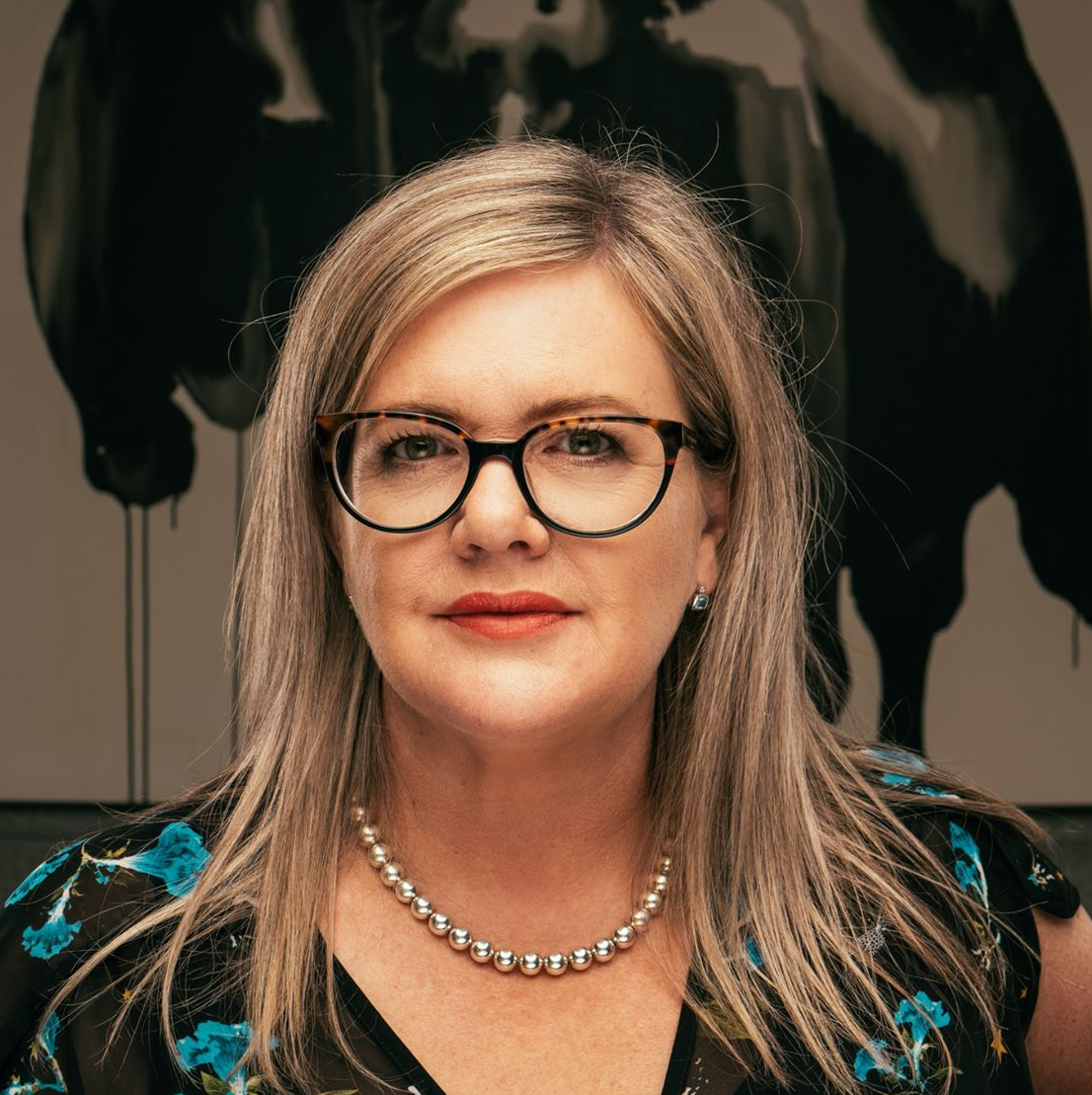
She is based in New Zealand but works with companies around the world.
Her passion is helping Entrepreneurs live their ideal lives & she works with entrepreneurial business owners & their leadership teams to implement EOS (The Entrepreneurial Operating System), helping them strengthen their businesses so that they can live the EOS Life:
- Doing what you love
- With people you love
- Making a huge difference in the world
- Bing compensated appropriately
- With time for other passions
She works with businesses that have 20-250 staff that are privately owned, are looking for growth & may feel that they have hit the ceiling.
Her speciality is uncovering issues & dealing with the elephants in the room in family businesses & professional services (Lawyers, Advertising Agencies, Wealth Managers, Architects, Accountants, Consultants, engineers, Logistics, IT, MSPs etc) - any business that has multiple shareholders & interests & therefore a potentially higher level of complexity.
Let’s work together to solve root problems, lead more effectively & gain Traction® in your business through a simple, proven operating system.
Find out more here - https://www.eosworldwide.com/debra-chantry-taylor
Debra Chantry-Taylor 00:00
Do you know how much this meeting is costing us? You know my time and all of your time around the table, and we're discussing something that's worth this amount of money in the business, it's like, Does this really make any sense?
Beth Fahey 00:08
So if you create an environment of great leadership, an environment of great management, you'll get accountability. Because you really can't make people accountable, don't we need that in this world, a little bit more vulnerability, a little bit less righteousness, and I'm right, you're wrong, and more, boy, did I get that wrong. And let me tell you what I learned. And so that's what the podcast is all about.
Debra Chantry-Taylor 00:40
Welcome to the show. Beth, it's lovely to have you here.
Beth Fahey 00:43
I'm so glad to be here on the other side of the world.
Debra Chantry-Taylor 00:46
I know it's funny. I have a lot of my guests come from the US, and it's always a different time zone. So I'm in the future tomorrow morning, while you were in the afternoon. But what about are you in the US?
Beth Fahey 00:54
I'm in the Chicago area.
Debra Chantry-Taylor 00:58
Great. It's one place I've not been to, but I hear great things about it. Yeah, it's pretty cold there in wintertime, right?
Beth Fahey 01:03
It does. It does not as much as it used to, but it's still pretty cold, fair enough.
Debra Chantry-Taylor 01:08
Hey, look now you're an expert EOS implementer. We've just been chatting before we came on the show, and you shared with me your kind of journey to get into EOS. Would you mind sharing that with the listeners?
Beth Fahey 01:18
For me, Sure, absolutely. So I've had a pretty crazy career path. I started in film. I worked on movies like Groundhog Day. I did TV series Twin Peaks. So I'm totally dating myself by saying this and but I did that for about 10 years. I worked as a camera assistant, a focus puller, and it was a really great job. And then I took a break. Had a family. I have three kids. They're all grown now. And when I was at home with my kids, I had a couple of businesses, a bookkeeping business, a web design business, and, you know, I was just trying to figure out how to make money and also take care of my kids. And then one day, my sister called me and said, Hey, do you want to buy this bakery that I work at? And I was like, Sure. Why not? How hard can it be? And so we started that bakery together, and basically it was a turnkey business, because it was an established business, but we grew it from two people to 32 people in six years time. So it was quite a growth explosion. And, you know, I went to film school, I didn't have a degree in business, I didn't have an MBA, and we grew so fast, and had to learn so much. And along the way, somebody handed me a copy of traction, and I read it, and I thought, oh my gosh, this is everything. This is everything that I've ever read in any business book. And it makes so much sense, and we absolutely have to do it. And I said that to my sister in 2012 and the book sat on the shelf for about two years, and then we decided to implement EOS in 2014 after we had added a cafe, and it was really crazy. And so, long story short, I became an implementer in 2018 after I had been teaching EOS concepts at conferences and things like that. And I was just so mad for EOS. I just loved it so much that I realised that this is really what I wanted to do, and with my sister's blessing, left the bakery. They were in great hands. EOS had worked I had worked myself out of four seats, and we had a great general manager and integrator, Fran and they're still doing well, still running on EOS. And so I became an implementer in 2018 and since then, I've just tried to keep deepening my mastery of Eos, because although it's a simple system, you can go so deep with it absolutely and I think that's really interesting, that your story about leaving the traction book on a shelf for two years, it's amazing how many clients I have that literally take a traction book from me. I hear nothing from them for two or sometimes three years, and then all of a sudden they call and they say, right, I'm ready to go now. You're like, sorry, What? What? I've read the traction book and we're ready to talk to EOS. So it's like, okay, I haven't heard from you in two or three years, but that's great. Let's get started. Yeah, yeah, it wasn't bad enough, right? Things hadn't gotten bad enough.
Debra Chantry-Taylor 04:27
Yeah, that's absolutely true when the timing is right, it happens. So interesting because you know, you're very, very, very career, not not your usual pathway into business ownership or even, and yet. So multiple business ownership. What was it about the traction book that you really struck you as being different? Because there's loads of books out there, right that talk about Business Systems and Business ways of doing business?
Beth Fahey 04:52
Well, like most visionaries, I think I got to chapter four, and I just slammed the book shut. And I think Chapter Four was the piece. People chapter, right? And, and I was, I could be wrong. I mean, maybe I should check myself. I mean, I should know this. But anyway, it was, it was something that was like, this is the missing piece. This is it. And we had tried great game of business, several other things and flavour of the month. You know, we were that business, and when I read it, the simplicity is really what landed for me is that it wasn't this complicated thing that was going to be really arduous. Having said that, it is a simple system, that doesn't mean it's easy, yeah, and I think you're right.
Debra Chantry-Taylor 05:39
I mean, there's so much depth in behind it, but it's, I love the fact that it's, it is simple, which means you can start to make fundamental changes in your business quite early on. But the more you go into it, the deeper you go. And I know that EOS has brought out a whole bunch of different books since the original traction book that go deeper into the various components. And so we've got the, you know, the sort of six key components books coming out in various shapes and fours. But there was also the how to be a great boss, which is something that you've taken a huge interest in. Is that right?
Beth Fahey 06:08
Yes, absolutely. I was plucked from obscurity. I like to say I had the good fortune of having an office roommate in Rene Bower. Rene Bower wrote the book How to be a great boss. And during covid, you know, we were all trying to figure out how to do things online. And he called me and he said, Hey, you know, I have these great boss workshops that I do, and I need to figure out how to do them online. Do you want to just be my equal partner in this? And I thought, like, you've got to be kidding me, like I don't know anything, like I'm a baby in the world of vos. And he was such a good friend and mentor during that whole period of time. And I just learned so much from him, not only about LMA and being a good leader and manager. I mean, that there was so much content that he had that was just so rich. But I think what Renee taught me more than anything was just how to be a good human and that, I mean, he is, he's recently retired, but he is one of the most decent people I've ever met, and to be lucky enough to have a business partner like that and a mentor, I mean, I just felt like the luckiest person in the whole world of Eos and and so we worked over the next five years to develop that content. We brought it to EOS worldwide. It's now something that is taught actually all around the world, and that programme really helps bosses get to the next level of LMA.
Debra Chantry-Taylor 07:52
You know, we and Beth just before we go ahead, yeah, because some people may not know what LMA is. So why don't we explain what? Yeah, because we have lots of three letter acronyms of the US. So why don't you explain what LMA is for those who maybe don't know what it is.
Beth Fahey 08:03
So leadership plus management, accountability is simply a byproduct of great leadership and management. So if you create an environment of great leadership and environment of great management, you'll get accountability, because you really can't make people accountable. And this is a skill set that a lot of entrepreneurs just don't have. They don't, you know, they're too busy building the plane as they're flying it in, and they're not going and getting professional development, and neither are their staff. And so they're fumbling around trying to figure it out. And then EOS comes along, and we start introducing these tools and concepts to them, and then they have a path forward. And so they get a taste of that in, you know, the leadership team does in, in the sessions that we do, but for everybody else in the organisation and the leadership team, if they want to go deeper, the great boss workshops help them do that.
Debra Chantry-Taylor 09:05
That's great. And so I'm really keen to understand, you know, some of these tools that you're talking about. How did you use them in the bakery business? Like, what was the what was the most revolutionary tool, I suppose, that you used in transforming that business?
Beth Fahey 09:18
Well, I think the accountability chart was huge. And I mean, so imagine two sisters, who are, you know, both highly capable people and the overlap of our roles and who did what. And it was very frustrating for both of us, because it felt like it was, you know, we were sisters, but it felt like playing mom against dad in in the bakery all the time, and I was always the heavy and she was the nice one, right? And so people would always go to Becky if. To get the answer they wanted, and no one would ever come to me. But when we had the accountability chart, it became clear what the roles were, and it made it a lot easier. And so that and level 10 meetings, of course, which just biggest bang for the buck tool out there.
Debra Chantry-Taylor 10:18
But I think a lot of people start with a level 10 meeting. Most people start with the VTO, because that's the easy part, but they um, part, but they start with level 10 meetings. But level 10 meetings really are become, you know, very, very helpful when you've got that accountability chart right, because the accountability charts are the backbone for everything EOS in terms of driving your scorecard, your rocks, your your which meetings you attend, etc, etc.
Beth Fahey 10:38
Yeah. And don't you find that that is the tool that gets the least attention throughout the journey.
Debra Chantry-Taylor 10:45
I think, yeah, I work with a lot of self implementers who've often self implemented for a couple of years, and they come to me and they go, Look, we've been doing Eos, and it's sort of working, but we're not quite getting what we want. And the first thing we look at is their accountability chart, and often doesn't even exist. So they've kind of, they've completely skipped it, or they did it very much like an ordinary organisational chart. Did it once, quick, quick overview, shoved it away in a drawer somewhere and haven't referred to it. Whereas the the teams that get the best success are those who actually really focus on that and make sure everything is kind of driven from that accountability chart and review it regularly.
Beth Fahey 11:22
Of course, as as a business changes, I always refer to it with my clients as a living document that the scorecard. I mean, these are living, breathing documents that are you need to be almost obsessive about looking at them.
Debra Chantry-Taylor 11:35
I agree. I mean, I'm looking at your journey of two people to 32 people in six years. I've been working with a client just recently who went from four people to 46 people in three and a half years. And you know that that team is still continuing to grow at great pace, and they're looking at their accountability chart every 90 days and just really asking the tough question about, is this still the right structure for where we're headed, what we're trying to do, which, of course, then starts to impact the scorecard and and the rocks for their quarter as well. So, yes, you're right. It has to, it has to be something you obsess about.
Debra Chantry-Taylor 12:09
Yeah, absolutely. Yeah. Okay, so that was a, that was a key thing, the level 10 meetings. I mean, there again, that's another EOS term, and I think it'd be really good just to do a little bit of a deep dive into what a level 10 meeting really is, because that must be a fundamental part of the communication amongst your people?
Beth Fahey 12:21
Yes, absolutely. I remember when we brought level 10s to the bakery, it was something that, at first it was just the leadership team, obviously that was doing them. And then we informed the bakers and decorators, hey, this is coming, this level 10 meeting, and you really need to start having these. And they resisted and resisted, and you know, they weren't having them. And you know, so this is where rollout it gets really hard, because leaders are all excited about the vision. They want to get it going, and then everybody else in the organisation is exhausted because they've had so many things foisted upon them over the years, and it was absolutely that for us, they thought, oh gosh, this is just like, great game of business. Here we go again. Yeah. And what was funny, I mean, just to kind of jump to the end of the story within six months of rolling out, and once everybody got the feel for those level 10 meetings, they would not pass that up for anything. The Bakers and the decorators met together. It was kind of a larger level 10 meeting, but boy, that team never skipped a level 10. And I have to say, the sales team frequently made excuses, you know, and you know, other teams, but that team didn't want to miss it for anything. And once they got a hold of that and saw how powerful it was, there was no going back. They were, they were absolutely bought into the system.
Debra Chantry-Taylor 13:57
See, I think that's really, really interesting, because I work with a lot of very hands on people and different industries, as I'm sure you do, where they kind of say, oh, yeah, but when you're in the office and you're in agency, it's easy to level 10s, but we've got people on the shop floor, and it's different. And I always say it's not, and I think that you have to give them the opportunity, and if you give them the opportunity, they're going to love it. So just, can we go a little bit deeper in terms of, you know, bakers and decorators. They are very much hands on people, right? They're not, they're not office workers. They're not sort of, but What? What? Why did they love it? What was important for them?
Beth Fahey 14:27
For them, I think it was getting clear on a lot of the logistical things. So when you're making a cake, you're basically spinning straw into gold. And these are high end custom cakes, okay? These aren't just, you know, happy birthday mom cakes, although we did plenty of those. These were what my sister called runway cakes. And so there was a lot of involvement, a lot of hands in the process. You know, everybody had to be involved from beginning to end. And what had helped the decorators? And the bakers do is really plan for their week. Because, you know, some weeks, we did 250 custom cakes in a week, and that really had to be planned. And so for them taking that, I think it was a 45 minute meeting or hour. Actually, I think they took a full hour every week to go through all the logistics, all the handoffs, all of that, and get it all figured out. And it just made their lives so much smoother and easier. And you know, to carry on. You know, with your pushback that you get sometimes from your clients, if I could get 16 year old kids to show up on a Saturday morning at six o'clock for a level 10 meeting. You know, my counter kids, there's no excuse out there. I mean, because try to get a teenager out of bed on a Saturday morning. But they wouldn't miss it. They wouldn't miss it for anything. They loved it and it really it had them feeling like they had a voice in the business.
Debra Chantry-Taylor 16:02
I completely agree. I think it's a chance for everybody to be involved in terms of raising issues, but also to contribute to the greater vision of the business. I think that's what really helps them understand that even though they may only play a small part a counter counter kid, for example, it's still a really important part of the business, and they get to see how that all fits together, which makes them more, I guess, accountable, but also they're more involved. They're more engaged. They just want to be part of that longer term vision totally. And I think you made a really valid point, sorry to just in terms of they're not always 90 minutes. I think people get nervous. They go, Oh, but, you know, it's such a big, such a long meeting. You know, when they're at that level, they can be shorter than 90 minutes, as long as they're following the same agenda, is that? Right?
Beth Fahey 16:43
Oh, yeah, absolutely, as long as half of the time is spent idsing. So for our counter kids, it was a 15 minute meeting, right? But required, you had to be there at six o'clock. And what their issues consisted of, mostly were missed opportunities. Hey, a customer came in and asked for donuts, and we don't have donuts. Or a customer came in and complained that, you know, the coffee wasn't hot enough. So these were issues that wouldn't have been raised otherwise we would never, would have known, right? And they felt that they were really contributing by letting us know about some of those things.
Debra Chantry-Taylor 17:21
And as you said, I always struggle with the word issues, because they're not always negatives. There can be opportunities there, and a lot of them are. So it's like actually identifying someone's opportunities. If they they can bring a new product or new service into the business, then that makes them feel very special.
Beth Fahey 17:34
Yeah, the word issue, I tell my clients, just means topic. If you look it up, it's it's just a topic.
Debra Chantry-Taylor 17:41
Okay, so actually, it hasn't got that definition of being negative. I think we just associate it with being negative. And it takes me back to I was running the bus company. I one of our top selling products actually came from a lady who worked on the ticket counter, selling bus tickets to people. And she came to a one of our meetings and said, I've got this idea we should do this, like a phone card back in the day, where you can buy a certain number of hours of bus travel, and then you get to use it on the network any way you want to. And it led into us launching a product called Flexi pass that completely changed the directory of the bus company. So, you know, it the ideas don't just always sit in leadership teams. They often come from people who are on the shop floor, who are, who are thinking about the business, right? Like I said, can be as short as 15 minutes. I think that's really important for the people listening in. I think there is this kind of misconception that it's going to be a 90 minute meeting. I always say we don't want meetings for meetings sake, but we do have to have everybody have an opportunity to contribute. And it can be short and sharp, as long as you said half of the time is spent. IDs, yeah, absolutely. Okay, great. And that's really, really helpful. Now I know you sort of very quickly dropped in a little thing about rolling out Eos, and I know that you have been working on a book over the summer period about how to roll out EOS. It's probably one of the biggest challenges for a lot of businesses. It's easy for the leadership team to embrace it, but how do you take it further beyond that? Tell us a bit about the book you've been writing.
Beth Fahey 19:04
I've been working all summer with another EOS implementer, Marissa Smith. She's an amazing implementer out of Ann Arbour, Michigan, here in the States. And I think both of us realise that, you know, rollout is an area that really just needs more attention, as far as having some content to teach people or reference material, and people are really hungry for it. So we worked over the summer to write the book that we wish we could give our own clients at the end of vision building day two, like, Okay, so now the leadership team is completely aligned on the vision for the most part, right? They're aligned on all the they've answered all the eight questions, and they're talking about rolling out EOS. And what I think you and I both see more often than not, is that it gets stuck at the leadership team. And. And they have a very difficult time getting it past the leadership team, and often the mid managers aren't carrying it with the same gusto that they have, and it just kind of peters out. And that's when people give up on EOS. And so we wrote the book to give people an easy path. And you know, the first thing that we talk about is that, you know, before you do anything with rollout, you've got to be aligned as a leadership team, and that means that you have to believe every word on that VTO for the most part. I mean, some, some things are still kind of works in progress, but you're aligned enough to start bringing this vision to the rest of the organisation and and then you've got to make a plan, and where we see it fail a lot, I think. And you can back me up with your own experience. Here is the teams that wing it. Just think that, oh, it's an event. It's not a journey. And so a lot of the book focuses on the journey and why it's so hard. So there's even a chapter in the book about brain science and why people resist things like my bakers did, right? And it's just natural. It's human rewiring all those you know, synapses in our brains is requires a lot of effort and repetition, and so a large part of the book is just explaining how human brains work and what to expect, and tips and tricks with how to address the resistance that you're going to encounter, and then how do you make it? How do you implement it well within the organisation? And we take people all the way through quarterly and annual planning at the department level. So there's an explanation of that and what that looks like. There's a clear understanding of how you use your marketing strategy, for example, and get everybody on board to create a great customer experience. And then we talk about sustainability and what that really looks like on on the long term. Because the idea is that EOS is, again, not just an event. The assumption is that you're going to run on EOS forever, and how do you do that well, and how do you keep the energy alive and sustain that in the organisation? So that's primarily what the book is about. And so for people that have rolled out already, I think there's still value in reading the book, because you can go back and maybe see areas where, you know, maybe it wasn't done as well as it could have been. And we've included a couple of tools. There's a rollout tracker that gives people a sense of actually, where they are in the rollout process, not being prescriptive, but just, you know, painting a picture of what 100% you know, rollout looks like, and then allowing people to go through that tracker and and check it. And I'm happy to share that, by the way, the tracker might be helpful for your clients until the book comes out in January. But anyway, it's, it's something that we're excited about, and I think it's it's something that they're excited about it worldwide as well, and they've been very helpful and encouraging
Debra Chantry-Taylor 23:28
in getting this content out. So we think January is when it's going to come out. That sounds fantastic. I think it's something that is sorely missing. I must admit that, as you said, you may have already gone through your rollout, but sometimes reading these books, there's just little aha moments in there, you kind of go, oh, yeah, we didn't quite do that last I can see the data book behind you, and I remember, I've now read the data book three times, because every time I read it, there's something else that comes out for me. It's something else I can share with my clients. And yeah, it's great to go a little bit deeper. And I think also, yes, it is, it's very, very simple, but it isn't easy. And as you said, it's a journey. I think a lot of clients, as you said, they do their Oh, we've launched our VTO, we've gone our sort of first out of the company update, and we're done. I was like, Yep, no, that's just the start.
Beth Fahey 24:10
And there's lots of client stories in the book too, so that people can see themselves. We have, I mean, I think at least 20 different example stories of different rollouts and what that looks like, states of the company and all kinds of stuff like that.
Debra Chantry-Taylor 24:25
So very excited. Look forward to receiving that. So you're an expert EOS implementer, which means you have done, oh, gosh, at least over 500 sessions, I'm guessing, a whole lot more by now, you've worked with many, many different clients, I'm guessing, throughout that time. Do you have a few client stories you could share that where, you know, EOS has been an absolute game changer for the business?
Beth Fahey 24:46
Yeah, you know, it's interesting. I've had, I've had so many different clients from a lot of different businesses, and I think that, I mean, I've got a couple that come to mind right away. One is the client I've had since I got out. Of boot camp. Okay, so this was a client that I've had for eight years. And what is amazing about this company, it's clear height properties. They do commercial real estate. They basically take, you know, not so great warehouses, and make them pretty and profitable. That's what they do. And so they have grown from a eight person company to also a 30 something company at this point, and they just keep going deeper with this process. And I'm still their implementer. They still want to use me for sessions, and they've really leveraged just about every bit of the EOS offerings. So they've sent all of their managers to great boss workshops. They've their integrator has attended integrator master class. They've gone to the EOS conference. They've participated in so many different things, and it just astounds me that they keep getting more and more out of the system after eight years. And it's, it's just incredible to see that. And you know, the results are there. And you know, when they pulled out their three year picture at three years and, like, surprising, like, somebody was cleaning out their binder, and they're like, oh, wait, listen to this. Listen to what we said we thought was going to happen. Oh my gosh, we did that. We crushed that. Oh, that was, you know, amazing. And so those are really gratifying moments. And then the other times, you know, without mentioning companies by name, where they've really solved some team health issues, you know, like, maybe there was a toxic person on the leadership team, and it was really awful for a while, and then they finally make the decision and get the right person on the team, and it makes all the difference in the world. And then they go, gosh, you know what took us so long? I don't know what took us so long, you know, and you know it's coming. And the thing is, is that you know, as implementers, we know we're pretty confident, like what needs to happen, but when they make the realisation, and they realise it for themselves, and they work it out, and they make the right decisions for the greater good of the company. I mean, it's just really great to see them enjoy it, right? Because then you're just kind of smiling to yourself, you know, like, that's amazing. Like, that is so good. And you have to let them figure it out on their own terms, in their own time, right? And I think that's important.
Debra Chantry-Taylor 27:40
I think what some people think what some people think is, as implementers, we're going to come in and we're going to have all the answers, and we're going to sort of, you know, tell you what to do, but we don't, we don't do that at all. We just give you the tools and the framework to actually help you make the right decisions yourself. And so it is a joy for us to see when that light bulb moment sort of happens, and then they make the decision, and then, more importantly, to see the results afterwards, because I've just finished recording a podcast on this. Actually, nobody ever says, I'm glad we waited all this time to get rid of that person.
Beth Fahey 28:09
Never like, oh gosh, if we could only get them back. I have never heard that one, not once. That's great. Well, I was just gonna say, I mean, I think what is my biggest revelation in being an implementer over these past eight years has been the art of asking questions and how important that is. And I think that's what implementers bring. We may know what ultimately the answer is, the solution is, but it's the art of asking the question that gets them to that answer right. And so I think that's the value we provide
Debra Chantry-Taylor 28:49
Absolutely and we teach that to our leadership teams as well. Because, you know, again, often the answer, you don't have to have all the answers. You need to work together as a team and ask the right questions and the answer, I just finished putting together something about IDs, actually, for another podcast I've done, podcast I've done in it. Yeah, the identify part asking all the curious questions, rather than just jumping straight into trying to solve something. That's where the gold comes, because you ask the right questions, and if you get to the real issue, the answer is really obvious. It doesn't require too much thinking about it.
Beth Fahey 29:18
Yeah, absolutely. Because, I mean, how often does the root cause reveal itself? You know, 510, minutes in and say, Whoa, hang on. A second like, what? What's going on here? And then, and then we, oh, yeah, everybody knew it. But there you go.
Debra Chantry-Taylor 29:37
Sometimes it's just easier to avoid some of those things, isn't it, sweep it under the carpet and sort of just pretend it doesn't really exist
Beth Fahey 29:43
Exactly, exactly. And that's what we do, is we help them get there in a, you know, psychologically safe space, and allow them to figure it out.
Debra Chantry-Taylor 29:54
I'm going to, I'm going to switch things around a little bit now, and I'm going to ask, you know, have you got any examples? Examples where rollout has gone not so well, because we're talking about all the positives, but I love sometimes. I think sometimes hearing the not so well stuff helps us to understand what we could do better.
Beth Fahey 30:09
It's so funny that you asked this, and this wasn't a plant question, but I I had a client, and this is another inspiration to the rollout book. They are actually mentioned in the store in as one of the stories in the book. They were gracious enough to just note. Here it is. So I had this client for four years, and EOS just never made it past the mid manager level. It just it. It just went, boom, boom, and then just kind of stayed there. And one time in an annual they had, I think, over 100 issues on the issues list, because I put i numerate them, so that we can see feel good about how many issues we solved. But you know, the reverse actually happens. They feel pretty crappy when they say more than 75 and they saw all these issues, and they're like, Gosh, what's wrong with us? Are we broken and and I just, you know, in a moment, that I'm usually pretty calm, but you know how we have those squishy animals, so we have, I call them the talking animals. So there's like, the elephant for, you know, the elephant in the room, and the cow for the sacred cow and everything. So anyway, there's a collection of animals in front of me, and I just, I kind of lost it, and I started like, beaning the then integrator, who was really a visionary in the integrator seat. And and I was like, I said, the reason you have so many issues on your issues list is because these are departmental issues. These are not leadership team issues. And, you know. So anyway, sometimes you got to interrupt the behaviour, you know. And, and I think, like me having a fit really, sort of just kind of got through to them, like, oh, we need to, we need to actually roll this out all the way, yes, so that that's one story I'm sure you have.
Debra Chantry-Taylor 32:15
Oh, I have plenty as well. But we just want to ask, I think, a question that'd be really good to to explore for the listeners, particularly I see as I work with through with clients over the time period that we work together, that, you know, the leadership team, it does start off being very operational, right? Some of the issues company kind of think seriously. I was a we as a leadership team discussing this, but you have to let them work through that and find it out for themselves. But how would you define leadership team versus operational departmental teams.
Beth Fahey 32:42
Well, it depends on the business, right? So, I mean, the smaller the business, the more tactical the leaders are. Just need to be it, unfortunately, and that this is almost every small team I work with. Their capacity is just the biggest issue that they have, because they're all spinning, you know, all these plates and so in those companies, and especially, like the hands on companies, they they get very tactically focused. My bakery was very, it was very hard to get people to not just think about building the pro, you know, making the cakes every week. They just so, but as as I often explain to my clients, as companies grow and they get bigger and the roles get redefined in the seats for the leaders on the team, these roles become more strategic and more people focused as as the company grows, and that means you need to keep up as if you want to stay with the company. And so what I find often is that companies get to a point where one or maybe more leaders on the team can't make the jump the seat outgrows them to a degree, and they have a very difficult time thinking strategically. And that can cause a company to actually hit a ceiling when you have one or two departments that are just really struggling, I think to think strategically and see how it all works together. I've seen that slow down a company pretty quickly. Have you had that experience, too? Yeah, I have.
Debra Chantry-Taylor 34:26
And I think you're right. It does come down to the size as well, because the smaller teams definitely have been a whole lot more hands on. But then as the team grows, obviously the role of those leaders change. And, you know, I think I've had a couple of hissy fits in in sessions as well, where we've been talking about stuff. And I look around the table, I go, do you know how much this meeting is costing us? You know my time and all of your time around the table, and we're discussing something that's worth this amount of money in the business. It's like, Does this really make any sense? Because as a leadership team, you've got to you've got to ask yourself those questions, are we actually discussing the things that will really move the needle strategically longer term?
Beth Fahey 34:59
Right? Right? And it's like, you know, the other thing to note for anybody who's, you know, solving issues, is there a theme to the issues on your issues list? Wow, there are a lot of marketing issues here. That's interesting, right? And so and so why are there so many marketing issues that's like, let's think about that for a second. And anyway, i i Sometimes getting the teams to take a step back and see things like that. That's also the role that we play. But it is, it is neat to see folks who take the challenge and and decide that they're, you know, going to start thinking more strategically. I especially love it when a functional leader becomes an integrator, or something like that on the team. It's just like, All right, here we go. Let's go. Because ideally, you know, you paint a picture of what the seat looks like. And you know, for the right person, they're like, That's me. I'm going there. I can't wait to embody that seat and and it's so cool when that actually plays out. So that company I was telling you about that was so slow in their rollout, when the visionary finally got out of the integrator seat and we got the right woman in that seat to be the integrator. Oh, man, it was like night and day. It was just so great to see. And she had to learn a lot. I mean, she had to learn about the P and L and all kinds of things. But it was so great to see that
Debra Chantry-Taylor 36:37
I've seen it actually even quite early on in some journeys, if you get that right, integrator in there and the visionary truly lets go. Because that's the challenge, is being able to actually let go, to allow the integrated run the business. It can just it can change things so quickly. Absolutely, I think you've mentioned, you're a visionary. I'm a visionary as well, in my own businesses and I, but I have one of those few people who scores over 80% on both the visionary and the integrator.
Beth Fahey 37:02
Same.
Debra Chantry-Taylor 37:03
Because not, there's not many of us, but like.
Beth Fahey 37:04
No, I feel like such a weirdo.
Debra Chantry-Taylor 37:05
I know me too, but it is good, because I think it helps me to relate to visionaries. But I can also relate to integrators as well, because I do understand what has to go on, but I know that, yeah, was I going with that? I think that as a visionary, we it's really hard for us to let go at times, and we think we're helping, but we're actually just meddling. And when we start to meddle, and we don't allow that integrator to truly get on with the role, we're making things a whole lot worse. Absolutely, I see a lot of visionaries, particularly smaller, or maybe, I would say, maybe less experienced businesses, where the visionaries are, but, you know, I can't give them the profit and loss, because they'll that, then they'll see where I'm spending money. And they don't want them to see that. It's like, yeah, we've got to get past that somehow. How do you How do you tackle that? Have you ever had that experience?
Beth Fahey 37:49
Well, yeah, I mean financial numbers, you always talk it's always funny to me, because it's like we talked about this in the 90 minute meeting where we said revenue, profit and measurables that we're going to share that information, right? And then, you know, we get into VB one or VB two, and somebody, you know, the owner, says, well, we're not sharing the numbers. And I thought, like, Were you there? Were you at the 90? Yes, you were, oh, wait, you were on your phone. But no, it's something that I am glad actually. You know, I joked around about the great game of business that actually was a great system for us at the time, but it's all about open book management, and so I always share the experience of being open book and sharing the numbers and how that made a group of of bakers and decorators make great choices about, for example, what box to grab. You know, do I grab the box that cost the company 65 cents, or do I get the one that's 15 cents? And it was, it was amazing that, when we started sharing the numbers, how quickly we got back to profitability. And so I share that story because I think that if, if people think that you know this can actually happen and it's not going to turn against you, that it's a much easier sell, then, because they just want it they don't know, and because they've heard from their friends, don't share the numbers like you or your or their parents or somebody.
Debra Chantry-Taylor 39:27
yeah, and I think, I mean, I've certainly, I would do a lot of work with the entrepreneurs organisation, a lot of the EO members, they are slightly younger, slightly earlier on their journey, and they're putting a lot of the expenses and things with the business that maybe they shouldn't and and they said, but if I share this, they'll see that I'm paying for my golf club membership. It's like, membership. It's like, well, maybe you need to kind of consider whether you should be paying for the golf club membership, or should you be paying yourself a fair salary for the role that you do is that you can afford to pay for your own golf club membership. And so yeah, we had some of those conversations, but I think that they're always scared that the team will think that. Earning this huge amount of money when normally the team actually has expectations. They're earning a whole lot more than what you share with them in the end. And so when you share the real numbers, as you said, first of all, they kind of go, oh, okay, we're not, we're not making that much money. And then secondly, it helps them to understand, how do they contribute to that? As you said, they'll make changes. I had an advertising agency where the the team there were spending a huge amount on Ubers. And so the the owner of the business, started to share Profit and Loss line by line and go through every single expense with them. And they got to the Uber line, they all went, how can we have so much expense on Ubers? He said, Well, why do you think that is, I don't know. Said, well, because you catch Ubers. You know, you jump in Ubers. You might be just two minutes away from each other. You'll both catch a separate Uber, and off you go. And they it explained what impact that had on profitability. And they were all on incentive schemes that were based around profitability. And once he shared that, suddenly their behaviour changed. It's like, rather than just jumping in an Uber to walk five minutes down the road, they'd walk or they'd share an Uber, and suddenly that one line in the in the expense, profit and loss was was reduced, which meant they made more profit, right?
Beth Fahey 41:05
And, you know, for at the bakery, what we did was, you know, if we make over 15% in operating profit, I mean, we went through a whole financial literacy training with our team. And interestingly, I've had a couple of clients do that as well, and it's made a huge difference in those companies. Because if people realise like, Oh, I'm not going to get that raise, or I'm not going to get that nice bonus check at the end of the year if we don't hit our target profit, because you only get those bonuses if the company performs in a certain way, that's how it should be. And unfortunately, most entrepreneurs just give a bonus because I'm supposed to give a bonus at Christmas, not because we hit our target profit, right? So, yeah.
Debra Chantry-Taylor 41:55
Yeah, it is interesting. And I think you're right about the financial literacy. I mean, you can't just share those numbers without actually having some work around with the team in terms of teaching them how it works. I've actually been quite surprised. You know, some of my quite established businesses with very senior leaders in them, some of them don't even understand basic P and L, so just going through it in a session and talking about and using things like the cash flow drivers to help drive the change, they suddenly have an understanding of how it works. And you, I think you assume that they understand it. But why would they it's not taught at school. If you're part of the sales team, do you have to know how those things work? Probably not normally. But if you can get them to understand it, then it becomes a game. I always say business is like a big game. For me, it is a thing. These are the rules. This is how we win. This is what we do to score the goals. You know, right?
Beth Fahey 42:43
I mean, that's what I agree. Business is a game. It's fun and like, how do we win at this game?
Debra Chantry-Taylor 42:50
But if you don't tell people what the rules are, then it's very hard for them to know how to win. Yeah, absolutely. Oh my goodness. There's so much we've covered here, but I just there's two more questions that I thought of. So first of all, was that you mentioned you've been working with a client for eight years, and I wanted to just dive a little bit deeper into that, because we always talk about the fact we are here to teach, we're not here to consult, and we want to make sure that they people are, you know, can graduate when they're ready. But I'm a bit like you. I've got some clients who I've been working with for four or five years. Why? Why would you suggest that's a good thing.
Beth Fahey 43:21
This is my own experience, right? When we graduated EOS using Clark, it honestly was for financial reasons first, and then, you know, I was starting to think, well, maybe I want to do this implementer thing. It is very difficult to facilitate a meeting and be in the meeting. In fact, it's pretty much impossible. And so I found that I was really good at facilitating the meetings, but wasn't able to actively help in the decision making or and I was I was like half in, half out. And I think that for the clients that I've had more than a couple of years, they felt the same way. They felt like, you know what, we don't want to facilitate our own meetings, and we just it's worth it to have an outsider come in, ask the tough questions, facilitate the meeting, get us to the right answers. And so for my long term clients, that's almost always why. And we do go through a graduation ceremony, I still give them a rock that's engraved, you know, with their name, their logo on it, and then they were at the orange caps. And we do pomp and circumstance and the whole bit. So I say, Well, you've you've graduated in that you're getting 80% of your rocks done quarter over quarter. You're getting 80% of your goals done year over year. But you know, when you feel like you want to just do this on your own, you go, you're ready.
Debra Chantry-Taylor 44:53
But as you said, I think I've got the same experience. I think it is, it is. I mean, I know for my own businesses as well. I don't try and run my own quarter list because there's no point. I. You can't. It's really, really hard to actually facilitate and be actively participating and not be a little bit biassed as the visionary as well, because we've got our own, you know, our own hat on, which means that we're and we're very persuasive. I think there's the other thing, visionaries can be hugely persuasive. It's kind of good. It's what we're good at. And so we can, you know, we can convince anybody to do what we want, but it may not be the right answer, whereas an external facilitator will call bullshit on that and have you make the right decisions. So it's cool, yeah, absolutely okay. One last thing, and then we probably have to wrap it up, even though I'm sure we could talk for hours, but I know that you have also got your own podcast, and so I just wonder if you could tell me a little bit about that and tell us how we can find that.
Beth Fahey 45:42
Yeah, the podcast is called bad boss confessional, and the idea came to me during great boss workshops with Renee, and I turned to him at a break and I said, you know, people just want to tell you their worst stories. It's crazy. They just want to tell Oh, well, let me tell you about the time that I fired this guy and and I said, Isn't that isn't that nuts? I said, we should have a confessional here. Like, you know, virtually, like people could go into it. And anyway, he was like, Oh yeah, you know. So anyway, I thought, What a great idea for a podcast. Because if I can get leaders to share a story, a cringy story from when they messed up and wish they could do over, or, you know, maybe they didn't even know what happened until 10 years later, and share that story, maybe it would help the rest of us feel like we weren't so screwed up. And I think that's what it is, is that that people are ashamed. They carry a lot of shame and guilt and imposter syndrome, things like that, around leading and managing people. And when you find out that some of the most successful people have some of the craziest, cringiest stories, it just lowers the temperature, right? And then we all start to feel a little bit more normal, a little bit more human. And don't we need that in this world? A little bit more vulnerability, a little bit less righteousness? And I'm right, you're wrong, and more boy, did I get that wrong. And let me tell you what I learned. And so that's what the podcast is all about. It's I've had some really great guests. Renee was my first guest. Renee bore, who wrote how to be a great boss. And he was very entertaining and had a lot of stories to share, as he always does. And I've had Kelly Knight, who's the integrator of the West worldwide, and I've had people I don't know at all who aren't even in EOS and don't even hardly know what it is, but they're still willing to share the stories. Because I think that that's a universal among bosses, is that we're all kind of struggling. And I think once you realise like this is a journey that everybody's on makes it so much easier.
Debra Chantry-Taylor 48:01
Yeah, and yeah, so it normalises it. I think you're absolutely right. We actually run a mastermind for our integrators that Adam and I work with. And you know that mastermind getting together and having them sort of share stories it that you can see almost a look of relief when they kind of go, Oh, phew. It's not just me and okay, this happens to everybody, and it just makes it sort of much easier to go, Okay, this is normal. Now, how can we deal with it?
Beth Fahey 48:23
Right? Right? I mean, that's the power of peer groups and all of those things, right? Is, is knowing that you're not alone, because isn't entrepreneurship just about the loneliest thing?
Debra Chantry-Taylor 48:34
Yeah. So it's interesting. I actually a couple of episodes ago, I actually had a couple of counsellor, come on, who specialises in working with entrepreneurial couples where they're in their marriage, because often your husband, your wife, your partner, may not be involved in business or in the business, or maybe just doesn't even understand business, and so you can't talk to them about it, because they're not in the same situation, which makes it very lonely. So yeah, interesting. Okay, probably have to wrap up there. But honestly, Beth, it's been absolutely amazing to talk to you. I've loved hearing your stories. I want to just mention a couple of things there. So we've got the great boss workshops, which anybody can actually attend. They run both virtually and also in person. So certainly look those up. We've got the rollout book coming out in January, which I'm super excited about. Can't wait to see that. And I've got Beth's podcast, which just remind what it's called again. Confessional, bad boss. Confessional, bad boss. Confessional, brilliant. I do. I do. Just ask my guests three top tips or talks, is the three top things that you could share with us that you know, for somebody listening in, rather than just going away feeling very inspired, there's something they could actually do.
Beth Fahey 49:39
Moving on from this podcast, I'm a big advocate for journaling and the EOS life journal. I don't know if you've ever I've gotten my bookshelf, yes, absolutely love that one. Journaling is really important to I mean, because that way you're doing almost daily clarity breaks and really giving yourself time to think so journaling. Um, keep, keep the machine moving. You know, that's the other thing that we tend to forget about, and especially entrepreneurs, is that, you know, we kind of work ourselves into an unhealthy place, and you really have to take care of your body and your mind, and you know, meditation, would I guess, be my third thing. Those three things for me actually led to me being here in front of you today, right, like my my journey as an implementer started with a clarity break, and it started with needing to get my life back and, you know, reducing the stress that I was experiencing as an as a entrepreneur, right? So, I mean, I think taking care of yourself there. It is not selfish. It is it's actually for the people around you.
Debra Chantry-Taylor 50:59
Absolutely, it is interesting. I've been doing hyperbaric oxygen chamber sessions weekly, because I'm not very I'm not very good at switching off and not very good at turning off my technology. And so when you go into a hyperbaric oxygen chamber, it's pressurised for 60 to 90 minutes, which means no technology can go in with you, otherwise it'll explode. And so I've been doing that now for almost, I think it's been about three months, and I have to say, my life has changed significantly. My business has changed significantly because of that. Time just spent each week completely away from all the noise or the distractions and and I've obviously made changes to my health and everything else because of it as well. So that's been fantastic.
Beth Fahey 51:39
Wow. So I have to ask a question, so what does your mind do for 60 to 90 minutes?
Debra Chantry-Taylor 51:47
So I'm going to be really honest, the first 15 minutes, I just have to get everything out of my head. So I take a notepad in with me, and I just get all of the to do's all the things that are on my mind 15 minutes. Think last time I wrote two pages of things, I just had to get out of my brain. And then I sit there, and then I do one of two things. I either just sit there and see if something comes naturally. I do have the clarity break questions, which I've got here laminated that I take in with me, and I do go through those. But I've also been using the clarity Field Guide, which was actually written by one of the old ers implementers, where it actually challenges you to look at two questions, depending on what season you're in, one that you know really appeals to you. So a couple of weeks ago, the one of the one that really appealed was what's on your bucket list and stuff, of course, yeah, I love writing bucket list, and then it challenges you to pick one that scares you. And the question that it actually, that I picked was, Where is your soul and all of this. And I knew, because I'm a get on with get shit done kind of person. So thinking about my soul is not something that I'm really, normally very good at, and I can be really honest, I ended up crying in the middle of the hyperaccoxin chamber. I just wrote screens and screens and stuff, but it was just that question, just something went off in me. It's like, oh my goodness, it was brilliant. Yeah, wow. So that's what I do. I have to get the noise, the busyness, the noisiness at first. Otherwise I just cannot, cannot concentrate. But it is amazing how quickly 90 minutes actually does go when you're just thinking about one question. I have to find me a hyperbaric chamber. I think what it has done for me is I will, even if that that's not available. I now know that taking that proper time without any distractions is really important, but I wouldn't be able to do it without actually being I'm forced locked in a chain back on do anything about it. How neat. Oh yeah, very neat. Okay, we're going to make sure that we've got all your contact details in the links from the podcast. And obviously, if you, if you, I think you Google Beth Fei or look on LinkedIn, she's very easy to find. Beth, I want to thank you for your your willingness to share so much and to be really open about your own journey, as well as other customers. I've really, really enjoyed it, and I look forward to seeing you soon.
Beth Fahey 53:54
Same it's been great getting to know you even better. Thank you very much. You you.

Debra Chantry-Taylor | Podcast Host of Better Business Better Life | EOS Implementer
EOS Implementer | Entrepreneurial Leadership Coach | Workshop Facilitator | Keynote Speaker | Author | Business Coach
Debra Chantry-Taylor is a Professional EOS Implementer & licence holder for EOS Worldwide.
As a speaker Debra brings a room to life with her unique energy and experience from a management & leadership career spanning over 25 years. As a podcast guest she brings an infectious energy and desire to share her knowledge and experience.
Someone that has both lived the high life, finding huge success with large privately owned companies, and the low life – having lost it all, not once but twice, in what she describes as some spectacular business train wrecks. And having had to put one of her businesses into receivership, she knows what it is like to constantly be awake at 2am, worrying about finances & staff.
Debra now uses these experiences, along with her formal qualifications in leadership, business administration & EOS, to help Entrepreneurial Business Owners lead their best lives. She’s been there and done that and now it’s time to help people do what they love, with people they love, while making a huge difference, being compensated appropriately & with time to pursue other passions.
Debra can truly transform an organisation, and that’s what gets leaders excited about when they’re in the same room as her. Her engaging keynotes and workshops help entrepreneurial business owners, and their leadership teams focus on solving the issues that keep them down, hold them back and tick them off.
As an EOS implementer, Debra is committed to helping leaders to get what they want and live a better life through creating a bet… Read More
Beth Fahey
Expert EOS Implementer / Podcast Host / Author
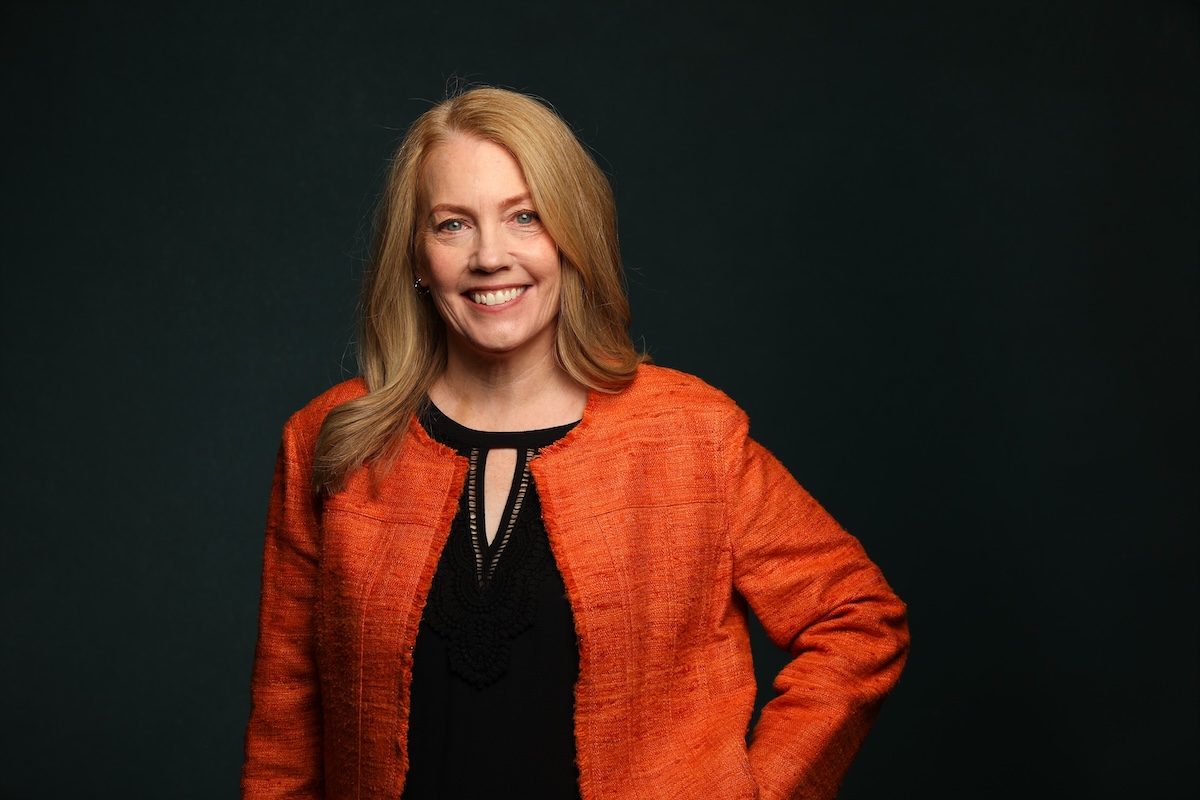
Beth Fahey has sat in just about every seat a leader can. From entrepreneur to overwhelmed manager to president of a national trade group. She’s worked in film, built a bakery from the ground up, and led teams through the kind of real-world challenges you can’t learn from a book.
That lived experience is exactly what she brings to the table as an EOS® Implementer and leadership coach. Beth helps business owners and leadership teams get clear on what they want, build accountability, and create the kind of company people actually want to be part of.
She’s not here to sugarcoat anything. She’s here to help you cut through the noise, focus on what matters, and lead in a way that feels more grounded, more human, and way more effective.


