

COLOSS & Honey Bee Nutrition with Dr. Priya Basu (374)


In this episode, we welcome back Dr. Priyadarshini “Priya” Basu of Washington State University to discuss two major topics shaping the future of beekeeping: the upcoming COLOSS North America meeting and the evolving science of honey bee nutrition.
COLOSS (Prevention of Colony Losses) is an international nonprofit network of more than 2,000 honey bee researchers across 113 countries. For the first time, a multi–task force North American meeting will be held June 6–12 at Washington State University in Pullman. The event will bring together researchers, beekeepers, veterinarians, inspectors, and growers to discuss nutrition, pathogens, pesticides, climate change, and landscape impacts on honey bee health. Workshops, tours, and hands-on sessions will provide practical learning opportunities for attendees at all levels.
Priya also shares updates from her lab’s nutrition research, including pollen landscape mapping across North America, micronutrient analysis, supplemental forage strategies, and how nutrition interacts with stressors like pesticides and disease. The discussion covers practical considerations for trapping and storing pollen, differences between pollen substitutes and supplements, winter feeding strategies, and how nutrition influences brood production and colony resilience.
This episode connects cutting-edge research directly to real-world beekeeping decisions — from hobbyists to commercial operations.
Websites from the episode and others we recommend:
COLOSS: https://coloss.org
- COLOSS Conference: https://bees.wsu.edu/event/coloss-north-america-2026/
- Project Apis m. (PAm): https://www.projectapism.org
- Honey Bee Health Coalition: https://honeybeehealthcoalition.org
- The National Honey Board: https://honey.com
- Honey Bee Obscura Podcast: https://honeybeeobscura.com
Copyright © 2026 by Growing Planet Media, LLC

______________

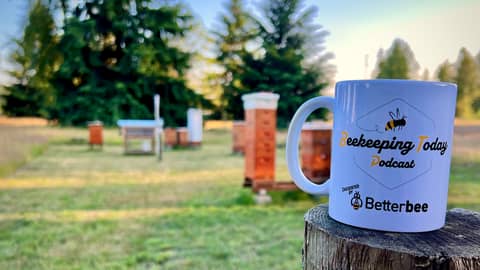
Betterbee is the presenting sponsor of Beekeeping Today Podcast. Betterbee’s mission is to support every beekeeper with excellent customer service, continued education and quality equipment. From their colorful and informative catalog to their support of beekeeper educational activities, including this podcast series, Betterbee truly is Beekeepers Serving Beekeepers. See for yourself at www.betterbee.com

This episode is brought to you by Global Patties! Global offers a variety of standard and custom patties. Visit them today at http://globalpatties.com and let them know you appreciate them sponsoring this episode!
As a beekeeper, you want products that benefit you and your bees. When you choose Premier Bee Products, you choose hive components that are healthier for bees and more productive for you. Because we believe that in beekeeping, details make all the difference. Premier Bee Products: Better for bees. Better for beekeepers. Use promo code PODCAST for 10% off your next online order.
APIS Tactical is a beekeeping brand focused on innovation. We create a wide range of gear for beekeepers of all types—whether you’re managing a few hives or working bees every day. We combine science and artistry to create purposeful, hardworking gear. We’re here to help you care for your bees with confidence, so you can focus on what matters most—your hive.

Thanks to Strong Microbials for their support of Beekeeping Today Podcast. Find out more about their line of probiotics in our Season 3, Episode 12 episode and from their website: https://www.strongmicrobials.com

HiveIQ is revolutionizing the way beekeepers manage their colonies with innovative, insulated hive systems designed for maximum colony health and efficiency. Their hives maintain stable temperatures year-round, reduce stress on the bees, and are built to last using durable, lightweight materials. Whether you’re managing two hives or two hundred, HiveIQ’s smart design helps your bees thrive while saving you time and effort. Learn more at HiveIQ.com.

Thanks for Northern Bee Books for their support. Northern Bee Books is the publisher of bee books available worldwide from their website or from Amazon and bookstores everywhere. They are also the publishers of The Beekeepers Quarterly and Natural Bee Husbandry.
_______________
We hope you enjoy this podcast and welcome your questions and comments in the show notes of this episode or: questions@beekeepingtodaypodcast.com
Thank you for listening!
Podcast music: Be Strong by Young Presidents; Epilogue by Musicalman; Faraday by BeGun; Walking in Paris by Studio Le Bus; A Fresh New Start by Pete Morse; Wedding Day by Boomer; Christmas Avenue by Immersive Music; Red Jack Blues by Daniel Hart; Bolero de la Fontero by Rimsky Music; Perfect Sky by Graceful Movement; Original guitar background instrumental by Jeff Ott.
Beekeeping Today Podcast is an audio production of Growing Planet Media, LLC
** As an Amazon Associate, we may earn a commission from qualifying purchases
Copyright © 2026 by Growing Planet Media, LLC

COLOSS & Honey Bee Nutrition with Dr. Priya Basu (374)
Alicia McDuffie
Hey everyone, welcome to the Beekeeping Today podcast. My name is Alicia McDuffie. I'm from Winston-Salem, North Carolina, and I am the current owner of Shangri-La Bees. I hope you enjoy today and the speaker they have for you.
Jeff Ott
Welcome to Beekeeping Today podcast presented by Better Bee, your source for beekeeping news, information, and entertainment. I'm Jeff Ott.
Becky Masterman
And I'm Becky Masterman.
Global Patties
Today's episode is brought to you by the bee nutrition superheroes at Global Patties. Family operated and buzzing with passion, Global Patties crafts protein-packed patties that'll turn your hives into powerhouse production. Picture this, strong colonies, booming brood, and honey flowing like a sweet river. It's super protein for your bees and they love it. Check out their buffet of patties, tailor-made for your bees in your specific area. Head over to www.globalpatties.com and give your bees the nutrition they deserve.
Jeff Ott
Hey, a quick shout out to Better Bee and all of our Sponsors, whose support allows us to bring you this podcast each week without resorting to a fee-based subscription. We don't want that, and we know you don't either. Be sure to check out all of our content on the website. There, you can read up on all of our guests, read our blog on the various aspects and observations about beekeeping, Search for, download, and listen to over 300 past episodes, read episode transcripts, leave comments and feedback on each episode, and check on podcast specials from our Sponsors. You can find it all at www.beekeepingtoday.com. Hey, Alicia McDuffie from Winston-Salem, North Carolina. Welcome for that great opening.
Becky Masterman
I bet it's pretty nice weather in North Carolina right now. What do you think?
Jeff Ott
I'm sure it is. When I was in college in West Virginia, we often went down the East Coast, down to Florida, and I spent a time or two in Salem area, and it's a really nice area in the springtime. So I'm sure Alicia and her bees are enjoying the spring weather.
Becky Masterman
It is a gorgeous state, and not humid at all, so that's cool.
Jeff Ott
Yeah. You know, this has been a weird February. The weather has been up and down and crazy, depending on where you are.
Becky Masterman
I keep hearing about all this snow coming across the country and barely any of it is landing in Minnesota where I am, which is so unusual. I'm used to a very different, I'm used to always being the recipient of these huge winter snowstorms. And instead, we're watching them on television.
Jeff Ott
Happening elsewhere.
Becky Masterman
Yes.
Jeff Ott
So have you had a chance to get out to see your bees?
Becky Masterman
I definitely have. It's been, I think, the fourth day in a row with over 50 degree temperatures. And so not only have I been able to just peek at them, but I've actually been able to dig into them, clean out bottom boards, and importantly, assess how much food they have in them. Because I have some colonies, a lot of my colonies, not every one of them, but most of my colonies that have come through the winter are huge. Like just, they're so, so big. And so I need to make sure they have enough food to continue on. And the good news is that they do. So I'm excited. They're strong and they're heavy. So two good things in winter bees. I'm driving people on Facebook absolutely crazy because I won't stop posting pictures of them. Although I can't do much now that the weather is going to cool down.
Jeff Ott
Slow them down a little bit maybe. Sounds like you'll also have to be on top of them this spring. make sure that you're doing your splits and making sure you're not chasing swarms all spring long.
Becky Masterman
I do not like chasing any kind of swarming behavior. So I'm pretty aggressive when I divide. The cool thing though, is that remember last year when I was shopping for queens? So I'm starting to collect some pretty good data as far as queens that have just come through the winter so far to date, but just extremely well. And remember I told you that I got some Kutik queens, K-U-T-I-K? I got those from Better Bee. I had to pay for them, but that's okay. I paid for them because then I can say this. It's not a Sponsored ad, but these queens, the colonies are gorgeous. I was so impressed. So it was kind of fun to see them do well. And then I've always had good luck with Saskatraz. But last year I also tried Golden West, Randy Oliver's Golden West. And oh my gosh, These bees are just so, so pretty. You can tell I have a lot of excitement about these winter bees.
Jeff Ott
Well, this is a good time of year to have excitement for the bees. This is the time when you start building things and building up colonies and getting set for the next season. So this is fun. That's really good.
Becky Masterman
You've already been in your colonies like more than once.
Jeff Ott
A little bit.
Becky Masterman
And you've had 60 degree days. I've seen the pictures.
Jeff Ott
Yeah. Unfortunately, on the 60-degree day, I wasn't actually able to get into the colonies, but they are flying, and that is so much fun to see.
Becky Masterman
And I think, have you seen pollen?
Jeff Ott
Oh, lots of pollen. Yeah, we've seen lots of pollen coming in. There's a heather plant that's out that they go to. And earlier in January, the hazelnut, now I think the red maple's starting to bloom too, or has been. So they're ramping up. It's fun to see.
Becky Masterman
It's quite the season, so hopefully it'll just keep getting better and better for all those beekeepers out there.
Jeff Ott
Yeah. For those waiting to hear today's Hive IQ tool question, we're going to do that with our next guest, who is Priya Basu, who is with Washington State University. And Priya's been on the show before. We look forward to having her back talking about the Colossus Conference. It's going to be in Washington State this summer. And then also any updates on nutrition.
Becky Masterman
Looking forward to seeing Priya again.
Jeff Ott
Oh, yeah, me too. And we'll have our HiveIQ tool question with Priya and have her help us answer it. So coming up right after this break is Priya Basu.
Betterbee
For more than 45 years, Betterbee has proudly supported beekeepers by offering high-quality, innovative products, providing outstanding customer service. Many of our staff are beekeepers themselves, and sharing education to help beekeepers succeed. Based in Greenwich, New York, Betterbee serves beekeepers all across the United States. Whether you're just getting started or a seasoned pro, Betterbee has the products and experience to help you and your bees succeed. Visit betterbee.com or call 1-800-632-3379. Betterbee, your partners in better beekeeping.
Apis Tactical
This episode of Beekeeping Today podcast is brought to you in part by Apis Tactical, a beekeeping brand focused on innovation. They use new designs, new materials, and new ideas to bring more joy to beekeeping. Apis Tactical creates a wide range of gear for beekeepers of all types. They use new designs, new materials, and new ideas to bring more joy to beekeeping. Their products are built with purpose, and they're already getting attention well beyond the U.S., with beekeepers in Europe discovering them through this podcast. If you're looking for well-made beekeeping gear from a company that understands the work, Take a look at Apis Tactical. You can learn more at apis-tactical.com.
Jeff Ott
Hey, everybody. Welcome back. Sitting around the great big virtual Beekeeping Today podcast table is over in Pullman, Washington, is Priya Basu, who's been on the show before. Priya, welcome to the show.
Priyadarshini Chakrabarti Basu
Thank you so much for having me back. It's great to be here.
Jeff Ott
And Becky's in St. Paul, as we know.
Becky Masterman
I am still in St. Paul. Priya, I have to ask you a question. I'm going to interrupt right away in the beginning. So I know that you miss those beekeepers and your colleagues in Mississippi, but do you also miss the weather right now? Or how are you liking Washington weather? Well, to be fair, I actually
Priyadarshini Chakrabarti Basu
do better in cold than in heat. And this is strange coming from somebody who's originally from India, from a very hot and humid part of India. But I did live in Corvallis, Oregon when I was a postdoc with Ramesh at Oregon State. So I'm sort of like used to the Pacific Northwest weather, but Eastern Washington is obviously a different ballgame. But I do miss my colleagues and beekeepers in Mississippi. They were amazing. I'm sure you do. And I bet they miss you too.
Becky Masterman
Have you started your colonies yet? Have you started planning for your apiary or is it already established? It is already established because the WSU bee program
Priyadarshini Chakrabarti Basu
already has established apiaries across that Dr. Steve Shepard had started. And then Dr. Brandon Hopkins and I, we are the two new, or rather we are the two PIs in this program. So we are the two professors in this program. So we share all of the general beekeeping resources, colonies, apiaries, and everything. What's a PI? I'm sorry. I should have like, which is why I kind of changed to professors. A PI is a principal investigator in grant funding terms. But Brandon and I, we are the two now sort of like faculty within the WSUB program. We are doing research extension teaching and all of it. So we share all of those resources, which is why this transition was very smooth last year. We could just immediately get back into our existing projects and start new
Jeff Ott
ones. Well, it looks like you're getting settled in really nicely there in Pullman. Yeah. And I do like my office. Part of the podcast is a promotion by one of our great Sponsors, Hive IQ, and we are running a promotion with them where a listener will send in a question, either they'll leave it as a voicemail or they send in an email. And then if we read it on the air and we answer it, and we We don't have to be correct in our answer, but we do provide an answer. We'll send them a Hive IQ tool, which is really, really nice. And it's co-branded with the Beekeeping Today podcast. So we saved the question for you to help us answer.
Becky Masterman
Yes, Priya. This question has kind of two different levels because one's going to be very practical advice, but the other is really bringing in the younger generation into beekeeping. And you have a little bit of experience introducing the younger generation to bees, don't you?
Priyadarshini Chakrabarti Basu
I do, to some extent, yes. I did write a children's book just trying to get the younger generation, you know, more aware about honeybees, about pollinators, but also interested in beekeeping. And I'm also working closely with Ellen Miller at the Washington State Beekeeping Association to start a youth beekeeping program, at least with the state of Washington. so we are also working closely with 4-H oh fantastic
Jeff Ott
and what's the name of your book?
Priyadarshini Chakrabarti Basu
Young Zoologist Honeybees it's actually a series called Young Zoologist so Macmillan Publishers their London office had reached out to me to write a part of that series on honeybees and there are other experts like me if you call me an expert I don't know but there are other scientists like me who've written about maybe the humpback whales or some other animal
Jeff Ott
very nice I'll read Ryan's question and it is Ryan Flug. He writes, good afternoon. I have a question about new beekeepers. Mainly after attending Nabi, it was driven home how old the current beekeeper is. Wait a minute. I know, seriously.
Becky Masterman
Is this like an attack?
Jeff Ott
Is this an attack question? Ryan, you're sending this question as about forgetting a tool. This is not a good way to start. All right, back to the letter. My wife and I took that challenge and are aiming to get our daughters involved by letting them paint hives all the colors that can get them excited to help. So my questions are, is there any specific color we shouldn't paint? I assume black for heat in the summer. Anything else we should avoid or just let them have fun? And is there any certain heights that I need to be at for the hives? My daughters are short. I plan on having a stool, but just don't want them to be too high to start. Is eight inches enough to at least give them the most chance to help as possible? Thanks from Northern Iowa. Thanks, Ryan, for that question. Well, that's a good question. This is a good time of year for that kind of question because people are painting their hives. What is a good color to paint a hive?
Priyadarshini Chakrabarti Basu
I think for me, all colors are good colors. The general recommendation usually is if you're painting your hive bodies a lighter color like white or pastel yellow or something, it helps reflect the heat. As Ryan also correctly pointed out, if you paint it black, it's going to absorb a lot of heat. A lot of folks who tend to be in the northern climate and their summers are really not as hot as the southern Gulf Coast summers, you can opt for maybe a darker color to actually try and retain that warmth in winter. But in terms of letting your children go crazy, I will say yes. Actually, from personal experience, I have been hosting a ton of hive painting outreach and education events with children, especially children with medical complexity. So even in my past job at Mississippi State University for one of our on-campus research apiaries, we had children come in from these very special groups and they could paint those hives in any way they wanted. We had glow-in-the-dark paints. We had glitter paints. We also had boxes that had the university colors already painted on them, empty hive boxes. So they could just go crazy. And then they could also drive by in their cars and see those hives in action for an entire year. I cannot give you a statistical significance to this, but it made no difference to the bees. Both of these hive boxes were painted as. They were all part of our research colonies, and we kept changing them out box by box between different events. So yes, having children participate in that, they will love it. My daughter loves painting.
Becky Masterman
It could also help reduce drifting in an apiary. If you really do get creative, you could make it easier for the bees to figure out which home was theirs. It might not help those drones at all, but it could really help the workers.
Jeff Ott
Honeybees can recognize shapes, right? Different shapes.
Becky Masterman
Correct.
Jeff Ott
So if you had a different distinguishing shape on the front of the... doesn't even need to be on the front of the hive.
Priyadarshini Chakrabarti Basu
Doesn't have to be on the landing surface, but just could be in the front facing part of the hive, a very distinct shape or color that they'll recognize. As long as... I'm hoping you're not talking about coloring the inside of the hive. As long as you do... You don't want to do that.
Becky Masterman
If you can't see it, then you can go crazy. Let the bees paint that with propolis.
Jeff Ott
And what about heights above the ground?
Becky Masterman
for the colony? I have an answer for that one. I have a very important answer as somebody who, I think, I used to be 5'3", but I think I'm 5'2". Now, honestly, the lower, the better. And one of the ways, one of the hive stands that we use is made of two by fours. So it's four inches off the ground and you've got a dead airspace, which Ryan is in Iowa. So that dead airspace could be a little bit helpful for those, for those bees over the winter. But Etienne does the same thing. He uses a dead airspace in the Yukon. And so I think that four inches is a nice little bit of height above the ground, but not too high. Because once you start getting higher than that, if you are not tall, it makes it really difficult to move those boxes once they get
Jeff Ott
taller. And then you get on a rickety ladder and that's not safe. Once they get taller and they're
Priyadarshini Chakrabarti Basu
full, that's horrible. I agree with you, Becky. And honestly, I mean, we just even sometimes use cinder blocks enough to keep the hives above the ground so that they are not snowed in completely at the entrance or we are keeping other things away from the colony from the ground, especially during if we get heavy rain, which we don't as such in Pullman, but just kind of keeping that mud and rain out as well as snow out. But we just use general cinder blocks. So it's really not that
Jeff Ott
as high as you're anticipating. I don't think there's any data that supports this, but we used to put them up a little bit so that the skunks and other critters had to reach up to get inside the colony and expose their underside. So that was the rationale. So the eight inches would work for that as well. Just throwing that out there. Just throwing that out there. So eight. Okay, good, good, good. Well, thanks, Ryan, for that great question. It sounds like you and your family are going to have a great time painting those hives this year and go wild with the colors. I think
Becky Masterman
handprints would go well. Oh, I've seen lots of those. That would be fun. Well, Priya, we asked
Jeff Ott
you here today, you are in charge, I believe, of a big event coming up this July. A huge event.
Becky Masterman
Yeah. It's not just big, it's like huge. We were anticipating it to be small, but now it's kind of
Jeff Ott
like snowballed into a bigger event. First, tell us, what is Coloss? And then we can get into the
Priyadarshini Chakrabarti Basu
details of the meeting, but what is Coloss? Coloss is actually a non-profit entirely of honeybee researchers. So we are easily over 2000 members. We are all honeybee researchers over 113 countries across the world. And it's based in Switzerland. We do have an executive council actually from the United States, Dr. Jeff Williams and Dr. Selena Bruckner brought from Auburn University are members of the Executive Council. I am the North American chair of the Bee Nutrition Task Force. So we have these several task forces within COLASS where each task force is tasked with certain things. Overall, we are really a group of honeybee researchers across the world, across many different countries, just trying to improve the health of honeybee colonies and trying to figure out what's going wrong. For those who can't visualize it,
Jeff Ott
C-O-L-O-S-S? Correct. What's that stand for? Prevention of colony loss. That sounds exciting.
Priyadarshini Chakrabarti Basu
What is the event going on this summer? I'm so glad you guys asked me about it. So what we're doing is for the first time, we're actually trying to host like a multi-task force sort of like Coloss meeting in Pullman in June this year. So the meeting will be June 6th through 12th. We have like very specific agendas for each day. We have hands-on workshops for veterinarians. We have artificial insemination workshop. We also have bee facility tours. We have commercial beekeeper tours as well as grower operation tours. We are hoping to connect colleagues across US, Canada, as well as Europe. So we are calling this local Colossus North America meeting. And this is sort of like a test run. And hopefully we might be able to have a larger sort of like Colossus meeting eventually, as US is the country of hosting. But we are really hoping to connect bee researchers, beekeepers, apiary inspectors, veterinarians. And honestly, anybody who's interested in learning more about honeybees, and we'll be sharing research, beekeeping anecdotes, as well as beekeeping expertise across North American Europe. So we have a lot of beekeepers and researchers across multiple countries who will be presenting, as well as they'll be hosting panel. And we are really hoping to bring everybody in and kind of bridge this gap in our understanding of, you know, each country has a different problem, even within the same country, each region could have a different problem. So what are we facing? How can we kind of come up with that? Does somebody else do something differently? So building these bridges, building these partnerships across these multiple countries. So this meeting is being supported by the Bee Nutrition Task Force, the Bee Scholars Task Force, as well as Cost Action Europe. And we also have our co-organizers across these different task forces, not just me on the U.S. side, but also a lot of my colleagues from Europe who are helping us kind of organize this meeting together.
Jeff Ott
Colas, how long has that organization been around?
Priyadarshini Chakrabarti Basu
It's been quite a while.
Jeff Ott
Because many of our listeners, this might be the first time they're actually hearing any discussion. I know we've not had anybody from Colossus talk about the program in our eight years.
Priyadarshini Chakrabarti Basu
I believe Colossus was initiated around 2008.
Becky Masterman
Right when all of the really severe honeybee losses, colony losses happened.
Priyadarshini Chakrabarti Basu
Correct. And it was a European Union cost action funded initiative.
Becky Masterman
I'm thinking, Jeff, that we haven't heard about it because it hasn't been very scientist-focused. And so I was so excited to see the information that you sent out about it because it is so welcoming to beekeepers. You want beekeepers to show up and be a part of this.
Priyadarshini Chakrabarti Basu
Absolutely. And we actually have a few beekeepers who are also going to be on the panels talking about various aspects of honeybee health, beekeeping, and just general beekeeping management practices.
Becky Masterman
This is exciting for beekeepers because if you put it on your list to attend a meeting that's going to be a little bit different than some of the other bee meetings you're used to attending, this is the one to attend because you will learn so much by being a part of this and watching these presentations and interacting with the scientists and the growers and other beekeepers. So this is kind of a big deal for all of you thinking beekeepers out there.
Jeff Ott
If someone wanted to find out more information, it's coloss.org, right? C-O-L-O-S-S dot org.
Priyadarshini Chakrabarti Basu
Yes. And we also have additional information up on our WSU Bee Program website under the events section. Or somebody could also just actually reach out to either of you or me with additional questions.
Becky Masterman
Thank you. We will make sure that we have a link to it because, and I think that there's a lot more to talk about. So I think we're going to have some more conversations over the next couple of months so that people can maybe learn more about what's going on as far as the planning and the events. But is it to the point where registration is open?
Priyadarshini Chakrabarti Basu
Yes. So our registrations have been made open registration and abstract submission. We use a single link for that. So it's open since about December now. And it will stay open through the end of April, beginning of May. The name of the meeting is Nutrition, Landscape Change and Honeybee Health, a transatlantic dialogue, which is local Colossus, North America. So I'll be happy to share additional information with you, including the registration link. We have like this tentative agenda also on our website, where now it kind of shows the programs for each of those days, including the hands-on workshops and the tours that we are offering as a part of this meeting. And we should be able to update our agenda by mid-March with the specific names for speakers and panelists.
Becky Masterman
Will this be at the university? Is that where all the meetings are going to be held?
Priyadarshini Chakrabarti Basu
Yes. So the major part of the meeting will be at Washington State University in our Pullman campus. And then the two grower tours will be in and around central Washington, so around the Othello area.
Becky Masterman
And what about accommodations? Are participants going to, do they get to stay in dorms, Priya?
Priyadarshini Chakrabarti Basu
I have explored some of the dorm options as well, and I can have a better answer about it in a few days. It's also summer, so we have to kind of figure that out. But I do have two hotels on campus who are offering reduced rates, and there is another hotel outside of campus in Pullman who's also offering a reduced rate for any of the Colossal participants.
Becky Masterman
Okay, those three options sound so much better than the dorms. Oh, come on, Jackie. I'm just saying.
Jeff Ott
Dorm life is fun.
Becky Masterman
Sure. No, but what an opportunity also. some of those meetings that are on campus, college campuses, it's really a treat for beekeepers to be able to hang out and be a part of the college campus scene. And obviously the campus is perfect for meetings where you're in a lot of different venues and rooms. Absolutely. We'll be hosting it
Priyadarshini Chakrabarti Basu
at the Ensminger Pavilion, which is right next to the pollinator garden that we are developing. So workshops as well as do the artificial insemination workshop and all.
Jeff Ott
How many participants are you expecting to be there?
Priyadarshini Chakrabarti Basu
As many as we can, to be honest. I mean, the pavilion itself can hold easily about 150 to 200 people. We already have a few generous Sponsors who are Sponsoring this event. So if anybody's also willing to be a Sponsor for this event, we have different tiers of Sponsorship. please also reach out to us. But we will also have some of our Sponsors present at the event because they'll have booths, they'll have these tables that beekeepers will also get an opportunity
Jeff Ott
to talk to a lot of these companies. This sounds like really a great opportunity for anybody who's interested in bees to come in and learn firsthand from the researchers about anything honeybees, but you're focusing specifically on the nutrition and landscape and what was the third item?
Priyadarshini Chakrabarti Basu
No, no, not really. So it's, I mean, the name kind of says nutrition, landscape and honeybee health. When you look at our agenda, we have different programs for each day. So one day we are focusing on nutrition, climate change and landscape. Another day we are focusing on honeybee diseases, pathogens, pests. We have veterinarian-focused talks. We also have Tropi-Lay Labs panel that Matt Mullica from Honeybee Health Coalition is putting together. We also have a day for pesticides. We have some sessions on extension education. We have really like a whole range of topics covering honeybee health, as well as beekeeping and management practices. So we are really hoping to connect, you know, not only just beekeepers and researchers, but also apiary inspectors, growers, as well as veterinarians. Well, it sounds like a great opportunity for
Jeff Ott
anybody who wants to come in there and learn. From hobbyist to commercial person, that'd be great.
Priyadarshini Chakrabarti Basu
Absolutely. And we're hoping to really connect this audience, not only just across North America, but also Europe, US, and Canada. Priya, this sounds like it's going to be a who's who in beekeeping research. I'm really hoping. I'm really excited about that. And thank you,
Jeff Ott
Jeff, for willing to join us. Well, not from the research standpoint. You don't want me to do that, but we will be there. Beekeeping Today will be there to help with any way we can and provide some recording for future episodes. It'll be a lot of fun and we'll be honored and excited to be there
Priyadarshini Chakrabarti Basu
and participating. Thank you so much. I do appreciate this partnership. It'd be fun.
Jeff Ott
Let's hear from our Sponsors and we'll come back and talk about honeybee nutrition.
Premier Bee Products
Beekeeping is demanding work. The last thing you need is equipment that can't keep up. That's why Premier Bee Products builds every frame and hive body in our South Dakota factories with one goal in mind. Reliability when it matters most. From our beefy pura frames to our natural propyla hive bodies with rough interiors, we design for long life, in the field and in the colony. Because we believe that in beekeeping, details make all the difference. Premier Bee Products. Better for bees, better for beekeepers. Visit online at premierbeeproducts.com or call us today. Use promo code PODCAST for 10% off your next online order.
StrongMicrobials
Beekeepers, if you're looking for a smarter way to support colony health, take a look at Bee Bites from Strong Microbials. Bee Bites are a new protein patty made with spirulina, chlorella, and targeted probiotics. Designed to support nutrition without creating new problems in the hive. With 15% protein, Bee Bites are unique because they do not attract small hive beetles. A big deal if you've ever battled infestations during feeding. Strong Microbials has been supporting beekeepers and farmers since 2012. Developing high quality commercial probiotics and nutritional supplements you can trust. Learn more about BeeBytes and their full line of bee nutrition at strongmicrobials.com. Welcome back, everybody.
Becky Masterman
Priya, a subject near and dear to my heart, honeybee nutrition. Can you give us an update as far as what's going on in the world of nutrition and the work that you're doing?
Priyadarshini Chakrabarti Basu
Honeybee nutrition is extremely complex as a concept because you're kind of looking at the whole colony, But you're also looking at individual bees. Are they larvae? Are they adults? What casts? What ages? So it really kind of makes it very complex. And then you add in the landscape factor to it and what's available. Or the artificial diet part of that. So in our lab, we are really trying to tackle it from all of these angles. And I'm saying this because I usually take credit for the amazing work that my lab does and all the students. I really do have like this amazing lab and we do work as a hive, all of us. So in terms of bee nutrition alone, we are doing a whole range of projects where one, we are obviously mapping the bee nutrition landscape. So we are looking at the nutritional quality of pollen across North America. And we are kind of doing it, you know, a little at a time. We've been able to look at the macro and micronutrients in these pollen samples from about over 100 plants in the last four years now. We are also doing a pollen atlas project across North America. We started it in the southeast and we've expanded it to the northwest and beekeepers are actually our citizen scientists. I also have a few beekeepers from other regions in the U.S. who are collecting pollen for us so we are really hoping to be able to map that pollen flow for you. So which plant, what time of the year, how much in each of these locations that we are mapping, and what's the nutritional quality of that pollen. And then when we do this year after year, year after year, so we can actually tell the beekeepers what to expect if we are losing plants, gaining plants, so that bloom times are shifting. We are also doing a lot of work on different cropping systems, blueberries, canolas, apples, where we are looking at the supplemental forage practices sometimes that growers use, or just, you know, just the monocropping system itself. So with or without supplemental forage, we are looking at what the bees are bringing back in, how is it impacting their colony growth, their nutrition, their gut microbiome. We are also doing these variety testing, but from a bee nutrition perspective. So we published a paper last year on blueberries, we've done a lot of work on canola. And then we've also expanded, we're expanding it to apples this year and other crops where we are hand collecting pollen and nectar from a lot of these commercially bee pollinated crops. And we are looking at the quantity and the quality of the pollen and nectar. So we can actually start making recommendations for a beekeeper. You might strategize your supplemental feeding, or you might be, you know, as a grower, you could maybe implement a supplemental forage practice that will actually complement the crop that the bees are trying to pollinate. We are also doing a lot of work on heat and drought stress as well as soil quality on the bee forage quality and quantity itself. So how is that changing the plant and that in turn is changing what bees have access to in the landscape. But other than that, you know, I mean, as you know, in our lab, we are extremely interested in the interactions between multiple stressors. So not just bee nutrition, but also other stressors. But if we are just focusing on nutrition alone, we also look at how maybe a pesticide and poor nutrition combination or a disease and poor nutrition combination can actually impact bees. So we are doing a lot of work on that front with fungicides as well as European foul brood. Wow. That was a lot. Is that all? Yeah.
Becky Masterman
Don't even say that. She had to take a breath. Maria, I've been taking notes and we're going to need you to come back already. I'm just going to say that. It's so impressive and so important because when you look at a problem, there are a lot of different approaches. And if you are taking just one approach, then you're only going to be able to see the actual problem in one light. But with what you're doing and the team that you've assembled to help you do that, I just have to say thank you because I've got a few questions. Jeff, you're going to have to hold on for a second here. I want to take a step back and I want to ask you, right now there's so much work being done really to figure out nutrition in honeybees. And we are very much behind so many other livestock industries because we've had really the luxury for so many years where we didn't have to worry about nutrition. It wasn't really on our radar. Where does that put us in the industry? Because you're still mapping it all out, correct? Are we going to catch up to these other industries as far as where we are in understanding the role of nutrition and the animal health?
Priyadarshini Chakrabarti Basu
I think that's a great question. And I must say that, you know, kind of like taking a step back, I should also credit not just my students, but all of my collaborators, because together we actually make a really good team and we can spread across multiple regions where people can help us map a lot of different things. To be honest, I think we are on the fast track at this point of time, if you ask me. For decades, we were only focusing on just proteins and carbs for honeybees. And then there was some research done on micronutrients for a little bit. But honestly, in the last 10, 15 years, we have really shifted our perspective towards understanding. And anytime I go to a bee meeting, I keep telling people like, you really need to think about micronutrients, just as you're thinking about macronutrients because bees are exactly like how we are. We are what we eat and you're not going to just survive on steak and potatoes, right? You're also going to think about eating fruits and vegetables and other things, just like you need different nutrients from different things. So I think on one hand, where in the field of bee nutrition, we are mapping the landscape. On the other hand, we are also looking at a lot of these different diets that are available and how we can actually kind of combine both approaches. If we know what's in the landscape for a small scale hobby or a sideliner operation, there are opportunities to, if you can choose your location to overwinter as a commercial beekeeper or honestly as any scale of beekeeping, if you know what's in the landscape, you can potentially choose locations if you have the liberty. if you're on the smaller scale side you could trap for pollen and feed it back to your colonies to sort of like supplement a lot of those macro and micronutrients during the time of the year when you're anticipating a pollen dart if you know what plants have what you can plant the same list of plants that a nursery might give you or a USDA planting guideline or NRCS you know but now you choose plants with different nutrients to support all these in the habitat not just But when it actually comes to like the beekeeping production side, when you know what's there or what is absent, you can then strategize your supplemental feeding. So you can then think about maybe using a diet that gives you the best result or strategizing feeding earlier or spreading it out across the season. If you actually look at National Agricultural Statistics Service or NASS, which provides all of the statistical data for United States agriculture, they also have this annual honey report where they list out the annual income and expenditure for U.S. beekeepers. According to NAS statistics over the last four years, and you can check, it's like all available online, beekeepers are spending somewhere between $44 to $47 million annually for providing supplemental feed to their colonies. And this includes like a whole range of all types of diets. Mite management, hives and woodenware is only about a third or less. So this really tells us that we need to address this as a problem. Because for us, often, as you rightly pointed out, Becky, nutrition has always been just a management practice. But we've never really correlated that with maybe a colony being weaker, having weaker immune system, not surviving that long, being more susceptible to other stressors. We often kind of don't connect that. So I think we are definitely on the faster track now that awareness has been building over the last decade.
Jeff Ott
You had mentioned trapping for pollen and feeding it back to the bees. Somewhere along the line, there was a discussion about the pollen from that time of year is important for the bees that time of year, that the spring pollen may not necessarily be the best pollen for the bees in the fall and vice versa because of the different micro, macro nutrients in that pollen. Is that how the research is leaning?
Priyadarshini Chakrabarti Basu
Yes, yes. So my usual recommendation is to trap that spring pollen and feed it through summer. And if you go into my honeybee supplemental feeding nutrition guide, the one that we had published in 24, I actually also kind of talk about if you're thinking about a protein supplement, it could be a pollen substitute or a pollen supplement. And what are the benefits of feeding a pollen substitute in late summer, early fall to the colony, because it actually gives the queen much needed rest from egg laying. So you're feeding proteins on the fats.
Becky Masterman
Wait, so if you feed a pollen or protein supplement, it's going to increase
Priyadarshini Chakrabarti Basu
food production though, isn't it? Yes. So if you are, which is why I was saying that if you're feeding like a pollen substitute, not a pollen supplement, something that does not have pollen
Becky Masterman
mixed in it. It's not as stimulatory? Yes. Okay. So if I go into my colonies, for example, in late August, and I find that they don't have a lot of stored pollen, then a pollen substitute,
Priyadarshini Chakrabarti Basu
if I don't want them to keep laying. Correct. So I usually call them just like winter paddies that lack pollen. So things are like winter protein paddies that are lacking pollen in them.
Becky Masterman
I don't think I knew there was a difference. So if you are giving, if you're putting, mixing in pollen, then you're going to most likely get a stimulatory effect with the brood production.
Priyadarshini Chakrabarti Basu
Correct. And we have been seeing a lot of that in just like even part of like our research. So even like, for example, I can give you Mrs. B example. There is this period in the year when after that first summer, I realized there was nothing that would bloom. And even though we are anticipating brood production, there was this like little break just because there was nothing in that landscape that was supporting it. And they weren't really bringing in a lot of pollen until we had this late, kind of like late June to early July slight rain that would again get things starting to bloom. And then bees would start bringing in more pollen. So I would definitely do this. I would trap for more pollen in spring and then I would feed it during that early summer dearth when there was nothing in the landscape to just keep my production going.
Becky Masterman
I know a long time ago, we used to mix in fresh pollen at the University of Minnesota Bee Lab. Actually, when I say fresh pollen, I'm actually getting to my question. We used to mix in pollen, but it was from the freezer. So we would collect in traps and then freeze it. Is that still the
Priyadarshini Chakrabarti Basu
standard protocol? It is still the standard protocol, and that is exactly what we do. And this is actually something that I did not mention when you guys were asking me, what else do we do with pain nutrition? I do have a student who's kind of looking into a lot of these storage and other kind of processing of that pollen to see how long it stays good for.
Becky Masterman
I love that because if you're following the podcast, that's one more thing I can put in my freezer that has nothing to do with human food or yours.
Priyadarshini Chakrabarti Basu
One thing we have noticed though, just like general kind of working principle, we tend to store all of our pollen in a negative 20 or a negative 80, mostly a negative 20 in the lab. So that would be like comparable to a chest freezer or like an upright defreezer in somebody's garage. So that's what we usually use because we've seen that if you store it in a regular fridge freezer, like the freezer compartment of a regular refrigerator, if it goes through that automatic defrost cycle and all of that, the pollen starts to mold pretty fast.
Jeff Ott
And that was going to be my question is how long does that pollen can freeze it and still have nutritional value for it when you put it on the bees?
Priyadarshini Chakrabarti Basu
So far, whatever we've tested, I mean, from some of my other work, we've seen up to five to six months. I mean, we haven't really seen much of a difference. But those pollen samples have also been kept in a negative 20 kind of comparable to a chest freezer.
Becky Masterman
So I have to follow up with one more pollen question as far as, well, I can't, it might be more than one. But specifically, when you're looking at, I know that the Honeybee Health Coalition Nutrition Guide talks about some northern beekeepers choose not to feed a pollen substitute where southern beekeepers will. And then in the north, my understanding of the reason I don't do it is because I want my winter bees to be winter bees. will that feeding of a pollen substitute or a pollen supplement, if you feed them one of the two different things, will that either discourage or encourage or have no effect on winter bee
Priyadarshini Chakrabarti Basu
raising? That's actually a great question. I give a talk about winter bees and kind of nutrition to a group in Connecticut. So yes, spring pollen and spring bees, physiologically that relationship is very different than late summer pollen and diutenous bees that are being produced. Their metabolism is different. The way they process and regulate all of those nutrients within their body tissues is also very different, which is why kind of like if you're feeding a winter paddy that lacks pollen, it is still going to give them enough proteins and fats to kind of last those winter months, but not necessarily stimulate the queen to start laying eggs for root production. And these were sort of like some of the advantages that I had mentioned in the guide that if you're actually feeding them these winter paddies that lack pollen, the queen not only gets much needed rest from that constant eggnaming, but you are also going to have just the right cluster size. So not too many months to feed, but you're also kind of having that right cluster to provide the warmth to do all of that overwintering chores, whatever needs to be done within the colony. But that brood break means everybody is getting rest, breaking mites, and it's conserving the winter food within the colony. In terms of like going back to what Becky was saying about brood production, we are part of this large scale project that Auburn University is actually leading. And I've done it for about two or three years in Mississippi. And I've been doing that for about a year now in Pullman, Washington. There are many labs like us. So if you go to Auburn University website and look up winter brood monitoring project, you can see the map of brood production across the US from all of our participating labs. So you can actually see for each of us who are participating in this project, what has been the brood production in those specific areas. And we all do very standardized beekeeping practices. So none of us are going out of our way to feed pollen or anything, you know, like end of summer or early fall. That's a great resource. I've
Becky Masterman
pointed people to it. It's so interesting to see. Before you wrap it up, I've got a question, Jeff.
Jeff Ott
Real quick, we will provide links to all of these references. I'll try to get them all and put them in the show notes too. So listeners don't have to, well, you can listen to the show many times you want, but the links and references will be in the show notes. Go ahead, Becky.
Becky Masterman
Okay. So you've mentioned it a couple of times. Supplemental forage. I haven't heard the term before, but I understand. So when you're on a monocrop, there's an opportunity to co-crop maybe supplemental forage for variety. Is that a new idea or is that something that's been around
Priyadarshini Chakrabarti Basu
for a while. I've never heard of it before. No, not really a new idea. Okay, so one example that I can think of is obviously Project APSM Seeds for Bees that's targeted for the California orchards. Then you also have Pollinator Health Initiative and a few other groups that have these seed mixes. Xerces Society, I can give an example, at least in Washington, who partner with a lot of tree fruit growers and other orchardists, and they provide seeds as well as plants to a lot of these who want to implement the practice. So in theory, this is actually not new, but adopting it as a practice has several sort of like, you know, advantages as well as disadvantages. So that's where we come in, where on one hand, we are obviously looking at the nutritional quality of these additional forage plants in these landscapes or plants that could be a good source as supplemental forage, but we also work both with the grower and the beekeeper to have more of like an integrated pest and pollinator management approach, because some of these plants could actually host a lot of pests overwintering. Some of these plants, on the other hand, will not do that, but could be great for beneficials. So we kind of work at that holistic angle where we are obviously protecting the bees, but we are also looking after both stakeholder groups, growers
Becky Masterman
and beekeepers. It also sounded like you were using supplemental forage in the context of, okay, we know you're getting this. That means you're going to need this. So it sounds like a formula that you're maybe thinking of developing or you have developed for specific crops?
Priyadarshini Chakrabarti Basu
Yes. To some extent, we are actually exploring that right now with the blueberries. We're also going to start doing that with apples. And you're absolutely right. Because of that database that we are building, we now have a better idea of at least the plants that we test every time, what they have and what potentially they could be lacking. So these are also some of the things we're hoping to make it publicly available in sort of like an interactive website database.
Jeff Ott
It's really amazing when you think about beekeeping in general and you think, I just want to keep bees. And so you can keep bees and keep them healthy if you do the right things. But there's so much more to explore in the world of bees down to what flowers are blooming at what time of year and the nutritional impact that floral source, that pollen source, is for that colony. It's quite complicated if you want to get into the weeds. No pun intended.
Priyadarshini Chakrabarti Basu
We are still learning. And it's fascinating. We are still learning.
Becky Masterman
We're so, so lucky to have you, Priya, in charge of all of this and collaborating, of course. But you gave us quite the list and you are definitely making a huge impact on the nutrition our honeybees are receiving and how we understand what that means. So thank you, Priya.
Priyadarshini Chakrabarti Basu
Thank you so much. And I have some amazing people working with me on all of that.
Jeff Ott
Well, we look forward to perhaps talking to them this June in Pullman and talking with you again before the COLAX meeting. It's been a pure delight having you back on the podcast, Priya, and wish you luck and a good spring. Talk to you soon, I'm sure.
Priyadarshini Chakrabarti Basu
Thank you. It's been amazing to be back. Thank you so much for hosting me again. So nice to talk to you.
Jeff Ott
I enjoy talking with Priya. She is always a wealth of information and makes me think so much about what we're feeding our bees and where they are.
Becky Masterman
I know. I love the fact that she's doing the hard work and then she translates it and then we can take advantage of everything that they are learning. And it's just, it's very exciting. And I'm so glad she made a nice transition to Washington State. So she's closer to podcast headquarters, which is kind of exciting. It's very nice to have her as a friend of the podcast and who's willing to share what's in her head. And that meeting, that meeting sounds great. So I am looking forward to it.
Jeff Ott
June's just gotten a lot brighter on the horizon. And I think our listeners, those of you sitting out there listening, will gain a lot from the people we are able to talk to.
Becky Masterman
Put Colas on your beekeeping bucket list because we didn't know that it was open to everybody and now it is. So great thing to look into.
Jeff Ott
June 6th and 12th. That about wraps it up for this episode of Beekeeping Today. Before we go, be sure to follow us and leave us a five-star rating on Apple Podcasts or wherever you stream the show. Even better, write a quick review to help other beekeepers discover what you enjoy. You can get there directly from our website by clicking on the Reviews tab on the top of any page. We want to thank Betterbee, our presenting Sponsor, for their ongoing support of the podcast. We also appreciate our longtime Sponsors, Global Patties, Strong Microbials, and Northern Bee Books for their support in bringing you each week's episode. And most importantly, thank you for listening and spending time with us. If you have any questions or feedback, just head over to our website and drop us a note. We'd love to hear from you. Thanks again, everybody. ♪♪♪
Mom, Researcher, Mentor, Author
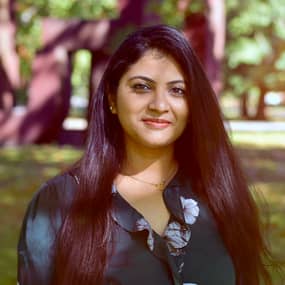
Priya Chakrabarti Basu is currently an Assistant Professor at the Department of Agricultural Science and Plant Protection, Mississippi State University. Priya is also a courtesy faculty at the Department of Horticulture, Oregon State University. Priya studies the interactive impacts of multiple stressors on bees, for example poor nutrition, pesticides, climate change and diseases. She uses a wide array of multidisciplinary techniques across fields such as physiology, toxicology, functional biology, multiomics-based approaches and neuroethology to address her research questions. She is currently serving as the Secretary/Treasurer of the American Association of Professional Apiculturists, Vice-President of Mississippi Entomological Association and the North American Chair of the nutrition taskforce for COLOSS, the international bee organization. She was also the past Chair of the Early Careers Professionals Committee of the Entomological Society of America. In addition to the research community, Priya enjoys teaching and working with stakeholders, policymakers and the general community in protecting bee pollinators and raising pollinator awareness. Priya is also a children’s book author to help spread pollinator awareness among young readers.