Safari Ball - The Story of Pikipek
Welcome to Safari Ball, a field guide series that explores how Pokémon evolve through behavior, emotion, and environment.
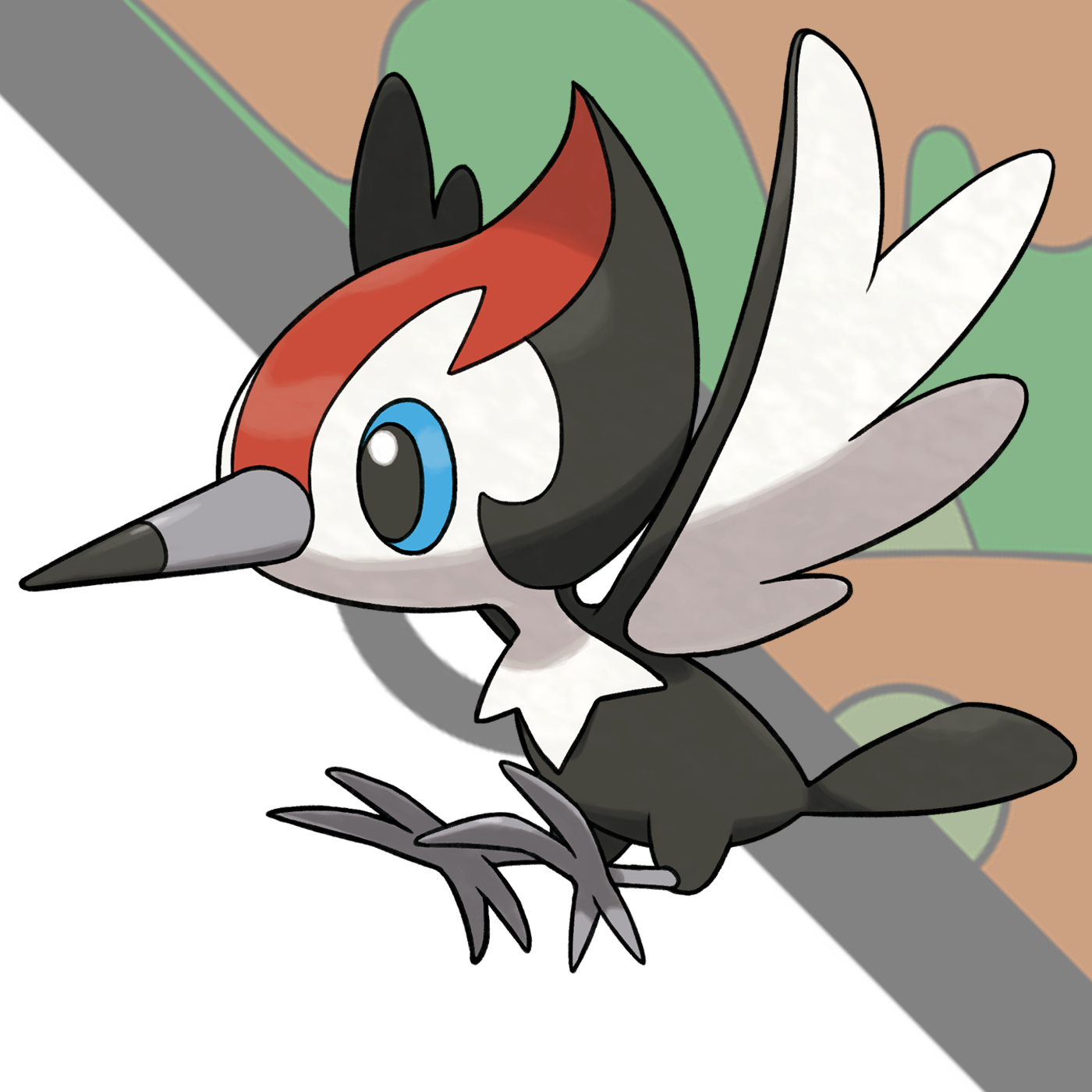
In the humid forests of Alola, if you stand still long enough, you’ll hear it. The soft staccato tap-tap-tap echoing through the canopy. It might seem like random noise at first, but this forest percussion is anything but accidental. It’s the language of Pikipek, the Normal/Flying-type woodpecker Pokémon whose entire evolution line tells a story not just of flight, but of feeling.
From tiny drills in bark to heated, flaming beaks, these Pokémon grow by turning noise into meaning. Just like people who learn to express their feelings through music, words, or art, these bird Pokémon teach us how communication starts with instinct, but matures into intention.
Pikipek
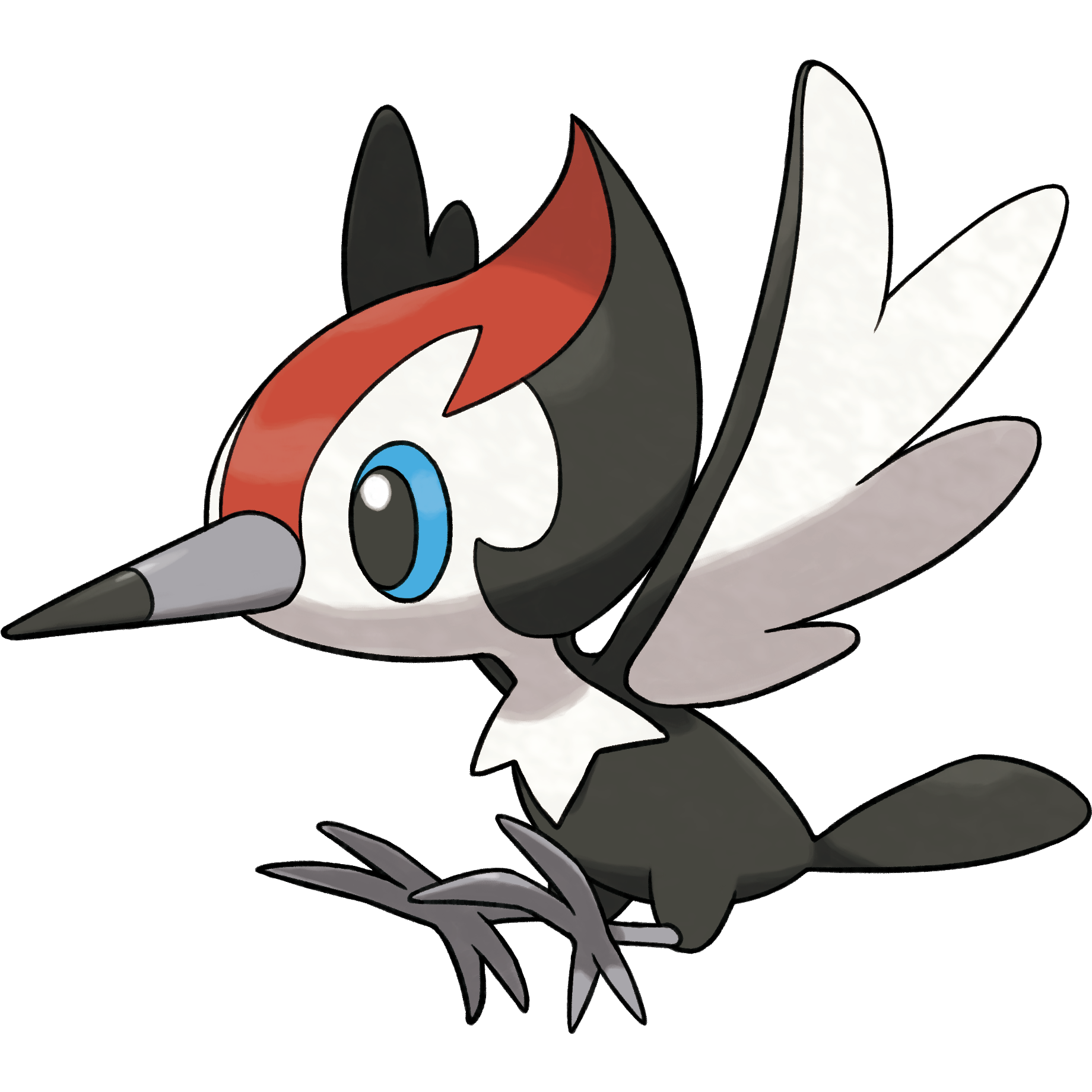
“It can peck at a rate of 16 times a second to drill holes in trees. It uses the holes for food storage and for nesting.”
—Pokemon Sun
Pikipek may be small, but its presence echoes loud and clear in Alola’s forest canopy. What sounds like scattered tapping is often a signal of hunger, surprise, or even loneliness. Much like the cries of a young child, the rhythm of Pikipek’s pecking tells the world what it feels before it fully understands those feelings itself.
Despite its delicate frame, Pikipek possesses heavy-duty neck muscles that allow it to strike 16 times per second (Pokémon Sun). Pokémon Violet adds that "it won’t hurt itself even if it violently shakes its head." These muscles aren't just for strength, they protect Pikipek from the emotional whiplash of reacting quickly. It can move fast without wounding itself, like a child learning to express without unraveling. Each hole Pikipek drills is an important part of its world. Some are used for nesting, others for storing food, and still others for collecting small, glittering treasures. They are like tiny memory vaults, marking moments in its journey. According to Pokémon Moon, Pikipek even uses leftover berry seeds as ammunition, a creative use of what others might discard.
Its abilities also reflect who it is. Pickup shows how it finds value in what’s often ignored. Skill Link lets it follow through, peck after peck. Keen Eye reveals its instinct for treasure, not just shiny things, but emotional importance hidden in plain sight.
Pikipek reminds us that even our smallest efforts like a single cry, a hand-drawn card, or a tapped-out rhythm can leave a mark on the world. Sometimes small marks grow into something much bigger.
🪶 Flying-types are free-spirited, curious, and guided by the winds of change. Explore Flying-type behavior →
Trumbeak
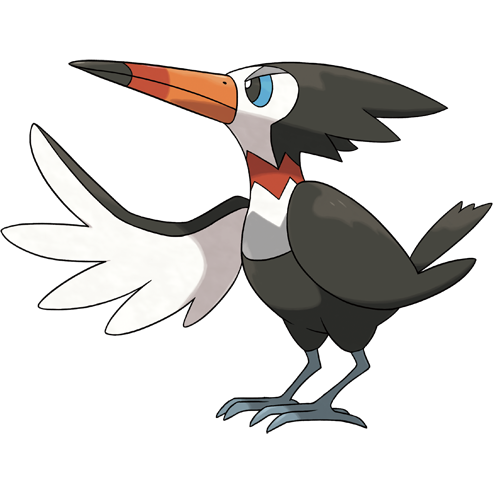
“From its mouth, it fires the seeds of berries it has eaten. The scattered seeds give rise to new plants.”
—Pokemon Ultra Moon
At level 14, Pikipek evolves into Trumbeak, and its tapping becomes targeted. What was once scattered is now shaped. As a Trumbeak, this Pokémon uses its long, flexible beak to produce "over a hundred different cries at will" (Pokémon Ultra Sun), not just to be heard but to define boundaries.
While Pikipek would tap when it found something exciting, Trumbeak taps to claim. Pokémon Scarlet explains how it flies around "to declare its territory to others." It knows what is its space now. Like someone learning to set emotional boundaries after first discovering their voice, Trumbeak claims its place in the world. Yet even in battle, Trumbeak leaves behind more than damage. Its method of attack by firing berry seeds from its beak scatters growth wherever it goes. Pokémon Ultra Moon reveals, "The scattered seeds give rise to new plants."
Even in conflict or confusion, new life can sprout from what we let go. This phase connects deeply with those going through emotional shifts like starting a new school, moving to a new city, ending a relationship. In those moments, our words and actions might feel chaotic. But like Trumbeak, even the things we scatter, our stories, our mistakes, our bursts of feeling might be planting something beautiful for later.
Toucannon
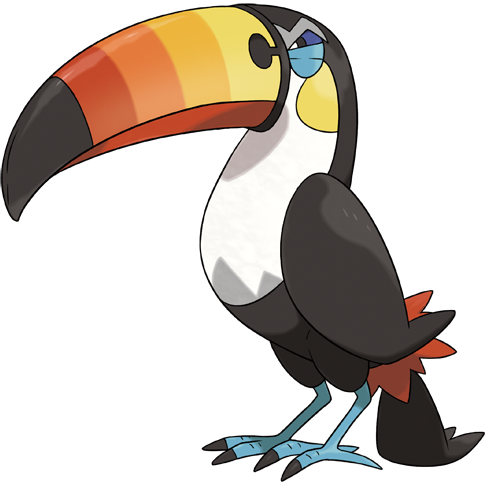
“Within its beak, its internal gas ignites, explosively launching seeds with enough power to pulverize boulders.”
—Pokemon Moon
By level 28, the song becomes fire. Trumbeak evolves into Toucannon, and what was once noise is now refined into heat, force, and care. Toucannon’s beak is no longer just a tool, it’s a weapon and a warming hearth. Its internal gas ignites to launch seeds with enough pressure to “shatter large boulders” (Pokémon Scarlet), and its beak can reach over 212°F (Pokémon Sun). But that same heat isn’t just for battle. Toucannon is known to use its beak to warm up eggs and each other. Pokémon Violet says, “Pairs of Toucannon are considered symbols of companionship.”
They don’t chirp or cry like they used to. Instead, they strike beaks to communicate. As Pokémon Ultra Sun describes, “The strength and number of hits tell each other how they feel.” What began as rhythm, evolved into song, and now becomes a shared language. It’s no longer about being loud, it’s about being understood.
Symbolically, this is the final form of emotional communication, intimacy. Toucannon now dances to a rhythm that has meaning. And when they form couples, they’re brought to weddings as good luck charms. Because real love, like real growth, speaks in actions.
Toucannon used Beak Blast
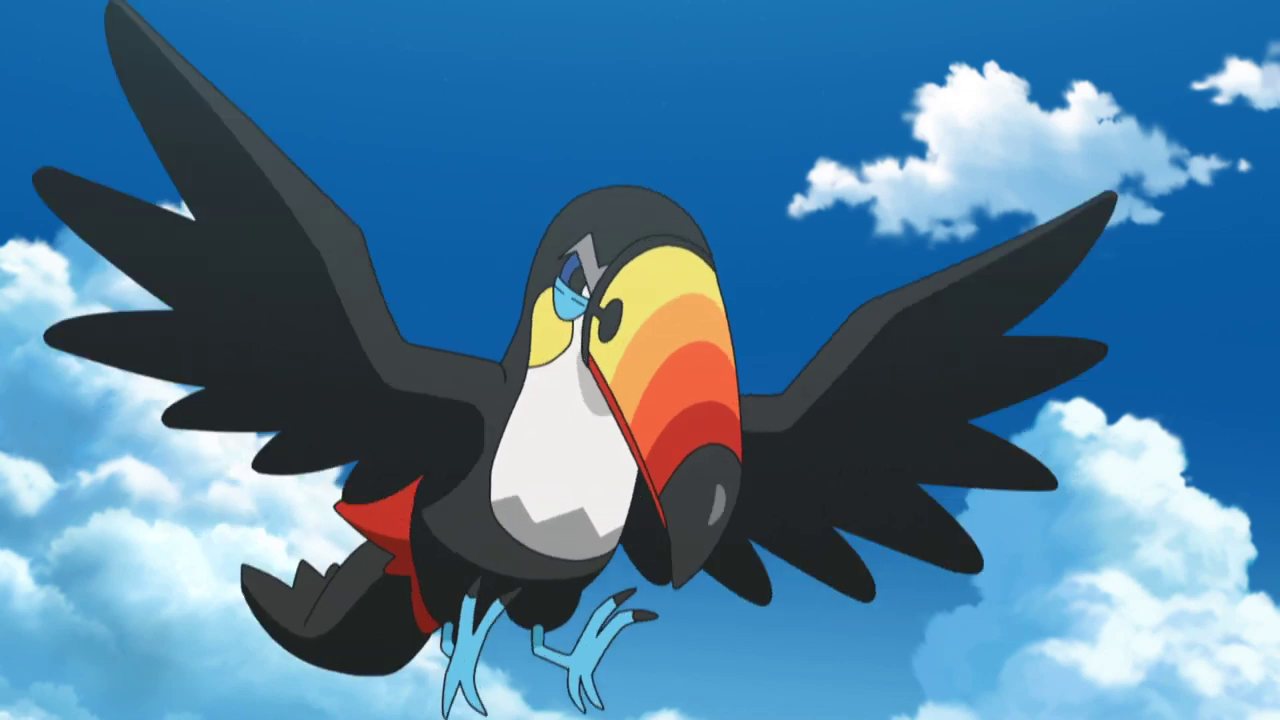
From Pikipek’s tree taps to Trumbeak’s cries and Toucannon’s fiery strikes, this evolution line shows us what emotional expression looks like in nature. Each stage doesn’t just grow stronger, it grows clearer. What starts as instinct becomes voice. What begins as loudness becomes leadership. And in the end, what looks like heat becomes healing.
So the next time you hear a strange tapping in the woods, pause and listen. It might just be a young Pikipek learning how to say, “I’m here.”
Choose Your Next Safari Ball Adventure
Furfrou | Enamorus | Spearow
🎧 Want the human side of Pokémon?
🎙️ As The Pokeball Turns explores the Trainers.
Listen to real stories about:
- Community leaders
- Collectors
- Creators
- Everyday fans
Safari Ball - The Story of Chinchou