


Elaine Lin Hering: The Surprising Reason Staying Silent Damages Careers (Re-release)

If you're feeling the frustration of being silenced in your workplace, despite wanting to make a difference, then you are not alone! Maybe you've stayed quiet in meetings or felt the weight of cultural norms, and it's impacting your ability to contribute. It's time to unlearn silence and reclaim your voice for real impact.


You won't believe how silence impacts leadership and team dynamics in the workplace. The unexpected truth about unlearning silence will leave you in awe. From cultural differences to the power dynamics, this conversation will challenge everything you thought you knew. Get ready to dive into a world of difference and discover the transformative power of reclaiming your voice. Are you ready to uncover the hidden impact of silence in your professional life? Stay tuned for a revelation that will change the way you lead and communicate.
In this episode, you will be able to:
Embracing Open Dialogue: Discover the power of unlearning workplace silence to foster a more inclusive and communicative team environment.
Navigating Cultural Differences: Learn how cultural diversity influences communication in the workplace and gain insights into effective cross-cultural collaboration.
Enhancing Team Communication: Uncover actionable strategies to boost team communication and productivity, leading to smoother workflows and stronger team cohesion.
Leadership's Role in Open Dialogue: Explore the crucial role of leadership in fostering open dialogue and creating an environment where diverse voices are heard and valued.
Leveraging Diversity for Problem-Solving: Understand the benefits of diversity and inclusion in problem-solving, and how embracing different perspectives can lead to more innovative solutions.
My special guest is Elaine Lin Hering
Elaine Lin Hering, author of "Unlearning Silence," brings a refreshing and insightful perspective to the topic of unlearning silence in the workplace. With a background in negotiation skills and cross-cultural experiences, Elaine delves into the nuances of communication, cultural differences, and the impact of silence on individuals and teams. Her personal journey as the youngest daughter of an immigrant family from Taiwan to the United States, and her professional expertise in teaching negotiation skills across industries, provide a rich foundation for her valuable insights. Through her engaging and thought-provoking approach, Elaine offers practical strategies for fostering open dialogue, enhancing team communication, and embracing the benefits of diversity and inclusion in problem-solving.
The key moments in this episode are:
00:01:05 - Importance of Speaking Up
00:03:22 - Origin Stories and Cultural Background
00:06:47 - Defining Silence
00:13:00 - Importance of Active Listening
00:14:41 - Understanding Voice
00:19:18 - Learning Silence
00:23:41 - Impact of Organizational Silence
00:24:24 - Encouraging Voice
00:28:12 - The Power of Different Perspectives
00:28:53 - Recognizing the Role of Silence
00:30:26 - Three Levers for Voice
00:34:19 - Cross-Cultural Communication
00:39:12 - Observing Silence in Teams
00:42:40 - Encouraging Action
00:43:12 - Your Voice Matters
00:43:27 - Call to Action
Share this episode with five people who care about making the world better. Text it to them or share it in your group chat to spread the message of unlearning silence and making a difference.
Leave a 5-star review and a quick comment to let us know how this episode made a difference for you. Your words help the show reach more difference makers and amplify the impact of the conversation.
Grab a copy of Elaine Lin Hering's book, Unlearning Silence, and dive into the insights and strategies for reclaiming your voice and creating a more inclusive and empowering environment.
Learn more about your ad choices. Visit megaphone.fm/adchoices
Follow the podcast at:
- https://www.youtube.com/@aworldofdifference
- https://www.aworldofdifferencepodcast.com
- https://www.linkedin.com/company/aworldofdifference/
- https://www.instagram.com/aworldof.difference/
Join our Difference Maker membership community for a ton of exclusive content for as little as $5/month. (The price of your a latte at your local coffee shop to enjoy a whole month of content.) Lori's Travel Tips are included as well as exclusive minisodes with our guests not available anywhere else. Join for deeper conversations and a little fun today at https://www.patreon.com/aworldofdifference
Keep making a difference wherever you are!
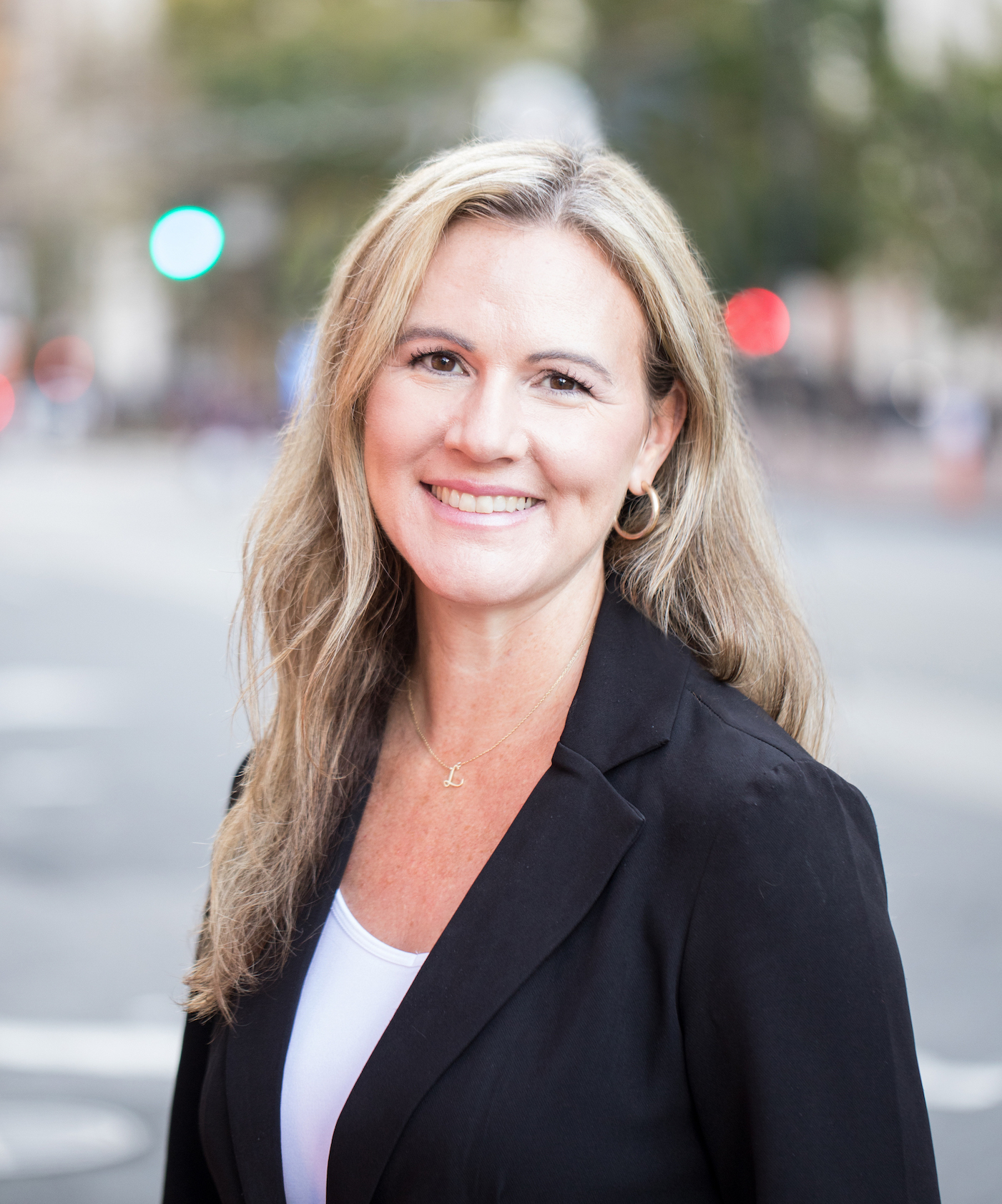
Lori Adams-Brown, Host & Executive Producer
A World of Difference Podcast
00:00:00
Hey difference makers. A quick pause before we dive into the episode. If you've been enjoying these conversations and you want to take the impact even deeper, I'd love to invite you to subscribe to my Substack newsletter. It's where I unpack the behind the scenes insights from each episode of A World of Difference and share practical, thought provoking tools on trauma informed leadership across cultures, inclusive talent development and global organizations. When what the most forward thinking Chros and CEOs are doing right now and how you can make an impact in your workplace whether a nonprofit, business or faith based spaces.
00:00:34
When you subscribe, you'll instantly get my free guide 3 Strategies for Trauma Informed Leadership. Is it designed for leaders navigating cross cultural teams and high change environments? Just head to Loriadamsbrown.substack.com or click the link in the show notes to sign up. That's Loriadamsbrown.substack.com where leadership meets best purpose values and difference becomes our greatest strength. Alright, let's get back to the show because our world is different and we were born to make a difference in it.
00:01:05
Welcome to the A World of Difference podcast. I'm Lori Adams Brown and this is a podcast for those who are different and want to make a difference. Hey difference makers, it's Lori and you're not going to want to miss this one. We're bringing back one of our most beautiful, powerful conversations on the podcast, my interview with Elaine Lin Hering, author of Unlearning Silence. And let me tell you why.
00:01:29
This moment, right now, is the exact time you need to hear this. Here's the truth. Silence isn't neutral. It's not passive. And in 2025, silence can be dangerous.
00:01:43
We're living in a time when tyranny is knocking on our doorstep in our states, our countries, our boardrooms and our neighborhoods. I'm recording this from California, where the tension between voice and silence is rising. Whether you're navigating politics, power, or just trying to be heard at work, this is not the time to shrink back. If you've ever stayed quiet in a meeting when your gut told you to speak, if you've ever been the only one in the room who saw what was wrong but didn't know if it was your place to say something, if you've ever felt the crushing weight of culture, family, fear, or fatigue, you're not alone. And this episode is for you.
00:02:28
Elaine doesn't just talk about silence, she exposes the layers of it. She unpacks the psychology of why we stay silent. And more importantly, how we unlearn that reflex that was never meant to protect us, but to control us. This conversation will light a fire in your belly. It will make you question what you've been conditioned to believe.
00:02:51
And it just might help you reclaim your voice in a moment in history. When it matters more than ever. So whether you're a leader, a parent, a partner, a teammate, or a citizen trying to make sense of it all, push play. And don't stop till the end. Because your voice, it matters.
00:03:13
And staying silent is no longer an option. Let's dive in.
00:03:22
Well, welcome, Elaine, to the World of Difference podcast. I'm so excited to dig into this book and get to know you a little bit better today. But, yeah, welcome over there in Berkeley. Thanks so much for having me. Of course.
00:03:33
Yes, I've really enjoyed reading your book, which I read on an airplane recently on one of my travels. Unlearning silence, how to speak your mind, unleash talent, and live more fully. This book was just so full of insight and also helped me realize some things about myself that I think that anyone reading it would. And so I love how you. You very vulnerably dig into this for yourself.
00:03:59
But I always like to here on the podcast, start with questions to help us get a little bit more information about who you are and your background. And so I know that you have a bit of Taiwan in your background. I recently got back from Taiwan, actually, one of my direct reports is in Taiwan. I was onboarding her there, and she's wonderful. But I'd love to know a little bit about the cult and places that formed you as we kind of get started on this interview with you.
00:04:23
Absolutely. I am the youngest daughter of an immigrant family from Taiwan to the United States. So I was born in Taiwan, but basically grew up in California. That maybe explains why I wrote a book about silence. I also grew up in the Christian church, and a lot of the messages were distilled to me as turn the other cheek, be the bigger person.
00:04:47
Right. So you have all these threads and of immigrating, trying to assimilate into a country so that you foster and experience a sense of belonging as the youngest daughter against a patriarchal culture. I am less than my brother because boys, men, are prized more traditionally speaking. And I try to be clear about what happened later in life and in the book. And then certainly a lot of that.
00:05:19
Culture is just anytime you are asking a question, pushing back, even having a difference of opinion to people who are older than you, you are disrespectful and so that to me created a really strong relationship with silence of to be respectful, to be a good person, to be kind means to bite your tongue and not say anything. And of course, I watched Bambi when I was five and Bambi said, if you don't have anything nice to say, don't say not at all. And I took that to heart. And how many of us do? And we'll get into the rest of it?
00:05:55
Yes, absolutely. This is something I know that our audience, both in the west and in Asia, who've had any sort of cross cultural experience going back and forth between those two locations will resonate with, or just anyone who's been raised in a collectivist society and then also kind of like landed in an individualistic society, kind of how we are here in the U.S. but you know, there are so many beautiful things about both cultures. And yet this whole concept of silence is sort of very nuanced in all of these places and spaces. And when you bring in this intersectionality of just the Christian church and growing up there, and so much to unpack there, which we do a lot on this podcast as well, there's so many voices saying, you know, and encouraging your silence. But I think that, you know, my, my first really question for you after this is, what is silence?
00:06:45
How would you describe it? Yeah, the lawyer in me is really happy that you asked that because I love a good definition of terms, particularly because there is such value to certain types of silence. Right. All meditation, key religions of the world, that pause between stimulus and response. We need more of that silence to get to slow thinking, to reflective thinking.
00:07:08
And many of us could use more of that in the world. But the silence that I'm talking about here and wanting us to collectively unlearn is when there's not enough space in the conversation or in the room or in the relationship for who you are, for your thoughts, preferences, needs, goals, hopes and concerns. It's when you're not invited to the meeting and you didn't think you could ask. It's when you self censored and didn't actually say what you thought because the voices in your head already told you it's not worth it or you're going to get made fun of. And all of that means that we need to silence ourselves, both what we think, but particularly as women or anyone who carries a subordinated identity, meaning you're not part of the dominant culture.
00:07:57
Whatever context you're in, it means that your own needs aren't getting met. And we walk around as shells of the people that we could be. That's not even to start to think about the difference that we could make if we were actually free to be the people that we are or were meant to be.
00:08:18
Yeah, it's a lot to consider in all of the places and spaces where we are, whether it's work, community, family, faith based spaces, you know, politics, government, all of it is so intertwined with all of this. I know I underlined, I underlined so many parts of your book that just, you know, I would read it and I would say, oh my gosh. And I'd have to sit there and reflect on it for a little bit because it just, it makes you think about a lot of existential questions about how, just how we live and why and why we do certain things. But I like early on in the book, on page five, you say, what messages have you internalized about who gets to speak and be heard and whose voice matters? What reflective habit habits have you developed around using your own voice or supporting others voices?
00:09:02
And yeah, I just, as you thought through some of those things for yourself, how has that played out in your own life when you consider those questions? Yeah, I think origin stories are always helpful. You know, I, growing up as an immigrant in the United States was often told in this individualistic society, speak up, speak up, speak up. And then yet when I did, I was too loud, I was wrong, I was then too quiet. And you sort of can't ever get it right.
00:09:35
And really thought, you know, then there's the professional aspect of my life where I spent more than a decade teaching skills for negotiation. Difficult conversations, giving and receiving feedback across industries, across continents. And despite those tools and frameworks that my colleagues at the Harvard Negotiation Project created, being sound, some people still wouldn't negotiate or have the difficult conversations, give and receive feedback. And I started to wonder, why is that? And to me, the missing piece really is silence.
00:10:06
What role does silence play on our teams? In what ways have I internalized those messages over time? Such that saying, you know, taking a Nike approach to say just do it, just speak up doesn't actually work, right. We have these voices in our heads that are screaming, but I can't. Right?
00:10:24
That's people like me don't do that. Or I've had really negative lived experiences from speaking up. So there's a cognitive dissonance to what you're telling me best practices is to my own lived experience. And then what am I supposed to do? And to me, the problem of whether you get heard, whether you have an impact.
00:10:47
Whether you make a world of difference has that. That problem has been misdiagnosed. Right? A lot of times the problem statement has been presented as if you're not being heard. You need to have more courage.
00:11:00
You need to have more confidence. If you could speak up louder, more clearly, use the, you know, change, fix yourself, then you would get heard. Versus in what ways have I learned silence? There's certainly personal responsibility and accountability of what I'm doing, whether or not I'm sharing my thoughts and my gifts. But none of us live and exist in isolation.
00:11:23
So there's also the question of in what ways are the often very well intentioned people around me. My manager, who in their heart of hearts wants to support me, is actually silencing me. And of course, we all exist in the backdrop of systems. So in what ways is silence baked into the policies and practices that affect all of us? So many of us are tired of talking about return to office, you know, post Covid.
00:11:52
And I'd argue that the reason that that conversation lingered on so long is still having gnarly tentacles right now is because that is an example of one policy that supports certain people who have easy commutes, who are used to leading in person, for whom it is familiar, comfortable, and advantageous to go to the office. And it silences the people who benefit from flexibility. And so to take a more accurate look at the situation is in what ways do I silence myself? In what ways do I silence the people around me? Not because I intend to or because I'm a bad person, but because I'm human.
00:12:31
And in what ways is silence based? Baked into the systems we're all part of that starts to unlock how we can actually be seen, known and heard at work. That translates into unleashing talent, the best ideas coming forward, not just the loudest ones. And at home and in our, you know, interpersonal relationships, that is. How can we love each other better?
00:12:54
Effy?
00:12:56
Yeah, how can we love each other better? Wow, that's just. We're just gonna blow this conversation big.
00:13:05
I know, right? Because. Excuse me, I think ultimately allowing one to have space to bring them their, their ideas, their thoughts, however raw or uncomfortable, where we suspend judgment and really listen, is a very loving act. And, you know, I do work for a tech company here in Silicon Valley where I go around training globally, which, you know, took me to Taiwan recently and has taken me to very soon. And again, I, you know, with all the cultures I interact with in this workspace, silencing happens, but also allowing people to speak happens and you can see the difference in just people's body.
00:13:45
So like one of the things I train on is this and you're probably aware of it, but like Dr. Albert Mehran did the study back in the 1970s, it's sort of the seminal study on communication. And really only 7% of how we communicate his words. And there's about like 38ish, 33% in there, depending on tone and inflection, which is also important to communicate things. But really it's that body language, that 55%, whatever language we speak. Right.
00:14:10
And so there's so much about bringing out someone's voice that means paying attention to like how their body is responding. And that's a lot of things to pay attention to. For a manager in a workspace that's very busy and the way that we work in the United States or even when I lived in Singapore, which is a very, very busy, fast moving society, it's hard to pay attention to all those things and be the kind of leader or manager that would bring out someone in this way. So I think that, you know, next I would just love to unpack because I think people don't really even understand this. Like, how would you describe voice?
00:14:43
Like, what is voice? Yeah, voice is not just the words that we say in a meeting. Voice is how we move through the world. And if we go back to us each being human, we're all wired differently. Logically it would make sense that we would communicate in different ways, that we would care about different things.
00:15:00
And of course, all the research shows that diverse teams, if you can harness that diverse perspective, outperform homogenous teams. The question is, are we implicitly, unconsciously forcing everybody to look and sound the same in order to get heard? And this is one of the primary ways that well intentioned leaders end up silencing the people they lead. Requisite for being heard is that you have to speak, at least in corporate America, in three succinct bullet points. No ums with just the right amount of emotion to show that you care, but not too much emotion that you lose credibility.
00:15:40
Right. We get a very narrow slice of our employee population who is wired in that way. So one way that we are wired differently is some people process information best by talking out loud. Right. Real time processors and oftentimes they do a lot of talking in the meeting.
00:15:59
Then there are post processors and I don't know how many of our listeners are like that. I certainly am wired that way in the meeting. You can't quite figure out what to say, but 20 minutes later you're like, that's what I wanted to say. Right? And that often in our workplaces is coded as weakness rather than wiring.
00:16:18
And to put those two ideas together, what do we do about it? Well, we design our communication flows, how we communicate rather than default to the way that things have always been done. If someone on my team is a post processor and statistically speaking there are members of your team, wouldn't we want their ideas in the mix? And that can look like in a meeting, you know, the real time processors are processing great. We sort of get to what we think is going to be a decision and if we planned ahead to say great, everybody sleep on it.
00:16:54
And as you're post processing, if things come up, put it in slack or put it on this email thread. Right? Being really specific about the channel to take the guesswork out of. Well, do I raise something? Am I going to look like I'm a flip flopper?
00:17:11
All of these things being really clear about this is we are actively designing for differences of wiring and communication in the way that we work together so that the people who type, who communicate more effectively by typing than talking are as equally represented. And it's not seen as, you know, a second back seat conversation where you sort of need to jump into the front seat. It's just how we work together. And that reducing the barrier to entry is one way that we can support voice showing up differently and also allowing those thoughts into the conversation. So good, so much to unpack there and so many great just insights that you're giving us.
00:18:00
One thing that I noticed and I've noticed in a previous workplace in particular, I, I worked in a very hostile work environment at one point where a lot of people ended up with NDAs. And you know, kind of what you're saying is I, I asked a question and questions weren't welcome. I didn't realize, you know, because you do kind of there's these unwritten rules that it's, it looks very diverse. You know, there was a diversity, somewhat of people on staff, not as much diversity of somewhere. And then there were Asian American women who had been second, you know, first or second generation immigrants here in the US and you know, there's, you understand that dynamic very well.
00:18:33
But it was sort of like, oh, these people are here and they do things for us, but we don't really welcome their voice in every way. And I didn't realize those kind of unwritten rules were there until it kind of, you know, asked A question. And then I learned really quick that was not okay. But anyway, a lot of the conversation in that space I realized is that people just were completely unaware of. Of silencing, of the dynamics of men, women, of these certain things.
00:18:56
And so I guess the question is, you know, we have all these families of origin. All of our. Our filters and our brains are unique to us. Based I train on this too, is like we go through our day hearing everything through our own unique filter. It's as unique as our fingerprint.
00:19:11
Right. But how do we learn silence typically throughout our lives? How does that really even take place? Yeah, certainly. And this is chapter one of the book, the silence we've learned.
00:19:21
One way is in our families of origin. Another way is in our education systems, frankly. And this is where we are all tied into a systemic challenge. If we think about public schools, funding is linked to performance. So we're teaching to the test.
00:19:37
Then we start to silence critical thinking and creativity. And there's a very narrow value and perspective of what voice is. And because teachers are underpaid and, you know, the teacher to student ratios, you know, it starts to get really complex really quickly. But we also learn silence in school in regurgitating thoughts rather than thinking critically, or whether we were rewarded for raising our hand. Because then you're disruptive then in the workplace.
00:20:06
I mean, the silence is, as you said, I asked a question because I thought that's what our values on the wall say. But clearly that's not what we actually do here. And we get the phenomenon, collective phenomenon of saying nothing, which is the definition of organizational silence and employee silence, where we each do the calculation of, oh, it's not worth it to say something here. But it's also, what do we talk about in society? The Me Too movement came about because someone said, this actually happened.
00:20:39
And everyone else said, oh, me too. But if we look at how people who report abuse or harassment get dragged through the mud, their reputations damaged, or whistleblowers, and the significant impact on mental health, emotional health, relational health, right? The whistleblower for Boeing seems like just took his life. And that, that is so real. And the chapter three of the book is When Silence Makes Sense, because the cost to speaking up are real.
00:21:11
There is a utility to silence, to keep my job, to keep my seat at the table, to pay my bills. But this is how we learn silence individually and then collectively. You know, if we're new to an organization or more junior, we're looking around, as you mentioned, to say, how do things work around here? And if I don't see leadership in honest, candid dialogue and discussion, then I very naturally draw the conclusion we don't talk about those things here. And that leads to groupthink, and that leads to basically every corporate scandal of the last couple centuries, as well as impacts on talent, engagement and retention.
00:21:52
Right. Is this somewhere that I can actually lend my gifts and talents? Or am I a cog in a wheel? Am I valued here for my humanity or am I valued here for my utility? If the job is actually to just do the role, which sometimes it is, or we get that sense from our managers, then where is there room for me?
00:22:13
And of course, life is messy. The world right now around us is messy. Everything we're carrying in interpersonal relationships and family dynamics is messy. And so I can understand from a producing widgets perspective. Right.
00:22:27
Leave all that at the door, come in, do your job, get paid. It's a transaction. Except we as human beings aren't wired that way. And also difference, having a difference of opinion is the core of innovation, and being heard is the core of collaboration. So it takes us back to, well, what do I own, right?
00:22:47
In what ways am I editing myself, holding back? And am I choosing that silence? Or is silence the only choice for me that to me, that agency is a real difference. And then what can we each do to create that space for voice? Because having someone else disrupt the bias in the conversation or say, hold on, I want to hear what Lori has to say, you know, let her finish, that creates an environment.
00:23:15
If we're all doing that for each other, regardless of our positionality, we're creating a really different team dynamic than if Lori's on her own and I'm on my own. And you know what? None of us have energy to fight any of these battles, so we're just going to stay silent. Yeah, I think that so many people listening are, you know, probably having memories up in their minds right now of situations that you're reminding them of. And, you know, I think that a question for a lot of us out there who are managers or, you know, have any sort of direct reports in our work, whether it's volunteer driven or, you know, in our workplace or even just parents of children, you know, we can definitely silence our children because of all the reasons.
00:23:58
You know, we might be tired at the end of a work day or it might be the child is in that why phase and it's hard to answer those questions. Or they're teenagers and they say things that are just like, wow, they're trying to Explore. And it feels scary and uncomfortable. And so there's a lot of, you know, ways we could diminish the voices of those around us. But I guess the question I'm wanting to hear from you now is what are ways we can sort of help people bring their voice to the table?
00:24:24
And there are these power dynamics that exist as a manager, as a parent, that even if you say, hey, I want to hear your opinion, that may not be the best, you know, it may not produce the outcome we want. It still may. There may be fear in the dynamic where people wouldn't share. So what are some things we could do to help people really bring their voice to the table? Yeah, absolutely.
00:24:45
So designing our communication patterns like we talked about earlier, and that literally is a 30 second conversation. Or pop that question in slack for post processors and you can communicate about it asynchronously. Right. What makes it easiest for you to share your thoughts and feelings? Because I care and want to know.
00:25:05
Right. Or whatever is appropriate for your context and culture so that you get intel. It's not to say that you can only then communicate with them in that way, but you can better understand. Oh, when Lori chooses to slack me, that's because she's playing to her strengths. Rather than my default of pick up the phone.
00:25:23
Then a couple of other tactical pieces. One is as a manager or even as parent, when you say, what do you think that feels like a trap, right? If I'm on the receiving end of what do you think? I'm like, oh, how honest do you really want me to be? This didn't go over so well last time.
00:25:40
But if we leverage standard questions and every time we're evaluating a topic or a concern or a project, we ask the same questions. What are the pros of this idea? What are the cons of the idea? What about this works? What about this doesn't work?
00:25:55
What resonates? What doesn't resonate? You know, you're inviting the positive and you're also inviting what is classically negative. But the standard questions helps people expect that. Oh, these are the questions we're going to answer in the meeting.
00:26:09
So the post processors can sort of pre process and also you're signaling. I want to know about the cons. I want to know what doesn't resonate. That's just naturally what we talk about here. The other is one of my favorites, which is using magic wand questions.
00:26:25
So if you had a magic wand, what would you change? Or if you had a magic wand, what would you do? And there's a whimsy to it and a cover of Magic of we're suspending reality. So all of our critical thinking and the rebuttals that we can come up with our heads take a back seat for just a minute to say, if I really had a magic wand, here's what I want to change about our relationship. And when you start to push back and be like, well, that was just magic, right?
00:26:50
But that starts to invite in what people really think. And then you can unpack that. But I would say that being human means that it is naturally hard to listen to people who look and sound different than us, much less have different perspectives, right? We gravitate toward people who look and sound like us. There's a ton of research around it.
00:27:14
It makes sense, particularly when we're over subscribed and too busy. But we also know, at least intellectually, what we miss out on if we're only talking and listening to people who sound like us. So there is a muscle, and this is in the book of how to listen across difference. And difference isn't just difference of perspective, but difference of style. Can we listen to someone who might tear up when they're crying or, you know, they're talking and let that be okay?
00:27:45
And as I say in listen to people who use ums as a pause or as a thoughtfulness, I mean, each of those things have different meanings across culture. And if we're shoehorning, putting people in a particular box, we only get a slice of data that is limited to the data set of people who look and sound like us. One of my hopes with the book is that I'm lending potentially a different voice than a readers. And for those of us who have been asked, you know, tell me what it's like to be Asian American in corporate America and we're so tired of I get a little someone said edgy in the book. But it's 2024.
00:28:24
Google it, right? Like there's been. There might been a ton that has been written about it. So you don't need me to do the emotional labor, you don't need your colleague to do the emotional and relational labor to educate you on top of doing their day job. But part of the hope of the book is here's another perspective.
00:28:40
It may not be comfortable, you may not agree with me, but the aim is to be at least naming silence as a thing because it impacts all of us, whether or not we want to recognize it. And the best thing we can do as leaders or as parents is to be cognizant that silence exists. And if we're not actively managing the role that silence has in our teens or in our families, it likely is silencing the people we care about. The parenting question is a really hard one. I have a six year old.
00:29:12
We have a lot of why questions, and I am really tired. And even that awareness of, if I want to raise my son in a way that signals to him that he has a voice, what might I do here? And to be really clear, unlearning silence does not mean saying everything to everyone all the time. The world is too complex and too noisy for that. Because there's also, what impact do your words have on the people around you?
00:29:42
So that is very much the dance in parenting of, here's how I see the world. Here's the impact that you're having on me, or I cannot have this conversation right now. And I really care about what you are thinking. So let's find a time or a place or a way that works for both of us. But it is this ongoing journey, which is why the book is called Unlearning Silence Ing rather than unlearn.
00:30:11
Check the box. We've unlearned Silence. We're done here. Wow. Excellent point.
00:30:16
Yeah. It is a process. It's hard because it's coming at us from all angles in all different ways. You talk about these three levers of voice. Could you unpack that a little bit for us?
00:30:26
Yeah. The three levers for voice come from classic negotiation analysis. So in the 1980s, my colleagues at the Harvard Negotiation Project noticed that each negotiation is actually the confluence of three negotiations. You're negotiating about the substance, the terms and conditions of the deal, to say, put it. To put it lightly.
00:30:47
And you're also negotiating the relationship, who's in the room, how we feel treated. And if any of us have people in our lives that we don't like, we know that we hypothetically. Right. If we don't like them, we are much less likely to want to work with them or to say yes to them. So the relationship, the level of trust, and how we feel treated by them actually profoundly impacts the substance.
00:31:12
And last but not least is process, which is the underestimated stepchild of the three process. Substance is the what. Relationship is the who. Process is the how. How are we working together?
00:31:24
That's all the design work that we were talking about in terms of communication patterns. I looked at that from the standpoint of a mediator. And a mediator's job typically is to hold the process so that people can Focus on the substance. It's also to tend to the relationship. But to me, that actually serves as three levers for voice.
00:31:43
Because so often we think, look, I'm not the subject matter expert, right? This person has been at the company, they're the founder or they've been at the company for 20 years. How could I possibly talk about the substance? Well, number one, you can, because you have a unique lens on the world and on whatever the subject is, right? You might just say with fresh eyes or coming to this as the newbie and own that perspective.
00:32:07
Your perspective is limited, but also legitimate, as is everyone else's. So what lens of the world are you using on the substance? But we get hung up on thinking, I don't have much to say on the substance, and so I don't have anything to say at all. Versus tending to the relationship, right? How are people in the room feeling?
00:32:27
Who's not in the room? If you're in a conversation with the sales team and engineering's not in the room and you're all excited about this new approach you're going to take with sales, relationship says, wait, hold on. What is engineering going to think about this? Or what impact is it going to have on them? Because all those issues are going to come to the surface eventually.
00:32:50
It's just a question of now or later and how painful and of course, process is. How. How are we talking about it? Are we using those standard questions we talked about or are we saying, what do you think? Are we typing or are we talking and have we taken a break?
00:33:07
Because we're at this all day off site and somehow think that togetherness is optimal, whereas all of us are like, we just need, like a bio break. We need to. We need to go walk around. Are we doing a walking meeting? Right.
00:33:20
All these different pieces actually impact outcomes and outcomes, our voice, how we move through the world. So if you're ever doubting whether you have anything to add a value, let me say it. You have value, you have valuable perspective, and you can think about, are you going to comment or focus on substance? You're going to comment or focus on relationship or comment on. Focus on process.
00:33:45
Because we need all three. And all three impact what we end up doing together or not.
00:33:54
That is so insightful. And as I think about that, from somebody who is, you know, working in a corporation and has worked in nonprofits in the past and done a lot of off sites, and those three elements, I just think they resonate. They just make sense and they're not talked about it's. There's so many things that aren't talked about and that you're bringing out in your book. And I think it's so valuable.
00:34:16
And. Even just when we think about the cross cultural element of things. Like one of the things, I don't know if you've ever encountered Erin Meyer and any of her work, she has this book, the Culture Map, Right. And so she's putting all these cultures on the spectrum. Right.
00:34:28
And one of the ones I found most fascinating because I read that when I lived in Singapore and I often reference it here in my workspace here in Silicon Valley is, you know, we have the whole low context, high context communication. Right. And the US and Japan are polar opposites. Right. And a lot of nations around Japan would be on that end of the spectrum as well.
00:34:47
And so, you know, knowing there's, there's these things like in Japanese language, that's reading the air. Right. And so it's for like US based context. That's kind of, it's very foreign. Right.
00:34:58
And so it's like, wait, there's, there's things in the air I'm supposed to be hearing. So how. Yeah. What is your experience with that? Yes.
00:35:06
I mean, so much frustration and so much resonance. And I'll also add another layer, which is our judgment, our judgment of the way that someone else does things or a different culture does things. I know many American who's like, read the air. That's ridiculous. Right.
00:35:22
Like, I'm so direct and so clear, everyone should be like me. Again, that is one of the pitfalls of being human that we assume because it would make our lives easier if everyone just operated like me. They should operate like me too, versus we're different. Then it begs the question of who gets to decide if we're in a cross cultural or multicultural workplace or team whose culture, what norms prevail. And to me, the sheer ability to discuss them, to name the differences gets us a long way in the book.
00:36:00
I also talk about three buckets in every situation. There's the people who decide, the people who are consulted, and the people who are informed. And one of the frustrations about Voice is when we think we're being consulted, but really it's a fake consult, right? Like Lori, what do you think? And then Lori's like, blah, blah, blah, I will share with you.
00:36:19
And then you make the decision. And Lori's like, well, why did you ask me if you were like, just if you knew what you were going to do anyways, Right. But being really clear, who actually decides what the norms are. And the particularly interesting fact about a team is that those norms often are co created. You can have a leader who says, we're doing things this way, but if people don't follow, then you don't actually have a culture, even though leaders have a disproportionate impact on cultures.
00:36:48
So are we able to name we operate differently. And different doesn't mean bad. Different doesn't mean your culture is worse than mine. But we have different ways of operating. And then ask the question, what do we want to do on our team here?
00:37:03
Oftentimes, though, even the understanding we operate differently helps us avoid the misinterpretation, the demonization of you're worse or you're bad or why don't you do it my way versus oh, we're different. And then we need to figure out how we coexist and how we collaborate in that way. But one of the pieces of advice in the book is be explicit about the implicit, which is what you said of, you know, I spoke up and asked a question and then realized, oh, I guess we don't actually do things around that around here. But being explicit doesn't mean that you have to be direct. Being explicit means, oh, read the air.
00:37:45
That's what is happening here. Can we name it versus we often figure out all of this by trial and error over time, but it can be five years and a lot of relational damage in the process. Unlearning silence to me is how do we actually name from our limited perspective, our legitimate perspective, what am I experiencing? What am I noticing, what am I feeling? What am I concerned about?
00:38:10
So that we can actually wrestle with it rather than tiptoe and bump hard elbows with each other until we maybe figure it out. But at that point in time, someone's already quit, someone's already decided. It's not safe here. Well, as we think about wanting to bring more voices to the table here on this podcast and knowing that our differences are not only celebrated and valuable, but really needed for our world to become a better place. And that includes corporate America.
00:38:41
It includes the justice system in all nations. It includes government, includes communities, families, education, every realm you could imagine. We don't know what we don't know. And often what we don't know is sitting out there. And so I guess my last question for you is, if there's a person listening who really wants to do this work, they have a position of power in some way, whether they lead a small team or a large team, what is one kind of call to action or takeaway that you would have them think through in light of all this.
00:39:12
Conversation, the question I would be asking is what role does silence play on my team? Team. And to observe it as a neutral third party would. Right. If you were doing a case study on your team dynamic, what would you see about silence and how it's at play?
00:39:32
And the reason I'm suggesting that vantage point is because there can be a lot of shame or guilt of, oh my gosh, I didn't realize I was silencing this person. And we associate it with being a bad person. And then we shut down, which is the last thing that we want to do. To me, and I say this in the book, so it's in writing, right, for. For all to see.
00:39:53
I am someone who has been silenced. I am also someone who silences other people despite my best intentions. And the question is not am I a good or bad person for doing that, but am I having the impact that I want? Am I aligned in how I think I'm showing up and how I'm actually showing up? And if you don't know what role silence plays on your team, number one would invite you to read the book.
00:40:20
And there's sort of a checklist you can follow of how it might be showing up and also to, you know, I've tried to write with as much clarity and compassion as I can muster because it's going to take all of us for those changes, but also knowing that each of us in our own corners of the world, across all the industries you mentioned, we are co creating a different world, co creating a world in which belonging, dignity and justice can exist, exist for every human being, not just for a privileged few. And our sphere of influence matters. It absolutely does. Yes. Bravo.
00:40:58
I want to give you a standing ovation on that one because, yes, I know everybody listening that cares about all the things we're talking about are resonating with what you're saying. And it's a great call to action to just ask the question and be very honest. And I think the part of the book that really touched me the most was not only you unpacking how you had been silenced, but how you silence others. And I think that's just the nuance and the reality that it's. It's not great posture to say good guys, bad guys, but that we're all a mixture of good and bad decisions and silencing and.
00:41:30
And also not silence. I mean, we do it right sometimes and we, we get it wrong a lot of times. But Learning from those mistakes and moving forward and really having a growth mindset around this, I think is really helpful. So thank you so much for this book book, for writing it, for being so wholehearted about it and vulnerable yourself, but also for giving us a great call to action here together. I'm looking forward to seeing how this has impact on our audience who really does make the world a better place every day.
00:41:56
So thank you for doing that yourself, for bringing your differences to the table today and letting us get to know you a little bit better and helping us all make a difference together. Elaine, it's been a joy to talk to you. Likewise. Thanks for having me, Lori. You're welcome.
00:42:09
Bye. Wow. Take a breath. That was a masterclass in why we stay silent and more importantly, how we start unlearning it. If Elaine Lin Hering's words hit you in the gut the way they hit me, then you know this isn't just a personal growth issue.
00:42:31
It's a leadership imperative. It's a workplace culture issue. It's a democracy issue. It's a human issue. Here's your call to action.
00:42:40
Text this episode to a friend or five friends who've been second guessing themselves. Bring this conversation into your next team meeting or book club. Ask yourself where you have been quiet too long and what truth is ready to be heard. Because in this season, in this year, we don't have the luxury of staying silent. Not in our homes, not in our company, not in California, not in our world.
00:43:08
Your voice is part of the solution. Your story is part of the movement. Your courage. It's contagious. If you haven't already, grab Elaine's book, Unlearning Silence.
00:43:19
Highlight it. Dog Ear the pages. Help us. Find out what you're learning and share that with us. And let's start living it together.
00:43:27
If this conversation stirred something in you, share it. Leave us a review. We love 5 star reviews. If this made a difference for you. We'D love to know.
00:43:35
And I read every single one of your reviews. Let the algorithm know that truth telling matters. I'll see you back here next week. But until then, unlearn the silence, speak up and make a difference. Hey, real quick, before you go.
00:43:49
If this episode made you think, made you feel, or made a difference in your day, here's how you can make a difference to your two Send this episode to five people right now. Seriously, five people in your text threads, Slack channel or group chat who care about making the world better. You never know who needs to hear this today. And if you haven't yet hit that follow button so you don't miss the next conversation. Then scroll down, tap 5 stars and leave a quick review.
00:44:15
I read every single one and your words help this show reach more difference makers. Just just like you remember, your voice moves mountains. Sharing, rating, and reviewing. It's not just support, it's activism. Thanks for being here, thanks for being you.
00:44:33
And most of all, thanks for making a world of difference Here on A. World of Difference, we talk a lot. About what it means to show up with courage, especially when the world tells us to stay silent. But here's the truth. Healing isn't meant to happen in isolation.
00:44:48
We all carry stories of joy, of pain, of resilience. And sometimes we need a space that's just for us. A space where we feel safe to process, to breathe, to be. And that's why I believe in therapy. And that's why I'm so grateful to partner with Better Help online therapy that meets you wherever you are.
00:45:07
Better Help matches you with a licensed therapist based on your unique needs, whether you're dealing with burnout, grief relationships, or simply trying to make sense of your story. Because you matter. And your story deserves to be heard. As a listener of this podcast, you can get 10% off your first month at www.betterhelp.com difference again, that's betterhelp.com difference because you don't have to walk this road alone. Hey, difference makers, Quick question.
00:45:38
Have you ever felt stuck in your job? Like you're meant for more, but you just don't really know how to make that leap? It's scary. Maybe you've outgrown your role, your industry, or even your workplace culture, and you're really craving a career that actually aligns with who you are and the impact you want to make. I've been there.
00:45:57
And after coaching professionals across three continents and leading in everything from global nonprofits to Silicon Valley tech, I created something just for you. It's called Master the Career Pivot, my signature course designed to help mission driven, values driven professionals like you make bold, values aligned moves without losing yourself in the process. This course isn't about polishing your LinkedIn profile. It's about finding clarity, recovering from burnout, and reconnecting to your sense of purpose. It's about joining a community of others who are making bold pivots too.
00:46:33
Because you don't have to do this alone. Whether you're navigating a toxic workplace, returning to work after time away, or just sensing that it's time for meaningful change, this course will give you the tools and the psychological safety to move forward with confidence. I built this program around what I know. Helps reflection, expert guidance. And here's the fun part.
00:46:57
Asking you to offer advice to others going through the same thing. Why? Because science shows we gain clarity when we help others. And that sense of belonging and purpose, well, that's where the magic happens. So if you're ready to go from stuck to aligned, from exhausted to energized, go to LoriAdamsBrown.com CareerPivot and join the Master the Career Pivot course today.
00:47:21
And if someone just popped into your mind who's in that messy middle, forward this episode to them. You could be the reason they finally say yes to change.