


Catherine Mattice on Strategies To Transform Toxic Work Environments From The Inside Out

Are you ready for a surprising truth? The key to creating a healthier workplace might lie in the hands of those who are unintentionally contributing to toxicity. Intrigued? Let's uncover the unexpected impact of abrasive leaders and how they could be the catalyst for positive change. Keep those earbuds in, because there's a whole new perspective waiting for you.


Have you heard these myths about toxic work environments? 1. "It's just part of the job, suck it up." 2. "If you speak up, you'll be seen as a troublemaker." 3. "You're overreacting, it's not that bad." I'll share the truth about these toxic workplace myths, but trust me, you'll want to stick around for the real strategies.
In this episode, you will be able to:
Mastering strategies for creating psychological safety at work can transform team dynamics and boost productivity.
Navigating toxic work environments requires understanding the impact on employee well-being and organizational success.
Identifying workplace bullying behaviors empowers leaders to foster a healthier and more inclusive work culture.
Understanding the impact of abrasive leaders on team health is crucial for cultivating a positive and supportive work environment.
Building healthier team dynamics in the workplace can lead to increased collaboration, engagement, and overall job satisfaction.
My special guest is Catherine Mattice
Catherine Mattice, MA, SPHR, SHRM-SCP, is the founder/CEO of Civility Partners, an organizational development firm focused on helping organizations create respectful workplace cultures and specializing in turning around toxic cultures. Civility Partners’ clients range from Fortune 500's to small businesses across many industries. Catherine is a TEDx speaker and an HR thought-leader who has appeared in such venues as USA Today, Bloomberg, CNN, NPR, and many other national news outlets as an expert. She’s an award-winning speaker, author and blogger, and has 50+ courses reaching global audiences on LinkedIn Learning. Catherine’s award-winning book, BACK OFF! Your Kick-Ass Guide to Ending Bullying at Work, was hailed by international leadership-guru, Ken Blanchard, as, “the most comprehensive and valuable handbook on the topic.” Her latest book is Navigating Toxic Work Environments For Dummies (Wiley).
The key moments in this episode are:
00:02:19 - Recognizing Toxic Behaviors in the Workplace
00:08:00 - Overcoming Gaslighting and Competence Questioning
00:10:39 - Shifting Toxic Culture in Organizations
00:13:22 - Misalignment of Organizational Values
00:02:55 - Impactful Conversation with Kathryn Matthias
00:13:54 - Challenging Narratives and Toxic Work Environments
00:15:33 - Dangers of Abrasive Leadership
00:19:37 - Perception and Behavior Change
00:23:25 - Impact of Workplace Bullying
00:25:37 - Uncovering Blind Spots in Organizations
00:27:02 - The Purpose of Core Values
00:29:02 - The Cost of Toxic Behavior
00:32:23 - The Importance of Self-Awareness
00:37:00 - Reimagining HR for Culture Management
00:38:56 - Preparing for Keynotes and Leadership
00:40:01 - Evolution of Workplace Trends
00:41:37 - Humanizing the Workplace
00:42:24 - Supporting Victims of Workplace Bullying
00:44:32 - Encouraging Empathy and Kindness
Subscribe, rate, and share the show with five people to spread the message of empathy, equity, and kindness. Help build a community of people who believe in listening to those who are different from us.
Join the Patreon community, Difference Makers, for behind-the-scenes content, extra questions, and a community that gets it.
Hop on Substack for deeper conversations and thoughts, where the deeper conversations happen.
Rate and review the show to provide feedback and shape the community. Share what challenges you are facing at work and what you would love to hear more of on the podcast.
Check out the Mastering the Career Pivot masterclass to take control of your career pivot with confidence and land a job you love. Gain access to video training, self-paced exercises, a free career pivot guide, and the Pivot Package for a clear, actionable roadmap to make career moves.
Follow the podcast at:
- https://www.youtube.com/@aworldofdifference
- https://www.aworldofdifferencepodcast.com
- https://www.linkedin.com/company/aworldofdifference/
- https://www.instagram.com/aworldof.difference/
Join our Difference Maker membership community for a ton of exclusive content for as little as $5/month. (The price of your a latte at your local coffee shop to enjoy a whole month of content.) Lori's Travel Tips are included as well as exclusive minisodes with our guests not available anywhere else. Join for deeper conversations and a little fun today at https://www.patreon.com/aworldofdifference
Keep making a difference wherever you are!
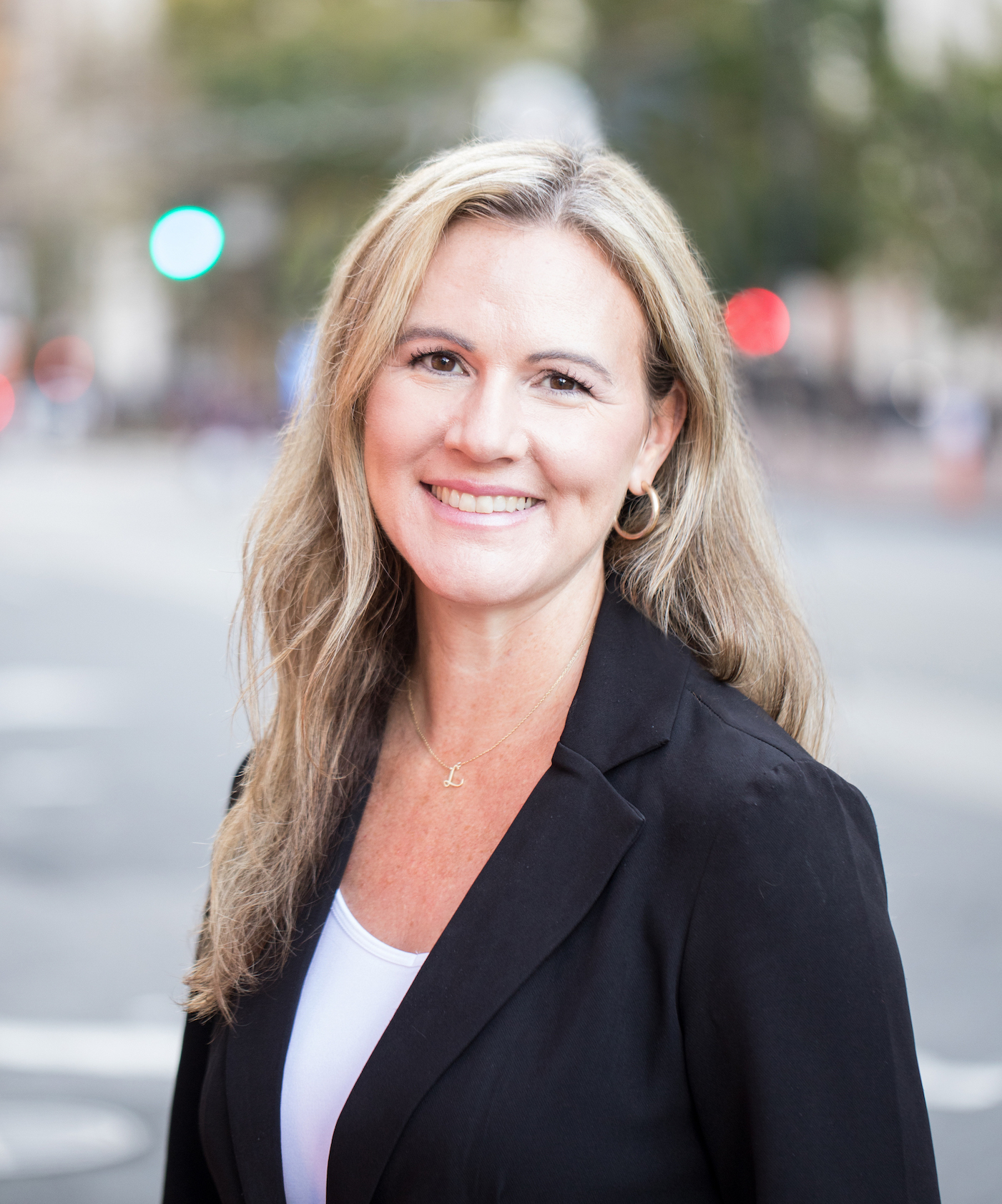
Lori Adams-Brown, Host & Executive Producer
A World of Difference Podcast
00:00:00
Hi Difference Makers. I have a really exciting update for you. Many of you know that for the past few years I've been writing over on Substack. Some of you have been over there, some of you haven't yet. But there I've written some reflections and behind the scenes thoughts, deeper dives into global leadership, equity and the kind of topics we often explore here on the podcast together.
00:00:21
Well, today I launched paid subscriptions for the very first time on substack@Loriadamsbrown.substack.com so I'm very excited because I've been sharing. All this for free for years and. I'm so grateful for your support along the way. But you know, let's be honest. Women deserve to be paid for their work, especially women of color.
00:00:42
For those of you listening and who are out there often expected to serve and teach and lead without compensation, it's awful. But launching paid subscription is one small but bold way. I'm pushing back on that narrative because. The truth is your voice, your labor. Your difference making matters.
00:01:01
And so does mine. So here's what this means for you. If you're already a paid supporter on Patreon, you don't need to do anything. I've given you a free gift subscription to my substack for a limited time. Just my way of saying thank you.
00:01:15
Check your email or head to patreon.com A World of Difference to get all the details. And if you're not a subscriber on Substack yet, this is the perfect time to join us. You'll get access to thoughtful written content that complements what you hear on the show and and for a limited time, you can subscribe with 20% off the. Lowest price Substack allows. This community is built around belonging, global voices, leadership that lifts and content that challenges and inspires.
00:01:44
And I want your voice in that room. So if you've ever thought I love what she's creating, but how can I support more deeply, or if you've ever wanted to ask, could you write more about that topic? Well, this is your moment. Head over to Loriadamsbrown.substack.com and become a paid subscriber or or a founding member if you want to help build this new space with me. Thank you for making a difference.
00:02:05
Let's keep changing the world one brave voice at a time. Welcome to the A World of Difference podcast. I'm Lori Adams Brown and this is. A podcast for those who are different. And want to make a difference.
00:02:19
Hey friends, this is your host Lori here. And today's episode is one of those conversation that hits deep. You know, that moment when you realize the workplace you're in isn't just stressful, it's actually toxic. Or maybe it's subtle, that quiet dread you feel before a Monday morning meeting. You're not imagining it and you're definitely not alone.
00:02:42
I am so fired up because today we are joined by Catherine Mattice. Yes, that Catherine Mattice, the TEDx speaker, LinkedIn learning powerhouse, and author of Navigating Toxic Work Environments for Dummies. This woman has made it her life's work to help people like you stand up, speak out, and turn toxic workplaces around. And trust me, you're going to want to stick around because Catherine breaks down the invisible forms of workplace bullying. You're probably missing some of them.
00:03:12
Reveals why abrasive leaders keep getting promoted and gives us real tools to create healthy, thriving teams. If you've ever felt gaslit at work or stayed silent to keep the peace or wondered if things could actually really ever change, this episode is your permission slip to believe again. Let's get into it.
00:03:40
Hi, Kathryn, it's so great to see you here, also in California, to have this conversation today, which is one that is very, very close to my heart and my experience and the experience of several of our difference makers listening around the world. So welcome to a world of difference. We're really excited to have you here today. Yeah, thank you for having me. Well, I'm really excited to talk about your book because the title of it alone is absolutely compelling for any of us who have experienced any type of toxic workplace.
00:04:07
So your book, Navigating a Toxic Workplace for Dummies, it really outlines these different types of bullying that aren't always easy to spot in a workplace. I'd love for you to kind of walk us through some of these subtle but actually very damaging behaviors and how readers could recognize them in their own workplaces. Yeah, So I always talk about toxic behaviors as existing on a spectrum, which is an important change in the way you look at things versus, you know, an employer, for example, really looks at is this harassment or not? Is this workplace violence or not? Is this discrimination or not?
00:04:40
But that's not really reality in terms of how bad behavior happens. Right. So I would say even behaviors like incivility, sarcasm, that's sort of meant to embarrass somebody, gossip, microaggressions, these are all things that the kind of the low end of the spectrum when we're comparing it to something like violence, for example, though they're very impactful for people. And you know, the, the phrase for microaggressions is that it's like death by a thousand cuts. And all of those behaviors are.
00:05:11
So that's toxic behavior if it's ongoing. And what happens is if that behavior is allowed to continue, then it evolves because people's tolerance for negative behavior, you know, people are able to tolerate it more, it becomes normal. And so then people continue to push the boundaries and it evolves into abusive conduct or workplace bullying. And then workplace bullying and harassment are similar behaviors. The only difference really being no matter where you are in the world, the only difference really being whether it's aimed at a protected group or not.
00:05:44
So if you know I'm an equal opportunity bully, there are many countries that that's perfectly fine. That's your loophole. If you want to be a harasser versus, you know, bullying that's aimed at a protected characteristic like race or gender, then that's harassment. And that again, that's pretty global kind of a thing. And then I'll also say, you know, as somebody who coaches individuals who have been accused of bullying or created a hostile work environment, there's an element of violence there too.
00:06:12
Where these individuals, for example, you know, they'll lean over their table or their desk and get in someone's personal space and with the aggressive facial expression and body language and call somebody stupid. You know, that that's actually workplace violence. So to your question, my long winded answer to to get to the point, you know you're in a toxic environment or you know you're at the receiving end of toxic behavior, if that's how you feel. It's a very different perspective from an employer. Did this actually happen?
00:06:42
People need to follow their gut if they feel like this particular person is a bully or picks on people or singles me out. There's probably an element of truth to that. This is the resonates with me so much because of things I've seen and experienced myself and have observed being a bystander at times of these situations, not only experiencing it myself, but I know that there's going to be people. We're in California and in the United States of America. If you're not listening, there are parts of our country that would label our state as very loosey goosey.
00:07:15
You know, this whole notion of trusting your gut will be perceived by some to say, well that means women can accuse men of anything. Right now as we're recording this, the Harvey Weinstein trial is being retried. I've had on our show one of his victims, Rowena Chu, who's been very outspoken about that. She's featured in the movie about him and the victims and the exposure from journalists. You know, as I've seen her posting and standing in solidarity with those survivors, it's a reminder that survivors have to prove themselves and reprove themselves.
00:07:52
And yet, when it comes to healing from workplace violence or bullying or mobbing, you know, the therapist would say, learn to trust your gut. Because there are these moments where people knew something was wrong, they saw red flags, and they were being gaslit to believe it was them. How would you respond to that kind of pushback, that people are just trying to get their. Get attention, get their 10 seconds of fame by calling out workplace bullying in a toxic work environment? Well, it's a little like when you say someone chooses to be gay or be trans.
00:08:23
You know, the kind of the pushback is, why would somebody put themselves through all of that voluntarily? So I. I mean, I think nobody's making accusations and ending their career and going through all of that horribleness that comes in the aftermath of making a complaint if it's not real, you know. Now, granted, there are people who may take advantage of the system, but the other answer is that, you know, we're talking about the workplace. It really is up to employers to care.
00:08:55
And so actually, I just got off a sales call with a potential client. They're a great example of kind of what we're talking about. One woman who works there, she's made a complaint about her manager, who's male. She's made it that he's harassing her and discriminating her. And they did an investigation, lots of things unsubstantiated.
00:09:14
However, the investigator heard things, like, from other women. Yeah, I can kind of see it, but I can't really give you an example. But, yeah, I kind of feel that, too. And that's where a lot of employers go, oh, well, it's unsubstantiated, so get back to work. But this employer is like, we're not okay with that.
00:09:31
And so we need to dive into this more, maybe get this manager some additional help so he understands why he's perceived that way. And so that. That. That's the answer, is that employers, you know, we have to be in a situation where the employer will take action like that versus, like, oh, unsubstantiated. Yeah, because, you know, often, especially when it's a woman expressing this against a male manager, we already have these sort of hierarchies and we're recording this in California, and even here in California, this is true.
00:10:04
And I'm up in the Bay Area, which is considered a very progr part of our state. And this is still true in work environments that I have been in here, and one in particular. And so as we think through this, I think it's important to note that women are often, you know, face competence questioning, even just in their jobs, much less when they speak up. And women are often framed as hysterical or too emotional or all these different sort of narratives we've been given. And I know it's not exclusive to this country because I've lived in others and there were similar things.
00:10:36
But you've worked with organizations struggling with toxic culture. Can you share, maybe be an example with us of how you helped shift that environment and what steps really made the biggest difference? Yeah, so we love to go in and start with a climate assessment. So a lot of organizations use an employee engagement survey. That's kind of the hot thing right now.
00:10:55
But fun fact, you can be engaged and in a toxic work environment all at the same time. So engagement is not necessarily a predictor or in correlation of toxic environment. So, in fact, we've had many clients who do engagement surveys with a different vendor. And then they're shocked and appalled when we have a client. I'm thinking of from back in the me too era.
00:11:16
They just couldn't believe it when some women came forward with some very pointed public me too moments. And well, we have really great Gallup engagement scores. I don't understand it. And then we do our own survey. And in fact, our survey measures engagement.
00:11:30
And we did see on our own survey, great engagement score. Other constructs, not so much. And so we start there and then we have that data, and then we can really take the data and say, okay, people are feeling this the solution. And so then we work with the employer to develop an action plan. The key to that is we're not developing that with the leaders on some retreat.
00:11:51
It's people from within the organization. So we let one leader on because we do need someone who's got the ability to get some budget and report back to the leadership team. But the team is made up of a variety of people from different levels and different, you know, obviously as diverse as we can make it. And so that gives real ownership to the entire organization, to that, hey, these people are speaking on our behalf. A lot of times what's on that action plan are things like training around all sorts of topics.
00:12:20
Adjusting the performance management system is always on there be because people aren't getting feedback, or the feedback's coming in a way that feels like bullying, or, you know, they're getting it after a year of supposedly not performing. So there's just a lot of organizational things that we do then we love to of course, survey and find that we've made a lot of change. Culture exists, we call it the oil model. Culture exists within the organization's own behavior, the behavior of the individuals and the leadership team. Team.
00:12:50
And that's really what we focus on. Those three things have to be aligned. So if a company says, for example, one of our core values is inclusivity, but then they don't really put much money towards, you know, training around this stuff and making sure people have the school, the skills, then that's a misalignment. I see that in subtle and small ways, but also some big ways sometimes in organizations where part of it is maybe even the image that would attract top talent needs to be shown as a place where everyone belongs. Look, we have women in our executive team, but when you get in there, you realize those women are not feeling that welcome to have their voice really be heard in the fullness of who they are.
00:13:37
That if they question or even ask thought provoking questions, which we need on executive levels and on corporate boards and that type of thing at that level of leadership, that women asking thought provoking questions might be perceived differently than a man asking thought provoking questions. And people might suddenly start saying, well, who does she think she is to question? You know, all these narratives people fall for. So it really is that hard work of retraining us to say what we were raised with as little kids on the playground in elementary school. These narratives aren't really serving us in terms of the inclusivity that really isn't, you know, a meritocracy just because women are here, especially if it's just one woman or less than 30% women, there could even be a fawn response happening to trauma, for example.
00:14:24
So when you mention that engagement, it resonates because I myself, when I was in a toxic work environment working for a male founder and I was hired and there was made a big splash of being a woman at this level. And he's so pro woman. But in the end, I really had no voice, was given no opportunity to make major decisions. And when I asked a question is when it all began. And so that's where I saw I was a highly engaged employee.
00:14:49
Because the fawn response makes you want to work hard because you're afraid of the consequences if you don't. So I wholeheartedly understand what you're saying, and I've experienced it. But abrasive leaders are often tolerated because they get results. We often refer to them as the toxic rock stars. I work in a company now which is right across the road from Tesla.
00:15:09
People came to me traumatized because he's what we refer to as a toxic rock star. And a lot is falling out in the government right now before everyone's eyes. But sometimes these abrasive leaders, there's this notion even sometimes in Silicon Valley with bros, and often in politics, that, well, if we're going to get something done, we need a person like that. Why is that approach dangerous? And how do you help organizations support real behavior change and be honest about what's going on?
00:15:38
Yeah, so I'll give you the business answer first around why it's dangerous. It's costing you money. So it's so dumb. But I get it. You know, a profit and loss statement, you can see a salesperson making millions of dollars.
00:15:52
You know, it's on a profit and loss that they brought, you know, $5 million into the company when. But what's not on the profit and loss statement or the P and L is the time wasted talking about that person's behavior, the turnover costs, the time spent by HR managing complaints. So if somebody's bringing in $5 million, I would argue, you know, once you deduct from that number, all the cost, maybe they're only bringing in $3 million. And so maybe they're not actually that high of a performer. So that's sort of the business case.
00:16:26
It's a hard one to make though, because it's not. That stuff's not line items. Right. From just from a human perspective, I really want believe it's an employer's moral and ethical responsibility to make sure people feel good at work and valued. And we have all these initiatives for like green buildings and all this stuff for the environment because it's best for the community.
00:16:48
But what about the people? That's part of it every day. And I'm being abused. I bring that home. I probably treat my spouse and my family different because I'm frustrated and angry and tired and abused at work.
00:17:02
And then they take that out into the community so that there's a domino effect of how people feel at work and what they're bringing home from that to their families and friends and community. So it's dangerous. People develop PTSD from being abused at work. And I just can't imagine unless You're a psychopath as a CEO being okay with that, you know that it's all in the name of results. So all of that said, the way to save, solve it.
00:17:27
Because we're never, we're not going to win that battle where CEOs go, oh, yeah, you're toxic. Even though you bring in a bunch of money, we're going to fire you. So that's where I come in. I coach these individuals to adjust the way that they lead and function and really help them see you can get results without beating people up. What I've noticed is the reason people behave that way is that they are, they're living in a world of just competition versus incompetence.
00:17:54
And so they sort of diagnose, you made a mistake, you're incompetent, and now I'm kind of after you. And that's why they get results, right? Because they see themselves as very competent, they hold themselves to very high standards and they hold everyone else to those same standards. So we, we talk about that some too in coaching. You know, it's like, great, you have great high standards for yourself, but they're a little unrealistic for like the average person, you know, average people, if that makes sense.
00:18:18
So it's, you know, just helping them find new ways to communicate. And we've had a lot of success with that. We interview people before and we interview people after. And we always find, not always 99% of the time, find that we've been able to help them adjust to the way that they communicate. That's really exciting.
00:18:34
It's really huge. Because reaching that population is really key for business and for, as you said, our communities. Because, you know, chances are they could be bullying a mom and then she goes home and she can't cook dinner for her kids or she's got PTSD and she has to spend money in therapy to help her not have the nightmares every night so she can get to work and provide for her family the next day. So this is very much an impact that we should take as seriously as we do the corporate social responsibility of how we are affecting our environment, that people matter. And we always say in a lot of these companies, people are our greatest resource.
00:19:10
And so really investing in them in these ways helps emphasize self awareness as a critical leadership skill. Skill I also do in the fundamental fora that I train on in our company. And when I've mentioned self awareness to some of, you know, Silicon Valley founders, leaders, CEOs, presidents around here, often I will hear people say, oh, Self awareness. I don't know any people that are self aware, which is true. But your book includes some tools for reflection and behavior change.
00:19:37
Why is perception such a game changer for leaders? And how can they start using this to build healthier teams? Yeah, so I'll start by talking about the bullying. So you know what happens a lot is that kind of. Back to my original comment that employers look at things as unlawful or lawful essentially.
00:19:54
Often the narrative is that the employer has tried to help this person see that they need to make change by having conversations like, you know, I'm hearing that you yelled in that meeting yesterday or hey, I'm getting some complaints that you shame people. I can't tell you who it is. And of course the natural response is, well, who said that I can't change it if you don't give me a real example. And that's not true. So that's where we come in.
00:20:19
We interview 15 people and we move all those interviews into themes. And the question I ask is essentially what is your perception of this person as a leader? I don't care what happened, when and how, who saw it and what time it was. It's a list of persons perception. So then when I share, it's usually about 20 pages and I share that feedback with them.
00:20:40
We actually read through it together on a call and then they can argue with me and say, well, I don't shame people in public. And then I can say, Well, I interviewed 15 people who work with you and they all said that you do. And so now I'm not having a fact battle, I don't work there. All I know is I interviewed 15 people and they all said this. In a way it's like whose reality is real?
00:21:01
One person person or the 15 people. And then they get to decide do you care that you're perceived this way or not? And if you care, then I can help you. And usually they do care. By the way, it's really easy to villainize them and say they're psychopaths and they mean to do it.
00:21:16
What I find when I read that data to them is they're often pretty appalled that it's so bad. They knew that they were hard, tough to work with. Maybe an but giving this feedback that's so in their face, it's hard to run from. Perceptions are important. Stop fact battling with people.
00:21:35
This is the perception of you. And either change that perception or not, that's up to you. So, so that's. And that's a lot of what you know, my book has a whole chapter on this whole process of coaching these individuals. There's a lot in there about self awareness for all of us.
00:21:50
I mean, it is a key skill to be human. You have to be self aware. You do. And I often say, and I it's, this is true for me, it's probably the hardest part of leadership I've faced throughout my leadership journey. And as I've worked with other leaders in leadership development across industries, I find this to be one of the hardest things because I think especially if you're using any version of a power by fear to get things done and especially if you're in that toxic rock star type category and you have this approach that is whatever you might phrase it as tough love or driving results.
00:22:27
You know, people can use different wording, but you know, we have a lot of neuroscience around the brain. So I was recently at a talent development conference in Chicago, met a couple guys from HBD International out of Australia and they have a card of their, you know, executive coaching that shows brain scans and it shows when somebody's being yelled at or they are living in this fear response of their manager approaching them this way. The brain doesn't light up everywhere. It's like you have a much less available brain than if you are giving psychological safety and clarity and people feel comfortable asking questions, pushing back, having a different opinion than the boss, then all these parts of the brain are lighting up. So you have more available brain.
00:23:13
So I've shown this to people in my workplace, executives, managers, not necessarily people that are doing anything wrong, but just to remind us why it's so important. Have you seen that type of thing show up in your work? 100%. So there is actually an international association on workplace bullying and harassment. It's where all of us, a lot of reason, mostly researchers, some of us also hang out there at those conferences.
00:23:36
And I have absolutely seen those same brain scans. The brain scan of somebody who's not saying they're bullied at work versus the brain scan of somebody who says they are bullied at work. And they look very different. So, and that's, you know, we're talking about numbers. If you're a CEO, that seems to be what they really care about, and they should.
00:23:53
But you also have to care about the physical impact that this has. I mean, PTSD people can't. You don't recover from that. Once you have PTSD or that symptoms, you can make it easier for yourself maybe through the right tools. But that's a long lasting impact on an individual who Works for you.
00:24:09
And so you have to care about that and you're beyond just another thing for people to think about related to the brain scans. There's a theory called broaden and build by Barbara Fredrickson out of the positive psychology world. And she essentially puts that to words. In that if you broaden and build is the idea that if you feel safe and comfortable to say things and then you're able to think through problems, if you're uncomfortable or feeling afraid, then you're in fight or flight mode. So if I have a customer service problem in front of me and I feel bullied and afraid, I only have two options, maybe that I can think about.
00:24:47
But if I feel comfortable and psychologically safe, maybe I can think of 10 options so I can be more innovative because my brain's lighting up right then I can use one of those 10 options. Now I've built up my repertoire of skills. I'm even more happier now. I'm feeling even more psychological. So there's this kind of ongoing domino effect of feeling psychologically safe.
00:25:09
And that's the business case. You want people to be innovative, you gotta make them feel safe. Yeah, that's very clear. Amy Edmondson speaks a lot about that. And it's absolutely true.
00:25:20
You emphasize from your experience maybe what are some of the most common blind spots, I guess is what I'm wanting to ask that well intentioned organizations have when it comes to these toxic behaviors and really how they can sort of uncover them without going straight to blame and shame, which is really what the problem is. Yeah, I mean, I'm back to those climate assessment, you know, don't rely on an engagement survey. That's, that only measures levels of engagement. You want to understand your culture, then you need to do a climate assessment. And there's, there's not as many vendors out there doing that.
00:25:53
Climate assessment happens to look at engagement, job satisfaction, relationships, psychological safety and internal communication and relationships. That's what we've come to believe is really defining culture. The other piece is again, putting things in silos doesn't work. My background's hr. I said I wouldn't get to hre like an employee experience program and an equity and inclusion program and a onboarding program.
00:26:22
And you know, like those things are all related. So, so let's not like put them in a silo. They're all related to culture and that's what organizations have to care about. So you don't have to blame and shame. You just, you get the feedback from your workforce and that tells you what you need to focus on, and then you make a plan and you fix it.
00:26:41
And that's what we do, and it's very satisfying. Culture, I think, can feel pretty abstract for a lot of people, and I think that's another reason why a lot of companies allow this behavior to occur. You know, it's like it doesn't really matter if it's in line with their culture or not, because they haven't really identified what their culture even is, or they've made some core values and they're on the website. But that's about the extent of the how we're using the values. So that.
00:27:05
That's another piece of advice. Employers can. Core values aren't meant to be on a website. Nobody cares what your core values are. Whatever company you work for, Lori, I don't care what your core values are.
00:27:15
If I'm buying from you, you. It doesn't matter. You know, nobody knows the core values of their cell phone vendor or their mortgage broker. So, like, why don't we put them on a website for customers? They are meant to be instructions for how employees should act every single day.
00:27:31
That's what core values are for. And if you hold people accountable to those, there's no room for bullying. Absolutely. If you have anything around belonging or caring or people, you know, centered or whatever the words are in your values, like you said, it doesn't matter if they're on a wall. What are your policies?
00:27:49
What are your procedures? What happens when you have a toxic rock star manager who's managing a woman who's intelligent and has worked to make sure every detail of the, you know, industry, has made every employee as safe as possible and has really cared down to not just the laws of what country or state they are in, but has gone beyond just what the law asks, but really has lived out that value of people, centered, caring, whatever the word is, belonging. And yet they're happy to ignore and let her leave a top talent because she just wouldn't put up with the toxic rock star shaming her and blaming her every single day and, you know, crying on her way to work or whatever it is, or nightmares and not, you know, ptsd. All that. And like you said, it's expensive because replacing that top talent with that kind of care, that's allegedly.
00:28:48
You're supposedly living out that value when everybody should be. It's sad. It's both heartbreaking and it doesn't have. To be that way. So if we have a CEO, maybe a chro, listening to this, and they are starting to realize maybe that's happened.
00:29:02
And they sort of had this approach, well, you know, let her leave. We'll. We'll replace her. We don't want to lose him. You know, make the business case for them as to why that's not the right approach.
00:29:13
Yep. Well, there's literally no research, at least to my knowledge, that says fear and abuse has, you know, a positive impact on companies. So the business case is all around you on the Internet. Just type in the cost of toxic behavior. And it's very expensive, actually.
00:29:31
I'm like, maybe I need to pull up some of my stuff stats, but I don't have them on there ready. But, you know, there's lots of research that, you know, engaged employees, for example, are 18% more productive or that people at the receiving end of incivility are. You know, of the 800 people Christine Porath asked regarding incivility, 78% of them said that they're looking for another job. Like, there. There is just so much data, you cannot ignore it, that toxic behaviors are costly.
00:30:03
So my suggestion in making that business case is to even just pull out an Excel sheet, start calculating. How many hours have you as a chro spent dealing with this? There's lots of research from SHRM and everybody about the cost of a salary when somebody leave, you know, like, just put a number to it. We have a little calculator on. On my website, civilitypartners.com just on the homepage, and we just took some of that research data, and if.
00:30:28
And it basically asks you to put in your, you know, what. What do you think the number of disengaged employees are? How many people have left in the last 12 months? And then it spits out a number for you. And I just talked to a client the other day.
00:30:43
That number was over $3 million for the amount of turnover that they'd had. So it's kind of easy to make a business case in that way. The other thing is, if you have core values that you're holding people accountable to, you turn them into core competencies, and then everybody gets measured on those core competencies. Just like they get, you know, if I'm a salesperson, I have to have core competencies around selling. So everybody can be held accountable to the core competencies that are related to the core values.
00:31:11
And just recognizing that you can hold people accountable for bad behavior, that's another. I get that question a lot. Like, well, if bullying is not unlawful, can I hold some. You know, how do I manage that? I'm like, well, being late or making mistakes is also not unlawful, but people get fired for it all the time.
00:31:29
Yeah, I don't know. It's like this hang up on harassment and toxic behavior. Like, I don't, I don't really understand it. So that's some of my advice. Yeah, great advice.
00:31:42
And then if we have somebody listening and they are similar to some of the clients that you work with that have had these allegations of bullying, and they're probably struggling with self awareness. They kind of knew they were, you know, kind of hard to work for, but proud of their results. And then suddenly they're realizing maybe they haven't done the best job of listening to the voice of their employee. To give people psychological safety, to push back, to really give them the opportunity to be self aware. Because people are so often fawning around them that they are working hard and afraid to get fired and afraid to speak up.
00:32:19
So they think, oh, I must be doing great, but some evidence is proving otherwise. What would you say to them? So here's the homework I give my coaching clients. You're talking about fawning. We talk about in coaching.
00:32:29
The very first coaching meeting, we talk about fight or flight. And that everybody is engaged in fight or flight all day long. For right now, for example, you and I are a little bit in fight mode. If we're just looking at those two, our adrenaline's up a little bit. We want to have it do a good job.
00:32:46
You know, that we're not at home in our jammies in our bed. So our senses are heightened. We're in fight mode in a way. And so I always charge my clients to do that. Start observing behavior through that lens of fight or flight.
00:32:59
And then when you see see people engaged or fight or flight, you ask yourself, why? So typical coaching question. They'll, you know, hey, people don't speak up in meetings. And obviously they're all idiots. Well, are there any other reasons they're not speaking up?
00:33:14
Is that fight or flight? Well, it's flight if they're not talking. When you ask a question, they're fleeing you. So that tells you they're in defense mode. They're operating from their reptilian brain.
00:33:24
Why? What? Why aren't, you know, so, so it's like, look at behavior as fight or flight. When you notice fight or flight, ask yourself, why are they fighting or fleeing? And brainstorm some ideas, and likely some of that is related to you and your behavior.
00:33:38
And then you can start saying, well, how do I get people to speak up in meetings? Then not berate them or embarrass them when they share an idea. So it's kind of oddly simple. Yeah, no, that's excellent. I get this question every now and then.
00:33:52
Not in my workplace, because I've done quite a bit of work helping people understand through different courses in my key leadership program, starting with listening to understand and getting them to practice that together. And better conversations every day where we talk about feedback and I give them a model and we talk about psychological safety. And it's just, you know, one step at a time trying to build this whole way of leading differently. But I often will hear people even outside of my workplace say, well, if I don't push them and I don't use this approach, I don't know how to get people to get results. If I'm a project manager and I need to push the needle forward, I don't know how to do it any other way.
00:34:28
What do you say to people if you get that question? Well, the answer is, there's always another way. And I tell my coaching clients, you're not the competence crusader. That's not your job. Your job as a leader is to coach and mentor and teach.
00:34:43
And you have all of this knowledge clearly, and people respect you for it. So use that for good. It really is just learning new habits, as I'm sure you know. You know where it's like if you start, if you stop doing that and try something different, try a new way to push people through asking questions, coaching them, how can I help? What do you need to make this happen?
00:35:08
They'll start to notice a difference in their relationships. And so that that's the answer is you just have to. To start trying new things, period. The end. If you're interested in not being seen as a bully or somebody who's toxic.
00:35:21
And that's the beauty of the coaching. It's like when I re interview everybody after coaching just to kind of prove that we've made some change. Those conversations are like people saying, I sleep better at night. I'm happier because this person's not yelling at me. The whole office feels lighter because they're acting.
00:35:40
Acting different. And then one of my favorite, just late last year, I finished out a close a client and he told me, I'm happier as a person. I used to come to work and like, look for problems. And then I'd yell at people. And then there's the aftermath.
00:35:54
And now I come to work and I look for good things. I mistakes differently, and I'm just a happier person as an individual. And then his feedback really reflected that, that people, he was just lighter. So I guess in a way, people who engage in bullying behavior or toxic behavior, at least bullying and holding, trying to get these good results, recognizing that there is a better way. And you can be happier personally if you're leading in a different way instead of beating people up.
00:36:21
Such a good answer. Because we often focus on how, and rightly so, centering the victims in this scenario and the pain they're experiencing. But the reality is, if you're hurting somebody, you're experiencing pain too, whether you realize it or not. Because you're damaging your own body, your own brain, brain, your own soul. And how you show up in the world, your relationships are, you know, gonna be painful for you when you lose them and you start to feel any version of loneliness because of how you're showing up.
00:36:50
And I know that avoiding pain can be a motivator for a lot of people. So hopefully, at least at that level, we can get some movement. I'd love for you to just join me on a bit of a rapid fire round. And this is just whatever comes to the top of your brain at the question doesn't have to be well thought through just to give us a chance to go through a bunch of things. Okay.
00:37:09
It's. It's no pressure, just whatever you think. It's totally fine, just free flow. If you could reimagine the HR function from the ground up, especially in light of workplace bullying and toxicity, what would you design differently? Well, HR would be at the table, have a big old seat at the table, and would be the curator and keeper of culture.
00:37:28
Everybody says it comes from the top. Culture comes from the top. I don't agree with that. Sure, the leaders get to say, here's what we want the culture to be, but HR is the one who makes it happen. So they are.
00:37:40
Give it to them. Let them do it. That's good. Yeah, and have them on the board. Have people.
00:37:46
HR related on the board. Chros, chief people, officers, talent development. That's, you know, the board level. It should be there. What's one leadership book besides your own, obviously, that you wish every CEO would read?
00:37:57
There's an old book by a guy from positive psychology, his name is Kim Cameron, and he wrote a book called Positive Leadership. And there's two versions. Read the second edition. It's just a short little full of tangible action items. It's like the first book's all the theory and the science get the second one, it's just chapter after chapter, page after Page.
00:38:19
I have every page highlighted and earmarked, and it's just full of great ideas for creating positive space, positive psych or psychological safety. Love that. Incredible. So are you more of a coffee or tea or something stronger after a coaching session kind of person? Well, at the end of my day, I like to have a glass of wine after a coaching session.
00:38:43
I don't know, I feel energized a lot of the time. So I don't need coffee because I'll be bouncing off the walls. I'm a lot of water during the day kind of a person. Love it. Good for you.
00:38:52
Good for you. What's your go to song to hype yourself up before a keynote? Do you have anything like that? Gosh, you're gonna laugh. I love that one.
00:39:02
Yeah, that's a really good one. I've been behind the scenes on Instagram like before I do a webinar. My whole team. It's so funny. We have these bright green bandanas and I like, put it on.
00:39:13
I'm like dancing to it. Like, that's amazing. Yeah. I also like Katy Perry's Roar. Sometimes it just like.
00:39:21
Did you watch Ted Lasso and the Rebecca thing where she does this roar thing? I love it. Oh my gosh. Ted Lasso is such a great show for leadership in general. But there's this scene where Rebecca talks about women taking up space and before she goes in for a big meeting, she just makes her body physically bigger and like kind of roars like the.
00:39:41
And she just has this face. You're like, okay. Because women are told to be small so often, and so some women have found that helpful. What's your go? Sorry?
00:39:48
What's workplace trend are you excited about right now that you're seeing? I mean, more and more focus on employee experience? I'm going to give a bit of a long winded answer. When I started Civility Partners 16 years ago, we weren't talking about really any of this stuff. Inclusivity at work, what are we doing?
00:40:04
Employee experience, what? And when I started my business and told people I'm going to save the world from workplace bullying, literally everybody told me, that's not a thing. You should be a leadership coach or like a communications trainer. Don't focus on that phrase. And I did.
00:40:20
And look at me now. So it's, it's been a big shift over the last 16 years. So I guess my answer is I'm looking forward to the next 16. Hopefully we get continue to get even farther on this, this road of helping people feel good. At work.
00:40:34
That's incredible. I love that answer and I love that you stuck with it. You trusted your gut. You knew this was the right thing, and you're playing by your own rules. And thank you for that because we all need that.
00:40:44
And because the rules have been so against victims of workplace bullying, that's why they probably wanted to keep a lid on it. So this is good. It's healthy. And I love your phrasing of employee experience. I've been hearing that a lot more, too.
00:40:55
And I was recently at a skillsoft event where I was invited to go to one of those studio booths at the San Francisco Giants with a bunch of talent leaders, and skillsoft hosted it. And they were saying, you know, I loved how they worded it. We, we care so much about a client experience in our company, but our employee experience should be equally valuable because they are our resources to get this job done. And from the moment they, you know, find us and want to apply for the job, all the way through their onboarding and the to their career development, their experience really does matter. And I just loved how they worded that.
00:41:31
What's one thing that instantly makes a workplace feel more human? Gatherings getting together. Whether it's virtual or in person, gatherings give people time to get to know each other and be together as humans. Love that. That's a really good answer.
00:41:46
Well, thank you so much for being human, for encouraging us to be human and human centered and to care about how we show up in the workplace and interact with one another, and that respect and kindness are leadership skills that are not soft but really do require a great bit of work. And thank you for putting in the hard work and continuing to speak when people said that wasn't a thing, because it absolutely is. And I'm just delighted to have this conversation with you today, Kathryn. Yeah, thank you so much. I want to add, too, my book has a whole bunch of chapters for people who feel bullied and, you know, kind of where understanding where you're at and putting the words to it.
00:42:24
There's a whole bunch of information about how to prepare to talk to HR about it. And so hopefully that all is useful too, so that we don't get dismissed when we file complaints. So check that out if that's where you're at. So important people really need guidance, especially if they're dealing with PTSD and their brain isn't fully available to make decisions the way they would in clarity. Times of clarity, having somebody like you to kind of handhold them through that really does matter to Help them find their way through that very tricky system.
00:42:54
So thank you so much and I'm gonna have you hang out with our difference makers to ask you another question there. But for this interview, thank you so much for everything you've shared with us, everybody. Go buy Catherine's book and let us know what you think. Thank you. That was powerful.
00:43:08
Right? Listen, if something in this episode hit home for you like it did for me, if you found yourself nodding along and thinking, wow, I wish my team or my boss could hear this, then do something about it. Don't let it sit in your earbuds. Share this episode, send it to that coworker, those five coworkers who need to hear it and to know that they're not crazy. Share it with your team, your HR lead, your LinkedIn network.
00:43:33
Be that spark. And hey, I want to ask you for advice because I really value your voice. What would you love to hear more of on this podcast? What challenges are you facing at work? Rate and review the show and tell us in the comments.
00:43:48
Your feedback helps shape this whole community and it helps other people find us. If you want to be more behind the scenes with the content with us, ask extra questions just for our inner circle and a community that gets it, then please join us in our Patreon community, difference makers. Or you can hop on Substack with me, where I have new paid subscriptions, where we go a little bit deeper in our episodes and just thoughts I'm having, it's where the deeper conversations happen. And I'd love for you to be there because you. You belong in the rooms where real change begins.
00:44:18
You're not alone. You're not powerless. You have a voice. You matter. And together we're making a world of difference.
00:44:25
See you next time. Thank you so very much for joining us today on A World of Difference. Whether you're tuning in from across the street or across the globe, I want you to know this. Your voice matters. Your story matters.
00:44:41
And the difference you're making in the world is real. If this episode spoke to you, would you take a moment to subscribe, rate and share the show with five people. Who need it, too? When you share, you're not just spreading a message. You're building a community of people who believe in empathy, equity, kindness, and the power of listening to those who are different from us.
00:45:02
And hey, I'd love to hear from you. What resonated with you. What's a question or a story you'd like us to explore next? Reach out anytime, because this isn't just my podcast. This is our conversation.
00:45:14
Remember, you were made to make a difference. So let's keep showing up together for ourselves, for each other, and for a world that needs all of us. Until next time, stay curious, stay kind, and keep making your world a little more. Here on A World of Difference, we talk a lot about what it means to show up with courage, especially when the world tells us to stay silent. But here's the truth.
00:45:39
Healing isn't meant to happen in isolation. We all carry stories of joy, of pain, of resilience. And sometimes we need a space that's just for us. A space where we feel safe to process, to breathe, to be. And that's why I believe in therapy.
00:45:56
And that's why I'm so grateful to partner with Better Help online therapy that meets you wherever you are. BetterHelp matches you with a licensed therapist based on your unique needs, whether you're dealing with burnout, grief relationships, or simply trying to make sense of your story. Because you matter. And your story deserves to be heard. As a listener of this podcast, you can get 10% off your first month at www.betterhelp.com difference again, that's betterhelp.com difference because you don't have to walk this road alone.
00:46:29
If you've been feeling safe, stuck, uninspired, or just plain over it in your. Career, this is your wake up call. It's time to stop waiting for that right moment and start making moves. Because no one is coming to rescue you. If you want to check out the Mastering the Career Pivot.
00:46:46
My brand new masterclass is designed to help you take control of your career pivot with confidence and land a job you actually love. This isn't some fluffy follow your dreams nonsense. This is real strategy to get unstuck and take action now. Right now, here's what you get. One hour of video training with me breaking down the exact steps you need to take.
00:47:07
One hour or maybe two hours depending on your process of self paced exercises to map out your career pivot Plan a free career Pivot guide to walk. You through the process. A clear, actionable roadmap so you can stop second guessing and start making moves. And if you want to go even deeper, you can grab the Pivot Package. A powerful set of tools including a detailed workbook and three must have spreadsheets to track your job search, networking and applications like a pro.
00:47:32
And let me just say, if you're going out there expecting to just apply for a job, the first job and get it, maybe you're one of those people and maybe you do. But if you're like most of the. Rest of us, you get a job. Based on people you know. And statistically speaking that's true as well as in my own lived experience and career journey.
00:47:49
So networking is really a huge part. Of it, but a lot of us. Don'T know how and so a spreadsheet where you can track that, break it down, figure out what to talk about. I have some sample interview questions or you can do informational interviews. There's so much there in the pivot package that is part of my own journey that helped me when I did.
00:48:04
A career pivot several years ago. So here's the deal. This course will save you hours of frustration, second guessing and aimless scrolling on job boards. Not helpful. You don't have time to waste and your future is waiting.
00:48:16
So let's get after it. Go to Loriadamsbrown.com careerpivot and sign up for Mastering the Career Pivot today. Because your next chapter, it's not going to write itself.