

Because: When Faith Meets Fear: Quiet Resistance Against the Ku Klux Klan in Indiana
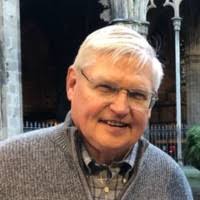


In this moving episode of “To Be and Do,” Philip Amerson shares a poignant reflection on faith, community, and the power of quiet resistance. Drawing from personal memories and the events in Minneapolis, Philip Amerson recounts a stirring story from Evansville, Indiana in the late 1980s. When the Ku Klux Klan attempted to sow fear and division following attacks in his neighborhood, Philip Amerson and his group, Patchwork Ministries, faced a decision that would test their commitment to faith and peaceful action.
Three Key Takeaways:
- Gentle Resistance Can Bring Peace:
- Instead of protesting the Klan’s meeting using loud opposition, the faith group opted for Stella’s simple yet profound suggestion: attend the meeting, pray with people, and respond in quiet kindness. This approach, driven by empathy and faith, diffused tensions in the sanctuary and allowed attendees to see one another more clearly—reminding us that sometimes, the most transformative action is the calmest.
- Relationships Transform Lives:
- After reaching out and building relationships—even with those involved in hate groups—Philip Amerson witnessed the power of connection. Inspired by advice from Will Campbell to learn the names of Klan members and treat them as individuals, Philip Amerson eventually saw a young Klan member become a regular attendee at worship. The act of acceptance and understanding paved the way for unexpected transformation.
- Faith in Action Means Living Differently:
- The story reaches its emotional climax when the young man drops his revolver and Klan membership card into the offering plate—a symbol of profound personal change. This powerful moment underscores Philip Amerson’s central message: as people of faith, we are called to live differently, building bridges through compassion, prayer, and hope. Small acts of kindness can not only defuse hate but invite healing and redemption.
Memorable Quotes:
- “Sometimes the message we share is one that is built around building a relationship and touching people gently and quietly…”
- “God bless you, just because we have the opportunity to live differently as people of faith.”
Tune in for this heartfelt narrative exploring the subtle strength of faith and the capacity for redemption in every human encounter.
Philip Amerson [00:00:01]:
Greetings everyone, this is Phil Amersonwith an episode of Because. Just because I want to share some reflections on life and ministry, on faith, I want to tell a story. It comes because I've been thinking a lot about the events in Minneapolis, in Minnesota, and the ICE raids there. And as I've mentioned earlier, it reminded me of other experiences— Kent State in 1970 and Jackson State, where African American students were murdered. But it took me closer to home as well. Evansville, Indiana. The year is about 1988 or '89. Unfortunately, in the neighborhood where we lived, which was on the Near East Side, there had been some attacks on women.
Philip Amerson [00:00:58]:
And who came into the community but the Ku Klux Klan? And they were going to help organize the good white women to protect them from a rapist. No one knew that the rapist was not white himself, or if there even was a rapist. It was just reported, and the newspaper were there. And I still remember we were a part of a faith group called Patchwork Ministries. Patchwork still exists. And we sat down one evening after worship and after the meal and said, what should we do? The Klan is organizing, they're going to hold a meeting at the Baptist church down the street, and how should we respond? And a lot of us had a lot of fancy education, we came up with all kinds of things we were going to do, uh, protest or whatever. And one woman who lived in the neighborhood, who let's just say some of us knew, we didn't think her elevator went all the way to the top floor. Her name was Stella.
Philip Amerson [00:01:59]:
She lived with about 10 cats in her house. But Stella, listening to all of this, finally leaned back in her chair and said, you know, the best thing we could do is just go to that church where the Klan's going to be and just help people think about it more clearly and pray with them and be quiet. And to our amazement, we realized Stella had the best idea of any of us. And so the evening came at the Baptist church where the Klan was going to host its meetings, and about 20 of us showed up. We were at the doors, but we didn't protest in a typical way. What we did was, uh, we touched people as they came in and spoke to them in a soft voice. We were inside the sanctuary and spread out and sat by people. We asked early on that a hymn be sung which sort of threw the Klan people off, but it was Stella's idea.
Philip Amerson [00:02:58]:
And you know, we calmed that whole, whole situation down and found a place where people didn't come to be excited by the Klan, who tried. I ended up being a friend of one of the Klan members. I've talked about this. In other recordings, but a guy named Will Campbell worked with the Klan. He lived down outside of Nashville. I called Will and he said to me, when I told him our situation, he said, well, what are their names? And as I've said before, I didn't understand what Will was asking me. I thought he was asking me, who are the members of our group, or who are the people who are being attacked? But no, no, no, no, no, no, no. Will wanted to know what are the names of the Klan members, and that's when I got to know them.
Philip Amerson [00:03:55]:
One in particular who began to come to our worship services on Sunday evening. I don't know that I would have ever gotten there without Will's advice and without Stella's good information. And to make a long story short, about a year after I first met the young man who was a part of the clan. He had continued to come to worship, and one evening as we took up the offering— and it wasn't just money, people would give flowers and poetry and bread that they had baked— this young man came and dropped something in the offering plate. And quickly after the service, I took the offering back in an office and looked to see what it was. There were maybe $2.30 in the offering. But there was also something that this young man had dropped in, and it was his revolver along with his Klan membership card. Sometimes the message we share is one that is built around building a relationship and touching people gently and quietly, and praying with them, and oh yes, singing some songs of hope.
Philip Amerson [00:05:14]:
God bless you, just because we have the opportunity to live differently as people of faith.


